In the fast-paced world of logistics, choosing the best Mezzanine Systems can significantly influence productivity and efficiency. Expert Sarah Thompson, a renowned consultant in warehouse optimization, emphasizes, "A well-designed mezzanine can transform unused vertical space into valuable working areas." Her insights remind us that not all systems are created equal.
When evaluating Mezzanine Systems, one must consider various factors. These include load capacity, modularity, and installation ease. The right system not only maximizes space but also enhances safety and workflow. However, many warehouses still struggle with improper designs that overlook these critical factors.
It's essential to recognize that each warehouse has unique needs. A generic approach may lead to subpar results or, worse, hazards. Reflecting on past installations can provide valuable lessons. Understanding the specific warehouse requirements is crucial for making an informed decision. Selecting an optimal mezzanine solution requires careful thought and consideration. A wrong choice could limit your warehouse's full potential.
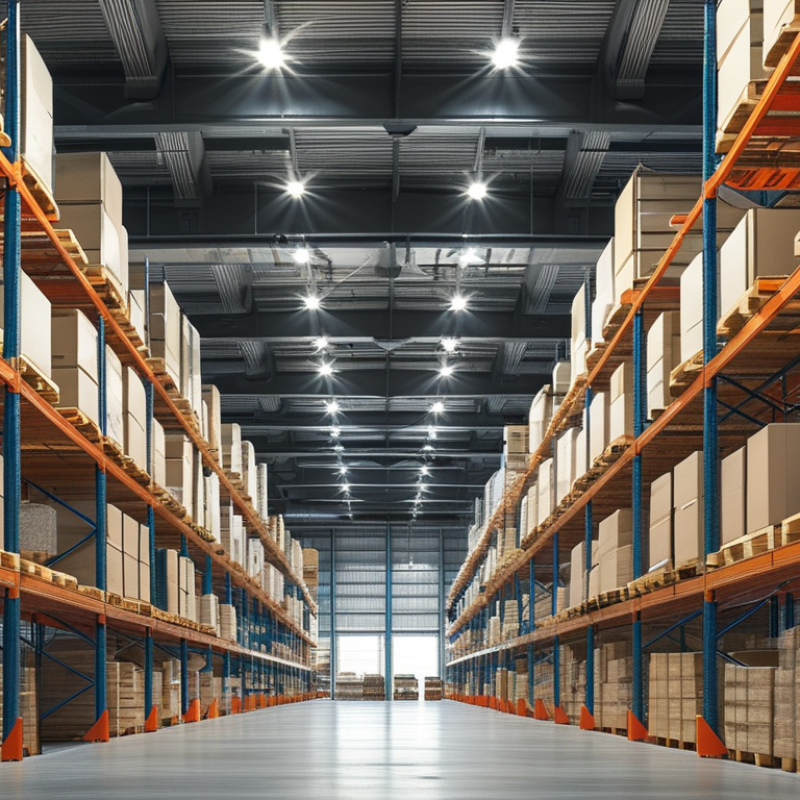
Understanding Mezzanine Systems and Their Benefits for Warehouses
Mezzanine systems provide an innovative solution for maximizing warehouse space. In recent years, studies have shown that optimizing vertical space can yield a 30% increase in usable area. This is particularly important as e-commerce continues to grow, with online sales projected to reach $6.3 trillion by 2024. With such demand, warehouses must become more efficient.
When selecting a mezzanine system, understanding its benefits is crucial. These systems allow for the addition of extra floors without the need for major construction. They can accommodate various functions – from storage to office spaces. This flexibility helps businesses enhance productivity without the burden of relocating. Reports indicate that companies can realize ROI within 18 months of installation.
Tips: Consider your existing space. Measure ceiling heights carefully to ensure your mezzanine fits comfortably. Choose materials that align with your operational needs. Steel frames offer durability, while lighter materials can save weight.
Reflecting on potential challenges, it’s worth noting that integrating mezzanine systems may require adjustments to workflows. Staff training on new layouts is essential. Without proper attention, operations could suffer temporarily. Always plan and communicate clearly. This ensures everyone adapts smoothly to the changes.
Factors to Consider When Choosing Mezzanine Systems for Your Warehouse
When selecting mezzanine systems for your warehouse, consider specific factors that impact their functionality. Assess the height of your facility carefully. Ensure there is enough vertical space for both the mezzanine and the processes beneath it. Insufficient height can lead to poor workflow efficiency.
Weight capacity is another crucial aspect. Understand the load requirements of your materials. Each mezzanine design has specific weight limits. Not adhering to these limits could cause safety hazards or structural failures. Always consult with a professional for accurate assessments.
Tips: Review your workflow needs. Walk through your processes to identify bottlenecks. This insight will help you understand where a mezzanine could add value. Evaluate your future growth plans too. Anticipating changes can guide you in selecting the right mezzanine system that accommodates expansion.
Look into the installation process as well. Some systems may be more complex and time-consuming to set up. Weighing the pros and cons of DIY vs. professional installation may save time and headaches later. Balancing initial costs with long-term benefits is essential for achieving a reliable and efficient warehouse space.
How to Choose the Best Mezzanine Systems for Your Warehouse? - Factors to Consider When Choosing Mezzanine Systems for Your Warehouse
| Factor |
Description |
Importance Level |
| Load Capacity |
Ensure the mezzanine can handle the weight of equipment and goods. |
High |
| Space Efficiency |
Maximize available warehouse space for storage or work areas. |
High |
| Installation Process |
Consider the ease and time required for installation. |
Medium |
| Accessibility |
Evaluate how easily items can be retrieved from the mezzanine. |
High |
| Material Quality |
Select durable materials that withstand wear and tear. |
Medium |
| Compliance with Regulations |
Ensure adherence to local safety codes and industry standards. |
High |
| Customization Options |
Look for systems that can be tailored to specific needs. |
Medium |
Types of Mezzanine Systems: Which One is Right for Your Needs?
When selecting mezzanine systems for a warehouse, it’s vital to understand the types available. One common option is the structural steel mezzanine. This is durable and suitable for heavy loads. If your warehouse needs increased storage space without building, this could be a solid choice.
On the other hand, if you prioritize versatility, consider a movable mezzanine. This type allows you to reconfigure your space as needs change. Flexibility can lead to increased efficiency in operations. Another option is rack-supported mezzanines, which integrate with existing shelving. This is ideal for optimizing vertical space while providing additional storage.
Assessing your needs is crucial. Can your current workforce adapt to a new mezzanine system? What are your future expansion plans? Reflecting on these questions can help you choose wisely. Each type serves different functions and has unique specifications. It's not just about adding space; it's about enhancing productivity too.
Essential Features to Evaluate in Mezzanine Systems for Warehousing
When selecting mezzanine systems for your warehouse, evaluating essential features is crucial. The layout of your space should guide your choice. A custom design can optimize storage capacity. Consider the height of your warehouse when planning a mezzanine. Systems must comply with safety regulations while maximizing space.
Load capacity is another critical feature. Ensure the mezzanine can handle the weight of your inventory. Factors like shelving and equipment usage affect this. Inspecting structural materials is also important. Steel frames offer durability, whereas wood may need replacement sooner. Pay attention to ease of access. Ladders, stairs, or elevators should be suitable for your staff’s needs.
Flexibility in design allows future adjustments as your operation grows. Some systems can be reconfigured or expanded. Regular maintenance is necessary for longevity. A thorough examination of potential issues is often overlooked but can prevent costly repairs. Evaluating these features thoughtfully will lead to a suitable investment in your warehouse's efficiency.
Cost Considerations and Budgeting for Mezzanine System Installation
When considering a mezzanine system for your warehouse, cost is a key factor. Start by evaluating your current space and storage needs. Analyze how much additional space you really require. You might find that a smaller mezzanine could suffice. It’s easy to overspend on features you don't need. Sometimes less is more.
Next, examine installation costs. Professional installation can be expensive, but it ensures safety and compliance. Poorly installed systems can lead to higher long-term costs due to damages or injuries. Also, think about the time involved. A quick-install option might attract attention, but could compromise quality. Balancing cost and reliability is crucial.
Finally, consider long-term expenses. Maintenance costs can add up if the system isn't durable. Scalable solutions can be a wise choice. They allow for growth without a complete overhaul in the future. Reflect on your budget and be realistic. Overspending can strain your resources, while underestimating needs might lead to regrets later.
Conclusion
Choosing the best Mezzanine Systems for your warehouse requires a thorough understanding of their benefits and key features. Mezzanine Systems provide a valuable solution for maximizing vertical space, allowing for increased storage capacity and improved operational efficiency. When selecting the right system, factors such as the specific needs of your warehouse, including load-bearing requirements and layout, must be taken into account.
Additionally, various types of Mezzanine Systems are available, each suited for different applications, so it’s crucial to assess which one aligns best with your operational goals. Evaluating essential features—like accessibility, safety standards, and ease of installation—will further guide your decision. Lastly, careful budgeting and considering installation costs are vital to ensure a feasible investment in these systems, ultimately contributing to your warehouse's efficiency and productivity.

 DriveRacks