DriveRacks
Global Industrial Storage Metamorphosis: The Crucial Role of Mezzanine Racking Systems
In the contemporary landscape of global logistics, commercial warehousing, and high-density industrial manufacturing, vertical spatial efficiency is no longer just an operational advantage—it is a financial necessity. As industrial land values escalate across major global trade corridors, organizations are compelled to restructure their spatial layout. The traditional model of horizontal facility expansion has been rendered economically unviable in metropolitan hubs. Consequently, multi-level structural mezzanines and rack-supported attic systems have transitioned to the forefront of warehouse architecture.
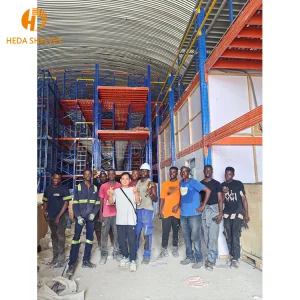
Chengdu DriveRacks Industrial Technology Co., Ltd. has established itself as an authoritative global partner and premium exporter, engineering cutting-edge mezzanine floor racking configurations. We specialize in converting underutilized overhead airspace into highly functional, structurally certified storage, offices, and dynamic fulfillment platforms. Through advanced metallurgy, precise CAD modeling, and conformance with rigorous international safety benchmarks, our systems empower companies to maximize their volumetric footprints while minimizing overhead expenditures.
This whitepaper goes beyond product listings to detail the structural dynamics, material physics, regional regulatory pathways, and smart production stages that define industrial-grade mezzanine systems. Our goal is to provide engineering procurement officers, facility directors, and supply chain architects with the empirical data needed to make informed structural capital investments.
1. Macro-Industry Solutions & Space Dynamics
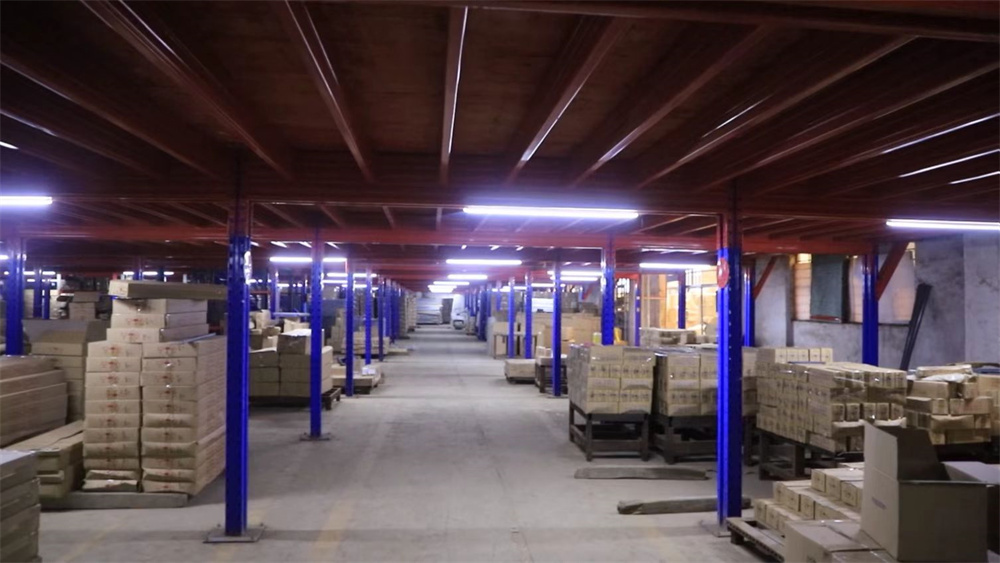
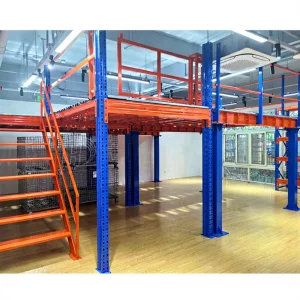
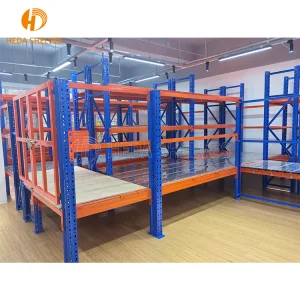
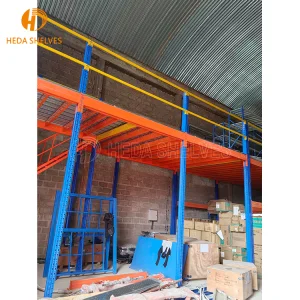
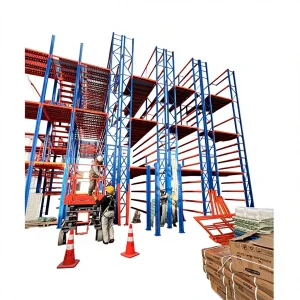
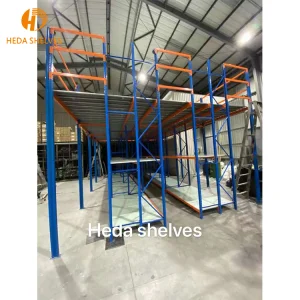
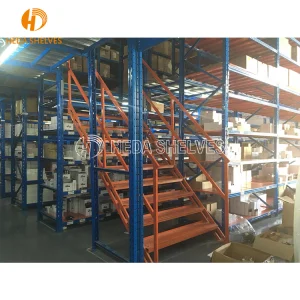
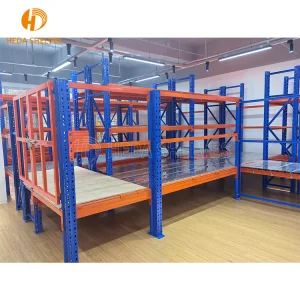
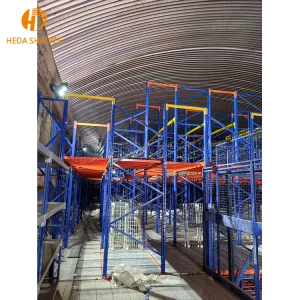
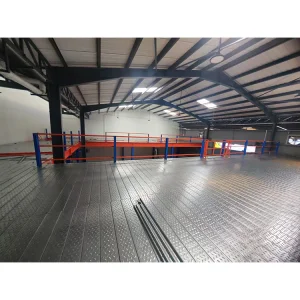
Modern warehouse operations span a diverse spectrum of handling profiles, from automated conveyor loops to manual e-commerce fulfillment aisles. Traditional shelving restricts operations to a single floor level, underutilizing high clearance ceilings. Structural steel mezzanines resolve this spatial challenge by constructing elevated floor systems supported by robust steel columns or underlying pallet racking systems. By doing so, they multiply the total usable square footage without altering the building's structural shell.
In e-commerce fulfillment hubs, for example, high-speed sorting systems are frequently mounted on the upper level of structural platforms, allowing the ground floor to remain open for pallet transit, forklift maneuvers, and loading docks. In heavy equipment manufacturing, specialized mezzanines act as robust production platforms, separating assembly lines from material staging areas. Our engineering team designs these systems with tailored load distribution models, taking into account specific live loads (e.g., foot traffic, automated guided vehicles, mobile shelving) and dead loads (e.g., the self-weight of the steel structure, flooring, and permanent machinery).
2. Global Commercial & Industrial Status
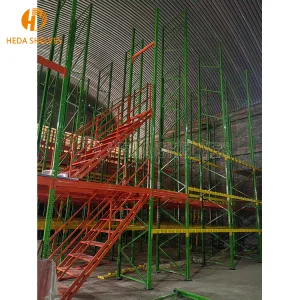
The global demand for high-capacity warehouse storage solutions is characterized by regional adaptations. In North America and Europe, stringent workplace safety frameworks and high labor costs have driven the adoption of automated, high-rise mezzanine structures that incorporate conveyors and autonomous mobile robots (AMRs). In contrast, high-density manufacturing hubs in the APAC region focus heavily on multi-tier heavy-duty pallet rack-supported attic lofts to optimize floor utilization under high-volume production schedules.
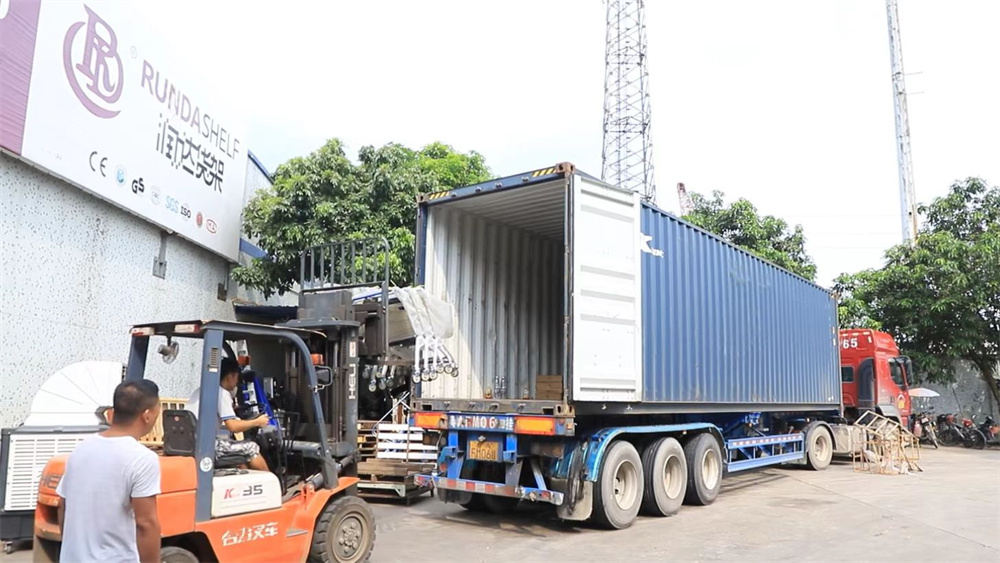
Furthermore, emerging cross-border e-commerce networks in Latin America and the Middle East are experiencing rapid warehouse localization, driving demand for modular, bolt-together mezzanine kits that can be shipped, assembled, and reconfigured efficiently. As an established exporter with custom solutions tailored for Oceania, Europe, and America, Chengdu DriveRacks integrates localized load-bearing calculations, seismic bracing, and safety barrier protocols to match the commercial realities of these global markets.
3. Architectural Engineering & Structural Integrity
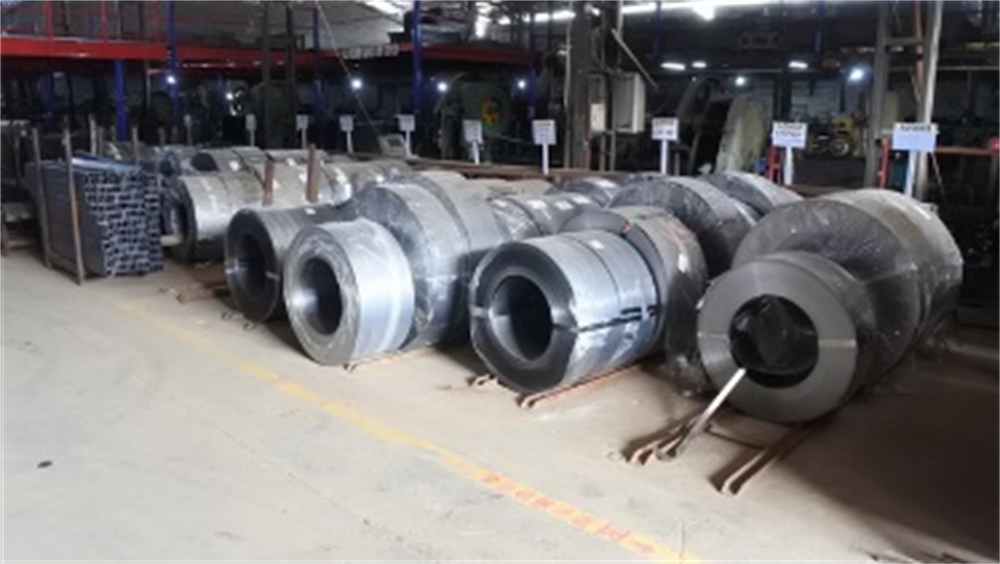
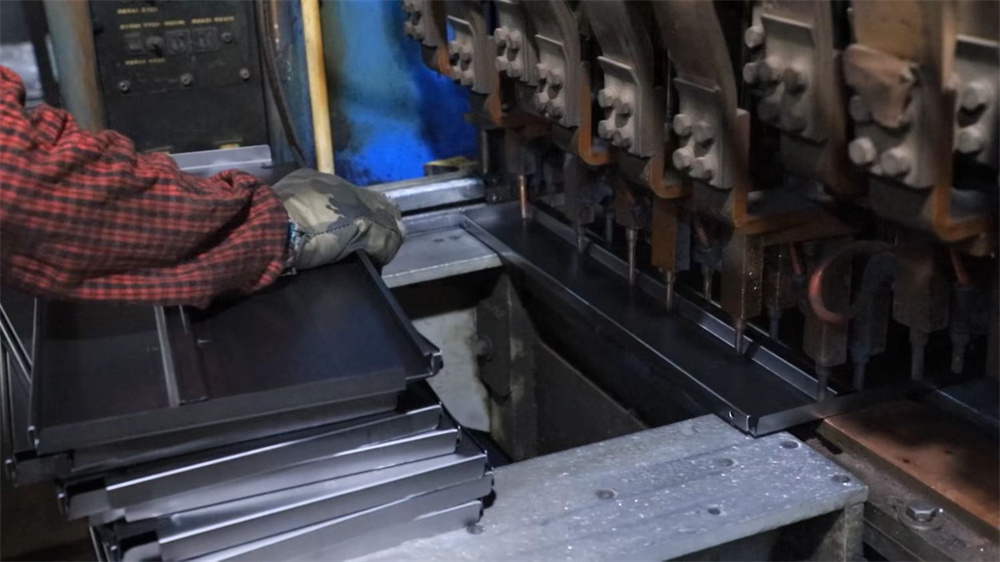
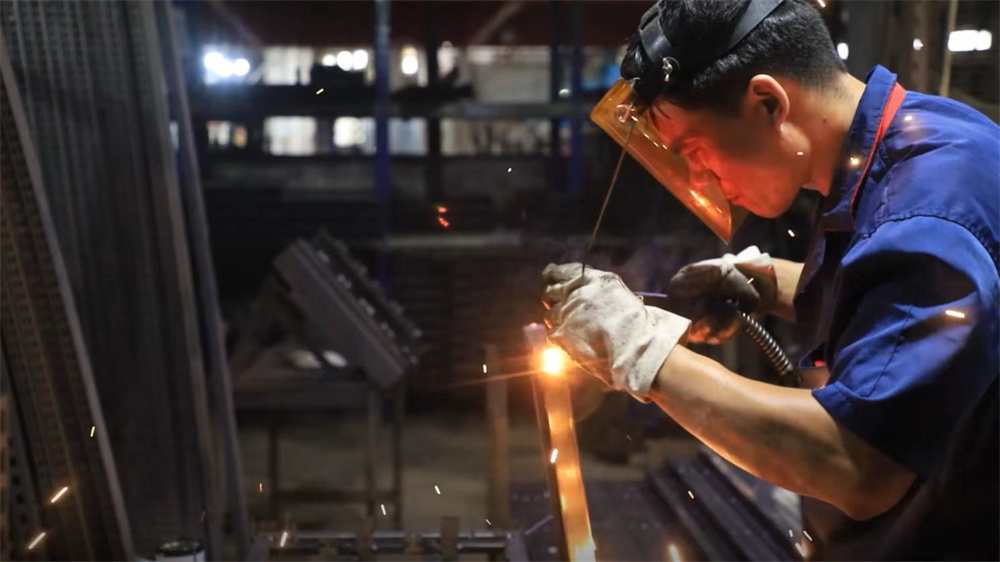
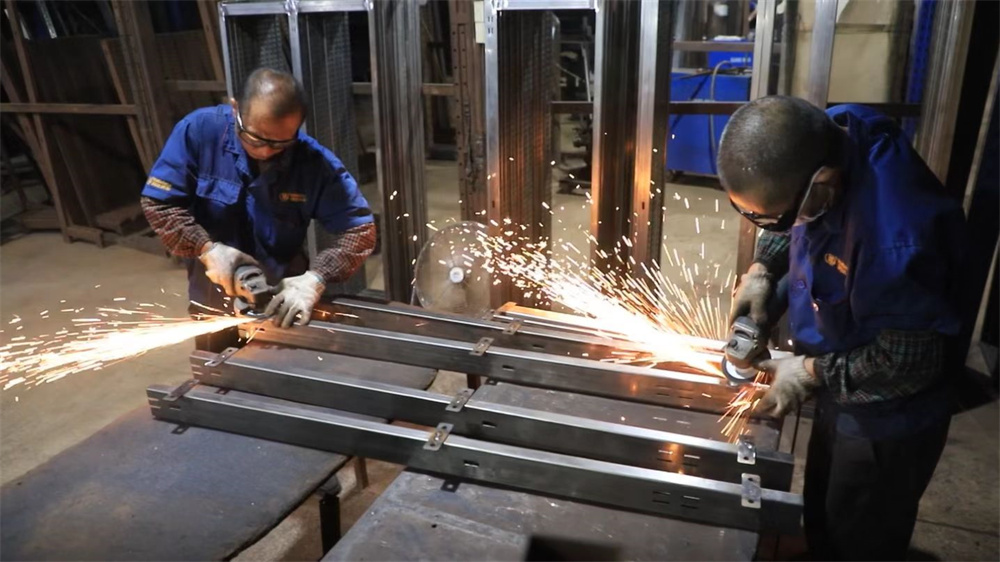
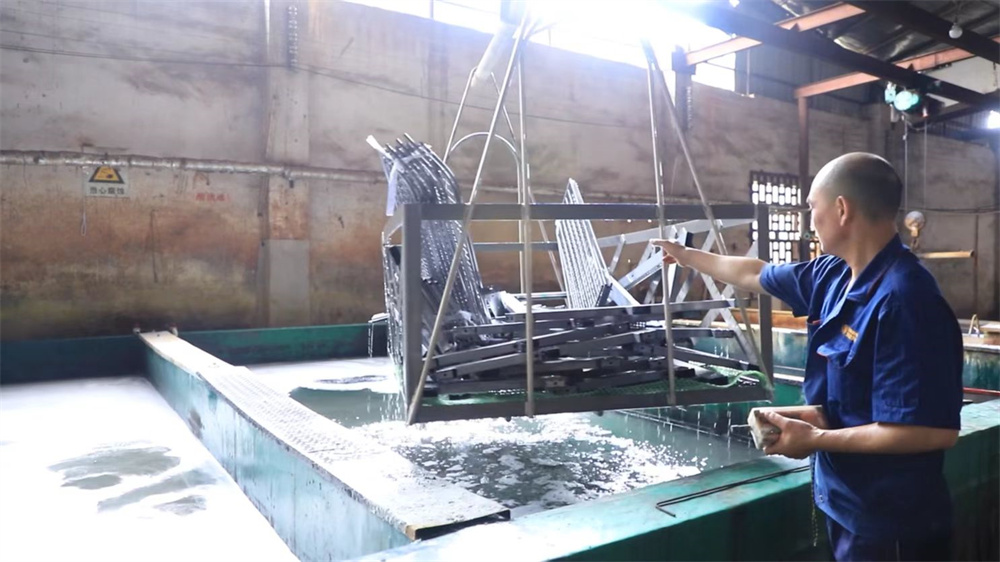
The stability of a multi-tier storage platform rests on architectural engineering and the quality of its structural steel. At DriveRacks, we utilize Q235B and Q355B structural steel, cold-formed and hot-rolled to precise tolerances. These steel grades offer optimal tensile strength, ductility, and weldability, making them ideal for high-load platforms subject to dynamic seismic forces.
Our structural designs are verified using Finite Element Method (FEM) analysis software. We model stress distribution under load conditions to prevent local buckling, frame deformation, or column deflection. Our structural beams (primary and secondary girders) are engineered to meet specific deflection limits (commonly L/240 or L/360 depending on local building codes), preventing structural sag and ensuring the platform remains safe for employees and automated machinery alike.