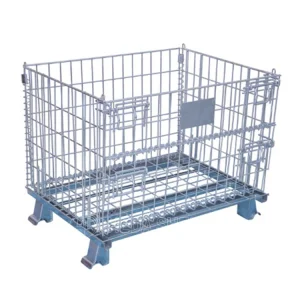
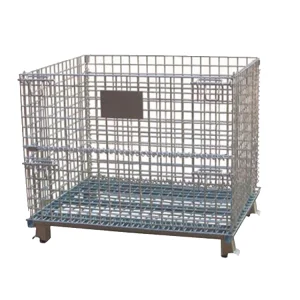
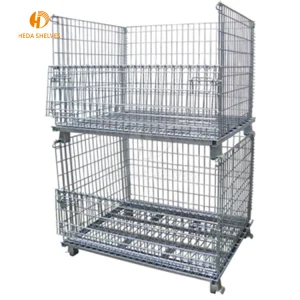
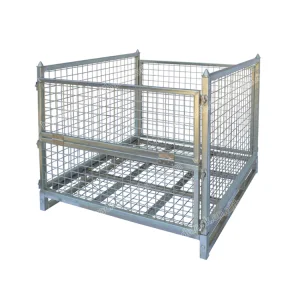
Engineered to withstand the demanding requirements of smart automated warehouses, e-commerce distribution centers, and manufacturing lines. Selecting the correct metallurgical and dynamic load specification ensures product safety and long-term durability.
Industrial warehousing is shifting away from static storage topologies to flexible, unitized handling structures. Storage cages and wire mesh boxes play a pivotal role in optimizing cubic utilization within facilities. By transforming loose, irregular merchandise into standardized, stackable modular units, they mitigate the risk of cargo damage while optimizing forklift turnaround times.
A key engineering feature of warehouse storage cages is their multi-axial rigidity. The grid structure, usually composed of cold-drawn steel wire, is welded at every intersection. This configuration distributes loads uniformly across the vertical panels, preventing structural buckling when under maximum capacity. Standard load profiles vary from 500 kg to upwards of 2,000 kg. High-tensile steel, such as Q235, provides the necessary elastic modulus to resist permanent deformation, maintaining structural geometry through years of heavy operations.
Moreover, the collapsible design of wire mesh containers enables dynamic spatial recovery. When empty, these cages fold flat, lowering return logistics overhead and saving up to 75% of static storage footprint inside the warehouse. When stacked, the positive interlocking feet transfer vertical forces directly to the warehouse slab or rack beams, securing a high safety margin during multi-tiered nesting operations.
Sustained operation in demanding environments requires specialized surface coatings. For moisture-prone cold chain operations or high-humidity ports, Hot-Dip Galvanizing (HDG) delivers optimal barrier protection. By immersing the steel structure in molten zinc at approximately 450°C, an alloy layer forms, providing sacrificial galvanic defense against corrosion. Alternatively, Electro-Zinc Plating offers a smooth finish suitable for indoor dry storage, while Electrostatic Powder Coating allows for color-coded logistics workflows with excellent impact resistance.
Chengdu DriveRacks Industrial Technology Co., Ltd. operates a highly automated production sequence across our 42,000 m² factory. Each manufacturing stage is guided by precise engineering tolerances to ensure dimensional stability and structural reliability. The flowchart below highlights the step-by-step processing of our raw materials into heavy-duty storage containers.
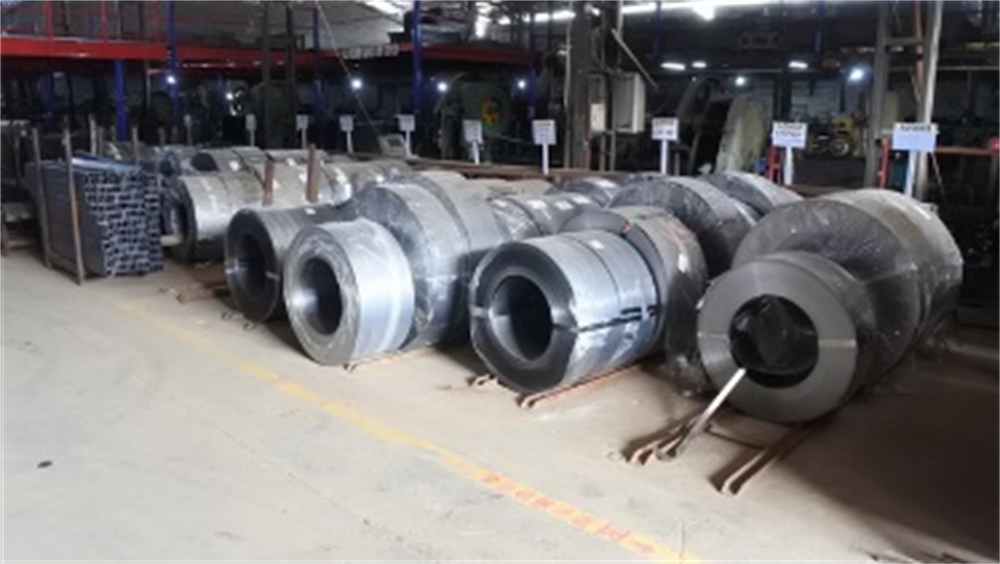
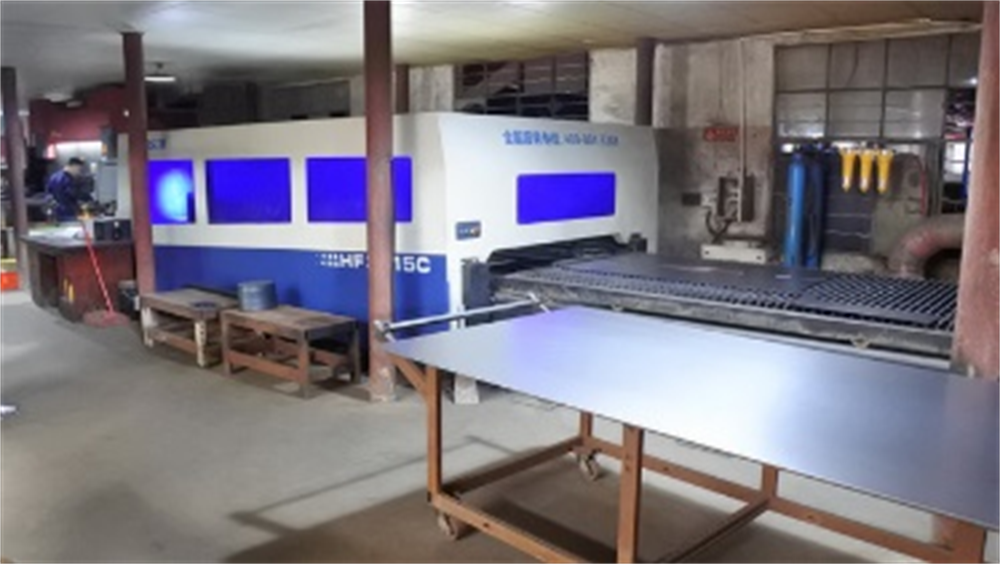
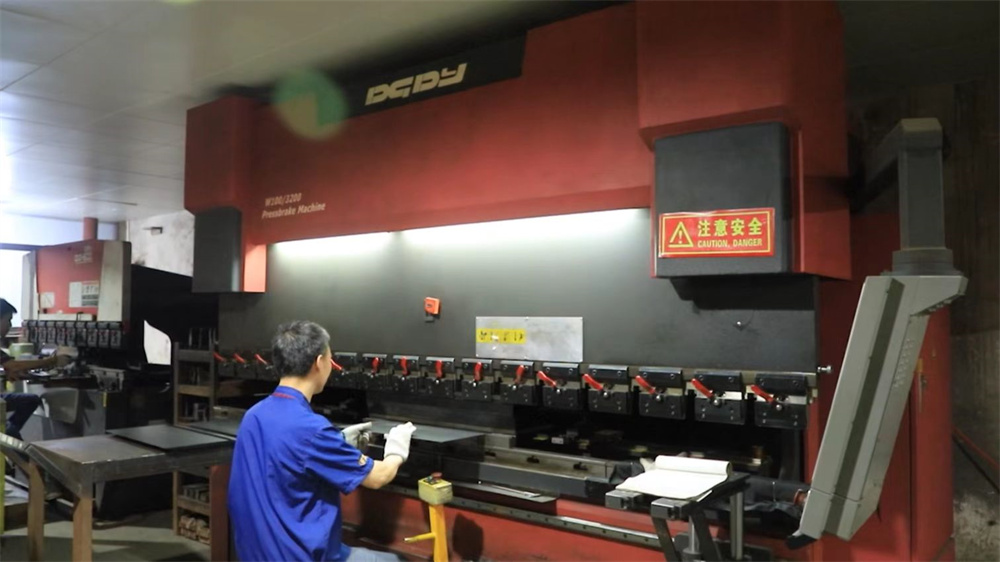
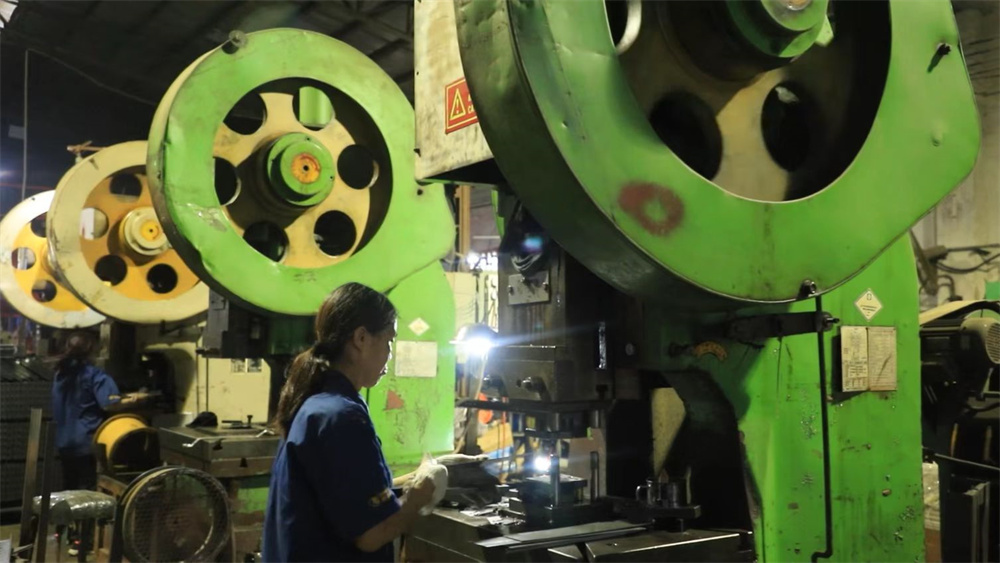
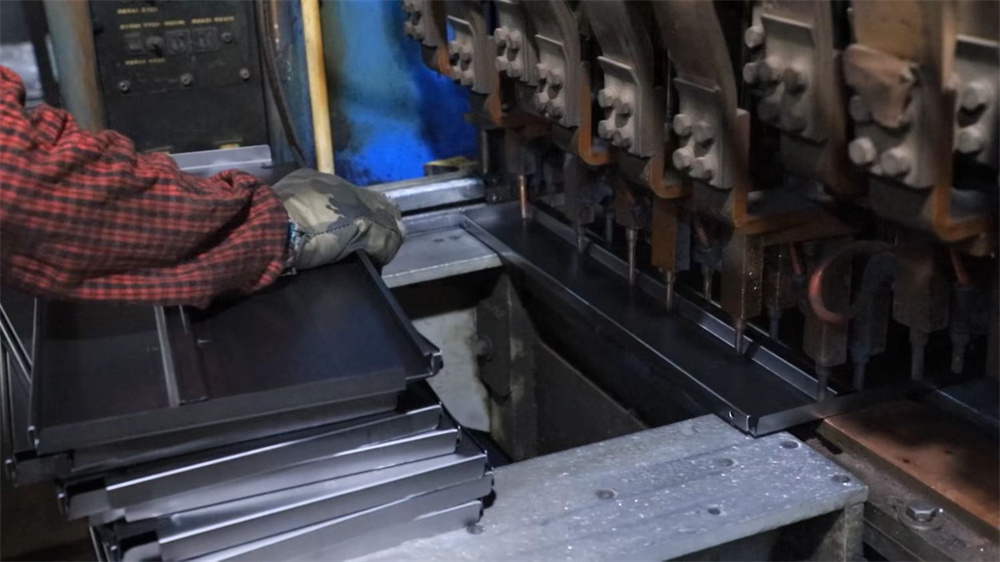
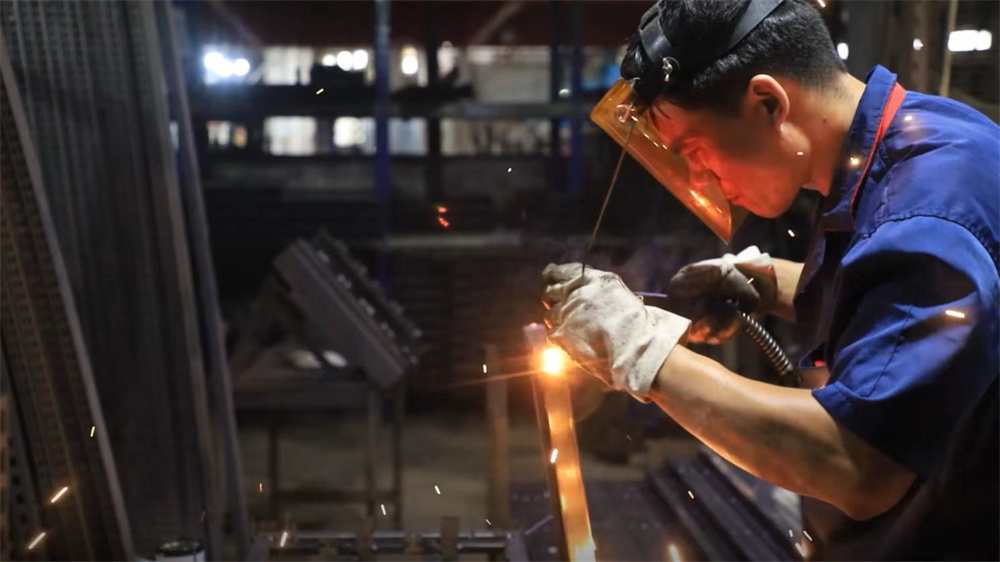
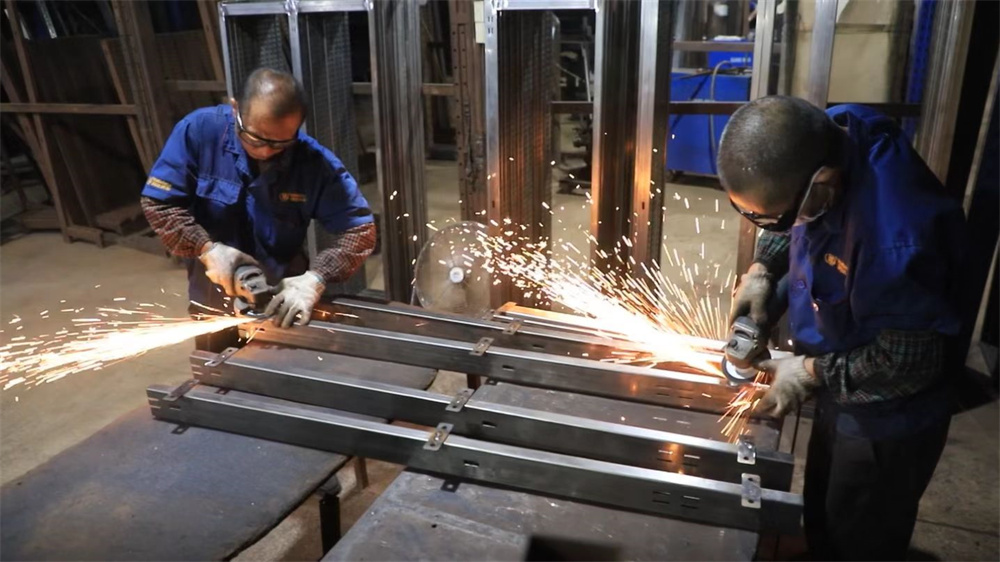
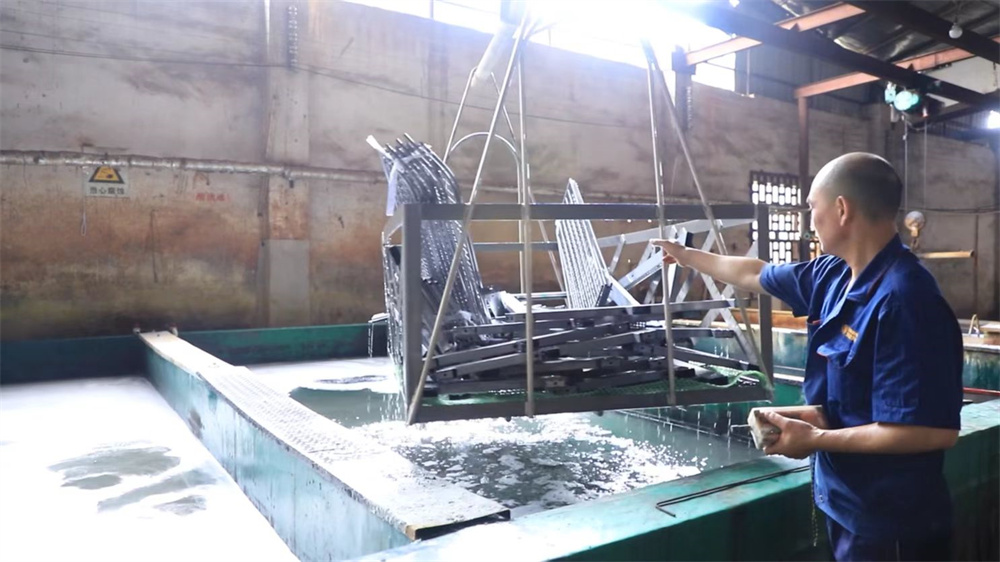
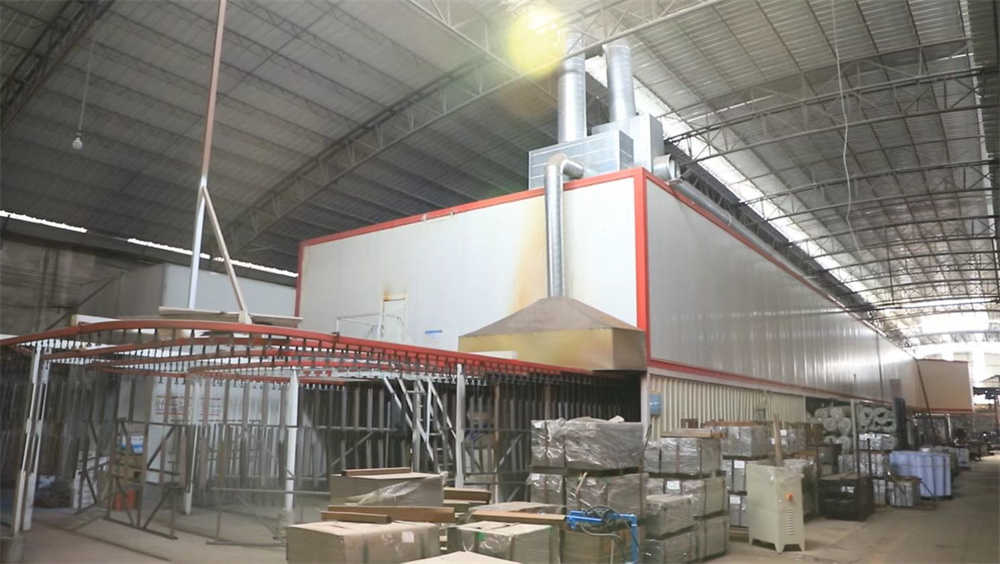
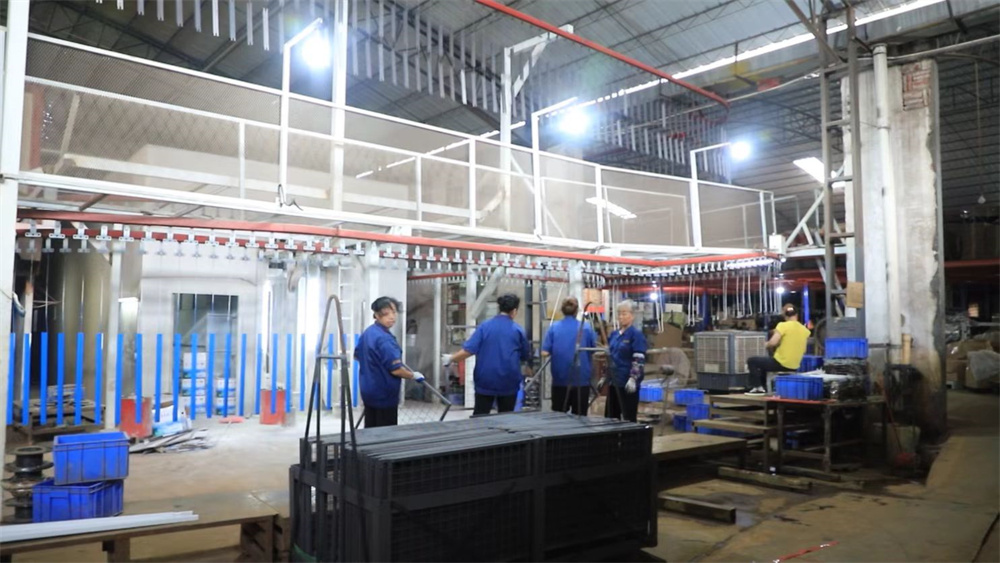
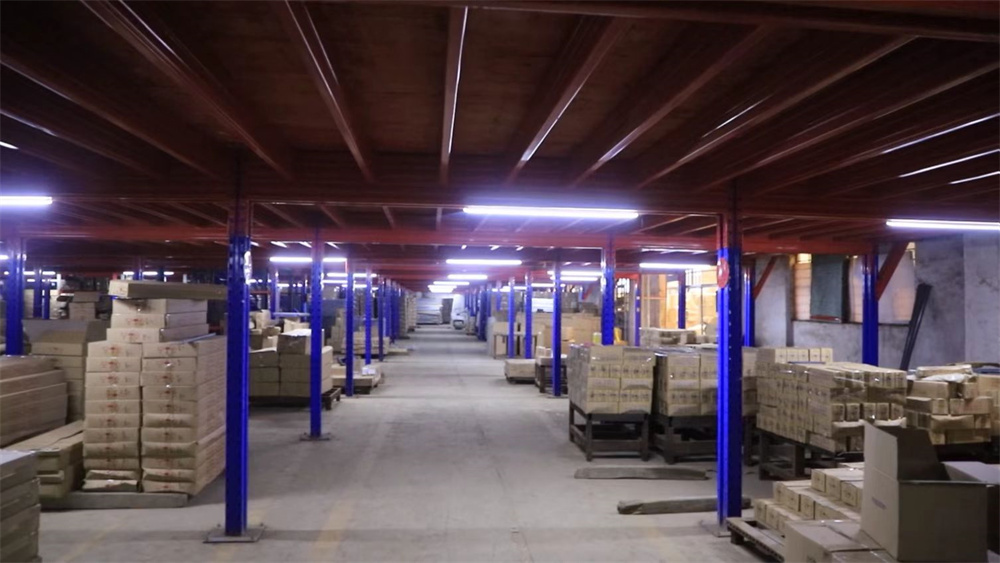
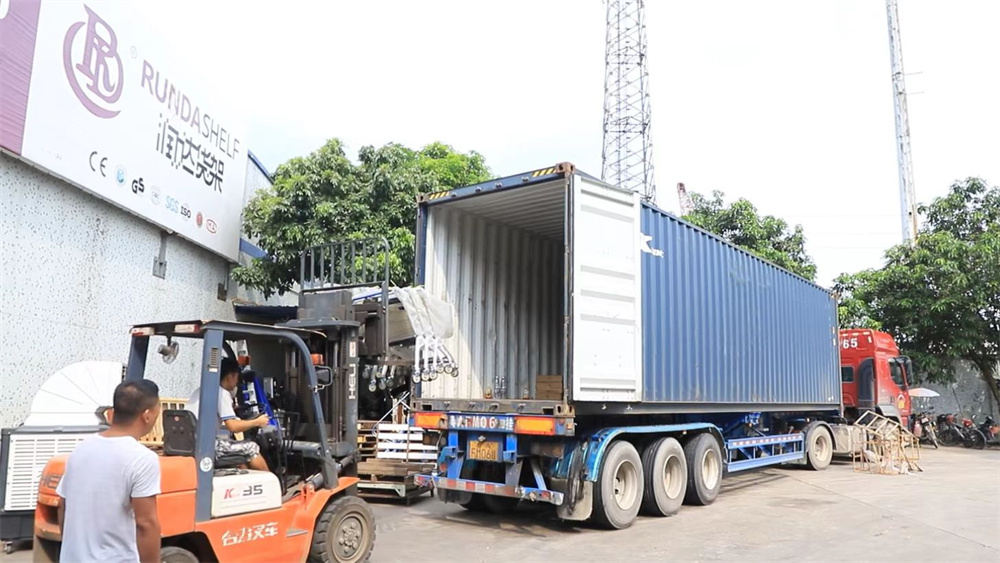
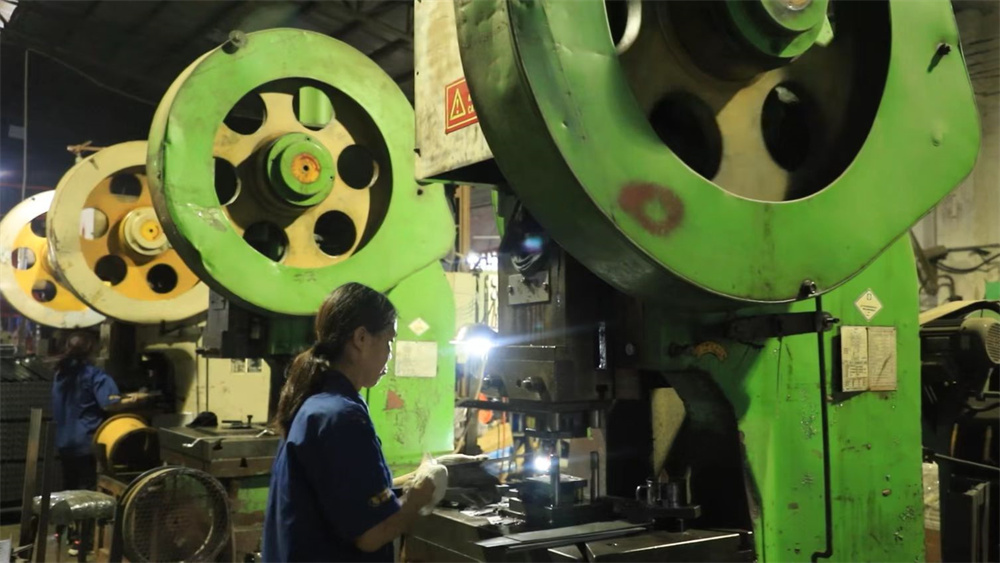
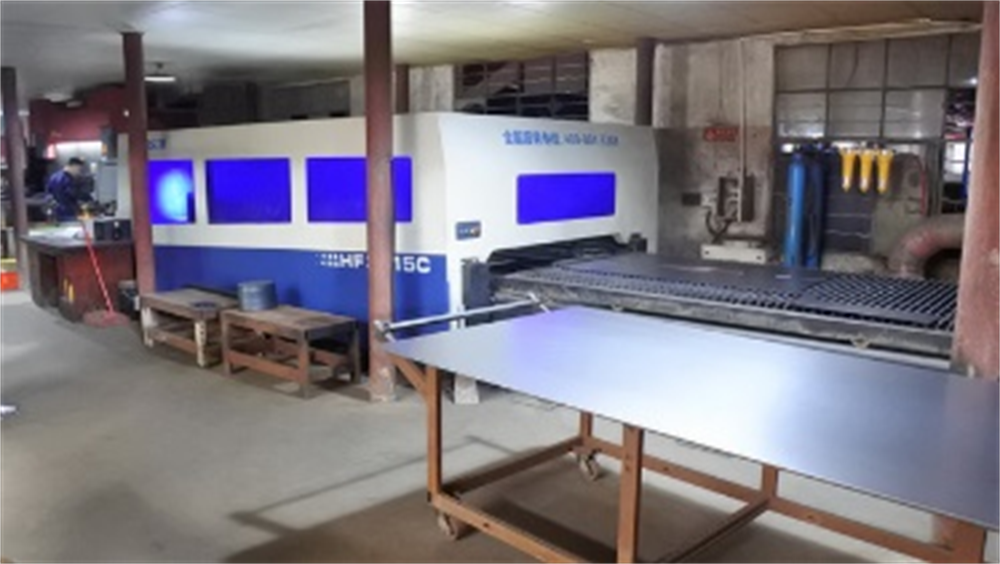
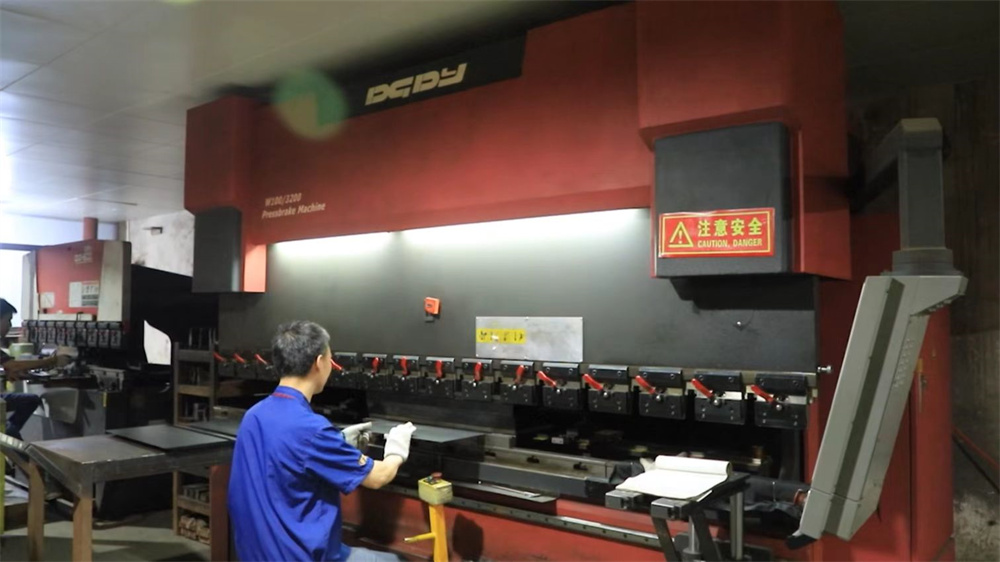
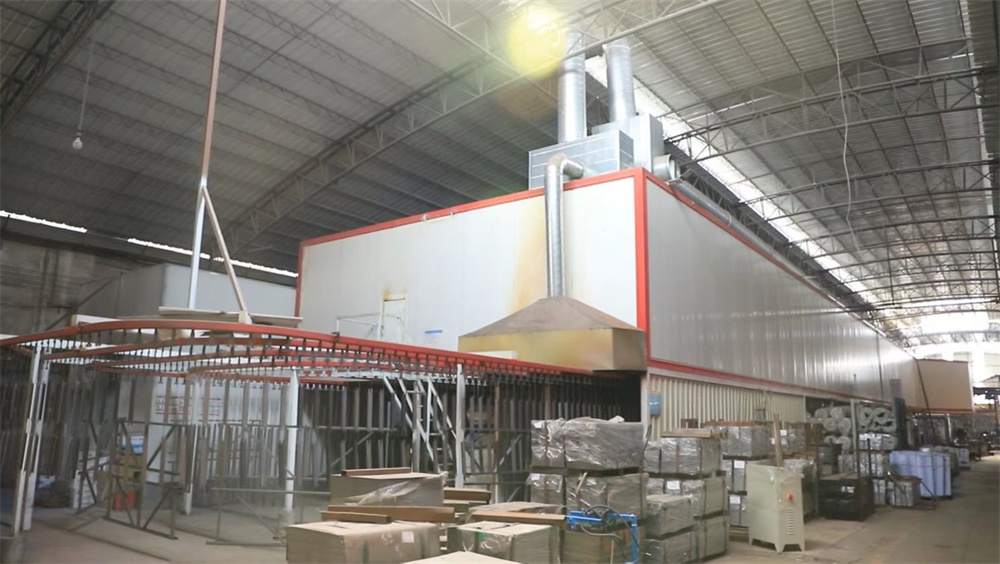
Our quality assurance protocol includes 30 certified inspectors operating independent testing gates. Raw material batches are subjected to tensile testing, checking the yield and ultimate strength limits before welding. In addition, the automated paint lines utilize ultrasonic thickness gauges to monitor coating consistency, ensuring optimal protection against wear and corrosion in harsh industrial environments.
Procuring industrial warehouse cages requires close alignment with regional safety frameworks and warehouse operations guidelines. In North America, structural storage elements fall under the preview of the Rack Manufacturers Institute (RMI) standards, particularly ANSI MH16.1. This standard governs design, testing, and utilization parameters for industrial steel storage racks and matching unit load containers. In Europe, FEM 10.2.02 and EN 15512 standards govern safety tolerances, structural deflection limits, and seismic mitigation protocols.
In highly seismically active zones, such as areas along the Pacific Ring of Fire or parts of the Middle East, standard storage cages must be configured with mechanical locking systems. This prevents shifting or tipping under dynamic seismic forces. During an earthquake, ground acceleration transmits kinetic energy into the rack frames. Unsecured load boxes can experience lateral displacement, leading to rack failure. To mitigate this risk, DriveRacks engineers run finite element analysis (FEA) simulations to design base channels, custom locking tabs, and positive-engagement feet that secure each container directly to the rack structural members.
Standard material testing certificates (EN 10204 3.1) must always accompany shipments of industrial storage containers. These certificates verify the chemical composition and mechanical performance of the structural steel (yield strength, tensile limits, and elongation rate). Importing operators should verify these documents to ensure compliance with occupational safety regulations and avoid structural liabilities.
In food-contact, pharmaceutical, and high-precision electronic manufacturing environments, storage equipment must withstand regular chemical sanitation. Zinc-plated and hot-dip galvanized units are tested for resilience against mild acid solutions, alkaline detergents, and chlorinated sanitizers. In cleanroom environments, electing to use premium electropolished stainless-steel wire meshes helps prevent surface oxidation, ensuring cleanliness and preventing microbial harboring in crevices.
Chengdu's development as an international logistics hub has established western China as a highly competitive manufacturing base for heavy industrial equipment. The Chengdu-Europe Express Rail system links local manufacturing directly to central European terminals, reducing transit times to 12-15 days. This presents a reliable alternative to sea freight routes, helping operators optimize their inventory management pipelines.
Furthermore, Chengdu's industrial ecosystem provides direct access to high-quality raw materials, specialized metallurgical treatment facilities, and advanced fabrication machinery. By operating a 42,000 m² plant, DriveRacks leverages these regional supply chain dynamics to manage production costs, offering competitive price points for international procurement partners while maintaining strict adherence to global engineering standards.
To support diverse material handling fleets, DriveRacks offers comprehensive design customization. Our engineering team modifies standard configurations to match specific material flow requirements:
Industrial storage cages are versatile tools utilized across various sectors to streamline material handling and logistics workflows. The specific configurations are tailored to address unique industry demands:
In the automotive parts supply chain, metal containers are essential for handling heavy castings, transmission housings, and structural stampings. These components require heavy-duty storage boxes capable of supporting high dynamic loads while resisting oil and chemical residue. Heavy-gauge welded steel boxes protect these precision parts throughout multi-stage transit and manufacturing processes.
Beverage packaging networks demand high-capacity container systems to manage PET preforms before blow-molding. These setups require tight mesh grids (e.g., 50x50mm) to prevent smaller preforms from slipping through or becoming wedged. Wire cages are designed to maximize vertical stacking limits, helping plants optimize warehouse space during peak seasonal production demands.
Cold chain facilities require materials that can withstand sub-zero temperatures and high moisture levels without degrading. Traditional wooden pallets can harbor mold, while plastic bins are prone to cracking under extreme cold. DriveRacks hot-dip galvanized wire cages provide a durable solution, maintaining structural integrity and resisting corrosion in low-temperature environments.
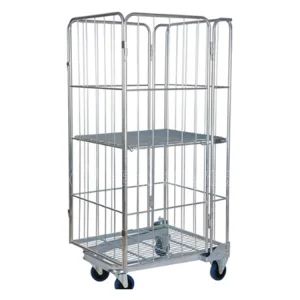
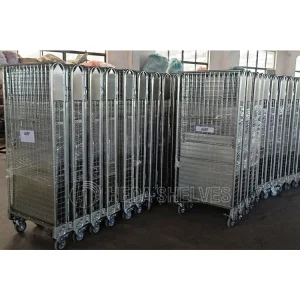
Modern distribution hubs utilize roll containers and secure trolleys to expedite the sorting and transport of packages. These units are configured with smooth-rolling casters and protective mesh enclosures to enable quick distribution center operations and safe transit to retail outlets.
The warehousing sector is increasingly adopting smart technologies and sustainable operations. As automated warehouses transition to data-driven structures, standard storage equipment is also being integrated with digital tracking tools. Standard metal cages are being fitted with RFID tags and IoT positioning sensors to enable real-time tracking of assets across transit networks, helping operators streamline inventory management and optimize supply chain visibility.
Simultaneously, the industry is prioritizing carbon footprint reduction. Steel returnable packaging systems help minimize reliance on single-use wooden pallets and plastic wrap, contributing to waste reduction in logistics. By utilizing durable materials that can be repeatedly recycled at the end of their operational lifespan, operators can support green logistics initiatives and reduce total cost of ownership (TCO).
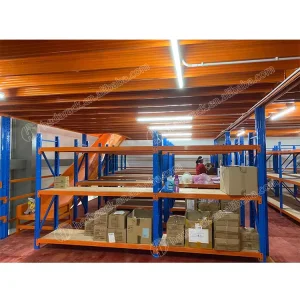
Explore our wider range of high-capacity storage racks, industrial cantilever systems, and structural mezzanines designed to maximize vertical capacity and streamline operations across commercial spaces.
 DriveRacks