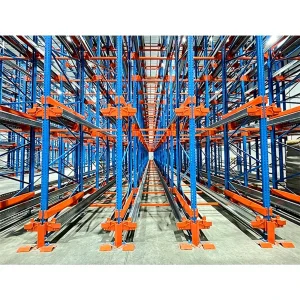
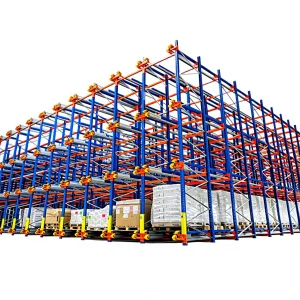
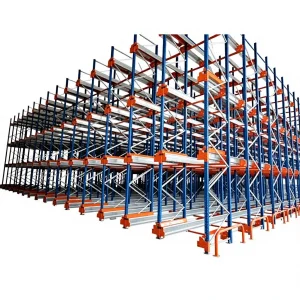
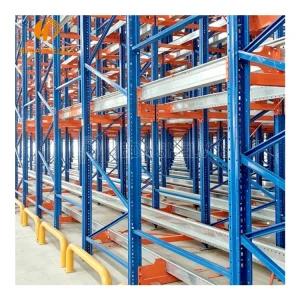
Explore our state-of-the-art dense pallet storage racking, featuring advanced autonomous carrier paths and robotic integrations.
Analyzing seismic load distributions, metallurgical configurations, and spatial optimization strategies in contemporary supply chains.
The global warehousing and logistics ecosystem is transitioning rapidly under the dual pressures of soaring urban land valuation and heightened operational throughput requirements. Traditional static storage models are no longer economically viable in key consumer markets across North America, Europe, and the Asia-Pacific region. As a result, the commercial and industrial demand for complex, engineered-to-order structural steel racking systems has reached unprecedented heights.
Modern warehouse logistics rely on structural integrity. From standard selective pallet configurations to highly automated AS/RS (Automated Storage and Retrieval Systems), every design choice impacts safety, velocity, and overhead costs. Structural design must account for dynamic factors: seismic coefficient calculations, local building regulations (such as the RMI specifications in the USA or FEM standards in Europe), forklift impact resistances, and specialized chemical finishes required for cold-chain preservation.
As a premier industrial manufacturer, Chengdu DriveRacks Industrial Technology Co., Ltd. addresses these systemic challenges through high-quality raw materials and structural engineering. The selection of structural steel grades—such as high-tensile hot-rolled coils (Q235B and Q355B, equivalents to ASTM A36 and ASTM A572 Grade 50 respectively)—ensures that the structural uprights and beam profiles support extreme load limits under continuous load conditions.
Furthermore, structural optimization is no longer just about static load limits; it is about system integration. By aligning rack production with automated guided shuttle rails, we enable international logistics networks to maximize vertical heights, reduce transit times within aisles, and transition seamlessly toward smart, unmanned warehousing environments.
| Steel Grade Designation | Yield Strength (MPa) | Tensile Strength (MPa) | Equivalent Standards | Primary Racking Application |
|---|---|---|---|---|
| Q235B | ≥ 235 | 370 - 500 | ASTM A36, SS400, EN S235JR | Standard Uprights, Cross Bracing, Light-to-Medium Duty Beams |
| Q355B | ≥ 355 | 470 - 630 | ASTM A572 Gr50, EN S355JR | Heavy-Duty Load Beams, Seismic Baseplates, High-Rise ASRS Uprights |
| SS400 | ≥ 245 | 400 - 510 | JIS G3101 | Export-Grade Adjustable Pallet Shelving, Connectors |
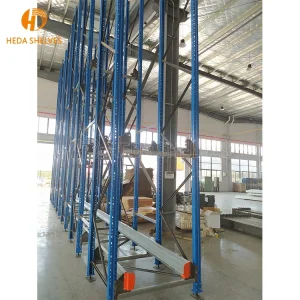
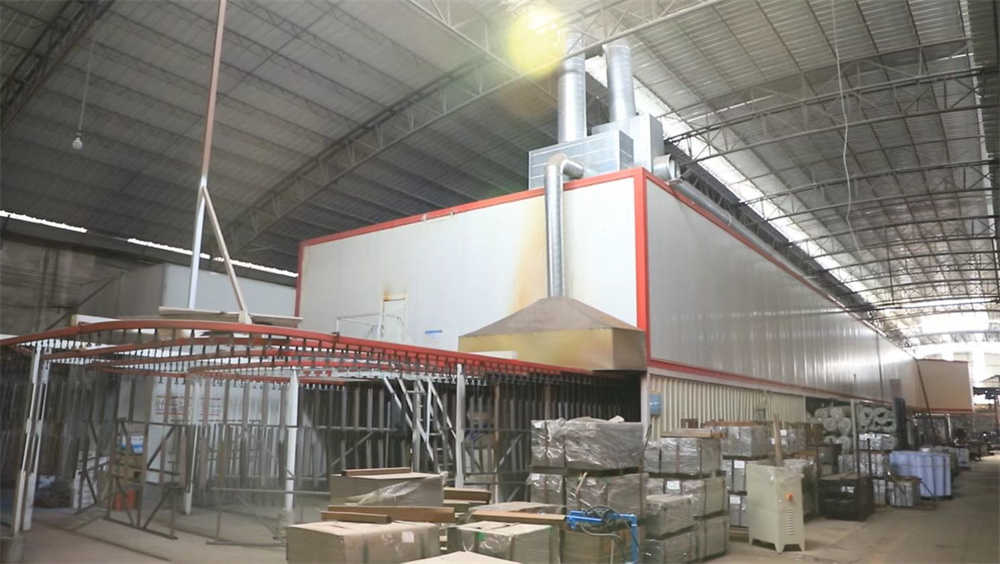
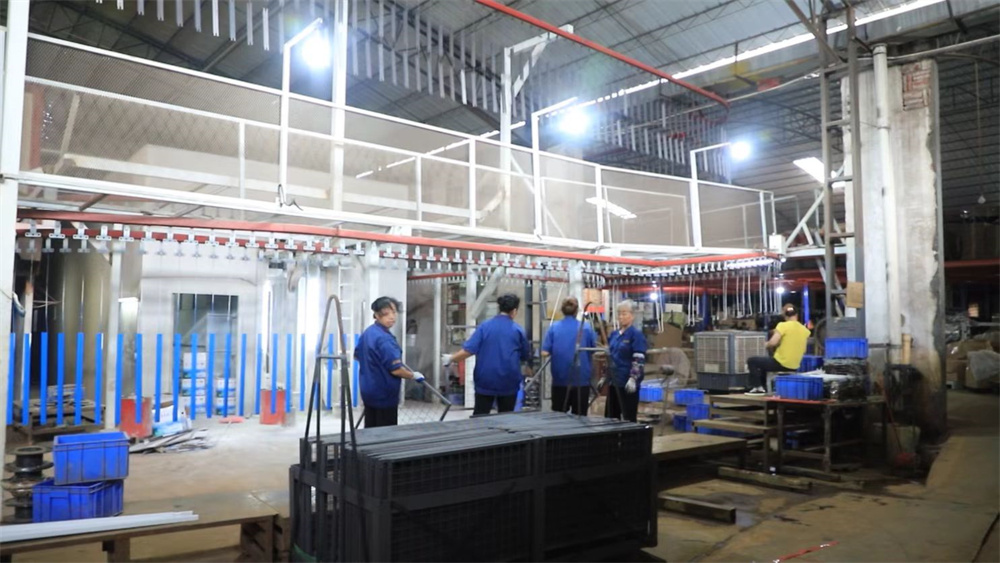
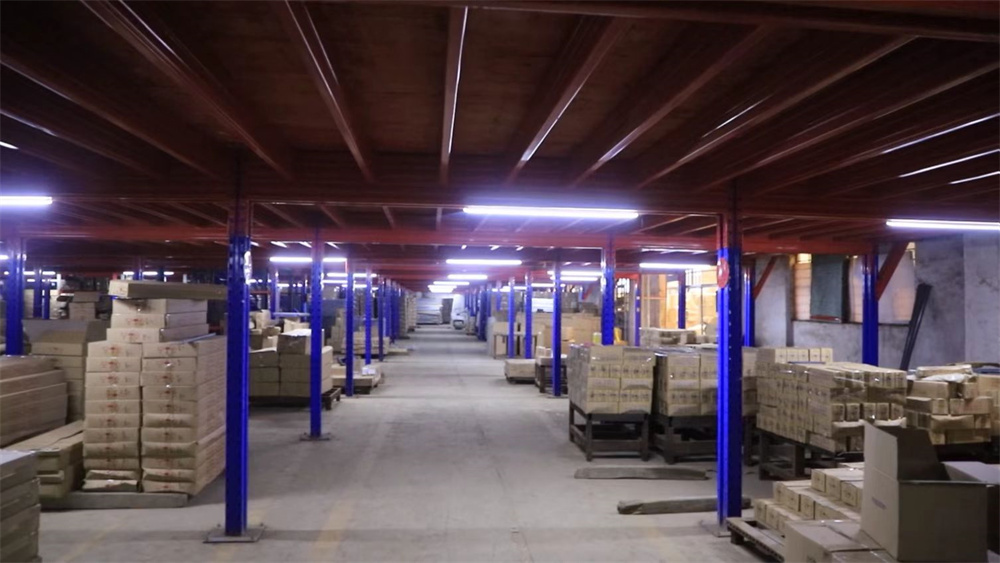
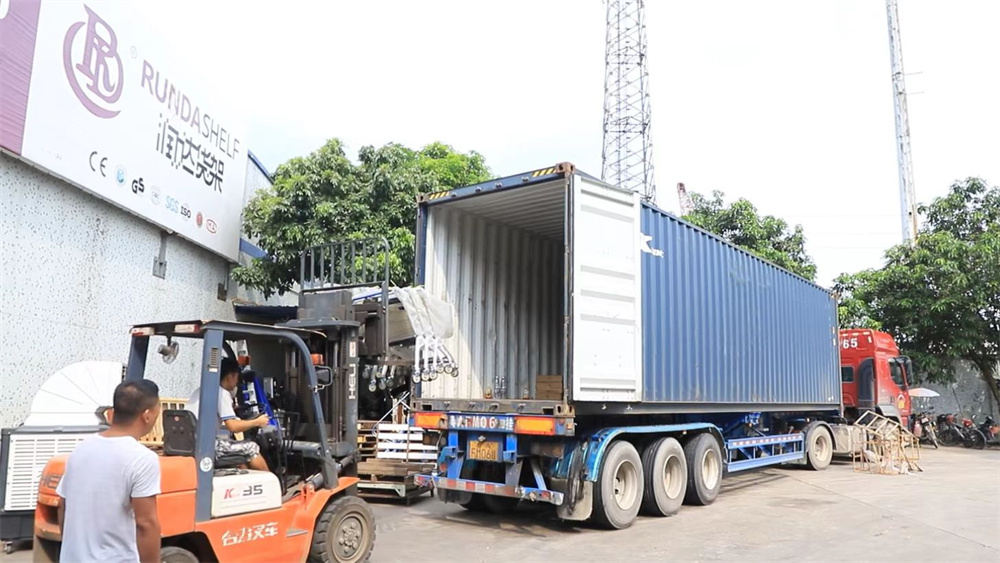
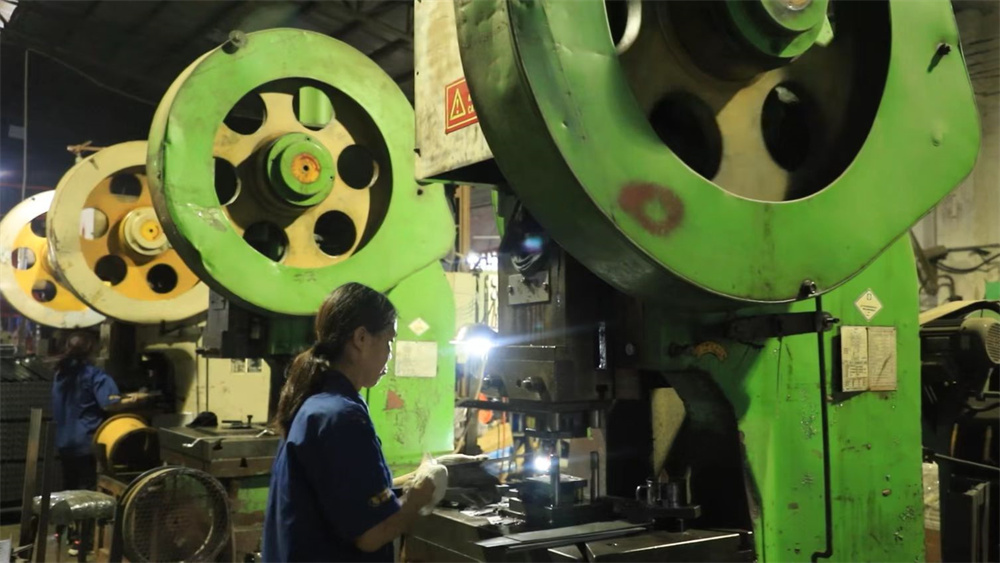
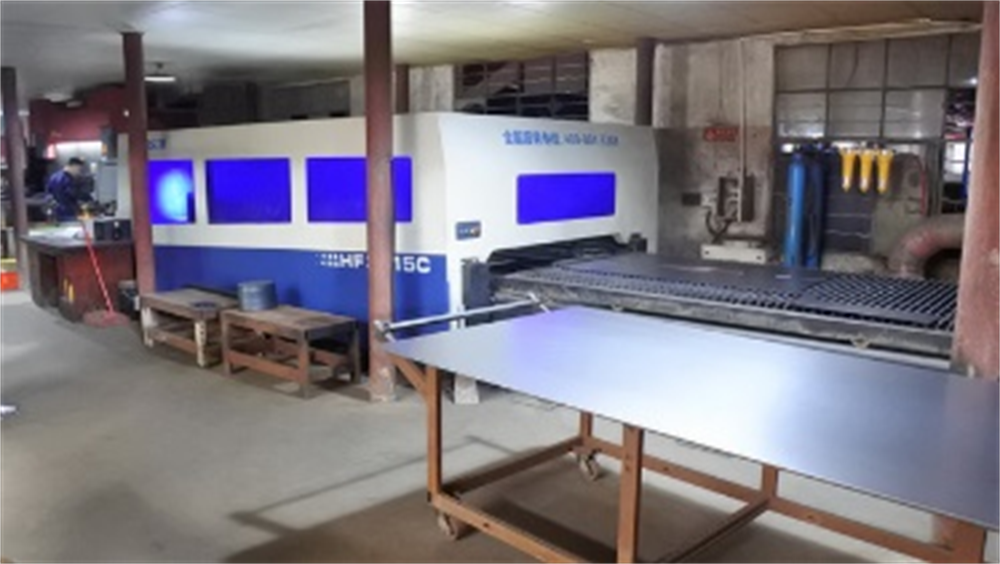
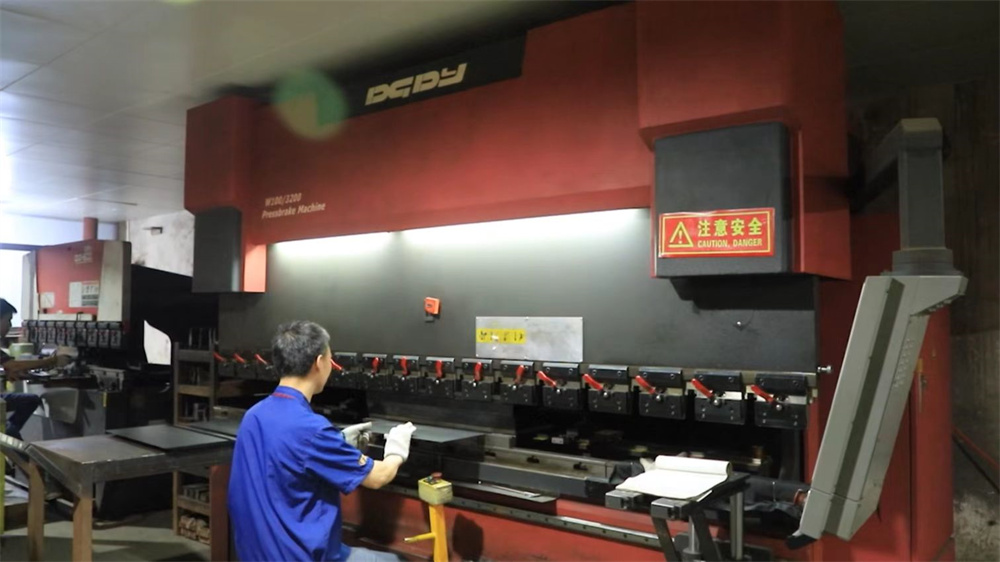
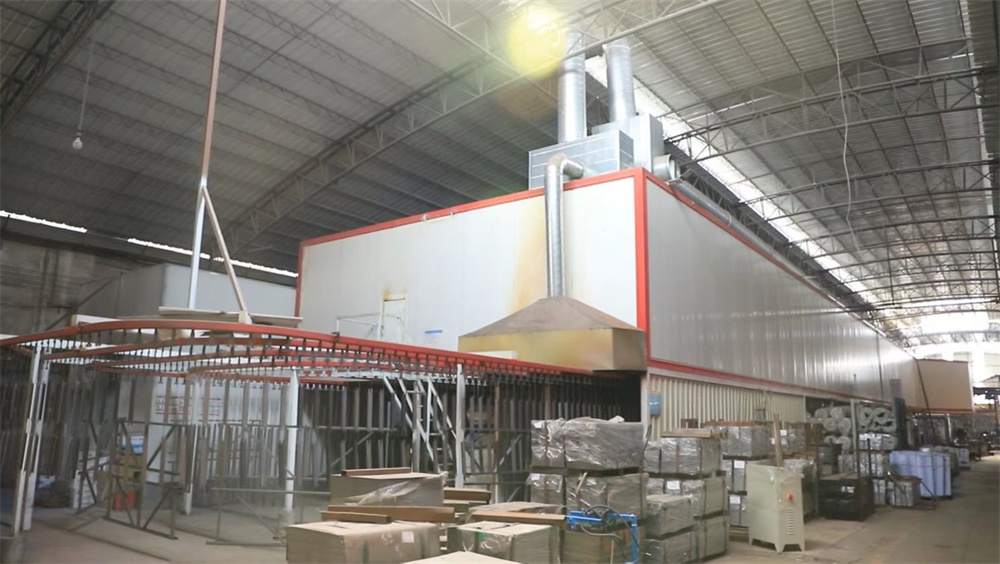
Inside Chengdu DriveRacks' 42,000 m² state-of-the-art facility: precision engineering from raw steel to automated shipping.
Established in 2017, Chengdu DriveRacks Industrial Technology Co., Ltd. operates a state-of-the-art 42,000 m² manufacturing plant dedicated to advanced material handling and heavy-duty storage infrastructure. Delivering $35 million in annual export revenue, we bring 9 years of deep industry expertise and 6 years of international trade operations. Quality is integral to our process; our team of 30 certified inspectors executes rigorous raw material tensile testing and automated powder-coating thickness audits. Serving high-growth markets across the Middle East, Latin America, and Oceania, DriveRacks leverages a robust ecosystem of 1,200 supply chain partners. We primarily serve enterprise warehouse operators, e-commerce fulfillment hubs, and heavy equipment manufacturers. Powered by 110 skilled R&D engineers focusing on smart automation and high-density racking design, we released 250 dynamic product iterations last year and provide comprehensive customization spanning rack dimensions, seismic ratings, and surface treatments.
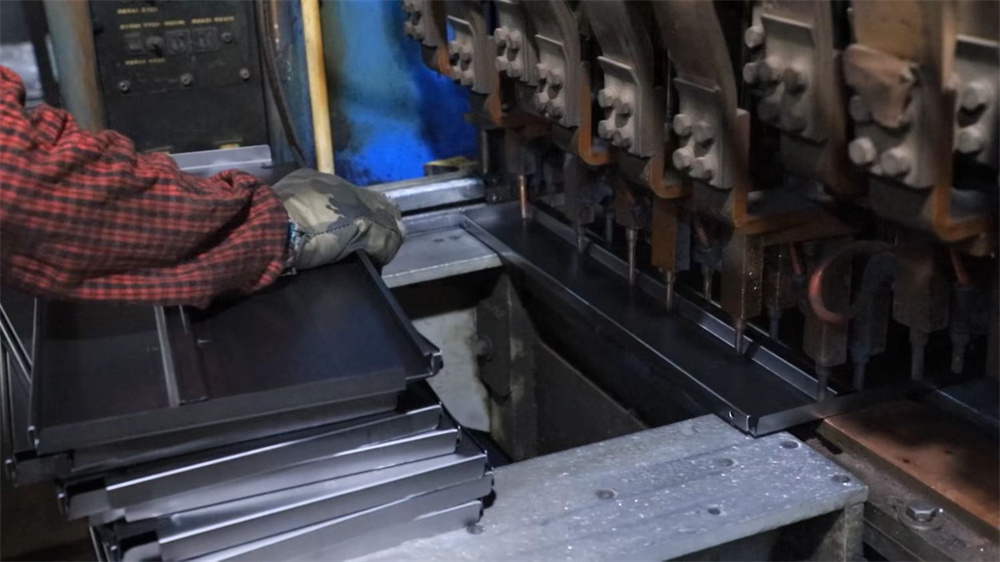
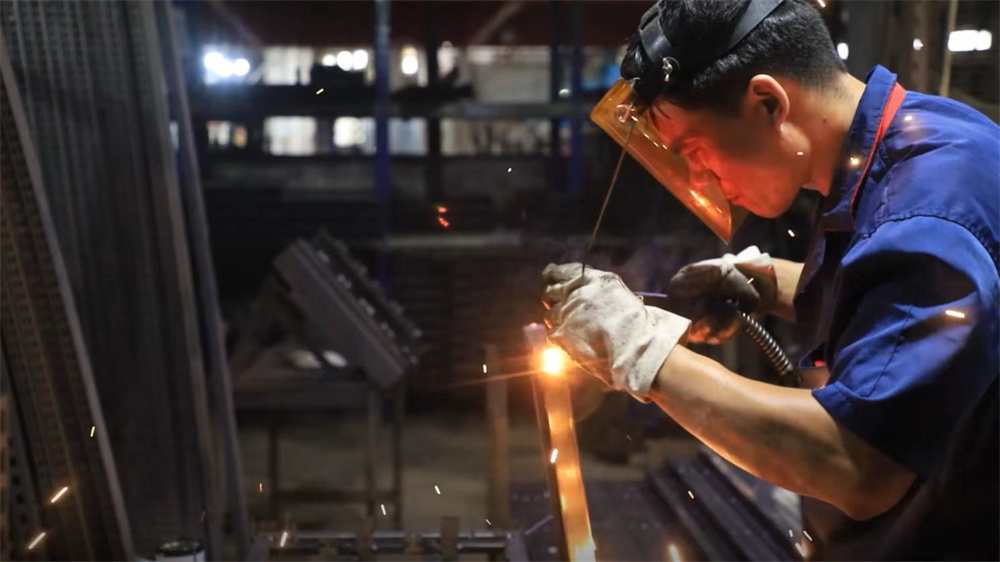
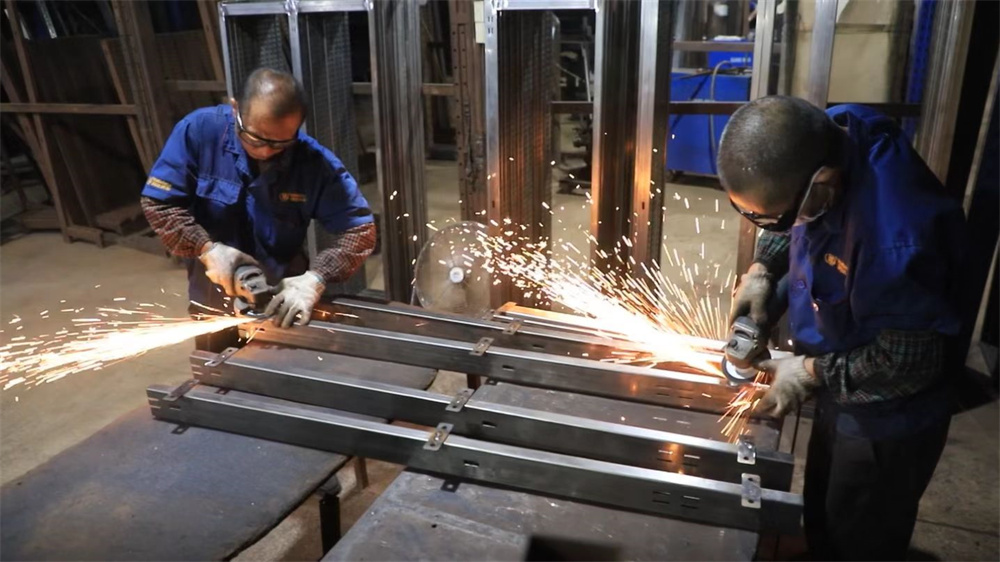
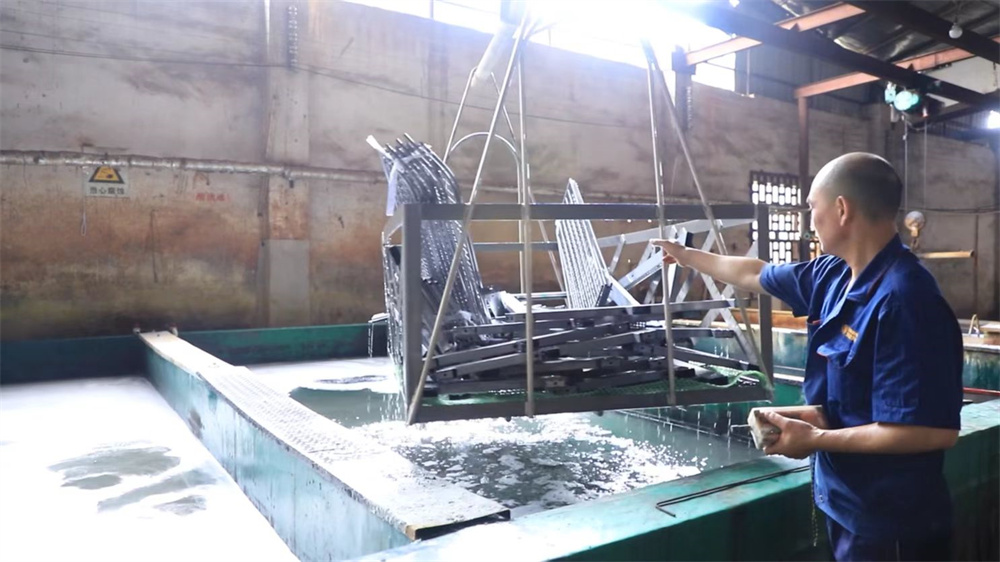
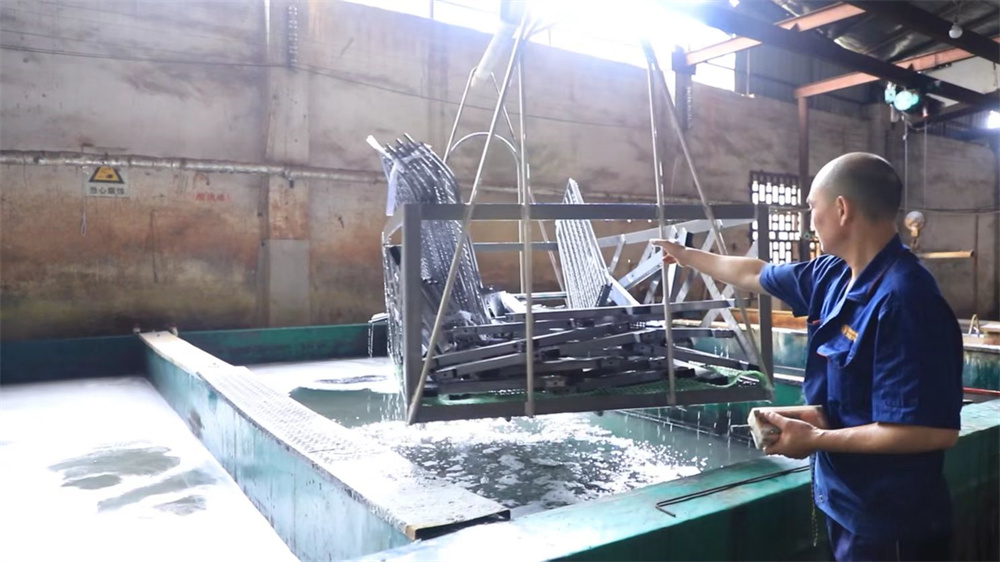
How localized steel supply, automated rolling mills, and cluster logistics create superior quality-cost efficiency.
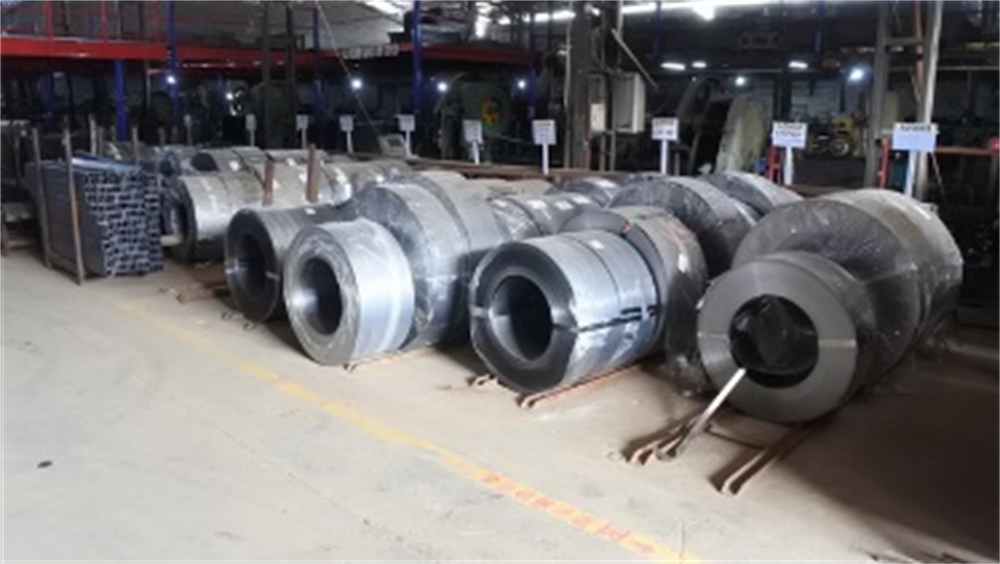
China's steel manufacturing sector produces over 50% of the world's crude steel. This domestic raw material availability gives manufacturers like Chengdu DriveRacks direct, uninterrupted access to top-tier steel mills (e.g., Baosteel, Ansteel, Shougang Group). By sourcing prime hot-rolled and cold-rolled structural steel coils directly, we eliminate middleman markups, insulate our customers from global steel price volatility, and maintain consistent mechanical property profiles across all structural shapes.
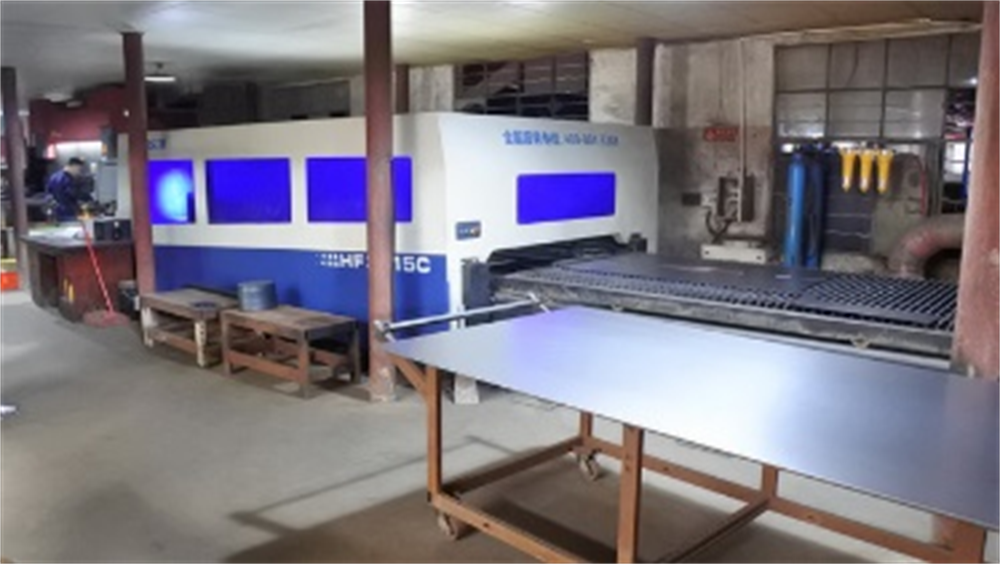
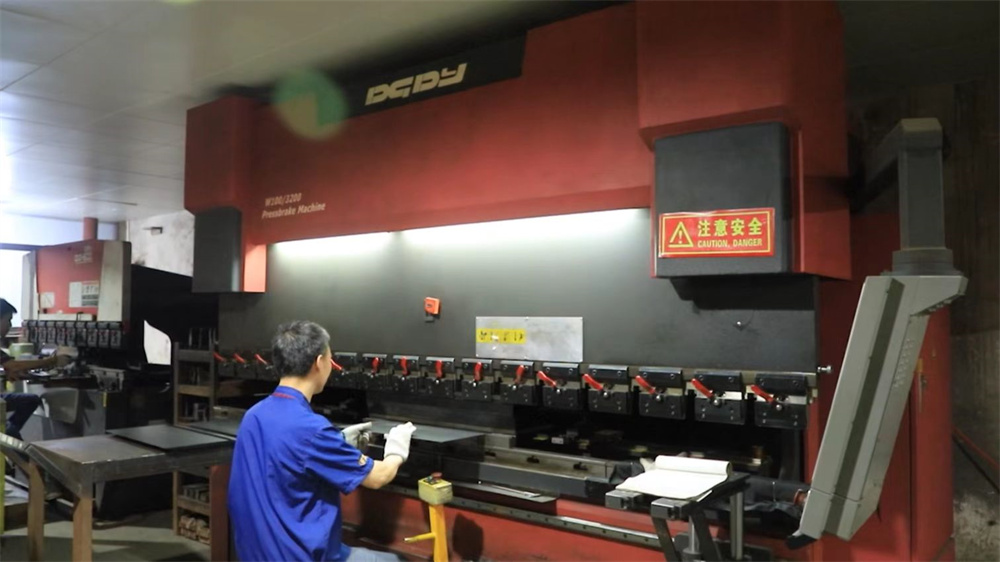
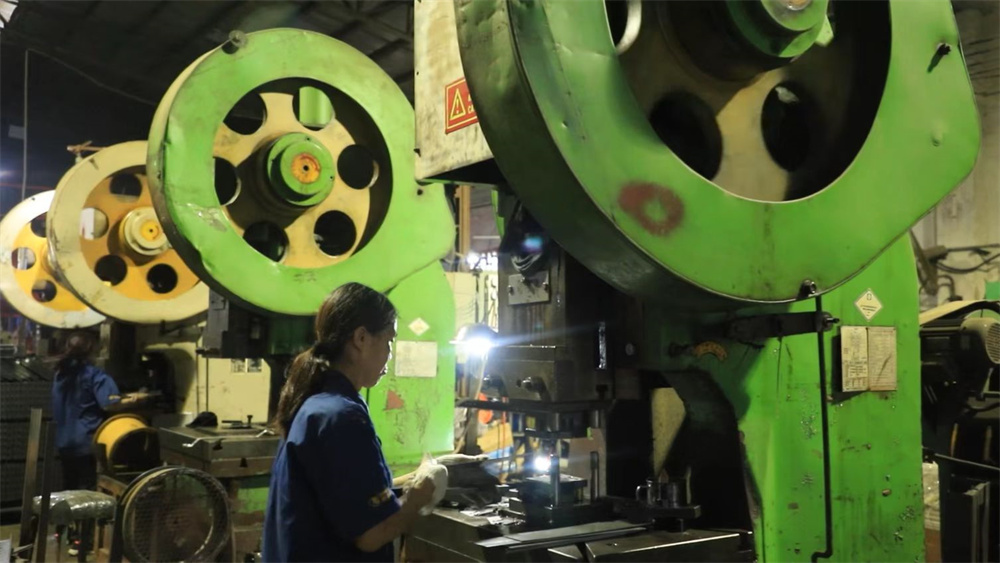
But the advantage goes beyond material costs. The integration of high-precision CNC punch lines, roll-forming machines, and advanced robotic welding systems reduces fabrication tolerances to under 0.5mm. This level of precision is critical for automated storage systems like shuttle racking, where track misalignment can cause system stoppages or equipment wear.
Additionally, our factory's location in Chengdu places it at the center of the Belt and Road logistics corridor. Direct rail networks connect us to the European continent, while efficient multimodal pathways provide fast access to maritime routes serving North America, Oceania, and Latin America.
This structural proximity, combined with an ecosystem of over 1,200 specialized supply chain partners, allows us to rapidly prototype, scale production, and deliver custom structural racking systems. Whether adjusting beam connectors for cold storage operations or engineering heavy-duty seismic baseplates, our operational framework translates directly into shorter lead times and optimized pricing for our clients.
Comparing standard warehouse racking with high-density automated shuttle architectures.
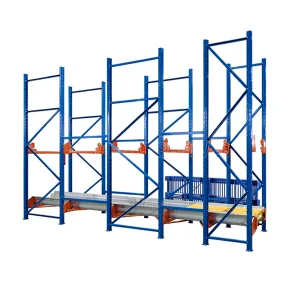
Provides 100% SKU selectivity. Configured using bolted or teardrop upright frames and load beams. Ideal for FMCG distribution networks, retail logistics centers, and general machinery storage where SKU variety is high, but storage density is not the primary constraint.
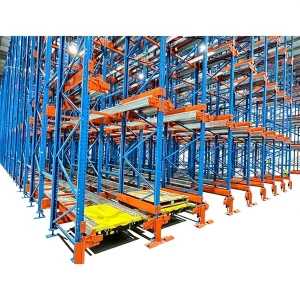
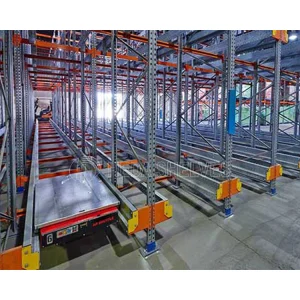
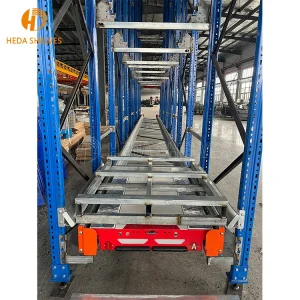
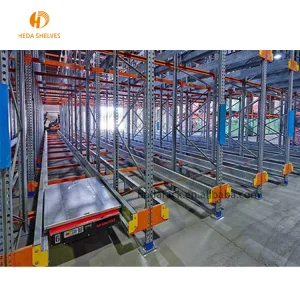
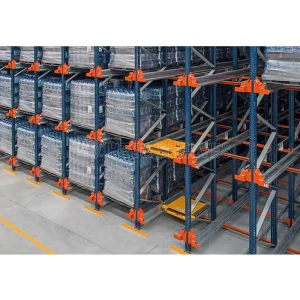
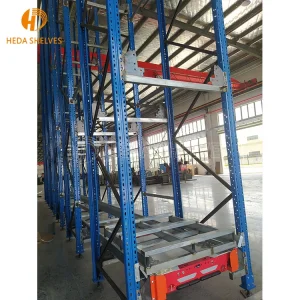
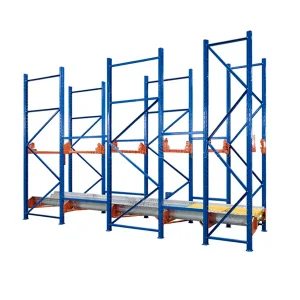
Semi-automated deep-lane storage system utilizing an autonomous shuttle vehicle running on tracks within the storage bays. It eliminates the need for forklift trucks to enter the storage lanes, drastically increasing pick times, warehouse safety, and lane depth (up to 40m+).
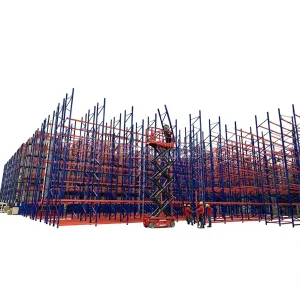
High-bay storage structures extending up to 40 meters in height, completely managed by automated crane stacks, conveyor linkages, and WMS/WCS software. Best suited for high-density land plots, cold rooms, and mega fulfillment operations demanding 24/7 autonomous picks.
Exploring real-world implementation across critical sectors: Cold Room Storage, E-Commerce, and Automotive Logistics.
Operating cold storage facilities involves substantial energy costs, making space utilization a primary economic driver. Standard selective racking leaves massive volumes of cold air unutilized in access aisles.
By implementing a DriveRacks Radio Shuttle System, cold-room operators can compress storage space by up to 70%. The structural steel must be treated for low-temperature environments, using specialized steel chemistry to prevent low-temperature embrittlement, along with a protective powder-coating finish that resists condensation and rust.
E-commerce warehouses process high order volumes with diverse SKUs and require fast turnaround times. The combination of standard pallet racking and automated shuttle systems allows operators to set up fast-picking zones.
Using FIFO (First-In, First-Out) setups ensures stock rotation for perishable items, while LIFO (Last-In, First-Out) configurations maximize density for bulk storage of seasonal goods. Integrating conveyor belts with our robust structural frames reduces cycle times by up to 45% compared to manual forklift operations.
Heavy machinery manufacturing requires racking systems that can support massive, irregularly distributed loads. Standard frames run the risk of structural buckling if load distribution is calculated incorrectly.
Chengdu DriveRacks' engineering team designs customized structural heavy-duty racking using finite element analysis (FEA) to simulate dynamic loads. These systems feature heavy upright designs, dynamic row spacers, and customized baseplates anchored into the warehouse slab. This ensures complete stability under heavy structural loads, protecting personnel and high-value industrial assets.
$$U_a = \frac{\text{Net Cubic Storage Volume Occupied by Pallets (} V_c \text{)}}{\text{Total Gross Cubic Facility Volume (} V_t \text{)}} \times 100$$
While standard Selective Racking averages a $U_a$ of 35% - 40%, the integrated Shuttle Racking architecture pushes spatial utilization up to 75% - 80%, effectively doubling storage capacity without expanding the facility's footprint.
Where is the global logistics infrastructure heading over the next decade?
1. Rise of the 4-Way Shuttle Architecture: The material handling market is shifting from 2-way shuttle systems to 4-way shuttle systems. Unlike 2-way shuttles that operate back and forth within a single lane, 4-way shuttles can travel along both longitudinal and transverse tracks. This mobility allows shuttles to change aisles automatically, increasing throughput, reducing vehicle requirements, and simplifying system layouts.
2. Structural Demands of High-Rise ASRS: As land costs rise in urban logistics hubs, developers are building upward. High-rise warehouses (ranging from 30 to 45 meters in height) place high demands on racking fabrication tolerances. Vertical plumbness deviations must be kept to fractions of a millimeter per meter to ensure crane systems operate smoothly. This requires high-precision structural cold-formed profiles and heavy-duty, robotic-welded frame connections.
3. Eco-friendly Coatings & Sustainability: Green building standards like LEED are driving changes in factory finishes. Traditional solvent-based wet coatings are being replaced by electrostatic powder coatings. This method eliminates VOC emissions, provides superior impact resistance, and lasts longer. Chengdu DriveRacks uses automated powder-coating lines to meet environmental standards and ensure durable, corrosion-resistant finishes.
4. Digital Twin and IoT Monitoring: The future of storage is digital. Modern racking installations are starting to incorporate strain gauges, vibration sensors, and IoT modules to track stress distribution in real time. These sensors notify operators of potential structural anomalies caused by forklift impacts or loading imbalances, preventing failures before they occur and simplifying maintenance planning.
Direct answers from our Senior Engineering and Quality Assurance team regarding racking structural integrity.
High-capacity adjustable pallet rack configurations, industrial steel shelves, and automated storage installations.
 DriveRacks