High-capacity structural layouts custom-engineered for heavy industrial steel, lumber, piping, and long-load logistics profiles.
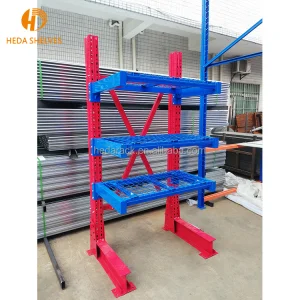
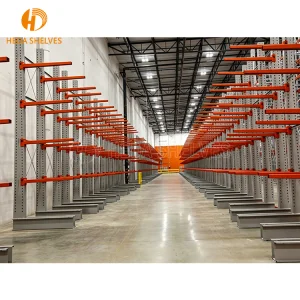
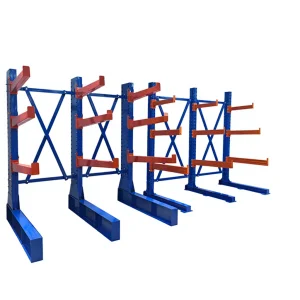
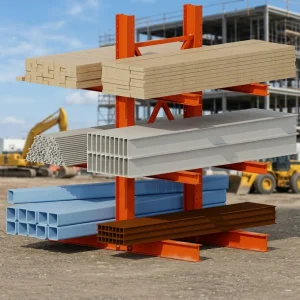
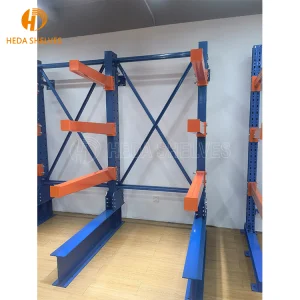
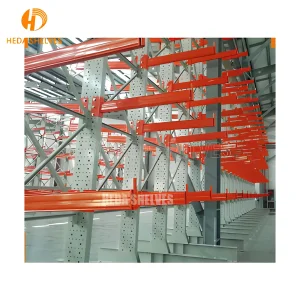
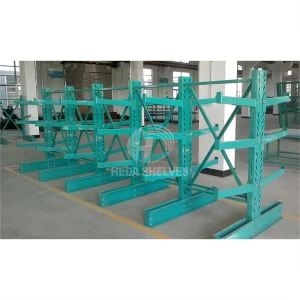
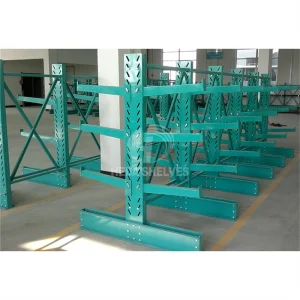
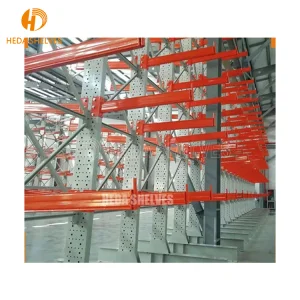
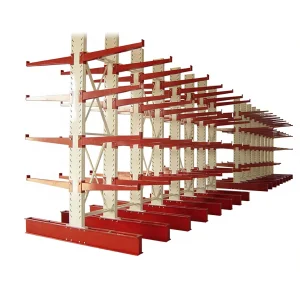
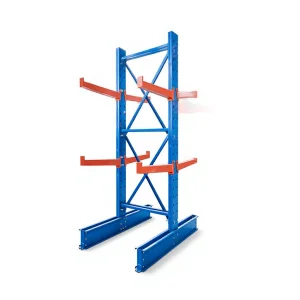
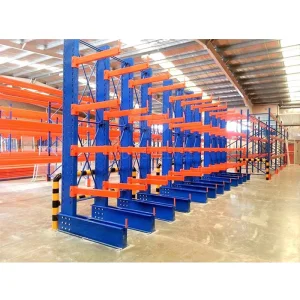
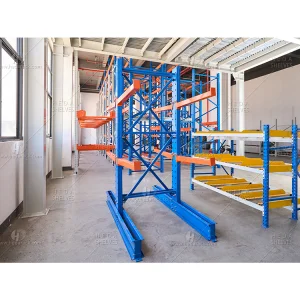
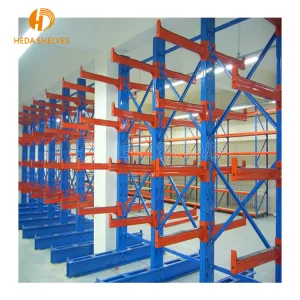
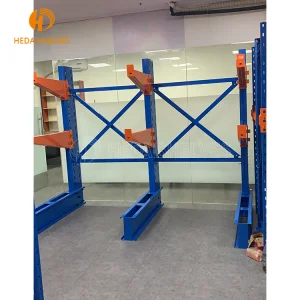
Cantilever racking systems represent a specialized division of warehouse storage infrastructure. Unlike traditional selective pallet racks which utilize a front-column frame structure that restricts lateral product length, cantilever racks are engineered with an unobstructed profile. They rely on vertical columns anchored to a heavy base from which horizontal load arms project. This layout is specifically designed to accommodate long, awkward, or high-density goods such as structural steel I-beams, industrial pipes, dimensional lumber, PVC conduits, and bulk metal coils.
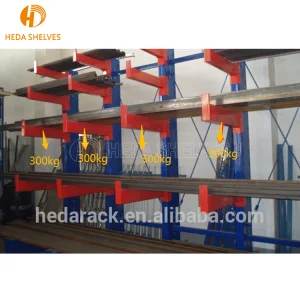
Horizontal arms support the load weight. The design features a minor incline (upward pitch) ranging from 2% to 4% to prevent loads from slipping forward under deflection.
Roll-formed steel offers cost-effective adjustability for light-to-medium loads, while structural hot-rolled I-beams handle extreme loads and impact stress.
Engineered tolerance levels adhere to strict L/300 deflection limits, ensuring safety and stability when handling unevenly distributed materials.
The load capacity of a cantilever rack is defined not by the column alone, but by the combined interaction of the vertical column's bending resistance, the horizontal arms' shear capacity, and the base's stability. In high-density settings, heavy-duty structural steel is preferred over cold-rolled steel. This is due to its resilience against heavy machinery impacts and its capability to support capacities exceeding 5,000 kg per arm level.
SEO Insight & Information Gain: When calculating load centers for cantilever layouts, the center of gravity of the stored load must align with the mid-point of the arm length. Misalignment shifts the load distribution and can increase stress on connection joints by up to 40%, potentially leading to structural failure. To mitigate this risk, modern layouts use pinned or bolted connection designs that absorb dynamic loads without loosening over time.
A premier manufacturer and direct supplier of certified industrial warehouse storage systems.
Established in 2017, Chengdu DriveRacks Industrial Technology Co., Ltd. operates a state-of-the-art 42,000 m² manufacturing plant dedicated to advanced material handling and heavy-duty storage infrastructure. Delivering $35 million in annual export revenue, we bring 9 years of deep industry expertise and 6 years of international trade operations. Quality is integral to our process; our team of 30 certified inspectors executes rigorous raw material tensile testing and automated powder-coating thickness audits. Serving high-growth markets across the Middle East, Latin America, and Oceania, DriveRacks leverages a robust ecosystem of 1,200 supply chain partners. We primarily serve enterprise warehouse operators, e-commerce fulfillment hubs, and heavy equipment manufacturers. Powered by 110 skilled R&D engineers focusing on smart automation and high-density racking design, we released 250 dynamic product iterations last year and provide comprehensive customization spanning rack dimensions, seismic ratings, and surface treatments.
Every step in our fabrication process is monitored to meet global RMI, FEM 10.2.09, and CE requirements.
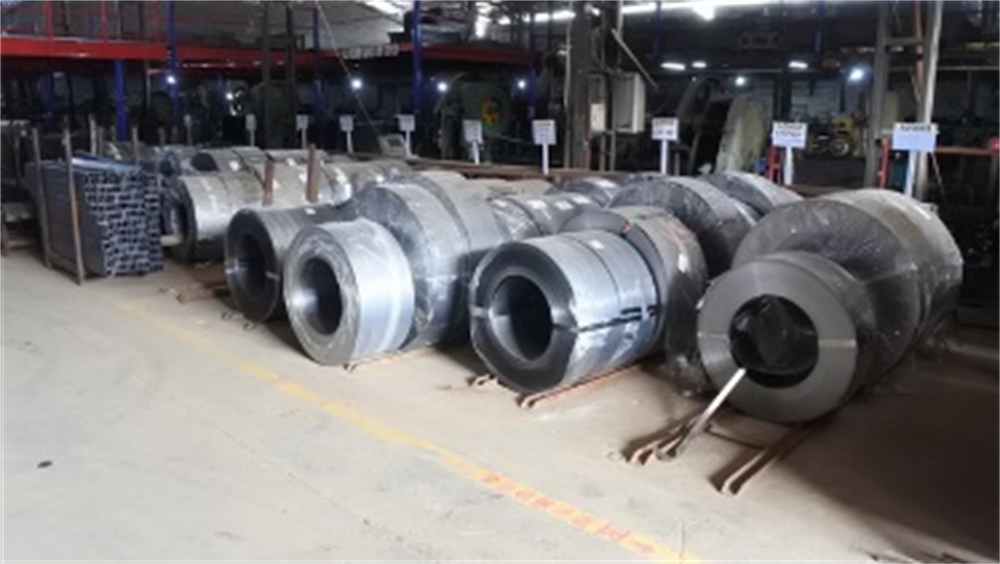
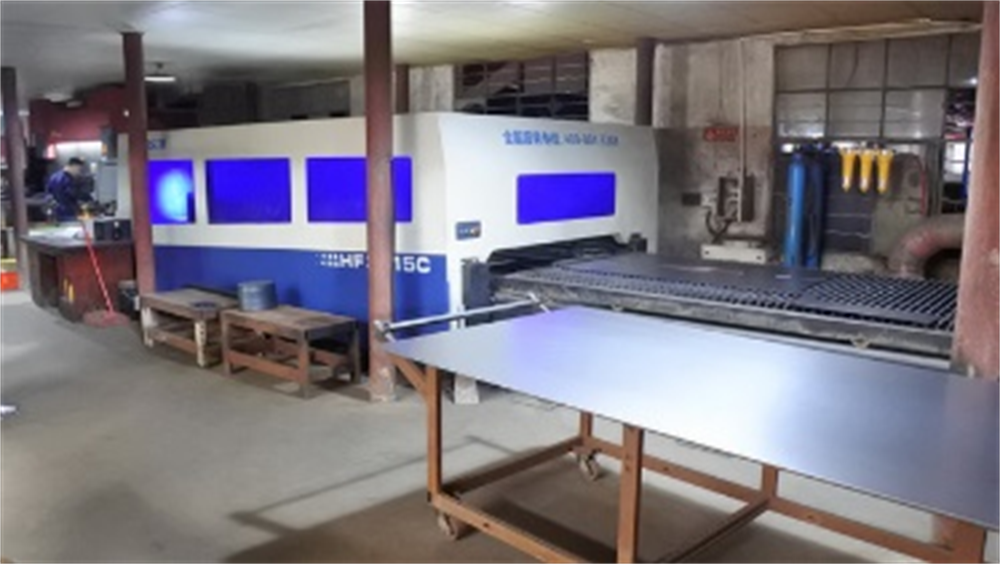
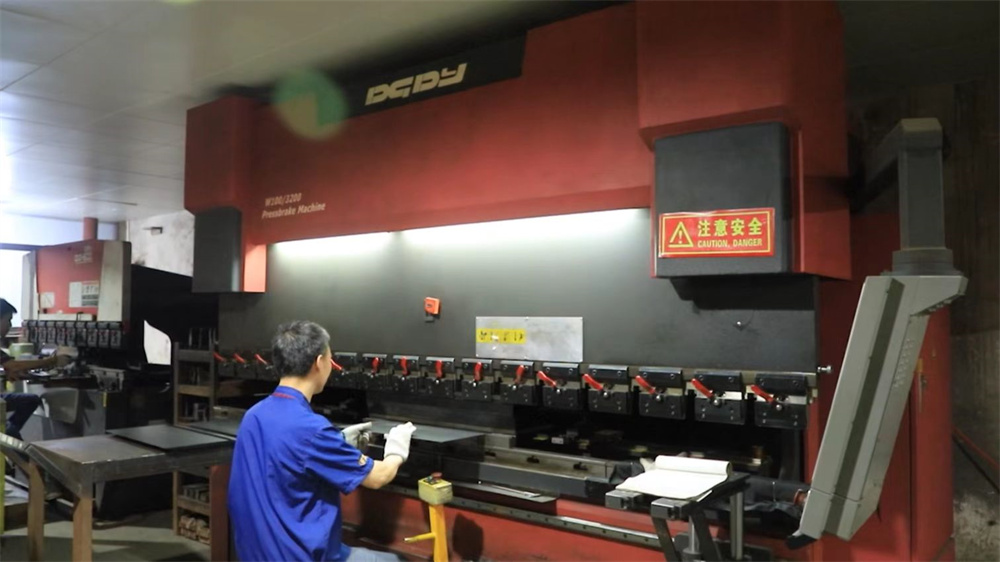
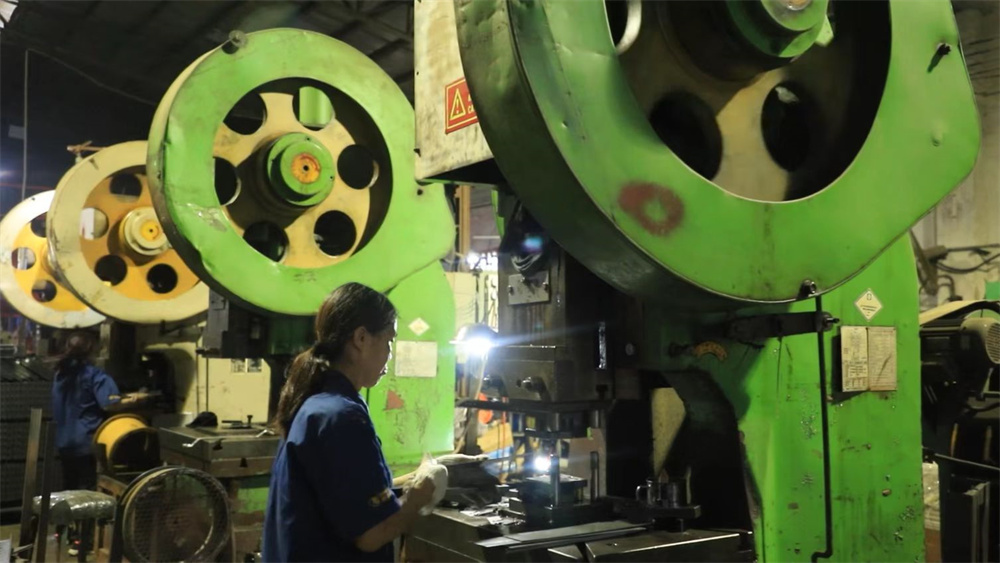
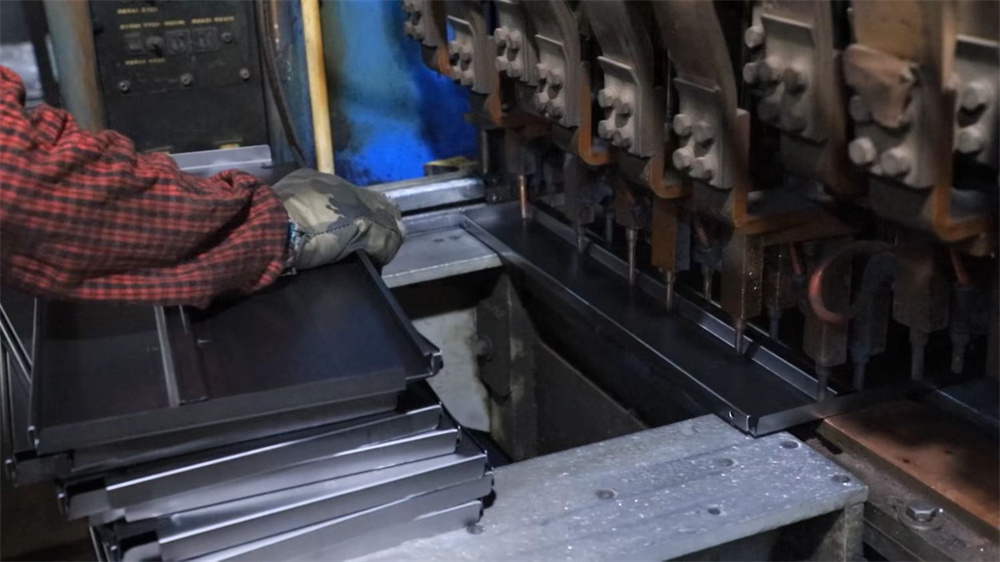
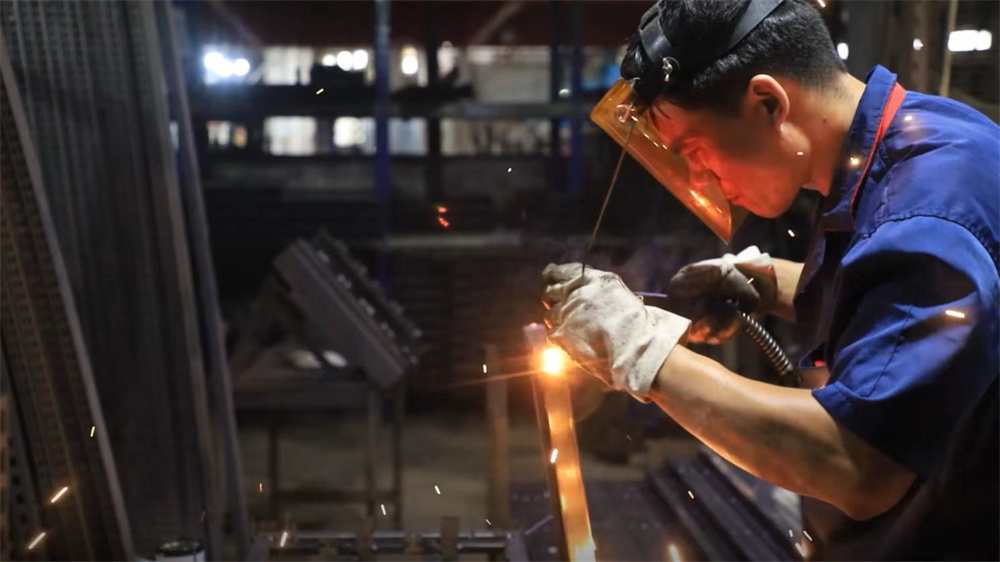
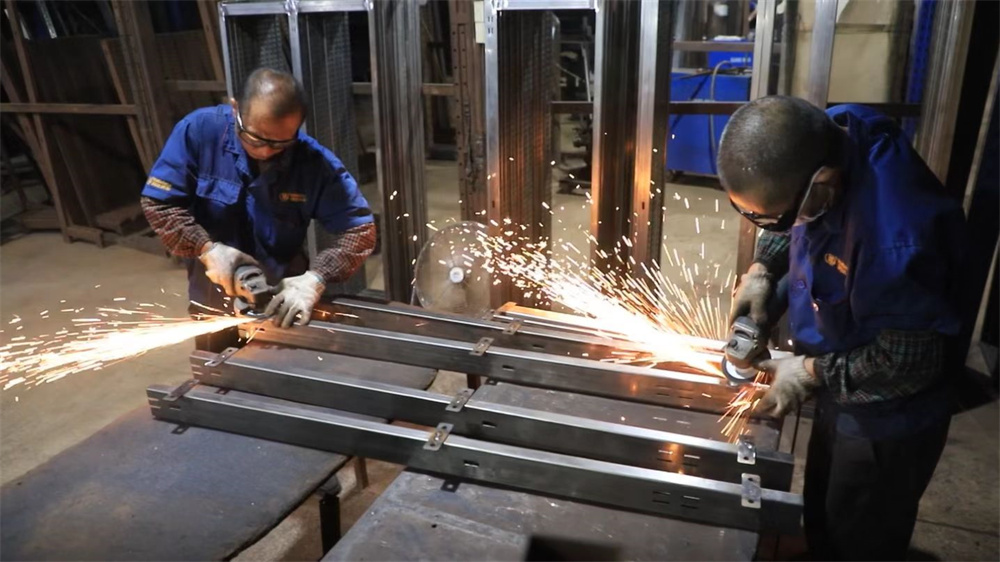
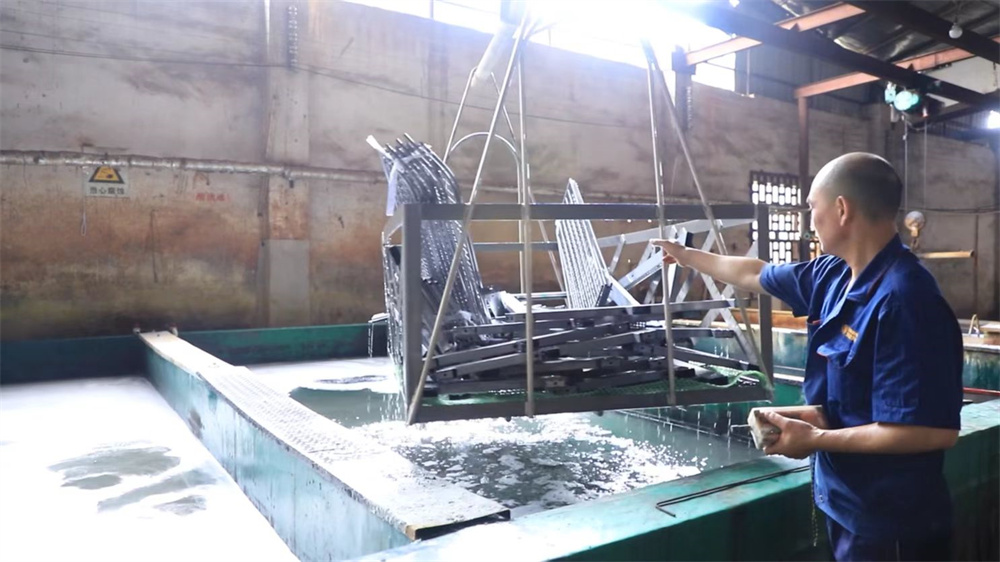
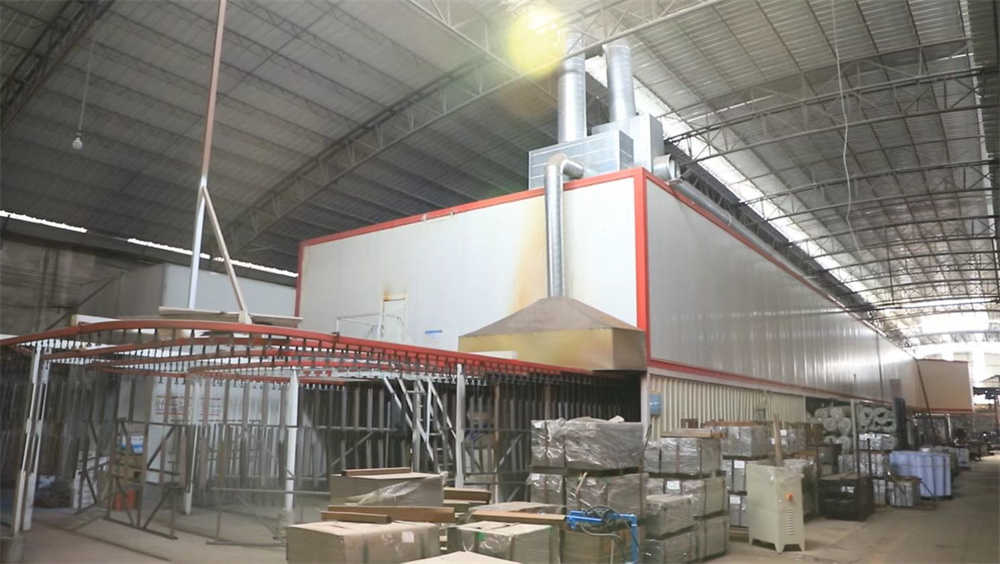
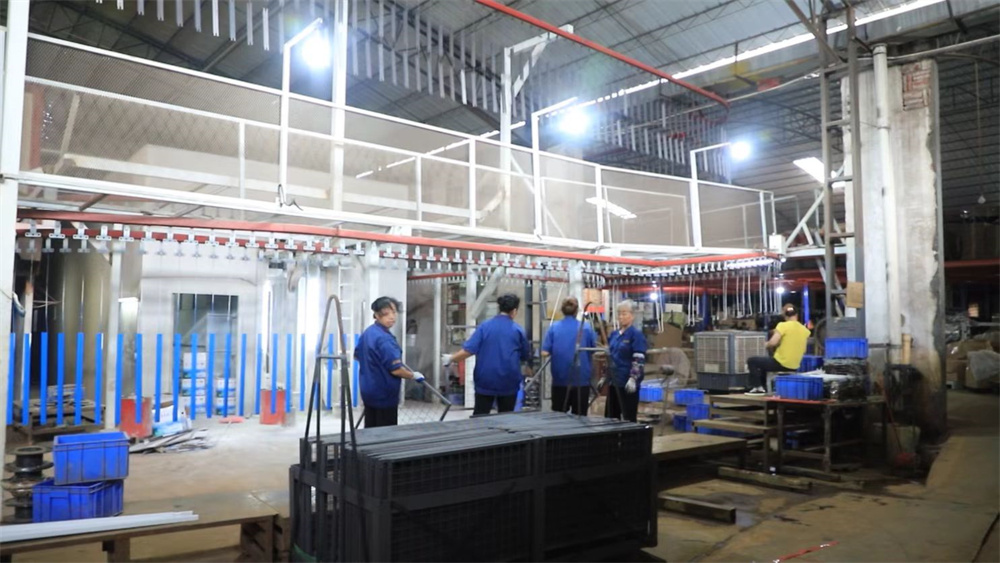
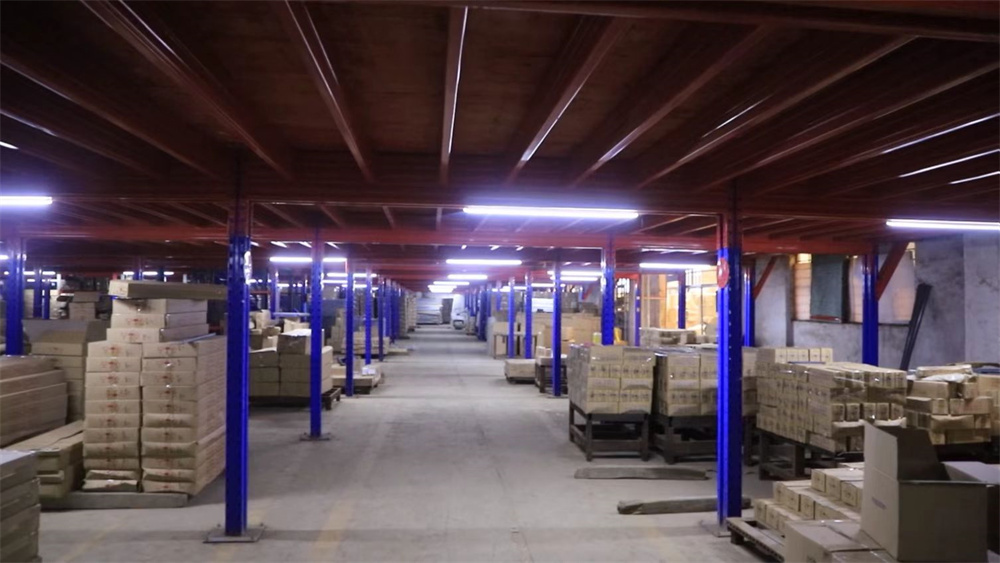
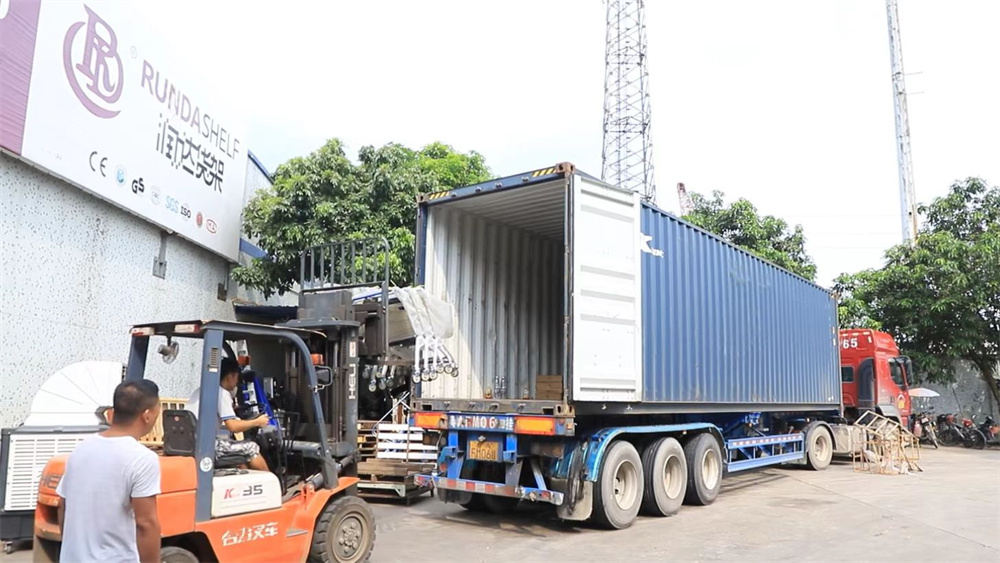
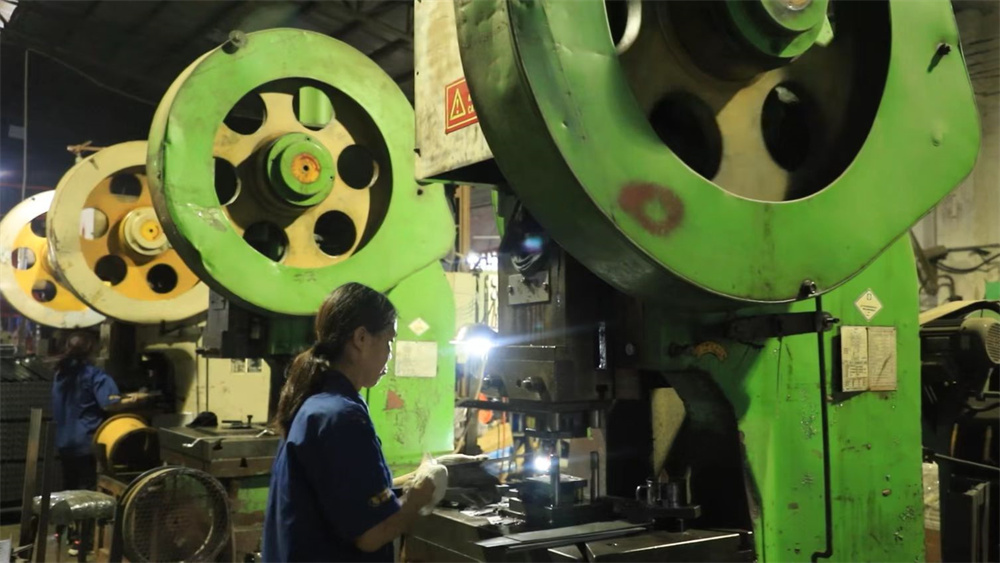
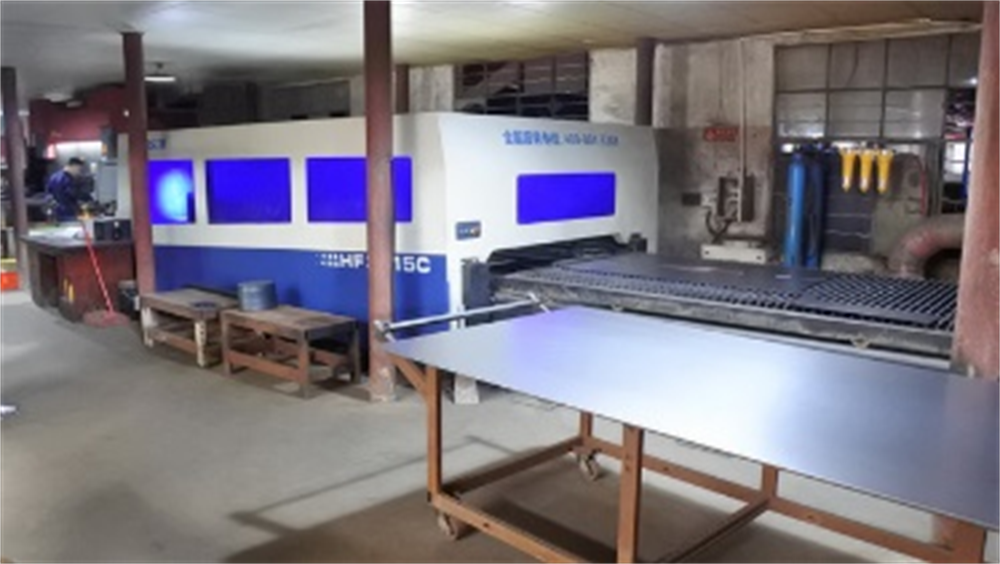
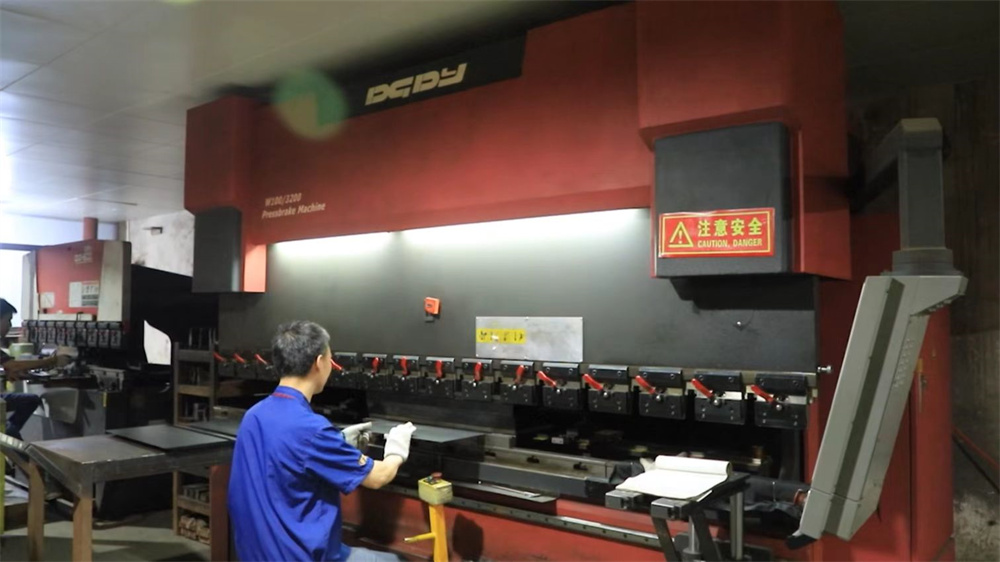
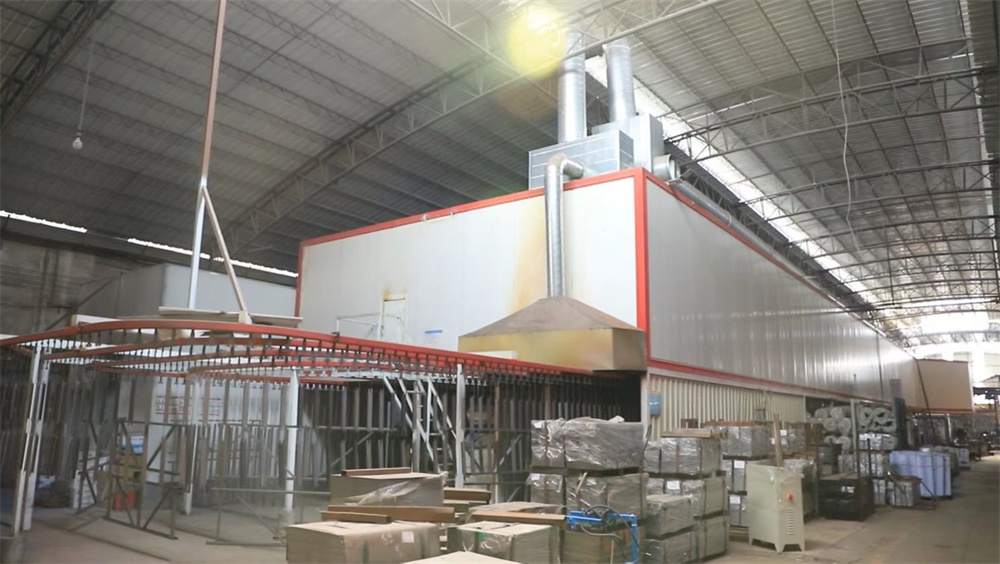
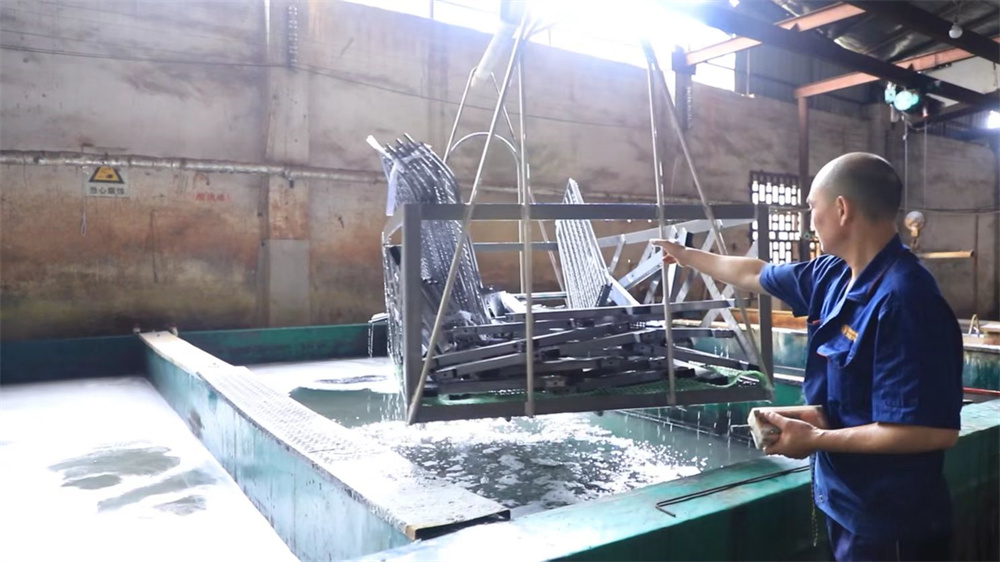
Procuring heavy duty cantilever racking directly from top Chinese factories offers significant advantages for global buyers, particularly in cost efficiency, design flexibility, and manufacturing scale. Manufacturers like Chengdu DriveRacks combine raw material access with advanced manufacturing technology to optimize costs without compromising quality.
1. Cost-Efficiency & Steel Sourcing: Chinese manufacturers operate close to major domestic steel mills, securing high-quality grades like Q235B and Q355B at stable, competitive rates. By leveraging direct mill purchasing, factories can mitigate the raw material price volatility that often affects Western producers.
2. State-of-the-Art Automated Fabrication: Western operations sometimes rely on legacy equipment due to high upgrade costs. In contrast, Chinese facilities use automated electrostatic powder coating lines and CNC fiber laser cutters. This high level of automation reduces dimensional variation to less than 0.5 mm, ensuring that interlocking arm brackets and columns assemble cleanly on-site.
3. Flexible Custom Engineering: Leading factories maintain in-house engineering departments that adapt designs to meet specific load demands, regional building codes, and seismic requirements. This includes adjustments for high wind loads in coastal areas, low-temperature resilience for cold-storage environments, or seismic base plates for earthquake zones.
Cantilever racks provide adaptable storage configurations across a wide range of industrial applications, handling various dimensions, weight limits, and material types.
Ideal for storing raw logs, heavy plywood bundles, and dimensional lumber. Double-sided layouts maximize aisle access and optimize fork-truck pathways.
Designed for long PVC conduits, copper plumbing arrays, and structural steel tubing. Integrated end-stops prevent round profiles from rolling off the arms.
Hot-dip galvanized cantilever racks with protective roof canopies offer a durable outdoor carport solution for storing raw steel sheets and utility poles.
In outdoor yards, environmental protection is critical. Hot-dip galvanizing provides a thick zinc coating that protects structural carbon steel from moisture, road salt, and industrial chemicals. This treatment prevents under-film corrosion, which can weaken roll-formed profiles and lead to structural failure. Additionally, adding canopy roof structures protects stored products from rain, snow, and UV degradation.
The industrial warehousing sector is shifting toward automation and sustainable practices. Modern operations are moving away from traditional selective shelving in favor of automated material handling and storage systems.
Smart AS/RS Integration: By pairing cantilever uprights with automated storage and retrieval systems (AS/RS), facilities can handle long loads without manual forklift operation. Laser-guided cranes and automated shuttle platforms navigate narrow aisles to place and retrieve items, reducing product damage and improving overall safety.
Seismic-Proof Structural Engineering: Seismic standards like AS4084-2012 and RMI specifications require rigorous structural analysis. Modern cantilever racks use advanced finite element analysis (FEA) to simulate earthquake loads. Engineers design custom base plates, heavy-duty floor anchoring, and robust X-bracing to help the rack structures absorb and dissipate seismic energy.
Sustainable Manufacturing Processes: Regulatory updates are encouraging manufacturers to adopt eco-friendly production methods. Upgrades like closed-loop water filtration systems and non-toxic powder coatings help reduce the environmental impact of the steel pre-treatment process.
Answers to common structural engineering, installation, and procurement questions.
High-capacity structural layouts custom-engineered for heavy industrial steel, lumber, piping, and long-load logistics profiles.
 DriveRacks