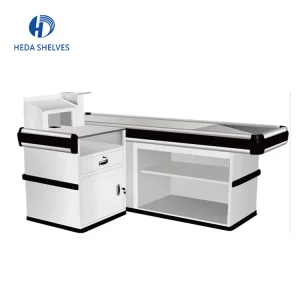
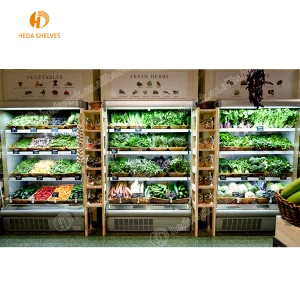
Precision-engineered, heavy-duty retail counters designed for high-frequency point-of-sale operations.
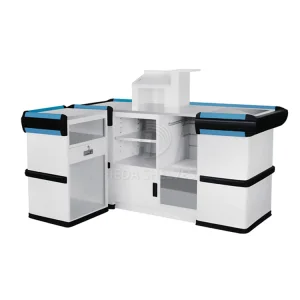
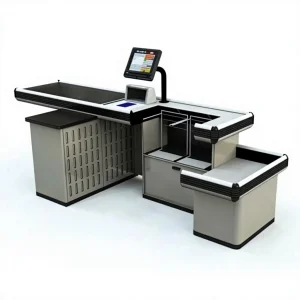
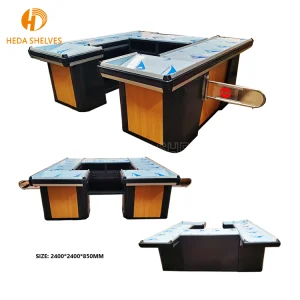
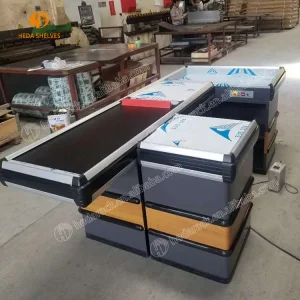
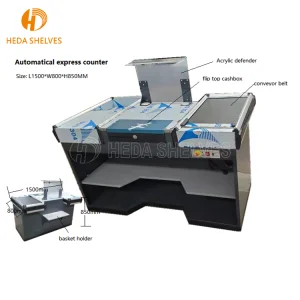
Understanding the critical role of checkout hubs in modern brick-and-mortar retail operations.
In the globalized retail market, the supermarket checkout counter is far more than just a physical table for transactions. It serves as the ultimate bottleneck regulator, direct driver of customer satisfaction, and core terminal for loss prevention (shrinkage management). With the rapid integration of high-speed optical scanning systems, integrated scales, and cashless payment kiosks, modern grocery hubs require checkout furniture that seamlessly blends structural stability with high ergonomic efficiency.
According to global retail logistics data, checkout queues represent the primary area of customer friction. A poorly designed counter can slow throughput rates by up to 18%, causing immediate revenue drops and diminishing customer loyalty. For large enterprise supermarket operators, international distributors, and hypermarket chains, sourcing industrial-grade, precision-manufactured, and adaptable cashier desks is a critical operational mandate.
“Modern front-end retail design centers around throughput optimization. The checkout zone must sustain millions of mechanical touchpoints annually, necessitating rigorous industrial material standards.”
Globally, the demand varies significantly based on local space constraints, shopping behaviors, and tech penetration. While European and North American markets demand large, automated conveyor belt-driven counters to handle bulk cart loads, regional urban centers in Asia and Latin America increasingly favor compact, modular steel-and-wood hybrid designs. Consequently, custom manufacturers must offer advanced flexibilities in dimensions, electrical configuration, and load capacity.
Discover our 42,000 m² state-of-the-art facility engineered for automated material handling and retail infrastructure.
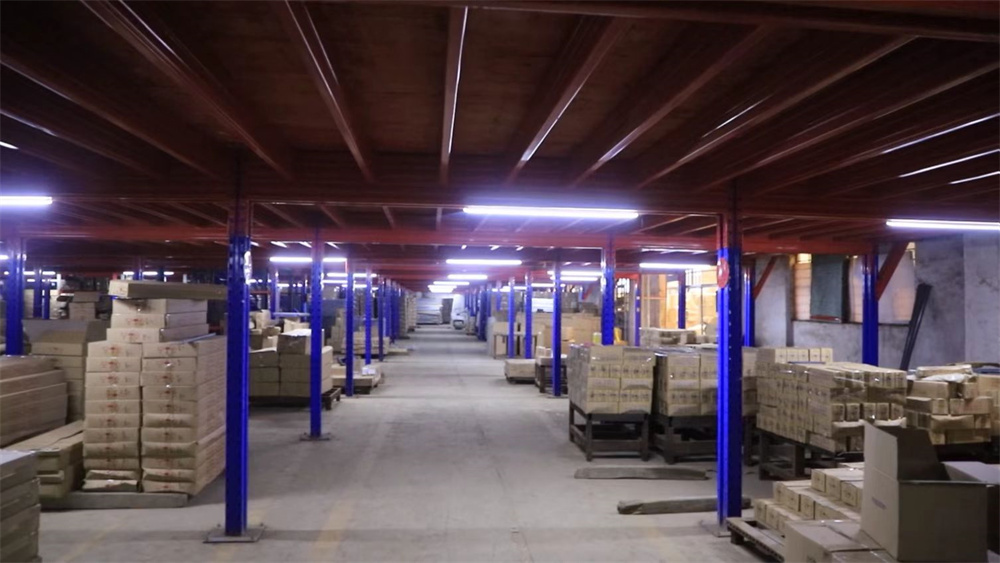
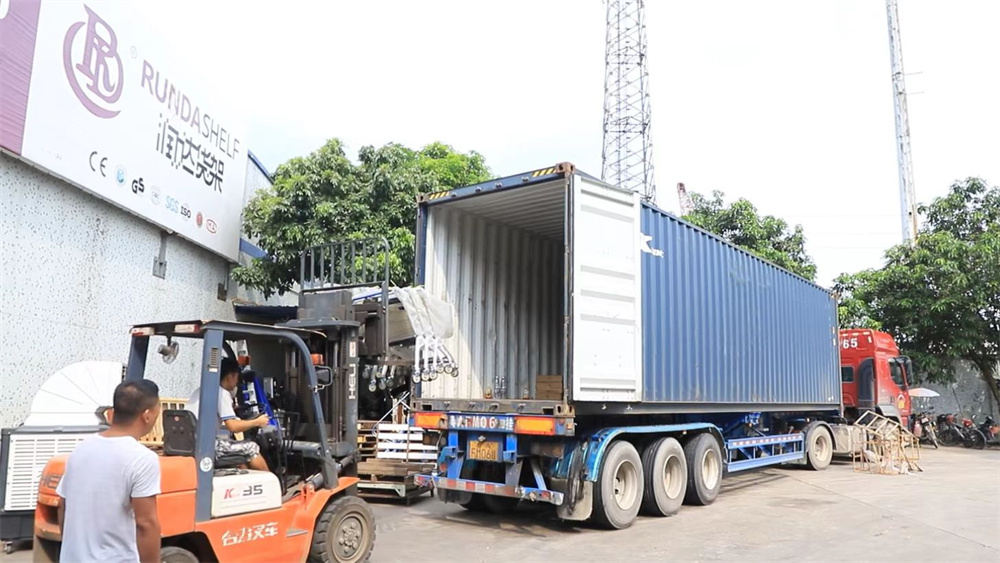
Established in 2017, Chengdu DriveRacks Industrial Technology Co., Ltd. operates a modern 42,000 m² manufacturing facility dedicated to heavy-duty storage infrastructure, high-capacity retail displays, and specialized check-out counters. Delivering $35 million in annual export revenue, we combine 9 years of deep industry expertise with 6 years of international trade operations.
Our manufacturing efficiency is backed by a robust supply chain network of 1,200 partners. Under the guidance of our 110 skilled R&D engineers, we execute rapid prototyping and customized engineering. In the past year alone, we introduced 250 dynamic product iterations to meet shifting regulatory and technological demands worldwide.
Production Facility Area
Annual Export Value
Supply Chain Partners
R&D Design Engineers
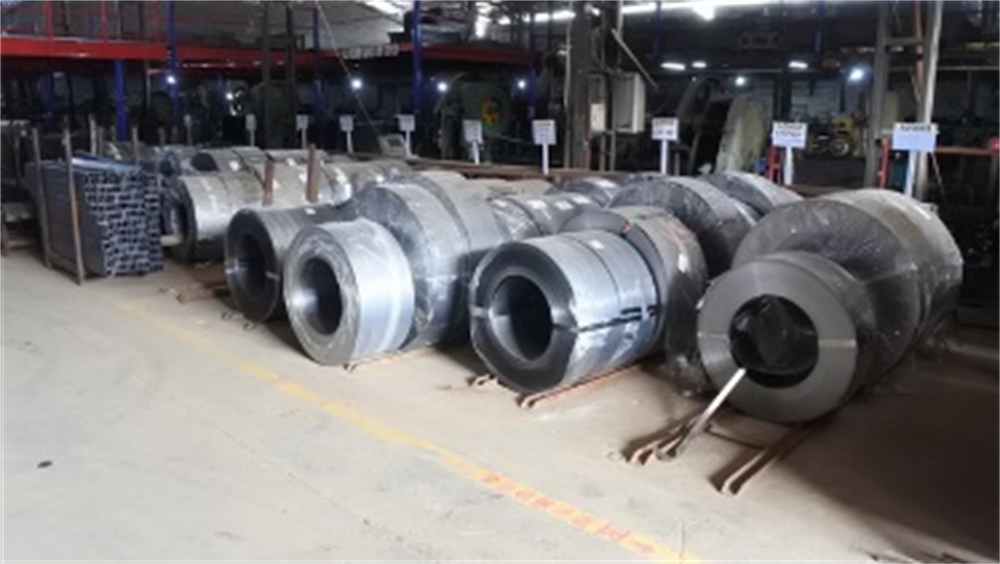
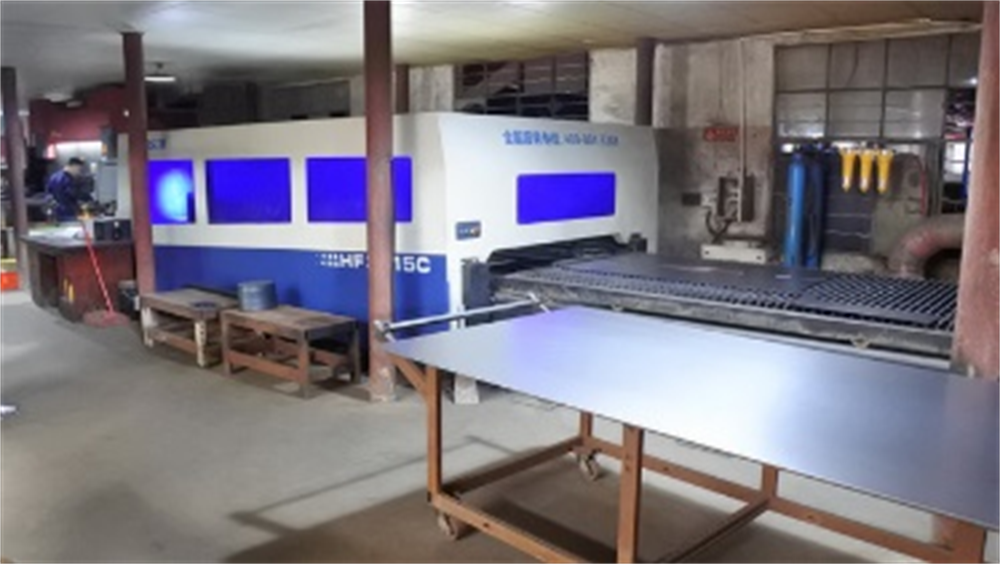
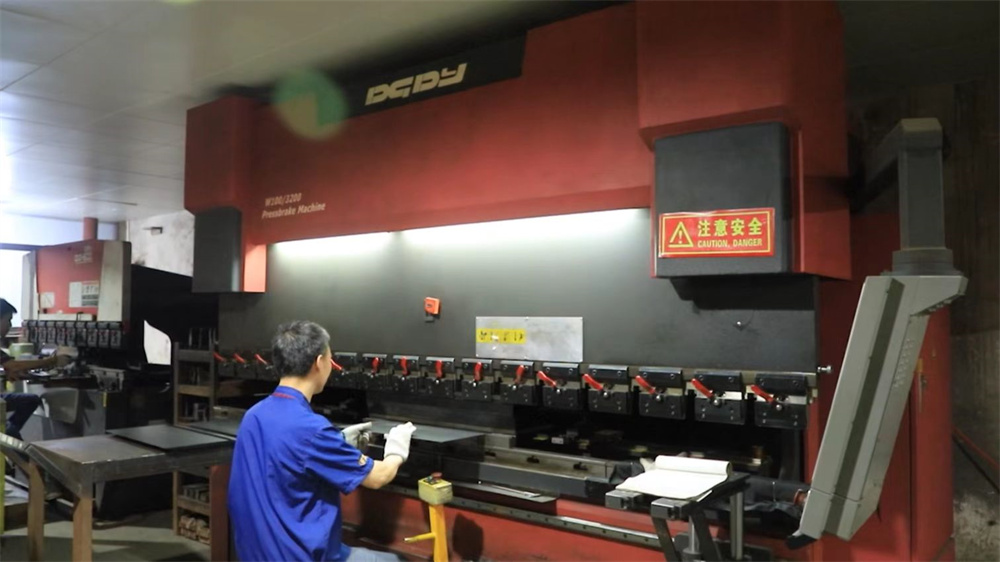
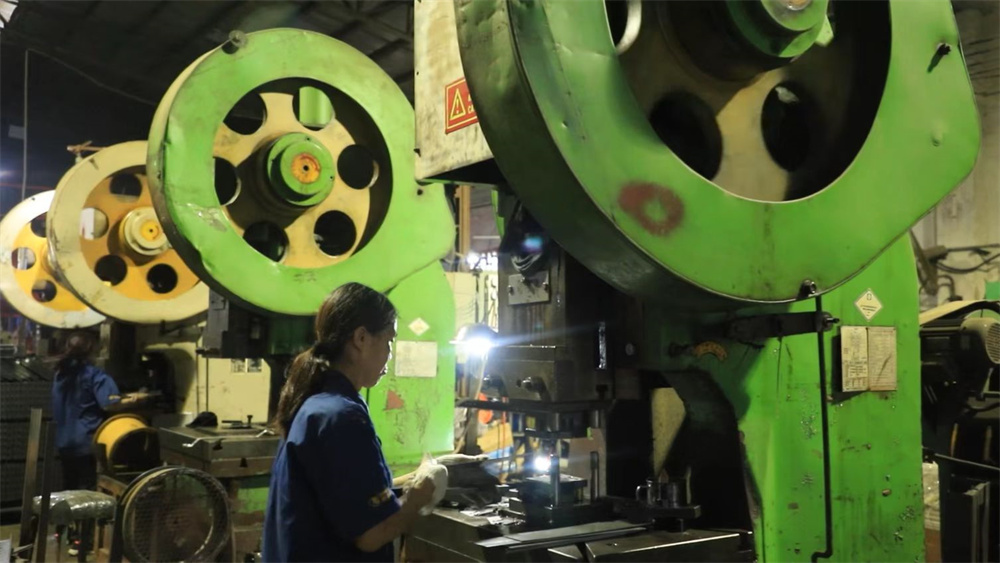
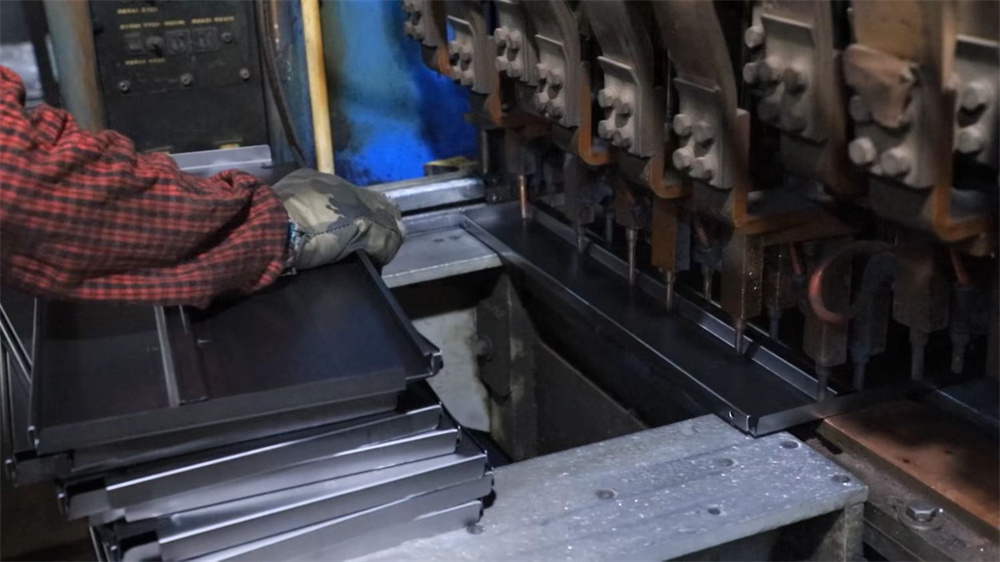
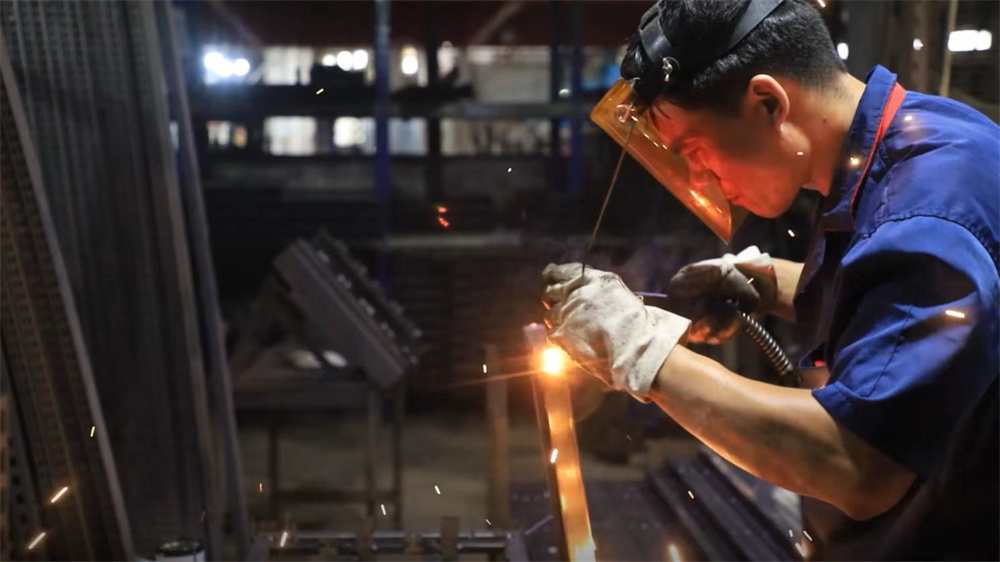
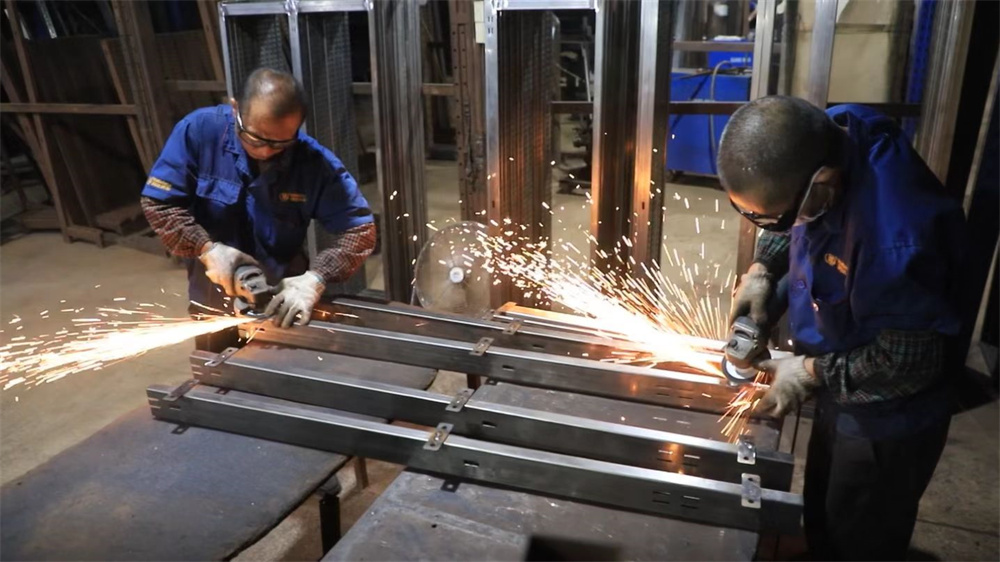
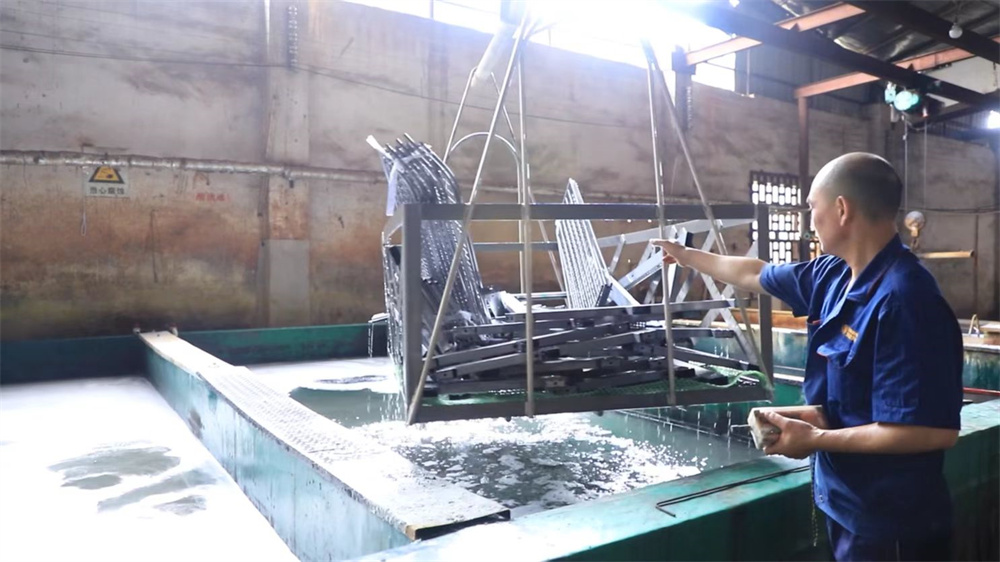
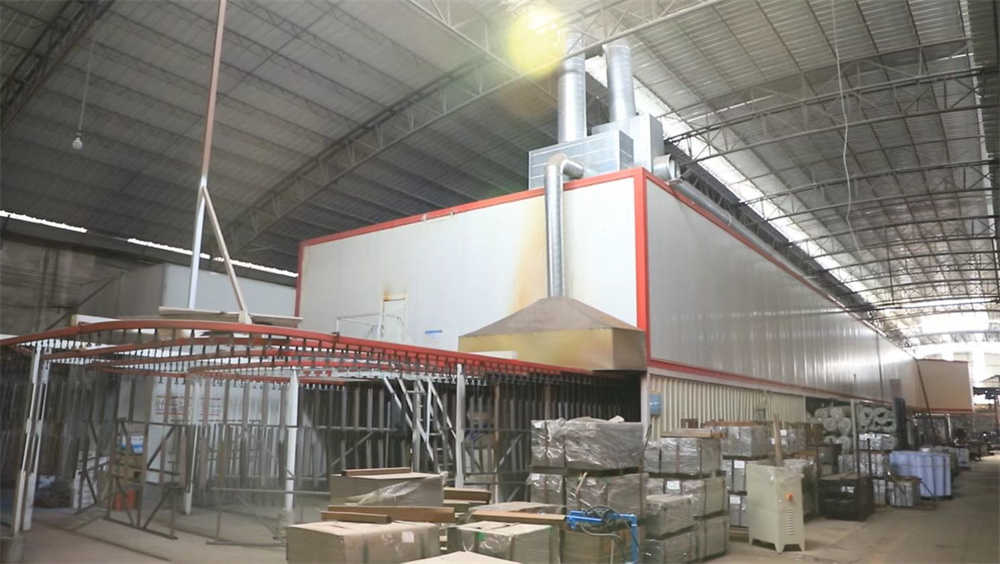
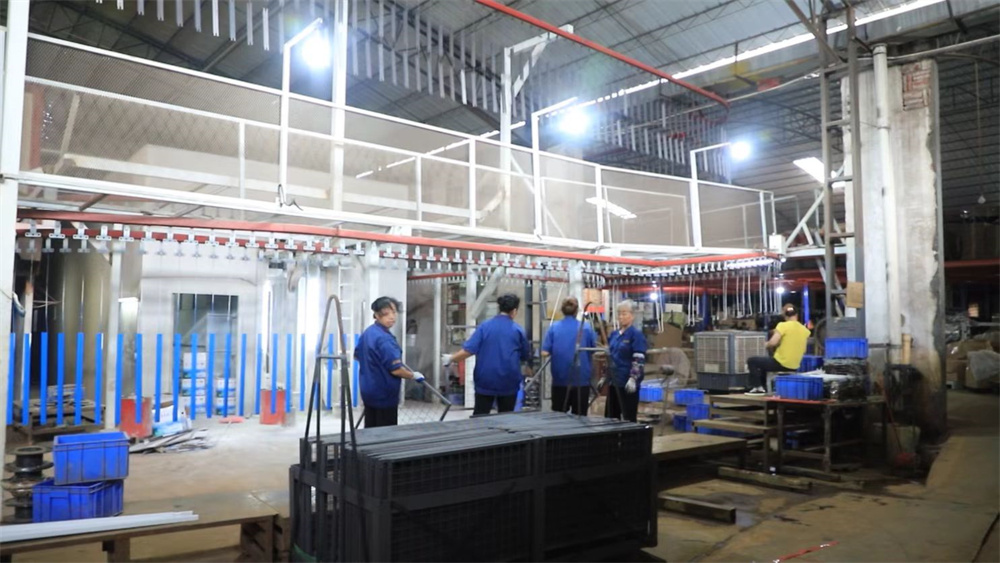
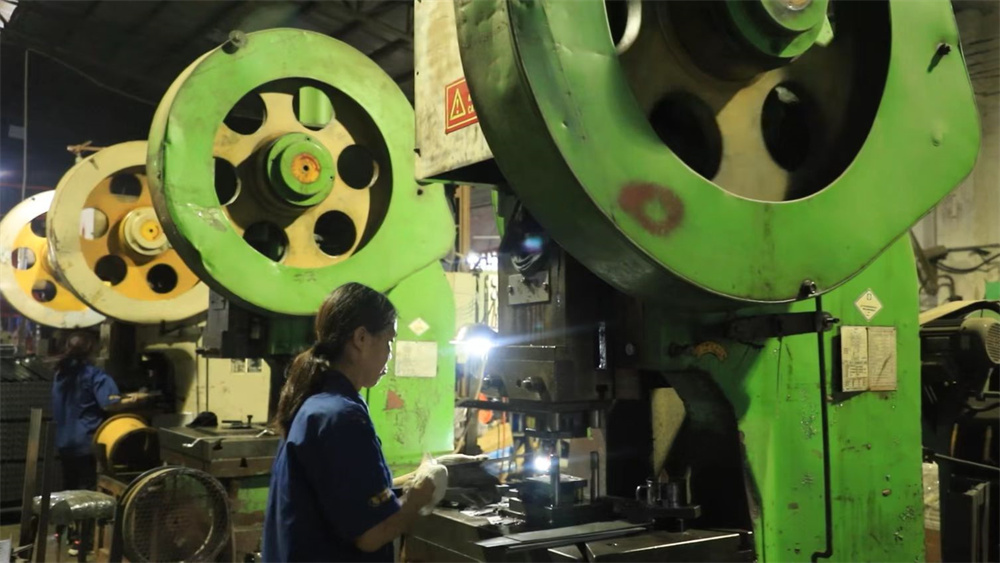
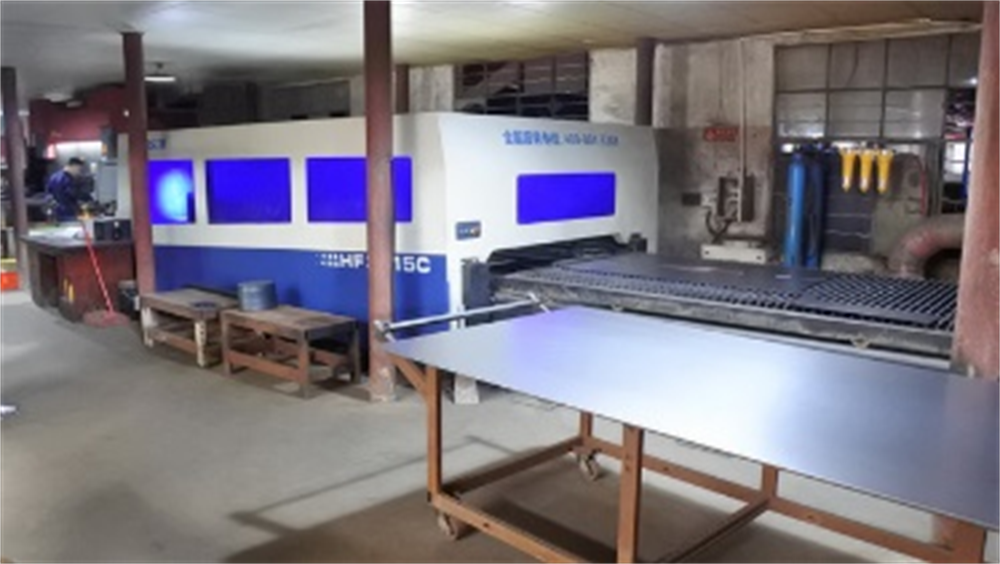
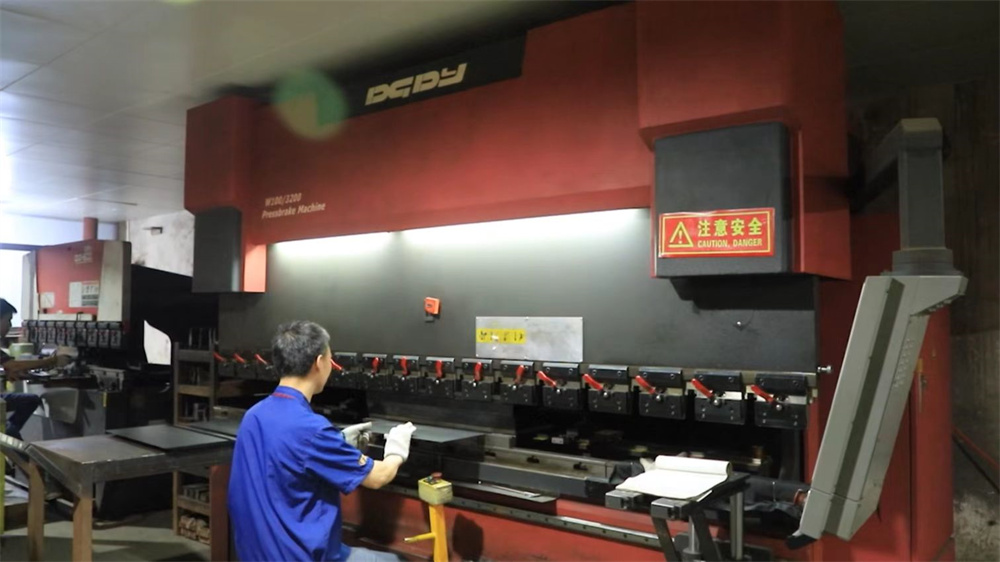
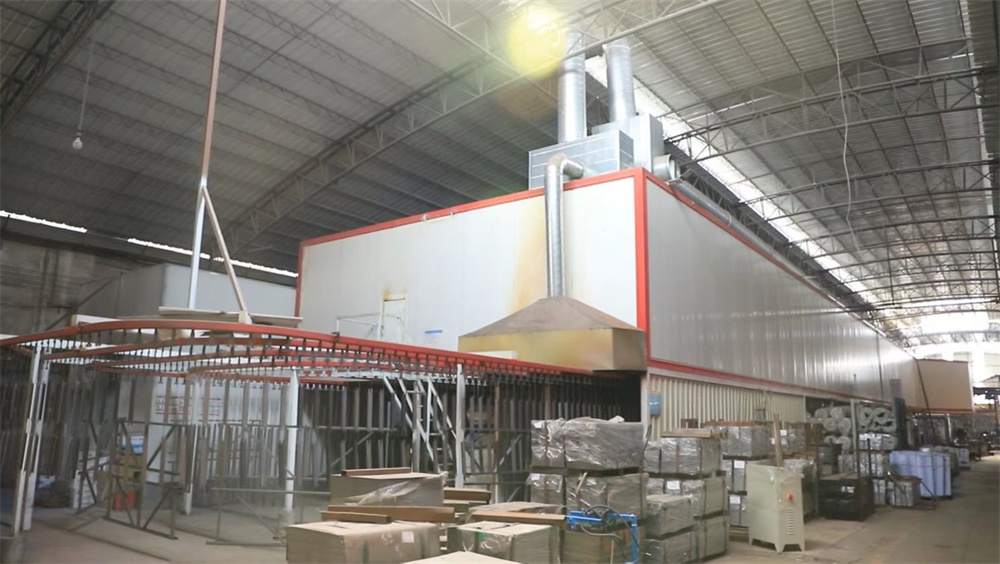
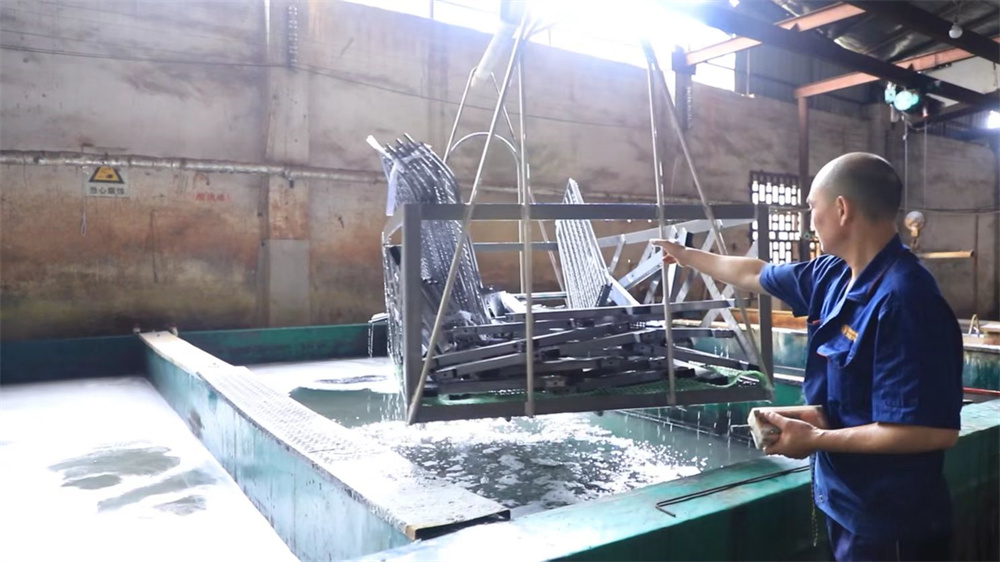
Quality is structural. Our dedicated department of 30 certified inspectors runs physical raw material tensile testing and automated electrostatic powder coating thickness audits. By utilizing high-end CNC bending, heavy tonnage punching machines, and robotized welding stations, we guarantee that our retail checkout counter assemblies maintain consistent geometry, high-integrity load capacities, and wear-resistant coatings. This ensures a long operational life cycle and reduces overall repair cost.
Adapting physical checkout geometries to diverse global shopping habits and spatial environments.
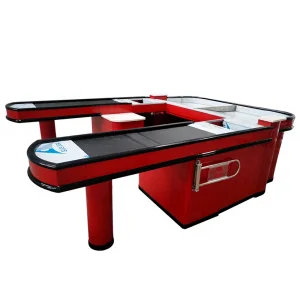
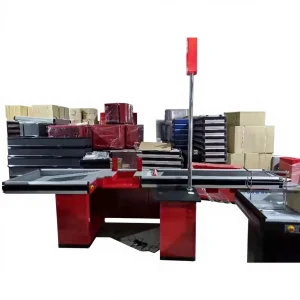
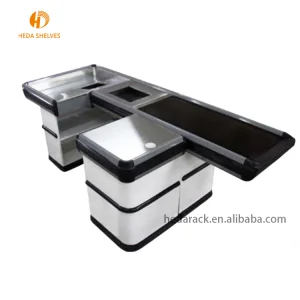
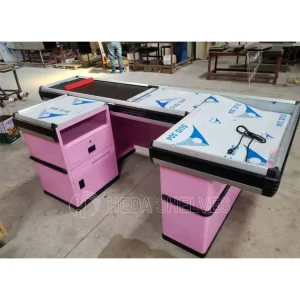
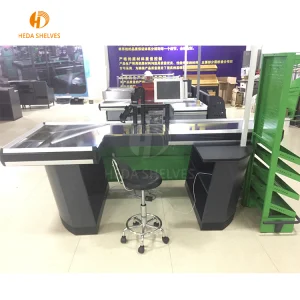
Designed for high transaction volumes, these environments require checkout counters with integrated heavy-duty conveyor belts. Infrared sensor-controlled belts optimize cargo movement, reduce cashier physical strain, and expedite bulk bagging processes. Stainless steel countertops provide scratch resistance against metal carts and baskets.
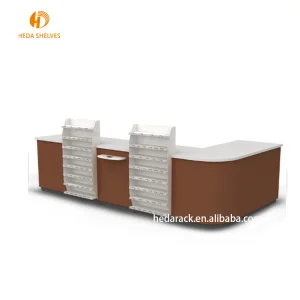
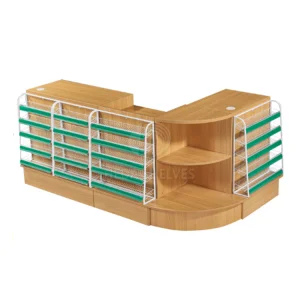
With space optimization at a premium, urban convenience store operators favor compact steel-and-wood hybrid structures. These modular cashier stations incorporate double cash drawers, vertical cigarette display mounts, and ergonomic undershelf compartments for receipt roll storage and backup POS hardware.
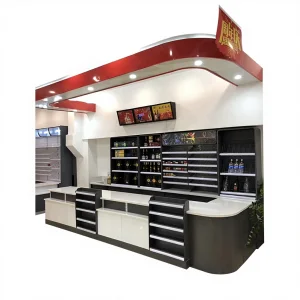
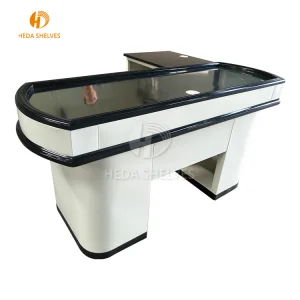
Esthetics and brand integration are crucial here. Custom solid wood checkout tables and boutique cash desks featuring MDF panels with textured laminates or powder-coated steel trims create a premium impression. They feature hidden cable routes for sleek monitor configurations and integrated cash drawer setups.
Understanding critical engineering and mechanical metrics required for successful enterprise procurement.
B2B buyers, supply chain heads, and retail project planners must look beyond basic dimensions when sourcing checkout systems. Evaluating engineering details ensures long-term operational durability:
Analyzing the integration of AI, self-checkout configurations, and green materials.
The global retail equipment sector is shifting rapidly towards automated checkout systems. While traditional cashier-operated stations remain critical for peak hours and heavy bulk shopping, hybrid models that quickly convert from cashier-assisted to customer self-checkout are gaining popularity.
Additionally, IoT sensor integration allows modern conveyor belts to measure queue weight, estimate transaction velocity, and alert managers when queue congestion rises. From a design standpoint, eco-friendly materials such as water-based protective finishes and recycled plastics are increasingly requested by global buyers aiming to meet corporate sustainability goals.
Answers to common questions raised by industrial buyers, structural engineers, and logistics specialists.
Explore our wood-finished, steel, and high-frequency conveyor-belt assemblies.
 DriveRacks