Choosing the right ASRS Systems can significantly impact your business efficiency. Automated Storage and Retrieval Systems streamline operations. An effective ASRS system reduces labor costs and minimizes errors. Selecting the best system is not a simple task. Many factors must be considered, including your specific needs.
A well-chosen ASRS system can enhance warehouse space and improve productivity. However, it’s crucial to understand your current and future requirements. Different industries have unique challenges, and a system that works for one may not fit another. You may find it helpful to analyze your workflow and inventory management practices. This reflection will guide you to a more informed choice.
Investing time in selecting the right ASRS systems is essential. Do thorough research and consider expert insights. In this complex landscape, businesses often make hasty decisions. A wrong choice can lead to operational issues and wasted resources. By focusing on the right criteria, you can avoid potential pitfalls.
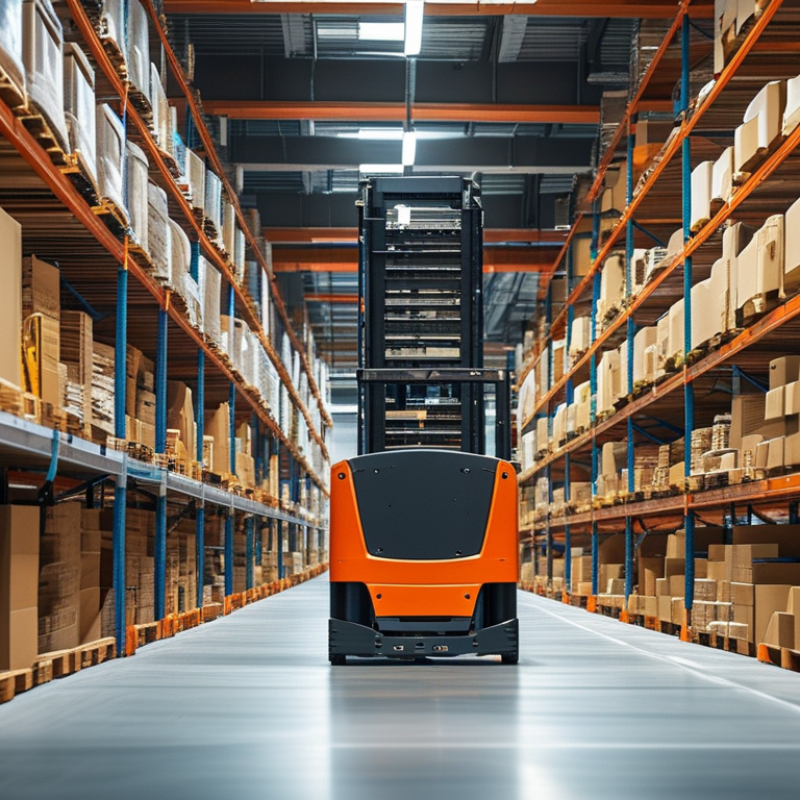
Automated Storage and Retrieval Systems (ASRS) streamline storage processes in modern warehouses. These systems automate the movement of goods, enhancing efficiency and accuracy. The key is to understand how ASRS can transform operations. They help manage inventory, reduce labor costs, and optimize space. However, businesses must carefully evaluate their needs before implementation.
When considering an ASRS, assess your warehouse layout. Size and dimensions impact the design. A compact space may benefit from vertical ASRS solutions. Flexibility in system design matters as your needs may evolve. Scalability is also essential. As your business grows, the system should adapt to increased demands.
Evaluate the integration capabilities of potential ASRS systems. Compatibility with existing software is crucial. Data management can offer real-time insights into inventory. When in doubt, consult professionals. Their expertise can guide you in making informed decisions about ASRS selection.
Assessing your warehouse space and layout needs is crucial when selecting an Automated Storage and Retrieval System (ASRS). Your facility’s dimensions, configuration, and operational flow will significantly influence your choice. A well-optimized layout can enhance efficiency. Analyzing your space helps to determine the ASRS dimensions you require. It’s important to consider both existing space and potential expansions.
Evaluate your current inventory and future needs. How much product do you hold? What is your growth forecast? These factors will guide your decision on the system's capacity. A robust ASRS can adapt. Don’t overlook the shape of your warehouse. Narrow aisles might limit larger ASRS units, while versatile layouts could allow for more flexible solutions.
Consider the system's integration with current processes. Does it mesh well with your existing workflows? If not, there may be hidden costs. Engage with specialists if you're uncertain. Their expertise can uncover solutions that you might not have considered. Mapping out the area's accessibility and movement can reveal issues, prompting further reflection. Planning your warehouse layout with foresight can save time and resources in the long run.
Choosing an Automated Storage and Retrieval System (ASRS) is crucial for enhancing business efficiency. Understanding the various technology options available to you is key. Each ASRS type has unique features and capabilities. A thorough comparison will help you find the right fit for your needs.
Tip 1: Assess your inventory needs. Identify the volume and types of items you'll store. Automated systems handle different types of products differently. Some are better suited for pallets, while others excel with smaller packages. Think about the speed and accuracy you require.
Tip 2: Evaluate the scalability of options. Can the ASRS grow with your business? You want a system that adapts as inventory demands change. Consider future expansions and the flexibility of design. It’s important to invest in technology that won’t become obsolete too quickly.
Also, be mindful of integration capabilities. Does the ASRS easily connect with your existing systems? A smooth integration process minimizes downtime and enhances overall workflow. Each aspect should align with your operational objectives, even if it means re-evaluating your current processes.
Cost-benefit analysis plays a crucial role when evaluating Automated Storage and Retrieval Systems (ASRS). An effective ASRS can drastically reduce labor costs and improve storage efficiency. Organizations must assess initial investment versus expected return on investment (ROI). This may include reductions in labor, improved inventory accuracy, and increased throughput.
Measuring long-term savings involves looking beyond just upfront costs. Though the installation of ASRS can be significant, benefits can accumulate over time. For example, an increase in storage density can lead to less space needed for warehousing. This can translate into lower rent and utility costs. Tracking these metrics over a span of years demonstrates the financial viability of ASRS.
At times, organizations may overlook critical aspects of ROI. They might focus too much on immediate outcomes rather than the broader impact on operations. Regularly reviewing these calculations and comparing them to benchmarks can provide valuable insights. Keeping staff involved in these discussions can reveal unexpected challenges and opportunities for improvement. Balancing projected savings against operational realities often requires a nuanced understanding of both the technology and the business landscape.
Choosing the right Automated Storage and Retrieval System (ASRS) is crucial for boosting warehouse efficiency. One key factor is the vendor's reputation. Established ASRS manufacturers often provide better support and proven solutions. According to a recent industry report, 72% of companies that chose reputable vendors reported higher satisfaction levels.
When assessing vendors, look for those with a solid track record. Research their customer reviews and case studies. This helps gauge their experience in your specific industry. Reputable vendors often invest in innovation and technology, enhancing system reliability. A 2022 study indicated that well-known companies tend to offer longer warranties and better after-sales service, which can be vital for minimizing downtime.
Additionally, ensure the vendor provides transparent pricing. Clear communication and structured support help you make informed decisions. Many companies fail to prioritize this, leading to unforeseen costs. Consider partnering with a vendor that emphasizes long-term relationships over short-term gains. This can lead to tailored solutions that fit your evolving business needs. Each aspect matters when investing in a system that can drive operational success.
SRS?
Analyze your current inventory levels and future growth forecasts. This will guide you on the system's capacity.
Narrow aisles may limit larger ASRS units. A flexible layout can accommodate more versatile solutions.
A mismatch can lead to hidden costs. Ensure smooth integration to avoid workflow disruptions and downtime.
Various types of ASRS exist. Each has unique features. Compare them to find the best fit for your needs.
Consider if the ASRS can grow with your business. Flexible designs are crucial for adapting to future inventory changes.
Assess initial investments, ROI, and long-term savings. Include labor cost reductions and improved inventory accuracy in your calculations.
Track benefits like increased storage density over time. These can lead to reduced space and utility costs.
It’s easy to focus on immediate outcomes. Regularly review calculations to unveil unexpected challenges and insights.
Their insights can reveal unforeseen issues and improvement opportunities, enriching your decision-making process.
When considering the implementation of ASRS systems, it's essential to first understand their definition and the benefits they bring to automated storage solutions. Evaluating your warehouse space and layout needs is crucial, as it allows for a seamless integration of these systems into your existing operations. Different types of ASRS systems come with various features, making it important to compare technology options based on your specific requirements.
Conducting a cost-benefit analysis will help measure the return on investment and identify potential long-term savings attributed to the efficient management of inventory. Lastly, selecting an established manufacturer is critical, as vendor reputation can significantly influence the reliability and support you receive. By focusing on these key considerations, businesses can effectively choose the right ASRS systems to optimize their storage and retrieval processes.

DriveRacks