Choosing the right Shelving Systems can reshape how a business stores, picks, and protects its inventory. A crowded warehouse wastes more than floor space. It also consumes staff time, increases handling errors, and creates avoidable safety concerns. The best solution depends on product weight, item size, turnover rate, available height, and future growth.
Gwynne Richards, a respected warehouse-management specialist, states, “The warehouse should be designed around the flow of goods, not simply the storage of goods.” This principle deserves careful attention. A shelving layout may look efficient on paper, yet feel awkward during a busy afternoon shift. Workers may reach too far, walk repeatedly, or search through poorly labeled locations. Small details matter. Shelf depth matters. Lighting matters. Clear aisles matter.
Reliable planning begins with measured evidence. Record inventory dimensions, daily order volume, replenishment patterns, and handling equipment. Then compare boltless shelving, mobile units, pallet racking, or adjustable systems against those facts. Do not choose the tallest option automatically. Vertical capacity is useful only when employees can access it safely and consistently.
There is no perfect layout. Businesses change. Products change. Even accurate forecasts can miss seasonal pressure. A flexible system may cost more initially, but it can reduce future disruption. The most dependable decision balances capacity, accessibility, durability, installation requirements, and operating discipline. This guide explores those choices, while acknowledging one uncomfortable truth: the cheapest shelving system can become the most expensive mistake.
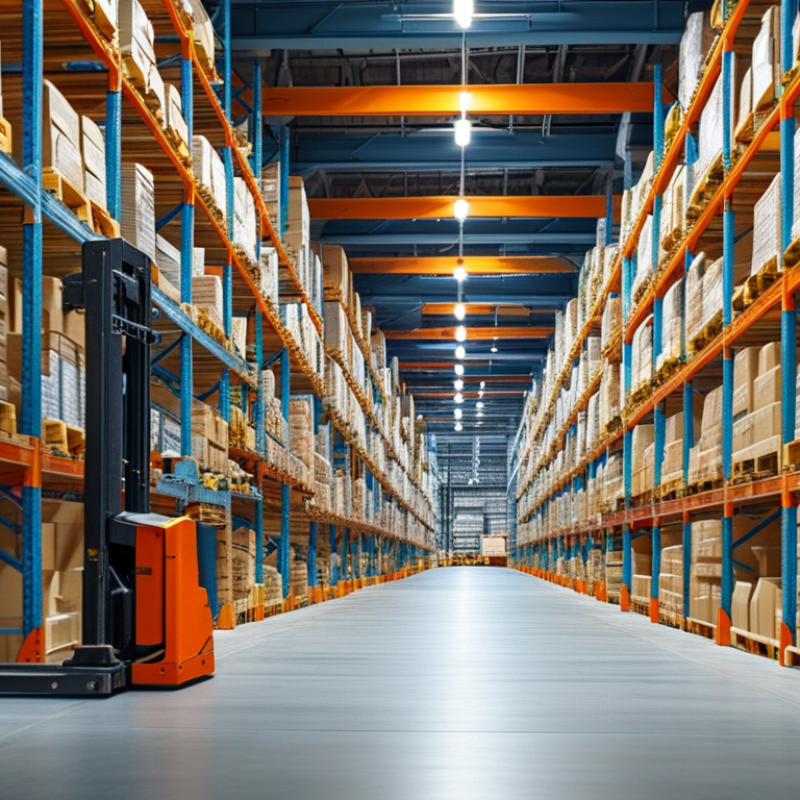
Choosing the best shelving system starts with observing your business, not browsing product catalogs. In warehouse planning, I measure actual stock before recommending a layout. Record carton dimensions, weights, pallet sizes, and daily picking frequency. A shelf that fits today’s boxes may fail during seasonal demand. Leave room for safe handling and future inventory. Also note ceiling height, floor condition, lighting, humidity, and available aisle space. Small details matter. A narrow aisle can slow every order and increase handling risks.
Match the shelving structure to your workflow. Fast-moving items belong near packing or dispatch areas, while reserve stock can use higher levels. Hand-picked goods need comfortable access and clear labels. Heavier loads require documented load ratings, stable anchoring, and routine inspections. Confirm local workplace and fire-safety requirements before installation. This is where assumptions become expensive. I once underestimated how awkward irregular cartons were to retrieve. The layout looked efficient on paper, but workers lost time every day. The design needed more flexibility, not more capacity.
Tips: Create a simple inventory map first. Mark each item’s dimensions, weight, turnover, and handling method. Test one shelf section with real cartons before expanding. Check whether workers can reach, read, and remove items without twisting. Review damaged packaging and unused space after two weeks. Then adjust. A perfect plan is unlikely on the first attempt.
Understanding Your Business’s Shelving Requirements
Typical planning benchmarks show how required shelf capacity increases from office storage to warehouse and pallet-supported applications. Before purchasing, confirm the manufacturer’s rated load, shelf dimensions, storage-item weight, aisle clearance, and applicable workplace safety requirements.
How to Choose the Best Shelving Systems for Your Business?
Shelving selection starts with load capacity, not appearance. Boltless steel shelving suits cartons, tools, and small components. Typical levels hold 200 to 800 pounds when loads are evenly distributed. Heavy-duty steel units can support 800 to 2,000 pounds per shelf. Pallet-rack beams often carry 2,500 to 5,000 pounds, but capacity depends on beam length, frame height, and anchoring. Never confuse shelf capacity with the entire bay’s capacity.
Material changes performance. Powder-coated steel works well in dry warehouses and resists everyday scratches. Galvanized steel is safer for damp rooms, while wire shelving improves airflow and visibility. Plastic shelving is lighter, but it may sag under concentrated loads. During a site walk, place the heaviest carton at eye level only when handling remains safe. Check the floor, aisle width, and forklift clearance. A neat spreadsheet still misses awkward cartons.
The U.S. Bureau of Labor Statistics recorded 885 fatal work injuries involving falls, slips, and trips in 2023. That figure does not prove shelving caused them, but it supports disciplined layout planning. OSHA 29 CFR 1910.176(b) requires stored materials to remain secure and not create hazards. ANSI MH16.1-2023 also emphasizes engineered rack design and documented capacities. I would recheck every rating after adding bins or decking. That step is easy to overlook. Load labels should show usable capacity, inspection dates, and any restrictions.
Choosing shelving begins with the work, not the catalogue. Measure clear floor area, ceiling height, columns, doors, and fire exits. Then map product dimensions and daily movement. A 20-centimetre gap can become valuable picking space, but it can also obstruct turning paths. Safety comes first. The 2024 MHI Annual Industry Report reported that 55% of respondents used inventory and network optimization tools. Record travel distance before purchasing equipment.
Layout should separate receiving, storage, picking, packing, and returns. Place fast-moving items between waist and shoulder height. Keep heavier cartons lower. Leave enough clearance for carts, ladders, and workers carrying boxes. The 2023 Warehousing Vision Study reported that 73% of warehouse decision-makers considered modernization a high priority. That pressure should not justify careless density. A tightly packed aisle may look efficient while slowing every order.
Accessibility also depends on visibility. Use clear location labels, consistent shelf heights, and lighting that prevents shadows. Test the proposed system with a real cart and a typical order. Watch where people pause. These small delays often reveal poor workflow design. I have found that theoretical capacity can mislead; actual access matters more. Recheck the plan after one busy week. Some assumptions will fail. That is useful data.
Choosing a shelving system starts with safety, not appearance. In warehouse inspections, I check whether each bay stands level on a solid floor. Uneven legs can shift under load. Shelves should display clear weight ratings, and stored items must stay below those limits. Heavy cartons belong on lower levels. This reduces tipping risks and makes daily picking safer.
Durability depends on materials, joints, and working conditions. Powder-coated steel may resist scratches, while damp rooms require stronger corrosion protection. Inspect welds, bolts, uprights, and shelf panels for bending or rust. A loose connector can become a serious weakness. Do not rely on memory. Keep inspection records with dates, locations, and repair notes.
Installation quality matters as much as product quality. Follow the supplier’s instructions, use the correct anchors, and verify every connection with suitable tools. A rushed installation may look acceptable but fail during busy operations. Maintenance should include monthly visual checks and immediate removal of damaged parts. Clean dust from beams and avoid overloading one side. I once underestimated how quickly mixed box sizes could create uneven pressure. That mistake changed my inspection routine. Still, no checklist catches everything. Staff should report unusual movement, noise, or leaning without delay.
A shelving system should support your cash flow, not weaken it. The U.S. Census Bureau reported $1.19 trillion in U.S. e-commerce sales during 2024, representing 16.1% of total retail sales. That volume creates pressure for faster picking and denser storage. However, buying the largest system today can waste money and floor space.
Measure product dimensions, stock turnover, aisle width, and ceiling height before requesting prices. Adjustable shelving often suits businesses with changing inventory. Fixed shelving may cost less initially, but it can become restrictive as product sizes change. MHI’s 2024 Annual Industry Report shows that 83% of supply-chain professionals expect to use inventory and network optimization within five years. Your shelving should leave room for better tracking, revised layouts, and additional stock locations.
Plan in stages.
A practical budget separates the purchase into frames, beams, decks, installation, safety checks, and future expansion. Ask whether extra sections can be added without replacing the entire structure. CBRE’s 2024 U.S. Industrial and Logistics Figures recorded a national industrial vacancy rate of about 6.4% in late 2024, reminding businesses that warehouse space may remain costly or difficult to secure. I would not trust a growth forecast completely. Test one aisle, record picking time, and review damage or congestion after several weeks. A slightly imperfect pilot can reveal more than a polished spreadsheet.
| Shelving System | Typical Use | Typical Load per Level | Indicative Cost per Bay* | Assembly Complexity | Growth Flexibility | Key Selection Consideration |
|---|---|---|---|---|---|---|
| Light-Duty Boltless Shelving | Small parts, office supplies, archives, and low-volume stockrooms | 90–250 lb (40–115 kg) |
US$80–US$220 | Low | High | Best for limited budgets, frequent reconfiguration, and moderate inventory growth. |
| Rivet Shelving | Manual storage of cartons, containers, and medium-weight products | 300–800 lb (135–365 kg) |
US$150–US$400 | Low to medium | High | A practical balance between affordability, strength, and adjustable shelf heights. |
| Industrial Long-Span Shelving | Bulky cartons, long components, and medium-duty warehouse storage | 500–1,500 lb (225–680 kg) |
US$250–US$700 | Medium | High | Suitable when products need wider bays or higher capacity without installing pallet racking. |
| Mobile Shelving | Archives, files, records, and high-density storage in limited floor space | 200–750 lb (90–340 kg) |
US$1,000–US$3,500 | High | Medium | Reduces unused aisles, but requires a larger initial investment and careful floor planning. |
| Steel Rivet-Style Shelving | Heavy cartons, tools, maintenance parts, and general warehouse inventory | 500–1,000 lb (225–455 kg) |
US$250–US$650 | Medium | High | Choose when durability and adjustable configurations matter more than the lowest purchase price. |
| Pallet Rack with Decking | Palletized goods, bulk inventory, and forklift-access warehouse operations | 2,000–5,000 lb (900–2,270 kg) |
US$500–US$1,500 | High | High | The strongest option in this comparison, but it needs aisle clearance, safety controls, and professional layout planning. |
| Wire Shelving | Food service, healthcare, clean storage, and areas requiring airflow or visibility | 300–800 lb (135–365 kg) |
US$120–US$450 | Low | High | Useful where visibility, ventilation, corrosion resistance, and easy cleaning are priorities. |
: Measure carton dimensions, weights, pallet sizes, ceiling height, aisle width, and daily picking frequency. Small details matter. Leave space for seasonal stock and safe handling.
Place fast-moving items near packing or dispatch areas. Store reserve stock on higher levels when safe. Keep heavy cartons at comfortable handling heights.
Start with the heaviest planned load, not the shelf’s appearance. Typical light-duty levels may hold 200 to 800 pounds evenly distributed. Heavy-duty levels may hold 800 to 2,000 pounds. Capacity depends on design, span, anchoring, and load placement.
Shelf capacity applies to one level. Bay capacity applies to the complete shelving section. Do not add shelf ratings casually. Confirm the manufacturer’s documented limits.
Powder-coated steel suits dry warehouses and resists everyday scratches. Galvanized steel performs better in damp rooms. Wire shelving improves airflow and visibility. Plastic shelving is lighter, but concentrated loads may cause sagging.
Use stable anchoring, visible load labels, clear aisles, and regular inspections. Check forklift clearance and floor conditions. Secure stored materials. Review damaged cartons quickly.
Separate the budget into frames, beams, decks, installation, inspections, and future expansion. Adjustable shelving may support changing inventory. The cheapest option can become restrictive later. Leave room for additional sections.
Test one aisle with real cartons before expanding. Record picking time, congestion, damaged packaging, and unused space. Workers may struggle with awkward carton shapes. A polished plan can still fail.
Choose sections that can expand without replacing the whole structure. Reserve space for revised layouts and additional stock locations. Do not trust growth forecasts completely. Review the layout after several weeks.
Choosing the right Shelving Systems begins with a clear understanding of your business’s storage requirements, including the types, sizes, quantities, and weights of items you need to organize. Compare different shelving types and materials based on load capacity, durability, flexibility, and suitability for your working environment. A well-planned system should make effective use of available space while supporting smooth access, efficient workflow, and future changes in inventory.
Safety and long-term value are equally important when selecting shelving. Consider stability, weight distribution, installation requirements, maintenance needs, and the ability to adjust or expand the system as your business grows. Although budget is a key factor, the lowest initial cost may not provide the best overall value. Evaluate quality, reliability, operating efficiency, and future expansion potential to choose a shelving solution that remains practical, safe, and cost-effective over time.

DriveRacks