In the realm of warehouse management, "Radio Shuttle Storage" has emerged as a revolutionary solution. According to a recent industry report by the International Warehouse Logistics Association, companies implementing this system have increased their storage efficiency by up to 85%. Expert Michael Thompson, a leading figure in warehouse automation, emphasizes this point: "Radio Shuttle Storage not only maximizes space but also enhances picking accuracy."
However, adopting such technology is not without challenges. Many businesses struggle with integration into existing systems. Proper training and maintenance are crucial to reap the full benefits. Without these, productivity may suffer. The balance between innovation and operational capability remains a key consideration.
As we explore "Ultimate Tips for Effective Radio Shuttle Storage Solutions," it's essential to analyze both successes and setbacks in implementation. Rich, detailed case studies highlight the opportunities and obstacles faced by organizations. The aim is to create a comprehensive understanding of this powerful storage method in real-world scenarios.
Understanding Radio Shuttle Storage Systems
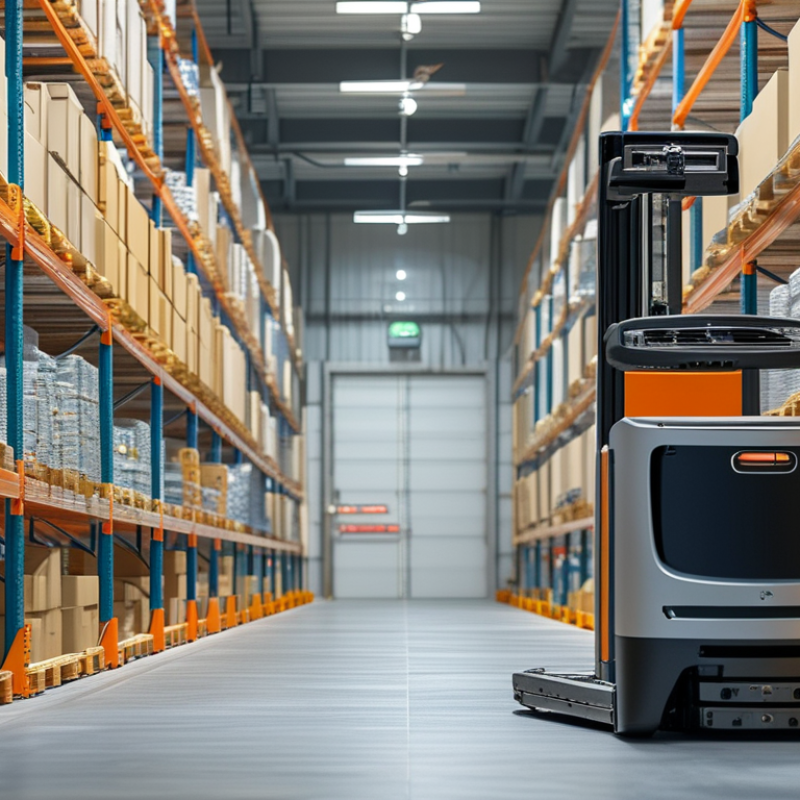
Radio shuttle storage systems are gaining popularity for their efficiency and space optimization. These systems utilize automated shuttles to transport pallets between racking systems. This technology allows for high-density storage, making it ideal for warehouses with limited space.
When considering a radio shuttle system, it’s essential to evaluate layout options. Different configurations can impact efficiency. Many users may overlook the importance of flow and accessibility. Ensuring sufficient aisle space and proper pallet dimensions can prevent workflow disruptions. Additionally, operators must receive proper training to handle the technology safely and effectively.
Regular maintenance is crucial for the longevity of these systems. Neglecting routine checks can lead to unforeseen breakdowns. Also, ensure to monitor system performance regularly. Data analytics can highlight inefficiencies in storage or retrieval processes. Users should remain open to adjusting strategies based on performance insights. This adaptability can enhance overall effectiveness.
Key Benefits of Implementing Radio Shuttle Technology
Implementing radio shuttle technology can transform warehouse operations. This innovative approach enhances storage density and efficiency. Radio shuttles operate autonomously, navigating racks while maximizing space usage. As a result, facilities can hold more inventory with less square footage. This optimization is crucial for businesses seeking to reduce operational costs.
Flexibility is another key benefit. Radio shuttles can adapt to various product sizes and weights. This versatility makes them ideal for diverse industries, from groceries to electronics. Importantly, they can also reduce labor workload. Fewer workers are needed for manual handling, which can lead to cost savings. However, it's vital to ensure staff are trained to operate and maintain this technology effectively.
Maintenance of these systems does require attention. Routine checks are necessary to prevent downtime. Organizations must also consider the initial investment in technology. Some may find it challenging to justify costs upfront. Nevertheless, the long-term benefits often outweigh these concerns. Evaluating current storage solutions might reveal gaps that radio shuttles can fill.
Essential Components of an Effective Radio Shuttle Storage Solution
When designing an effective radio shuttle storage solution, certain components play a critical role.
The layout of the storage area significantly impacts efficiency. A well-structured layout can improve retrieval times
by up to 30%. Optimizing storage space increases capacity
without the need for extensive renovations. This is particularly essential in high-density operations.
Another key element is the technology used. Modern radio shuttle systems come equipped with
sophisticated software. This software can provide real-time inventory tracking,
reducing the chances of stock discrepancies. Reports suggest that over 20%
of warehouse operations face challenges related to inventory management. Adopting advanced technology can alleviate
these issues, providing actionable insights for better decision-making.
Training personnel is often overlooked. Staff must understand the machinery and software to maximize operational
efficiency. Recent studies indicate that 70% of warehouse workers
report feeling unprepared for their tasks. Consistent training programs can bridge this knowledge gap. It's not just
about having the latest systems; the effectiveness of a storage solution relies heavily on those who operate it.
Best Practices for Optimizing Radio Shuttle Operations
Radio shuttle systems can significantly enhance warehouse efficiency. However, optimizing operations is critical for maximum effectiveness. According to a report from the Warehouse Management Association, efficient shuttle systems can improve storage density by 40% and increase retrieval speed by up to 60%. Yet, many facilities struggle with implementation challenges.
A key tip for optimizing radio shuttle operations is regular maintenance. Scheduled inspections ensure that shuttles operate smoothly, reducing unexpected downtimes. Another aspect is staff training. Properly trained employees can navigate technology better, minimizing errors. Data from a logistics consultancy indicates that warehouses with comprehensive training programs achieve 30% better performance.
Additionally, track and analyze performance metrics. Monitoring retrieval times and operational efficiency can reveal patterns and identify areas for improvement. Utilizing software for real-time analytics helps make informed decisions. However, it is essential to recognize that not all systems are perfect. Feedback loops can highlight potential issues before they escalate, improving overall reliability. Regularly revisiting operational strategies is crucial to ensure continual improvement in shuttle performance.
Troubleshooting Common Issues in Radio Shuttle Storage Systems
Radio shuttle storage systems can greatly enhance efficiency. However, they are not without their challenges. Troubleshooting these common issues is crucial for maintaining smooth operations.
Equipment breakdowns can lead to interruptions. Regular maintenance checks are essential. Inspect the shuttle batteries, and ensure charging systems function correctly. If you notice slow movements, this may indicate battery issues or mechanical wear. Address problems quickly to avoid costly delays.
Another frequent dilemma is the misalignment of shuttles. This can stem from overloading or poor positioning. Operators should follow load guidelines carefully. If misalignment occurs, it may disrupt the entire system. Adjusting the guides can help realign the shuttle, but frequent checks are necessary.
Tips for smooth operation include training staff extensively. Ensure they understand the mechanics of the system. Encourage them to report any anomalies immediately. Keeping open lines of communication can prevent small issues from escalating into larger problems. Regular training can enhance problem-solving skills and boost overall efficiency.
FAQS
: They are automated systems transporting pallets to optimize storage.
Proper layout affects efficiency and accessibility in the warehouse.
Trained employees minimize errors and enhance operational efficiency.
Regular maintenance prevents breakdowns and ensures smooth operation.
Analyzing performance metrics identifies inefficiencies and guides adjustments.
Many struggle with optimization and system integration issues.
Continual improvement is essential for maximizing shuttle performance.
Yes, reports suggest significant improvements in retrieval times.
Neglect can lead to breakdowns and decreased system reliability.
Being open to feedback and performance insights helps improve processes.
Conclusion
Radio Shuttle Storage systems have emerged as a highly efficient solution for modern warehousing, streamlining the process of storing and retrieving goods. This technology utilizes automated shuttles to move pallets within a racking system, enabling high-density storage and optimal space utilization. Key benefits of implementing Radio Shuttle technology include increased storage capacity, improved picking efficiency, and reduced labor costs.
To develop an effective Radio Shuttle Storage solution, it is essential to understand its core components, such as shuttle vehicles, racking structures, and control systems. Best practices for optimizing operations include regular maintenance of shuttles, effective training for operators, and continual assessment of the system’s performance. Moreover, troubleshooting common issues like connectivity failures or operational delays is crucial for maintaining efficiency. Embracing these strategies ensures that businesses can harness the full advantages of Radio Shuttle Storage, leading to enhanced logistics performance.

 DriveRacks