In today's fast-paced logistics landscape, efficiency is key. Pallet Flow Storage is gaining traction as a preferred method for optimizing warehouse operations. Industry expert John Smith, a logistics consultant, emphasizes, "Pallet Flow Storage transforms how we view space and time in warehousing." This approach not only maximizes storage density but also enhances picking efficiency.
Pallet Flow Storage systems utilize inclined roller tracks. This allows pallets to flow automatically toward the picking area, reducing the need for manual handling. As a result, warehouses can achieve faster inventory turnover and streamlined processes. However, integrating such systems can be challenging. Companies must assess their unique layouts and workflows carefully.
Despite the clear benefits, there are concerns. Not every warehouse is suited for Pallet Flow Storage. Space constraints or existing infrastructure may limit adaptation. Understanding these limitations can provide insights for better decision-making. By recognizing the balance between potential rewards and persistent challenges, businesses can make informed choices about adopting Pallet Flow Storage.
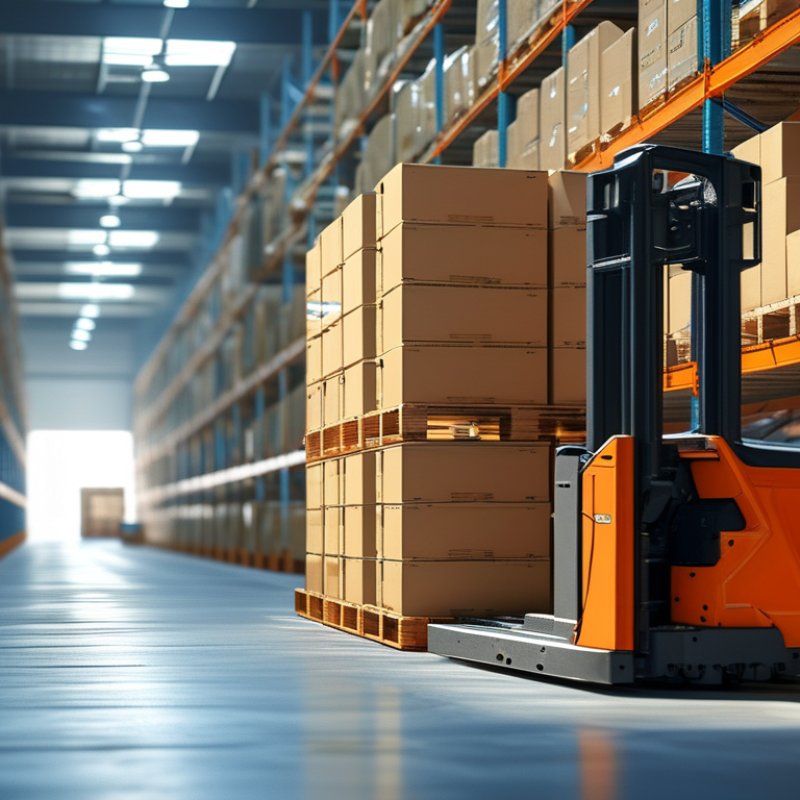
Benefits of Pallet Flow Storage in Reducing Warehouse Space Utilization
Pallet flow storage systems redefine warehouse space utilization. These systems use gravity to facilitate a first-in, first-out (FIFO) inventory flow. This approach not only saves space but also enhances stock management efficiency. According to the Warehousing Efficiency Report, pallet flow can optimize space by up to 50%. This statistic highlights the importance of innovative storage solutions in a competitive market.
Moreover, pallet flow storage allows for higher density storage compared to traditional shelving. The design minimizes aisles and maximizes the vertical space. A study from the Logistics Management Journal reveals that utilizing pallet flow systems can decrease the footprint required for storage by 30% or more. This can lead to significant cost savings in real estate and operational expenses. However, it requires careful planning and investment in training staff to manage these advanced systems effectively.
Not all warehouses benefit equally from pallet flow storage. Some may find initial setup costs and maintenance demands challenging. A reliance on gravity can lead to issues if not monitored closely. Inventory management becomes crucial. Regular audits and adjustments are necessary to maintain efficiency and prevent issues like bottlenecks. Balancing the benefits with these potential drawbacks is essential for successful implementation.
Increasing Inventory Accessibility with Pallet Flow Storage Systems
Pallet flow storage systems enhance inventory accessibility significantly. These systems utilize gravity to move pallets, allowing a seamless flow of goods. By organizing products based on their turnover rates, warehouses can maximize space and elevate efficiency. Implementing this system ensures that high-demand items are placed in the most accessible positions. Workers can quickly retrieve products, reducing time spent searching for items.
Incorporating pallet flow storage can be a complex process. It’s essential to assess existing warehouse layouts before implementing changes. Consider the flow of goods and how often items are accessed. This evaluation can reveal potential bottlenecks. Keeping track of inventory levels is vital for maintaining optimal accessibility.
Tips: Regularly train staff on accessing stored items effectively. Encouraging feedback can highlight areas needing improvement. Technology can assist in monitoring real-time inventory shifts. Evaluate accessibility challenges and adjust shelving arrangements accordingly.
Adopting this storage solution does not come without challenges. Misalignment in product placement can lead to confusion and wasted time. It’s crucial to constantly review the system's effectiveness. Balance is key; regularly scheduled assessments can ensure the system meets your warehouse needs.
Enhancing Picking Efficiency through Pallet Flow Design Features
Pallet flow storage systems are designed to enhance picking efficiency significantly. The unique gravity-driven design allows pallets to flow smoothly, reducing the time workers spend searching for items. This setup minimizes travel distance and enables first-in, first-out (FIFO) inventory management. Streamlining this process helps to increase order accuracy and speed in fulfilling customer requests.
Tip: To maximize efficiency, ensure that your pallet flow lanes are properly organized. Group similar products together to facilitate faster picking. Consider regular maintenance checks to keep the system functioning smoothly.
Another valuable feature of pallet flow storage is its compact design. By utilizing vertical space, warehouses can store more inventory in less square footage. This not only reduces overhead costs but also makes items more accessible. However, insufficient space planning can lead to congested pathways, hindering movement. Regular analysis of layout and flow can prevent this.
Tip: Use adjustable shelving where possible. Flexibility allows you to adapt to changing inventory needs while maintaining flow efficiency. Always assess the performance of existing systems and be open to adjustments.
Minimizing Product Damage in Warehousing with Pallet Flow Solutions
Pallet flow storage systems offer a vital solution for minimizing product damage in warehousing. These systems utilize gravity to move pallets smoothly along inclined tracks. This design reduces the chances of collisions and impacts that often occur with traditional racking systems. When pallets flow steadily into the picking area, the risk of mishandling diminishes significantly.
Moreover, pallet flow storage enhances organization. Workers can easily identify low-stock items. This ease of access reduces the time spent searching for products, leading to fewer accidents. However, implementing this system does require careful planning. Factors like pallet sizes and flow speed must be considered. Mistakes in setup can lead to inefficiencies or increased risk of product damage.
Training staff is another essential aspect. Even the best systems can fail without knowledgeable operators. Regular training ensures that workers understand how to use the equipment safely. Investment in training pays off in fewer product damages. While pallet flow storage is beneficial, ongoing evaluation of the system is crucial for sustaining its effectiveness.
Improving Inventory Turnover Rates using Pallet Flow Storage Systems
Pallet flow storage systems dramatically enhance inventory turnover rates. This system utilizes a gravity-fed design, allowing pallets to slide smoothly to the front as stock is picked from the back. This setup minimizes the time spent retrieving items, speeding up the picking process. With quick access, warehouses can respond better to customer demands.
While pallet flow storage improves efficiency, its installation can be complex. Proper layout and weight distribution are crucial. If pallets are misaligned, it could lead to bottlenecks. Regular maintenance is necessary to ensure smooth operation and avoid costly downtime.
These systems promote first-in, first-out inventory management. This ensures older stock is sold first, reducing the risk of expired or obsolete items. However, not all products suit this method. Fragile or irregularly shaped items may require alternative storage solutions. Balancing efficiency with product protection is key.
Top 10 Benefits of Pallet Flow Storage for Efficient Warehousing
| Benefit |
Description |
Impact on Inventory Turnover |
| Increased Storage Density |
Maximizes vertical space utilization in warehouses. |
Higher turnover due to efficient space usage. |
| Reduced Picking Time |
Streamlined access to inventory for quick retrieval. |
Increased turnover through faster order fulfillment. |
| FIFO Inventory Management |
Eases management of perishable goods by ensuring first-in, first-out. |
Lower waste rates, improving turnover of goods. |
| Reduced Labor Costs |
Minimizes manual handling and labor requirement. |
Increases overall profitability and turnover efficiency. |
| Better Inventory Visibility |
Enables real-time tracking and forecasting. |
Improves decision-making leading to optimized turnover rates. |
| Enhanced Safety |
Reduces the risk of accidents with better organization. |
Allows for smoother operations, contributing to better turnover. |
| Flexible Storage Solutions |
Adapts easily to changing inventory types and volumes. |
Ensures continual turnover despite fluctuation in demand. |
| Improved Space Utilization |
Optimizes the layout of warehouse space. |
Increased throughput, enhancing turnover rates. |
| Scalability |
Grows with business needs without major reconfiguration. |
Supports increased turnover as business expands. |
| Lower Operational Costs |
Reduces waste and operational inefficiencies. |
Enhances profitability and turnover by cutting excess costs. |
FAQS
: Pallet flow storage uses gravity for a first-in, first-out inventory flow. It improves space utilization and efficiency.
Pallet flow systems can optimize space by up to 50%. This benefits warehouses in managing their inventory better.
Higher density storage, reduced aisles, and efficient inventory management. These factors contribute to enhanced accessibility.
Initial setup costs and maintenance complexity can be significant. Monitoring is key to prevent issues in inventory flow.
The design smoothly moves pallets, reducing collisions. This greatly lowers the risk of mishandling items in warehouses.
Proper training helps workers manage equipment safely. Untrained staff can lead to inefficiencies and increased product damage.
Organizing products by turnover rates places high-demand items in easy-to-reach spots. This speeds up product retrieval.
Assess existing layouts and product flow to identify potential bottlenecks. This evaluation is crucial for successful setup.
Regular audits and feedback help maintain optimal inventory management. Continuous improvement is essential to avoid confusion.
Misalignment in product placement can waste time. Regular reviews are essential to ensure the system adapts to changing needs.
Conclusion
Pallet Flow Storage offers significant advantages for efficient warehousing by optimizing space utilization and enhancing overall operational efficiency. By using a gravity-fed racking system, it allows for effective reduction in warehouse space while increasing inventory accessibility. This design not only streamlines access to products but also facilitates quicker picking processes, ultimately boosting productivity.
Additionally, Pallet Flow Storage minimizes product damage through its innovative design features, which ensure that items move smoothly and safely throughout the storage process. Furthermore, this storage method enhances inventory turnover rates, allowing businesses to manage stock more efficiently and meet customer demands promptly. Overall, Pallet Flow Storage proves to be a valuable solution for modern warehousing needs.

 DriveRacks