Buying Steel Containers across borders looks straightforward until the details become expensive. A low quoted price may exclude inland transport, inspection, port charges, insurance, or destination taxes. The real cost appears later.
Christian Roeloffs, co-founder and CEO of Container xChange, has stressed, “Transparency and reliable data are essential when making container decisions.” That principle guides this practical introduction. Buyers should verify the supplier’s identity, container serial number, manufacturing date, and inspection records. A clear specification matters.
Small details matter.
Check the CSC safety plate where applicable, ISO dimensions, door seals, locking bars, floor condition, roof dents, and visible corrosion. Ask for recent photographs, not only catalogue images. Request the exact unit’s location and release procedure. A container standing in a distant depot can change the final price quickly.
The following ten tips explore these checks in a usable order. They cover container grades, measurements, weather resistance, delivery planning, documentation, payment safeguards, and after-sales support. They also consider regional climate differences, from coastal humidity to freezing winters. A used unit may look acceptable while hiding weakened flooring or repaired corner posts. I have seen buyers focus too heavily on paint and overlook structural wear.
There is no perfect purchase.
Reliable decisions require questions, patience, and written evidence. Some recommendations may need adjustment for your cargo, site access, budget, or local requirements. Treat every estimate as provisional until the supplier confirms it in writing. Good Steel Containers should fit the intended purpose, arrive safely, and remain useful after the invoice is paid.
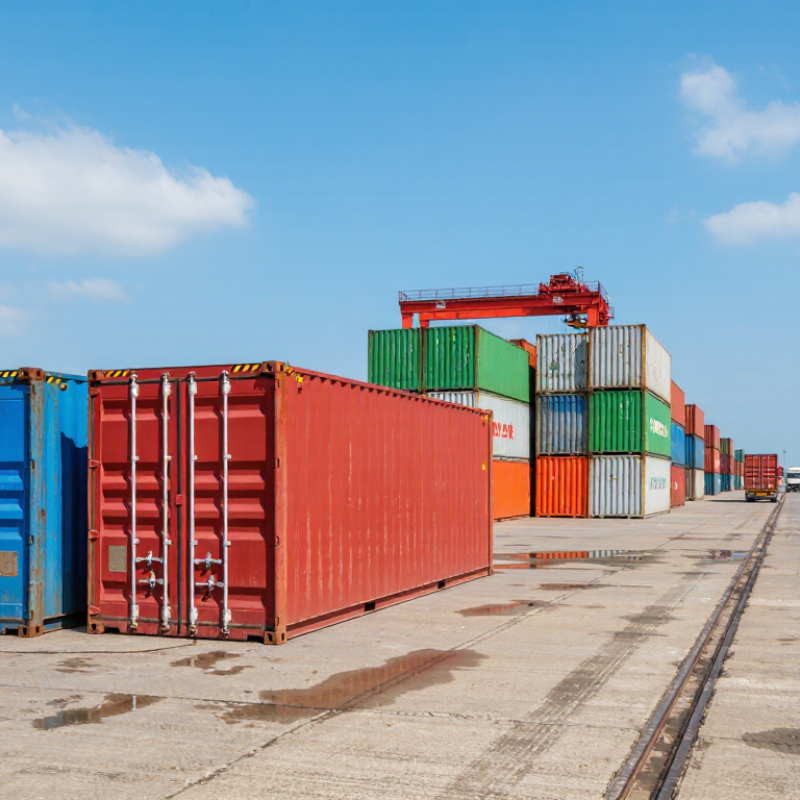
When buying steel containers worldwide, define the job before comparing prices. A storage unit for dry tools differs from one used for machinery or temperature-sensitive goods. Record the cargo’s dimensions, weight, center of gravity, and loading method. Measure the widest item, including handles and protective packaging. Small omissions become expensive changes.
Select the container size only after checking real working space. Will a forklift enter? Is a side door useful? Do workers need ventilation, insulation, lighting, or a lockable access point? For outdoor placement, assess rain, salt air, wind exposure, drainage, and ground condition. A reinforced floor may support concentrated loads, while a standard floor may not. Ask for load ratings, material specifications, coating details, and inspection records. These documents improve reliability across suppliers and countries.
Never guess payload. Confirm it. I have seen plans fail because empty weight was confused with usable capacity. That mistake happens. Leave clearance around the cargo for safe handling and air movement. If requirements remain uncertain, create a simple drawing and ask a qualified engineer or inspector to review it. Check destination transport, installation, and safety requirements before ordering. They may affect dimensions, lifting points, and permitted placement. Revisit the specification after a trial layout. A container that fits on paper may still feel awkward in daily use.
| Tip | Requirement or Decision | Common Data or Specification | Why It Matters | Recommended Verification |
|---|---|---|---|---|
| 1 | Define the intended use | Cargo transport, storage, workshop, modular office, or temporary accommodation | The application determines the required container type, floor strength, ventilation, insulation, and compliance level. | Prepare a written use description and list the goods, equipment, or people the container must accommodate. |
| 2 | Select the external size | Common lengths: 20 ft and 40 ft; common external width: approximately 8 ft; common external height: 8 ft 6 in | Available site space, transport equipment, and loading access may limit the suitable dimensions. | Measure the installation area, access route, turning radius, crane or forklift access, and required clearances. |
| 3 | Check internal capacity | Typical internal volume: about 33 m³ for a standard 20 ft unit and about 67 m³ for a standard 40 ft unit | External dimensions do not equal usable internal space because walls, doors, corner posts, and framing reduce capacity. | Compare the supplier’s internal length, width, height, doorway size, and cubic capacity with a detailed packing plan. |
| 4 | Calculate payload and floor loading | Maximum gross mass for many standard freight containers is commonly up to 30,480 kg, subject to the container plate and transport rules | The total mass includes the container’s tare weight and cargo. Concentrated loads can damage the floor even when total mass is acceptable. | Review the safety approval plate, tare mass, maximum gross mass, axle limits, and point-load requirements. |
| 5 | Choose the correct container type | Standard dry, high-cube, open-top, flat-rack, refrigerated, tank, or side-opening designs | Oversized, tall, temperature-sensitive, liquid, or difficult-to-load cargo may require a specialized design. | Match cargo dimensions, loading method, temperature range, ventilation needs, and hazardous-goods status to the container type. |
| 6 | Decide between new and used condition | New units generally offer cleaner interiors and longer remaining service life; used units may show dents, corrosion, repairs, or floor wear | Condition affects watertightness, appearance, maintenance cost, cargo protection, and suitability for conversion. | Request dated photographs, inspection records, door and roof checks, floor-condition details, and a written condition grade. |
| 7 | Confirm international shipping compliance | A container used for international sea transport normally requires a valid safety approval plate under the International Convention for Safe Containers | A valid approval plate supports safe handling, stacking, lifting, and acceptance within applicable transport networks. | Check the approval plate, inspection status, identification number, maximum gross mass, and any carrier or port requirements. |
| 8 | Evaluate climate and environmental protection | Steel bodies are weather-resistant but may experience condensation, corrosion, heat gain, and cold bridging | Local humidity, coastal exposure, rainfall, temperature, and solar radiation influence the required protection. | Specify ventilation, insulation, vapor control, internal lining, corrosion treatment, drainage, and anchoring for local conditions. |
| 9 | Review doors, locks, and security features | Standard cargo doors are commonly double-leaf steel doors with locking bars; additional lock boxes and internal security systems may be added | Door configuration affects loading speed, security, weather sealing, and access for large equipment. | Inspect door gaskets, hinges, locking bars, thresholds, lock compatibility, and emergency-access requirements. |
| 10 | Calculate landed cost and after-sales needs | Total cost may include the unit, inland transport, handling, customs duties, taxes, lifting, site preparation, modifications, and maintenance | The lowest purchase price may not be the lowest delivered or installed cost. | Request an itemized quotation with delivery terms, lead time, warranty scope, inspection options, modification costs, and replacement-part support. |
Note: Dimensions, capacities, and maximum masses vary by container design, manufacturer specifications, inspection status, and applicable transport regulations. Always verify the data plate and local requirements before purchase.
Request factory registration, production capacity, inspection reports, and comparable project references. Verify every document with its issuing organization. Dates matter. An expired certificate proves little.
Not always. Some certificates cover management systems, not product performance. Confirm the factory, container model, and approval scope. Check structural tests and required transport markings. The paperwork may look stronger than the product.
Inspect steel grade, corner fittings, door hardware, welds, flooring, and corrosion protection. Measure dimensions and coating thickness with calibrated tools. Photos help. Independent inspection helps more.
Write measurable tolerances for dimensions, welds, coatings, and hardware. Request serial-level traceability for steel and components. Keep samples, inspection records, and messages together. Small gaps become expensive repairs.
Include packaging, inland transport, port charges, duties, insurance, inspection, and delivery. Confirm loading fees and replacement procedures in writing. A low factory price can hide costly handling.
Compare total time, risk, and cost. A direct ocean route may reduce transshipment delays. Check port congestion, seasonal surcharges, storage, and local delivery fees. No estimate is perfect.
Confirm the correct HS code with a licensed customs professional. Duty rates may depend on material, dimensions, origin, and declared value. Keep invoices, packing lists, shipping documents, and origin records consistent. One wrong measurement can delay clearance.
Yes. Link payments to documented stages, such as material preparation, assembly, inspection, and loading. Review the final landed-cost calculation before payment. Add a contingency for exchange-rate changes and port fees. My first estimate was too optimistic.
Buying Steel Containers worldwide requires careful planning, comparison, and supplier verification. Start by defining the container’s intended use, required capacity, operating environment, and expected service life. Then compare available types, sizes, steel grades, corrosion protection, structural strength, doors, flooring, ventilation, and customization options to ensure the selected unit meets practical and safety needs. Consider whether the container must support repeated transport, long-term storage, or specialized handling conditions.
International purchasing also requires a complete review of supplier credentials, quality-control procedures, technical documents, and relevant certifications. Calculate the total landed cost, including product pricing, inland transport, ocean or rail shipping, insurance, taxes, import duties, port charges, and possible currency changes. Before payment, confirm specifications, inspection arrangements, delivery terms, warranty coverage, documentation, and after-sales support in a clear contract. A reliable inspection process and realistic delivery plan can reduce misunderstandings, unexpected expenses, and delays while helping buyers make a confident, cost-effective decision.

 DriveRacks