Best China Boltless Systems for Global Buyers?

Time:2026-09-23 Author:Madeline
0%

Global buyers are rethinking how storage space should work. Warehouse rents remain costly, labor remains difficult to secure, and product ranges change quickly. The 2024 MHI Annual Industry Report highlights continued investment in supply-chain technology and operational flexibility. That pressure makes Boltless Systems increasingly relevant for warehouses, workshops, retail backrooms, and fulfillment facilities.

A strong system should assemble without specialized tools. It should also support clear load ratings, adjustable levels, and replaceable components. In practice, buyers should inspect upright thickness, beam connections, decking material, and powder-coating quality. A shelf that looks rigid in a catalog may behave differently under uneven cartons or repeated loading. That detail matters.

Reports from CBRE’s 2024 Global Industrial and Logistics Occupier Survey also point to ongoing demand for efficient, adaptable industrial space. Boltless Systems can help use vertical capacity without permanent structural changes. However, “boltless” does not mean maintenance-free. Installers still need level floors, correct bracing, and documented loading limits. Poor assembly can create avoidable risks.

This guide compares leading China-based options for international purchasers. It considers manufacturing experience, quality controls, customization, export packaging, and communication reliability. Factory audits, sample testing, and production inspections remain essential. Certifications deserve careful review, too. A certificate alone proves little without matching product records and test evidence.

No supplier is perfect.

Some specifications may remain unclear. That is why transparent drawings, traceable materials, and responsive after-sales support should influence the final decision. The best choice is not always the cheapest rack. It is the system that performs consistently after installation, relocation, and years of daily use.
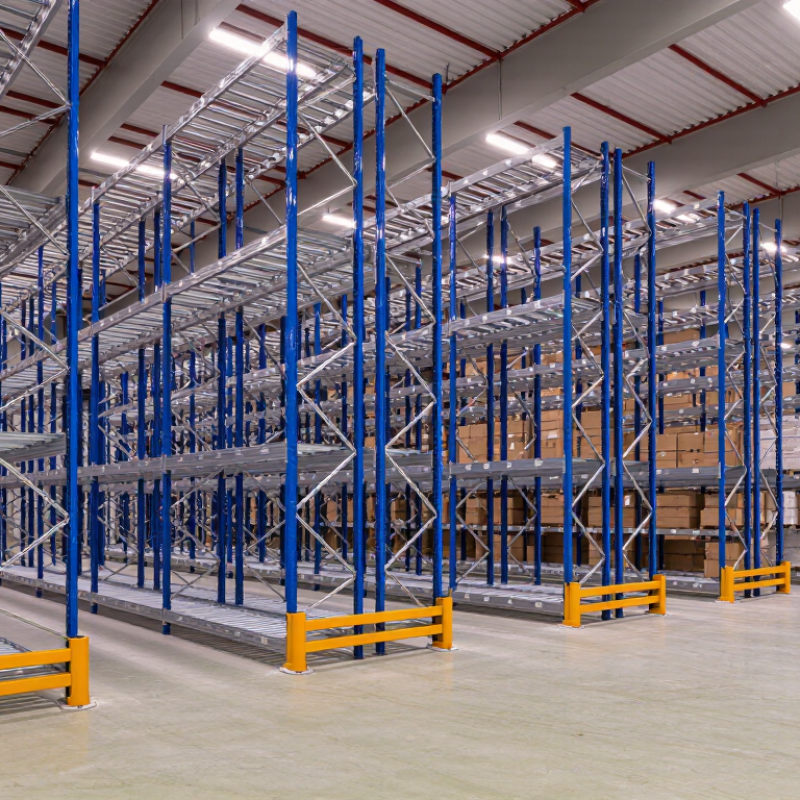
Best China Boltless Systems for Global Buyers?

What Are China Boltless Systems and How Do They Work?

China boltless systems are modular storage racks assembled without welding or conventional bolts. Their frames use upright posts, horizontal beams, clips, and locking pins. Workers connect these parts with a rubber mallet or simple hand tools. The beam ends fit into punched holes along the uprights. This creates adjustable levels for cartons, tools, spare parts, or retail inventory.

In warehouse projects I have reviewed, the main advantage is faster installation. A two-person team can often assemble a small shelving row within hours. The system also packs efficiently for export. Buyers can change shelf spacing when product sizes change.

However, “boltless” does not mean maintenance-free. Uneven floors may twist the frame. Poorly seated clips can reduce stability. That detail is easy to overlook.

Reliable sourcing requires more than comparing price per unit. Ask for load tests, material thickness, coating details, and clear assembly drawings. Confirm whether the stated capacity applies to each shelf or the complete bay.

Check the rack on a level surface before loading it. Heavy goods should stay on lower levels, while damaged components should be replaced immediately.

Local safety requirements also matter, especially in workplaces open to employees or visitors.

The system looks simple. Its performance depends on small decisions. Even experienced buyers should review the first assembled bay before approving a larger order.

Which Types of Boltless Systems Suit Different Global Applications?

Global buyers should match boltless systems to the work, not only the price.

Light-duty rivet shelving suits retail backrooms, archives, and small spare-parts rooms. It assembles quickly with minimal tools. Adjustable levels also help when product sizes change frequently. The 2024 MHI Annual Industry Report found that 43% of surveyed supply-chain professionals were already using robotics and automation. This suggests a practical need for shelving that integrates with scanning, picking, and replenishment routines.

Medium-duty longspan systems fit workshops, distribution rooms, and e-commerce inventory.
They support cartons, containers, and hand-picked components without requiring forklifts.

For heavier loads, reinforced boltless frames may work, but engineered load calculations remain essential. Boltless does not mean risk-free.
In humid coastal facilities, galvanized or powder-coated finishes can reduce corrosion. Cold-storage operations need materials that tolerate condensation and repeated temperature changes.

High-density mobile or modular layouts suit expensive urban space, although access speed may suffer.
The World Bank’s 2023 Logistics Performance Index shows wide differences in logistics reliability across economies.

Therefore, imported systems should allow local repair, replacement parts, and clear assembly instructions. The wrong deck material can sag under concentrated loads.

That detail is often missed.

Buyers should verify load ratings, floor conditions, seismic exposure, and inspection procedures before ordering.

I would also leave spare components onsite; this seems inefficient, but it prevents small failures from stopping daily operations.

How to Compare Chinese Boltless System Manufacturers and Products?

Choosing the best Chinese boltless system requires more than comparing catalog prices. Compare steel grade, thickness, beam profile, surface treatment, load ratings, and replacement availability. The World Steel Association’s 2024 World Steel in Figures reports that China produced about 1.019 billion tonnes of crude steel in 2023, nearly 54% of global output. Capacity is impressive. It does not automatically prove consistent shelving quality.

Ask each manufacturer for mill certificates, batch inspection records, and load-test reports. Check whether tests match the intended application, such as warehouse storage, retail displays, or workshop use. For industrial racks, evidence related to EN 15635 or ANSI/RMI MH16.1 can support a more meaningful comparison. Measurements matter too: request upright thickness, shelf deflection limits, connector tolerances, and carton dimensions. A sample assembly should stand firmly on a level floor.

The ISO Survey 2023 recorded more than 426,000 ISO 9001 certificates in China. This indicates a broad quality-management base, but certification alone cannot guarantee reliable products. Review corrective-action records and inspect random production batches through an independent agency. Compare warranty terms, spare-post availability, packaging strength, and communication speed. A low quotation may hide higher shipping damage or difficult installation. I have seen attractive samples fail during repeated assembly. That risk deserves a small pilot order before full procurement.

Best China Boltless Systems for Global Buyers

Comparison of typical boltless shelving system categories using practical purchasing criteria: shelf load capacity, assembly time, and shelf levels.

The figures represent commonly published technical ranges for Chinese boltless shelving products rather than any specific company or brand. Actual performance depends on steel thickness, beam profile, decking material, load distribution, packaging, and compliance testing. Buyers should request verified load tests, material certificates, drawings, and pre-shipment inspection records.

What Quality, Safety, and Certification Standards Should Buyers Check?

Global buyers should treat quality as measurable evidence, not attractive product photos. A boltless system should include steel grade records, coating thickness data, and clear load ratings. Check whether the rated capacity applies to each shelf, bay, or complete frame. These details are often confused.

Ask for test reports from an independent laboratory. The report should identify the exact model, testing method, sample dimensions, and failure point. Relevant requirements may include EN 15512, ANSI/RMI MH16.1, or other standards accepted in the target market. Do not assume one certificate covers every country. Local building, fire, and workplace rules may differ. Confirm whether the supplier maintains ISO 9001 controls, material traceability, and batch inspection records.

Safety depends on installation as much as manufacturing. Inspect upright thickness, beam engagement, locking pins, foot plates, and bracing points. A loose connector can become dangerous after repeated loading. Ask for assembly instructions with torque guidance, floor requirements, and maximum bay limits. Product labels should show capacity, warnings, and inspection intervals. Real warehouse checks matter.

A checklist can still miss problems. I would request photos of destructive tests, not only polished certificates. Visit a production site when order volume justifies it. Review one assembled sample before approving a full shipment. Uneven powder coating, sharp edges, or bent slots deserve written corrective action. Cheap packaging may also damage otherwise compliant components during ocean transport.

Best China Boltless Systems for Global Buyers? – Quality, Safety, and Certification Standards to Check

Evaluation Dimension Relevant Standard or Reference What Buyers Should Check Recommended Evidence Priority
Load capacity and design scope EN 15512, EN 15629, or ANSI MH16.1, where applicable Confirm whether the product is light-duty shelving, long-span shelving, or pallet racking. Check bay load, shelf load, beam span, safety factors, and the intended load distribution. Stamped engineering drawings, load tables, calculation notes, and a clearly defined load-rating label. Critical
Structural stability EN 15635 for use, inspection, and maintenance of steel storage systems Verify upright strength, bracing, frame geometry, anchoring requirements, connection security, and resistance to accidental impact or uneven loading. Installation instructions, anchoring details, stability test records, and an inspection checklist. Critical
Boltless connection performance Applicable rack or shelving design standard and validated manufacturer test method Inspect connector engagement, locking tabs, beam-seat fit, post-hole consistency, tolerance control, and resistance to accidental uplift or disengagement. Connection drawings, cycle or load-test reports, sample inspection records, and assembly photographs. Critical
Steel grade and material traceability EN 10204 material inspection documents; relevant EN, ASTM, or JIS steel specifications Check steel grade, thickness, yield strength, coating type, batch identification, and consistency between the approved sample and mass production. Mill certificates, incoming material records, thickness measurements, and batch traceability records. High
Surface treatment and corrosion resistance ISO 9227 for salt-spray testing; coating requirements defined in the purchase specification Identify powder-coat or galvanizing system, coating thickness, pretreatment process, edge coverage, adhesion, and intended indoor or humid-environment use. Coating thickness reports, adhesion results, corrosion-test reports, and process-control records. High
Dimensional accuracy Approved technical drawing and agreed inspection plan Measure upright pitch, beam length, panel depth, diagonals, hole spacing, shelf flatness, and interchangeability of replacement parts. First-article inspection report, calibrated measuring-tool records, and tolerance chart. High
Factory quality management ISO 9001 ISO 9001 is an organization-level quality-management certification, not proof that every rack design is safe. Confirm its scope and validity. Valid certificate, certification scope, issuing-body details, corrective-action records, and internal inspection procedures. High
Occupational health and environmental controls ISO 45001 and ISO 14001, where required by the buyer or project Review worker-safety controls, paint and chemical handling, waste management, emissions controls, and environmental objectives. Valid certificates, audit summaries, chemical-management records, and environmental compliance documents. Medium
Fire and building-code compatibility Local building, fire, seismic, and warehouse regulations Check aisle widths, rack height, sprinkler clearance, seismic design, floor loading, anchoring, and local approval requirements before installation. Project-specific layout, engineer approval, fire-authority requirements, and installation sign-off. Critical
Product conformity marking Destination-market legislation Do not treat CE marking as a universal rack-safety certificate. Determine whether any electrical, machinery, construction, or other regulated component triggers a conformity requirement. Applicable declaration of conformity, technical file, risk assessment, and market-specific compliance documentation. High
Factory inspection and pre-shipment control Buyer-approved inspection plan and ISO 2859-1 sampling principles, where adopted Set acceptance criteria for appearance, dimensions, coating, quantity, packaging, accessories, and critical defects before production. Pre-shipment inspection report, sampling plan, defect photographs, packing list, and corrective-action records. High
Installation, operation, and maintenance documentation EN 15635 principles and destination-market requirements Require clear assembly steps, maximum loads, inspection frequency, damage reporting, repair limits, and replacement-part instructions in the buyer’s language. User manual, assembly drawings, warning labels, inspection forms, and training records. Critical
Packaging and international shipment Contractual packaging specification and applicable transport rules Check protection against abrasion, moisture, deformation, mixed parts, missing hardware, and unsafe manual handling during unloading. Packaging drawings, drop or handling test records where relevant, container-loading photos, and moisture-protection plan. Medium
Warranty and spare-part support Purchase contract and local consumer or commercial law Define coverage for structural failure, coating defects, missing parts, replacement lead time, exclusions, and responsibilities for installation damage. Written warranty, spare-part list, service response times, and documented claims process. Medium

Note: The applicable standard depends on the system type, installation environment, intended load, and destination-market regulations. Product testing and management-system certification should be verified separately.

How to Evaluate Pricing, Customization, Shipping, and After-Sales Support?

Evaluating a boltless storage system requires more than comparing the unit price. Request a detailed quotation covering shelves, uprights, packaging, tooling, and replacement parts. Confirm whether the price includes delivery to your port or warehouse. A low factory price can become expensive after freight, insurance, duties, and unloading fees. Ask for load tests, material thickness, coating details, and production photos. These records show practical quality, not just marketing claims.

Tips: Compare landed cost, not catalogue price. Ask for a sample bay. Check every measurement. Request a written warranty and spare-parts policy. Confirm the response time for technical questions. Small details matter.

Customization should match your building, inventory, and handling equipment. Provide aisle widths, ceiling height, pallet dimensions, and expected loads. A reliable supplier should return clear drawings before production. Be cautious when customization is promised without engineering review. I once underestimated packaging volume; the shipping estimate changed after cartons were measured. That mistake was avoidable.

For international shipping, inspect carton strength, moisture protection, labels, and packing lists. Request photos before dispatch and verify the quantity against the purchase order. After-sales support should include installation guidance, replacement components, and a named contact. Test this support before payment by sending detailed questions. Slow or vague replies may create larger problems during installation. Supplier audits, inspection reports, and consistent documentation improve confidence, although none replaces careful verification.

FAQS

What should buyers compare when choosing a boltless system manufacturer?

Compare steel grade, thickness, beam shape, coating, load ratings, and spare-part availability. Ask for mill certificates and batch inspection records. Catalog prices can mislead. A sample assembly should remain stable on a level floor.

How can buyers verify a product’s load capacity?

Request reports showing the exact model, dimensions, testing method, and failure point. Confirm whether capacity applies to each shelf, bay, or complete frame. Check shelf deflection limits and connector tolerances. Numbers without context are weak evidence.

Which quality and safety documents should buyers request?

Ask for material records, coating thickness data, load-test reports, and batch inspection results. Quality-management certification can support confidence, but it proves little alone. Review corrective-action records when available. Polished certificates are not enough.

What physical details should be inspected before placing a large order?

Inspect upright thickness, locking pins, beam engagement, foot plates, bracing points, and sharp edges. Check powder coating for uneven areas. Assemble one sample and load it carefully. Small defects can become expensive later.

How should buyers compare quotations?

Compare landed cost rather than catalogue price. Include freight, insurance, duties, unloading, packaging, and replacement parts. Confirm whether delivery reaches your port or warehouse. A cheap quotation may hide higher damage costs.

What information is needed for customization?

Provide aisle widths, ceiling height, shelf dimensions, inventory weight, and handling equipment details. Request clear drawings before production begins. Check carton dimensions too. I once underestimated packaging volume, and the shipping estimate changed.

How can international shipping damage be reduced?

Check carton strength, moisture protection, labels, and packing lists. Request dispatch photos before shipment. Match every carton against the purchase order. Weak packaging can damage compliant components during ocean transport.

How should after-sales support be evaluated?

Ask for installation instructions, floor requirements, replacement components, and warranty terms. Test the support before payment with detailed technical questions. Record response times. Slow replies may become serious installation problems.

Is a pilot order necessary before full procurement?

A small pilot order can expose repeated-assembly failures, missing parts, and unclear instructions. Inspect random units after delivery. Review the assembled sample again. It is not perfect, but it reduces avoidable risk.

Conclusion

Boltless Systems are modular storage and display solutions designed for fast assembly without traditional bolts, often using interlocking frames, clips, or slot-in components. Their flexible structure makes them suitable for warehouses, retail stores, workshops, offices, archives, and industrial facilities. Depending on the application, buyers may choose shelving, racking, workbenches, or customized configurations according to load capacity, available space, mobility, and installation requirements.

When evaluating manufacturers and products in China, global buyers should compare material quality, structural design, production consistency, customization capabilities, and product testing procedures. It is also important to check safety documentation, relevant certifications, load ratings, surface treatment, packaging standards, and compliance with destination-market requirements. A complete purchasing assessment should include transparent pricing, minimum order quantities, tooling or customization costs, shipping arrangements, lead times, spare-part availability, warranty terms, and after-sales communication. By reviewing these factors systematically, buyers can select reliable Boltless Systems that balance performance, cost, safety, and long-term usability.

Madeline

Madeline

Madeline is a dedicated marketing professional with a wealth of expertise in our company's core offerings. With a keen understanding of the industry, she brings a unique perspective to her role, consistently delivering high-quality content that highlights the superior aspects of our products. As......