China Top Longspan Storage Suppliers for Global Buyers

Time:2026-09-18 Author:Sophia
0%

China has become a major sourcing destination for Longspan Storage systems used in warehouses, workshops, archives, and retail facilities. Global buyers now expect more than competitive pricing. They need accurate load data, dependable steel, stable production, and practical export support.

Dr. Geraint John, a recognized warehouse-design specialist, offers a useful principle: “Storage design must respond to the goods, the building, and the people using it.” That principle matters when comparing China’s leading suppliers. A capable manufacturer should explain beam capacity, shelf spacing, upright thickness, surface treatment, and anchoring requirements in clear technical language. Factory audits, sample inspections, welding checks, and coating tests add valuable evidence. Certificates alone are not enough.

Details matter.

This guide examines China’s top Longspan Storage suppliers from a global buyer’s perspective. It considers manufacturing experience, customization ability, quality control, packaging, lead times, communication, and after-sales support. Buyers can also compare powder-coated finishes, adjustable levels, carton-friendly dimensions, and installation methods. These features affect daily handling, not just product photographs.

A low quotation may look attractive. It may also hide weaker steel, unclear tolerances, or missing accessories. No supplier is perfect, and online claims deserve careful verification. Even experienced buyers can overlook local installation conditions or loading habits. The strongest purchasing decision combines factory evidence, engineering review, transparent specifications, and realistic cost calculations. This approach helps international companies select Longspan Storage that performs safely and consistently after delivery.
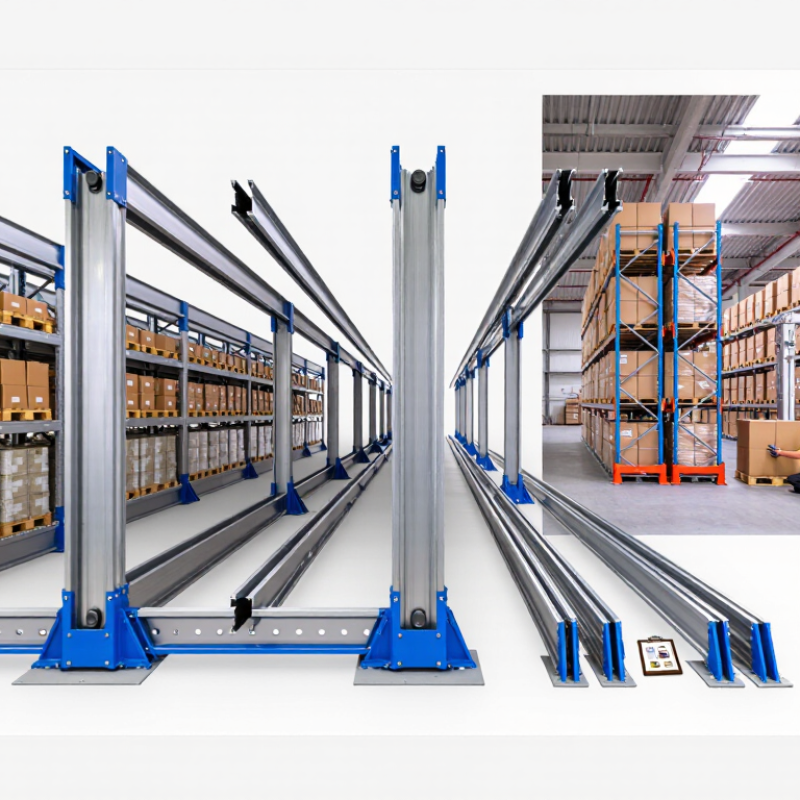
China Top Longspan Storage Suppliers for Global Buyers

China’s Longspan Storage Suppliers: 1.8–3.0 m Bays and 200–1,000 kg Loads

China’s longspan storage suppliers serve warehouses needing 1.8–3.0 m bay widths and 200–1,000 kg loads per level. These dimensions suit cartons, spare parts, tools, and mixed inventory. A 2.4 m bay can hold several standard cartons while leaving hand-access space. That small gap matters during picking.

MHI’s 2024 Annual Industry Report states that 55% of surveyed supply-chain professionals already use artificial intelligence, with adoption expected to grow sharply within five years. This trend increases the value of clear locations, consistent bay spacing, and accurate load records. Suppliers should provide beam deflection data, steel grades, coating details, and tested capacity tables. Buyers should request drawings for each configuration, not rely on one headline load figure.

Check floor levelness before installation. Confirm that each 200–1,000 kg rating applies to evenly distributed loads, not one concentrated package. Anchors, braces, and beam locks deserve equal attention. They are easy to overlook. Warehouse teams should also test access with real cartons and pallet trucks. A 3.0 m bay may improve capacity, yet it can waste space when products are shallow. Conversely, a 1.8 m bay may create congestion for bulky stock. MHI’s report highlights inventory visibility as a major operational priority, but better software cannot correct poor rack selection. Some supplier catalogues remain vague here. That deserves scrutiny.

China Longspan Storage Suppliers: Typical Bay Spans and Load Capacities

This chart presents representative longspan storage configurations within the commonly specified range of 1.8–3.0 m bay spans and 200–1,000 kg load capacity per bay. The figures are specification-based examples and do not represent any individual company or brand.

As bay width increases, the rated load capacity may vary according to beam profile, shelf configuration, frame height, and engineering requirements.

Global Buyer Standards: EN 15629, EN 15635, FEM 10.2.02, and ISO 9001

China’s top longspan storage suppliers increasingly serve global buyers who demand documented engineering, not attractive catalog photos. EN 15629 helps define the system specification, including loads, layout, access, and operating conditions. A capable supplier should request pallet dimensions, beam spans, floor capacity, and forklift details before preparing drawings.

Safety continues after installation. EN 15635 requires users to inspect storage equipment regularly and report damage through a clear process. Look for numbered load plaques, inspection checklists, and practical guidance for bent uprights or loose connections. Small details matter. A missing plaque can create confusion during a busy shift.

FEM 10.2.02 supports the structural design and verification of steel static storage systems. Buyers should ask for calculation assumptions, material grades, connection details, and applicable safety factors. ISO 9001 adds process control through documented purchasing, production checks, corrective actions, and traceability. It does not replace sound engineering. Ask to review sample inspection records and welding or coating controls. Some suppliers may provide polished documents but weak site support. That gap deserves attention. A serious evaluation should include factory communication, drawing revisions, packaging quality, and after-sales response times. No supplier is perfect, and even a well-designed system can fail when loads change without review.

Supplier Comparison: Steel Grade, Load Testing, MOQ, Lead Time, and Warranty

China Top Longspan Storage Suppliers for Global Buyers

Supplier comparison should begin with steel grade, not catalog price. World Steel Association’s World Steel in Figures 2024 records 1,888 million tonnes of crude steel production in 2023. That scale supports broad sourcing, but it does not guarantee consistent coils. Request mill certificates, yield strength, coating thickness, and traceable batch numbers. For indoor storage, powder coating may be sufficient. Humid warehouses need stronger corrosion protection. Small differences matter.

Load testing deserves direct evidence. Ask for design calculations, deflection limits, and test photographs showing loaded beams and upright frames. EN 15635 provides practical guidance for safe steel storage systems, including inspection and damage control. A credible supplier should state the test load, safety factor, beam span, and failure result.

“Heavy duty” is not a measurement. It is a warning sign.

MOQ, lead time, and warranty reveal operational maturity. Compare the minimum order by complete bay, not by loose component. Confirm whether tooling, packaging, and replacement parts affect the quoted lead time. The MHI Annual Industry Report 2024 highlights continuing pressure to improve warehouse productivity and resilience, so delays can disrupt more than one project. A 30-day promise means little without production milestones. Warranty terms should separate coating defects, structural faults, misuse, and installation errors. I would still request a small pilot order. Samples cannot expose every weakness. That limitation should remain visible.

Product Selection: Boltless, Rivet, and Adjustable Systems for 200–1,000 kg/Level

China Top Longspan Storage Suppliers for Global Buyers

For 200–1,000 kg per level, product selection should follow load evidence, not appearance. The 2024 MHI Annual Industry Report reported that 55% of supply chain leaders planned to increase technology investment. Storage capacity is also a technology decision. Buyers should request tested load tables, beam deflection limits, steel grades, and installation tolerances. A 500 kg rating means little without a stated load distribution.

Boltless systems suit warehouses needing frequent layout changes. Their clip-in beams reduce assembly time and simplify shelf adjustment. Rivet systems usually provide stronger frame rigidity for heavier cartons and longer spans. Adjustable systems offer more precise beam spacing, useful for mixed cartons, bins, and hand-loaded inventory. Keep each level visibly labeled.

The details matter. A 2.4-meter beam holding evenly distributed cartons behaves differently from one carrying a concentrated machine part. Floor levelness, pallet impact, and local seismic requirements can change the specification. Independent tests should cover upright stability and connection performance. I would also inspect sample frames before placing a large order. Specifications can look perfect on paper. They sometimes fail at the joint. Global buyers should compare delivered cost, corrosion protection, spare components, and installation guidance, not only the quoted steel weight.

Factory Verification: Audits, 250 MPa Steel Data, Certifications, and Export Records

China Top Longspan Storage Suppliers for Global Buyers

Factory verification should begin with a physical audit, not a polished website. Inspectors can review welding areas, material storage, measuring tools, and loading procedures. Ask for heat numbers linked to purchase orders and finished components. These details reveal whether the factory controls production or only coordinates suppliers.

For longspan storage, 250 MPa steel data needs careful reading. Confirm whether the figure describes yield strength, tensile strength, or a design assumption. Request mill certificates, chemical composition, thickness records, and independent test results. Check sampling dates and laboratory accreditation. A certificate without traceability proves little. Small details matter.

Certifications should match the actual factory, product scope, and current validity period. Auditors may also examine quality procedures, corrective-action records, and worker training logs. Export records can support reliability when invoices, packing lists, destinations, and shipment dates are consistently documented. Sensitive commercial information may be redacted, but key facts should remain verifiable. Paperwork can look perfect. It can still hide weak inspection habits. An honest evaluation should record these gaps, explain their impact, and require corrective evidence before large orders.

FAQS

What bay widths and load levels are common for longspan storage systems?

Common bay widths range from 1.8 to 3.0 meters. Typical loads range from 200 to 1,000 kilograms per level. These sizes suit cartons, tools, spare parts, and mixed inventory.

How should buyers verify a supplier’s load rating?

Request tested load tables, design calculations, and beam deflection limits. Confirm whether the rating applies to evenly distributed loads. A concentrated machine part behaves differently. “Heavy duty” proves very little.

Why does bay width affect warehouse efficiency?

A 2.4-meter bay may fit several cartons with hand-access space.

What steel and coating information should buyers request?

Ask for steel grades, yield strength, coating thickness, and batch traceability. Indoor warehouses may use powder coating. Humid locations need stronger corrosion protection. Small differences matter.

Which storage system suits changing warehouse layouts?

Boltless systems suit frequent layout changes. Their clip-in beams simplify assembly and shelf adjustment. Adjustable systems help organize mixed cartons and bins. Rivet systems may offer greater frame rigidity for heavier loads.

What installation details deserve close attention?

Check floor levelness before installation. Confirm anchors, braces, beam locks, and connection points. Test access using real cartons and pallet trucks. A perfect drawing can still hide a weak joint.

How should buyers compare minimum orders, delivery times, and warranties?

Compare minimum orders by complete bay, not loose components. Check packaging, tooling, replacement parts, and production milestones. Warranty terms should separate coating defects, structural faults, misuse, and installation errors. A “30-day” promise needs evidence.

Is a pilot order enough before a large purchase?

A small pilot order can reveal assembly problems and finish quality. Inspect sample frames and loaded beams directly. Still, samples cannot expose every weakness. That limitation deserves attention.

Conclusion

China’s Longspan Storage suppliers offer versatile solutions for warehouses, workshops, archives, and distribution centers, with bay spans typically ranging from 1.8 to 3.0 meters and load capacities of approximately 200 to 1,000 kg per level. Global buyers should evaluate boltless, rivet, and adjustable systems according to product dimensions, access requirements, installation preferences, and future expansion plans. A reliable supplier should also provide clear technical data, stable steel quality, accurate load ratings, and practical customization options.

Before placing an order, buyers should compare steel grade, load-testing procedures, minimum order quantities, production lead times, packaging, and warranty terms. Factory verification is equally important and may include facility audits, confirmation of steel data such as 250 MPa strength, quality certifications, and verifiable export records. Compliance with EN 15629, EN 15635, FEM 10.2.02, and ISO 9001 can provide additional confidence in design, manufacturing, inspection, and ongoing product performance.

Sophia

Sophia

Sophia is a dedicated marketing professional with an exceptional depth of knowledge about her company's products and services. With a keen understanding of market trends and customer needs, she crafts insightful blog posts that not only inform but also engage readers, enriching the company’s online......