Engineered to maximize volumetric space, minimize SKU search time, and ensure workplace safety under high load distributions.
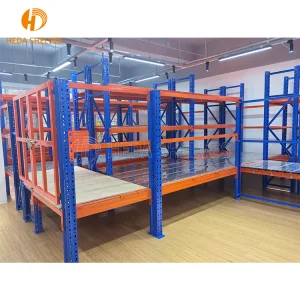
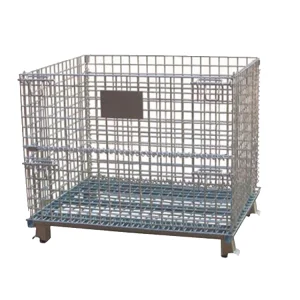
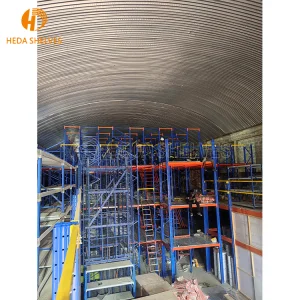
In the modern intralogistics era, space is not merely a utility—it is a critical multiplier of operational efficiency. Chengdu DriveRacks Industrial Technology Co., Ltd. (established in 2017) has engineered structural systems that turn cubic footprint limitations into dynamic operational throughput. With a state-of-the-art 42,000 m² manufacturing plant, we operate at the intersection of mechanical load-bearing capacity and spatial flexibility.
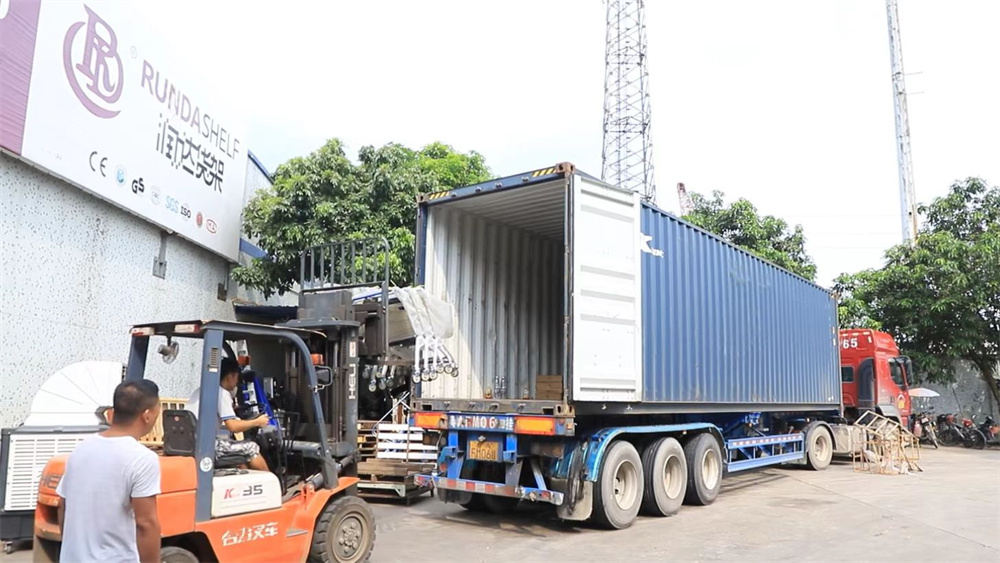
Our mission focuses on delivering structural integrity and safety. Backed by an annual export capacity generating $35 million in revenue, DriveRacks bridges the gap between customized mechanical engineering and global supply-chain compliance, providing enterprise-grade, CE-certified modular shelving systems to high-velocity logistics centers across Oceania, Latin America, and the Middle East.
From high-grade Q235B steel procurement to automated, high-precision surface processing—every stage is designed for extreme operational stress resistance.
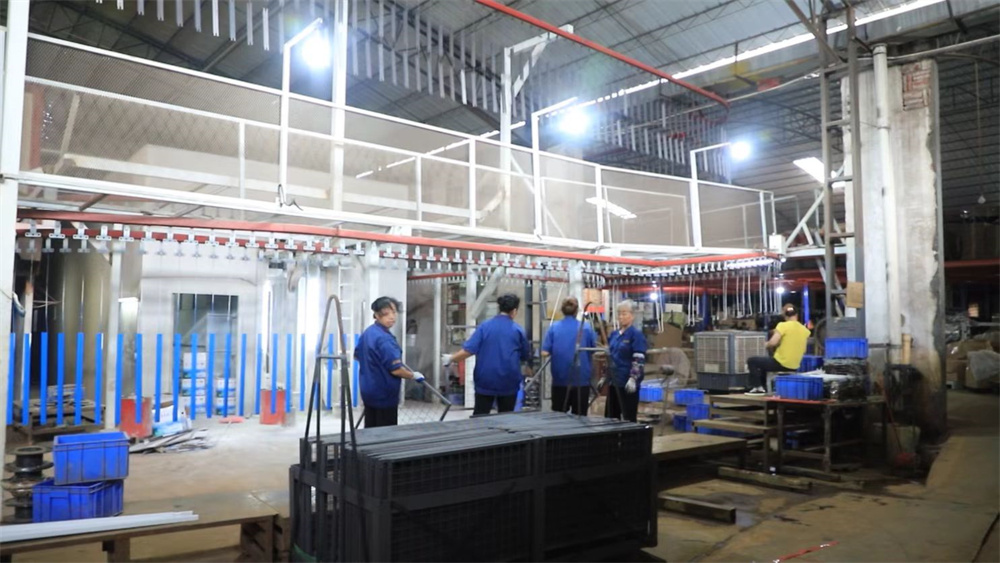
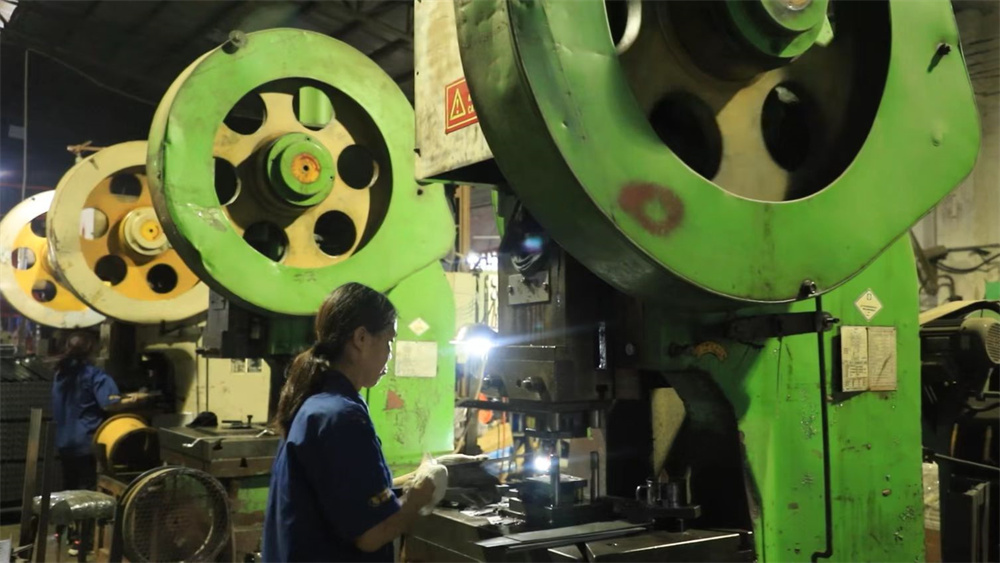
At our advanced manufacturing center, raw metal transforms into high-capacity racking through integrated CNC and robotic processes. Our factory floor operates on lean production principles, enabling Chengdu DriveRacks to deliver complex customization profiles without delaying manufacturing schedules. Last year alone, our R&D division released 250 dynamic product iterations to match the changing requirements of automation-heavy distribution hubs.
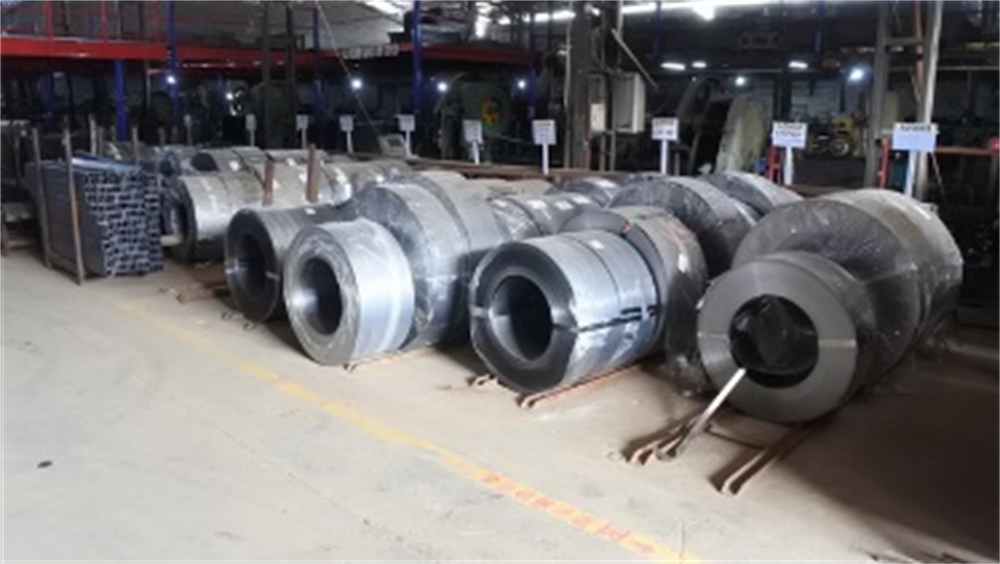
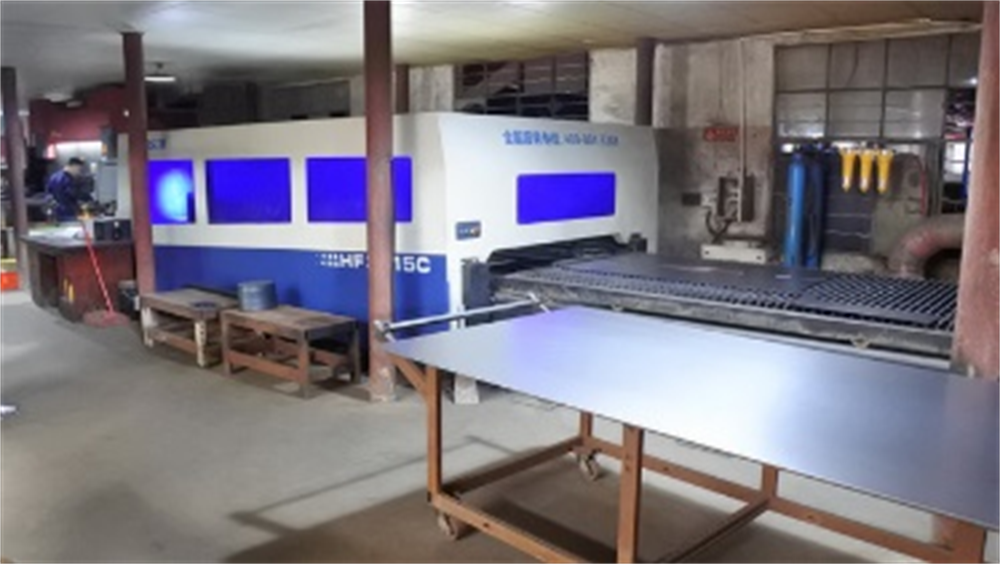
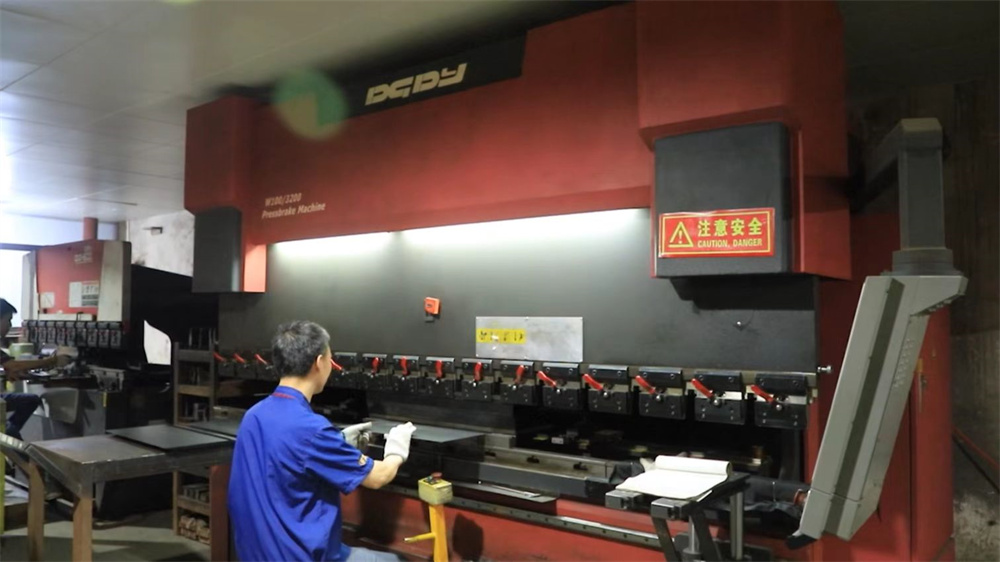
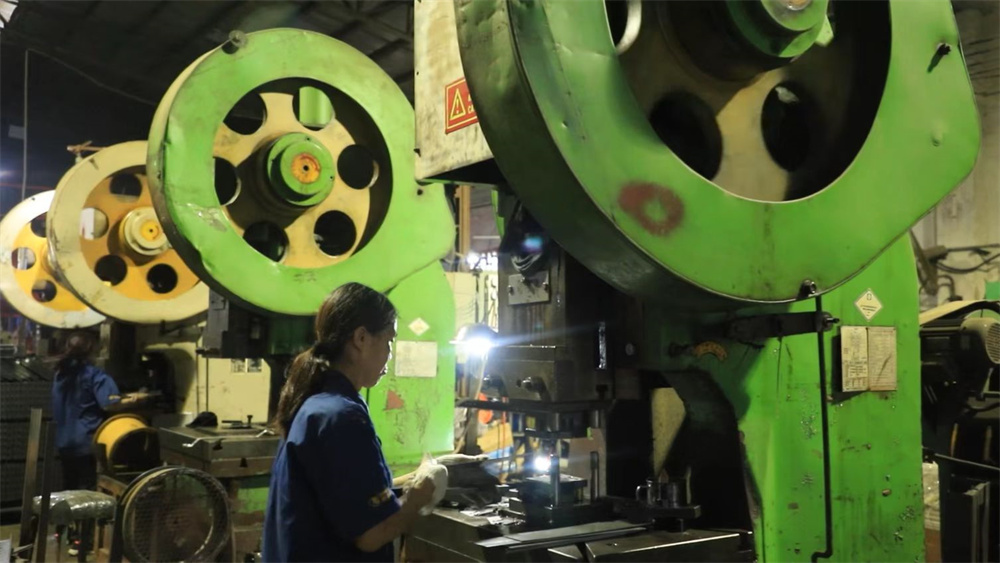
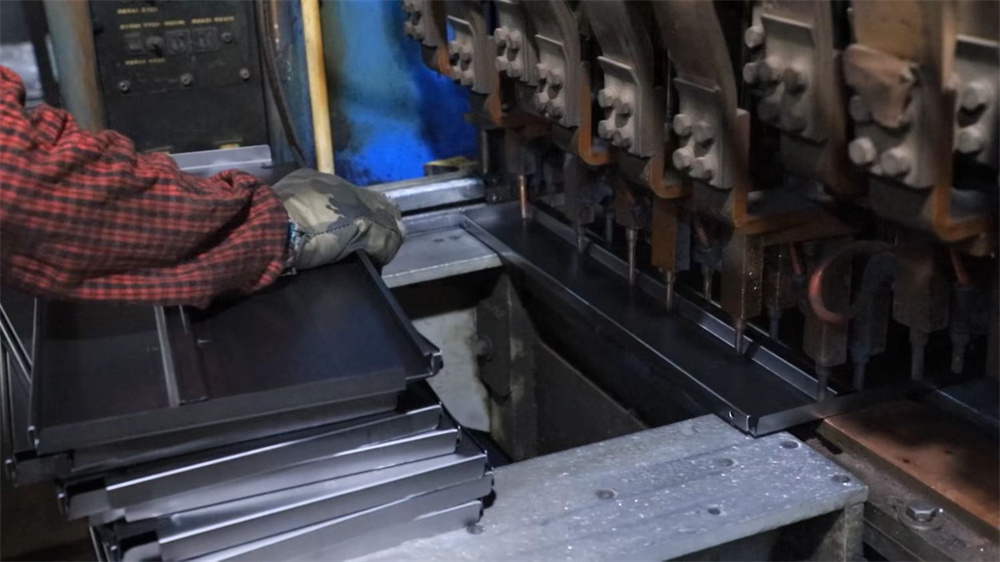
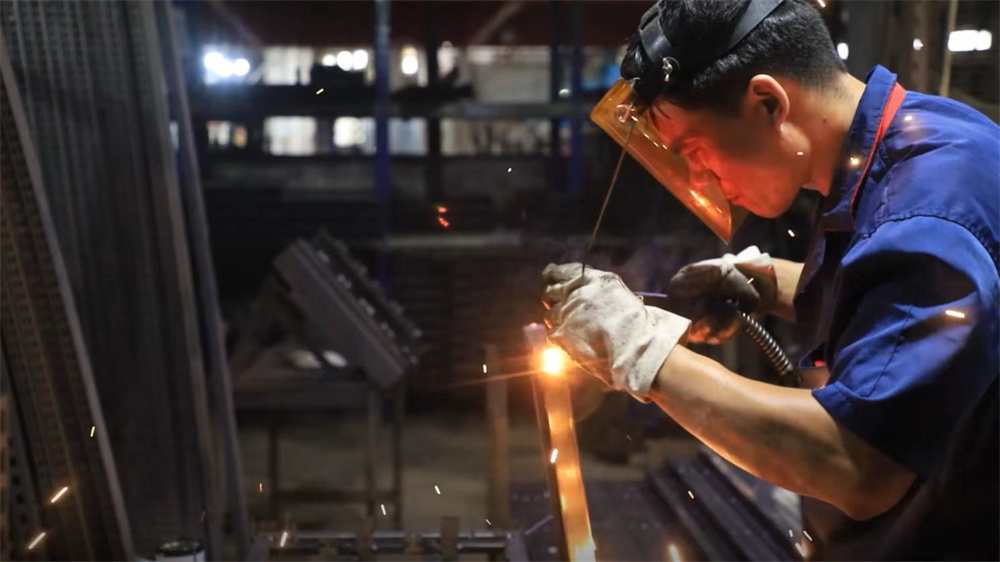
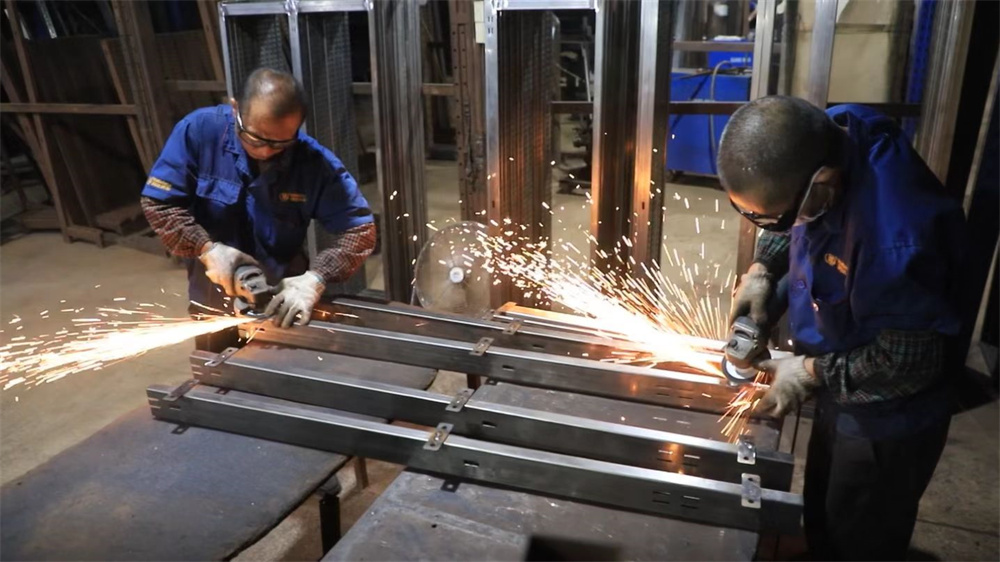
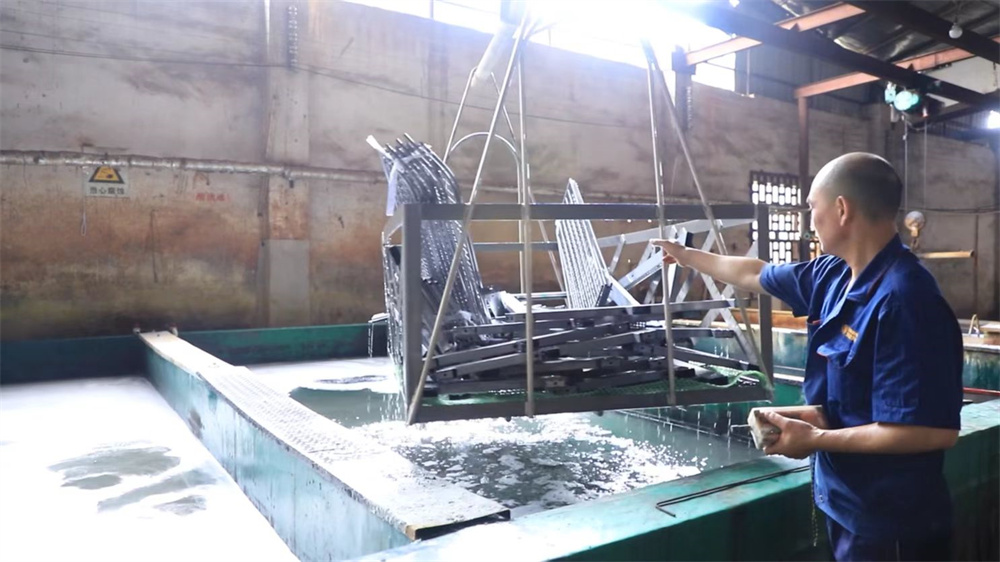
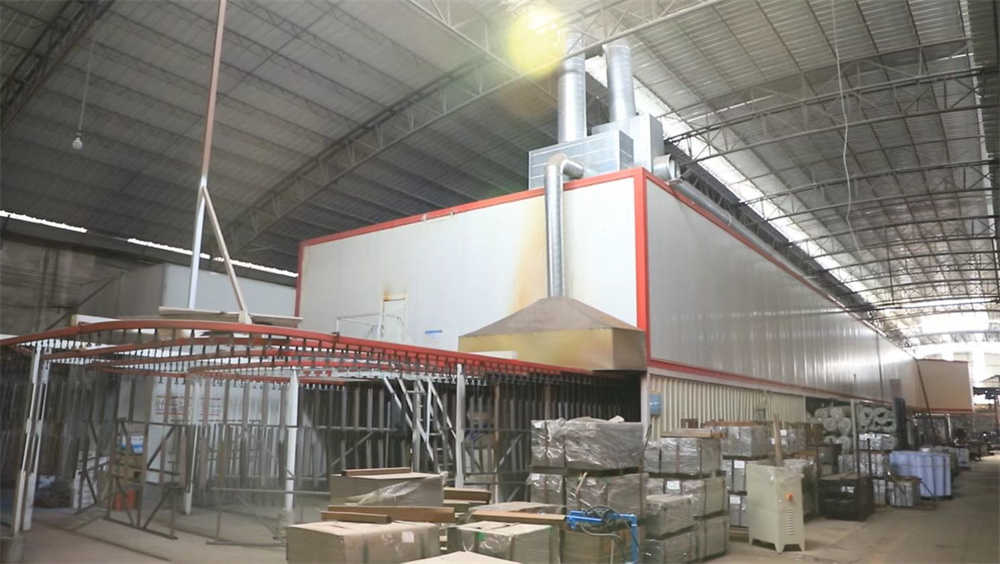
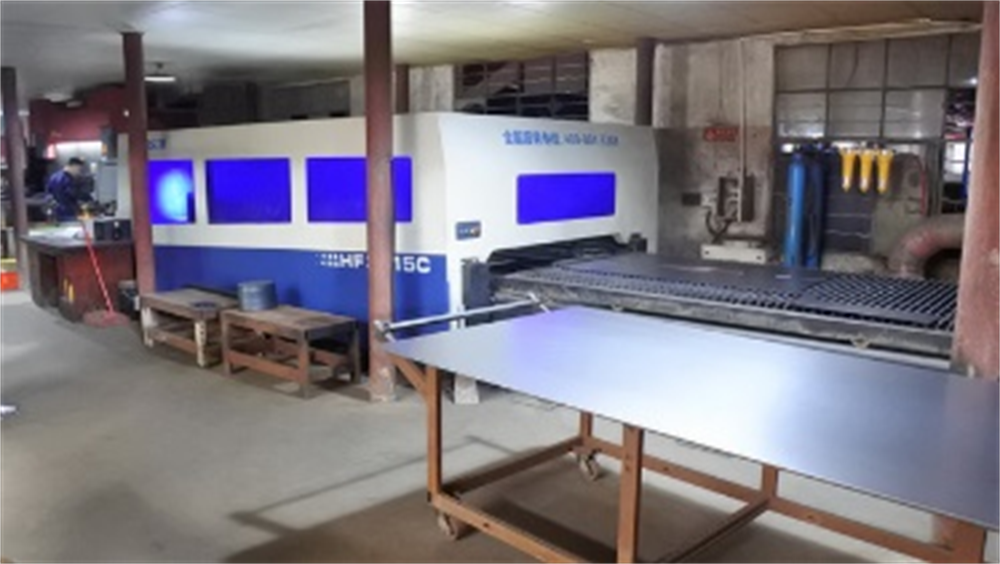
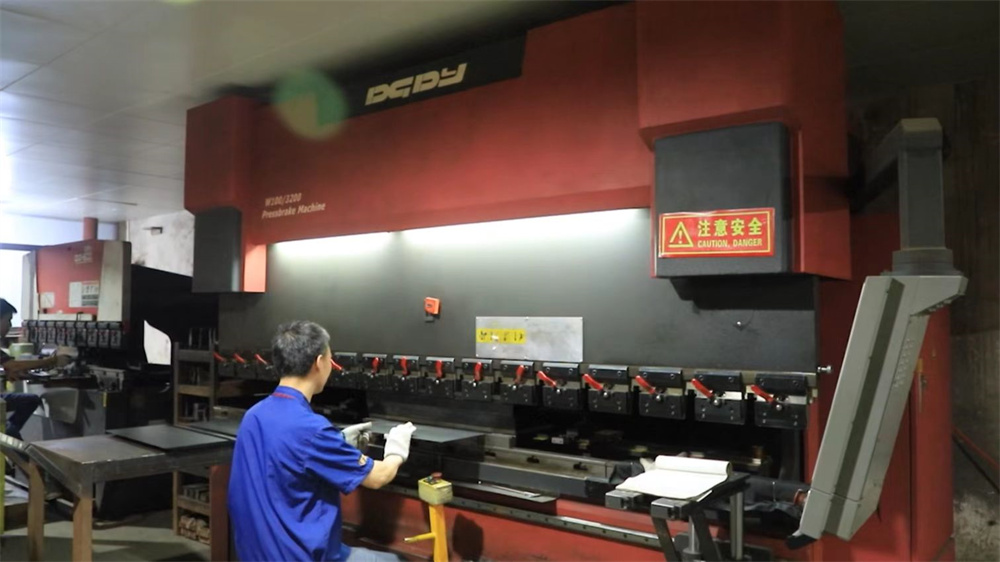
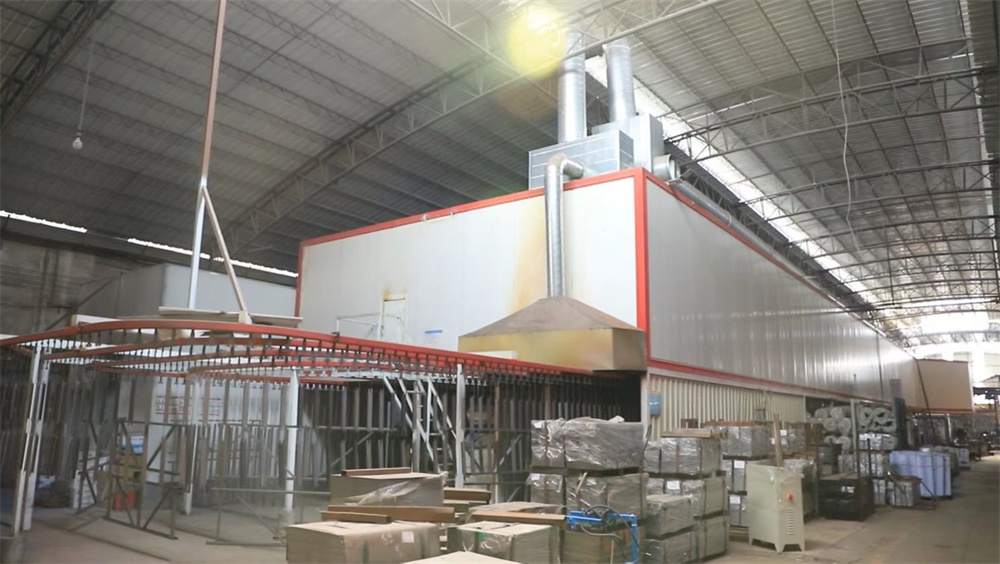
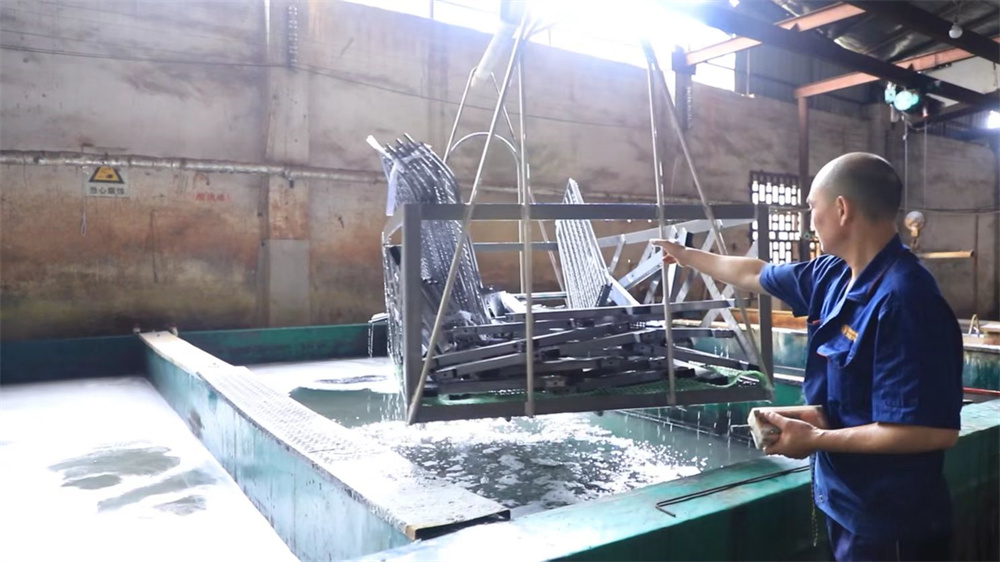
Aligning raw metal properties with finite element analysis to build modern, high-load industrial racking systems.
Industrial safety in high-density warehousing is determined by material properties and cold-rolled profiles. Chengdu DriveRacks uses high-yield carbon steel, primarily Q235B and Q355B. These steel grades are selected for their structural yield points, enabling profiles to handle large load distributions without permanent deformation.
Our manufacturing line integrates multi-stage upright forming and precision CNC punch configurations to ensure pitch alignment. The system utilizes hook-and-bolt connectors that increase joint stiffness under load. This locking design minimizes structural deflection, which is critical for meeting regional seismic code requirements.
"By implementing finite element analysis (FEA) at the initial project design stage, our engineers simulate dynamic load distributions and stress concentrations, ensuring our warehouse racking structures exceed standard safety coefficients."
Moisture, ambient chemical exposure, and mechanical impacts can degrade steel racking over time. To prevent structural corrosion, our components undergo a multi-stage chemical pretreatment, followed by electrostatic powder deposition using high-molecular epoxy-polyester formulas. The coating is then cured at 200°C to create a hard, abrasion-resistant barrier. For high-humidity, cold storage, and outdoor applications, we supply hot-dip galvanized components with zinc coating densities exceeding 60-80 μm to ensure long-term durability.
Deploying certified warehousing systems that meet local regional building codes, safety rules, and sustainability standards.
Our products conform to the EN 15512 standard and FEM guidelines. This certification ensures European distributors and operators that our pallet racking systems are engineered to withstand structural loads and safety parameters under high-cycle use.
We engineer systems according to the AS4084-2012 steel storage racking standard. Every shipment is structured to survive the physical demands of high-throughput distribution hubs in Australia and New Zealand.
For regions prone to seismic activity, we customize footplates, cross-bracing profiles, and structural connections. This seismic configuration meets regional load-bearing safety codes.
| Target Region | Applicable Standards | Certified Load Parameters (UDL) | Primary Material Selection |
|---|---|---|---|
| European Union | CE, FEM 10.2.02, EN 15512 | Up to 4,500 kg per level | Q235B / Q355B Structural Steel |
| North America | RMI Standards, AISC Specifications | Up to 10,000 lbs per beam bay | ASTM A1011 / Equivalent High-Yield |
| Oceania | AS4084-2012 Steel Storage Racking | Up to 4,000 kg per bay | High-tensile structural grades |
| Global Cold Chain | HACCP compliant finishes, EN 10204 | Variable based on temperature profile | Hot-Dip Galvanized / Epoxied Steel |
Heavy-duty steel cantilevers, modular wood-metal display hybrid shelving, and support hardware for logistics operations.
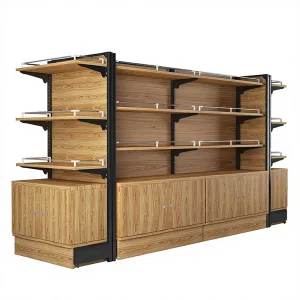
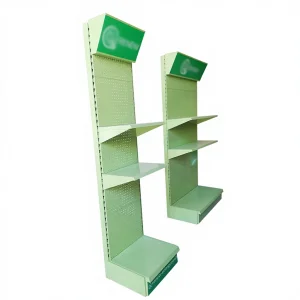
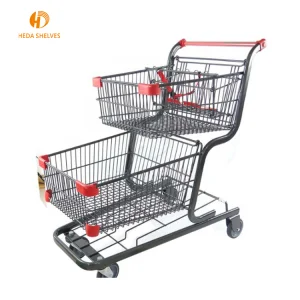
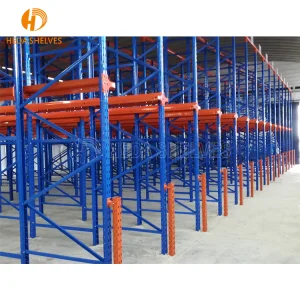
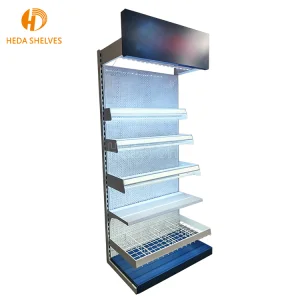
Translating heavy logistics demands into tailored structural layouts for industrial plants, distribution centers, and retail markets.
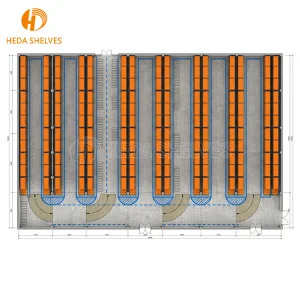
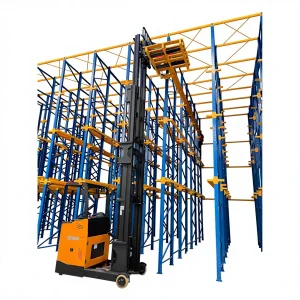
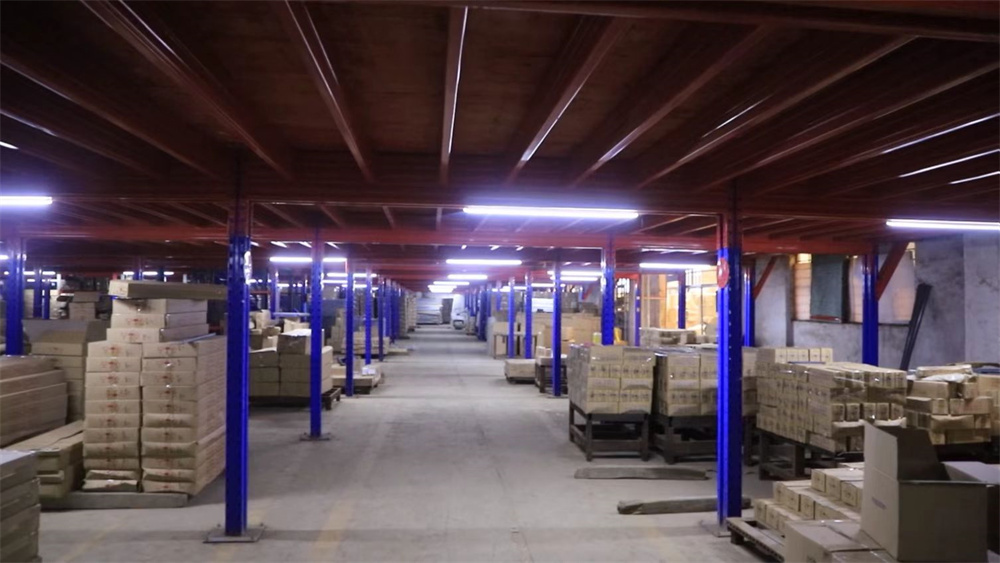
High-velocity order picking requires racking layouts that minimize horizontal travel distances and support vertical inventory density. Our multi-tier mezzanine floors and adjustable pallet systems integrate with automated sorting conveyors. They are built to handle continuous operations, reducing system deflection to maintain alignment for sensor-based robotics.
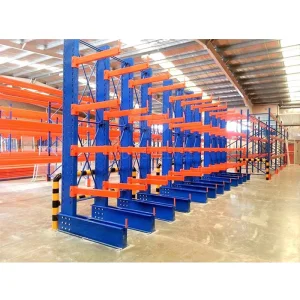
Standard industrial pallets are not suited for storing tubing, pipe packages, or sheet metals. For these materials, we manufacture heavy-duty cantilever systems with customized arm configurations. These setups prevent point-load stress and dynamic deflection, protecting long industrial cargo during handling.
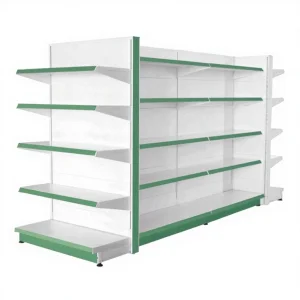
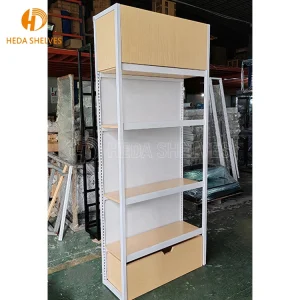
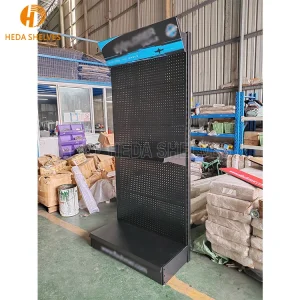
Retail layouts demand visual clarity, customer safety, and configuration flexibility. Our gondola systems combine sheet steel structural stability with customized wood and metal aesthetics. This design provides clean presentation options while maintaining the structural load ratings required for heavy supermarket displays.
Our engineering roadmap focuses on integrating structural steel components with smart warehouse automation (AS/RS).
Future automated systems require tighter manufacturing tolerances. We are engineering structural upright configurations with deflection tolerances under 1/1000, ensuring compatible alignments for high-speed crane and shuttle tracking.
We are developing intelligent strain-gauge node integrations. These sensors alert logistics managers in real-time if a storage bay experiences structural overloading or damage from forklift impact.
In line with global ESG goals, we are partnering with steel mills to source low-carbon raw materials. This initiative helps reduce the lifecycle environmental footprint of new warehouse developments.
Detailed guidance on structural standards, material performance, and logistics for procurement officers and warehouse engineers.
 DriveRacks