For global logistics and storage procurement, structural integrity is not just an efficiency metric—it is a critical legal and safety requirement. Within the European Economic Area (EEA), CE marking on shelving and racking systems confirms that a manufacturer has verified the products meet all relevant European health, safety, and environmental protection requirements. This compliance centers largely around standard EN 15512:2020 (steel static storage systems) and the wider guidelines detailed under EN 15635.
A certified shelving system undergoes extensive structural testing, including upright buckling analysis, portal frame stiffness calculations, and beam-to-column connection stiffness profiling. This prevents catastrophic warehouse failures, ensuring localized stress concentrations do not lead to domino-effect collapses. Choosing CE certified systems guarantees that steel grade selection, production tolerance thresholds, and load ratings are backed by rigorous, traceable engineering calculations.
Established in 2017, Chengdu DriveRacks Industrial Technology Co., Ltd. operates a state-of-the-art 42,000 m² manufacturing plant dedicated to advanced material handling and heavy-duty storage infrastructure. Delivering $35 million in annual export revenue, we bring 9 years of deep industry expertise and 6 years of international trade operations. Quality is integral to our process; our team of 30 certified inspectors executes rigorous raw material tensile testing and automated powder-coating thickness audits.
Serving high-growth markets across the Middle East, Latin America, and Oceania, DriveRacks leverages a robust ecosystem of 1,200 supply chain partners. We primarily serve enterprise warehouse operators, e-commerce fulfillment hubs, and heavy equipment manufacturers. Powered by 110 skilled R&D engineers focusing on smart automation and high-density racking design, we released 250 dynamic product iterations last year and provide comprehensive customization spanning rack dimensions, seismic ratings, and surface treatments.
Every stage of our roll-forming, cutting, and finishing line is automated to maintain high precision tolerances in line with international CE regulations.
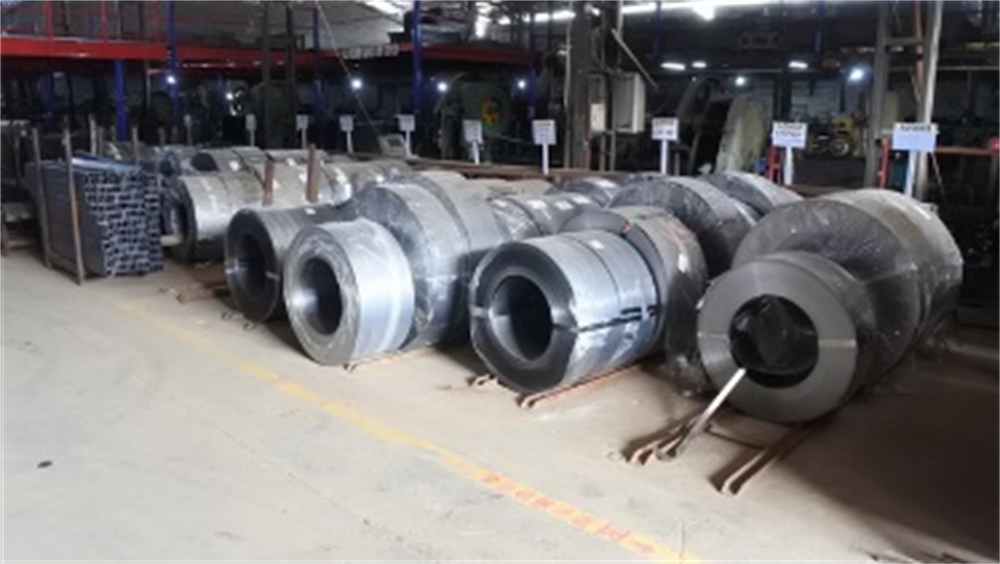
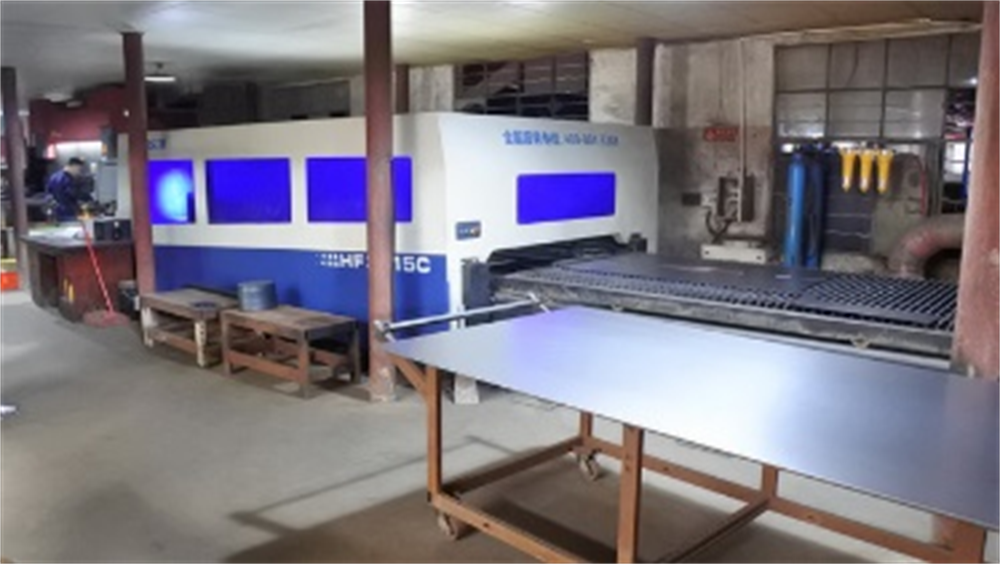
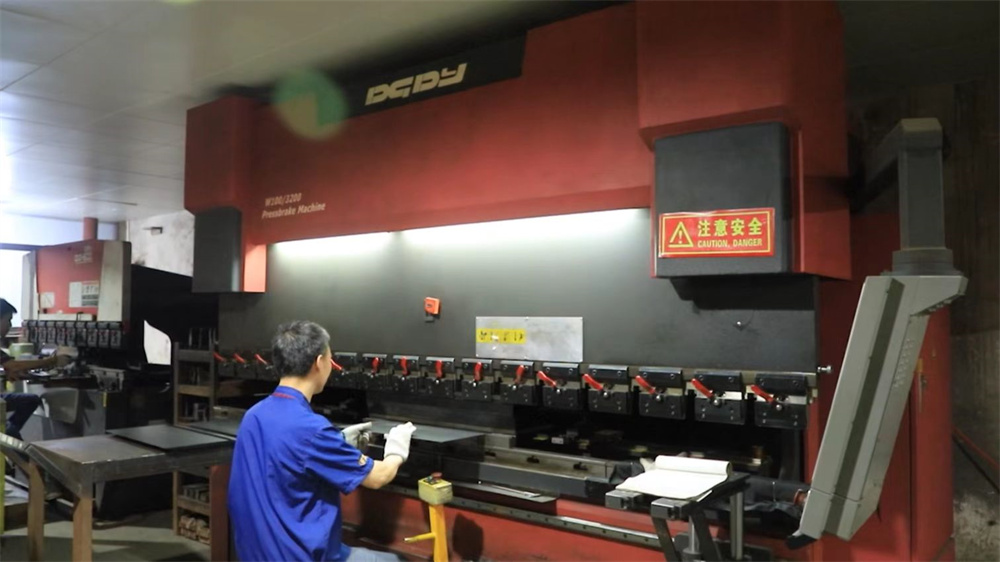
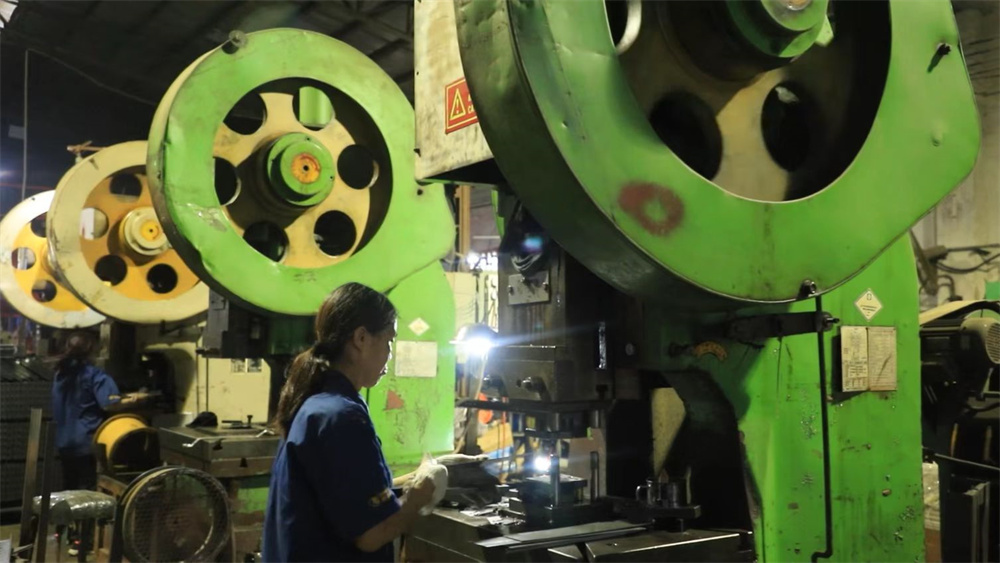
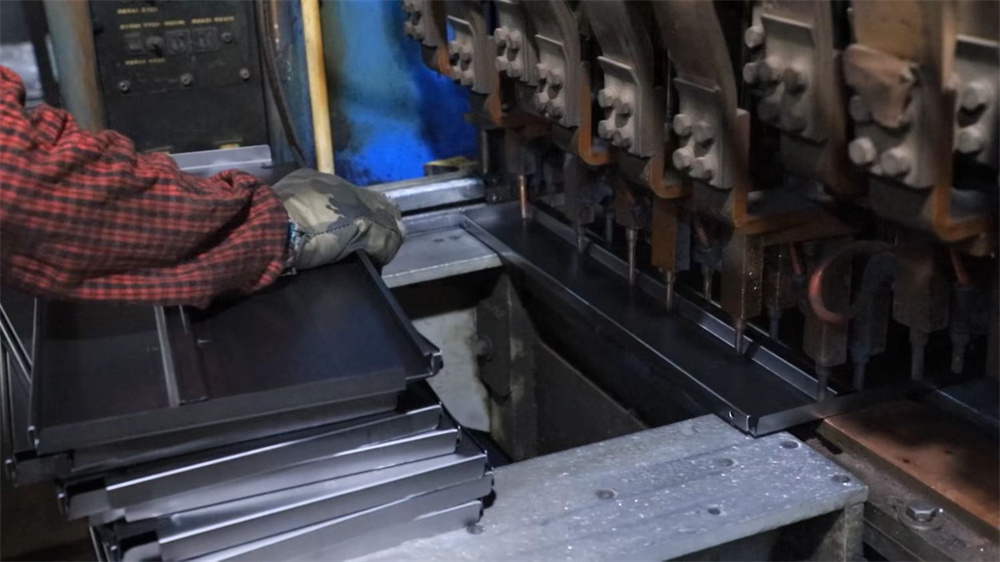
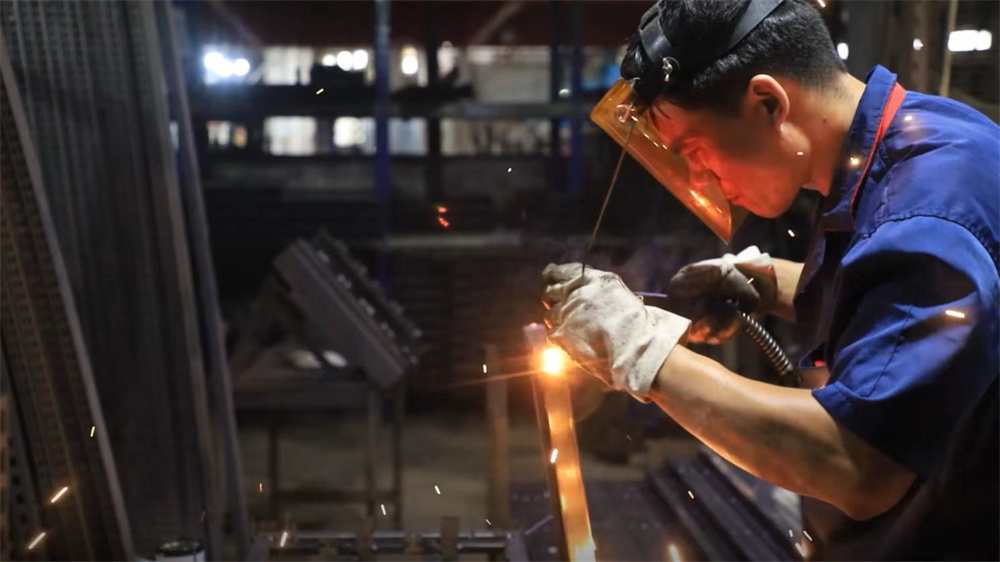
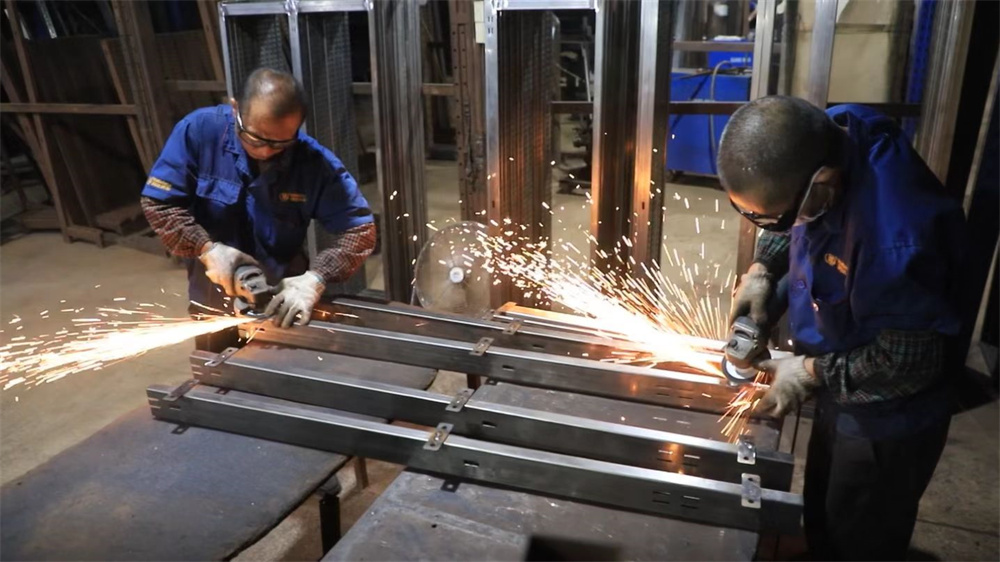
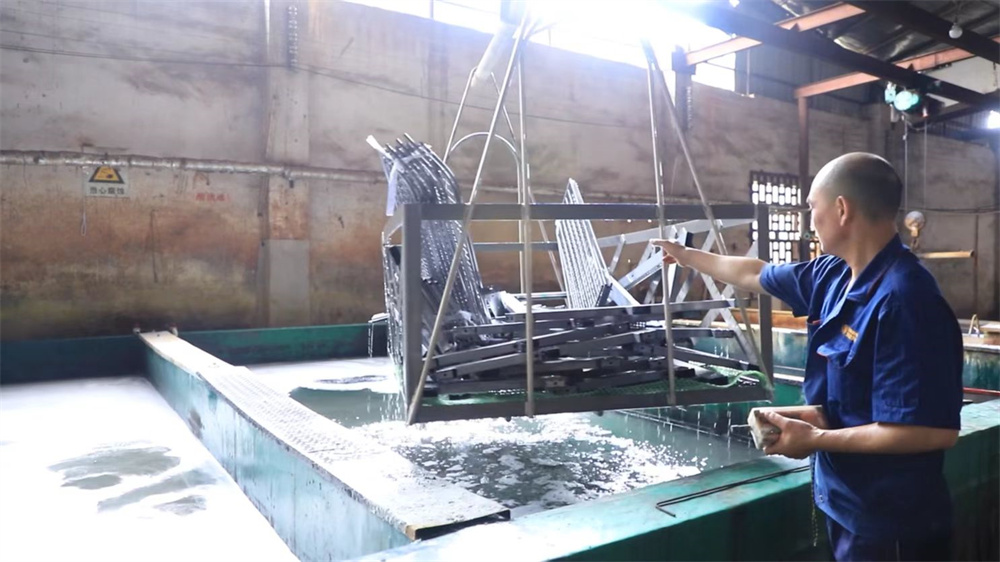
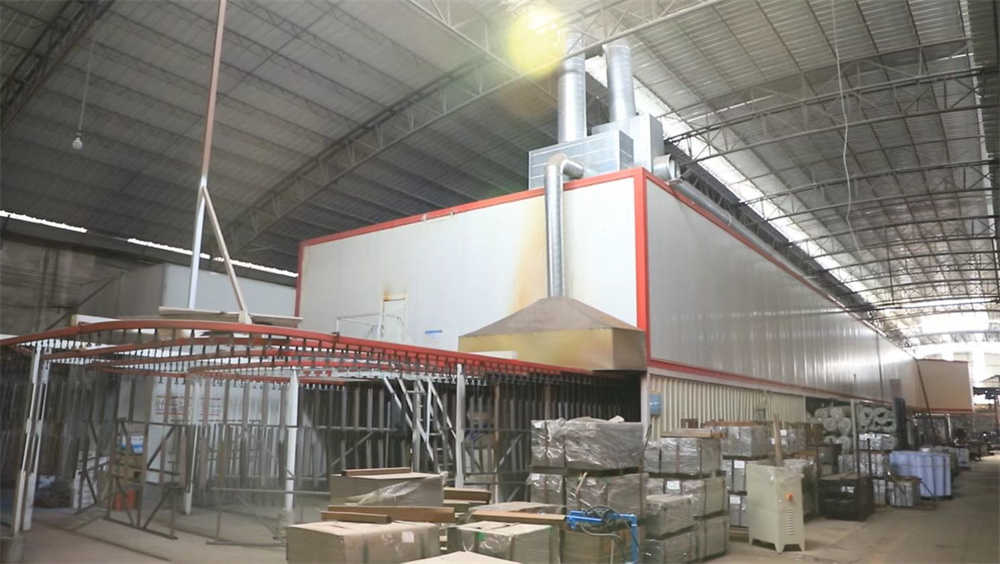
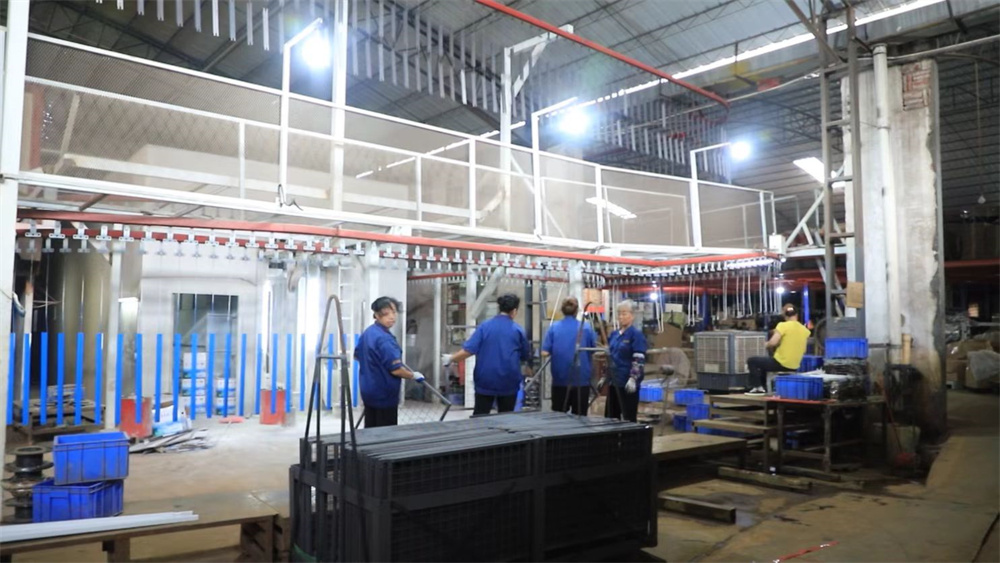
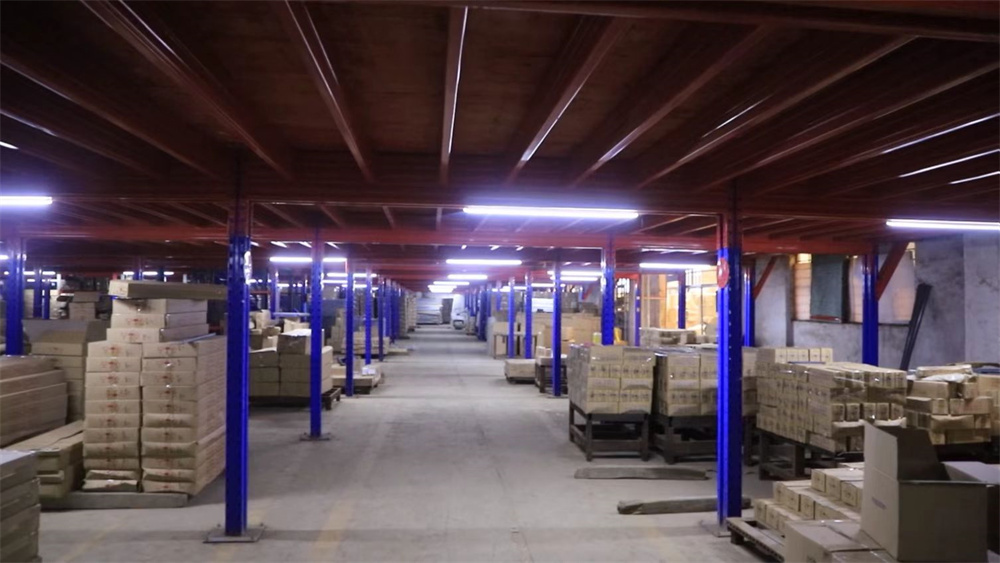
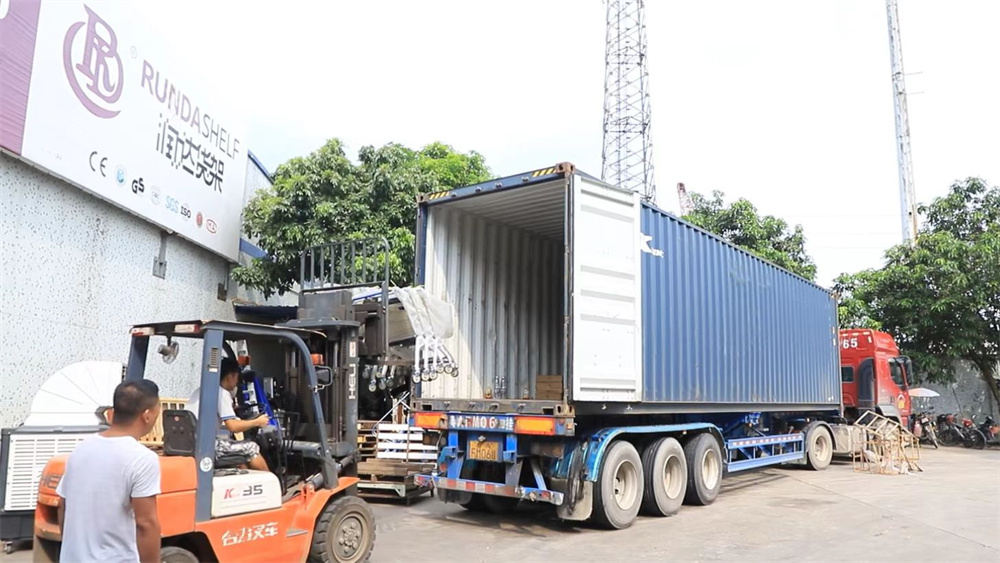
Our manufacturing plant utilizes specialized, heavy-duty production machinery to guarantee dimensional stability and structural reliability across all custom profiles.
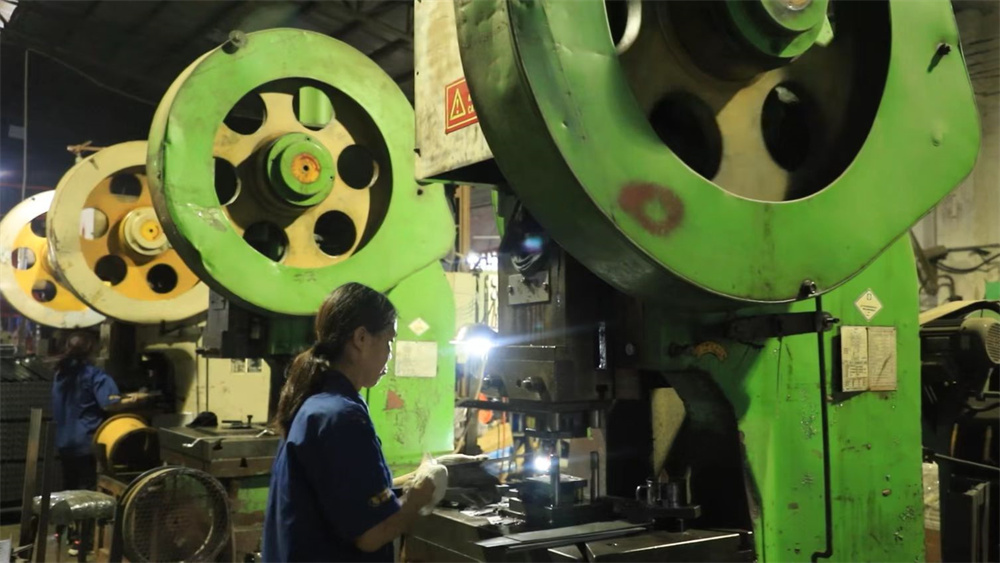
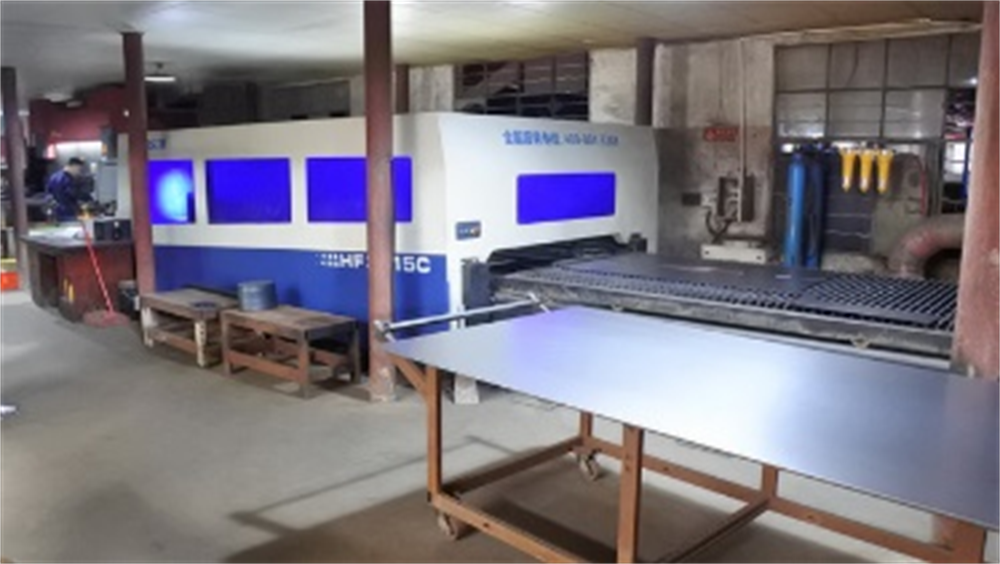
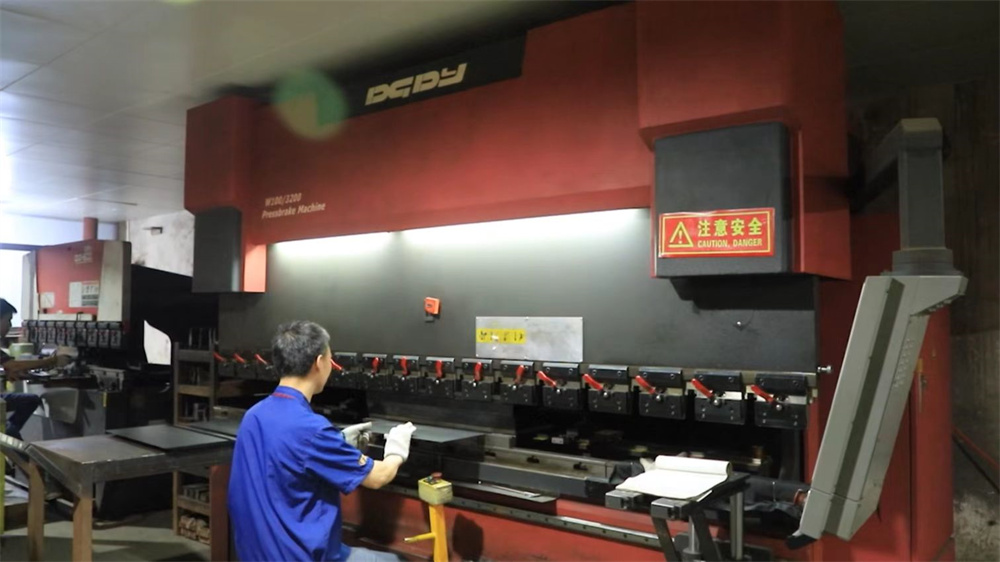
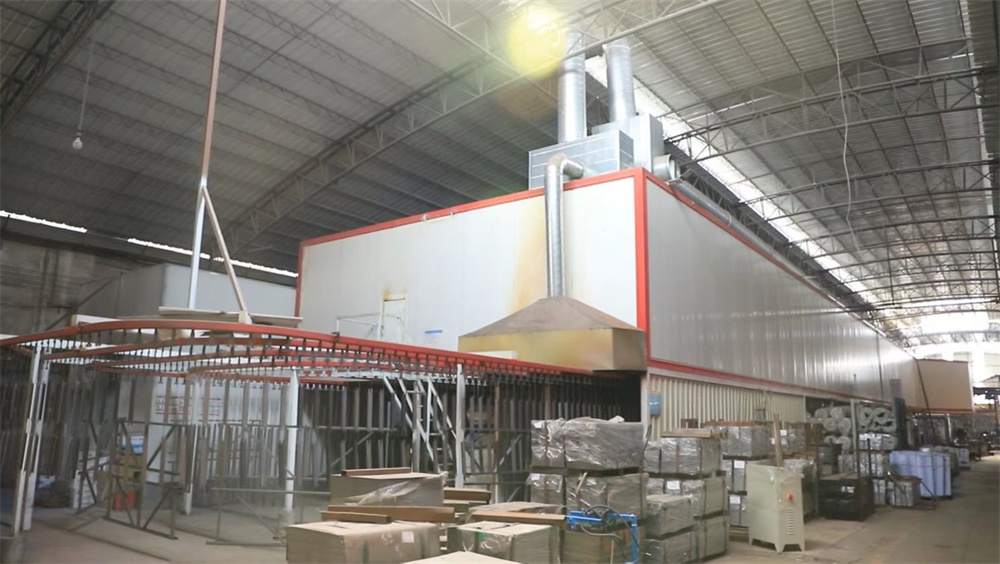
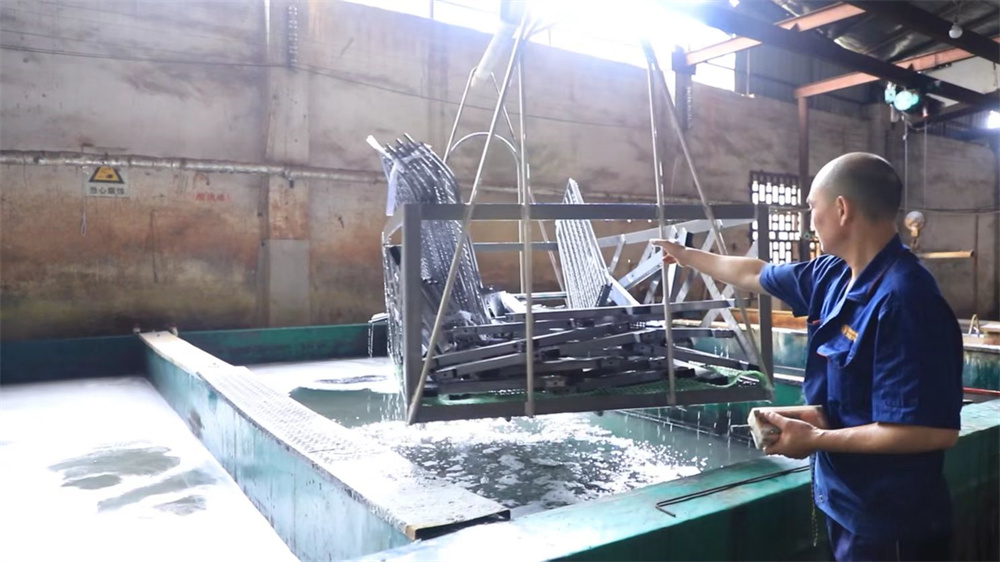
Chinese factories leverage proximity to major domestic steel plants producing premium Q235B and Q355B structural steel. Upright sections are cold-rolled with custom punch profiles designed to dissipate seismic energy, essential for zones prone to earthquake risks.
By consolidating sheet processing, automated electrostatic coating, and custom fastening production in single regional hubs (such as Chengdu's industrial parks), manufacturers offer high cost-efficiency without compromising structural safety standards.
With over 1,200 supply chain partners, components like structural bolts, safety lock pins, and levelling plates are dynamically sourced, offering fast turnaround times for massive, multi-level warehouse projects.
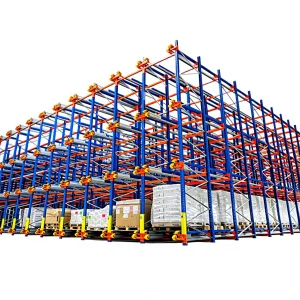
The warehousing landscape is undergoing a structural shift. Static storage systems are increasingly integrating with automated storage and retrieval systems (AS/RS) and radio shuttle racking, converting conventional pallet shelves into dense, high-throughput fulfillment assets.
Simultaneously, environmental regulations demand a shift toward carbon-neutral steel processing and non-toxic, VOC-free coating finishes. The adoption of smart CAD modeling and FEA (Finite Element Analysis) enables manufacturers to reduce steel thickness through optimized fold designs while maintaining or increasing structural load limits, aligning with green building goals (LEED/BREEAM).
Standard steel racks face severe material embrittlement under sub-zero temperatures (ranging down to -30°C). Our cold room shelving systems utilize high-alloy structural steel with enhanced low-temperature impact toughness (e.g., Q345D/E grade equivalent). Surface treatments are optimized with high-durability zinc-coatings to prevent corrosion caused by humidity cycles and frost formation.
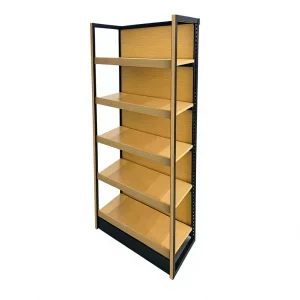
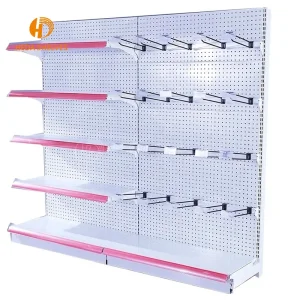
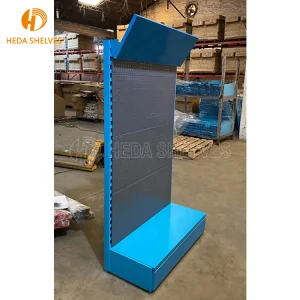
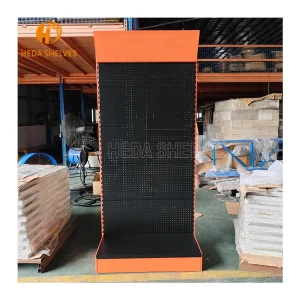
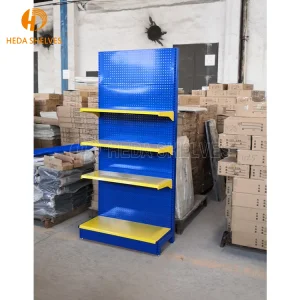
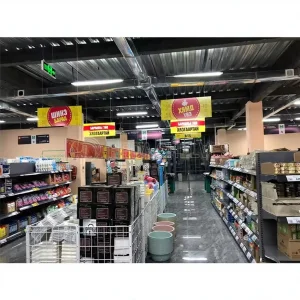
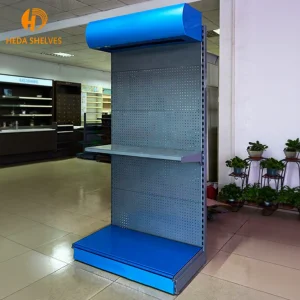
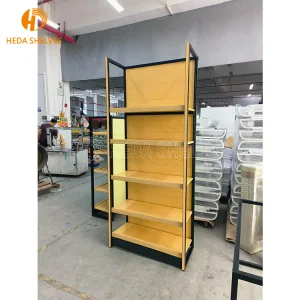
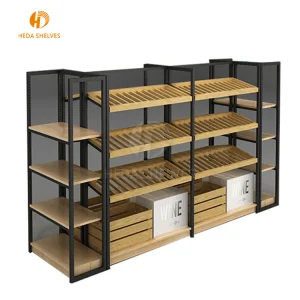
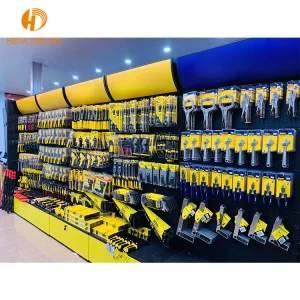
For e-commerce fulfillment hubs and retail layouts, flexibility and visual layout customization are key. Pegboard racking systems, custom wooden-grain shop displays, and modular double-sided gondolas maximize aisle utility. These systems allow quick layout adjustments, adapting to changing SKU counts while supporting varying load limits.
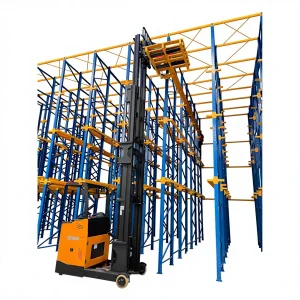
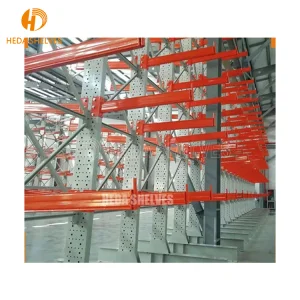
Heavy manufacturing centers require robust racking capable of holding heavy parts and machinery components. Systems like drive-in racks and heavy cantilever platforms support high pallet weights (often exceeding 3,000 kg per level), offering secure storage for non-standard, long, or bulky materials.
By transitioning from Selective Racking to High-Density Shuttle or Drive-In systems, businesses can optimize warehouse footprints significantly:
Compliance with EN 15635 requires standard safety audits:
Enterprise procurement directors sourcing shelving and pallet systems must balance price and quality. The checklist below outlines critical technical criteria to vet suppliers:
Request mill test certificates verifying chemistry, carbon equivalent levels, and mechanical yield limits. Steel grades must align with structural calculations submitted by R&D.
Ensure all welding operatives are qualified under ISO 9606 or AWS D1.1. Crucial structural nodes (such as connector-to-beam welds) must undergo Non-Destructive Testing (NDT) to prevent fatigue cracks.
Require salt spray test documentation (ASTM B117 compliance) and coating thickness audit logs. Epoxy powder coating should fall between 60 to 80 microns thick to resist scratching, impacts, and oxidation.
 DriveRacks