Engineered for maximum structural integrity, optimizing vertical spatial footprint, and seamless load dispatching.
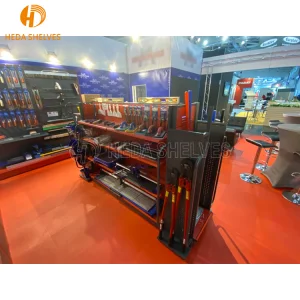
Analysis of Global Material Handling Infrastructure, Procurement Demands, and Structural Compliance.
The global industrial storage landscape is undergoing a paradigm shift driven by e-commerce acceleration, cold-chain expansion, and smart factory initiatives. Modern intralogistics systems no longer view storage units as passive holding bays, but rather as dynamic assets integrated directly into computerized Warehouse Management Systems (WMS). High-density racking, stackable heavy-duty plastic euro pallets, and custom industrial steel organizers play critical roles in reducing operational cycle times.
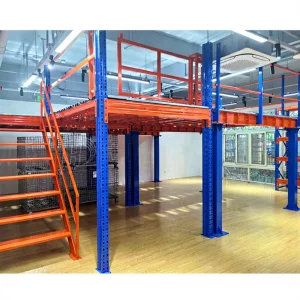
In highly regulated regions such as Europe and North America, spatial constraints and labor shortages have prioritized warehouse automation. Systems that incorporate Automatic Pallet Shuttles and modular mezzanine platforms are rapidly replacing traditional floor-stacked operations. These advancements demand strict structural validation—particularly under seismic load conditions—making compliance certifications such as the European CE mark non-negotiable for safety officers and procurement directors alike.
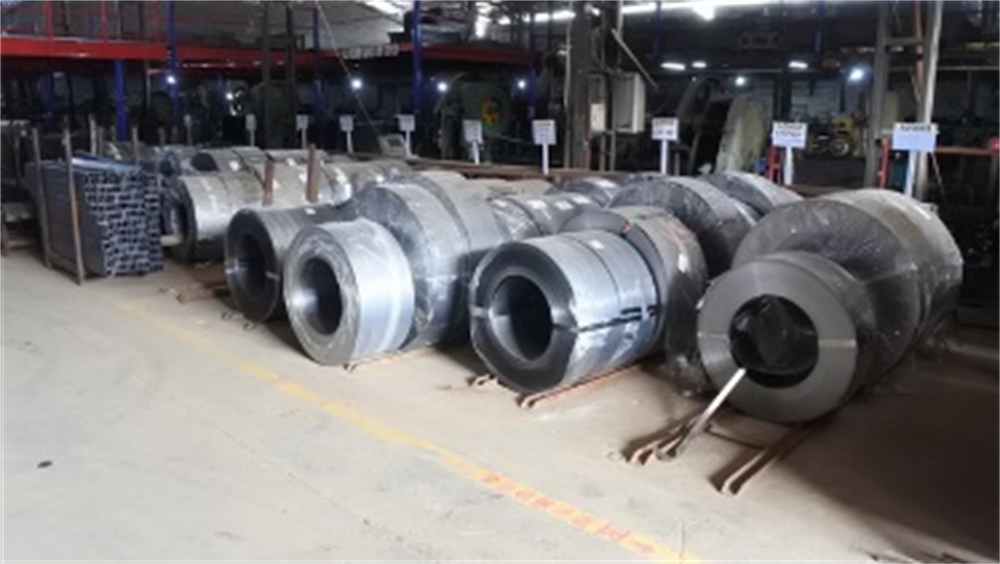
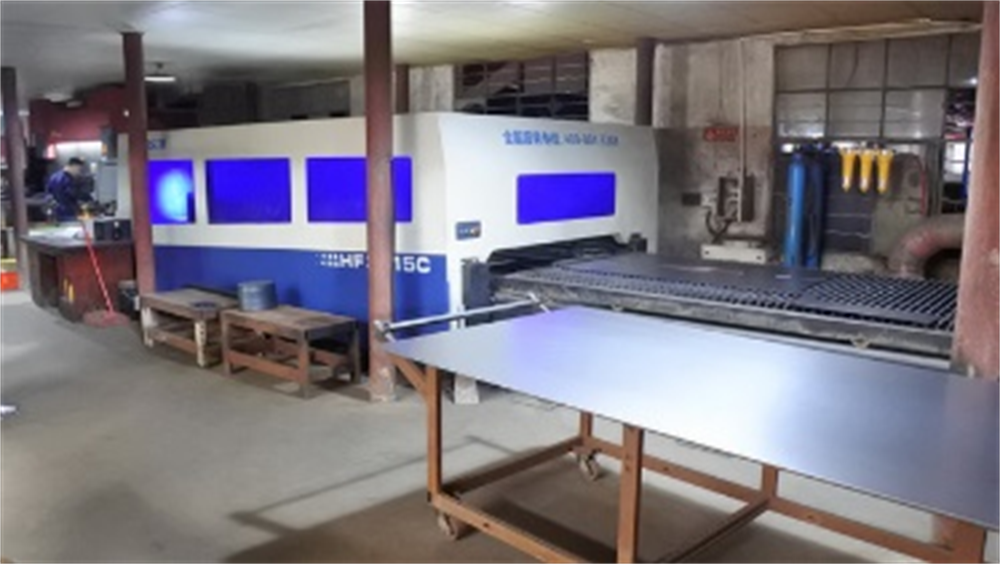
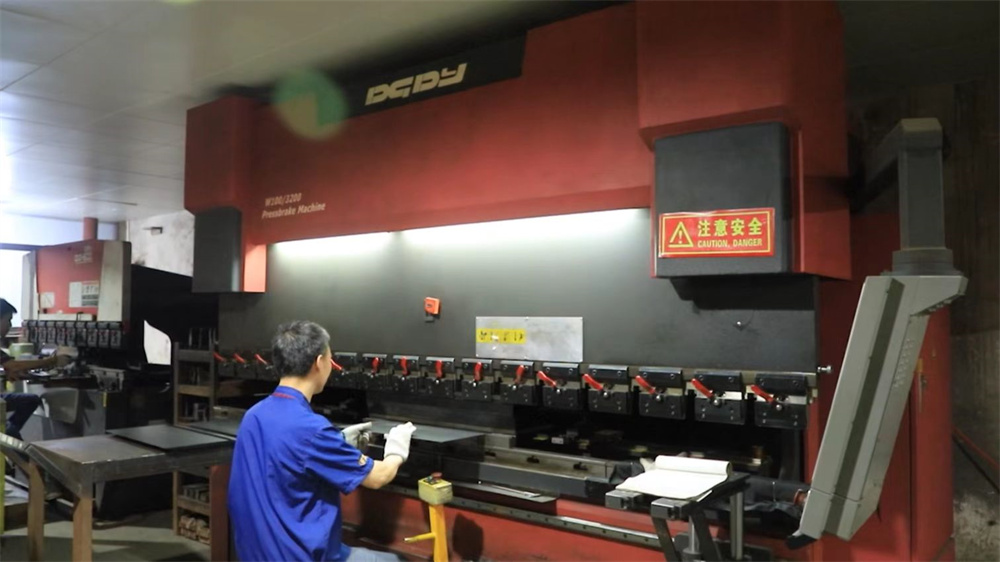
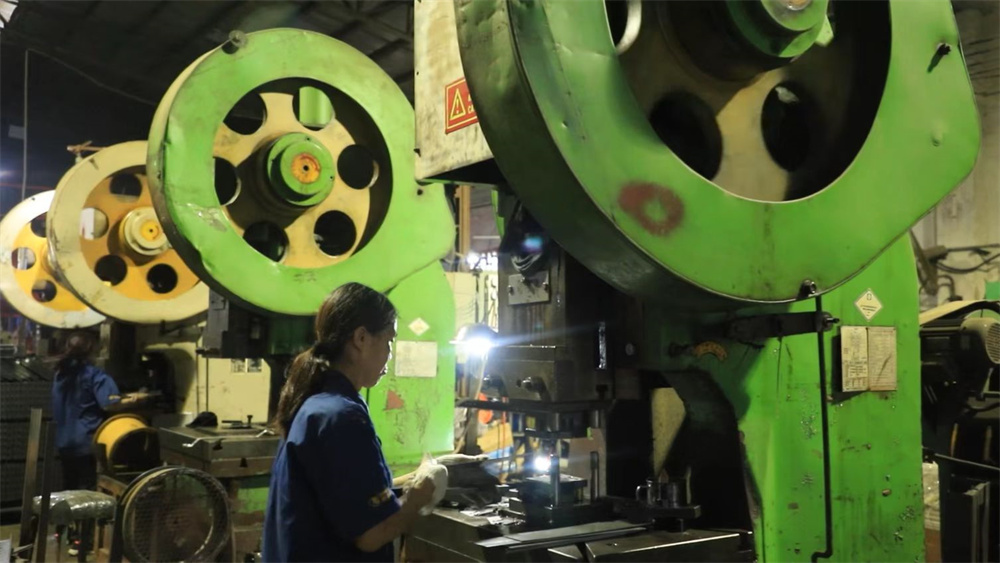
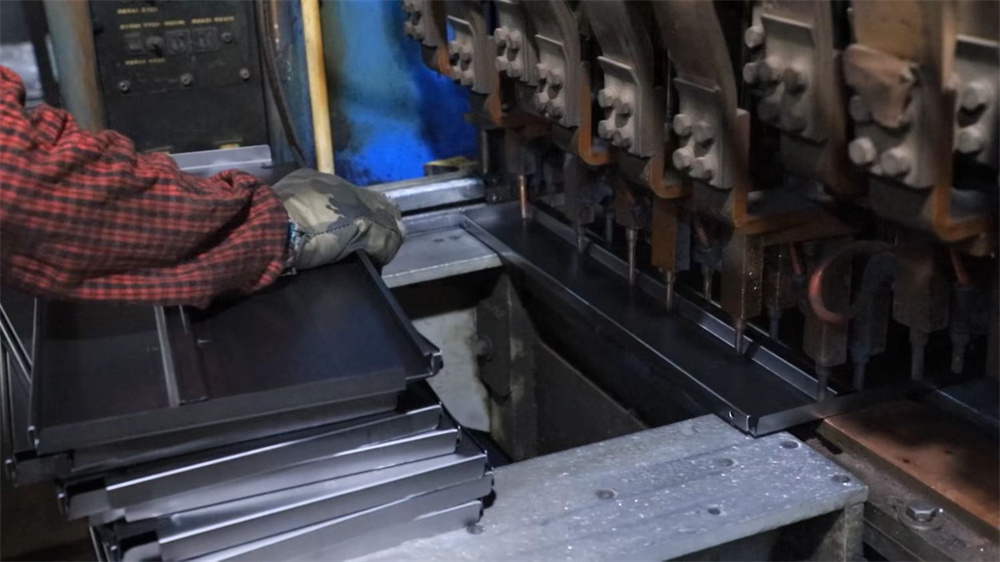
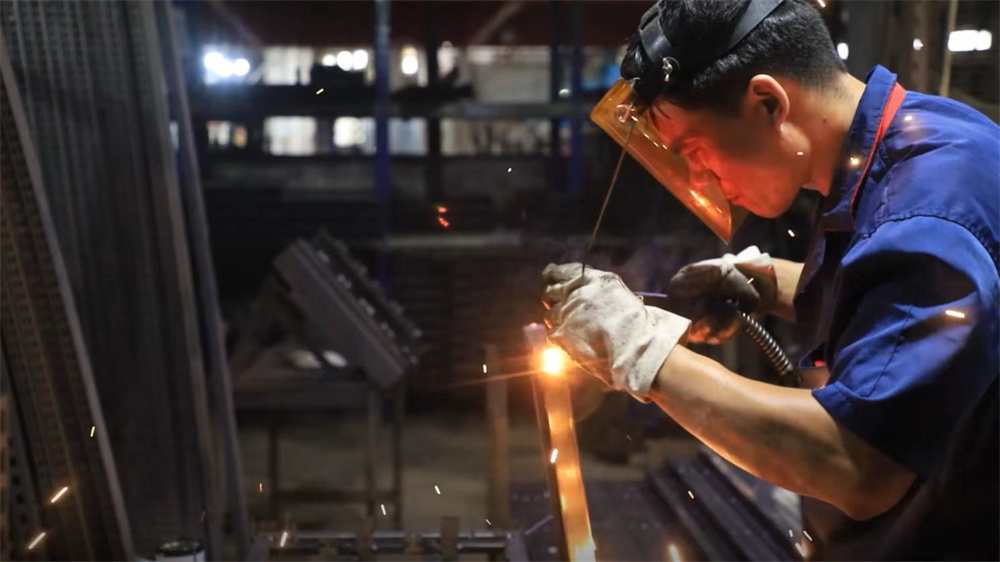
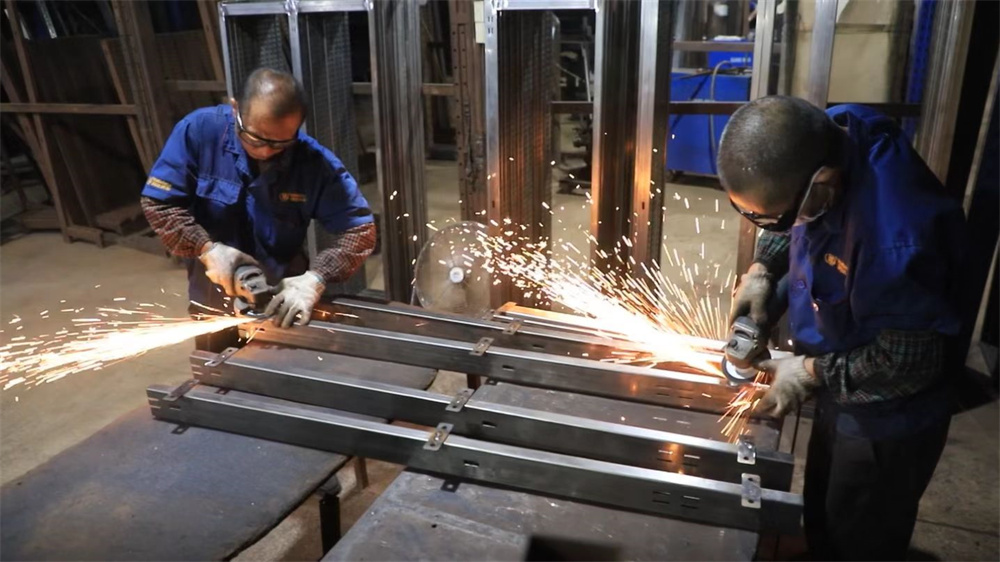
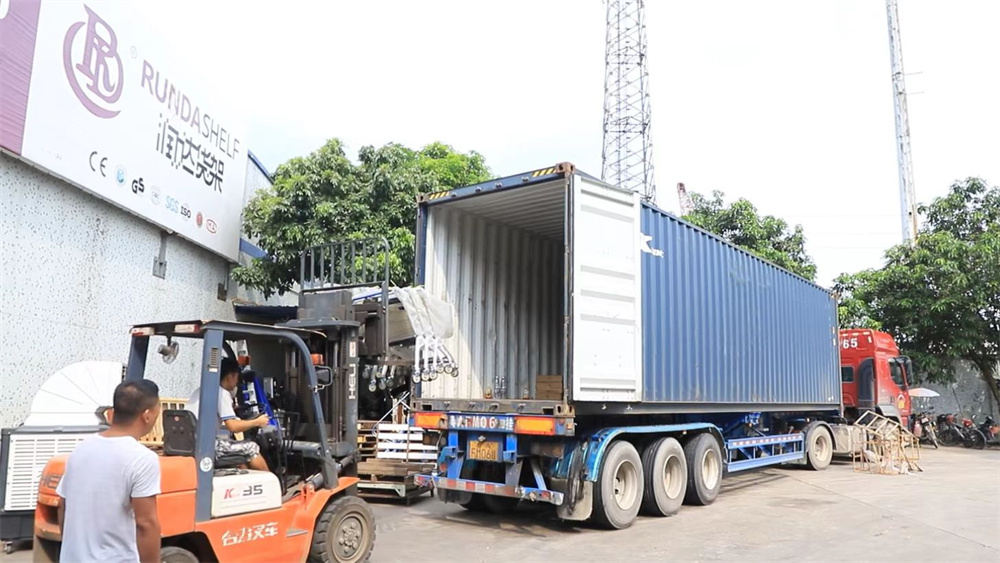
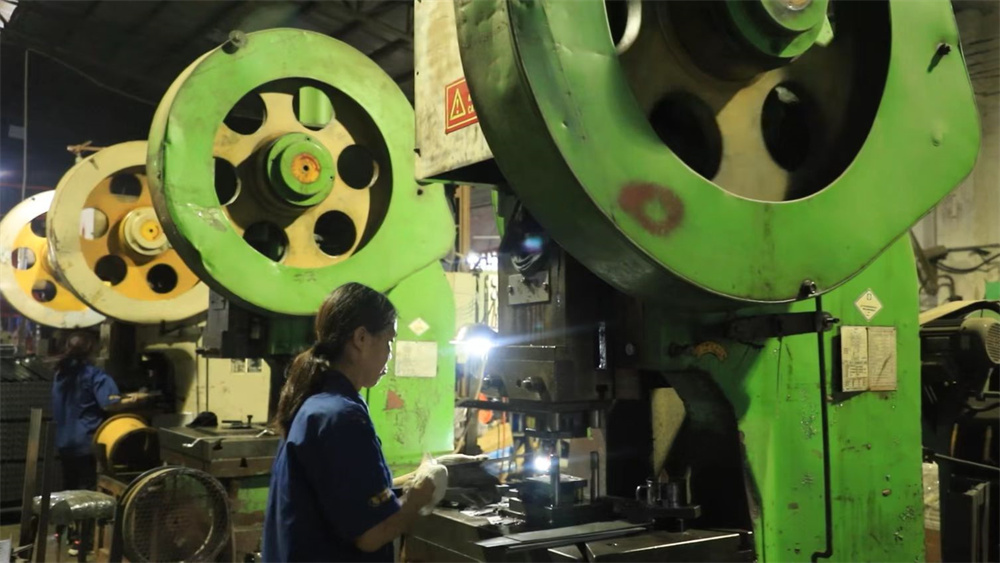
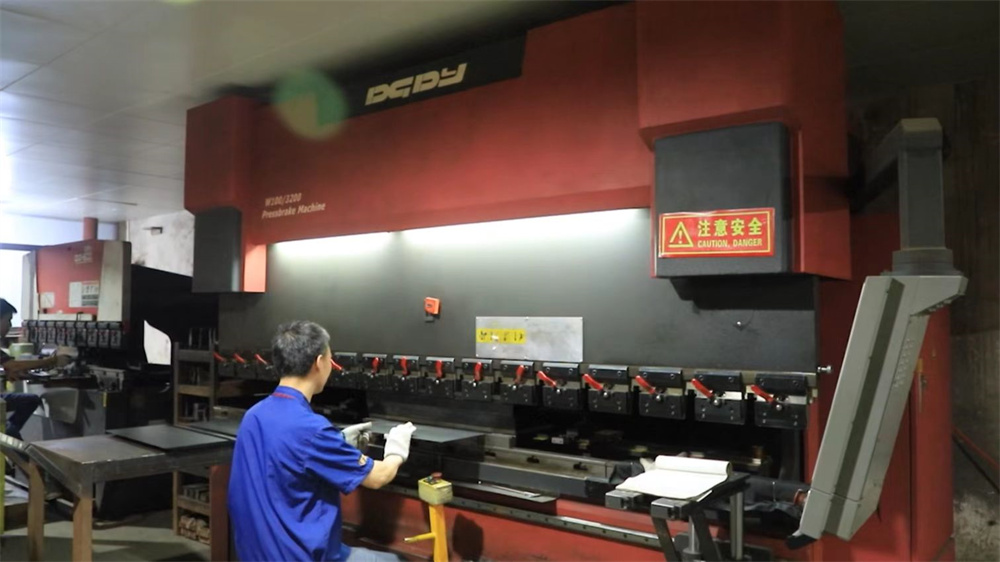
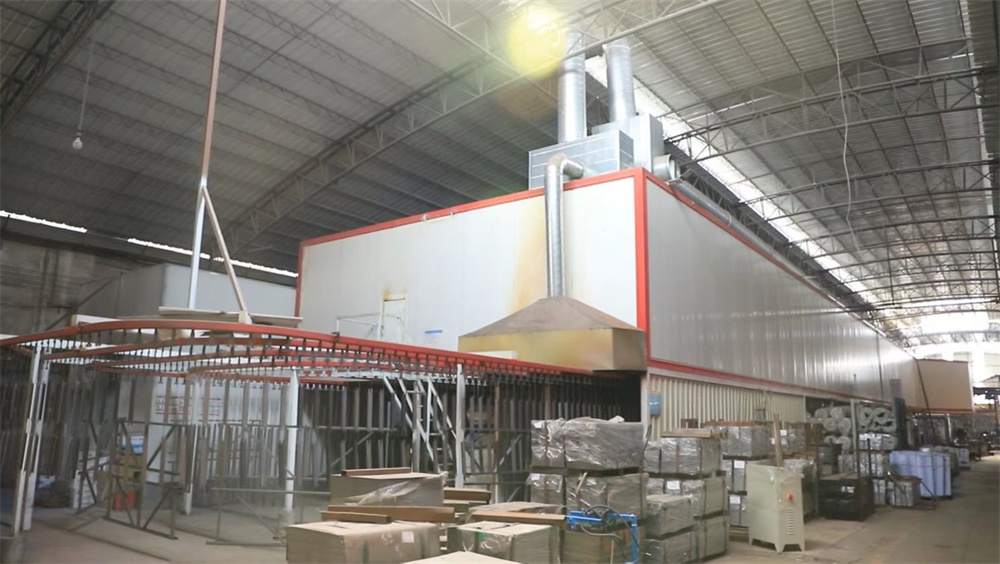
China has consolidated its position as the premier manufacturing hub for industrial storage systems due to complete domestic raw material supply chains, structural design optimization, and advanced industrial automation. Leading Chinese manufacturers leverage state-of-the-art infrastructure including fiber laser cutting stations, automated continuous roll-forming lines, and robotic welding cells to produce racking systems with consistent tolerances.
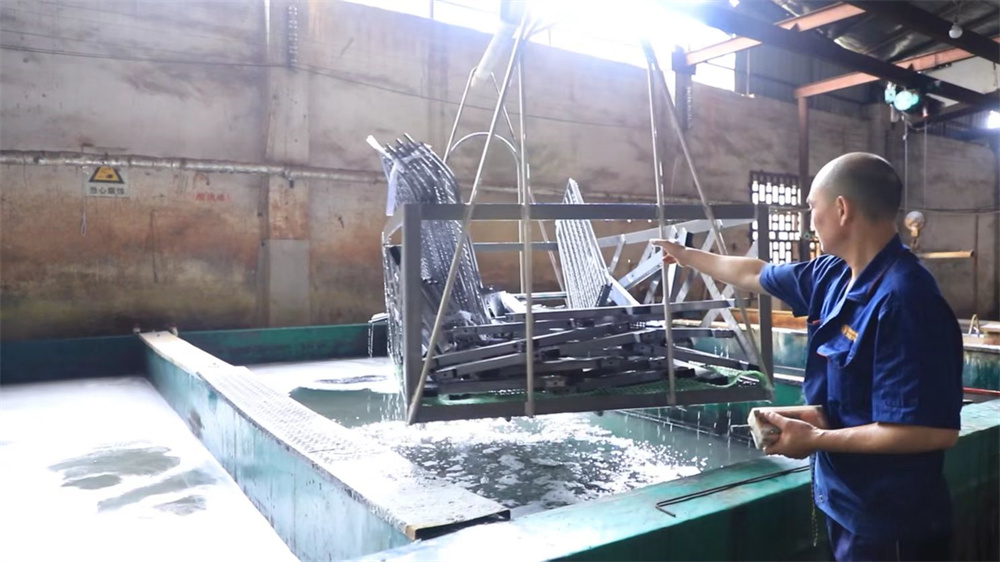
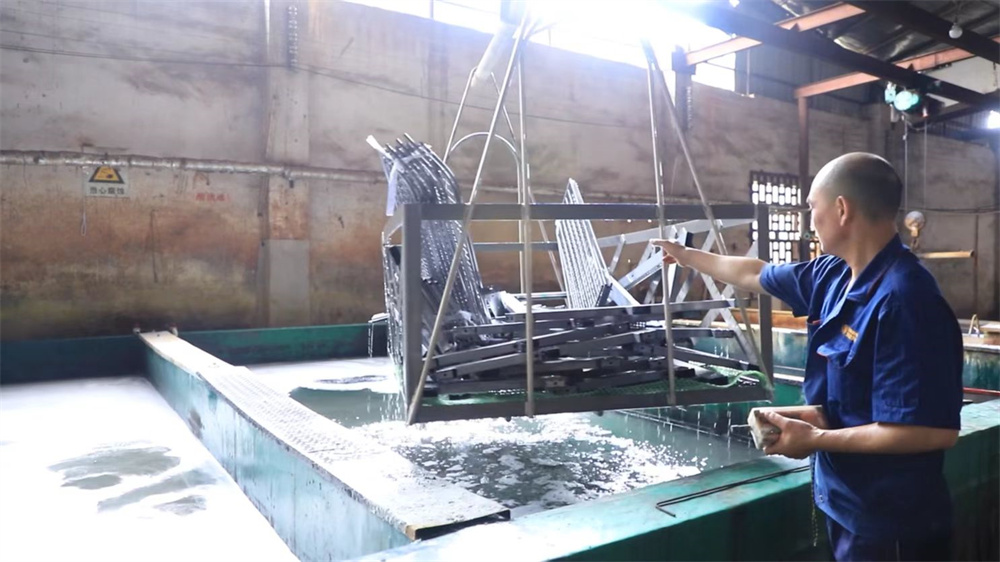
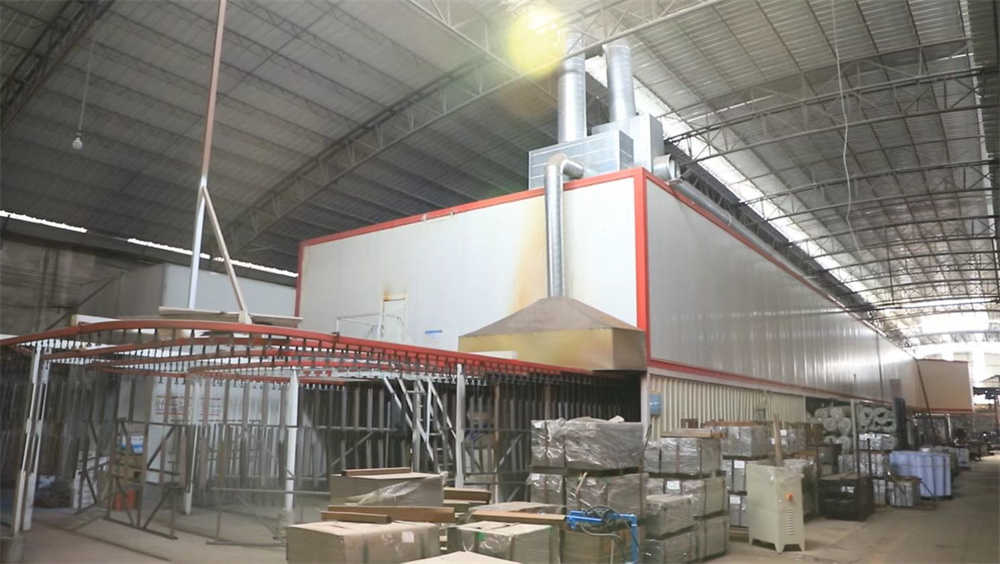
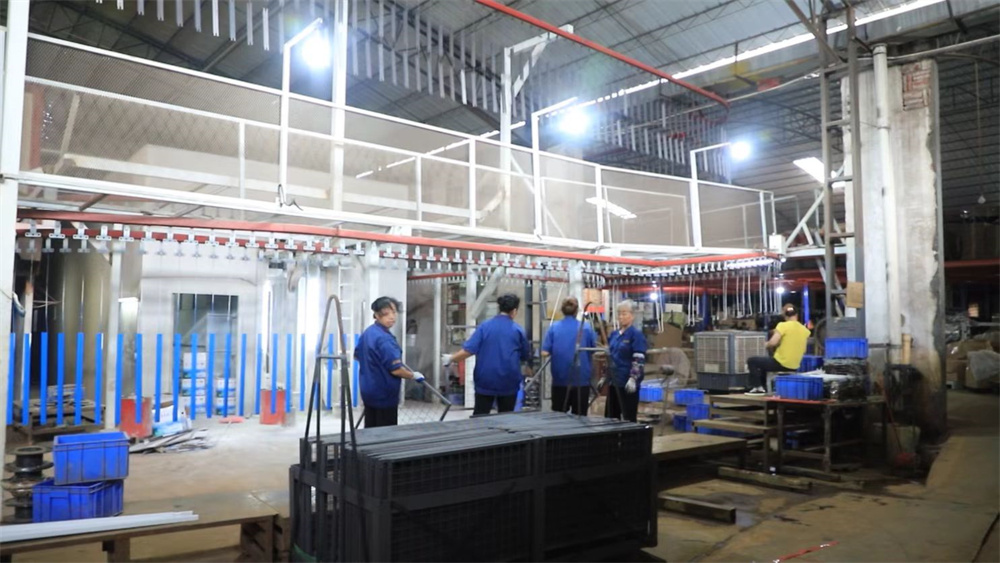
This automated processing lowers unit production costs while raising structural reliability. Standardized raw materials, such as high-tensile Q235B and Q355B structural steel, undergo rigorous structural testing at the mill level. Surface treatment processes, such as electrostatic thermosetting powder coating, are fully automated to ensure resistance against corrosion, moisture, and chemical exposure, providing extended service life in demanding environments.
Established in 2017 | Advanced Material Handling & High-Density Storage Engineering
Established in 2017, Chengdu DriveRacks Industrial Technology Co., Ltd. operates a state-of-the-art 42,000 m² manufacturing plant dedicated to advanced material handling and heavy-duty storage infrastructure. Delivering $35 million in annual export revenue, we bring 9 years of deep industry expertise and 6 years of international trade operations. Quality is integral to our process; our team of 30 certified inspectors executes rigorous raw material tensile testing and automated powder-coating thickness audits. Serving high-growth markets across the Middle East, Latin America, and Oceania, DriveRacks leverages a robust ecosystem of 1,200 supply chain partners. We primarily serve enterprise warehouse operators, e-commerce fulfillment hubs, and heavy equipment manufacturers. Powered by 110 skilled R&D engineers focusing on smart automation and high-density racking design, we released 250 dynamic product iterations last year and provide comprehensive customization spanning rack dimensions, seismic ratings, and surface treatments.
Adapting Structural Configurations to Demanding Commercial and Environmental Conditions.
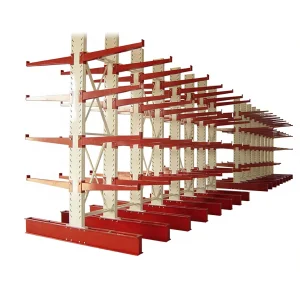
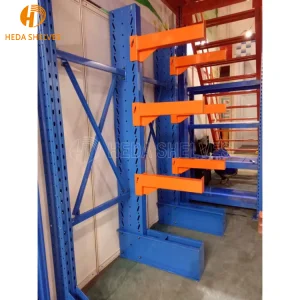
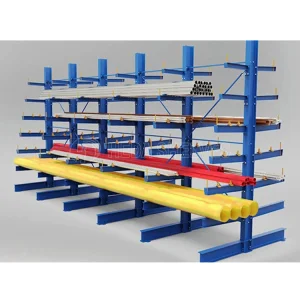
Engineered tire racks, pipe cantilever systems, and heavy-duty steel platforms capable of sustaining point loads over 2,500kg. Ideal for OEM assembly hubs and steel service centers.
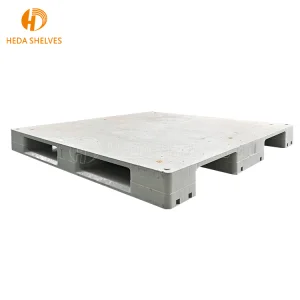
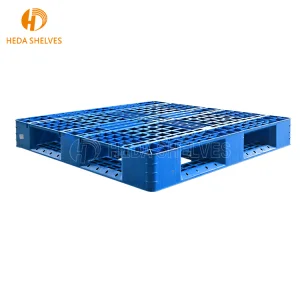
Utilizing Euro HDPE and PP double-faced pallets operating down to -30°C. Racking systems are designed to minimize convective flow resistance while maintaining load safety thresholds.
Custom engineering calculation profiles optimized for areas prone to high seismic activity. Structurally computed bases and bracing networks prevent vertical deflection and shear failure.
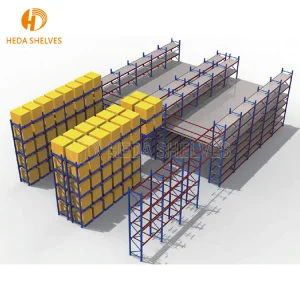
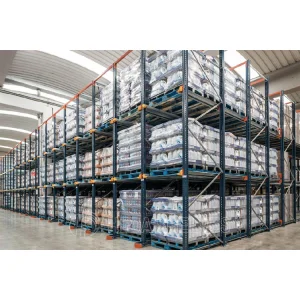
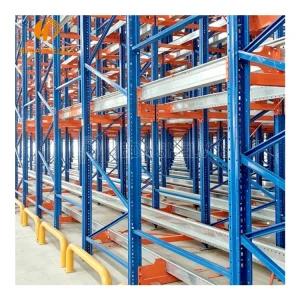
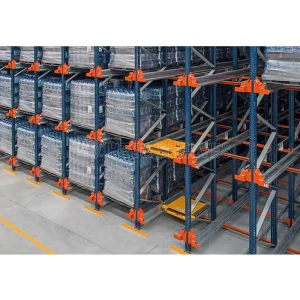
The shift toward AS/RS infrastructure is accelerating. Modern distribution hubs rely on automated crane shuttles and automated guided vehicles (AGVs) operating on high-density structural grids. This transformation requires racking systems with precise manufacturing tolerances, where deviation of even a few millimeters can halt operations. Incorporating high-load capacity radio shuttle systems allows warehouses to transition from low-efficiency selective storage to high-efficiency deep-lane storage.
Sustainability has become a core metric for procurement. Modern storage bins and logistics pallets are shifting toward recyclable, food-grade polypropylene (PP) and high-density polyethylene (HDPE). Industrial operations select materials that resist degradation under UV exposure, dynamic stress, and rigorous cleaning protocols, thereby minimizing replacement cycles and reducing Scope 3 greenhouse gas emissions.
Global insurers and regulatory authorities enforce strict material traceability. Structural designs must comply with EN 15635 (Specifying Application and Maintenance of Storage Equipment) and local standards. CE certification is a foundational proof of structural conformity, ensuring materials and design configurations are verified under real-world stress conditions.
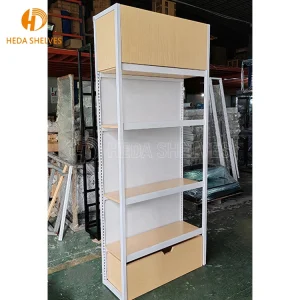
Engineered systems designed to streamline supply chains, from high-density automated warehouses to commercial retail spaces.
Technical Answers Regarding Industrial Storage, Custom Engineering, and Procurement Compliance.
 DriveRacks