Engineered for absolute safety, high scalability, and optimized storage density.
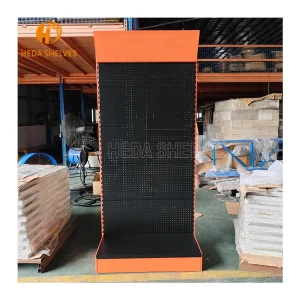
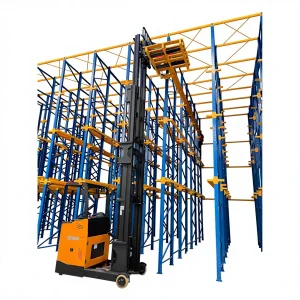
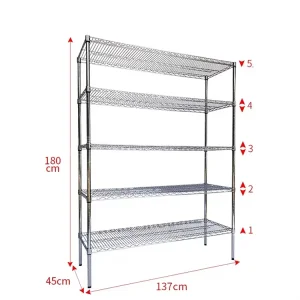
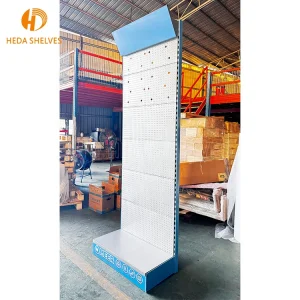
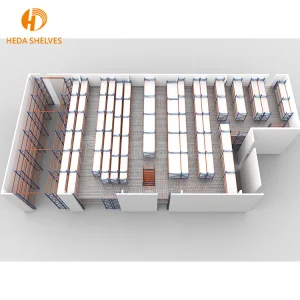
In the high-intensity logistics landscape of today, industrial racking system design is no longer just about static steel frames; it has transitioned into a highly calculated engineering science. As globally verified warehouse racking system manufacturers, we understand that supply chain agility, high density, and safety compliance are critical benchmarks for multinational corporations. Storage environments are subjected to varying dynamics, ranging from forklift structural impacts to seismic shifts, making load limits, structural integrity, and durability critical variables that affect business continuity.
For warehouse managers, sourcing managers, and structural engineers, selecting the ideal material handling infrastructure involves analyzing steel grade compliance, powder coating thickness, seismic designs, and certification structures. This comprehensive technical guide highlights how Chengdu DriveRacks Industrial Technology Co., Ltd. applies engineering precision, automated manufacturing lines, and strict compliance with standards like EN 15512, AS4084-2012, and FEM 10.2.02 to deliver global-grade storage systems.
Providing high-capacity material handling infrastructure for international markets since 2017.
Established in 2017, Chengdu DriveRacks Industrial Technology Co., Ltd. operates a state-of-the-art 42,000 m² manufacturing plant dedicated to advanced material handling and heavy-duty storage infrastructure. Delivering $35 million in annual export revenue, we bring 9 years of deep industry expertise and 6 years of international trade operations. Quality is integral to our process; our team of 30 certified inspectors executes rigorous raw material tensile testing and automated powder-coating thickness audits. Serving high-growth markets across the Middle East, Latin America, and Oceania, DriveRacks leverages a robust ecosystem of 1,200 supply chain partners. We primarily serve enterprise warehouse operators, e-commerce fulfillment hubs, and heavy equipment manufacturers. Powered by 110 skilled R&D engineers focusing on smart automation and high-density racking design, we released 250 dynamic product iterations last year and provide comprehensive customization spanning rack dimensions, seismic ratings, and surface treatments.
From raw Q235B/Q355B structural steel to automated electrostatic powder coating.
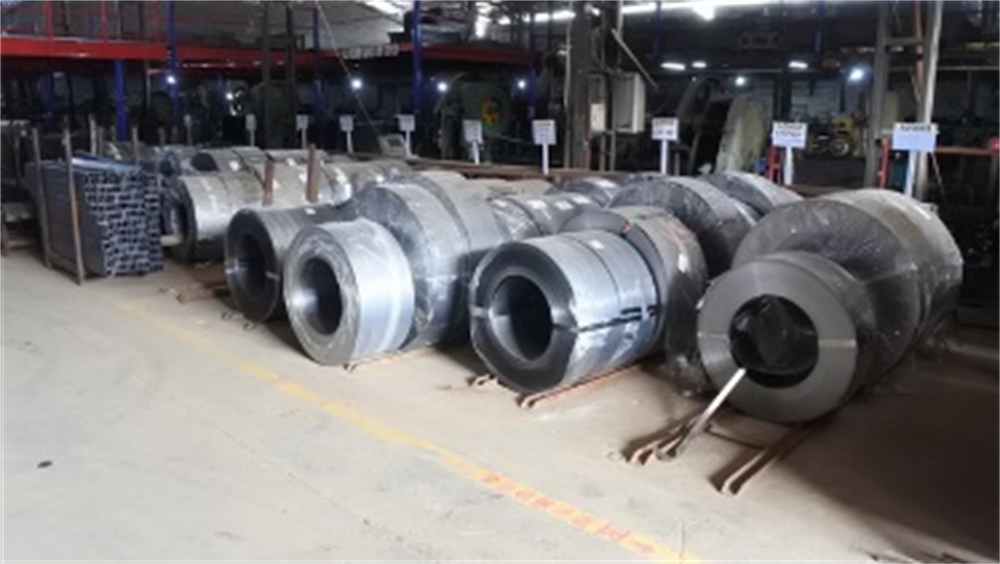
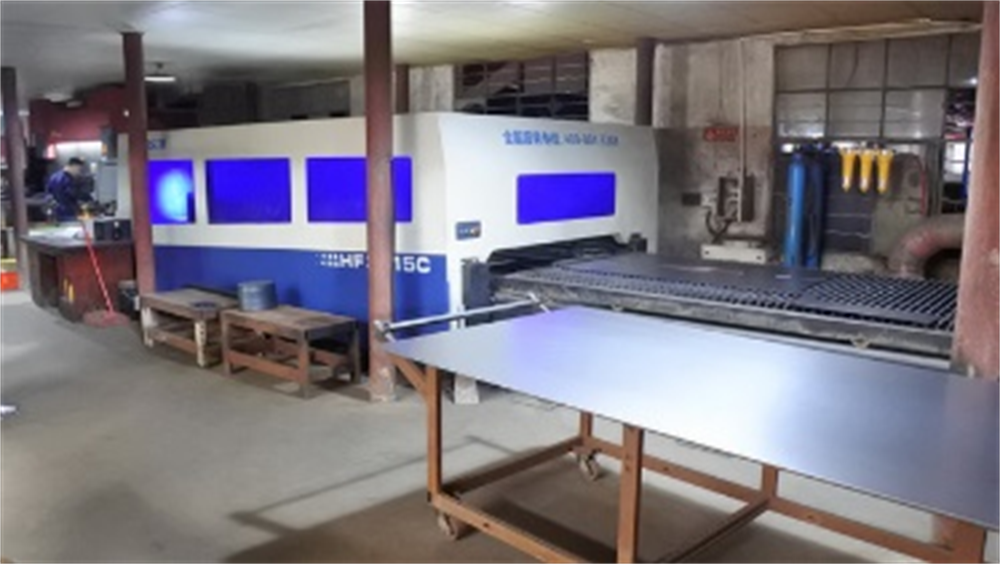
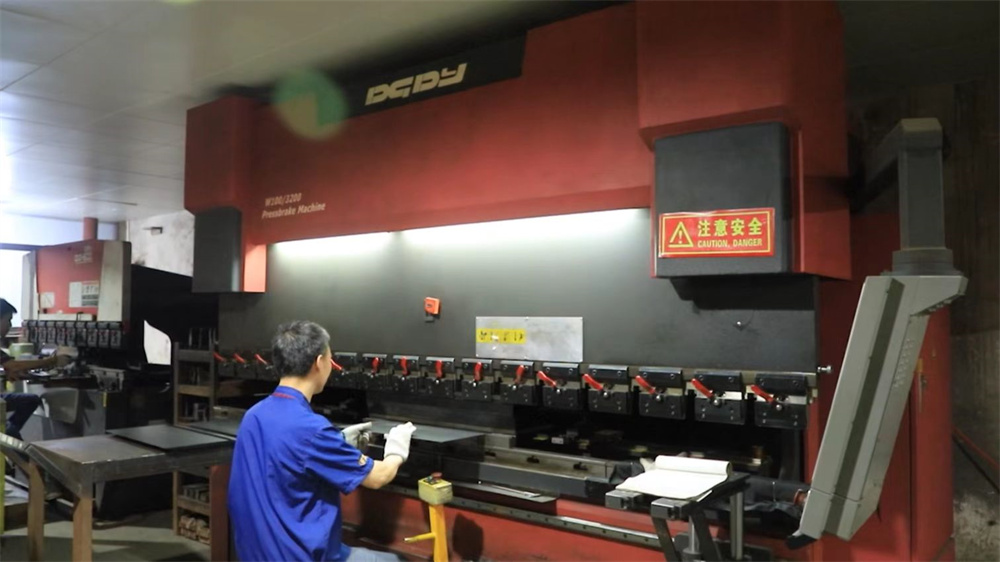
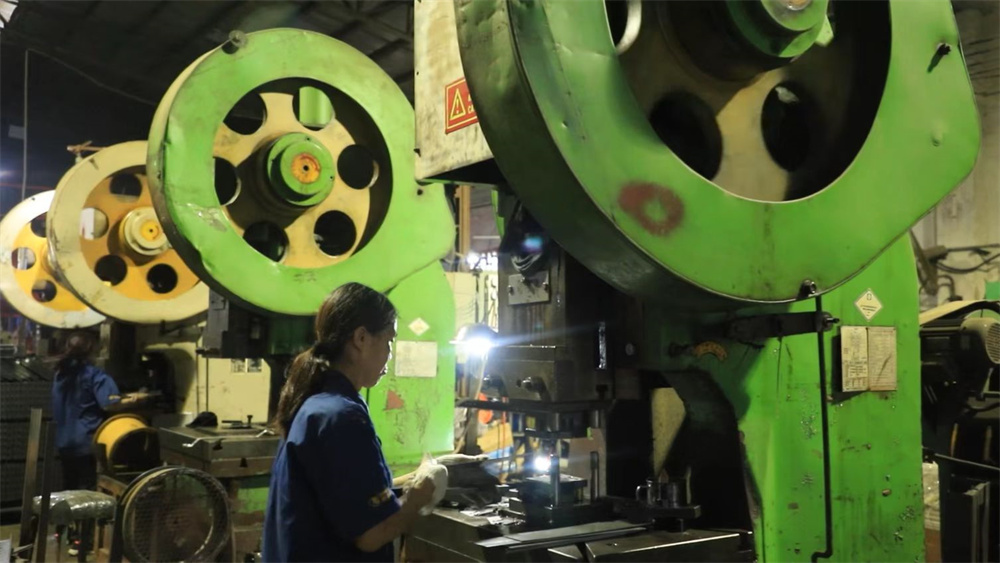
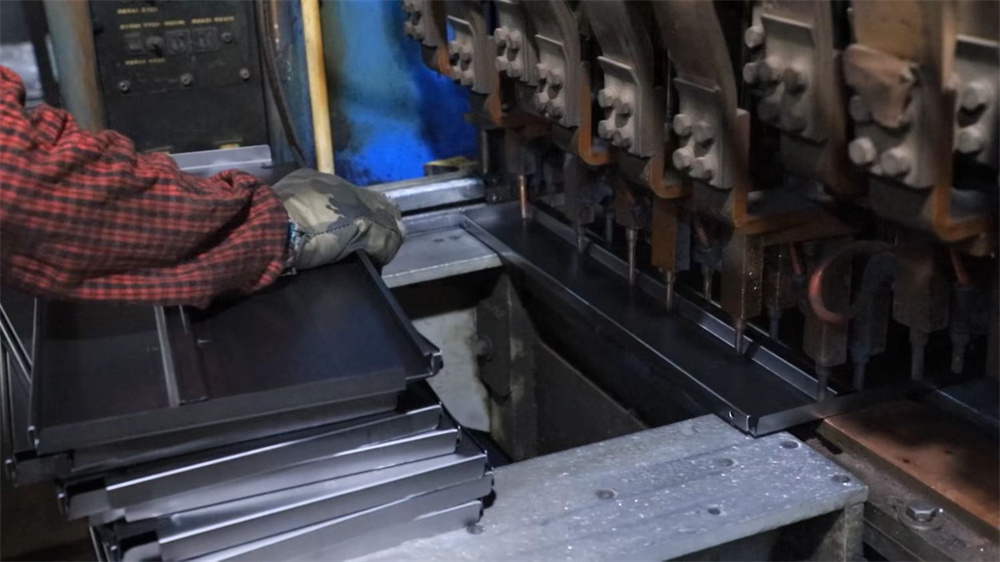
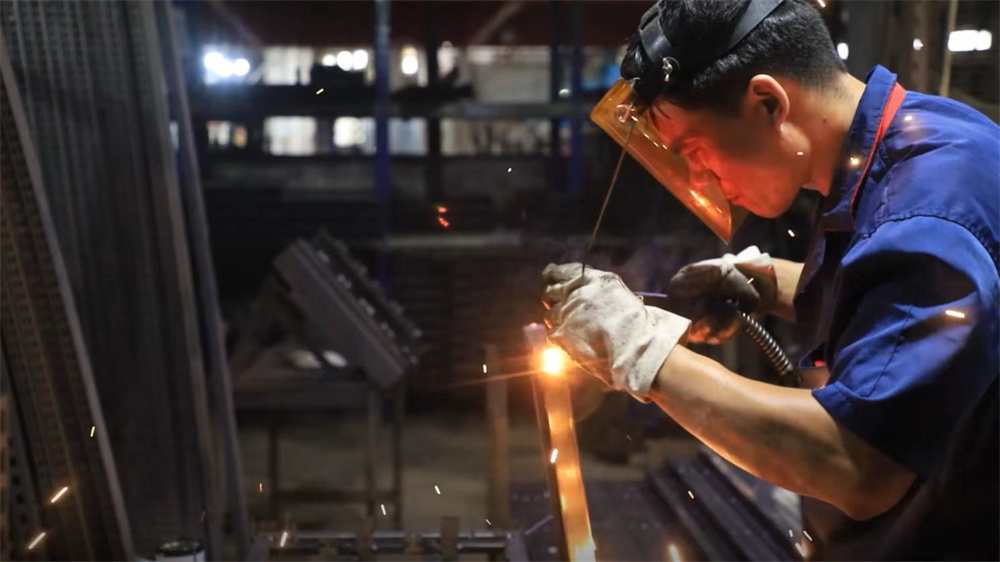
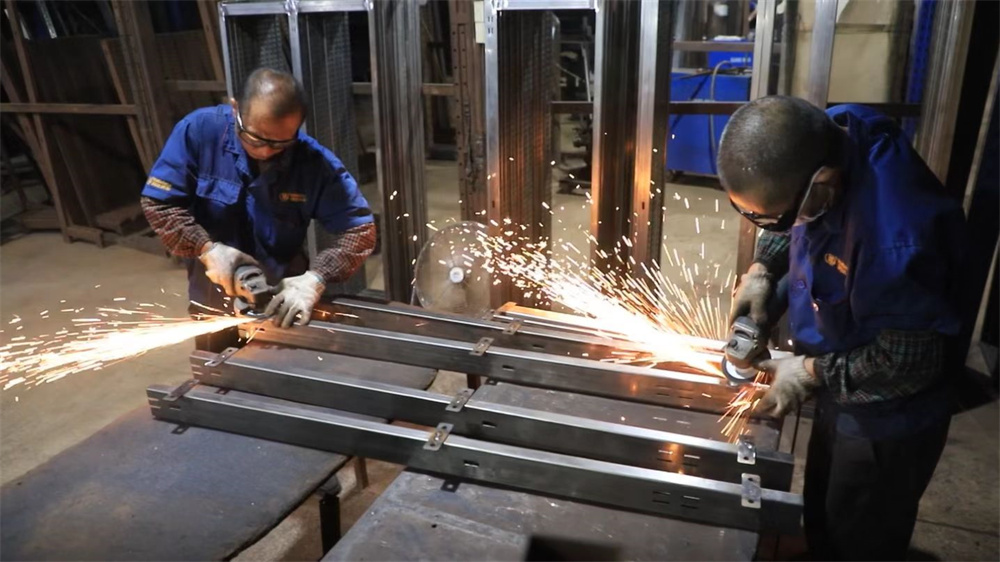
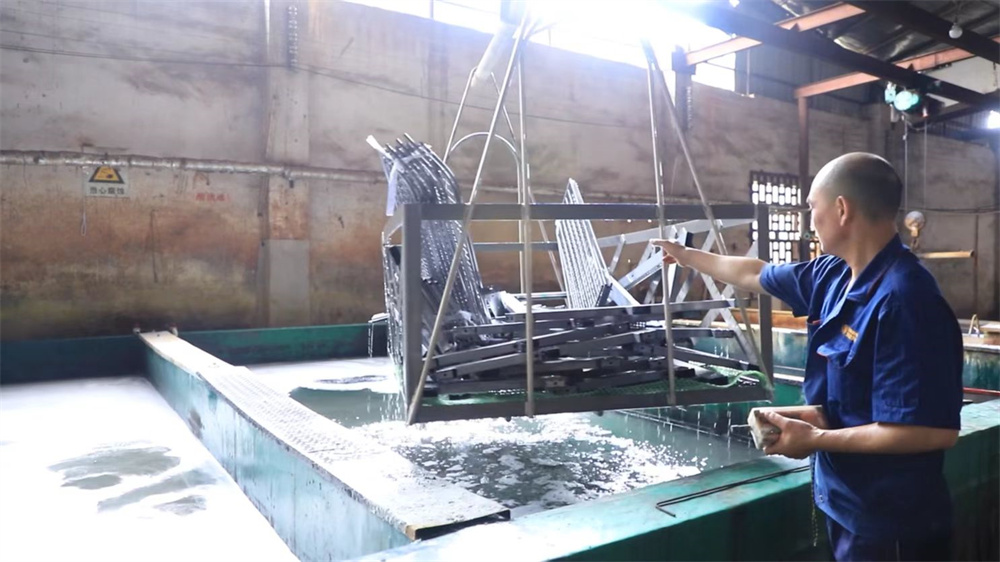
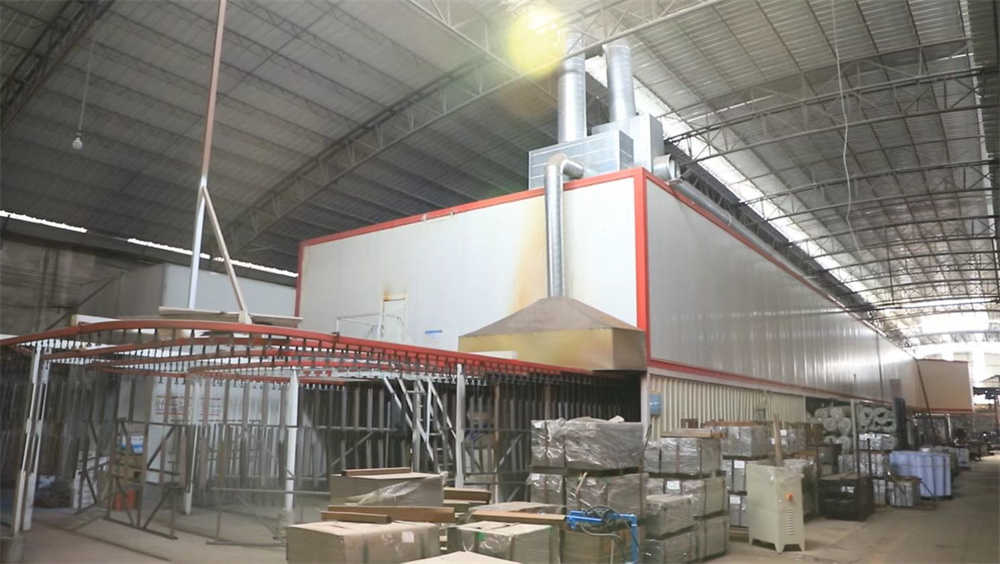
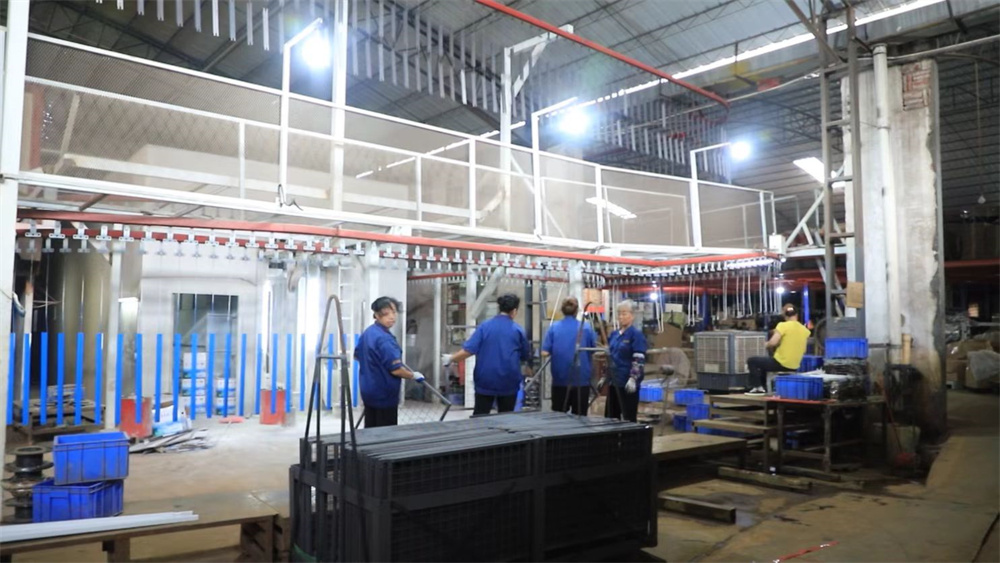
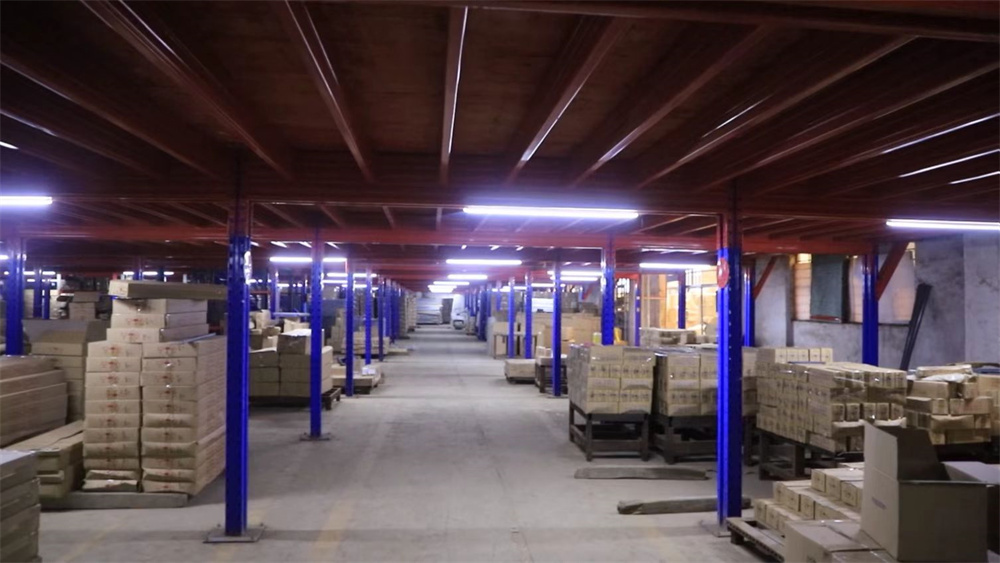
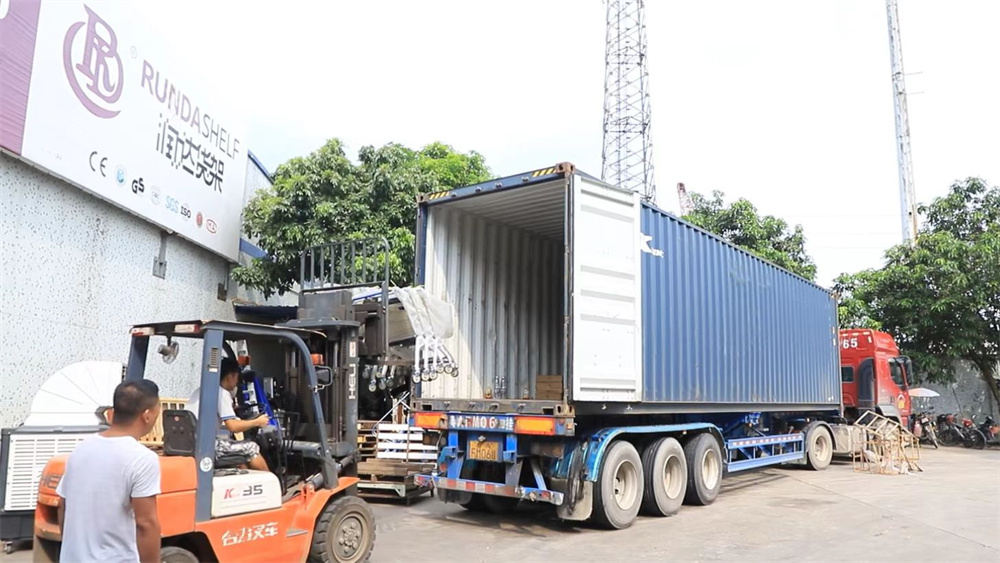
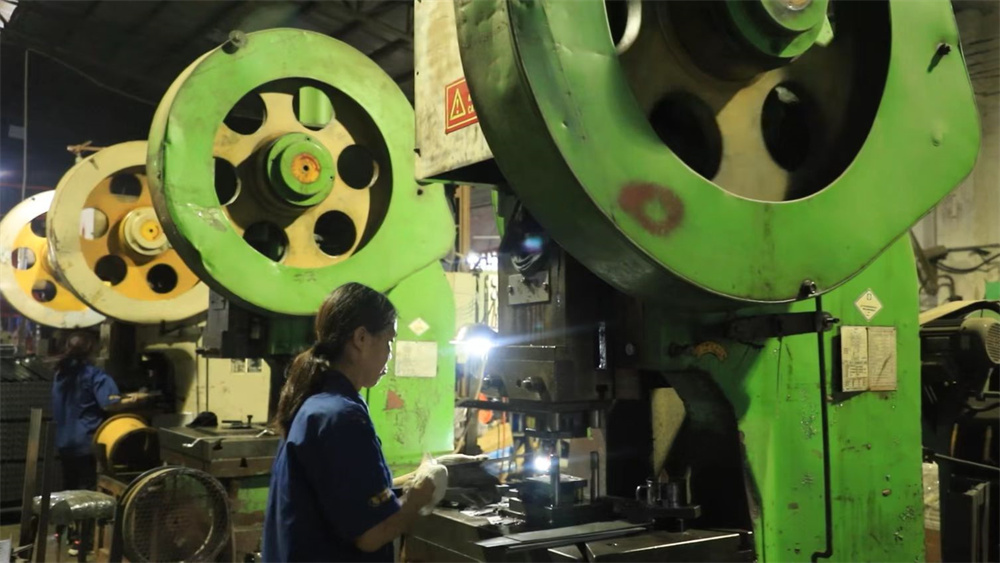
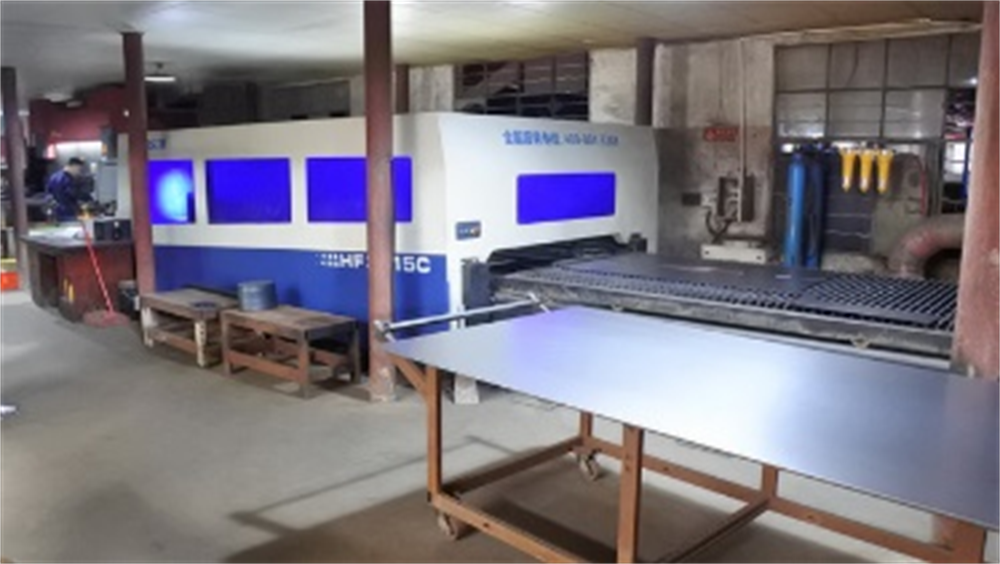
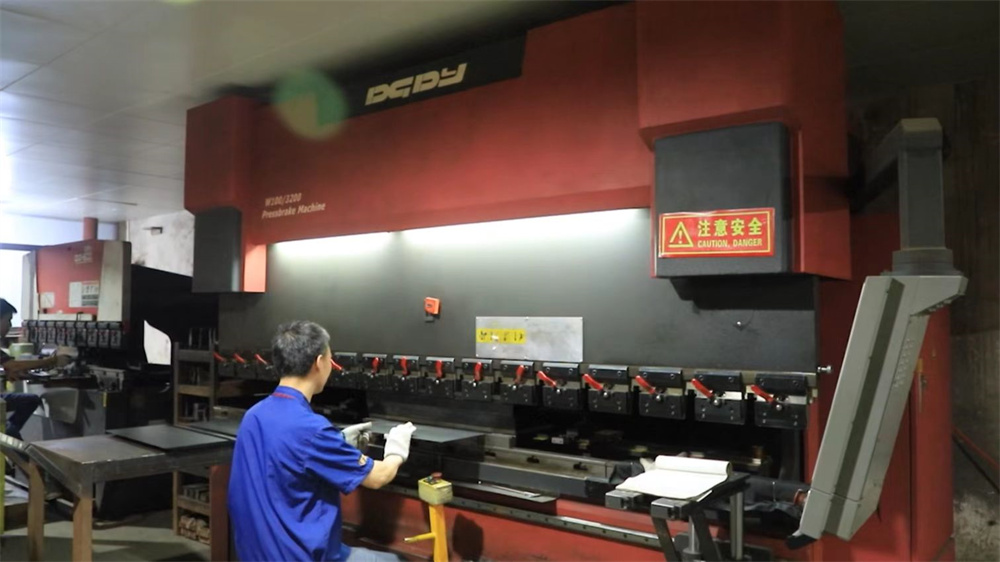
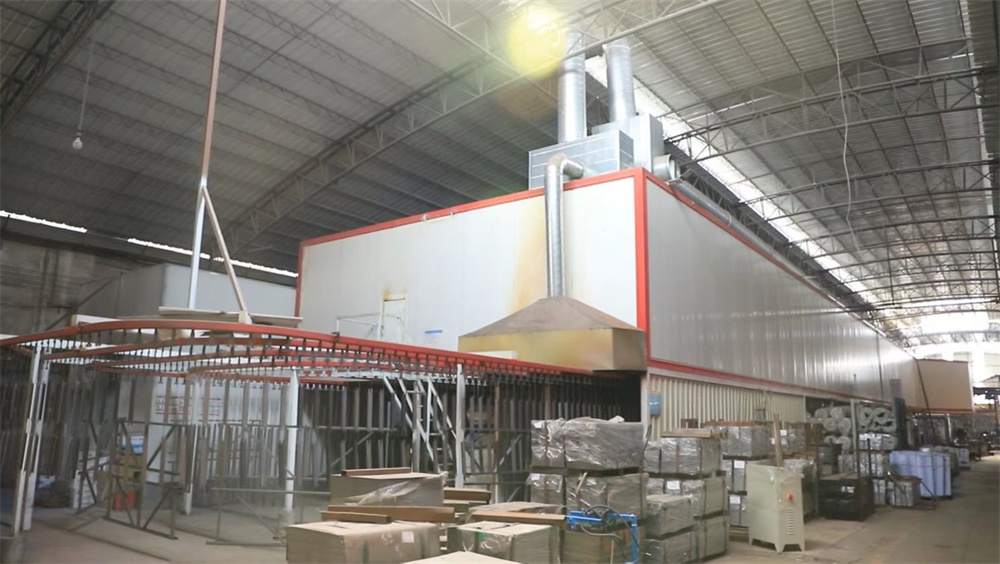
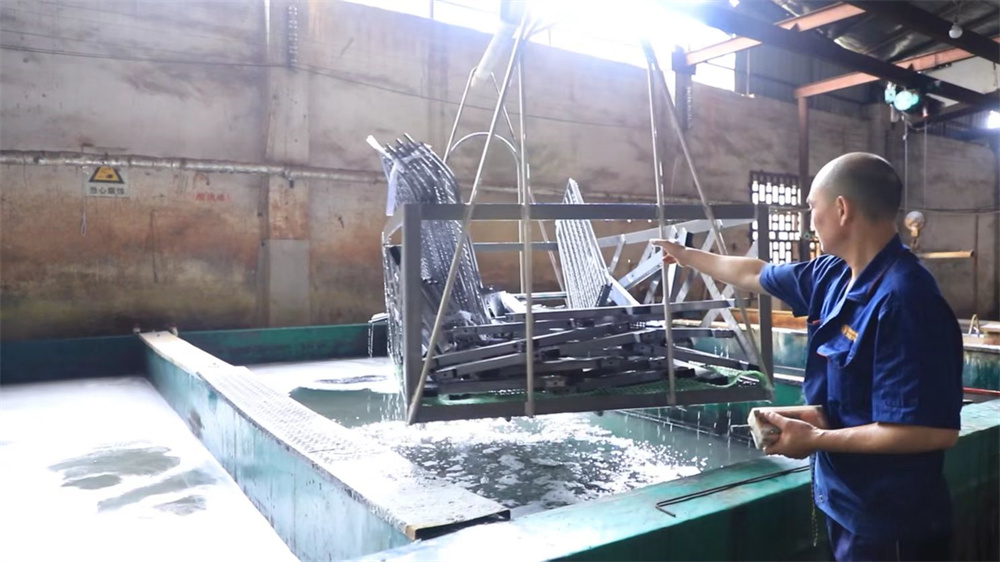
China's industrial racking sector is built on supply chain integration and raw material access. This helps factories deliver reliable, high-capacity racking structures cost-effectively.
At our Chengdu plant, quality control is integrated into every stage of production:
Tensile testing and spectral chemical analysis are performed on every incoming batch of steel coils to ensure compliance.
Robotic welding lines maintain deep penetration weld beads on structural connections like load-bearing beam end connectors.
Cross-cut testing and electromagnetic thickness gauges verify the protective powder coating layer, ensuring durability in cold storage environments.
Custom engineering solutions designed to optimize floor space, facilitate selective picking, and support automated operations.
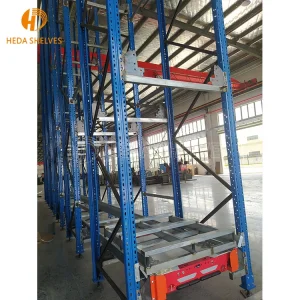
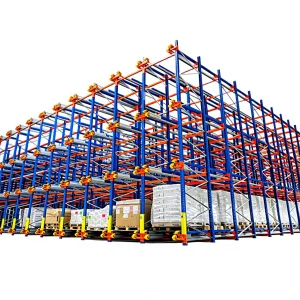
For temperatures down to -30°C, cold storage facilities require high space utilization and minimal operational footprints. Integrating Radio Shuttle systems helps prevent hydraulic system failures common in deep-freeze environments, maximizing vertical space efficiency.
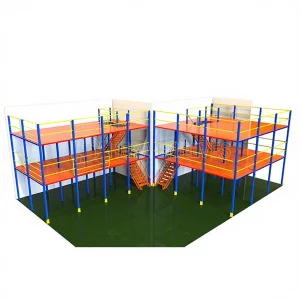
E-commerce hubs handling diverse, multi-SKU selections require quick picking cycles. Multi-level picking mezzanines and industrial platform designs optimize overhead volume, converting vertical space into accessible storage levels.
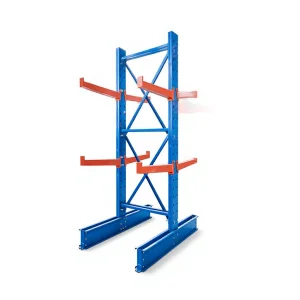
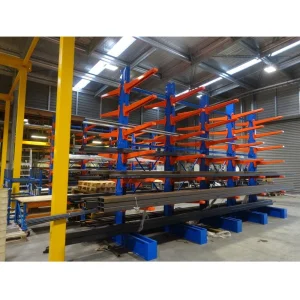
Heavy components like metal bars, pipes, and machinery parts are stored on specialized double-sided cantilever systems or heavy-duty pallet racks. Structurally engineered to resist deflection, these systems can hold loads exceeding 3,000 kg per level.
Industrial storage is moving toward automated facilities. Modern projects often utilize automated pallet warehouse racking systems and semi-automatic storage solutions to reduce human error, speed up cycle times, and maximize utilization. Integrating two-way and four-way radio shuttle systems allows warehouses to transition away from traditional layouts, replacing access aisles with deep, dense product channels.
High-tensile steel grades like Q355B are increasingly used to manufacture thinner but stronger roll-formed profiles. This reduces total steel weight while maintaining structural integrity, lowering shipping costs and reducing carbon emissions during manufacturing.
National building regulations globally require warehouse racking systems to be designed for local seismic hazards. Modern structural design now includes finite element analysis (FEA) to simulate how racking frames respond during seismic events, helping to verify structural safety and reliability.
When sourcing industrial racking, international purchasers verify manufacturing credentials to ensure safety compliance and minimize liability. Sourcing from our certified facility provides assurance across these key regulatory framework standards:
Specifies the design rules for adjustable pallet racking systems. It covers the structural calculations, load-bearing tests, and safety factors required for projects in Europe.
Defines testing and structural requirements for steel storage racking in Oceania, including load labels and safety metrics for upright deflection.
The design and testing standard used in North and South America, focusing on load-bearing capacities and seismic design calculations.
Answers to common technical and operational questions on racking systems.
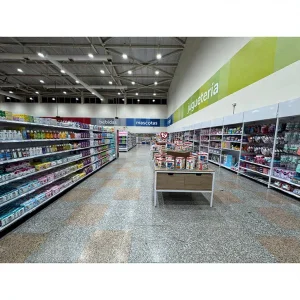
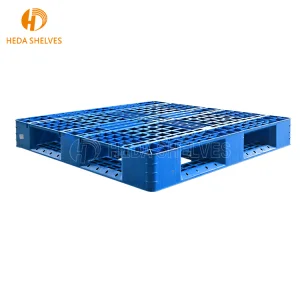
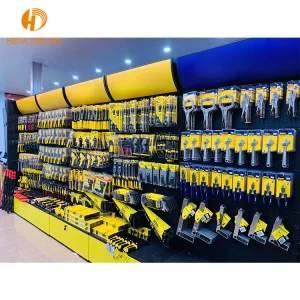
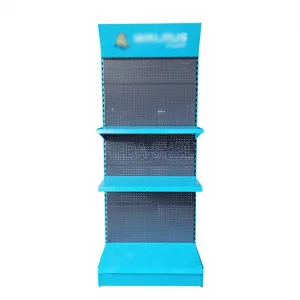
Engineered options for high-density storage, retail spaces, and material transport.
 DriveRacks