Modern industrial ecosystems operate under rapid cycles where space conservation, real-time inventory rotation, and structural safety are paramount. First-In, First-Out (FIFO) racking systems—principally gravity-fed pallet flow configurations—represent the pinnacle of modern warehousing logistics. Leading global companies in food processing, cold chains, automotive manufacturing, and pharmaceuticals rely on FIFO systems to eliminate storage dead zones, optimize picking pathways, and maintain absolute batch traceability.
As a premier Chinese manufacturer of dynamic warehouse systems, Chengdu DriveRacks Industrial Technology Co., Ltd. bridges the gap between precision mechanical engineering and economical large-scale fabrication. Our solutions comply with strict global safety protocols, ensuring long-term structural integrity and high ROI under demanding operations.
Engineered for extreme loading capacities, seismic durability, and dynamic material flow across diverse industrial environments.
Why multinational operators are migrating to smart, gravity-fed storage structures to combat escalating warehouse real estate costs.
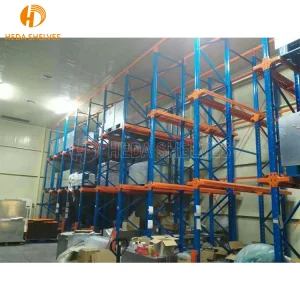
With urban warehouse leasing rates rising globally, businesses can no longer afford conventional dynamic layouts with wide access aisles. FIFO pallet flow systems decrease necessary floor space by up to 60% compared to selective racking by consolidating storage lanes into solid blocks, maximizing both vertical space and cubic density.
In FMCG, food distribution, and clinical storage, inventory rotation is a key parameter of quality compliance. By utilizing gravitational force to transport pallets from the loading aisle to the picking aisle, FIFO guarantees that the oldest inventory is retrieved first, preventing product spoilage and costly obsolescence.
Dividing loading and picking operations into dedicated zones prevents cross-aisle traffic and reduces warehouse forklift travel distances. This reduces equipment wear, saves energy, and decreases onsite collisions, protecting personnel and racking structures.
The mechanics of dynamic gravity flow racking systems: design parameters that guarantee high safety and operational reliability.
Designing high-performance FIFO pallet flow racking requires understanding structural mechanics and kinetic friction. Unlike static systems, dynamic gravity-flow racking functions as a mechanical machine that relies on gravity. At Chengdu DriveRacks, our engineering teams focus on three key variables during the design phase:
The slope angle of the roller track is calibrated to the weight and profile of the customer's pallets. A standard 3.5% to 4% incline is typically utilized. If the slope is too gentle, the pallets will stall; if it is too steep, runaway acceleration can occur, which compromises safety. We run finite load simulations to determine the optimal slope.
To control deceleration, we position centrifugal brake rollers along the flow lane. These rollers absorb kinetic energy, keeping the pallets at a safe, controlled speed of less than 0.3 meters per second, regardless of whether the pallet weighs 300kg or 1,500kg.
To prevent line pressure at the pick face, we integrate automatic pallet separator mechanisms. These isolate the lead pallet from those behind it. Separating the loads removes pressure from the lead pallet, allowing forklifts to lift it without friction or snagging.
Every system engineered by Chengdu DriveRacks starts with certified raw materials. We utilize high-yield, cold-formed Q235B or Q355B structural steel, processed through precision roll-forming lines. For seismic zones, we perform Finite Element Analysis (FEA) to verify the performance of upright frames, beams, and dynamic components under seismic loads, complying with RMI (Rack Manufacturers Institute) and EN standards.
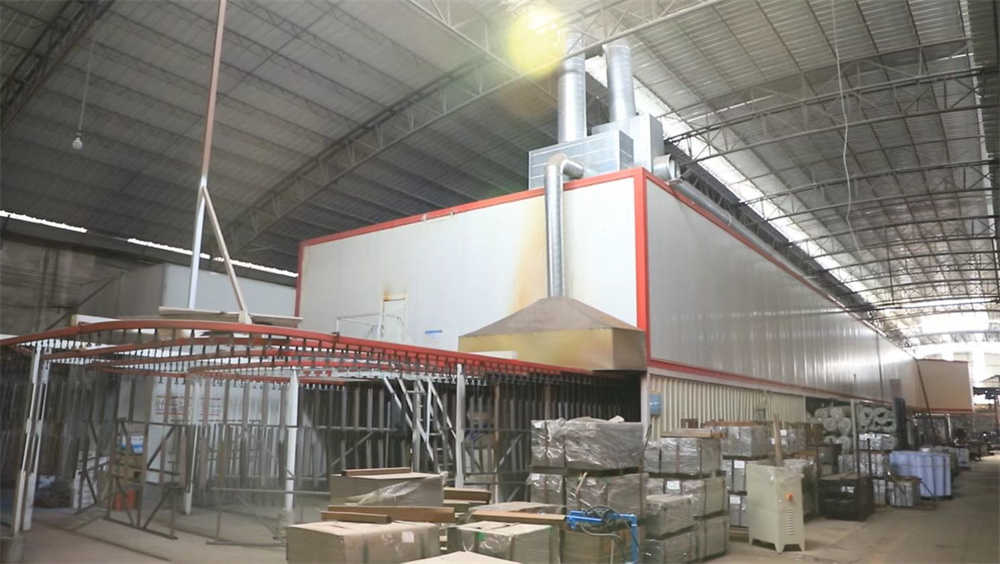
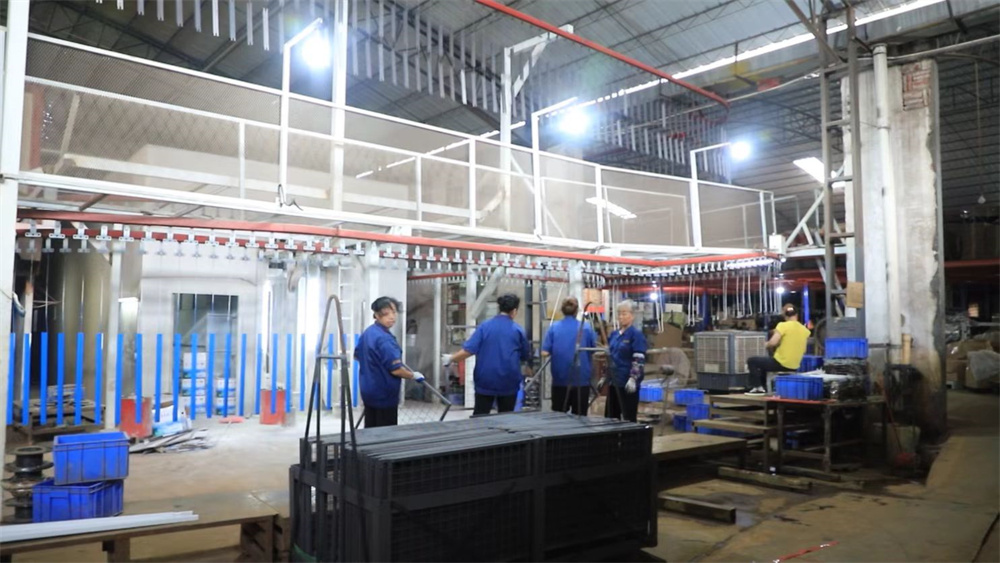
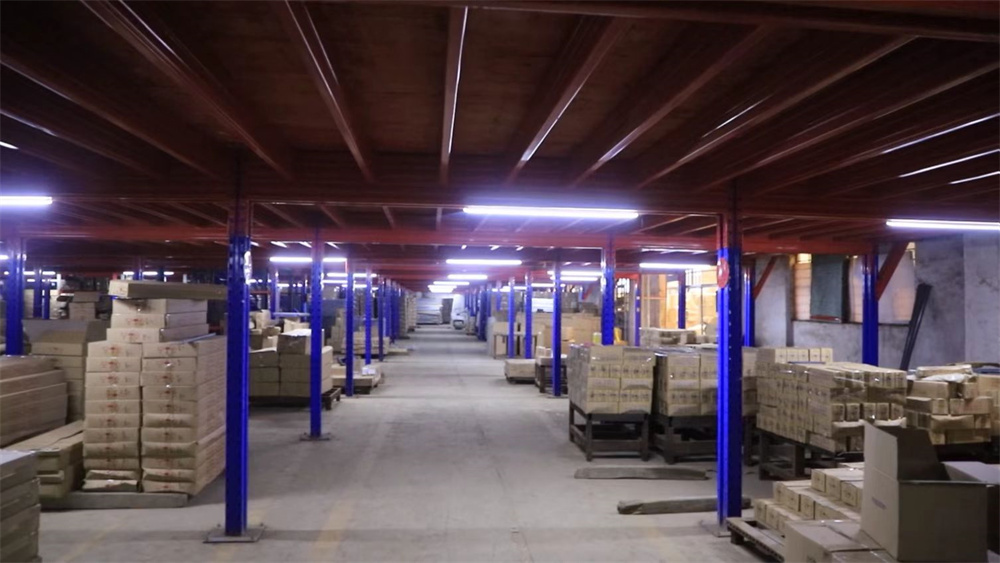
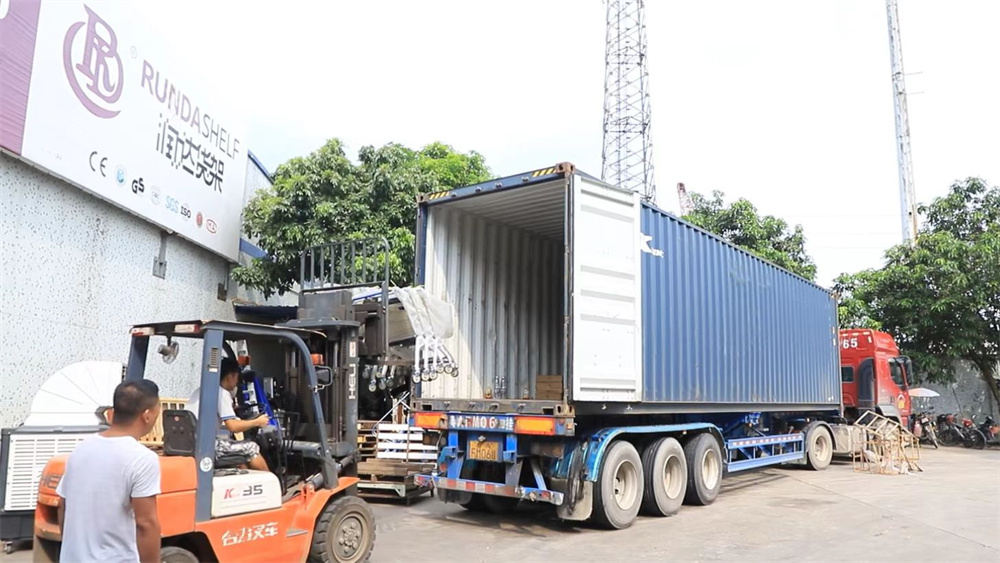
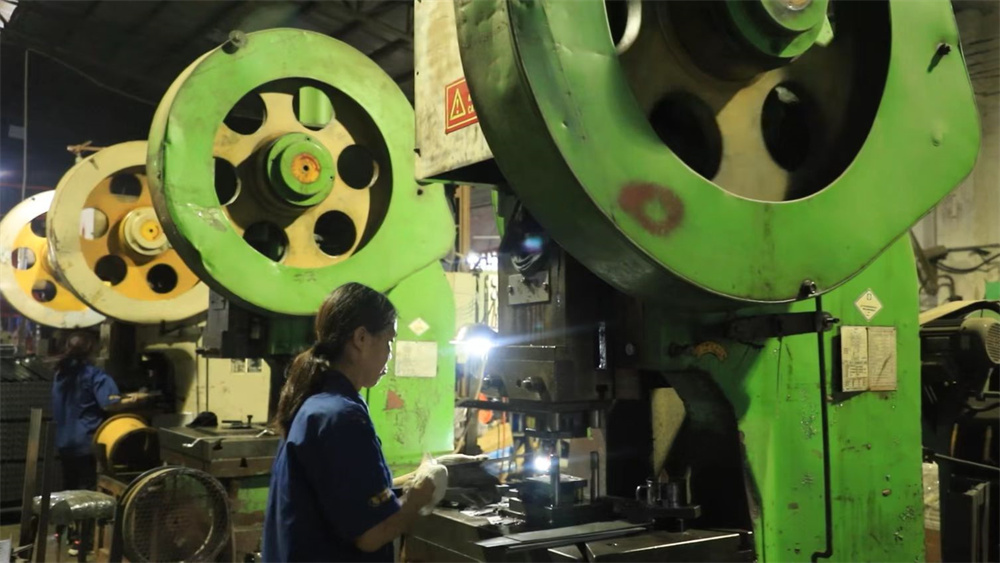
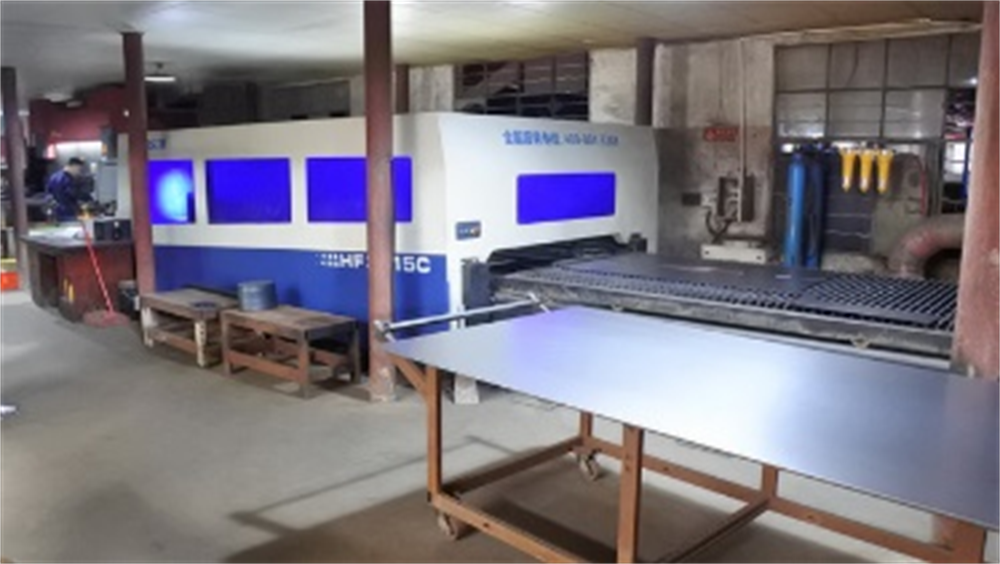
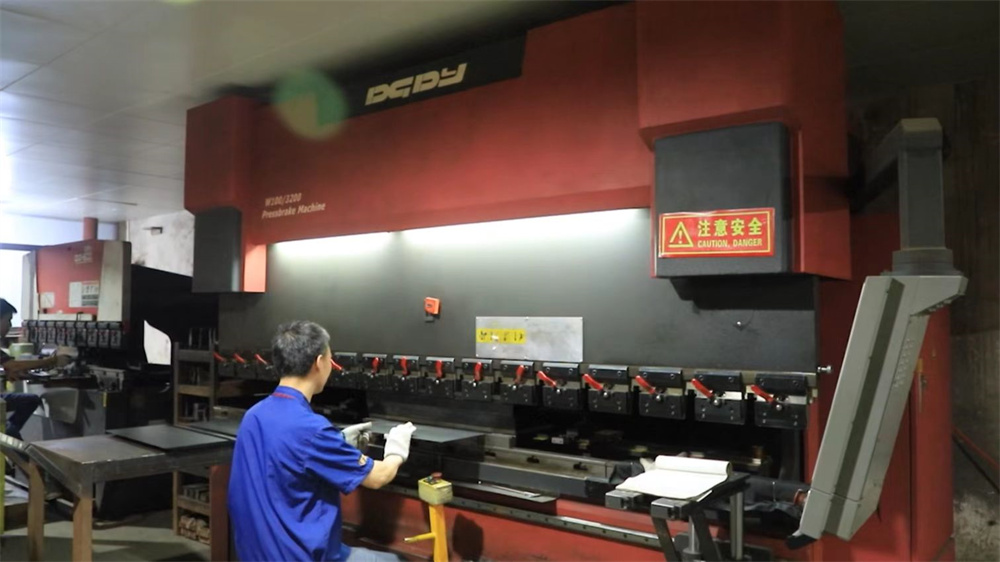
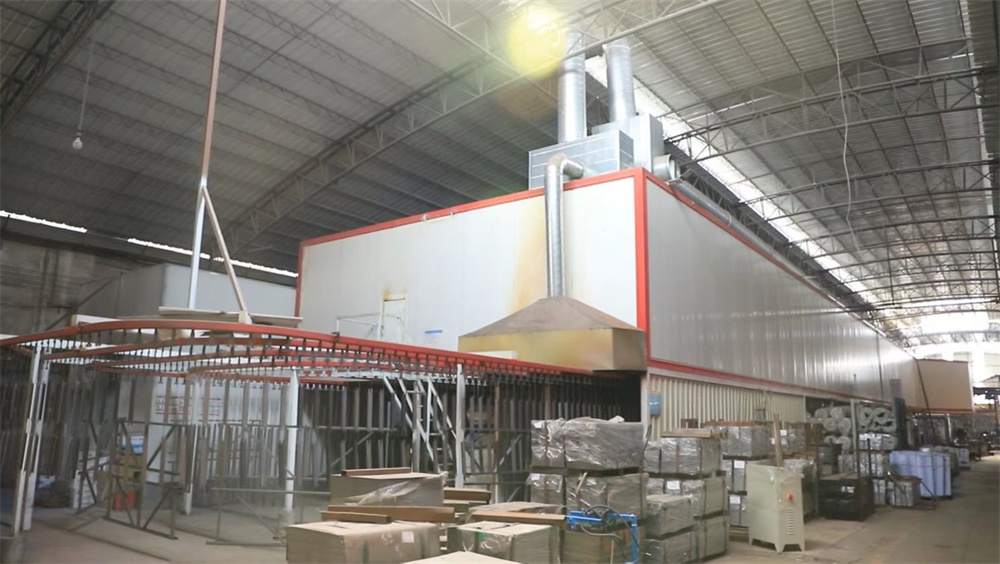
A look into our 42,000 m² state-of-the-art production plant, where advanced engineering meets automated manufacturing.
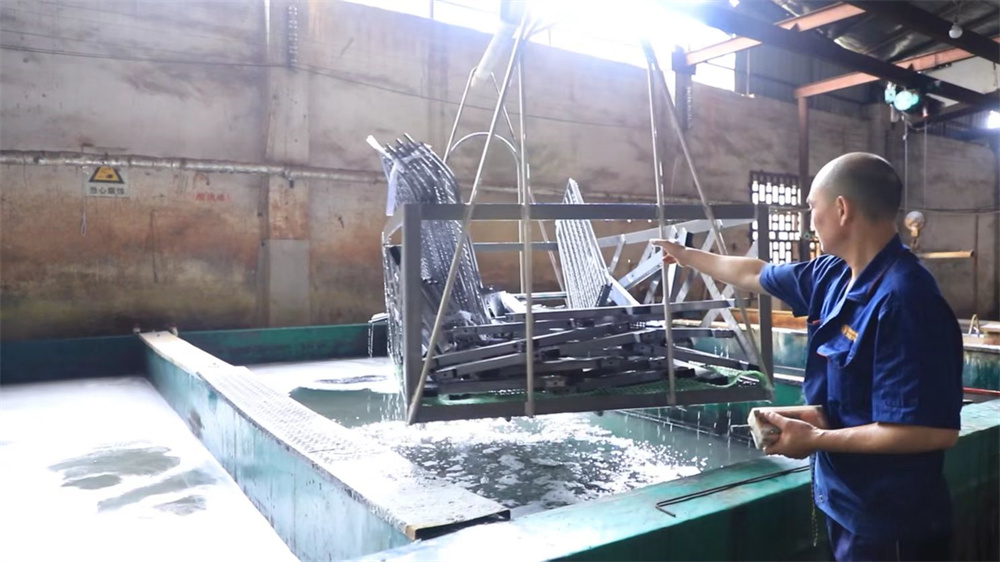
Our modern factory features robotic welding, CNC punching, and automated electrostatic powder coating lines. The step-by-step process below shows how raw materials are transformed into durable industrial racking systems:
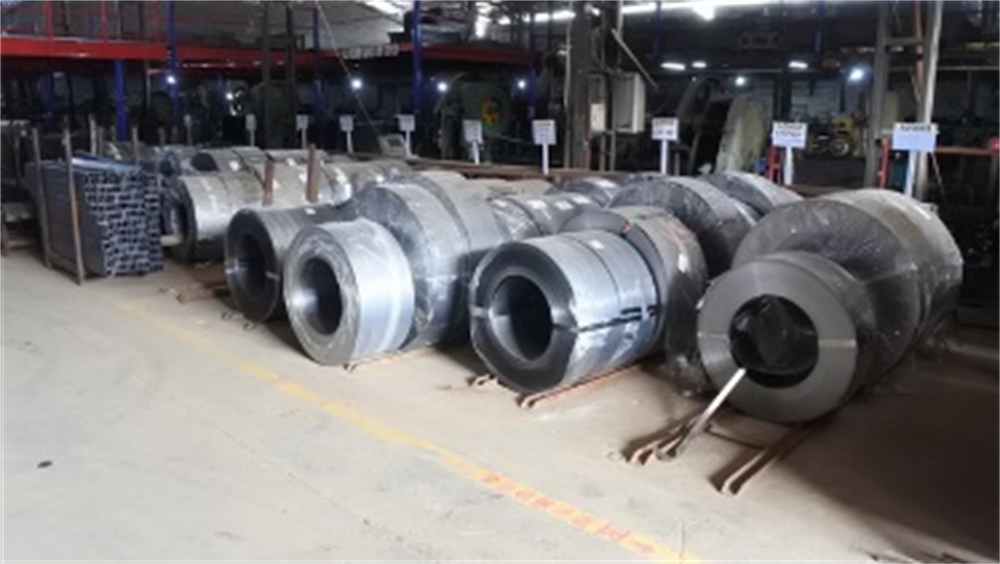
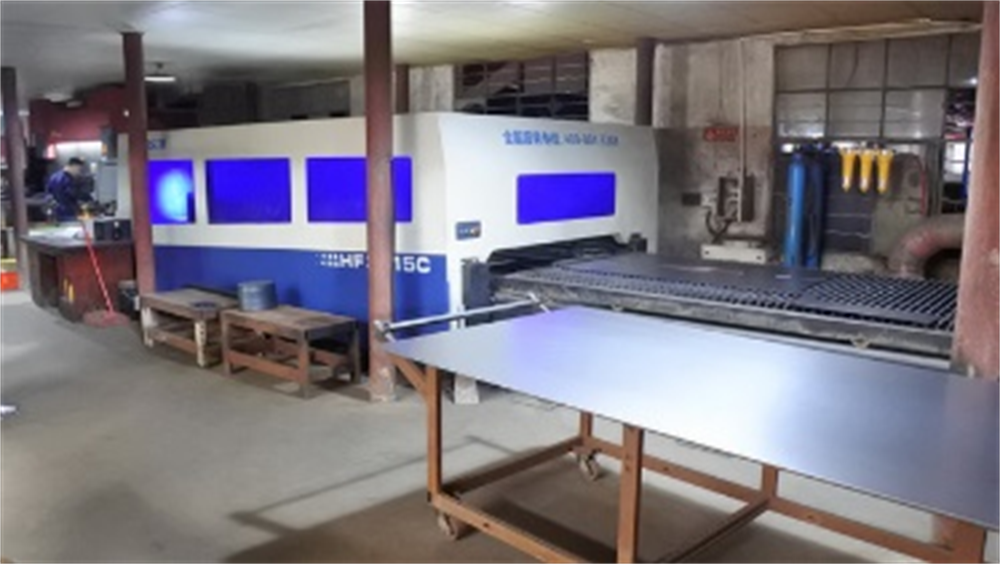
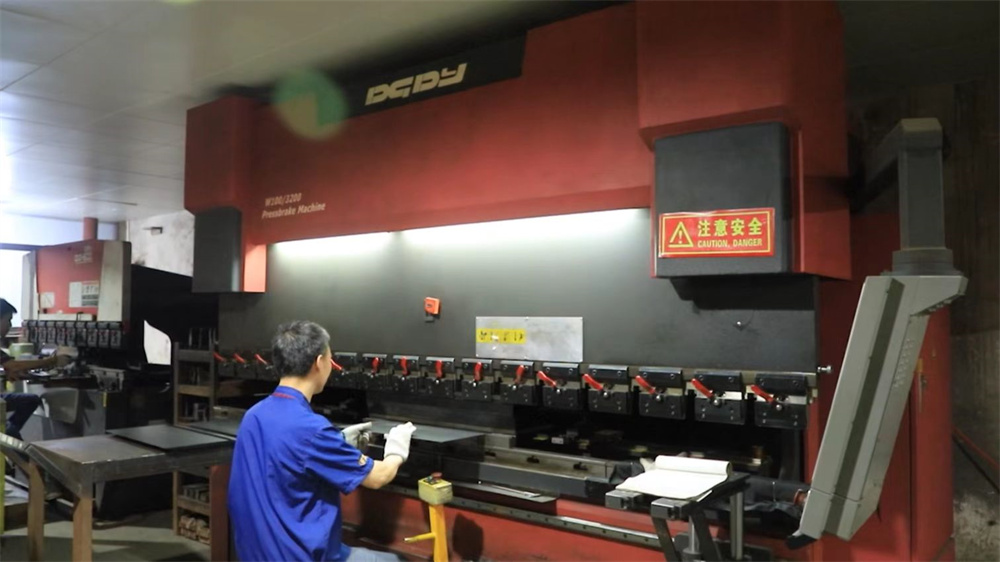
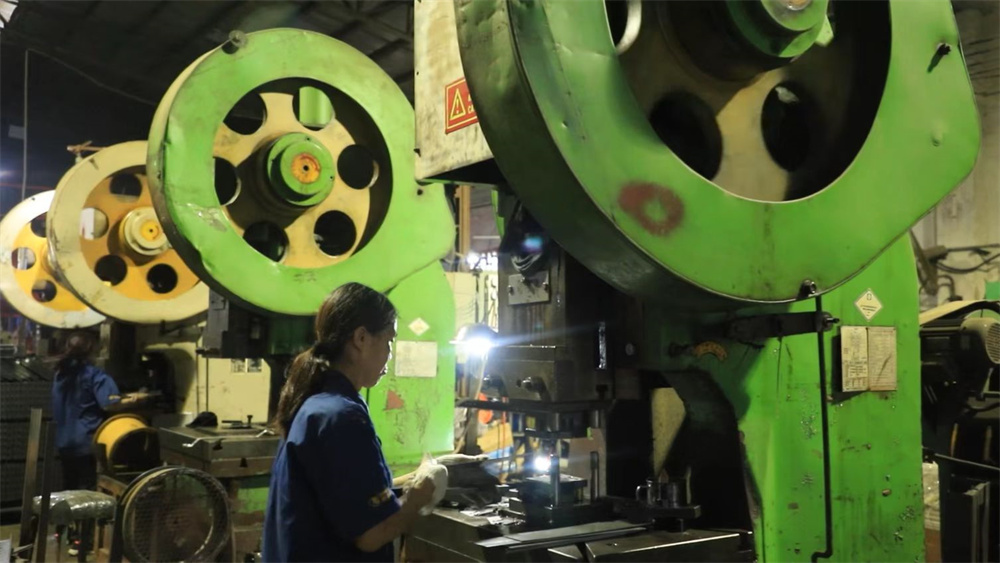
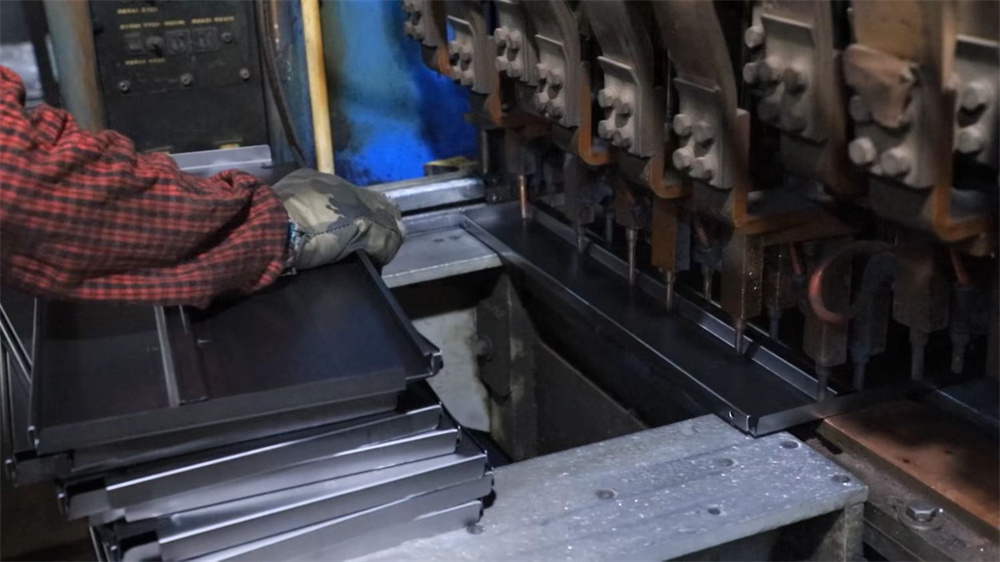
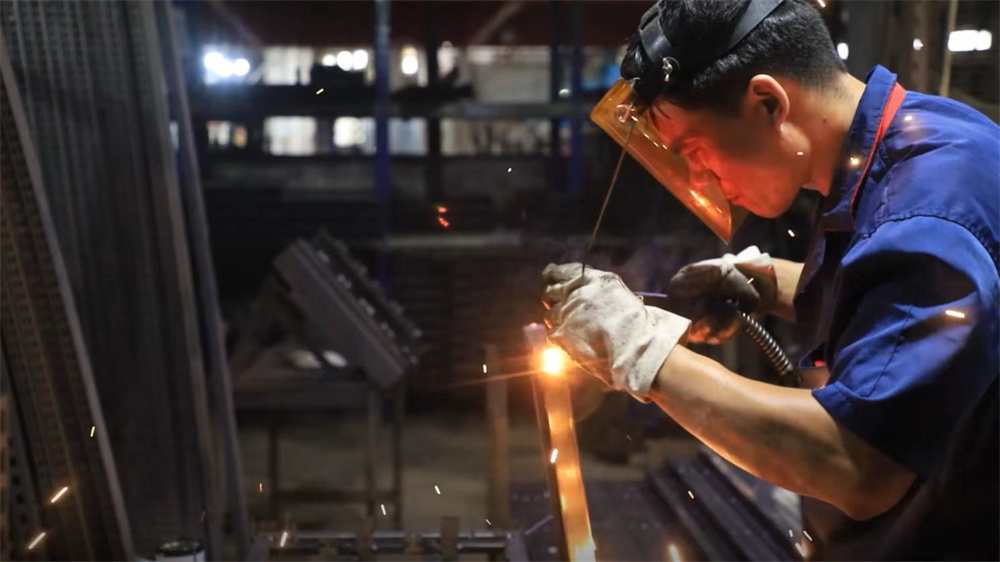
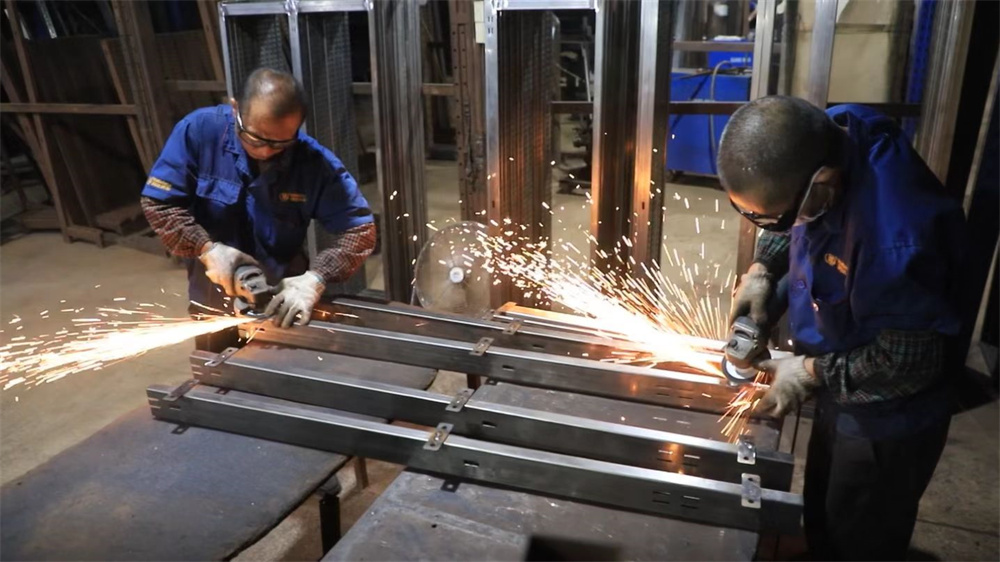
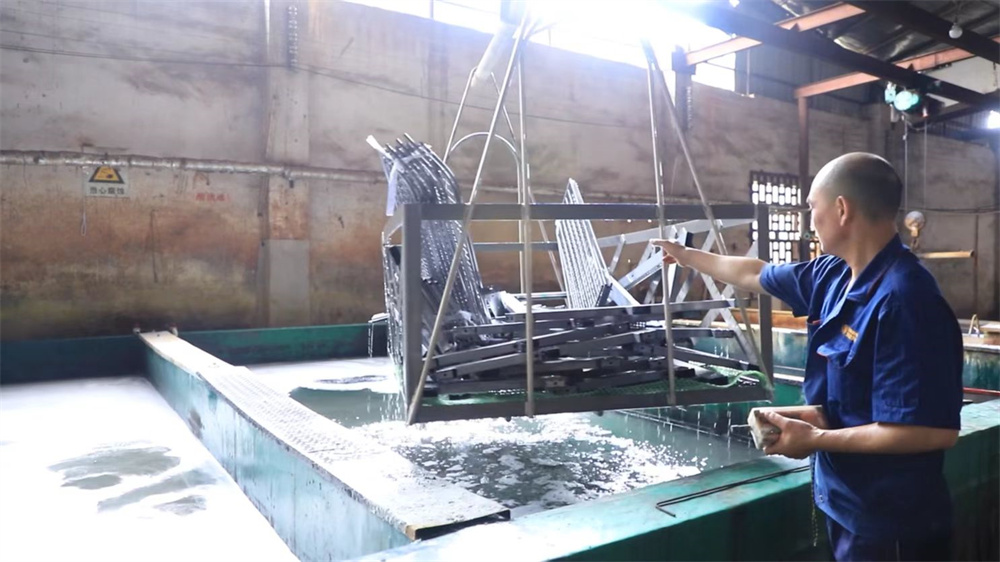
How our custom engineered FIFO racking networks solve the physical constraints of specific global industries.
In refrigerated and deep freeze environments (down to -30°C), storage space is expensive. Our gravity flow rails feature custom low-viscosity internal lubricants and freeze-proof bearings, preventing operational sluggishness and maintaining smooth flow even under high-humidity environments.
To comply with global FDA and GMP standards, medical storage facilities require strict batch isolation and zero product stagnant phases. Our split-roller structures eliminate dust collection pockets, facilitate chemical washdowns, and ensure traceable flow paths.
Assembly facilities require high-density storage near assembly lanes. Our heavy-duty racking systems integrate with Kanban replenishment operations, supplying components to production bays and managing fluctuating load demands without halting operations.
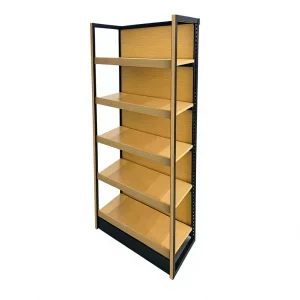
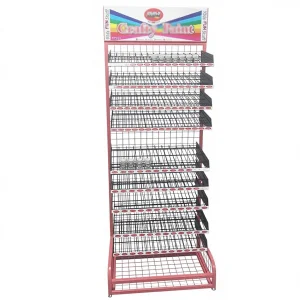
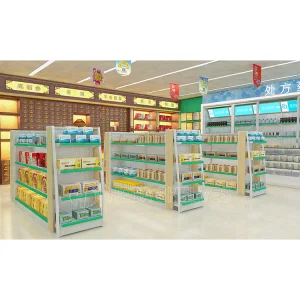
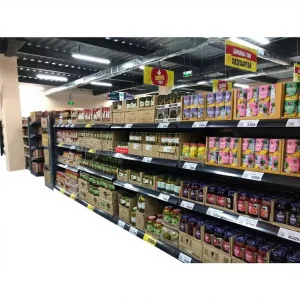
Fast-moving SKU rotation requires dynamic carton flow racks. Our light-duty carton flow and modern double-sided retail racking systems improve picking speed and accuracy, reducing sorting times and minimizing human error during peak demand.
How Chengdu DriveRacks is integrating mechanical structures with automation and smart technologies.
The future of material handling lies in integrating physical racking with digital intelligence. As supply chains adopt Autonomous Mobile Robots (AMRs) and Automated Guided Vehicles (AGVs), traditional racking is transitioning into an active component of automated facilities. Our R&D engineering roadmap focuses on three key areas:
Our teams are refining loading and unloading zones with precision alignments and optical sensors. This allows automated forklifts to deposit and pick up pallets without human operators, reducing cycle times.
By utilizing low-power sensor arrays along the gravity tracks, we track pallet movement speeds and roller vibrations in real time. This data provides maintenance teams with predictive indicators, pinpointing worn rollers before they fail.
To support eco-friendly building standards (such as LEED certification), we have converted our painting lines to utilize zero-VOC, thermosetting epoxies. These coatings provide long-term corrosion resistance without releasing harmful emissions.
Ensuring site compliance, structural safety, and end-to-end engineering support across international markets.
Procuring storage racking from overseas requires adherence to local engineering and building codes. Chengdu DriveRacks ensures compliance with international quality standards, providing seamless integration with local requirements:
Our products conform to standard specifications, including CE marking for European markets, FEM 10.2.02 European Code for design, and RMI standards for the United States. We provide material mill test certificates and full structural calculations with every shipment.
Our engineering department delivers comprehensive DWG and 3D Revit models prior to production. This ensures the proposed layouts align with existing building structures, fire sprinkler runs, and column locations, preventing installation delays.
Through our network of partners and distributors across Europe, North America, the Middle East, and Australia, we offer onsite installation supervision and professional engineering sign-offs, ensuring compliance with local codes.
Addressing technical, structural, and procurement inquiries from warehouse engineers and procurement managers.
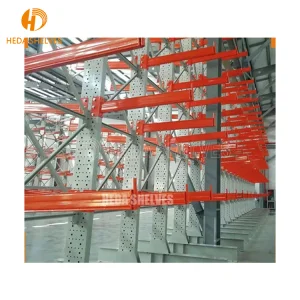
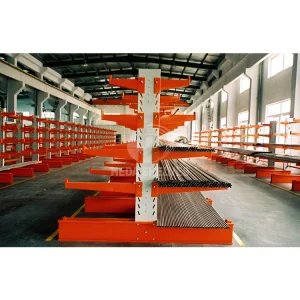
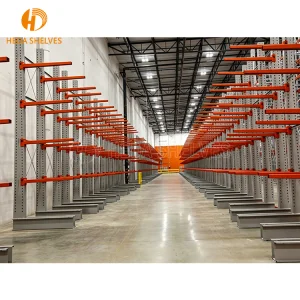
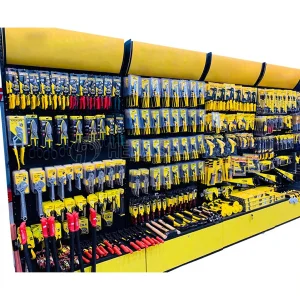
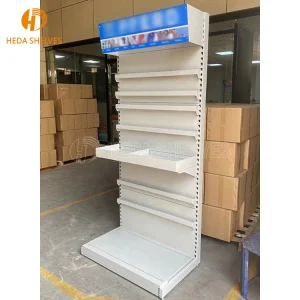
Flexible industrial and commercial storage solutions designed for specialty loads, tools, and pharmacy operations.
 DriveRacks