Engineered structural systems built to withstand high static loads, seismic vibrations, and harsh industrial environments.
How automation, material sciences, and regional disruptions are changing the structural blueprint of modern warehousing.
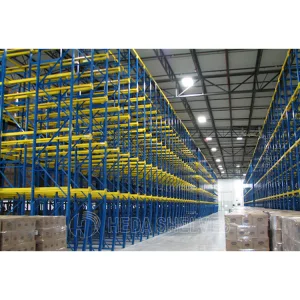
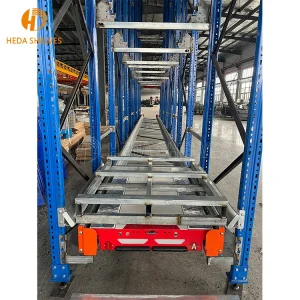
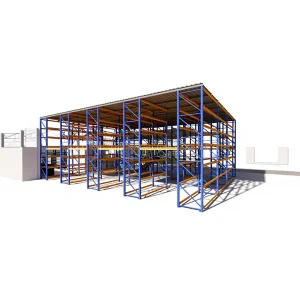
In modern industrial logistics, floor area is one of the most expensive assets. Global trends are shifting rapidly away from traditional selective racking towards dynamic high-density systems. Warehouse operators are aggressively implementing Automated Storage and Retrieval Systems (AS/RS), radio shuttle racking, and multi-tier mezzanines. By utilizing vertical warehouse spaces up to 30 meters high, companies are expanding volumetric efficiency by over 80%. This architectural evolution requires heavy-duty storage racks constructed with superior yield strengths to ensure continuous structural integrity under massive dynamic loads.
High-grade structural steel is the backbone of heavy-duty warehouse infrastructure. International procurement teams now mandate strict compliance with global standards, such as Europe’s FEM 10.2.02 (Design Code for Pallet Racking), the Rack Manufacturers Institute (RMI) specifications in North America, and Australia’s AS4084-2012. Choosing the right steel grade—such as Q235B vs. high-yield Q355B—determines safety factors, dynamic resistance, and longevity. Modern factories must execute raw material tensile tests and chemical compositions testing to guarantee that cold-formed steel uprights and box beams can support dynamic mechanical stresses without failing.
Geopolitical challenges and shipping fluctuations have made supply chain resilience a primary metric for industrial sourcing. The demand is surging for modular, boltless racking systems that can be rapidly modified, expanded, or relocated. Standardized modular configurations shorten engineering lead times, streamline freight container load utilization, and simplify on-site assembly, making fast international deployments highly cost-effective.
Industrial storage engineering, manufacturing capability, and certified global supply infrastructure.
Established in 2017, Chengdu DriveRacks Industrial Technology Co., Ltd. operates a state-of-the-art 42,000 m² manufacturing plant dedicated to advanced material handling and heavy-duty storage infrastructure. Delivering $35 million in annual export revenue, we bring 9 years of deep industry expertise and 6 years of international trade operations. Quality is integral to our process; our team of 30 certified inspectors executes rigorous raw material tensile testing and automated powder-coating thickness audits. Serving high-growth markets across the Middle East, Latin America, and Oceania, DriveRacks leverages a robust ecosystem of 1,200 supply chain partners. We primarily serve enterprise warehouse operators, e-commerce fulfillment hubs, and heavy equipment manufacturers. Powered by 110 skilled R&D engineers focusing on smart automation and high-density racking design, we released 250 dynamic product iterations last year and provide comprehensive customization spanning rack dimensions, seismic ratings, and surface treatments.
17-stage integrated production matrix executing high-precision fabrication of heavy-duty storage profiles.
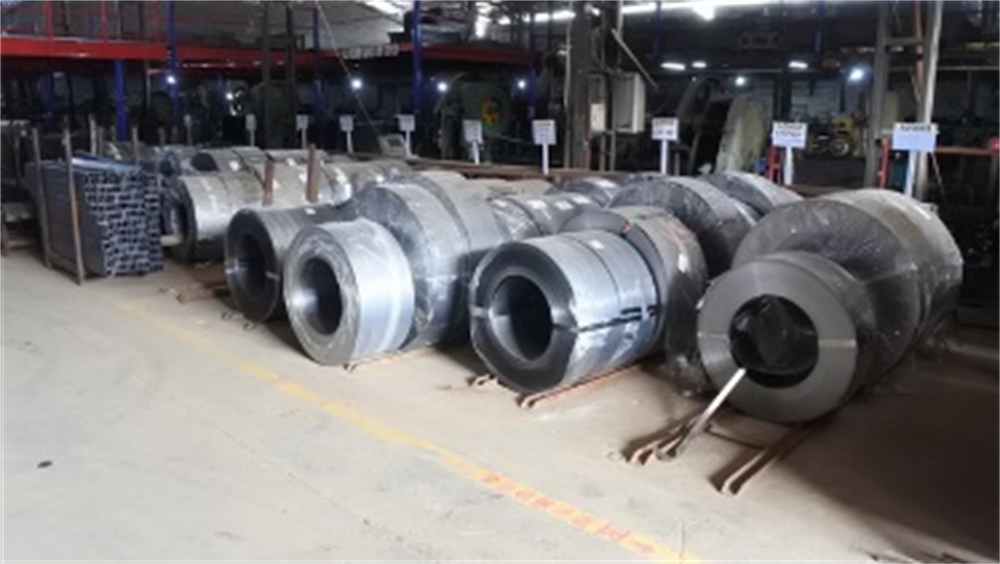
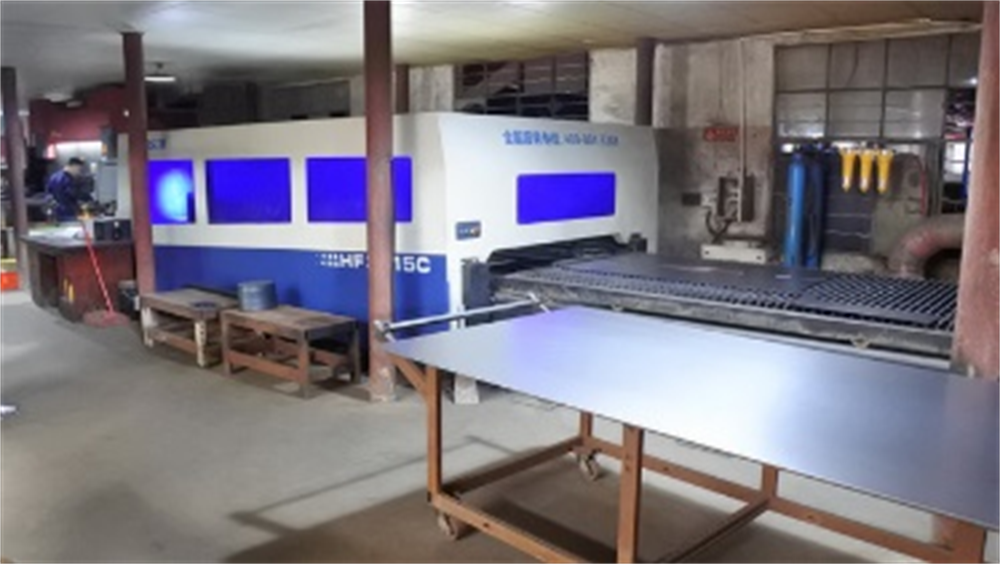
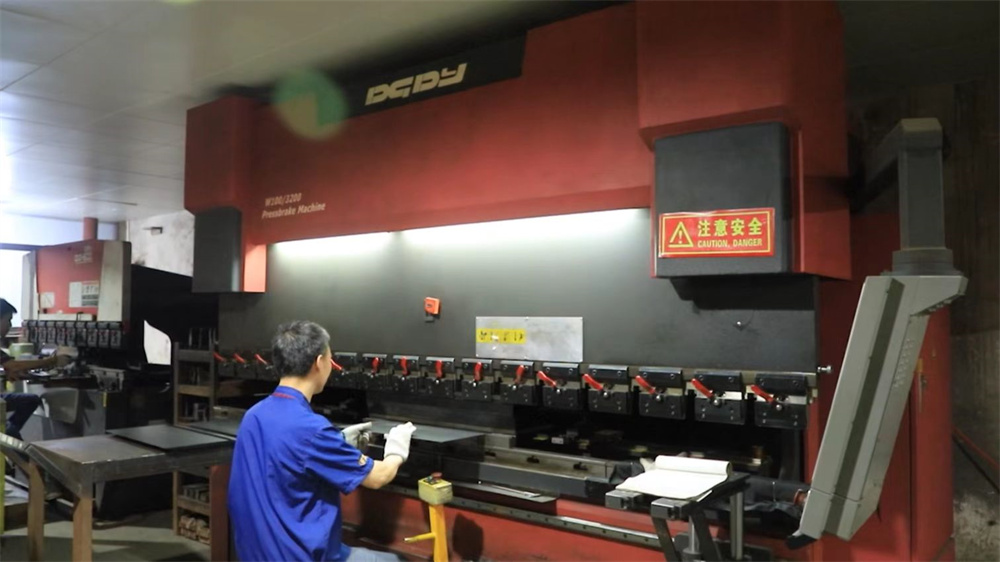
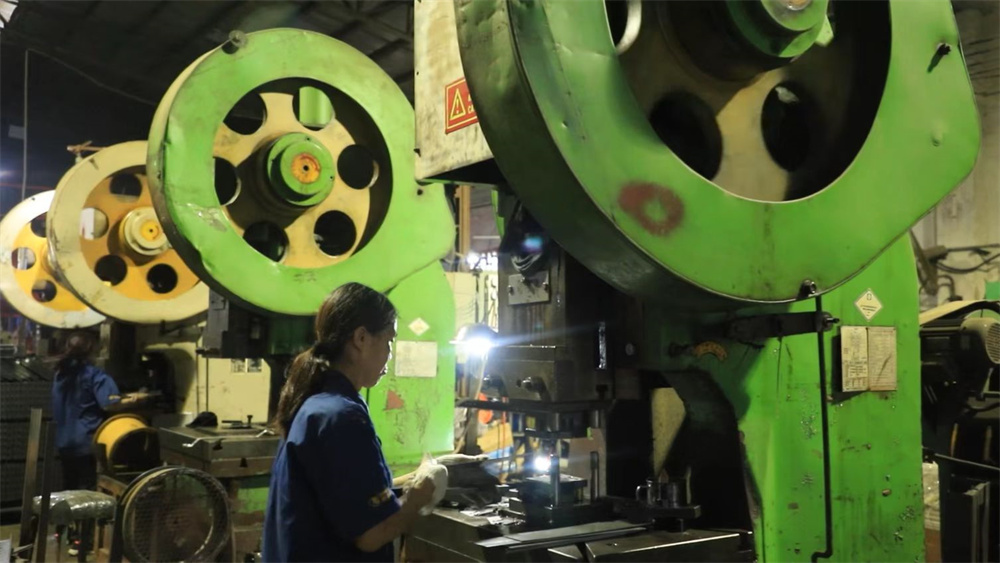
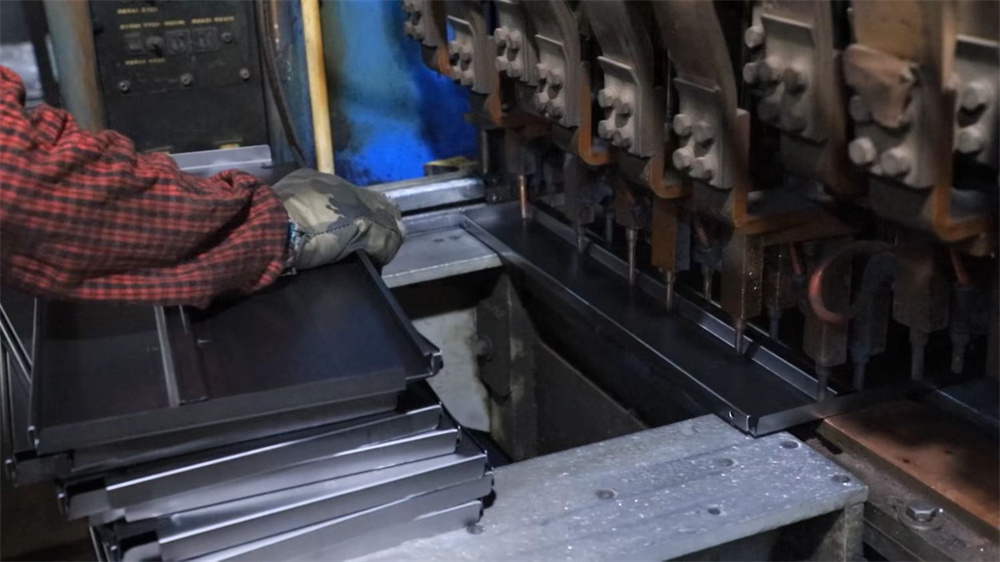
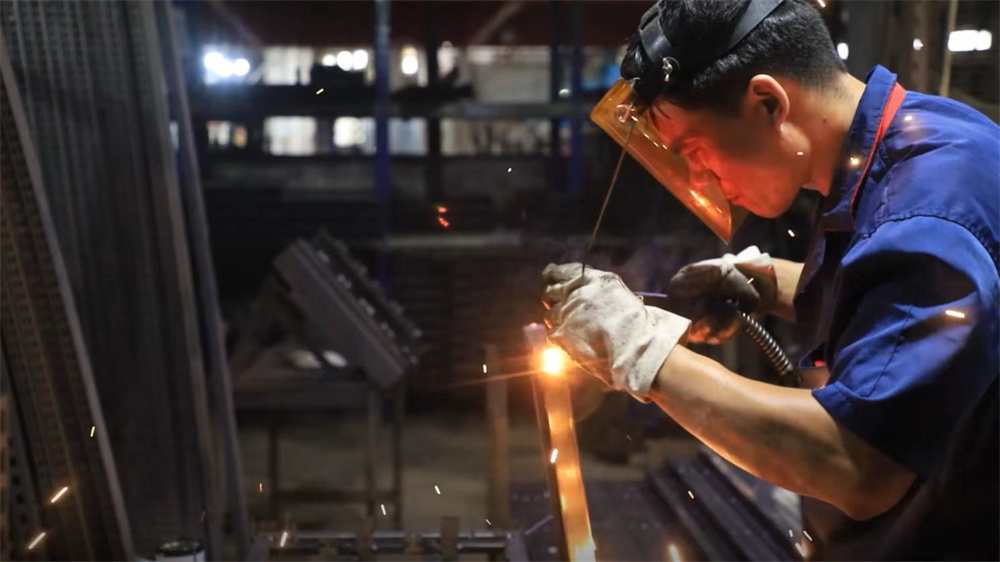
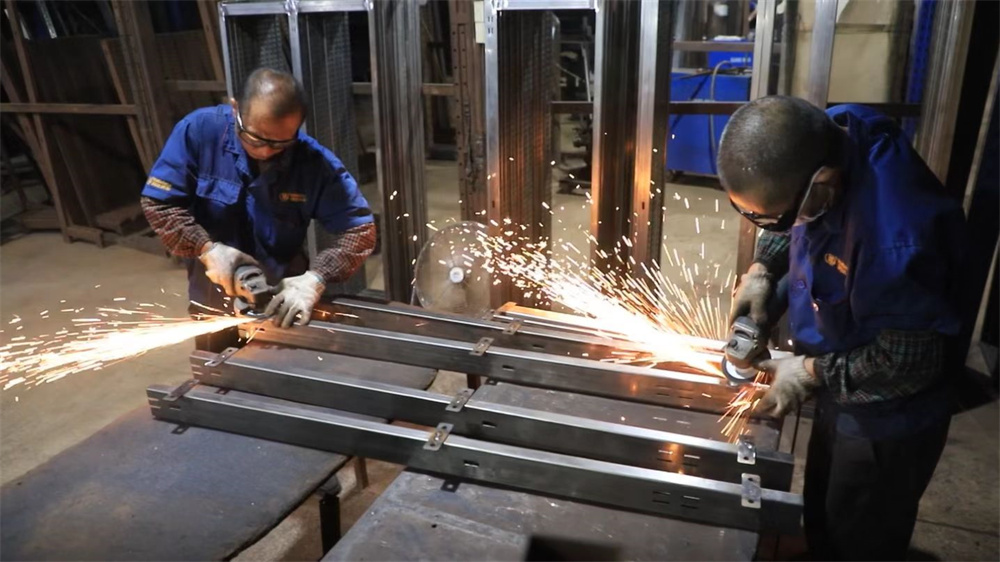
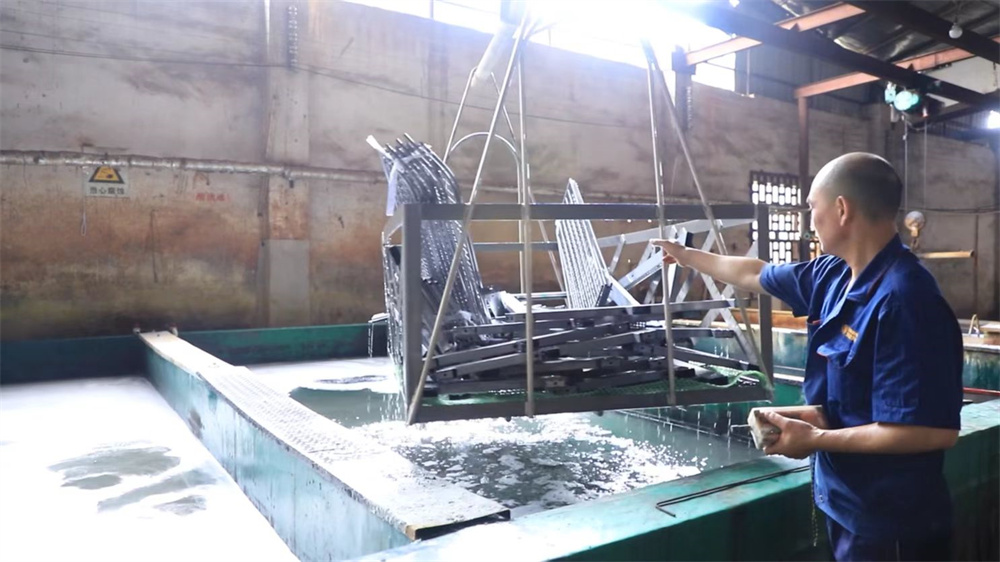
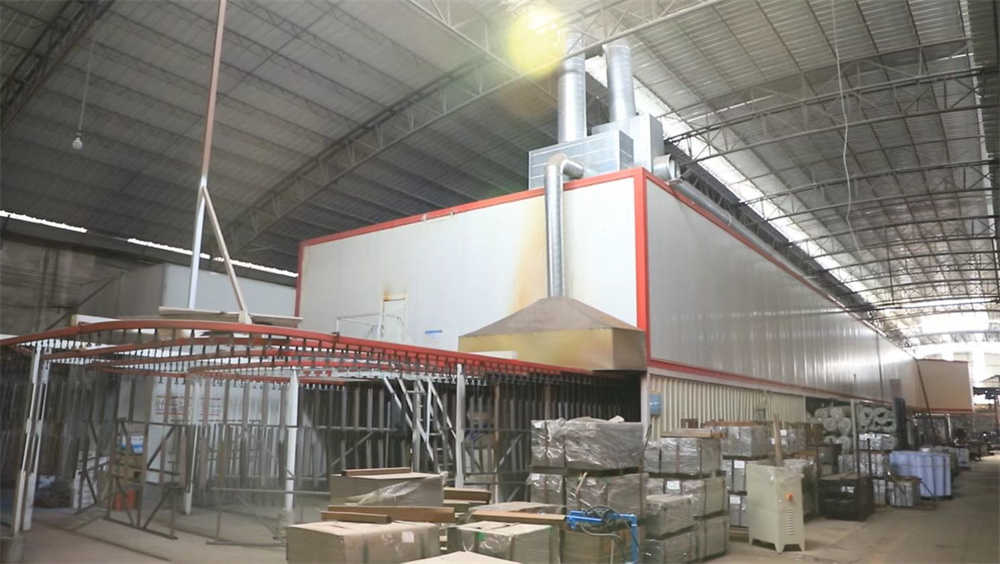
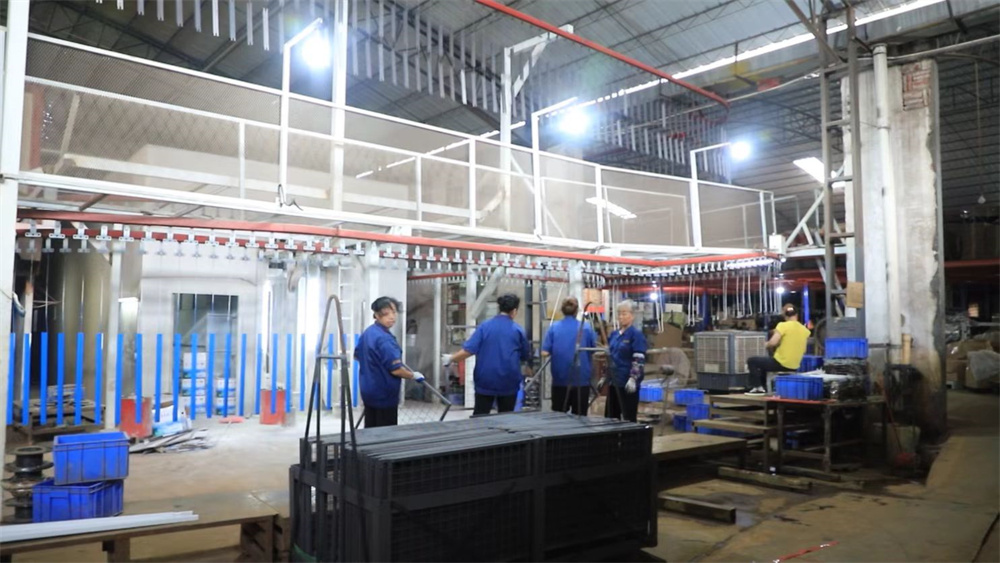
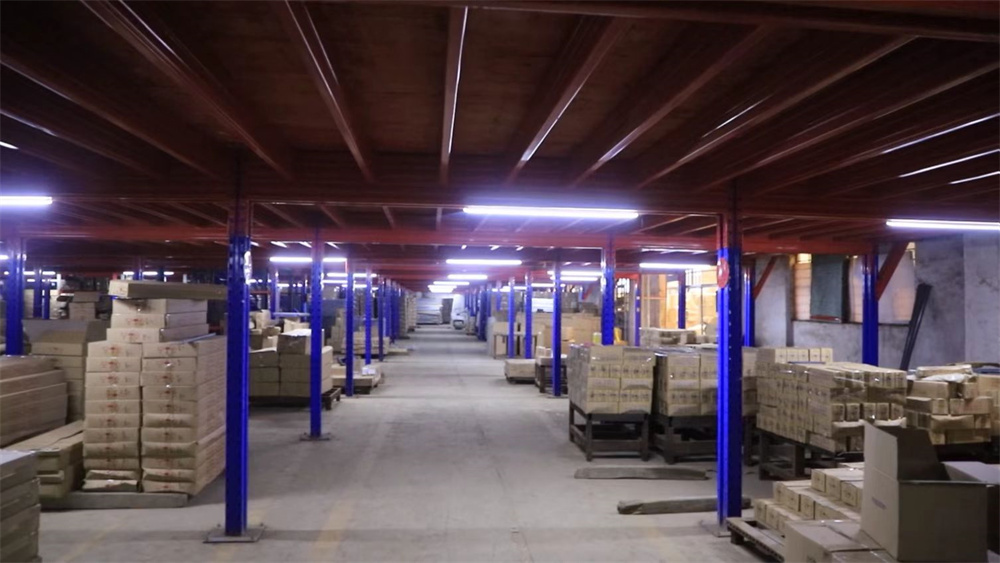
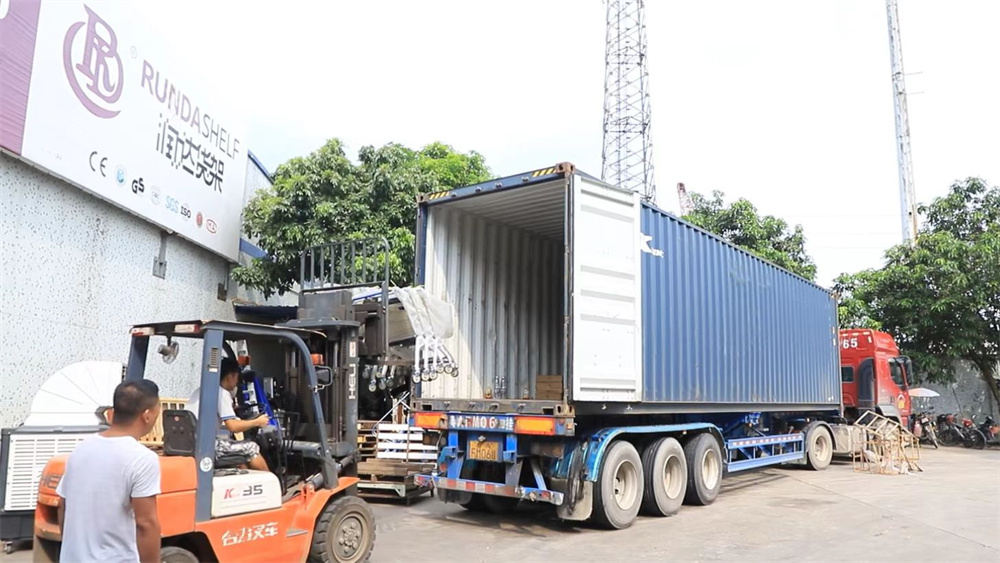
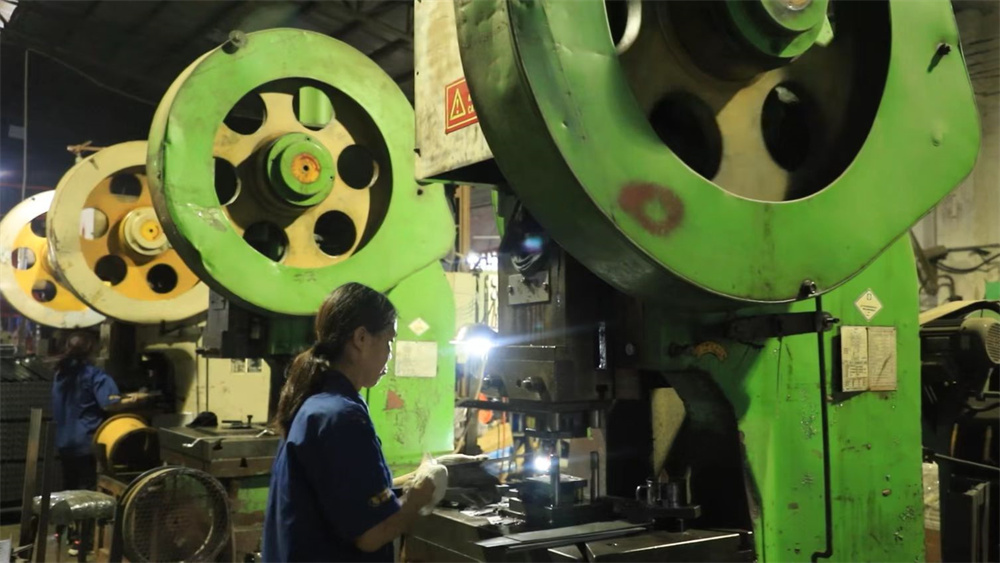
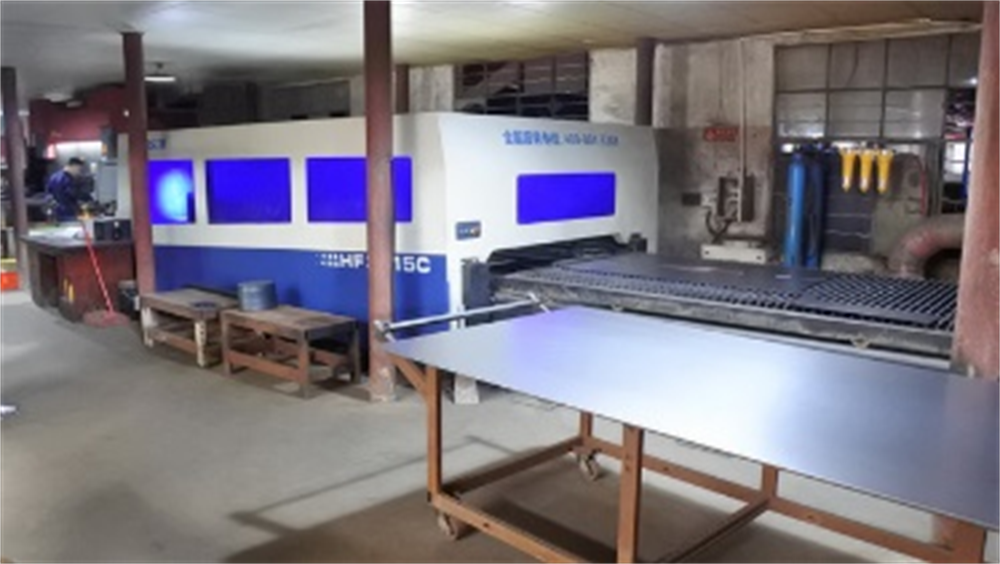
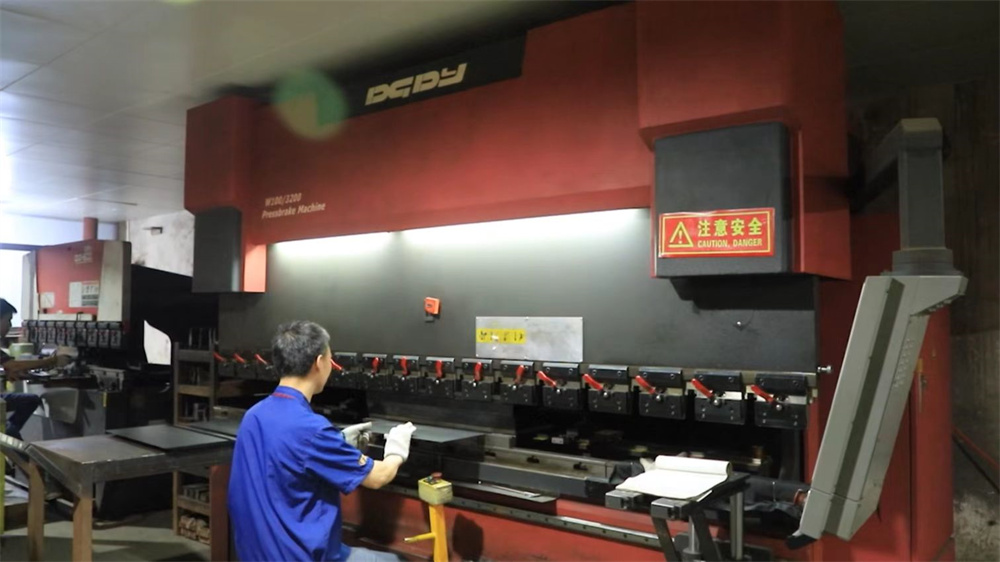
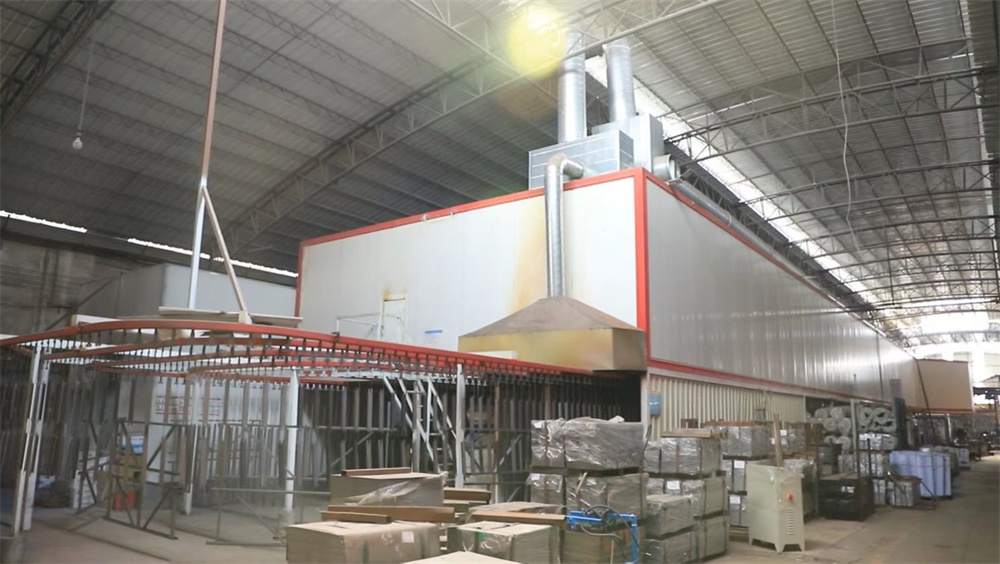
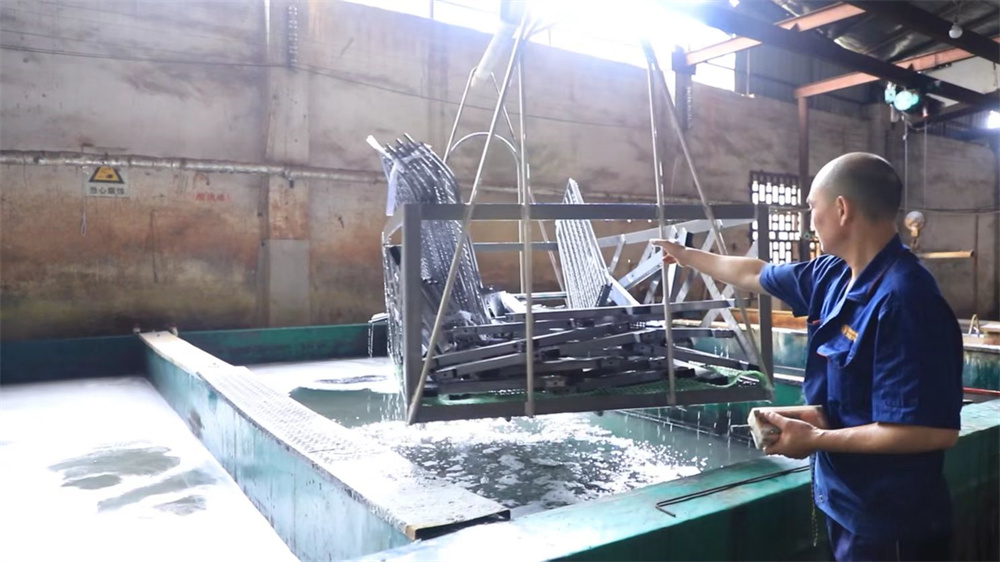
Combining heavy metallurgical vertical integration with automated fabrication technologies.
DriveRacks sources hot-rolled steel coils directly from China's leading state-owned steel mills, such as Baosteel and Ansteel. By managing raw materials from the mill phase, we ensure that every batch of steel displays consistent mechanical properties. Our in-house chemical assaying laboratories screen for sulfur and phosphorus impurities, keeping these embrittling elements below 0.035%. This precise control delivers reliable structural performance during high-strain cold-rolling processes.
Our upright manufacturing lines use computerized, multi-station roll-forming equipment integrated with dynamic flying shears. Raw steel coils are continuously uncoiled, precision-punched, and cold-rolled into structural shapes without manual intervention. This continuous process limits dimensional variations to within ±0.5 mm over a 12-meter upright profile, ensuring clean beam connector alignment and simple installation on-site.
Load-bearing components, including base plates and beam connectors, are joined using multi-axis OTC welding robots. Robotic welding maintains uniform penetration depths and eliminates defects like porosity or undercutting. Each weld undergoes ultrasonic testing to confirm full structural integrity before passing to the finishing stage.
To guard against industrial corrosion, components undergo a comprehensive pre-treatment process involving chemical degreasing, zinc-phosphate conversion coating, and multiple stages of pure-water rinsing. Components are then finished in an automated electrostatic powder-coating line using durable thermosetting polyester powder. Baked at 200°C, this process yields a non-porous, impact-resistant finish with an average thickness of 60 to 80 microns, easily withstanding forklift impact and chemical cleaning agents.
| Steel Grade Standard | Yield Strength (Fy) | Tensile Strength (Fu) | Elongation Capacity | Optimal Industrial Application |
|---|---|---|---|---|
| Q235B (GB/T 700) | ≥ 235 MPa | 370 - 500 MPa | ≥ 26% | Standard selective racking, retail display platforms, light-duty mezzanines. |
| Q355B (GB/T 1591) | ≥ 355 MPa | 470 - 630 MPa | ≥ 22% | Heavy-duty A-SRS, high-bay drive-in racks, structural mezzanine floors. |
| SS400 (JIS G3101) | ≥ 245 MPa | 400 - 510 MPa | ≥ 21% | General industrial shelving, cantilever columns, warehouse accessory supports. |
Custom-engineered configurations built to match specific operational demands and environmental constraints.
Temperatures in cold chain facilities drop to -30°C, which can cause standard structural carbon steel to become brittle. DriveRacks designs specialized storage solutions using low-temperature alloy steels combined with modified powder coatings to prevent micro-cracking, maintaining structural safety and load capacities in sub-zero environments.
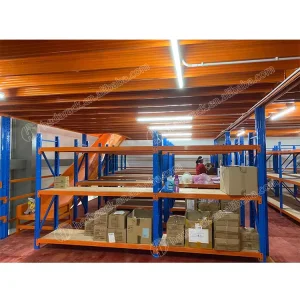
E-commerce fulfillment centers require efficient processing of multi-SKU inventory. We construct multi-level steel mezzanine systems integrated with active conveyor lines and spiral chutes. These modular configurations separate picking zones from replenishment lanes, maximizing horizontal and vertical space efficiency.
Heavy industrial components require massive static load capacities. For seismic-prone regions, our engineers perform finite element analysis (FEA) to design oversized base plates, heavy-duty brace nodes, and high-tensile anchor configurations that meet local seismic safety standards.
In-depth answers to common engineering, compliance, and custom design questions.
Premium structural steel products designed for high load capacities and long-term durability.
 DriveRacks