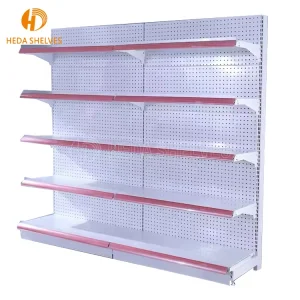
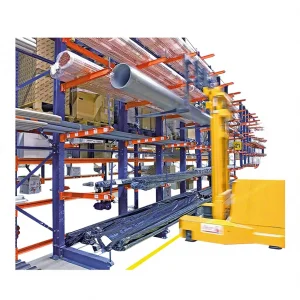
Engineered for extreme structural integrity, high load-bearing efficiency, and seamless spatial optimization across global logistics networks.
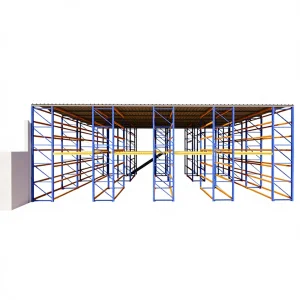
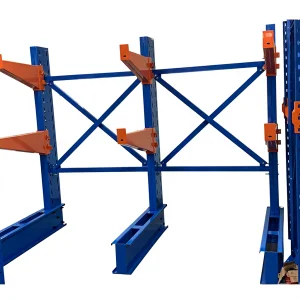
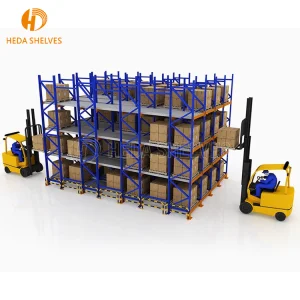
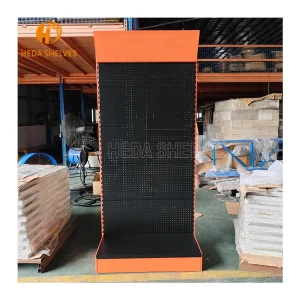
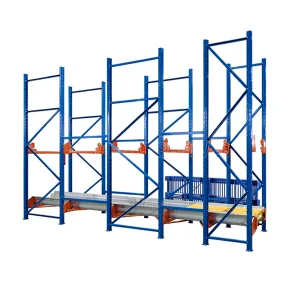
In the high-velocity logistics corridors of the 21st century, static racking is no longer a viable architectural choice. The explosion of global SKU profiles, combined with the real-estate constraints of metropolitan fulfillment networks, has elevated the status of adjustable shelving from simple utility hardware to a critical component of dynamic floor plans. As supply chains adapt to sudden market fluctuations, the capacity to rapidly reconfigure internal bay clearances without disrupting structural integrity constitutes a major competitive advantage.
Adjustable storage systems act as the primary interface between automated handling devices and raw physical inventory. Highly configured racking panels, dynamic boltless systems, and heavy-duty industrial cantilevers must absorb dynamic stresses from high-speed forklifts and automated shuttle units. Material fatigue, structural deflection, and local buckling represent constant threats. The structural engineering driving adjustable shelving today requires precision roll-forming, finite element analysis (FEA), and strict compliance with global safety standards, including FEM 10.2.02 (European Federation of Materials Handling) and the RMI (Rack Manufacturers Institute) standard specifications.
"Spatial optimization is not merely about volume; it is about adaptive density. Modern adjustable shelving allows dynamic configurations that align structural integrity with real-time SKU height profiling." — Technical R&D Division, DriveRacks
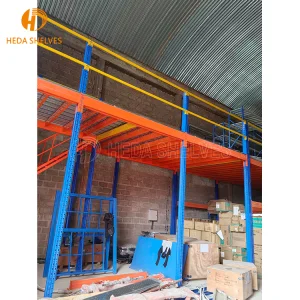
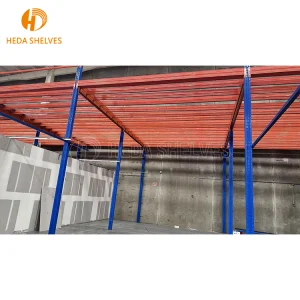
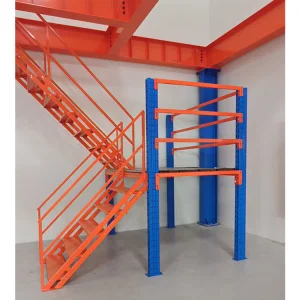
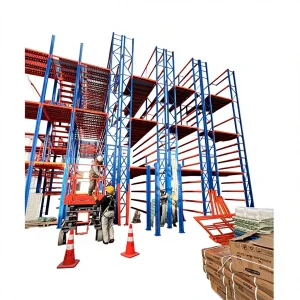
The structural design must also accommodate vertical expansion. Multi-tier mezzanine floor integrations utilize existing vertical space to double or triple total surface capacity without expanding the outer building footprint. These steel structural platforms integrate floor slabs directly onto the upright posts of heavy-duty adjustable shelving systems, presenting a unified structural response to load distributions, seismic forces, and localized dynamic stress.
Global B2B procurement professionals face several complex challenges when sourcing adjustable shelving. They must manage the total cost of ownership (TCO) while ensuring complete compliance with local building codes, fire safety guidelines, and seismic parameters. A high-density storage rack is a structural steel framework; any engineering failure can lead to severe operational delays, structural collapse, and liability issues.
Procurement requirements vary significantly by vertical sector:
To mitigate supply chain volatility, international buyers are shifting away from transactional purchasing toward strategic partnerships with highly integrated manufacturing hubs. These key partners must demonstrate deep engineering expertise, structural design software capabilities (such as AutoCAD and SolidWorks FEA), and the capacity to deliver certified physical test results for load limits, tensile strengths, and coating durability.
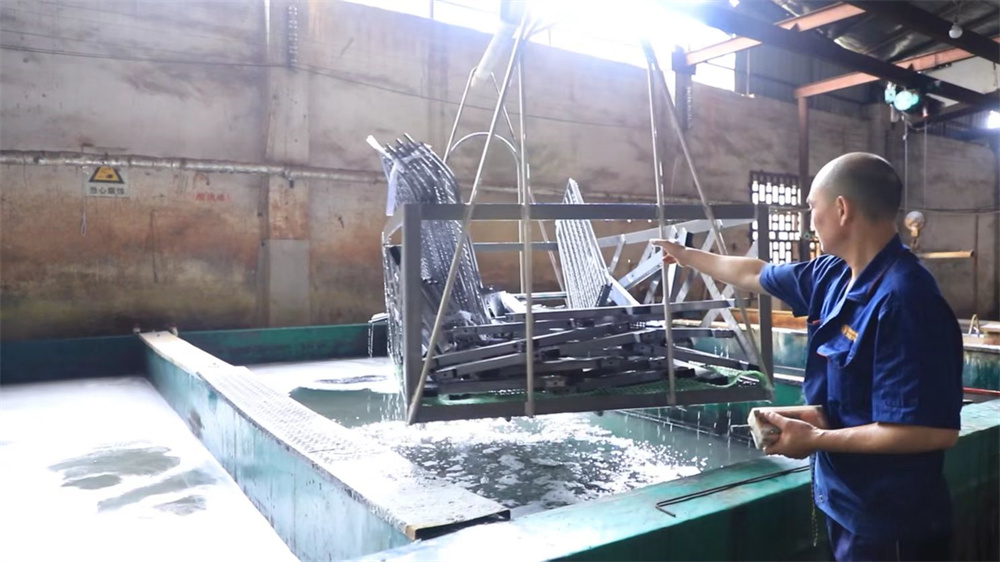
Established in 2017, Chengdu DriveRacks Industrial Technology Co., Ltd. operates a state-of-the-art 42,000 m² manufacturing plant dedicated to advanced material handling and heavy-duty storage infrastructure. Delivering $35 million in annual export revenue, we bring 9 years of deep industry expertise and 6 years of international trade operations. Quality is integral to our process; our team of 30 certified inspectors executes rigorous raw material tensile testing and automated powder-coating thickness audits. Serving high-growth markets across the Middle East, Latin America, and Oceania, DriveRacks leverages a robust ecosystem of 1,200 supply chain partners. We primarily serve enterprise warehouse operators, e-commerce fulfillment hubs, and heavy equipment manufacturers. Powered by 110 skilled R&D engineers focusing on smart automation and high-density racking design, we released 250 dynamic product iterations last year and provide comprehensive customization spanning rack dimensions, seismic ratings, and surface treatments.
| Industrial Attribute | Technical Benchmark / Value | Operational Compliance Standard |
|---|---|---|
| Steel Sheet Sourcing | Q235B / Q355B Grade Cold-Rolled Carbon Steel | GB/T 700 / GB/T 1591 Structural Integrity |
| Roll-Forming Thickness | 1.5mm - 3.5mm Upright profiles, 1.5mm - 2.5mm Beams | EN 10162 Roll Form Tolerances |
| Welding Operations | Robotic CO2 Gas Shielded Automated Welding | AWS D1.1 Structural Welding Code - Steel |
| Coating Thickness | 60 to 80 microns Epoxy-Polyester Powder Coating | ISO 2409 Cross-Cut Adhesion Testing (Grade 0) |
| Deflection Limits | L/200 maximum deflection under dynamic rated loads | FEM 10.2.02 / RMI Design Standards |
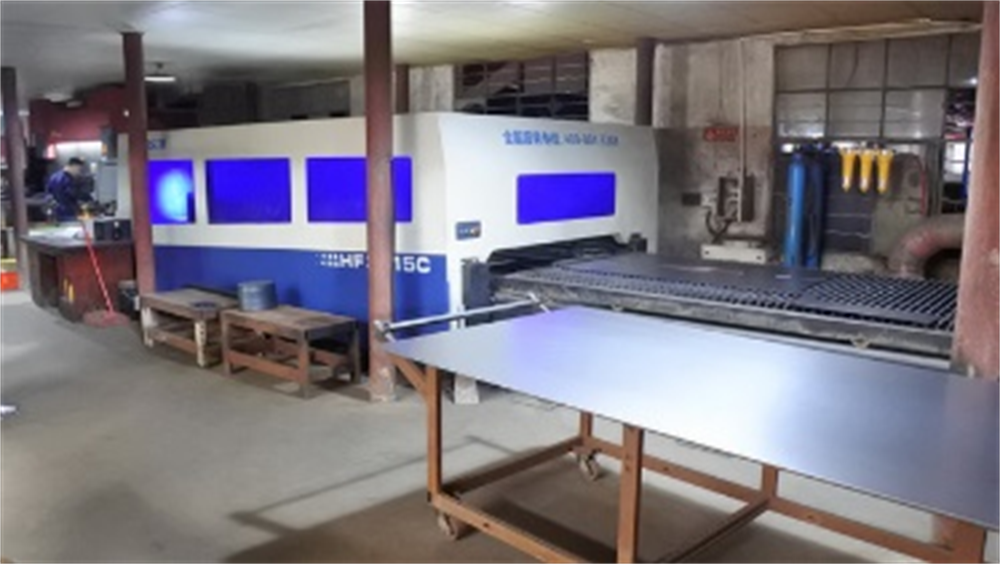
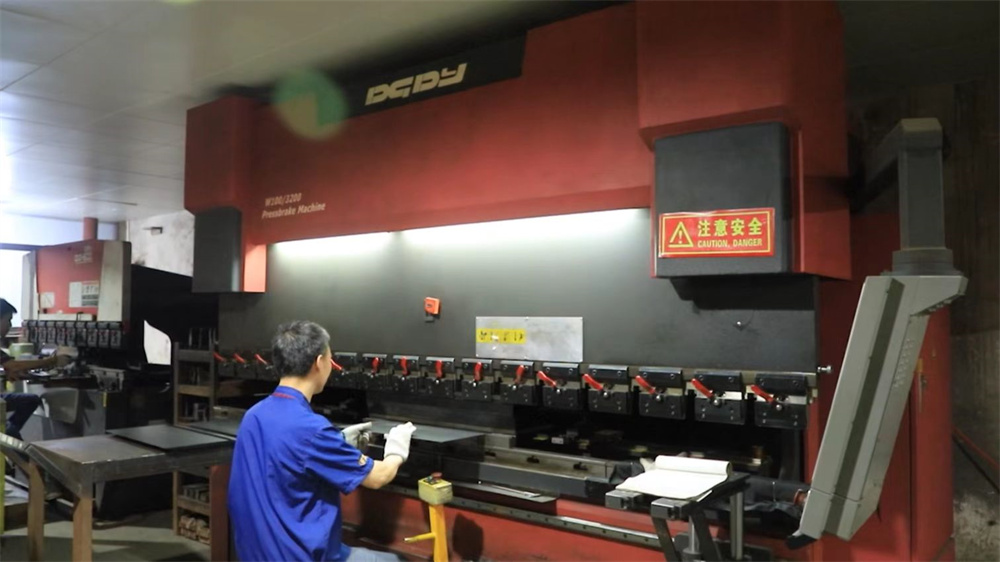
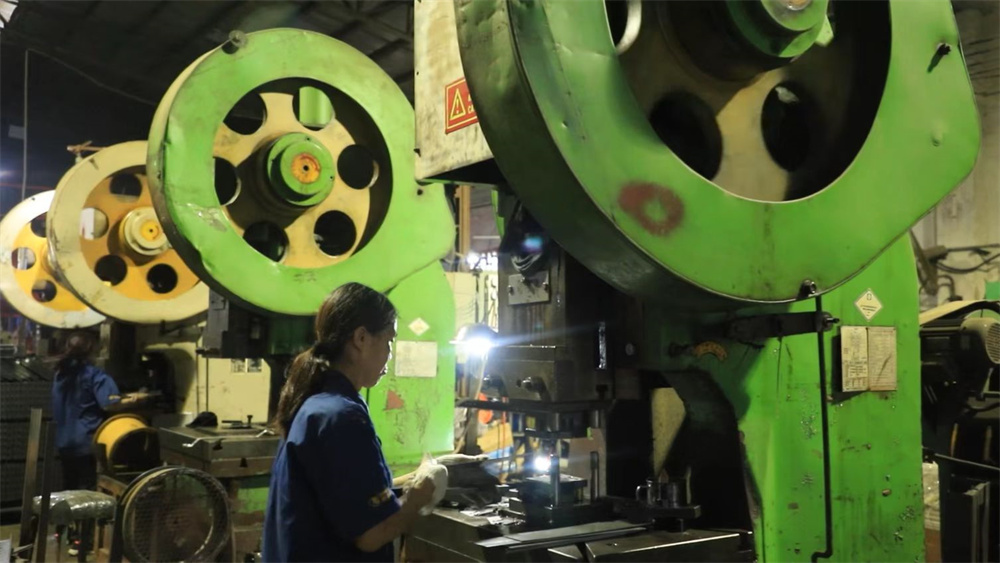
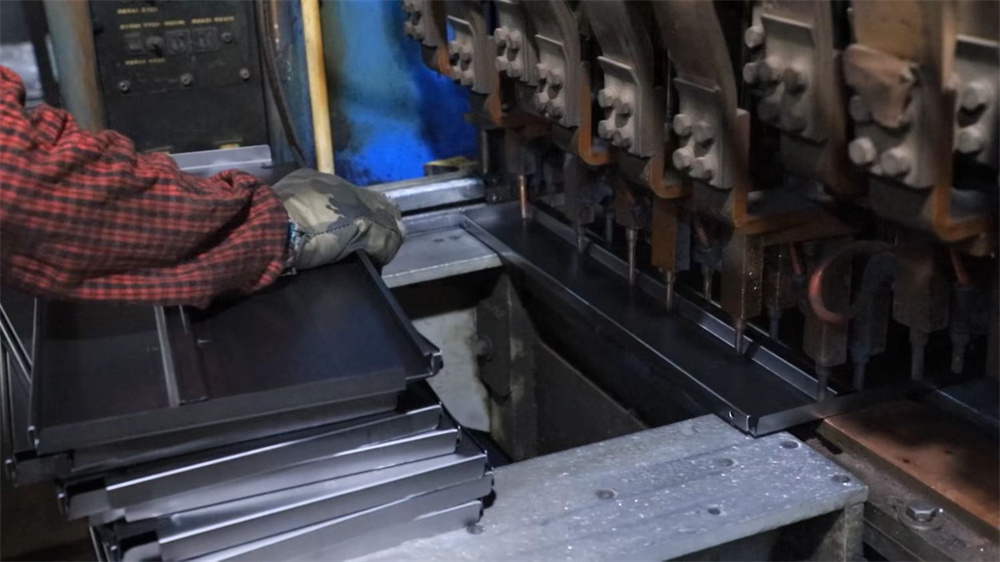
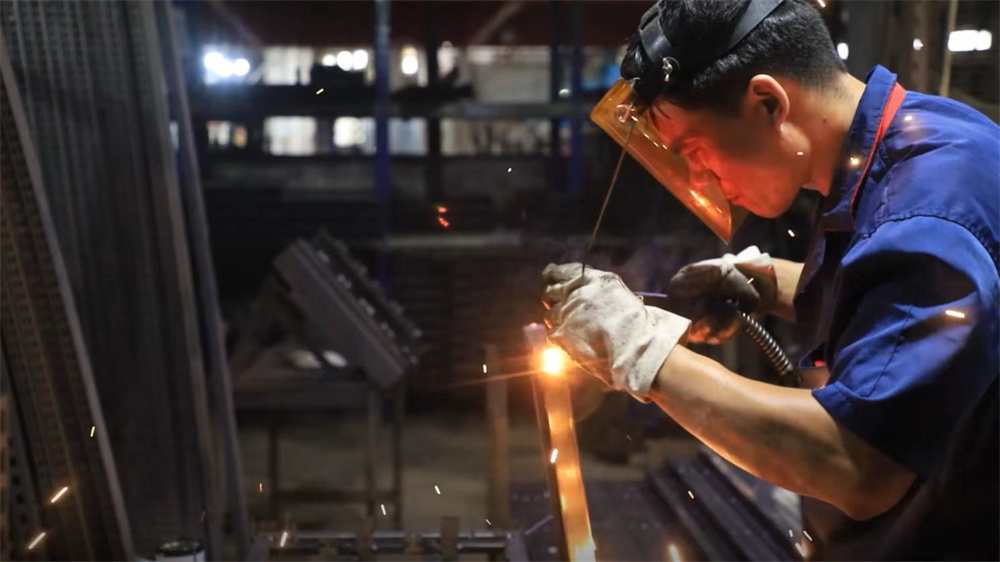
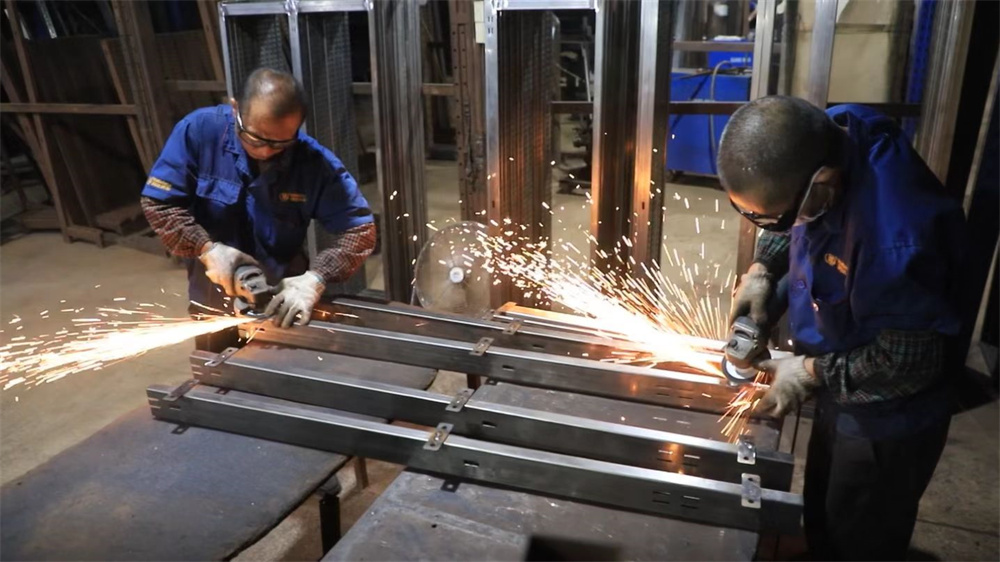
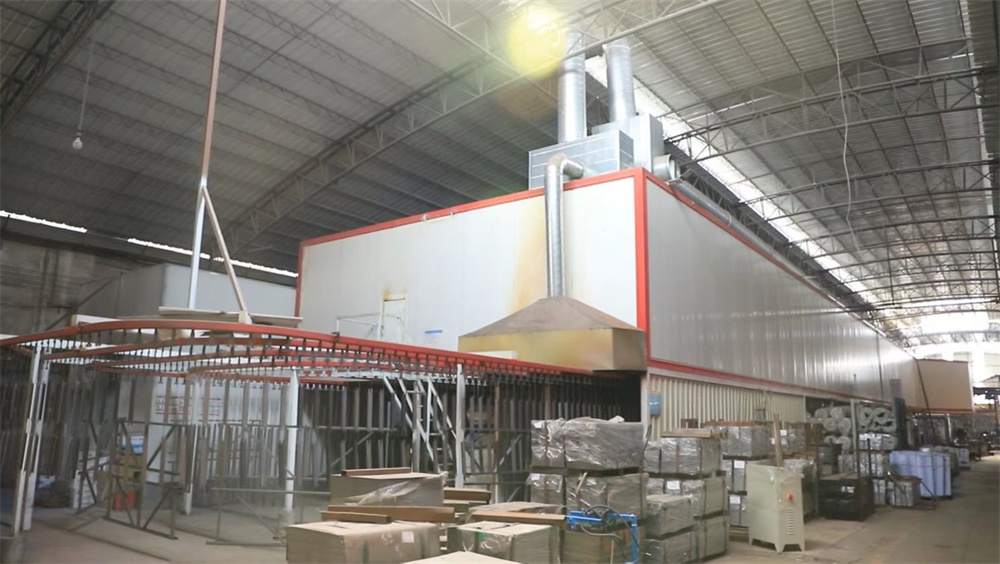
China's Factory 4.0 evolution combines advanced robotics with close vertical integration of the raw material supply chain. Chengdu DriveRacks utilizes automated production cells, precision laser cutters, and robotic welding stations to achieve consistent dimensional accuracy. This automated setup ensures that key components, including structural uprights, box beams, and hook connectors, lock together with minimal friction and zero alignment error.
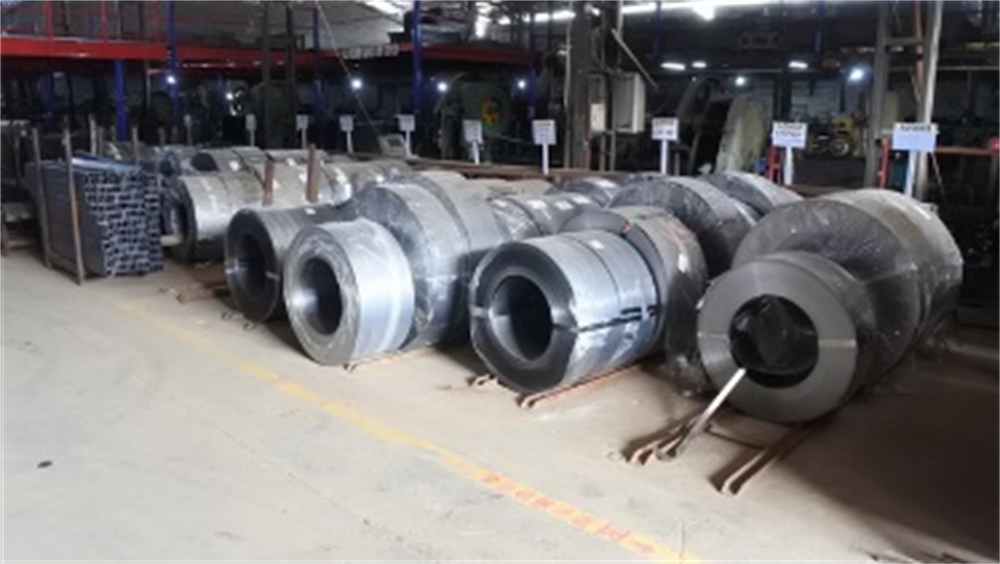
Every stage of our 16-step manufacturing process is monitored by certified inspectors to guarantee structural reliability and consistent quality:
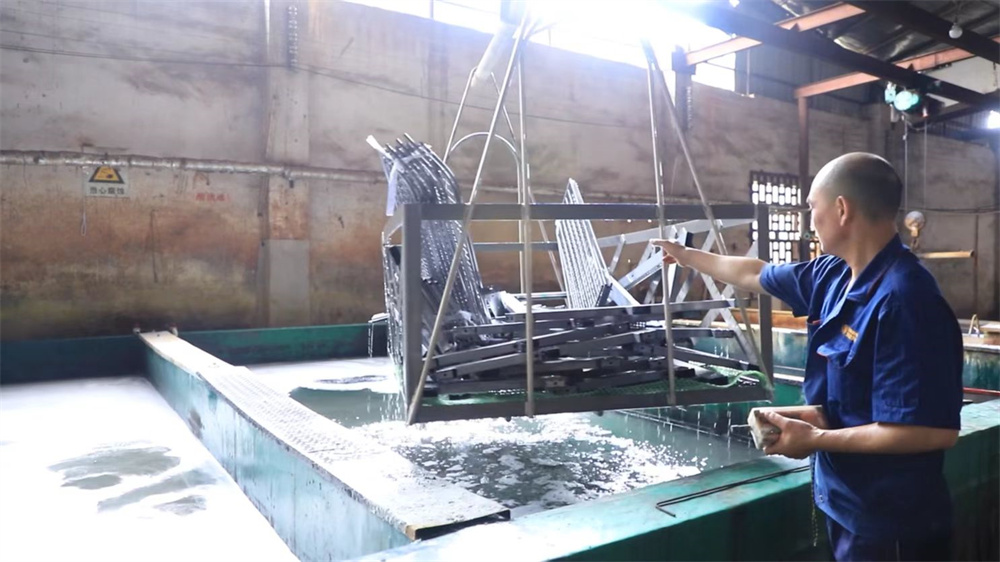
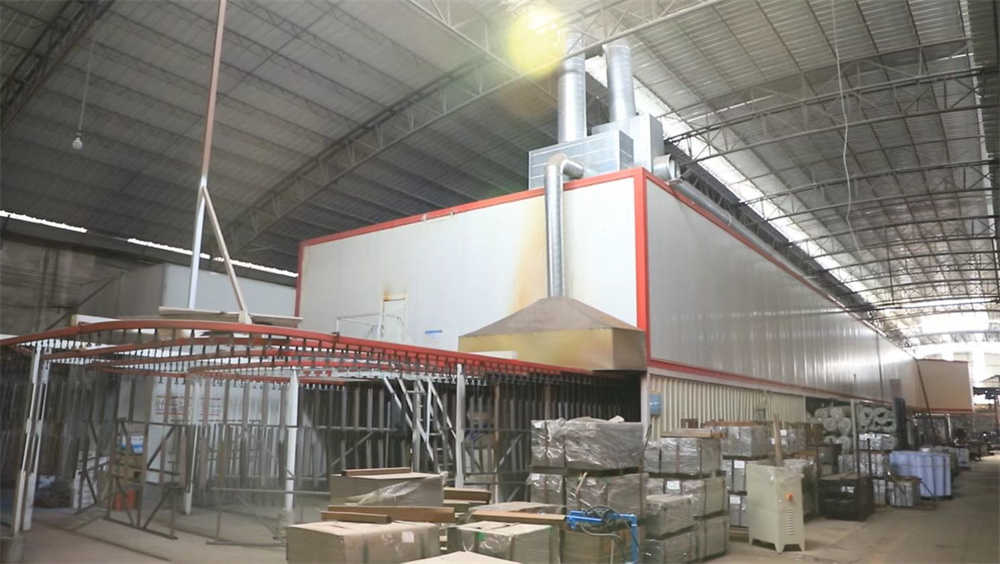
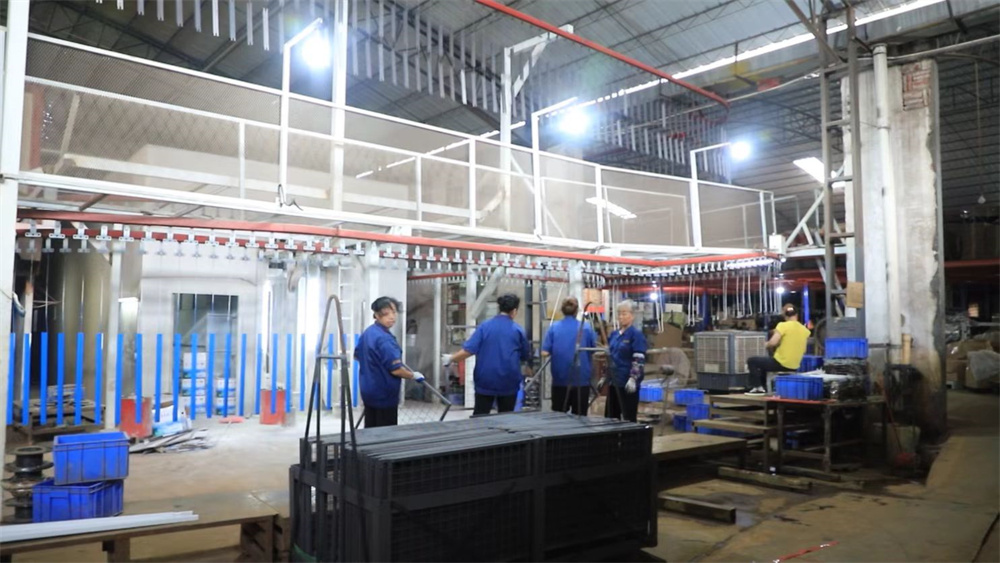
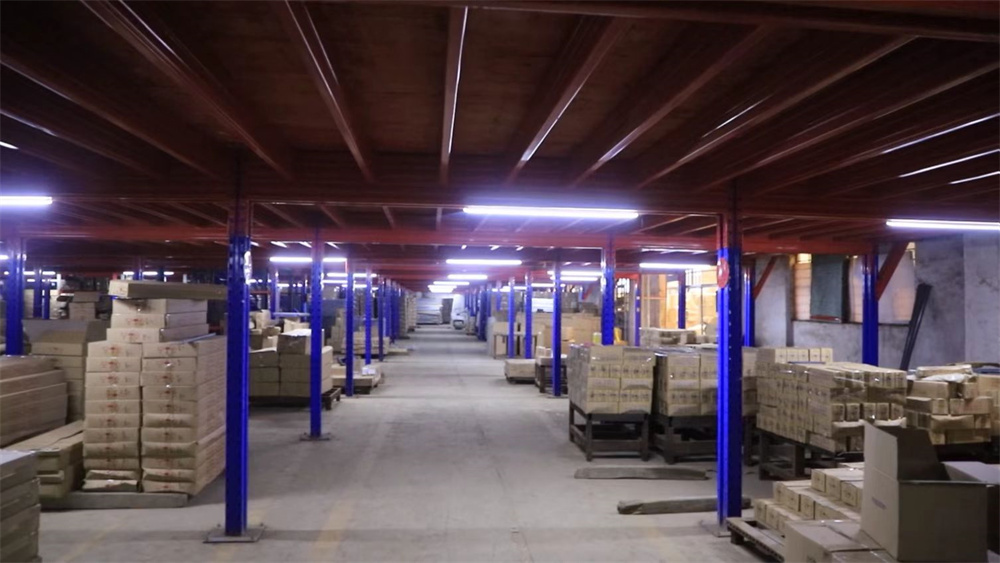
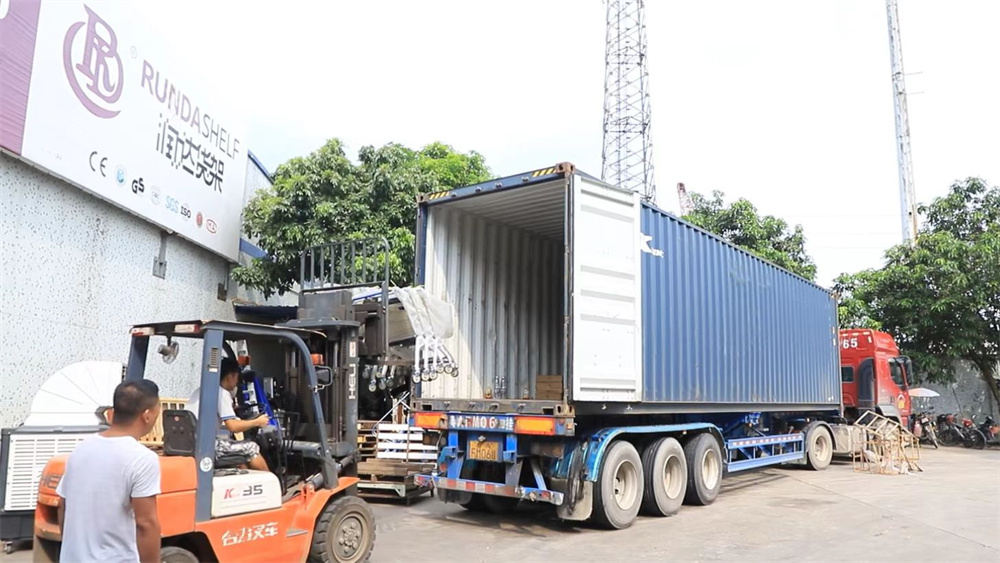
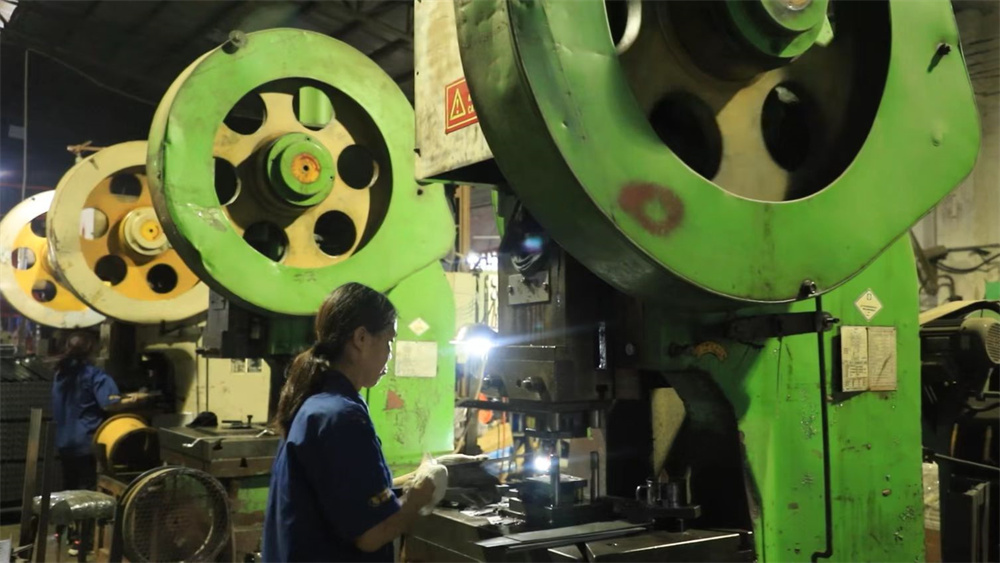
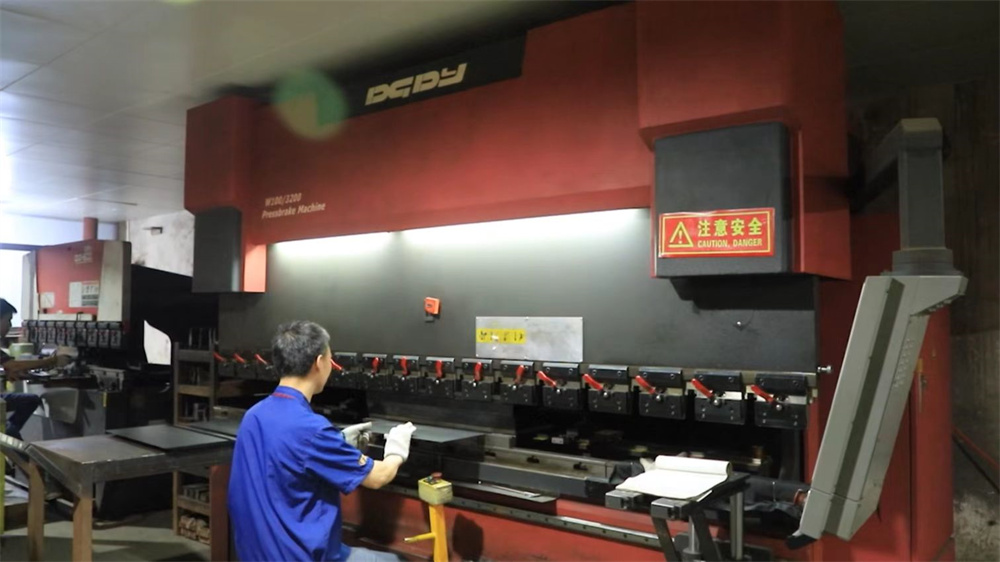
Industrial storage infrastructure must withstand a wide range of operational conditions. Temperature, humidity, seismic activity, and local material standards differ significantly across target regions:
In regions like the GCC, adjustable shelving systems must withstand high ambient temperatures and dry, dusty environments. The finish of the powder coating is critical. DriveRacks utilizes high-durability epoxy-polyester powder coats cured at over 200°C. This ensures the steel is protected against environmental oxidation, rust, and surface abrasion from airborne particles, maintaining long-term structural reliability in harsh climates.
Australia and New Zealand mandate compliance with AS 4084 (Steel Storage Racking). These standards require specific tolerances for vertical deflection and impact absorption. Adjustable upright columns must feature heavy-duty baseplates secured to the concrete slab with certified mechanical expansion anchors. This anchor configuration ensures the racking system can handle localized forklift impacts and minor structural movement without failure.
For seismic zones along the Pacific Ring of Fire, static structural calculations are insufficient. Dynamic seismic factors must be integrated into the upright profile designs. DriveRacks engineers use customized base assemblies, additional bracing configurations, and high-tensile Q355B structural steel to absorb seismic energy. This design prevents collapse during ground acceleration, keeping high-density storage assets safe.
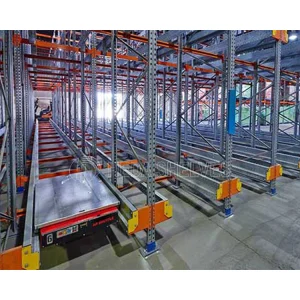
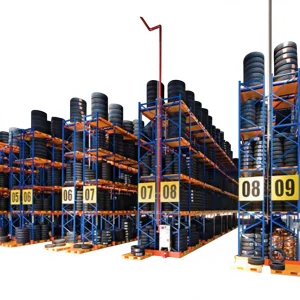
The logistics industry is transitioning toward automated storage and retrieval systems (AS/RS). Modern adjustable racking functions as the structural frame for automated components, such as radio shuttles, cranes, and automated guided vehicles (AGVs). This level of automation requires strict dimensional tolerances, as minor misalignments can disrupt sensor readings and trigger system emergency stops.
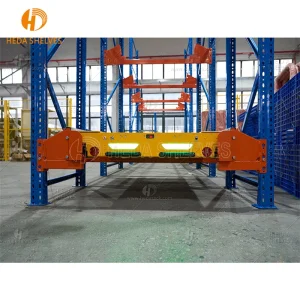
DriveRacks specializes in high-density automated shuttle systems, including 4-way and 2-way radio shuttles. These systems feature heavy-duty guide rails integrated directly into the racking beams. This configuration allows automated shuttle units to run smoothly along the rack depth, managing stock under FIFO (First-In, First-Out) or LIFO (Last-In, First-Out) protocols. High-precision laser cutting and computerized punch presses ensure the necessary structural accuracy to support automated handling systems.
Technical details and procurement specifications for global engineers and supply chain managers.
We use high-grade Q235B and Q355B cold-rolled structural carbon steel, which comply with GB/T 700 and GB/T 1591 standards. These grades provide the necessary yield strength, tensile performance, and elongation properties to meet global racking codes such as FEM 10.2.02 and RMI specifications.
Our engineering team performs finite element analysis (FEA) based on the seismic hazard parameters of the installation site. We customize the rack profiles by using Q355B steel, increasing the cross-section of the uprights, adding seismic baseplates, and incorporating heavy-duty diagonal bracing to withstand calculated ground accelerations.
Standard production cycles range between 20 to 30 days after engineering approval and deposit receipt. This timeline is supported by our 42,000 m² factory capacity and a network of 1,200 supply chain partners, ensuring reliable delivery even during seasonal demand peaks.
We offer automated electrostatic epoxy-polyester powder coating (typically 60 to 80 microns thick) for standard indoor warehousing, and hot-dip galvanized finishes for high-humidity, cold storage, and outdoor applications. This coating design prevents corrosion and sustains physical wear from daily warehouse traffic.
Yes. Our automated shuttle racking systems, including our 4-way radio shuttles, are designed to integrate with standard Warehouse Management Systems (WMS) and Warehouse Control Systems (WCS). This setup ensures automated stock tracking and smooth retrieval paths.
Our full range of heavy-duty, multi-tier, automated, and specialized shelving options engineered to optimize industrial operations.
 DriveRacks