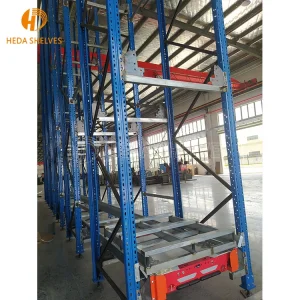
Engineered for structural efficiency, robust weight distribution, and harsh environmental resilience.
In the realm of global cold chain logistics, the physical demands placed upon structural steel systems are amplified exponentially. Designing warehouse infrastructure for sub-zero settings (ranging from 0°C to as deep as -30°C) is not merely a matter of scale; it requires rigorous mechanical calculations, material science innovations, and automated spacing efficiencies. At these low temperatures, standard carbon structural steel undergoes a microcrystalline change, increasing its susceptibility to cold embrittlement and catastrophic load failure under seismic or forklift impact stresses.
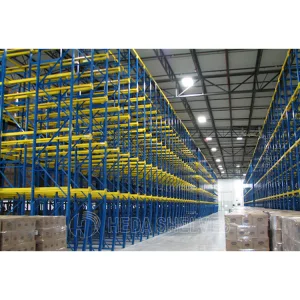
When operating a cold warehouse, every cubic meter cooled translates to permanent operational overhead. Optimizing volumetric utilization is paramount. Standard selective racking systems consume valuable footprint with wide aisles, but high-density configurations like Drive-In, Pallet Shuttle, and Mobile Racking slash space-waste by up to 60%. However, high-density structures experience heightened concentration loads. Condensation cycles during daily operational air exchanges introduce ambient moisture that freezes onto rack members, causing local overload states. Racking members must be calculated with a safety factor exceeding 1.5 to 2.0 to counteract the accumulation of micro-ice layers and severe dynamic loads from forklift operations.
In standard environments, steel bends under extreme load before breaking (ductile behavior). In sub-zero temperatures, standard steel can crack suddenly without warning (brittle failure). To solve this, our metallurgical design involves adding alloying elements like Silicon, Manganese, and sometimes trace Nickel. This lowers the transition temperature, ensuring our cold storage uprights and load-bearing beams retain elastic resilience under full design capacity. Furthermore, all connection configurations use high-strength bolts tested for low-temperature shear resistance, avoiding stress-concentration welds prone to micro-cracking.
Manual forklift operations are inherently slow and hazardous inside low-temperature areas due to operator fatigue and limited visibility. The industry trend is moving fast toward semi-automated pallet shuttle systems and fully automated AS/RS (Automated Storage and Retrieval Systems). A pallet shuttle rolls autonomously inside storage lanes, placing and retrieving pallets at high speed. The racking profile must be constructed with extremely tight dimensional tolerances (±1.5mm deflection limits) to ensure the uninterrupted travel of shuttle carts. Any micro-misalignment caused by thermal contraction will trigger safety sensors and stop the automated cycle, leading to costly downtime.
Cold storage racks require engineered seismic anchors and baseplates, complying with RMI and FEM standards to absorb horizontal acceleration forces.
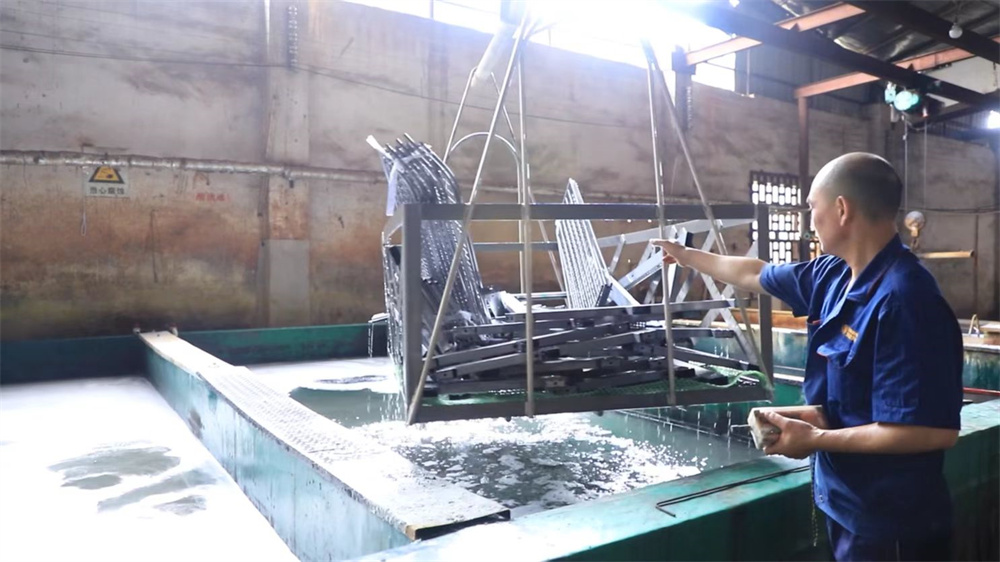
Our dual-stage hot-dip galvanization and low-temp optimized epoxy powder coating prevent rust propagation from persistent condensation.
Specialized isolation pads between floor-mounted racking columns and concrete prevent freezing paths from cracking the slab.
Compare how different structural properties of steel performance change across temperatures.
| Parameter | Ambient Temperature (10°C to 40°C) | Medium Cold Storage (0°C to -10°C) | Deep Freeze Storage (-18°C to -30°C) |
|---|---|---|---|
| Steel Grade Standard | Q235B Carbon Structural Steel | Q355B low-alloy high-strength steel | Q355D / E low-temperature high-impact steel |
| Tensile Strength (MPa) | 370 - 500 MPa | 470 - 630 MPa | 510 - 680 MPa (optimized alloy configuration) |
| Charpy V-Notch Impact Value | Not required at standard room temp | ≥ 34J at 0°C testing | ≥ 34J at -20°C / -40°C testing |
| Surface Finishing | Electrostatic powder coating (60-80 microns) | Low-temperature powder coating or Pre-galvanized | Hot-dip galvanized (min 85 microns) or special low-temp powder |
| Safety Factor (Dynamic Load) | 1.4 | 1.6 | 1.85 to 2.0 (accounting for ice accretion) |
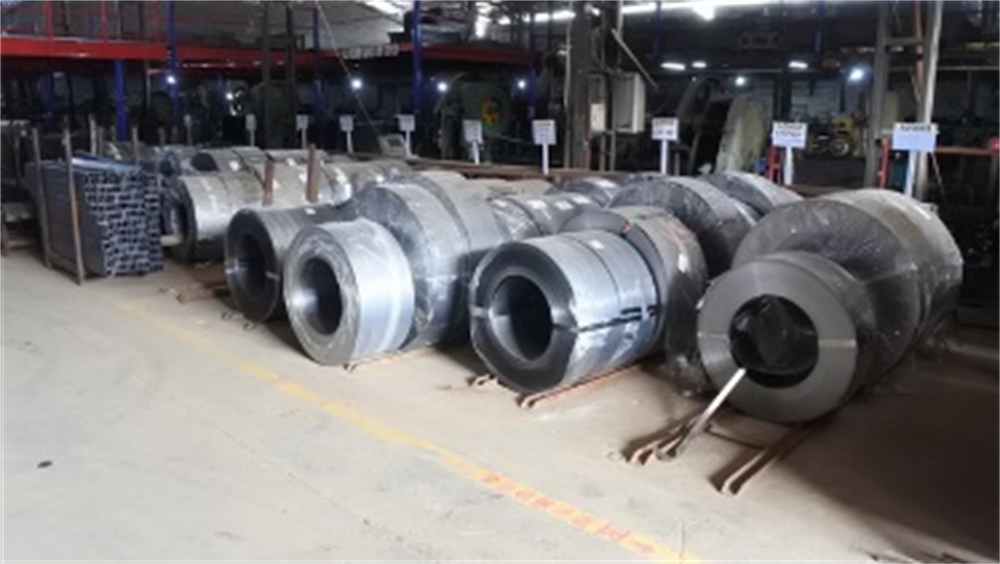
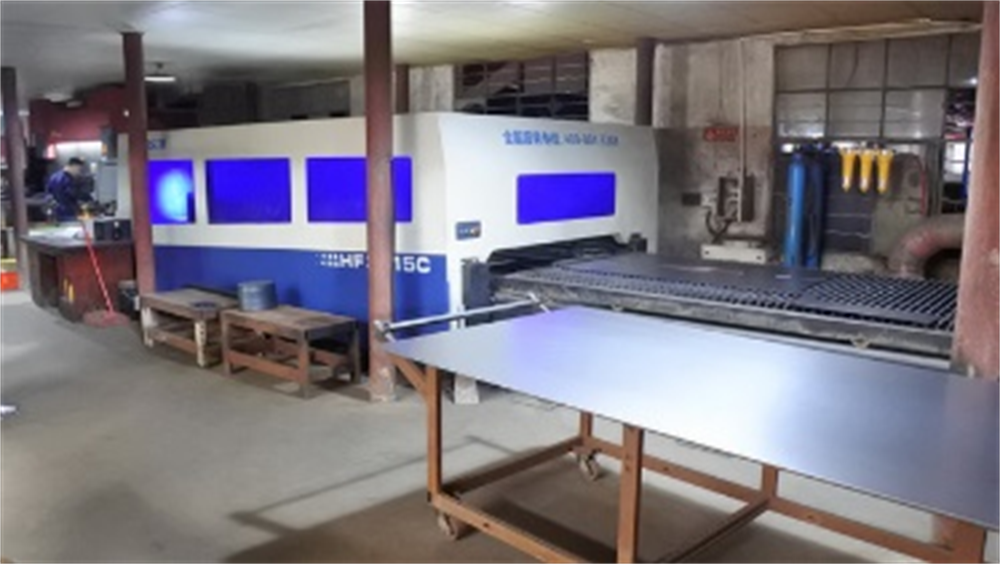
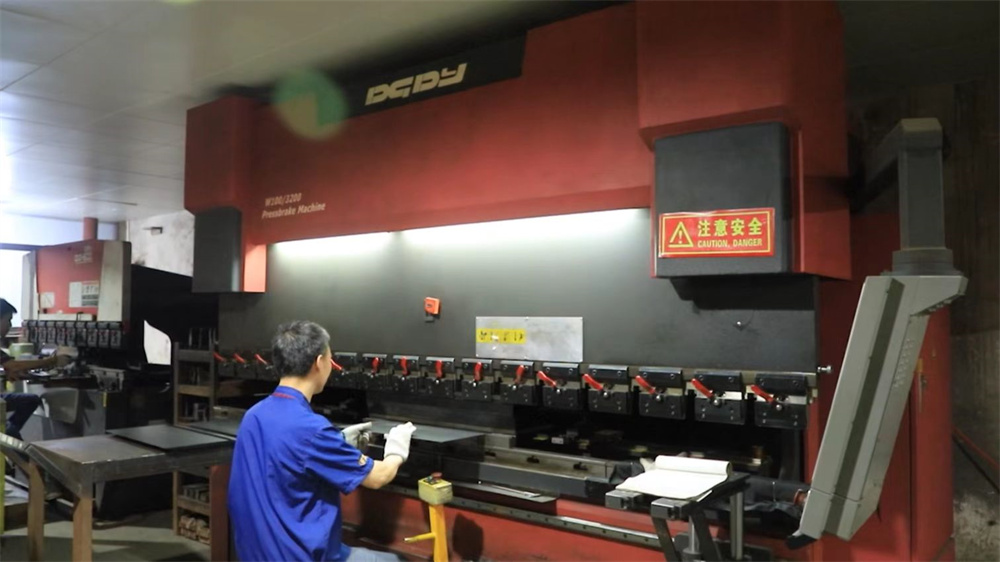
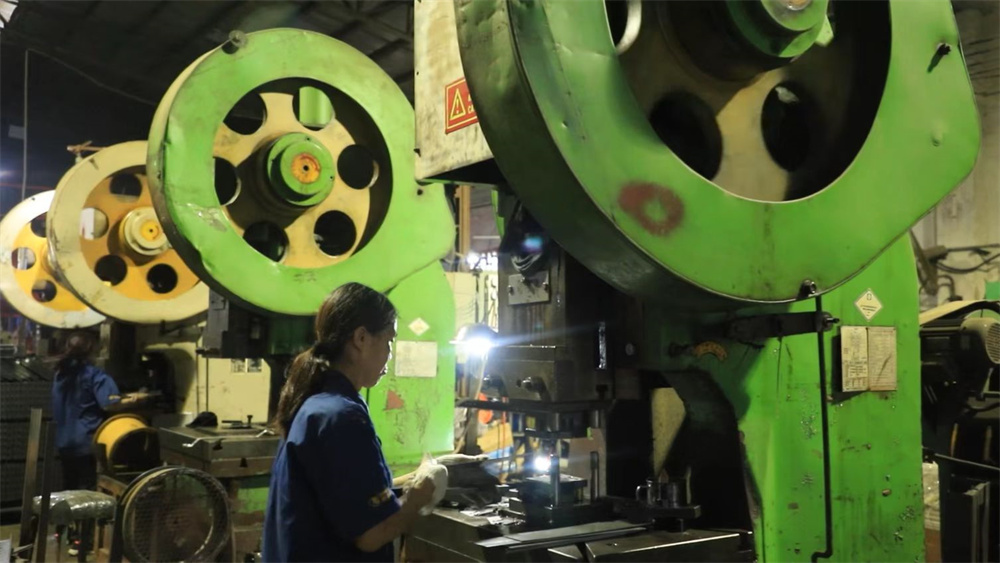
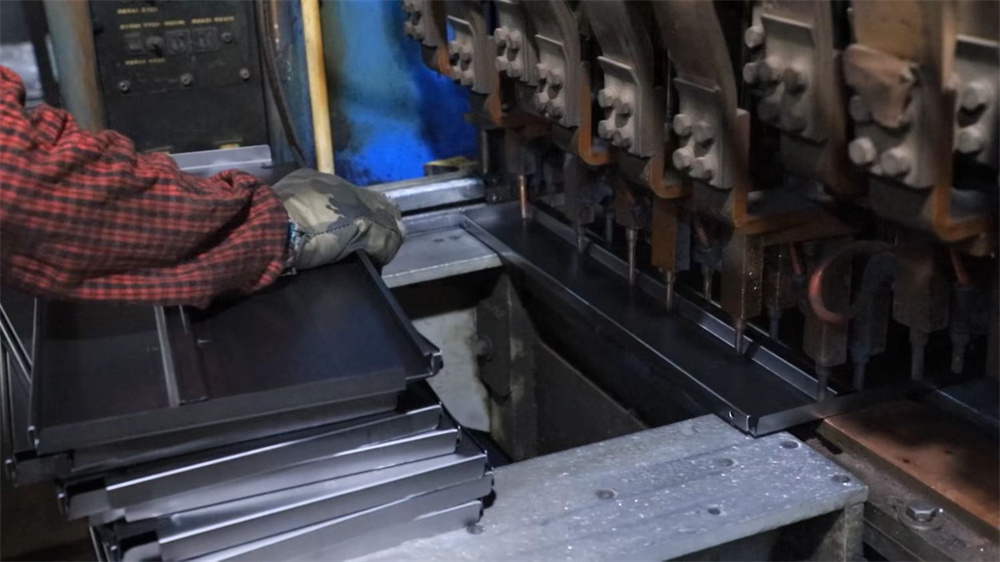
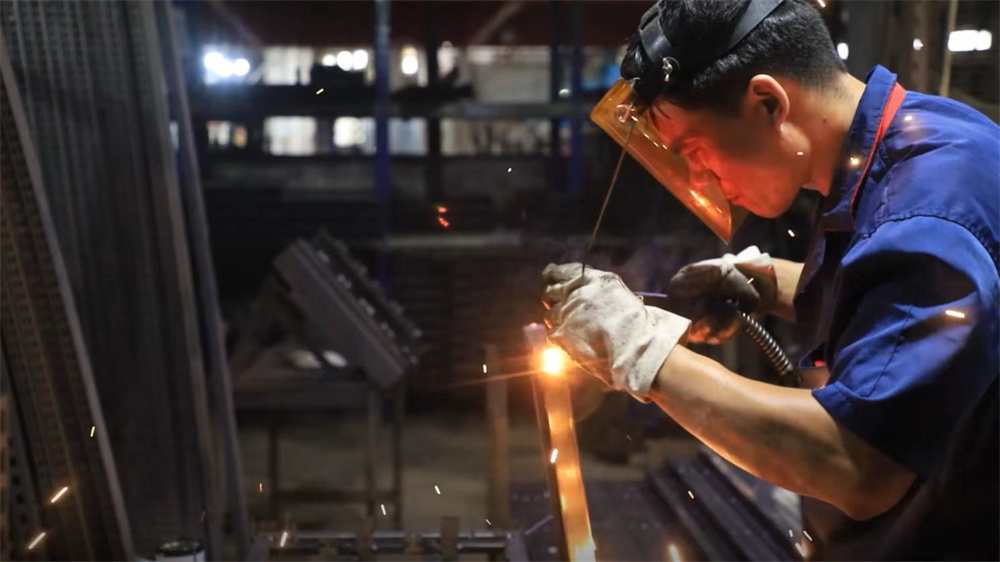
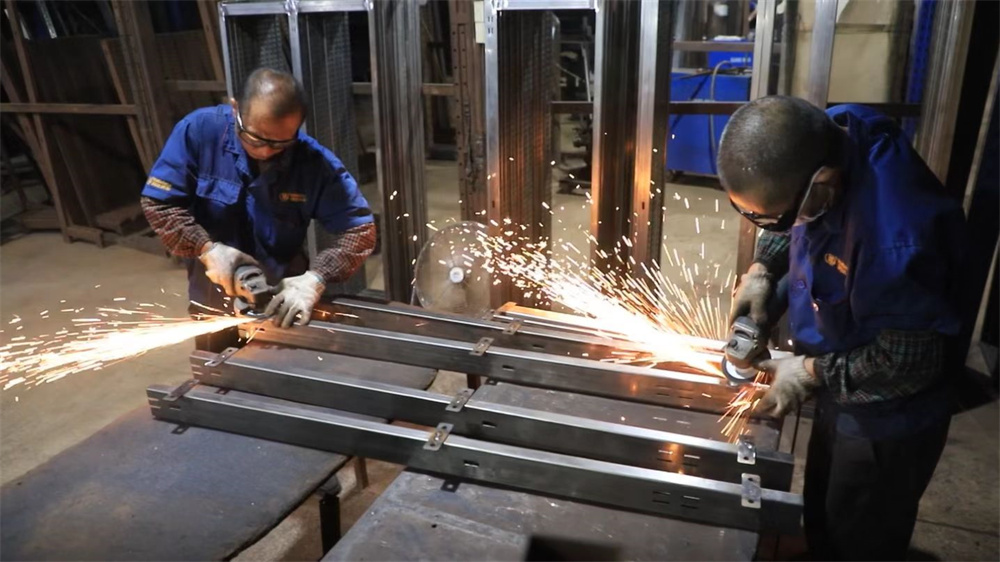
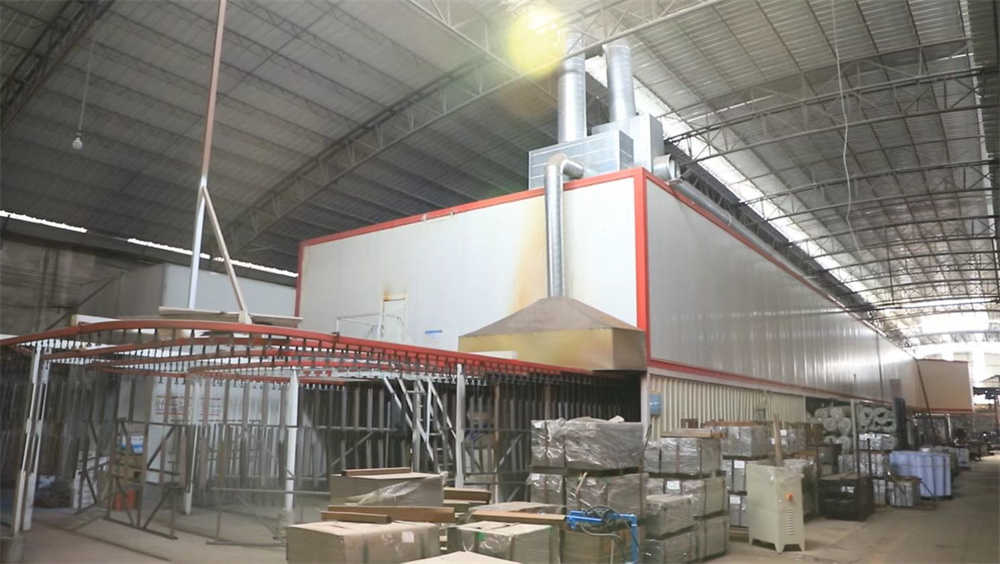
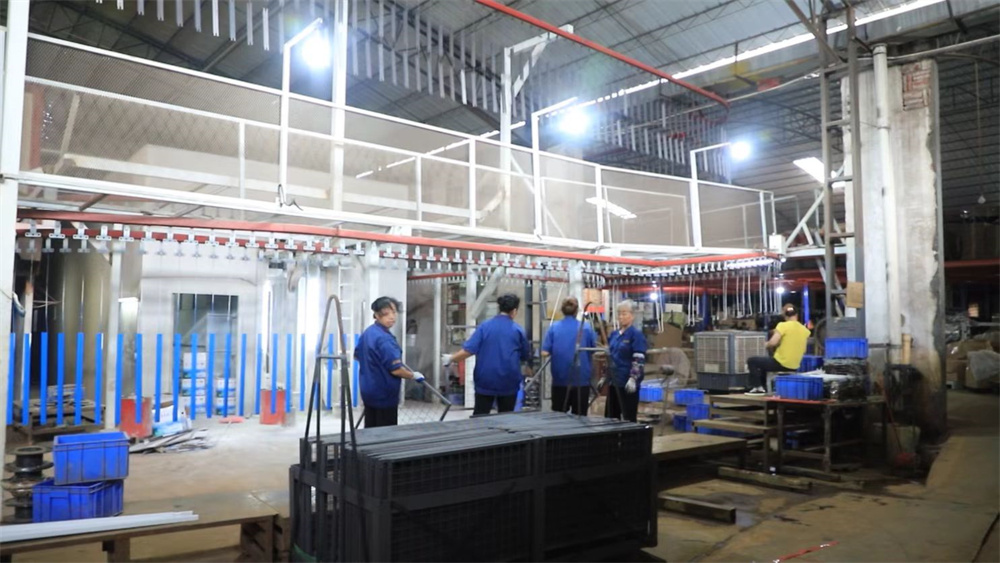
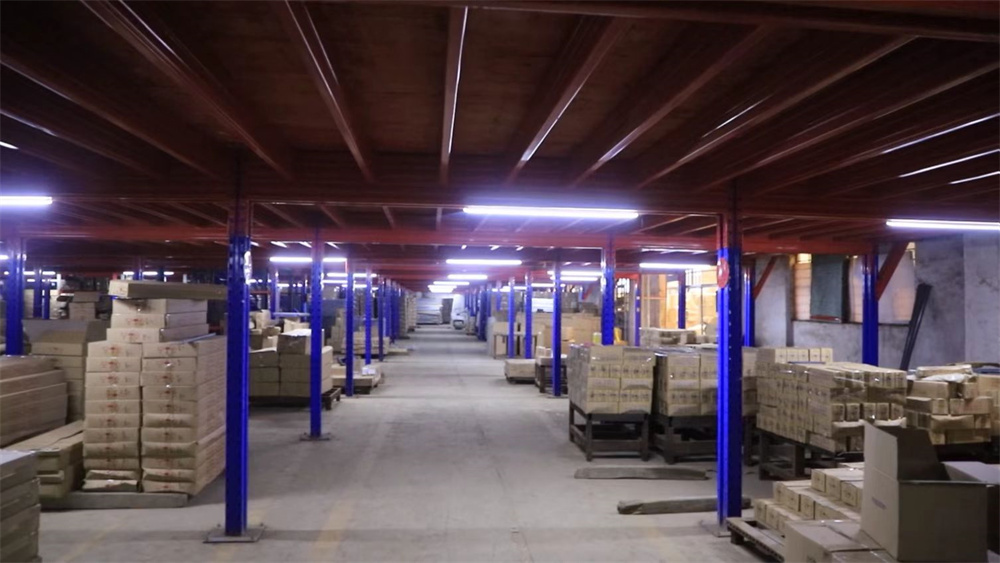
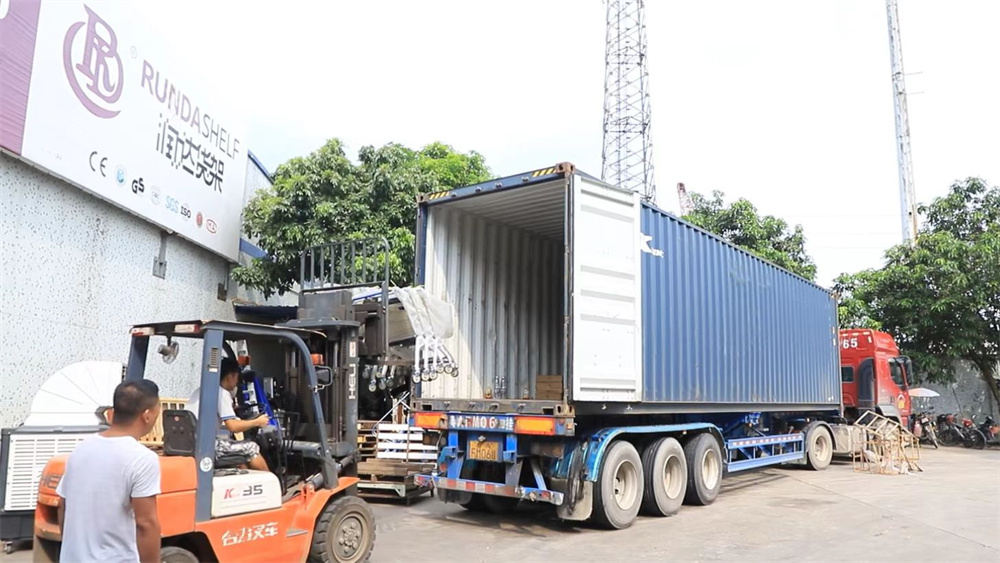
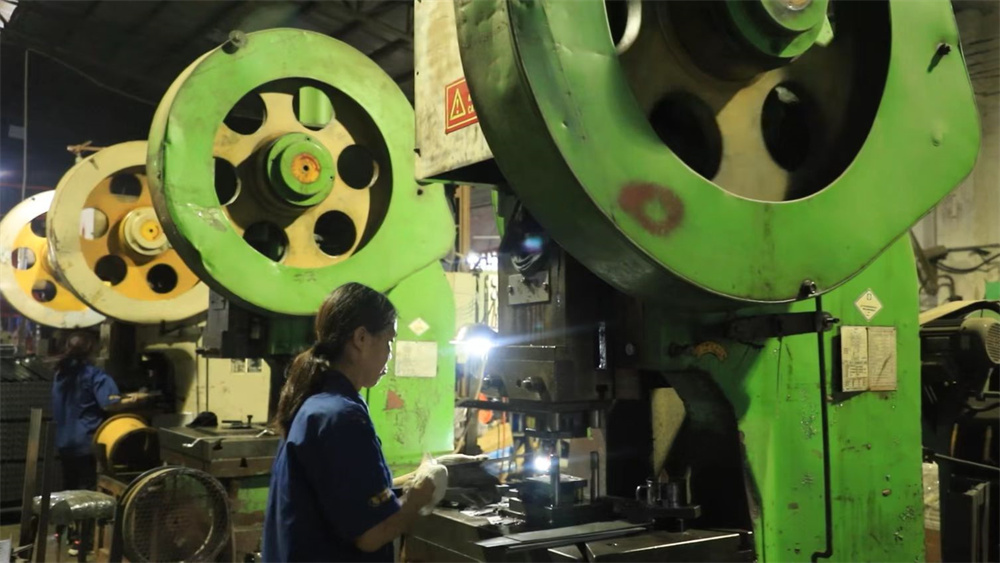
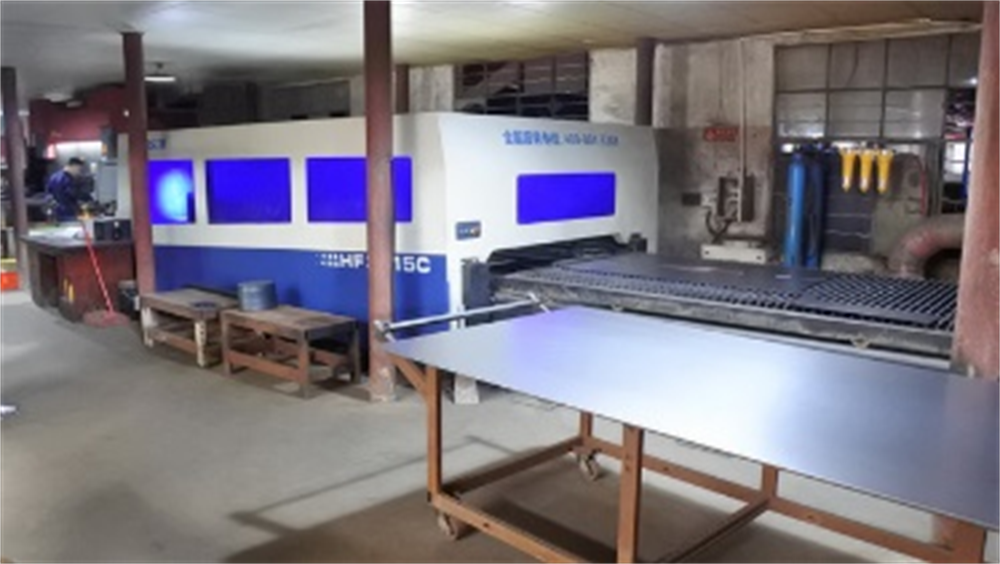
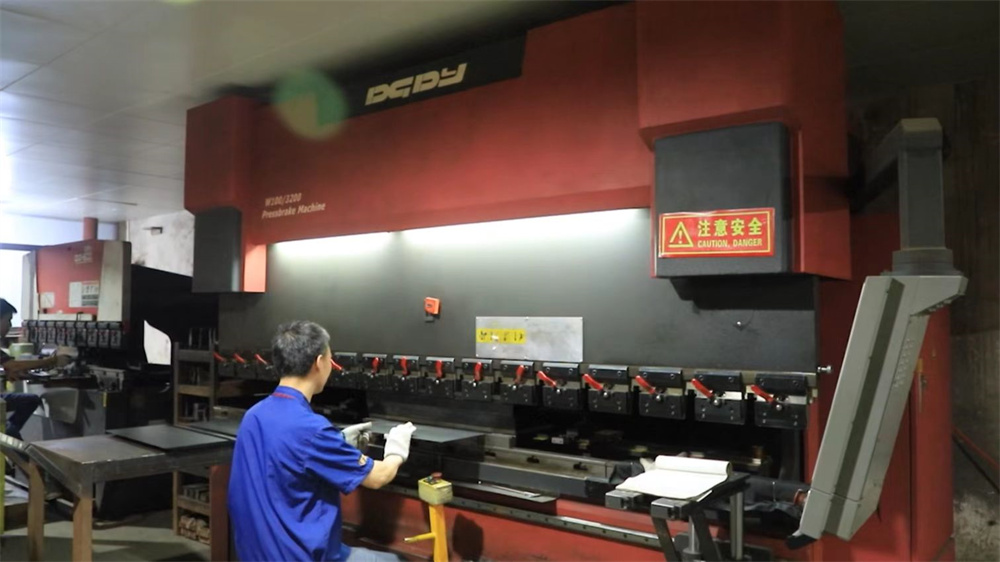
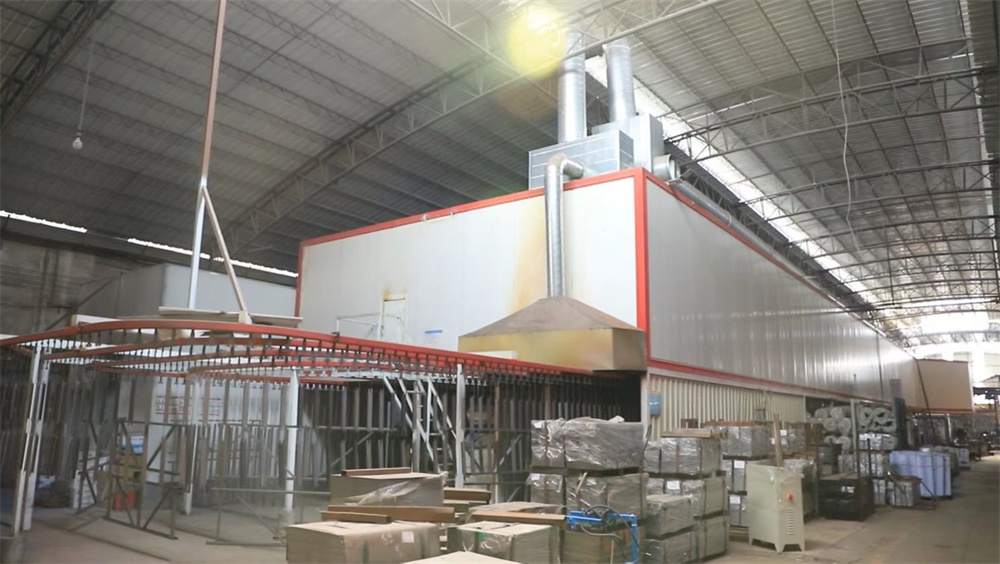
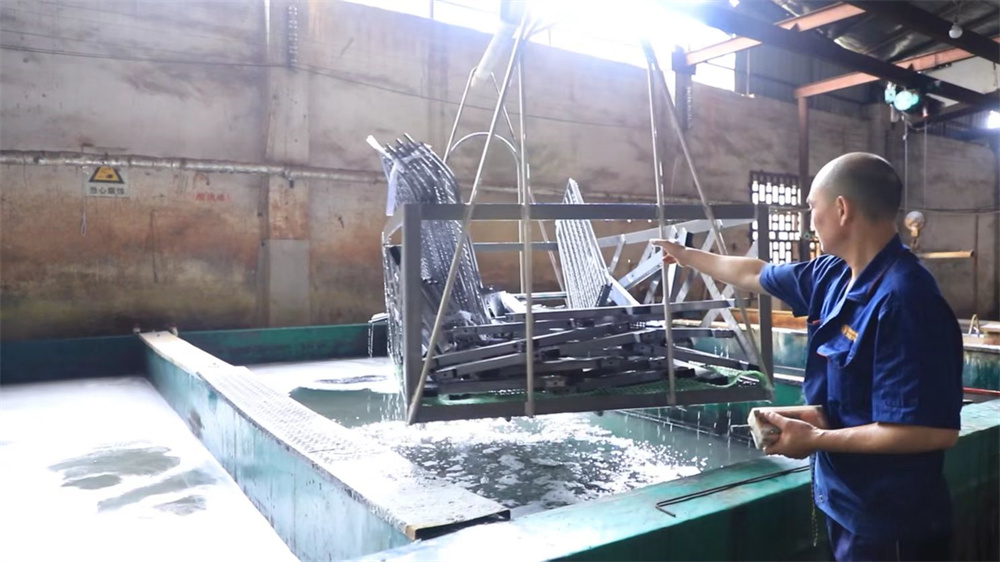
Our Chengdu manufacturing base leverages automated production loops and strict quality control workflows.
Established in 2017, Chengdu DriveRacks Industrial Technology Co., Ltd. operates a state-of-the-art 42,000 m² manufacturing plant dedicated to advanced material handling and heavy-duty storage infrastructure. Delivering $35 million in annual export revenue, we bring 9 years of deep industry expertise and 6 years of international trade operations. Quality is integral to our process; our team of 30 certified inspectors executes rigorous raw material tensile testing and automated powder-coating thickness audits. Serving high-growth markets across the Middle East, Latin America, and Oceania, DriveRacks leverages a robust ecosystem of 1,200 supply chain partners. Powered by 110 skilled R&D engineers focusing on smart automation and high-density racking design, we released 250 dynamic product iterations last year and provide comprehensive customization spanning rack dimensions, seismic ratings, and surface treatments.
Understanding critical challenges in modern cold storage logistics & high-growth distribution hubs.
Temperature shifts cause metal to shrink or expand. In a warehouse cycling between ambient and -25°C, steel expands and contracts constantly. Our engineers design loose fit clearances and slotted baseplates. This prevents structural tension or buckling inside your warehouse slab.
Multi-national procurement teams require clear testing certs. We manufacture to meet EN 15512 (European standard), FEM 10.2.02 (European Materials Handling Federation), and RMI (Rack Manufacturers Institute) standards. This guarantees trouble-free permitting and safety clearance in any jurisdiction.
With rising freight and steel costs, material sourcing is volatile. Our plant utilizes a robust ecosystem of 1,200 supply chain partners. This means we can secure high-grade raw steel even during peak demand, keeping production cycles under 4 weeks.
Expert insights on selecting, installing, and maintaining cold storage racking systems.
Standard carbon steel (like standard grade Q235) undergoes a physical transition at low temperatures, making it brittle. In sub-zero rooms, any impact from forklifts can cause catastrophic cracking. Cold storage racks must be built with alloy steels like Q355B or Q355D, which contain added manganese to keep the steel tough and impact-resistant in deep-freeze environments.
For high-humidity, sub-zero areas with heavy condensation, hot-dip galvanized (HDG) steel offers the best rust protection. The galvanizing process creates a zinc-steel alloy layer that self-heals minor scratches. However, high-quality low-temperature powder coating is also an option for dry cold rooms, as long as it has a rust-resistant undercoat and is at least 80 microns thick.
Pallet shuttles remove the need for forklifts to drive inside the racking lanes, allowing lanes to run up to 40 meters deep. This maximizes density and reduces the volume of air that needs to be cooled. Operators save money on power bills, speed up pallet throughput, and prevent expensive racking collisions.
We build our cold storage racks with custom-designed expansion joints and adjustable baseplates to allow for slight movements. This prevents the racking structure from placing extra tension on the floor slab as temperatures fluctuate during commissioning and maintenance cycles.
Yes, our R&D engineering team calculates structural requirements for specific seismic zones. We supply reinforced uprights, cross-bracings, and heavy-duty anchors to meet safety standards in high-risk zones, including Latin America, New Zealand, and the Middle East.
Explore our complete commercial systems, including automated logistics, displays, and structural racking.
 DriveRacks