Engineered structural systems built to optimize storage density, vertical warehouse layout efficiency, and localized supply chain compatibility.
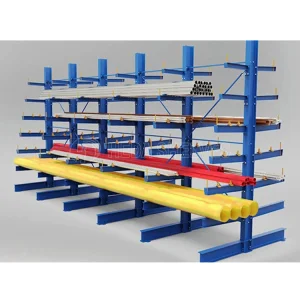
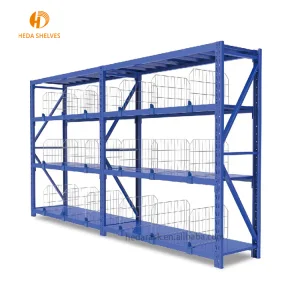
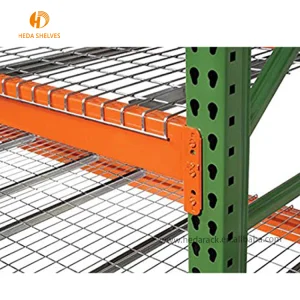
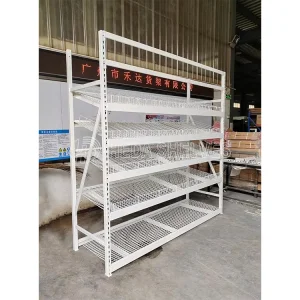
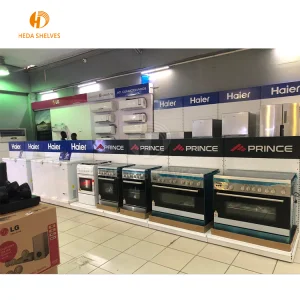
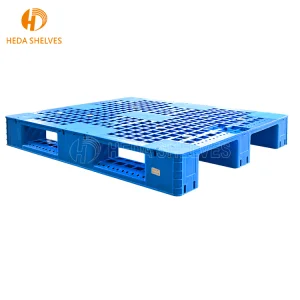
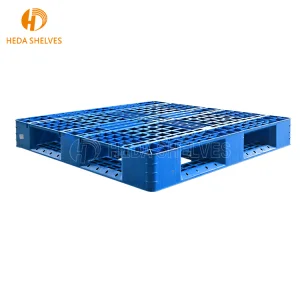
In the modern era of logistics, warehousing is no longer just a space to store goods; it is a critical driver of efficiency. Today's supply chains demand smart, high-density structural racking systems. Industrial racking has evolved from basic steel shelves into dynamic, highly engineered systems designed to maximize vertical space, withstand seismic events, and integrate with automated guided vehicles (AGVs) and automated storage and retrieval systems (ASRS).
With manufacturing bases like China leading the way in global steel supply, selecting the right factory is crucial. A top-tier factory must offer more than just raw steel capacity. True industry leaders provide comprehensive structural engineering, advanced metallurgy, automated welding, corrosion protection, and strict compliance with international standards such as RMI (Rack Manufacturers Institute) and AS4084.
Advanced space utilization models can increase pallet storage capacity by up to 85% compared to standard layouts.
Precision-engineered baseplates and heavy-duty upright frames are designed to absorb seismic energy and protect inventory.
Enterprise-grade manufacturing capacity, customized product iterations, and global export operations.
Established in 2017, Chengdu DriveRacks Industrial Technology Co., Ltd. operates a state-of-the-art 42,000 m² manufacturing plant dedicated to advanced material handling and heavy-duty storage infrastructure. Delivering $35 million in annual export revenue, we bring 9 years of deep industry expertise and 6 years of international trade operations. Quality is integral to our process; our team of 30 certified inspectors executes rigorous raw material tensile testing and automated powder-coating thickness audits. Serving high-growth markets across the Middle East, Latin America, and Oceania, DriveRacks leverages a robust ecosystem of 1,200 supply chain partners. We primarily serve enterprise warehouse operators, e-commerce fulfillment hubs, and heavy equipment manufacturers. Powered by 110 skilled R&D engineers focusing on smart automation and high-density racking design, we released 250 dynamic product iterations last year and provide comprehensive customization spanning rack dimensions, seismic ratings, and surface treatments.
From metallurgical verification to final automated loading, explore our structural steel processing standards.
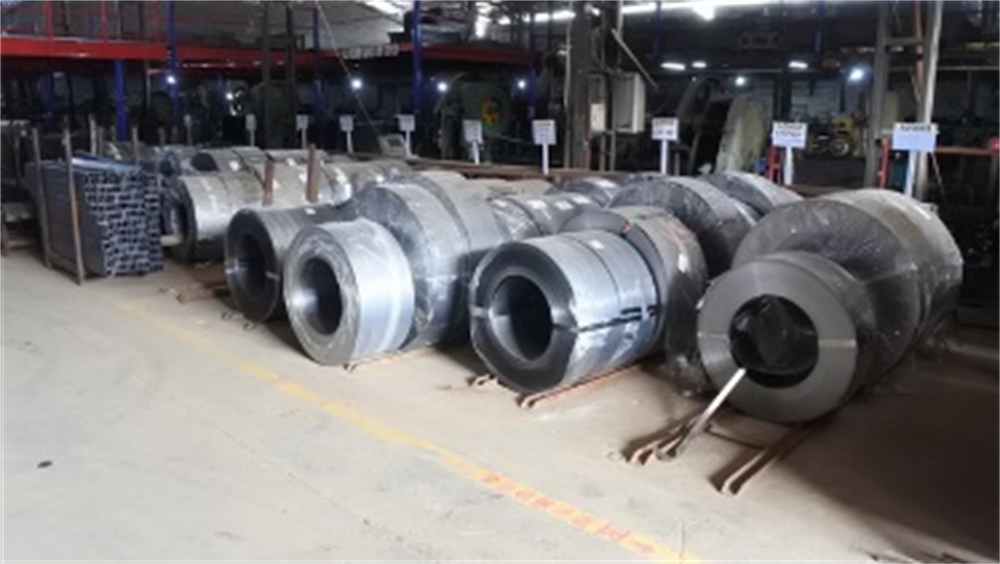
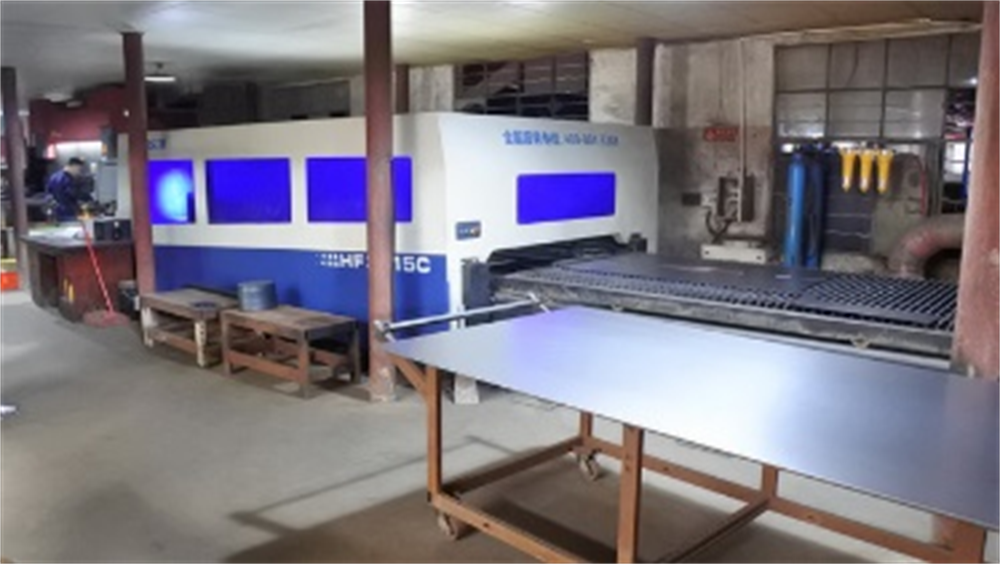
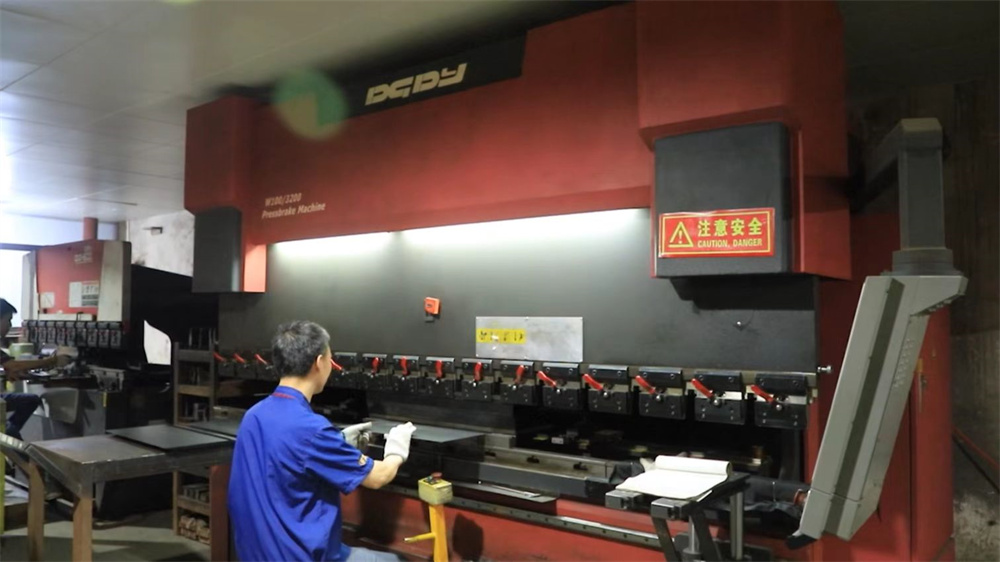
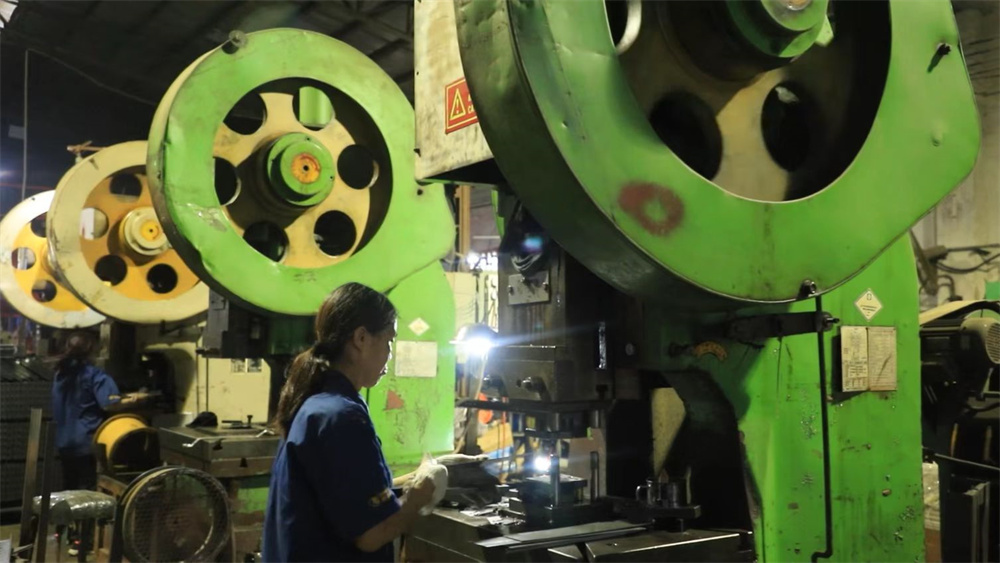
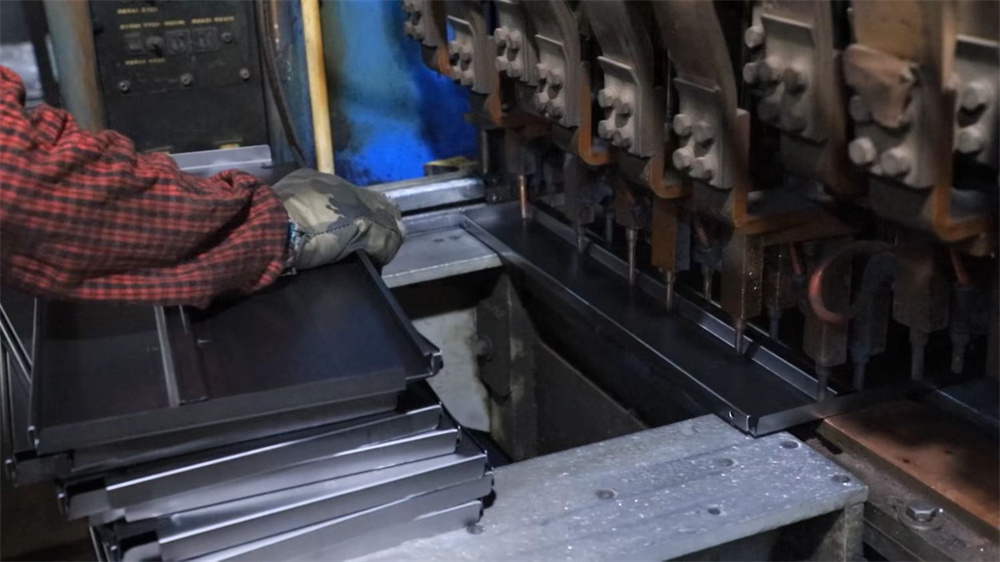
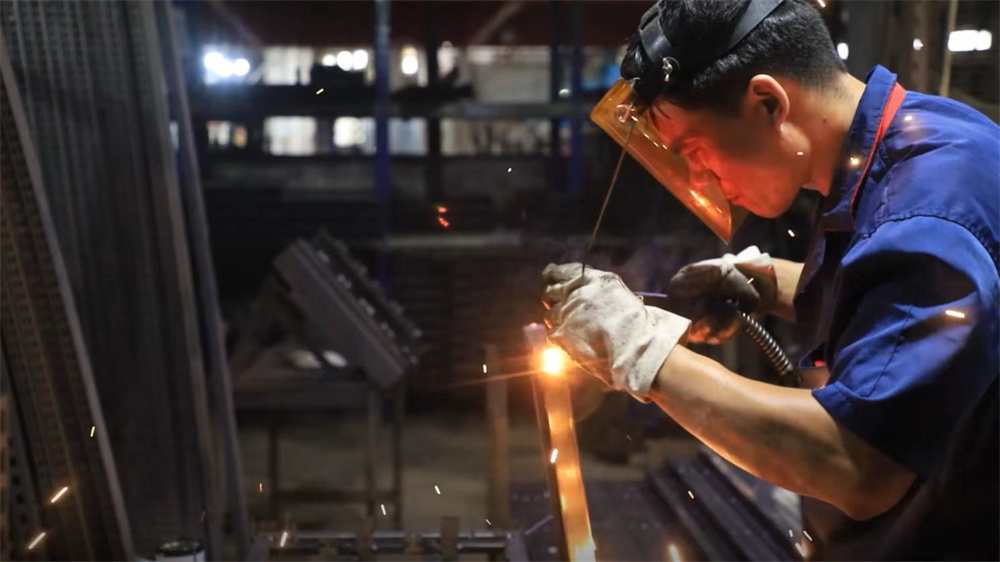
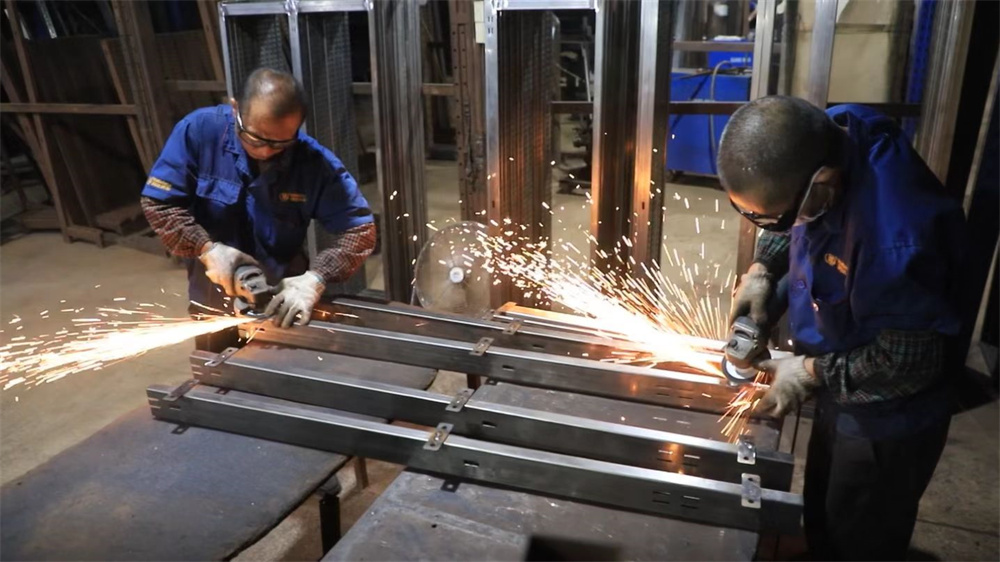
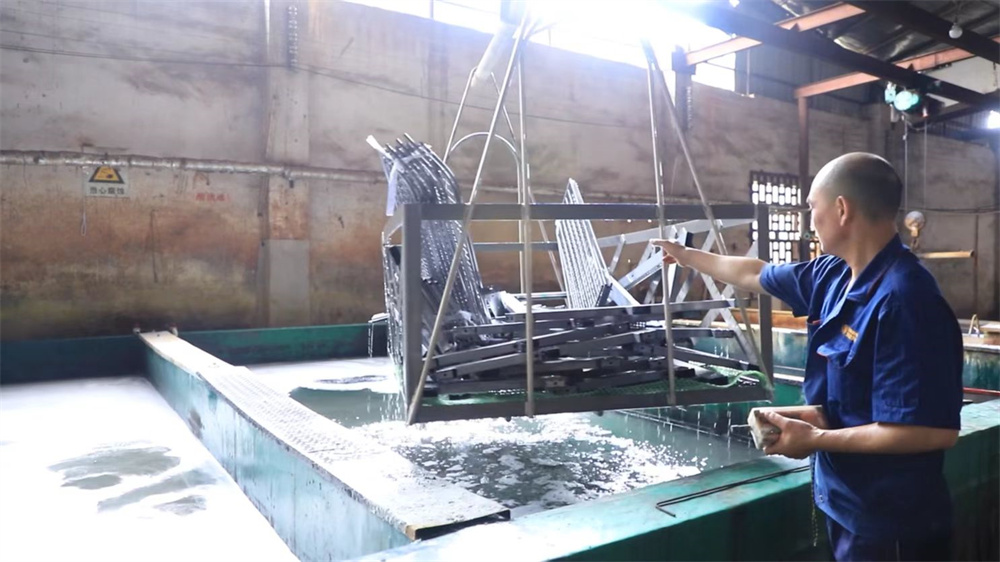
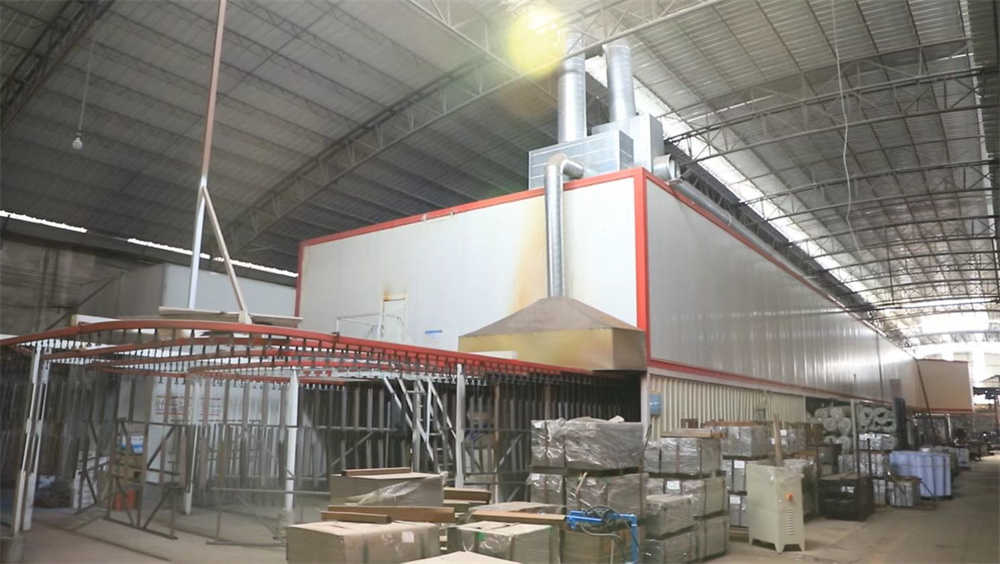
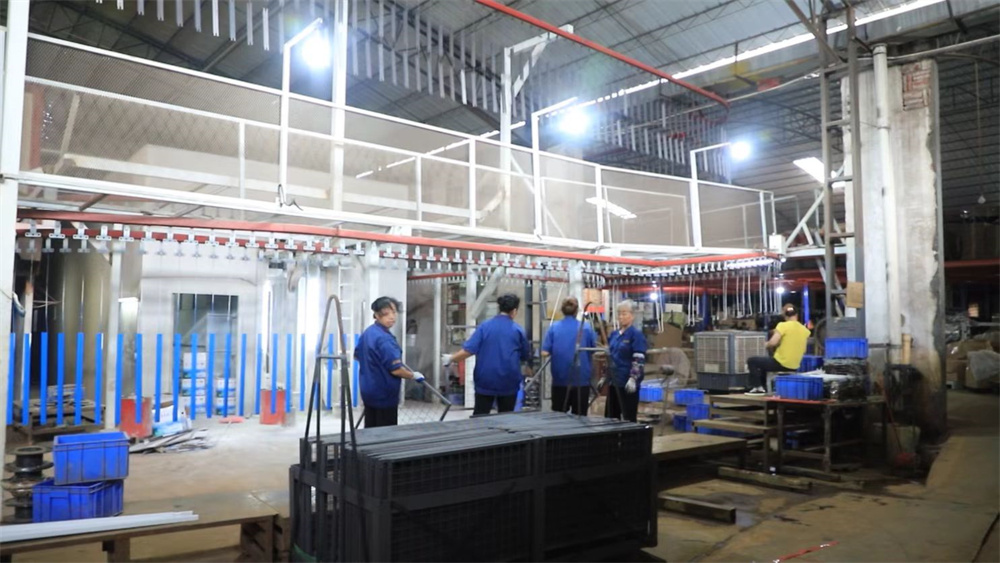
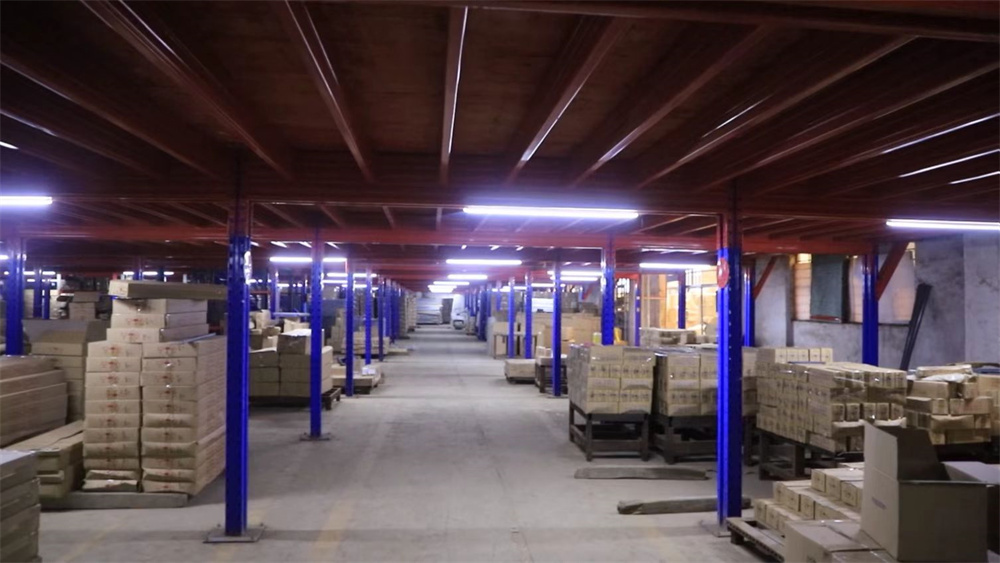
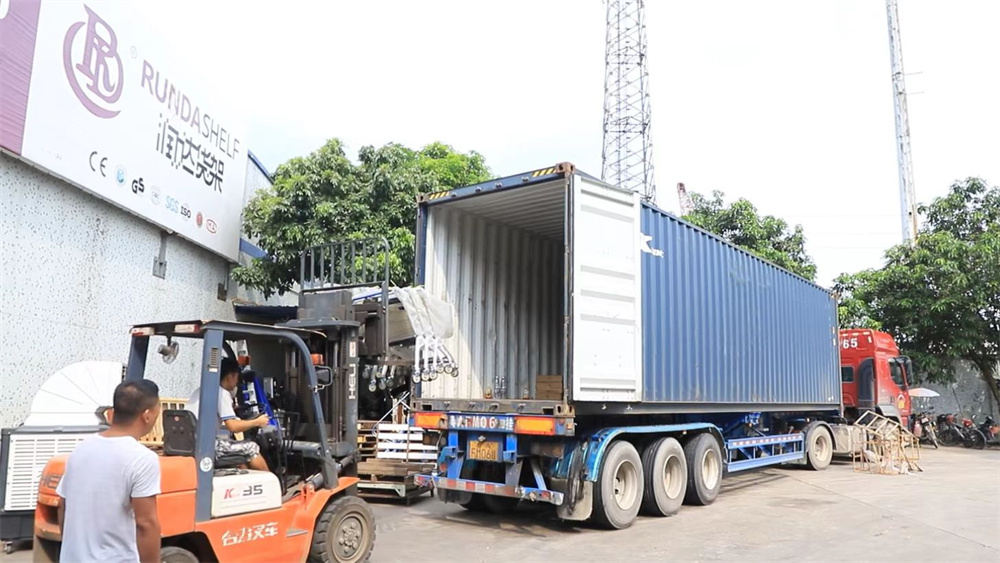
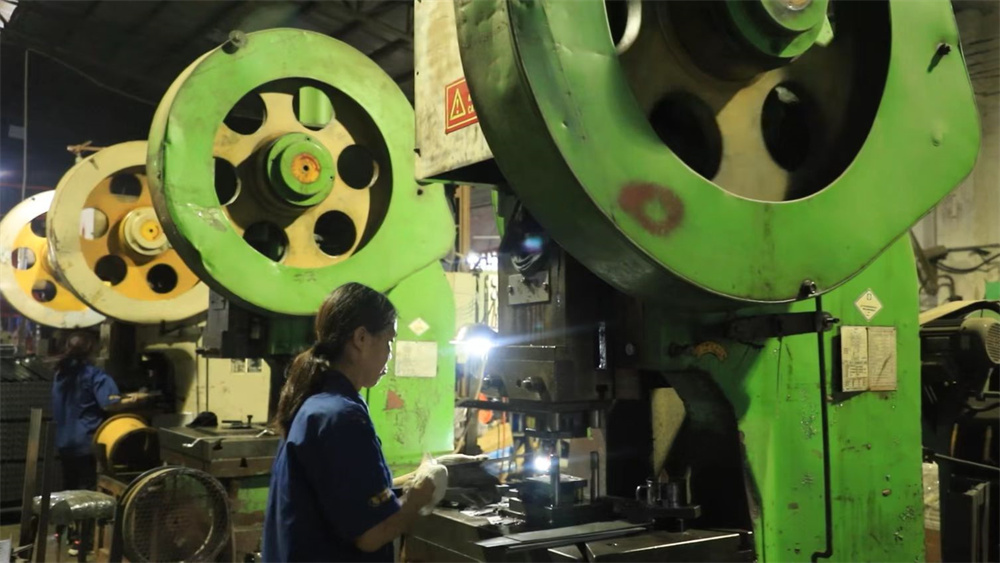
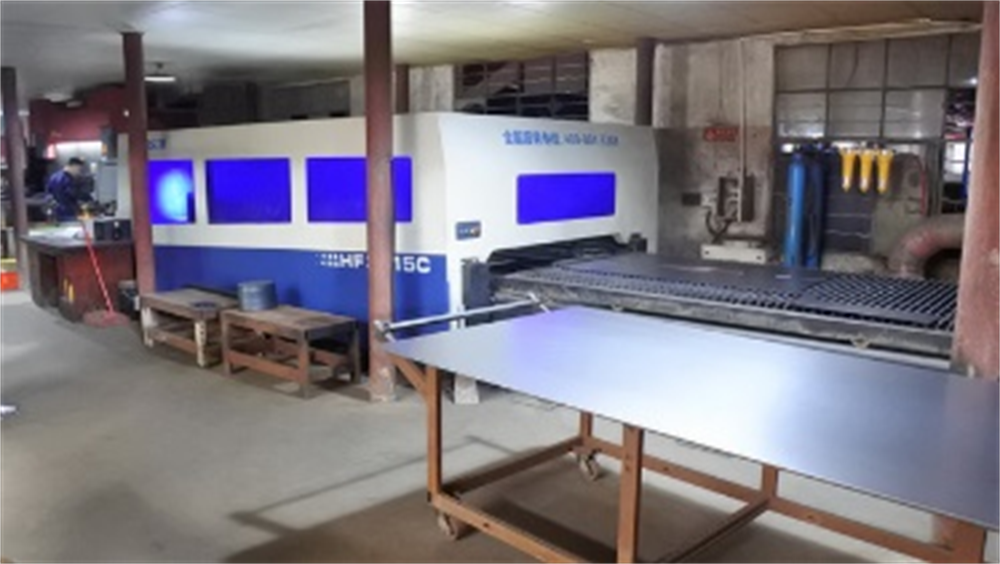
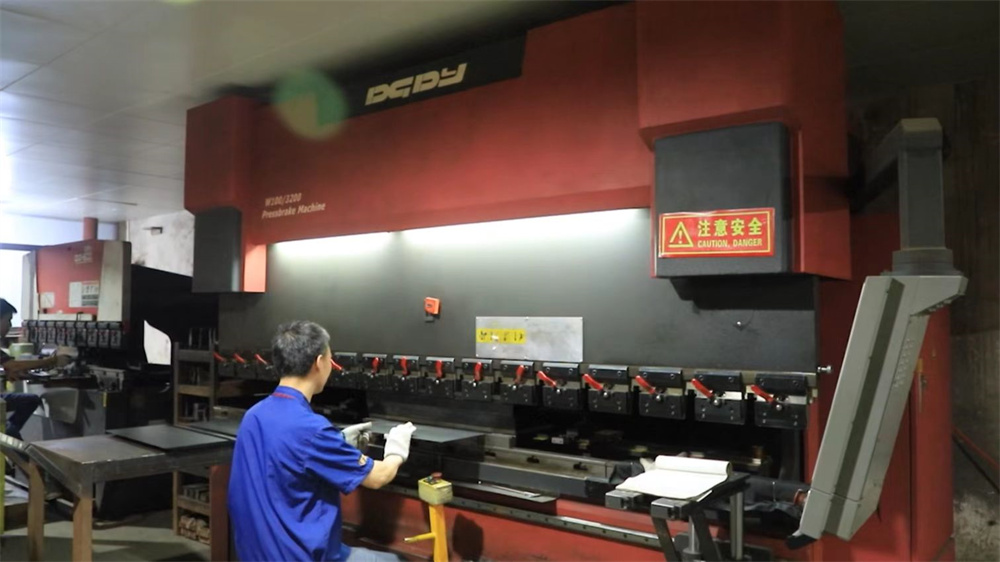
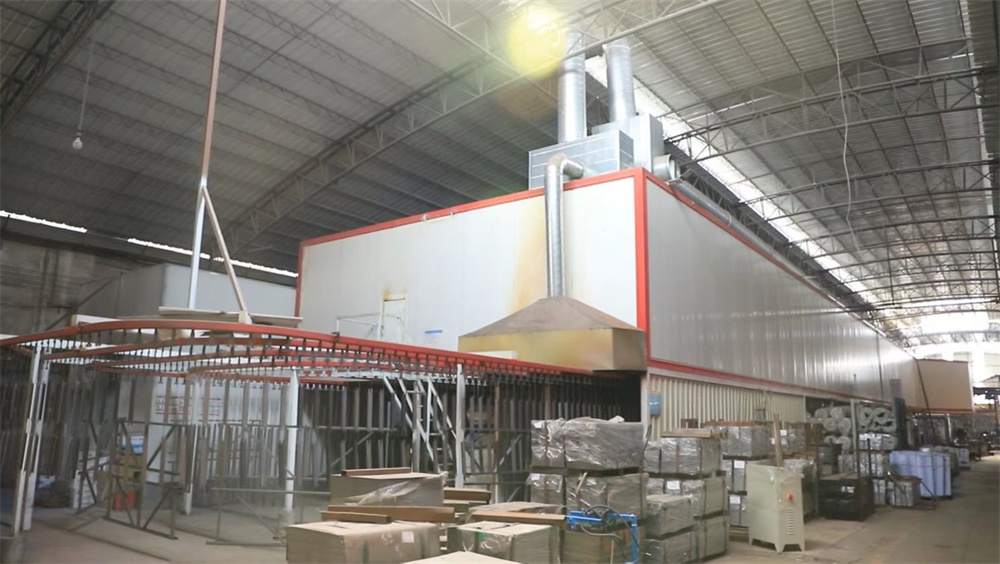
Analyzing key structural factors, spatial limitations, and material specifications driving modern warehousing networks.
The performance of an industrial rack starts with raw steel selection. At Chengdu DriveRacks, we source premium cold-rolled carbon steel, including Q235B and Q355B grades. These materials are selected for their excellent yield strength, ductility, and structural performance under stress.
Our 30 certified quality control inspectors conduct rigorous tensile testing on every batch of raw steel. This ensures all components can handle maximum dynamic loads without micro-fracturing or deflecting beyond acceptable limits.
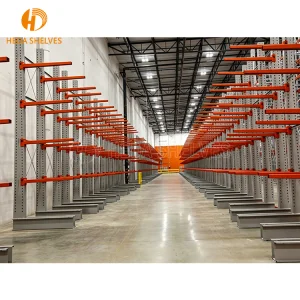
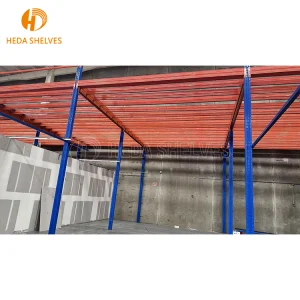
Modern warehouses must optimize every cubic meter of space. Traditional racking systems often leave vertical space unused. By utilizing heavy-duty cantilever racks, multi-tier mezzanine floors, and high-density pallet racking, operations can double their storage capacity within the same footprint.
Our design process uses advanced Finite Element Analysis (FEA) to simulate load distribution and stresses on upright frames and beams. This allows our engineering team to design custom solutions that meet specific height, layout, and weight capacity requirements.
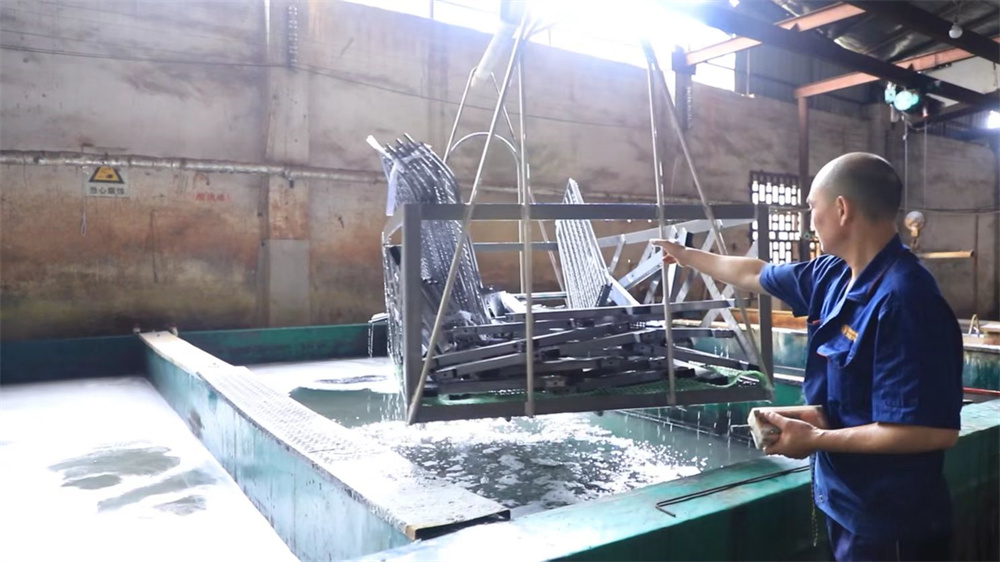
Industrial storage environments can expose equipment to moisture, chemical vapor, and sub-zero temperatures. Without proper surface treatment, carbon steel is vulnerable to rust and corrosion, which can weaken structural integrity over time.
To prevent this, our automated powder-coating lines apply a protective polymer layer. We conduct cross-hatch adhesion and salt-spray testing to verify the coating's durability. For extreme conditions, such as outdoor or cold-storage facilities, we use hot-dip galvanization (HDG) to ensure long-term corrosion resistance.
As warehouses transition to automation, racking systems must adapt. High-density racking systems must be manufactured to tight tolerances to integrate seamlessly with automated guided vehicles (AGVs), stacker cranes, and automated shuttle systems.
Even minor structural misalignments can cause automated sensors to error, disrupting warehouse operations. DriveRacks designs and manufactures all racking systems to meet strict alignment tolerances, ensuring compatibility with advanced automated logistics hardware.
How the DriveRacks R&D team addresses emerging supply chain trends, safety standards, and material engineering.
We are working to integrate Internet of Things (IoT) sensors directly into rack uprights and load-bearing beams. These sensors provide real-time tracking of:
Sensors send alerts if a pallet exceeds the safe working load limit for that bay.
Instantly logs forklift impact events, identifying potential structural compromises early.
Tracks beam deflection over time to monitor structural fatigue and prevent failures.
Sustainability is increasingly important in global logistics. Our R&D team is developing light-weight, high-strength structural profiles that reduce total steel volume by 12% without compromising load capacity.
By optimizing raw material design, we help reduce the carbon footprint of production. We also use eco-friendly powder coatings that do not release Volatile Organic Compounds (VOCs), supporting green warehouse initiatives globally.
For installations in seismically active regions, we design dynamic baseplates and energy-absorbing structural junctions. These components allow racking frames to flex slightly under seismic loads, absorbing energy and protecting the warehouse foundation and inventory from damage.
Ensuring compliance with localized engineering codes and safety standards globally.
For clients in Oceania, our systems are engineered to meet the strict requirements of AS4084:2012. This standard regulates tolerances, design methods, structural testing, and operational safety.
Our designs meet North American racking standards, utilizing specific structural parameters for upright columns and connections to ensure stable dynamic and seismic design.
For the European market, we manufacture racks in accordance with EN 15512, which requires finite element analysis (FEA) and testing to verify structural load capacity.
Every steel batch comes with a Mill Test Certificate (MTC) verifying its chemical and physical properties.
Laser measurements check punch alignment, column straightness, and thickness within 0.1mm tolerances.
Destructive and non-destructive load tests are performed periodically on random product samples.
Addressing key technical, logistical, and structural questions about industrial racking systems.
Q235B and Q355B represent different carbon steel grades. Q235B has a yield strength of 235 MPa and is suitable for standard racking systems, such as selective pallet racks and light mezzanine floors. Q355B has a yield strength of 355 MPa, making it ideal for tall, heavy-duty configurations, high-seismic installations, and high-density ASRS systems.
We calculate capacity limits using Finite Element Analysis (FEA) software. We run simulations of static, dynamic, and dead-load distributions to locate potential stress points. We then verify these calculations through destructive load tests on prototype frames to confirm compliance with safety codes.
For temperatures down to -25°C, high-quality powder coatings provide sufficient protection. For deep-freeze environments (-40°C or colder) or areas with high humidity, we recommend Hot-Dip Galvanization (HDG). HDG forms a metallurgically bonded zinc-iron alloy coating that protects against moisture, scratches, and low-temperature corrosion.
Our qualified welding inspectors perform both visual and non-destructive testing on structural welds. We check for throat thickness, weld penetration, and defects such as porosity or undercut. Critical joints, such as those on cantilever arm connectors and heavy beam end connectors, undergo regular ultrasonic inspections.
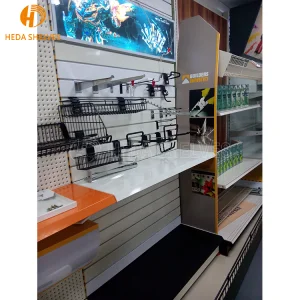
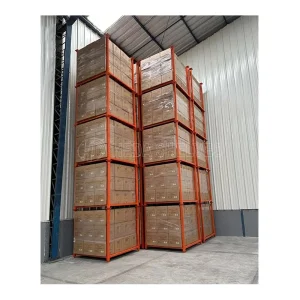
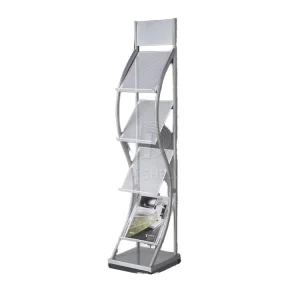
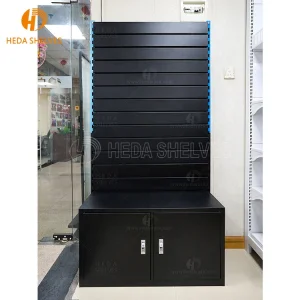
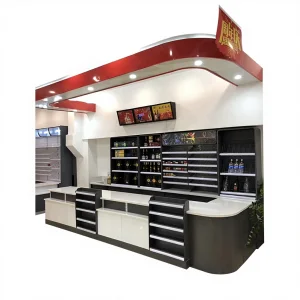
Heavy-duty industrial storage platforms, cantilever assemblies, and specialized commercial display equipment.
 DriveRacks