Explore our foundational structural systems, heavy-duty pallet racks, and intelligent automation solutions built to maximize volumetric capacity.
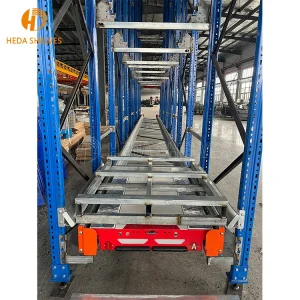
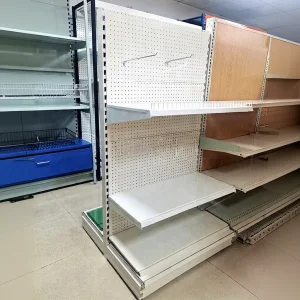
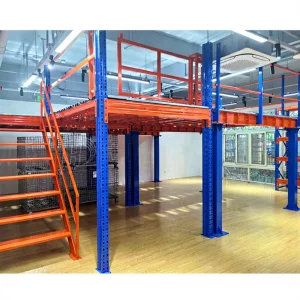
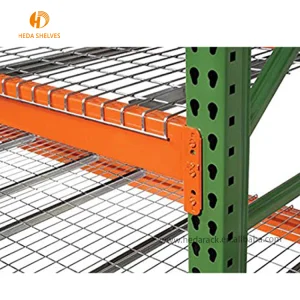
In modern industrial facilities, heavy equipment storage is no longer just about static shelves. Global industrial growth, supply chain changes, and high land costs have turned warehouse operations into a key strategic asset. Heavy equipment storage requires specialized planning due to massive loads, dynamic force parameters, safety risks, and strict regulatory codes.
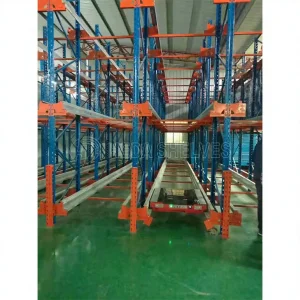
Historically, heavy tools, dies, steel coils, and assembly components were stored on warehouse floors. This method used valuable floor space, increased forklift transit distances, and created safety hazards. Today, enterprises use vertical storage systems, dense racking setups, and automated pallet runners to maximize storage density while maintaining high safety standards.
"Optimizing heavy industrial storage requires managing structural deflection, seismic loads, and floor slab capacities. Modern systems use high-grade steel alloys like Q355B to balance high yield strength with cost-effectiveness."
Industrial storage systems must handle two main types of forces: static loads from stored equipment and dynamic loads from retrieval machinery (such as forklifts, stacker cranes, and automated shuttles). Heavy machinery components require high structural stiffness to limit deflection under load to safe values, often L/240 or L/300 according to international standards.
How global industries configure heavy equipment storage to resolve space limitations and workflow inefficiencies.
Aerospace manufacturing involves large, high-value tooling assemblies that require precise storage conditions. We engineer heavy-duty cantilever racks and structural platforms with protective surfaces to prevent contact corrosion, keeping aerospace tools secure and well-organized.
Automotive metal stamping lines require rapid mold changes. Our mold racks handle up to 5,000 kg per level. Equipped with safety locking pins and roll-out drawers, they allow overhead cranes to access dies quickly, reducing changeover times and protecting expensive tooling.
Castings, motor assemblies, and heavy transmissions need secure storage prior to final assembly. High-capacity structural steel pallet racking systems provide reliable storage, with solid structural steel channels ensuring safety for heavy loads.
Chengdu DriveRacks Industrial Technology Co., Ltd. delivers high-capacity industrial storage solutions built on advanced engineering and rigorous testing.
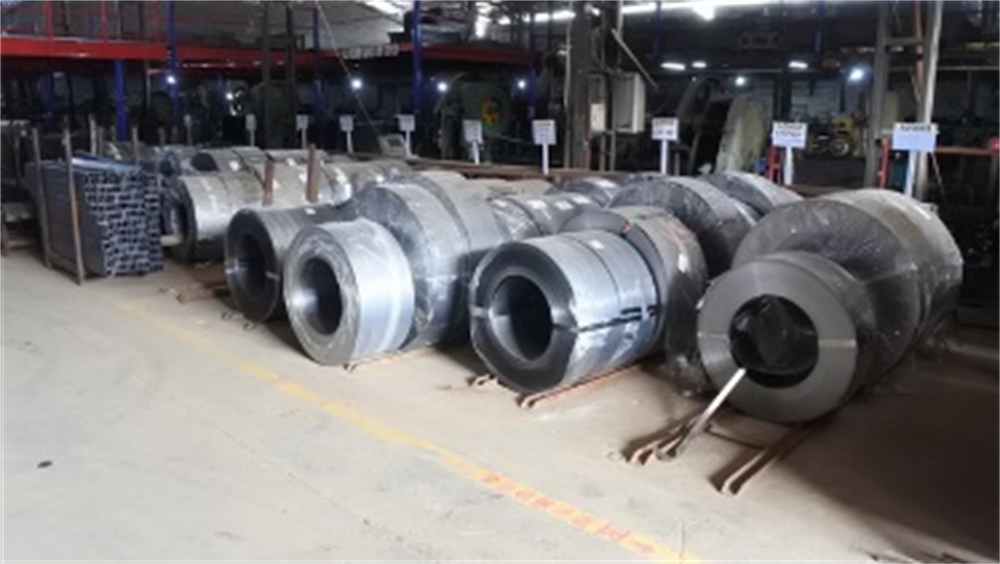
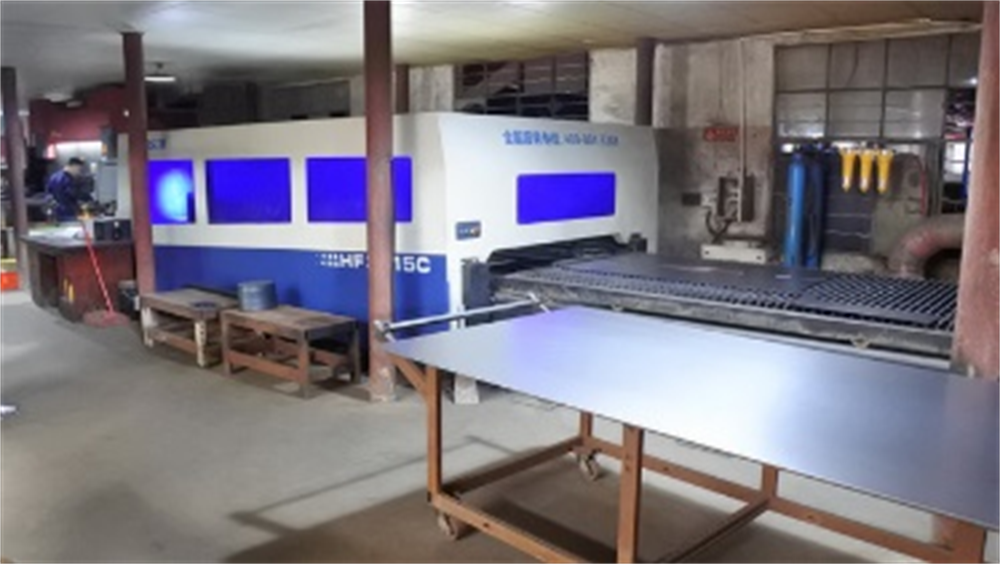
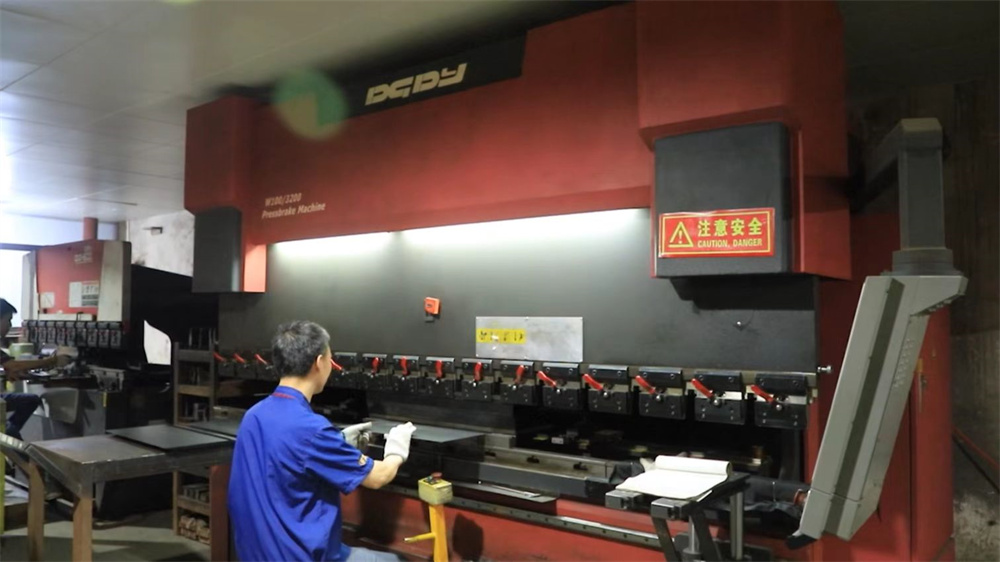
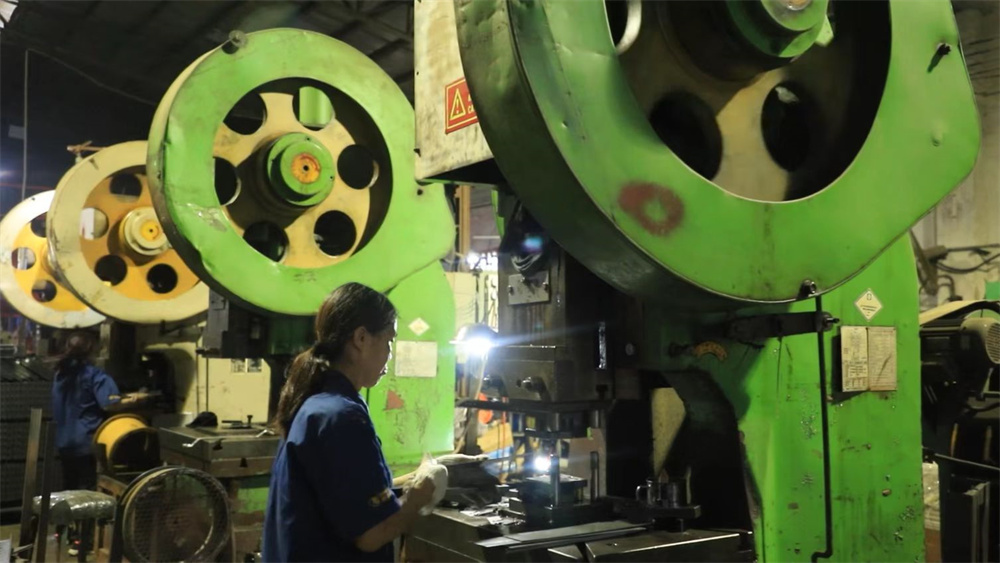
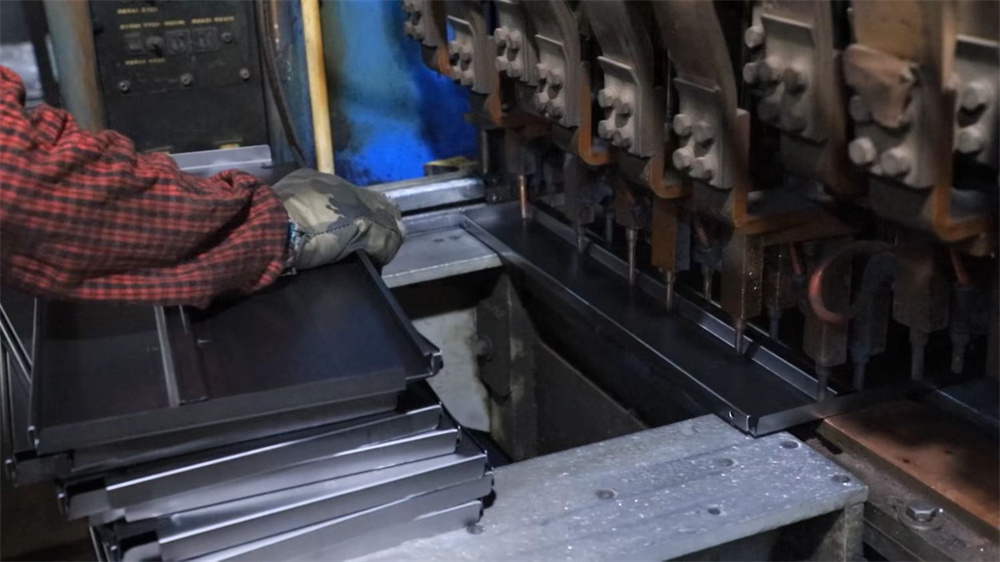
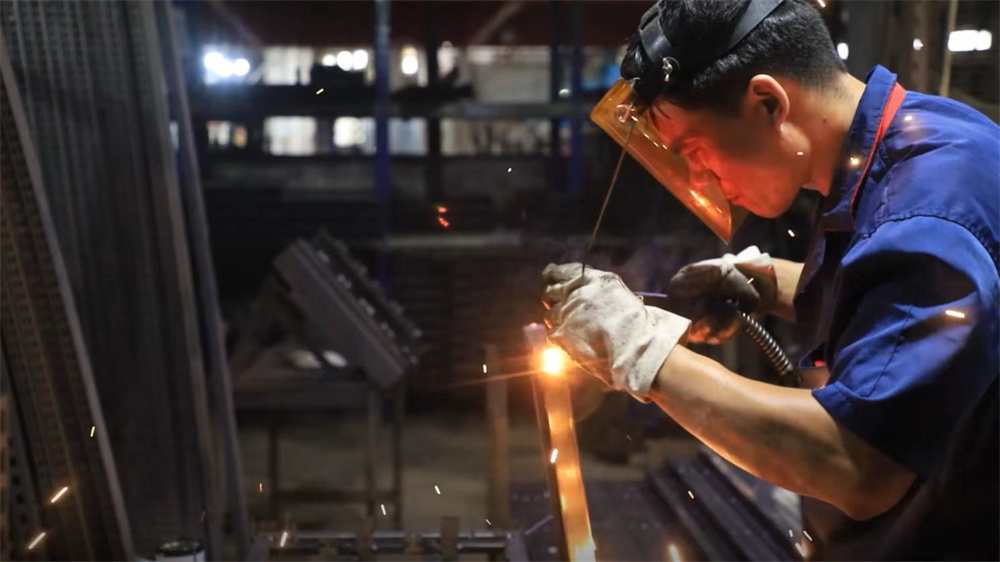
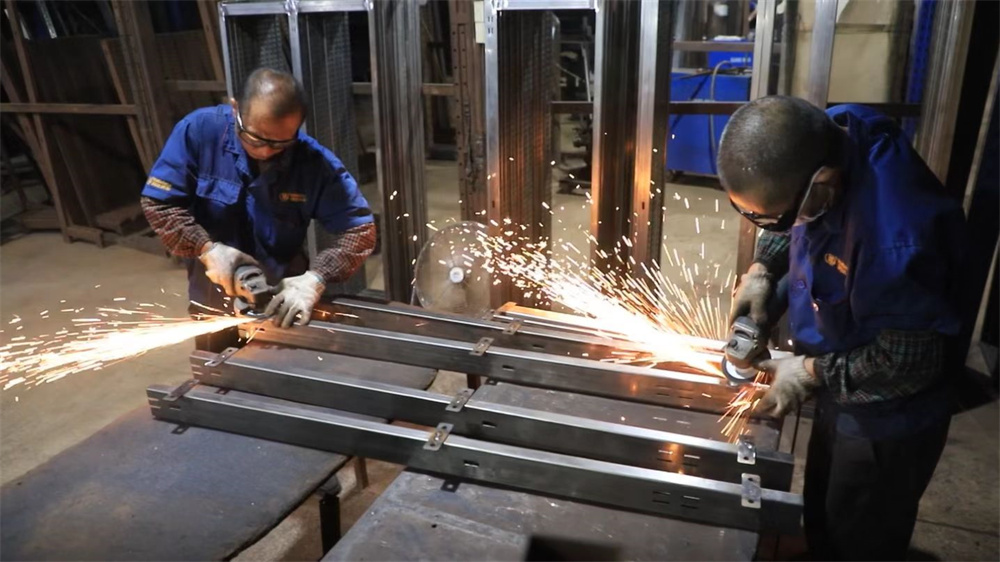
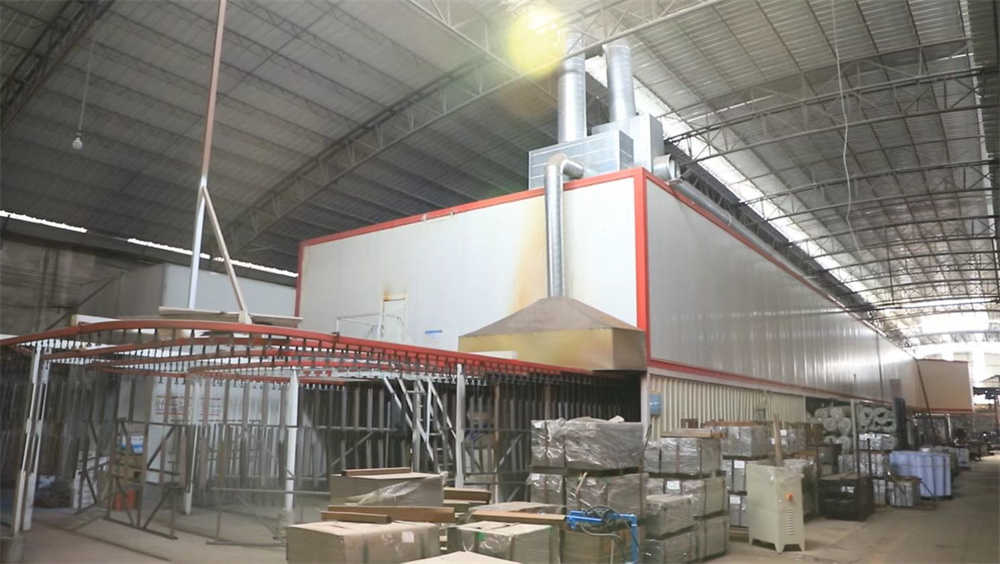
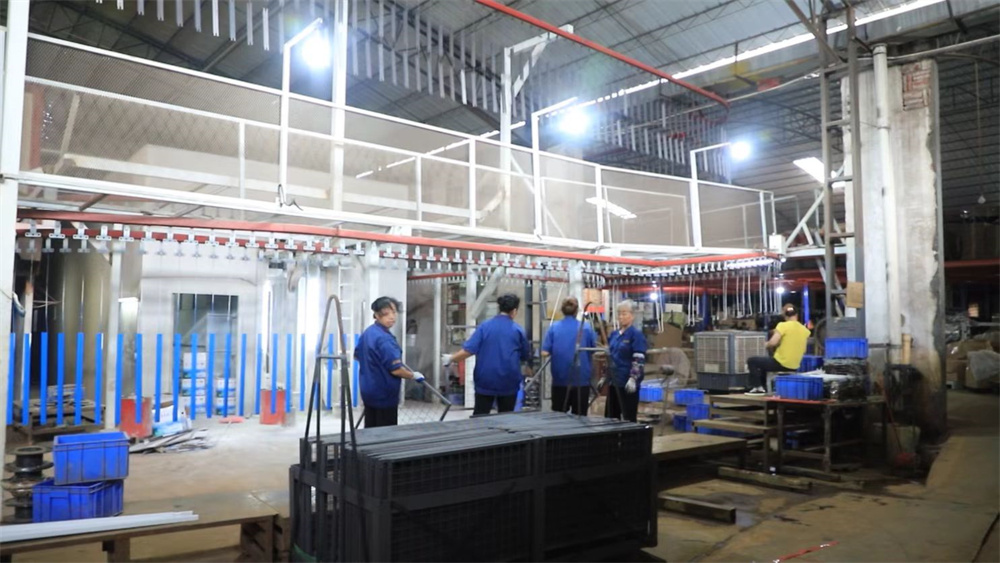
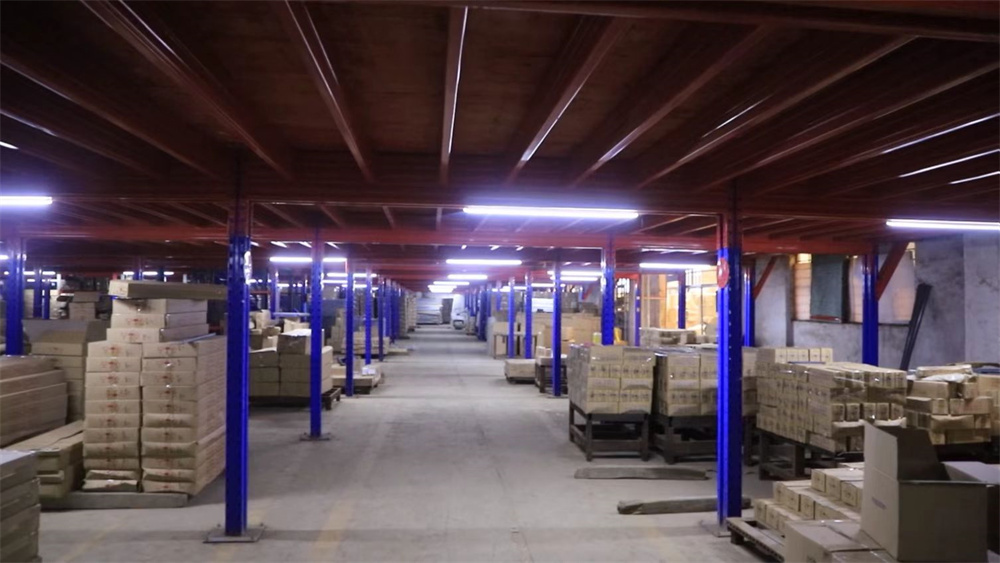
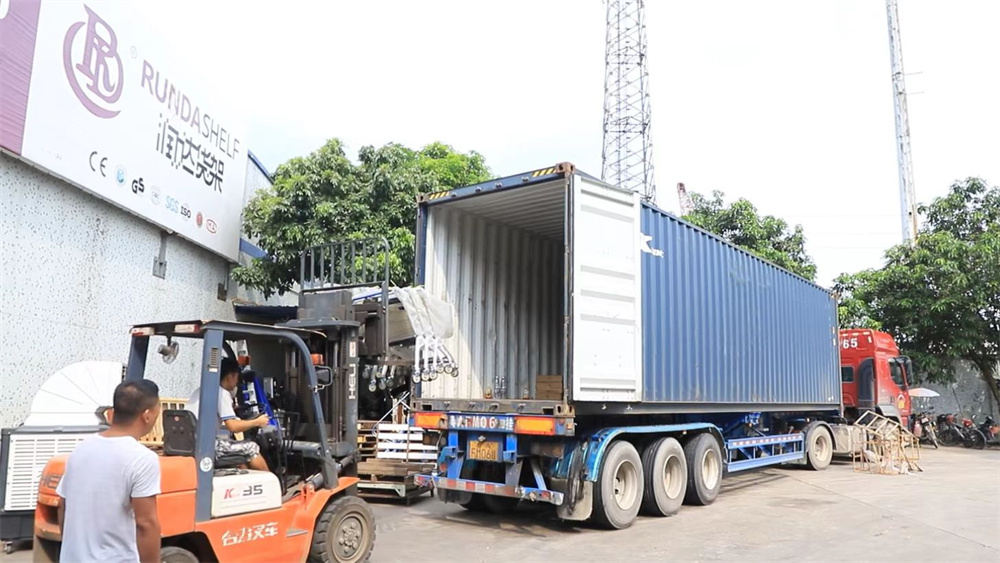
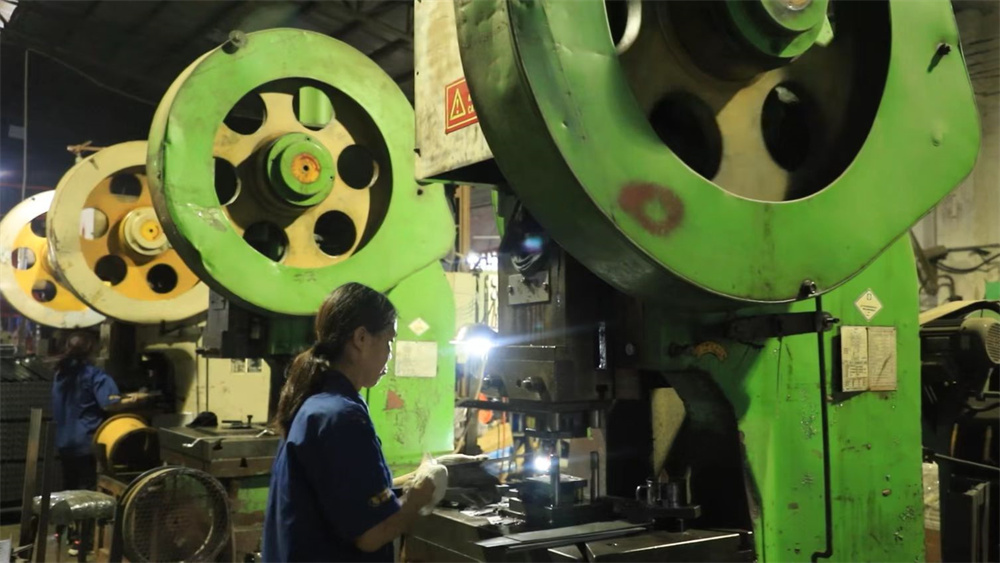
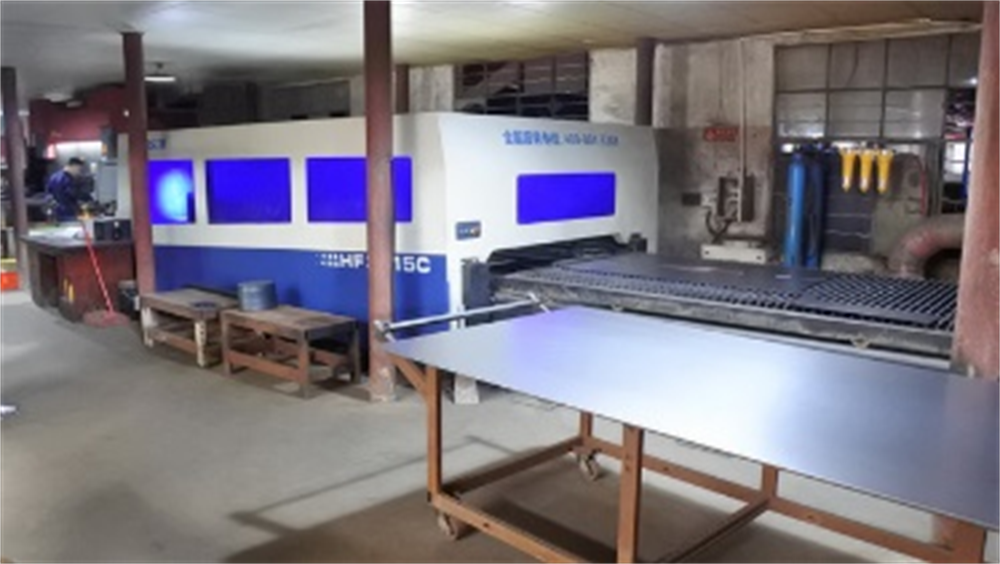
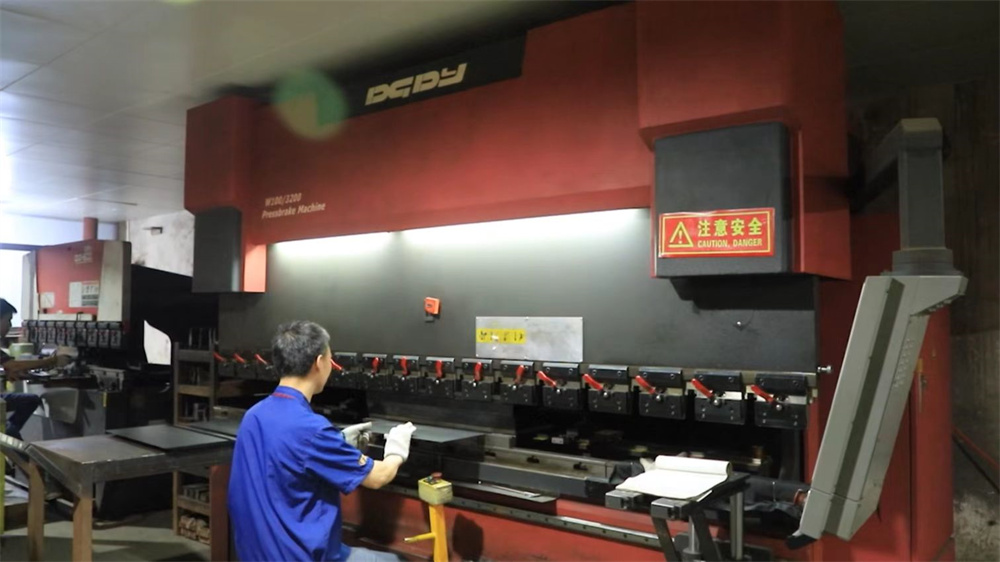
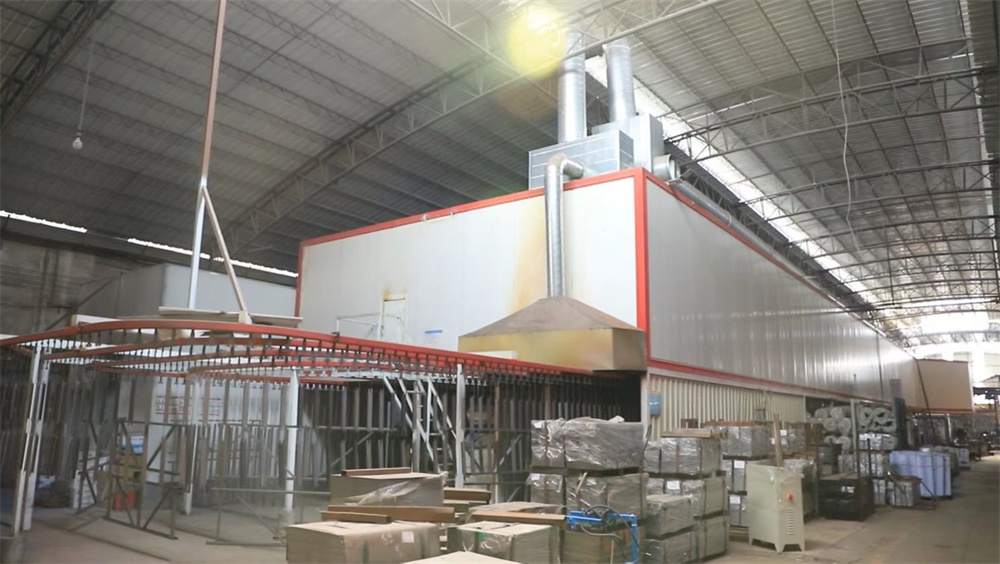
Established in 2017, Chengdu DriveRacks Industrial Technology Co., Ltd. operates a 42,000 m² manufacturing plant dedicated to advanced material handling and heavy-duty storage infrastructure. Delivering $35 million in annual export revenue, we bring 9 years of deep industry expertise and 6 years of international trade operations. Quality is integral to our process; our team of 30 certified inspectors executes rigorous raw material tensile testing and automated powder-coating thickness audits. Serving high-growth markets across the Middle East, Latin America, and Oceania, DriveRacks leverages a robust ecosystem of 1,200 supply chain partners. We primarily serve enterprise warehouse operators, e-commerce fulfillment hubs, and heavy equipment manufacturers. Powered by 110 skilled R&D engineers focusing on smart automation and high-density racking design, we released 250 dynamic product iterations last year and provide comprehensive customization spanning rack dimensions, seismic ratings, and surface treatments.
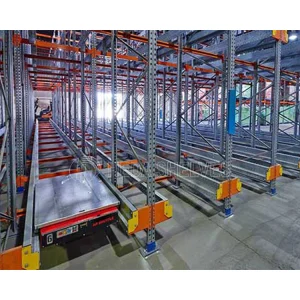
Static storage systems are evolving into smart, data-driven platforms. Modern logistics centers are adopting automated storage and retrieval systems (AS/RS), automated guided vehicles (AGVs), and smart monitoring tech.
Overloading can lead to localized failure or system collapse. To address this, future racking systems will integrate real-time sensor monitors into upright columns. Strain gauges measure actual structural strain, sending warnings through a digital interface if weight limits are exceeded. This technology supports preventive safety management, helping warehouse operators catch and address overload issues early.
In seismic zones, storage systems must be engineered to withstand lateral forces. Using finite element analysis (FEA), our structural engineers calculate the dynamic response of storage systems under seismic loads. Structural enhancements like thicker base plates, heavy-duty anchors, and high-ductility steel connections keep storage racks stable during seismic events.
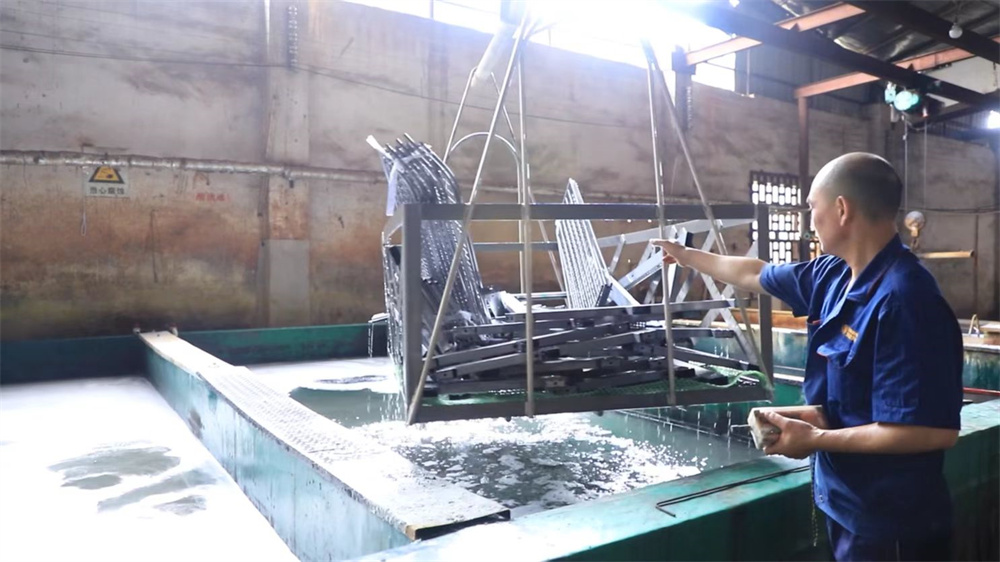
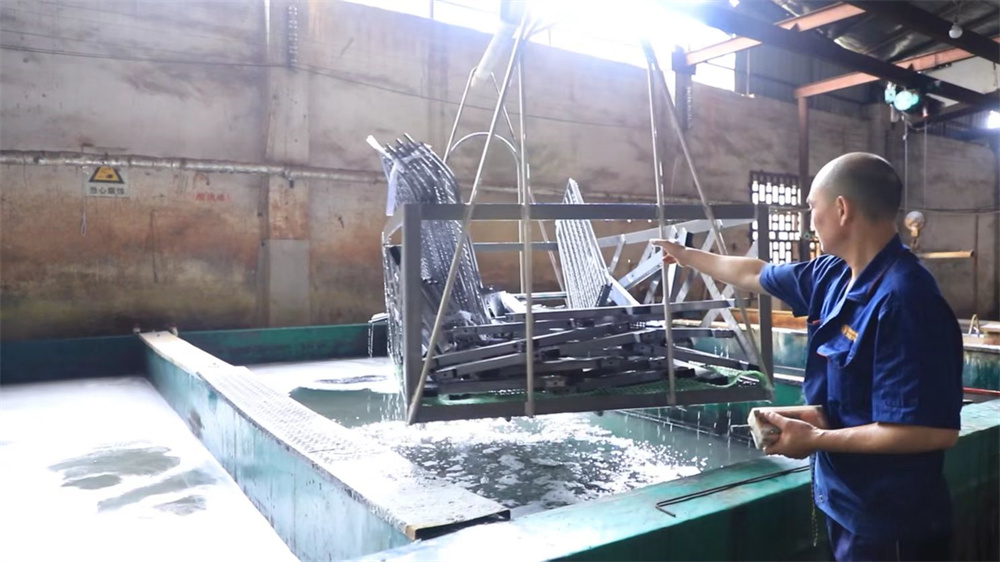
Storage environments vary from temperature-controlled warehouses to high-humidity outdoor locations. We apply electrostatic powder coatings and hot-dip galvanizing to provide durable corrosion protection. These coatings resist mechanical wear, chemicals, and moisture, protecting the structural integrity of the steel in demanding industrial settings.
Industrial storage solutions must meet international engineering and safety standards to ensure workplace safety and regulatory compliance.
At Chengdu DriveRacks, we design and manufacture our products to comply with these global standards. We provide certified mill test reports, engineering calculations, and quality documentation to ensure our systems meet regional structural requirements.
Tailoring steel alloy performance and engineering designs to meet challenging environmental conditions.
Coastal and maritime installations face high salt content and humidity. To prevent rust, we offer high-performance zinc finishes and hot-dip galvanized components. This treatment provides self-healing protection that keeps structural frames sound in high-humidity marine zones.
Cold storage facilities operate at temperatures down to -30°C. Standard carbon steel can become brittle under these conditions. We use specialized steel grades (like Q355D) that maintain ductility and impact strength in sub-zero environments, protecting the system from brittle fracture risk.
Expert answers to critical structural engineering, sizing, and load capacity questions.
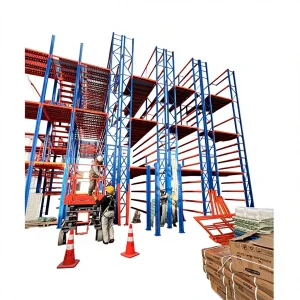
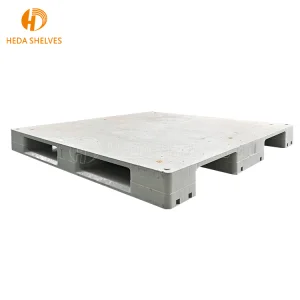
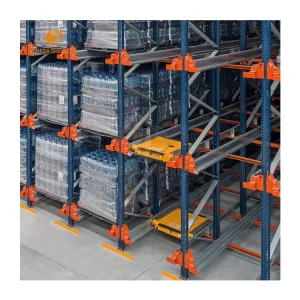
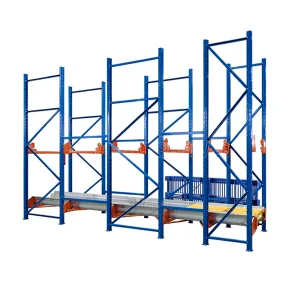
Discover our range of heavy-duty pallet shuttles, industrial mezzanine floors, and heavy material handling platforms.
 DriveRacks