Driving supply chain resilience with state-of-the-art manufacturing infrastructure and structural engineering design validated globally.
Established in 2017, Chengdu DriveRacks Industrial Technology Co., Ltd. operates a state-of-the-art 42,000 m² manufacturing plant dedicated to advanced material handling and heavy-duty storage infrastructure. Delivering $35 million in annual export revenue, we bring 9 years of deep industry expertise and 6 years of international trade operations.
Quality is integral to our process; our team of 30 certified inspectors executes rigorous raw material tensile testing and automated powder-coating thickness audits. Serving high-growth markets across the Middle East, Latin America, and Oceania, DriveRacks leverages a robust ecosystem of 1,200 supply chain partners. We primarily serve enterprise warehouse operators, e-commerce fulfillment hubs, and heavy equipment manufacturers. Powered by 110 skilled R&D engineers focusing on smart automation and high-density racking design, we released 250 dynamic product iterations last year and provide comprehensive customization spanning rack dimensions, seismic ratings, and surface treatments.
Our ISO 9001 certified workflow bridges advanced metallurgy with robotic automated machinery. From cold-roll forming to electro-static polymer deposition, explore the phases that construct heavy-duty industrial storage.
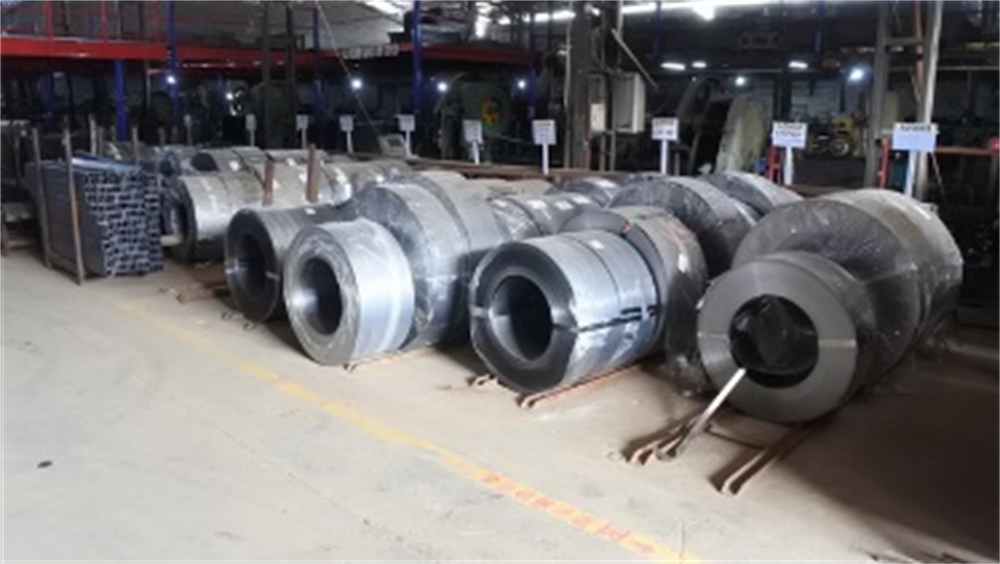
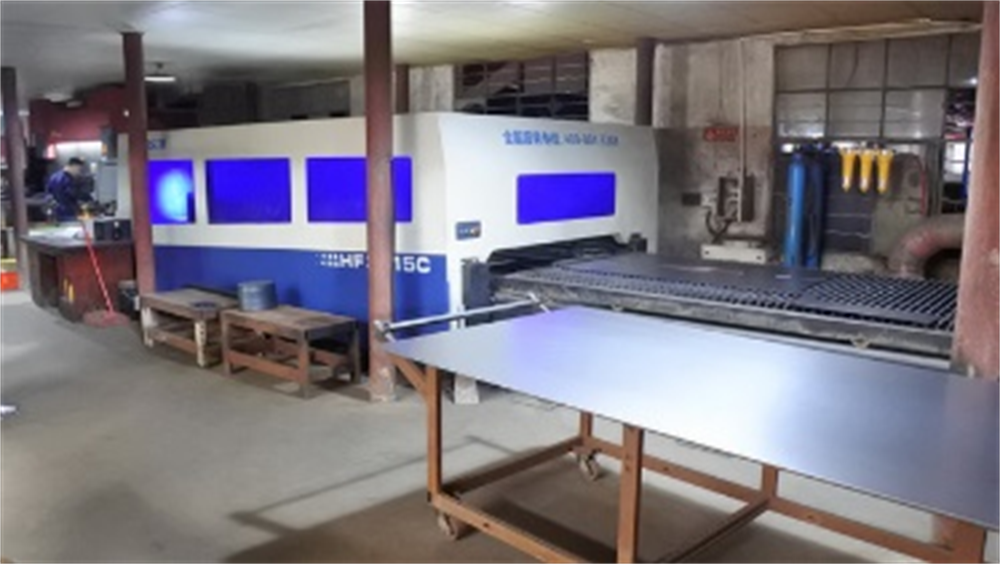
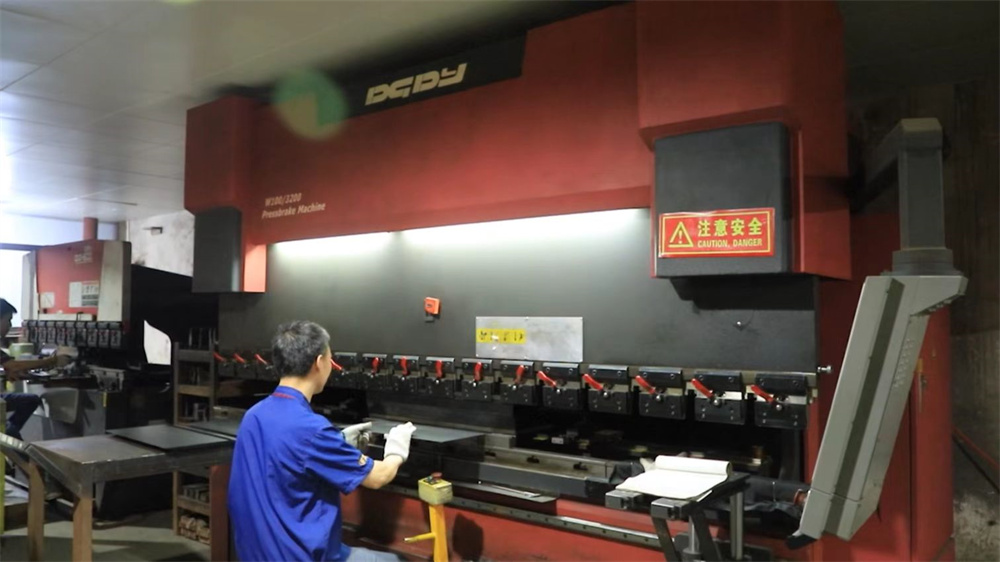
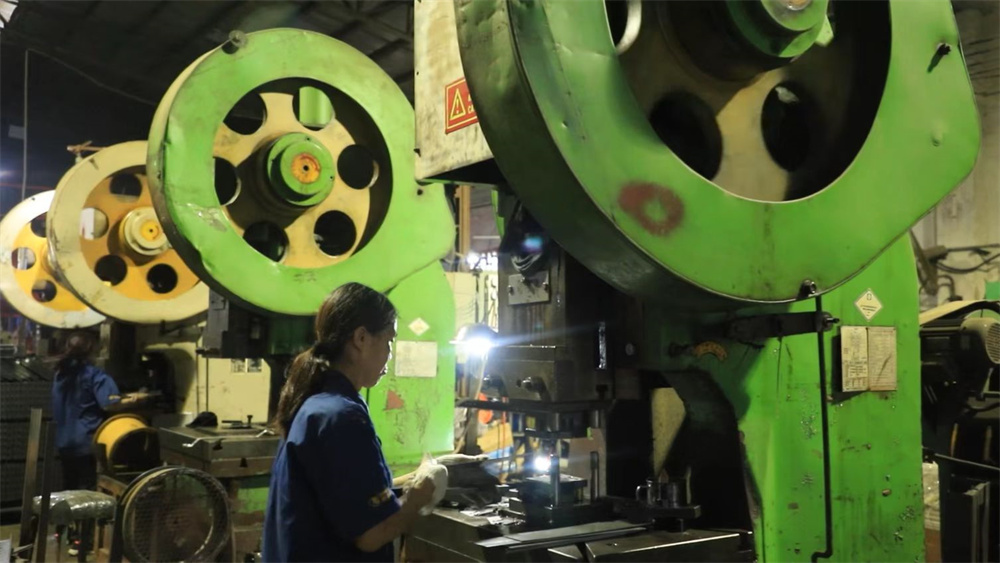
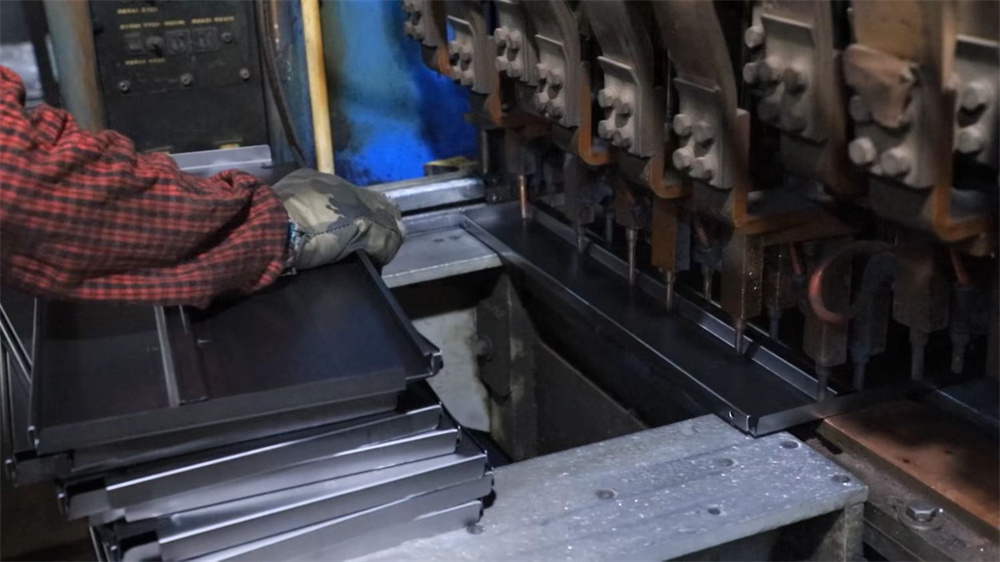
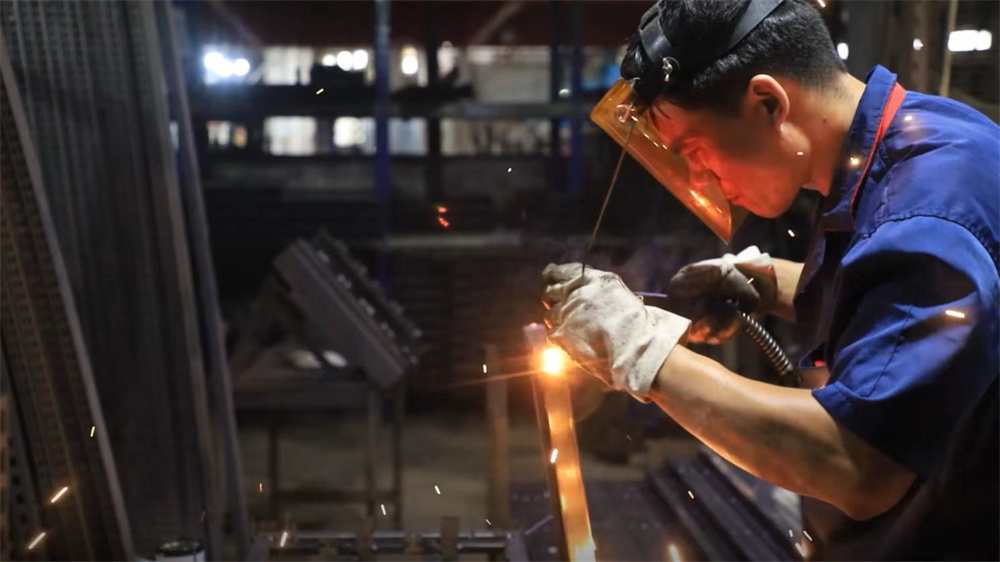
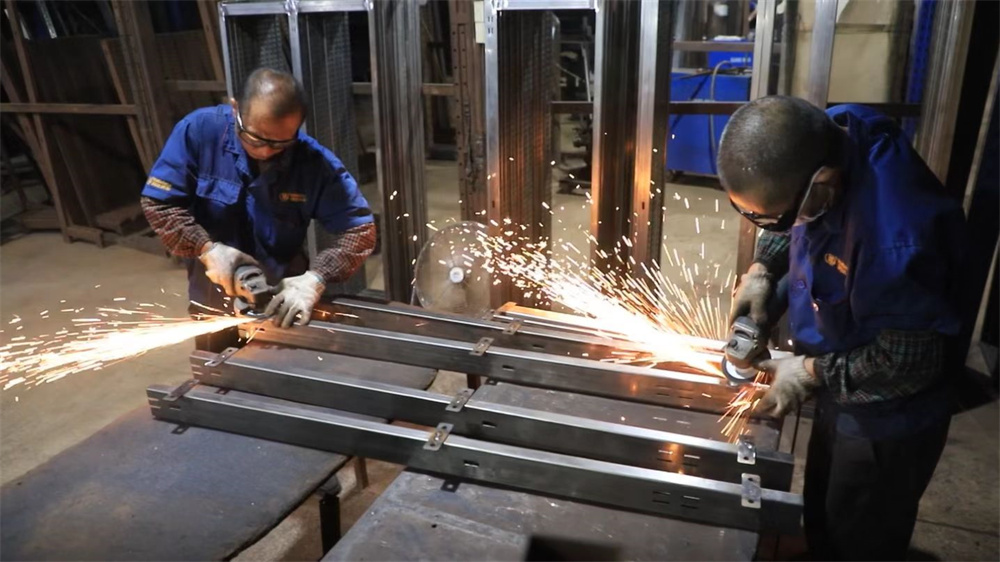
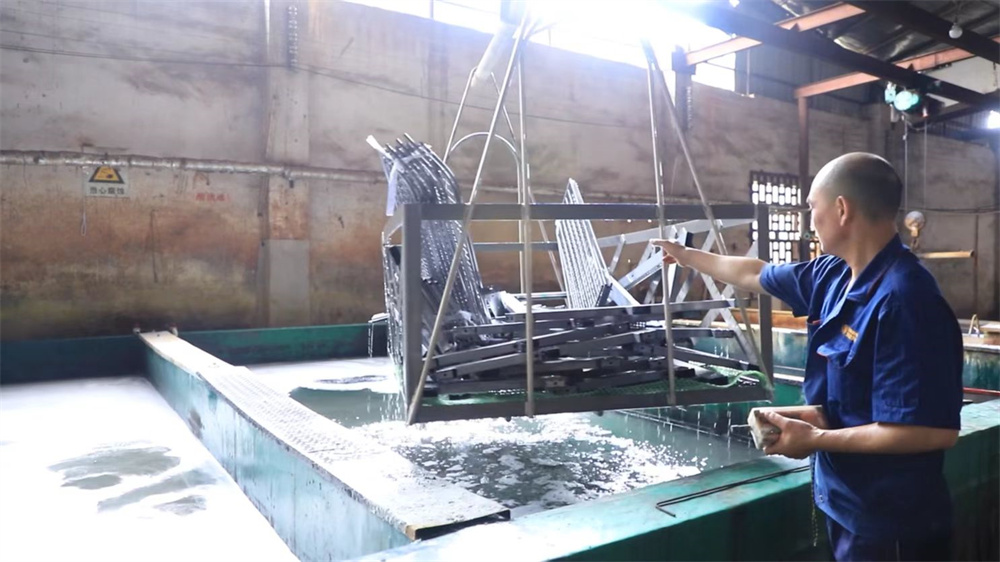
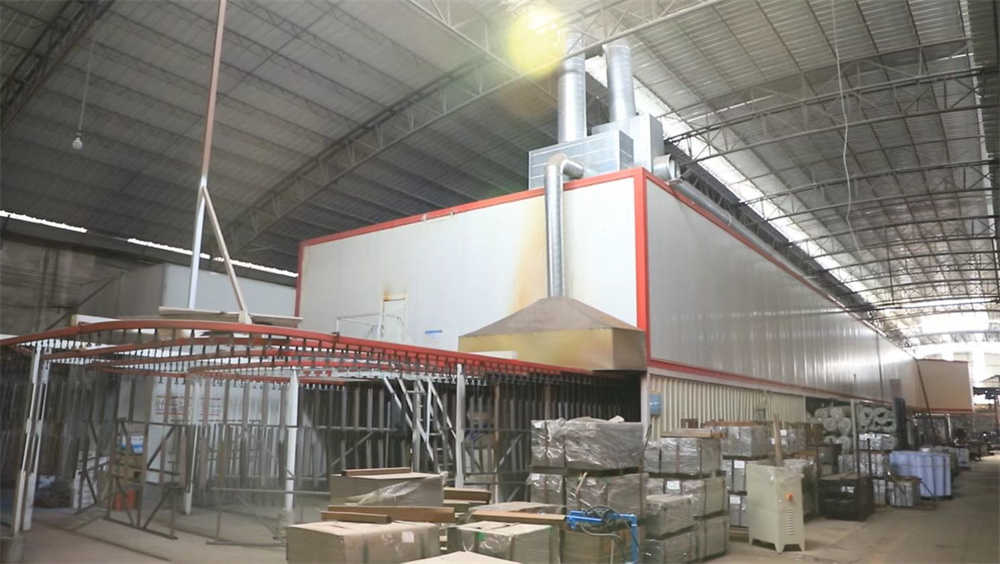
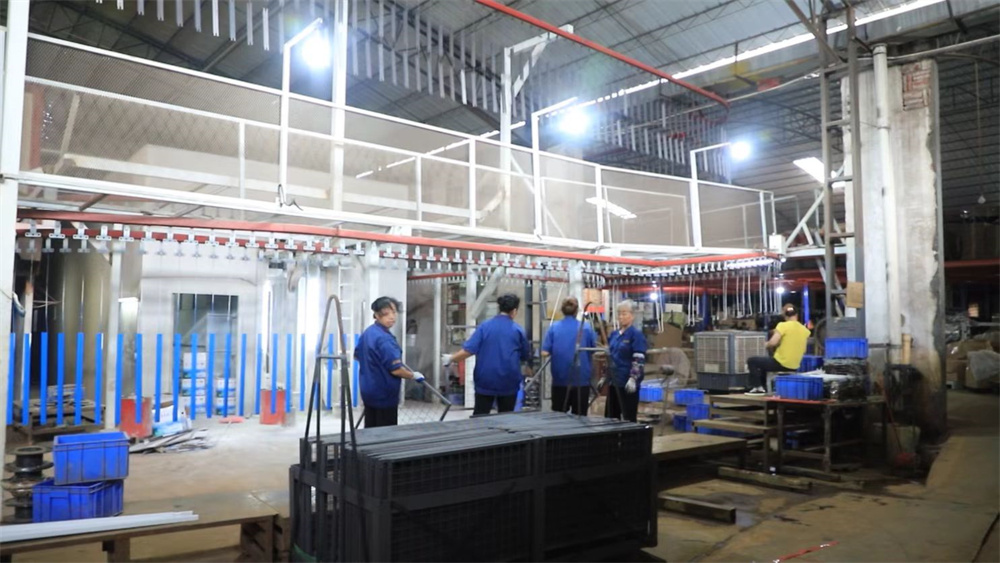
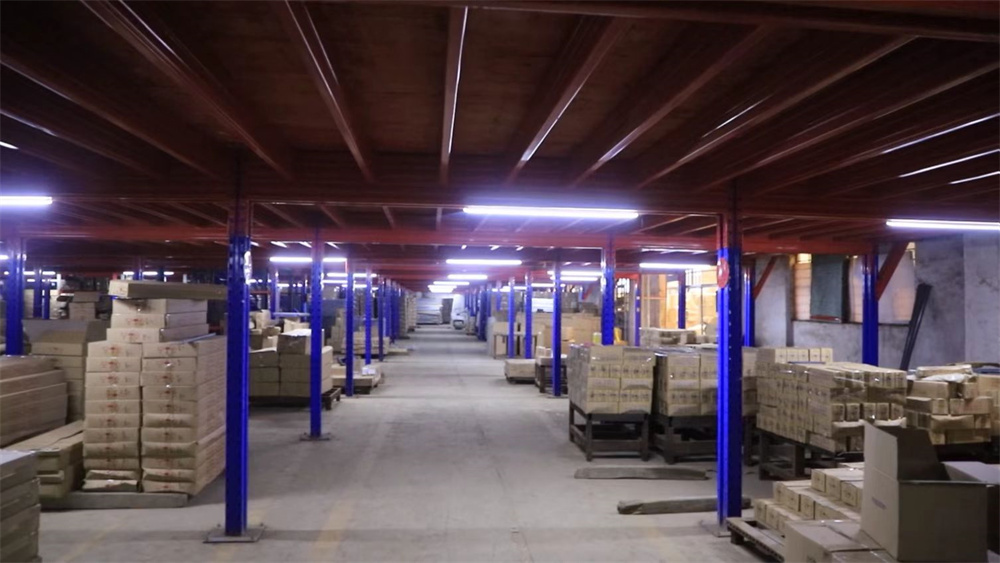
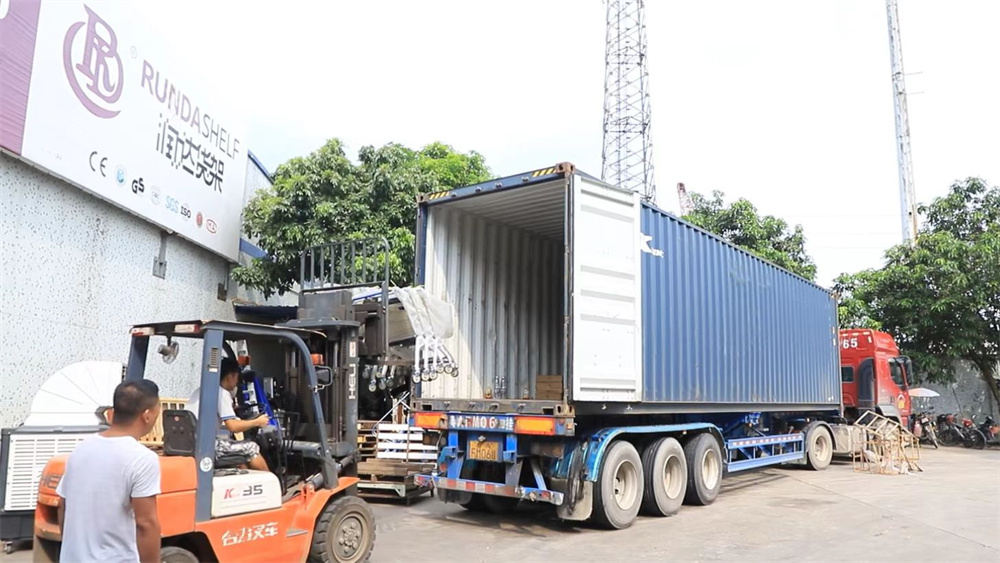
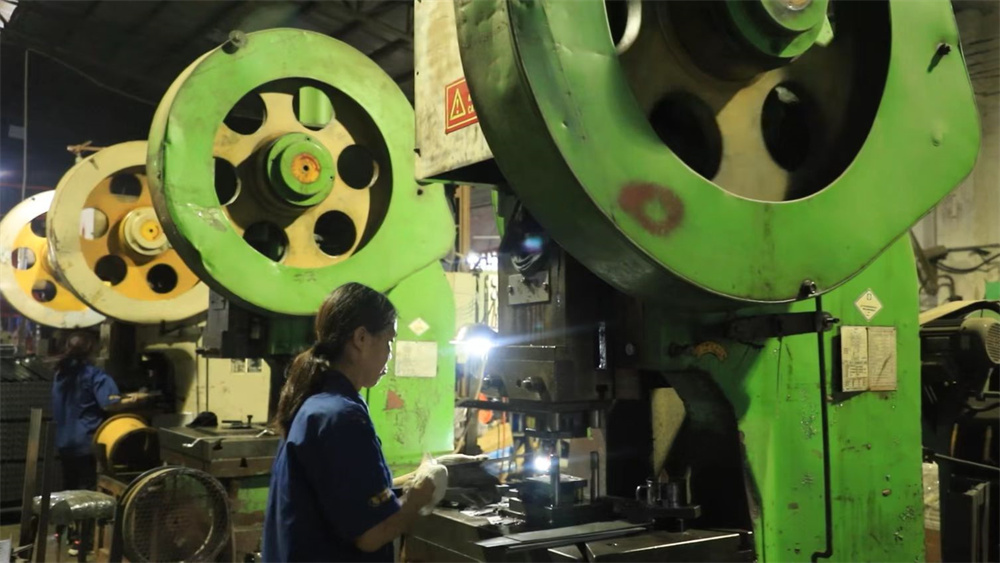
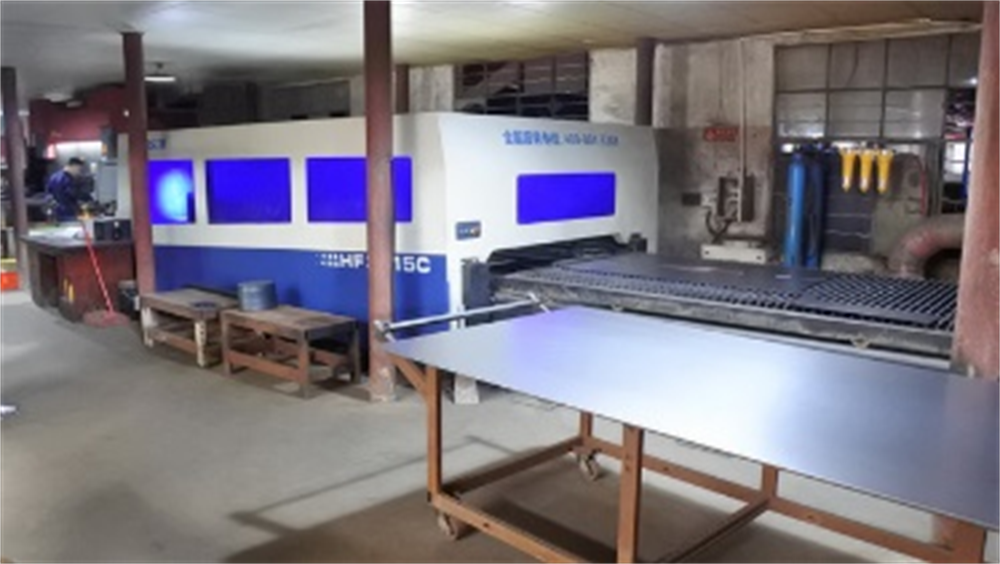
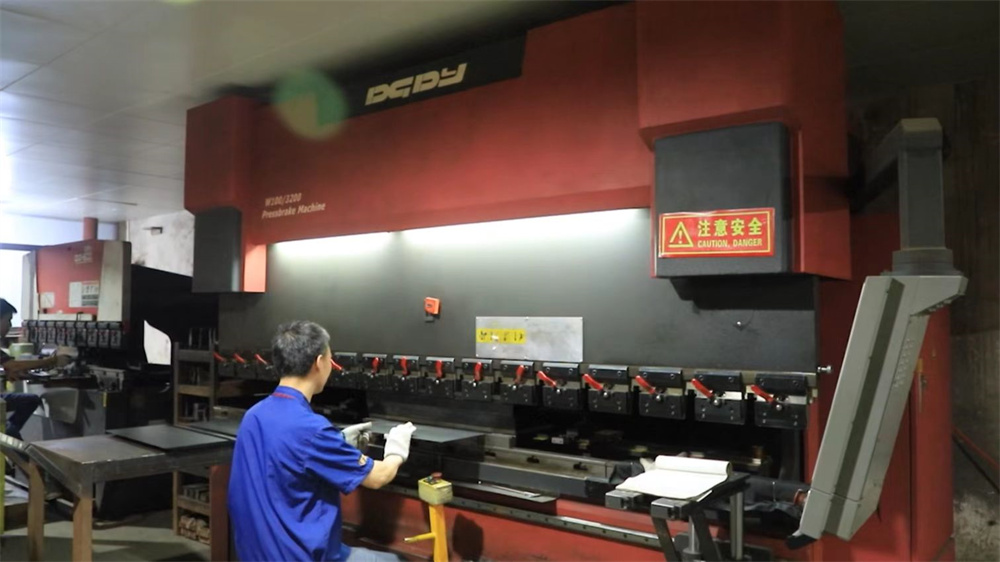
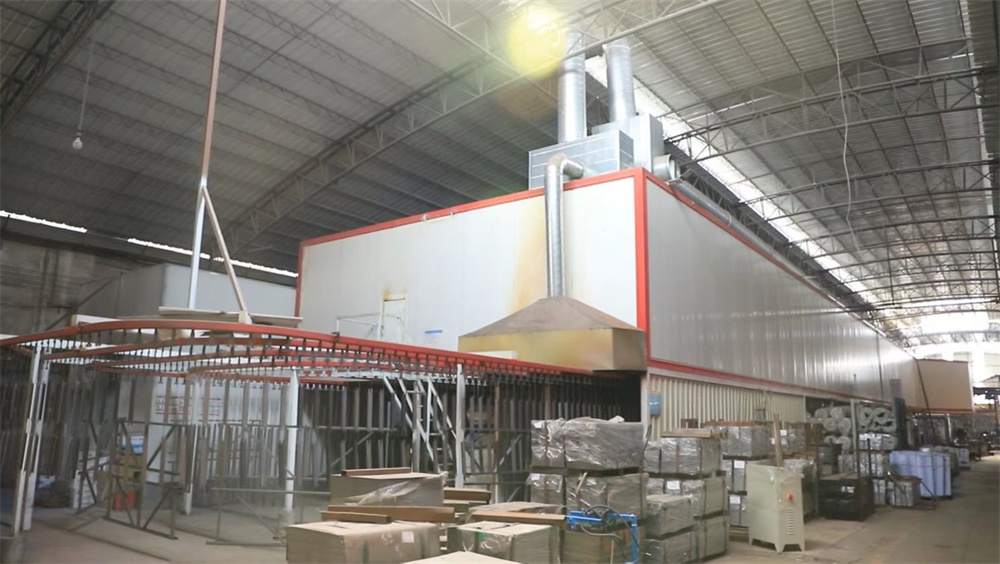
Dynamic distribution networks require high-density, configurable commercial store designs and warehouse automation interfaces.
Modern physical locations are evolving into hyper-local distribution points. Dark stores and urban fulfillment hubs require shelving configurations that support both front-of-house customer touchpoints and back-of-house automated picking operations. This structural shift demands modular systems that can transition seamlessly from retail displaying to high-load capacity industrial storage.
As global corporations target Net-Zero operations, shelving manufacturers must integrate green metallurgy. The optimization of scrap steel percentages, transition to VOC-free electrostatic powder coating lines, and adoption of thin-gauge high-strength steels (like Q355B or ASTM equivalent grades) reduce transport weight and embedded carbon footprints without compromising structural integrity.
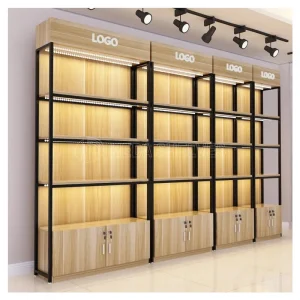
The fusion of high-density structural steel profiles with natural solid woods or composite materials is gaining momentum. This hybrid configuration provides aesthetic premium value for cosmetic and organic grocery segments, while retaining the heavy load-bearing structural integrity required for large-volume retail installations and preventing lateral sag over long spans.
For procurement executives at major multi-national retailers and hypermarket chains, choosing a supplier in China requires a deep look beyond simple Unit-Cost FOB pricing. A total cost of ownership (TCO) evaluation model must include structural reliability under varying seismic conditions, durability of protective coatings, and dimensional tolerance control.
"Evaluating China-based manufacturers requires verifying raw steel sourcing (such as major mills like Baosteel), testing weld integrity (AWS D1.1 compliance), and ensuring uniform coating thickness to prevent premature oxidation."
Shelving designs must meet local structural codes (RMI in the Americas, EN 15512 in Europe). Calculations should account for site-specific seismic accelerations, ensuring baseplates and dynamic load frames prevent catastrophic overturning.
Salt spray testing (ASTM B117) is critical for cold storage, ocean freight transit, and high-humidity retail regions. Coating thicknesses must exceed 60–80 microns to withstand continuous mechanical wear from metal shopping baskets and pallet handling.
Working with partners who have robust steel supply networks ensures raw materials remain accessible and prices stay stable during macro-economic volatility, keeping large-scale infrastructure projects on schedule.
Modern global commerce requires a unified storage strategy. Heavy-duty back-of-house warehouse automation must feed front-of-house modular display shelves smoothly, creating an efficient flow of goods across the entire facility.
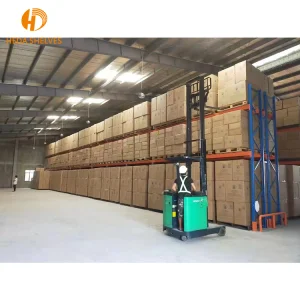
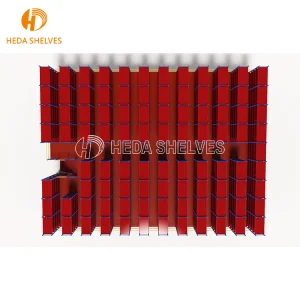
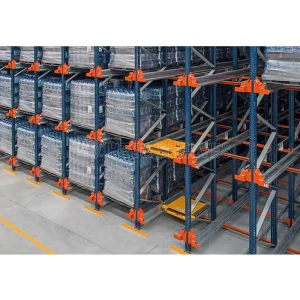
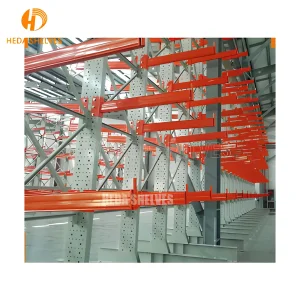
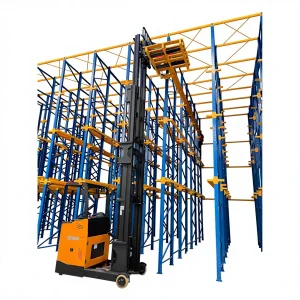
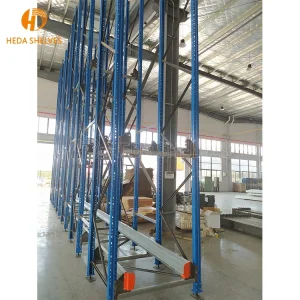
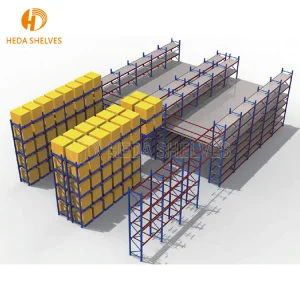
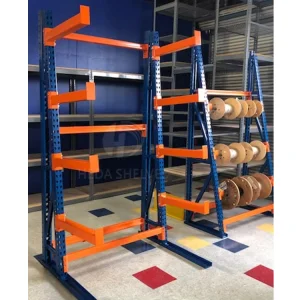
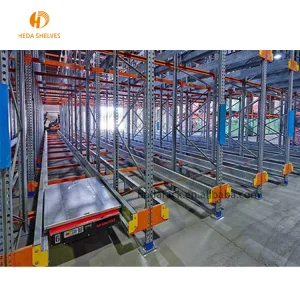
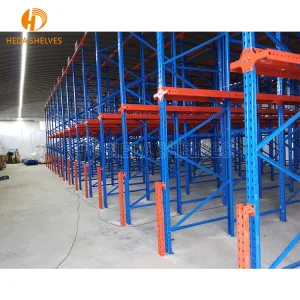
Utilizing automated shuttle rack systems, heavy-duty cantilever systems, and multi-level mezzanine platforms allows warehouses to achieve optimal volumetric space utilization. These designs maximize vertical storage while providing structural support for heavy pallets and industrial equipment.
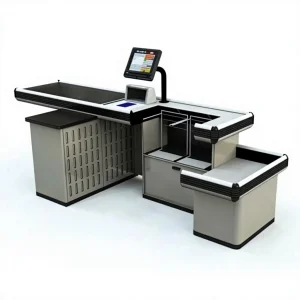
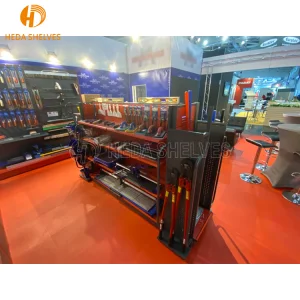
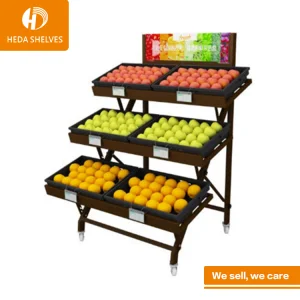
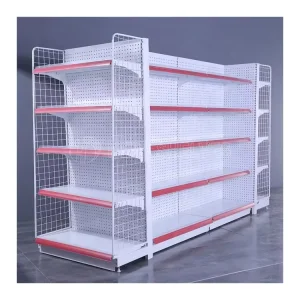
Steel-wood modular supermarket shelves, pegboard wall units, and dynamic checkout counters are engineered to display high SKU counts clearly. These systems are designed for high customer traffic, offering tool-free height adjustment and easy customization to adapt to changing inventory layouts.
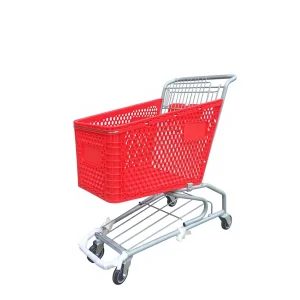
Ergonomically designed high-volume shopping carts and specialized transport trolleys connect the stockroom to the retail floor. These systems streamline the stocking process and improve the shopping experience by enabling smooth, efficient inventory replenishment.
To ensure product quality and safety, DriveRacks maintains a rigorous Quality Assurance (QA) framework. Certified inspectors monitor each stage of production, from raw steel testing to the final check of powder-coated surfaces.
Every batch of raw steel is tested for yield strength, tensile strength, and elongation percentage. Test results are documented to confirm the structural integrity of the steel before it enters production.
Using precision CNC machining and laser-cutting technology, manufacturing tolerances for uprights, beams, and connector brackets are held within close limits (under 0.5mm) to ensure quick, stable assembly on site.
Our products are engineered to comply with international standards, including CE certification for safety, ISO 9001 quality management, and structural designs aligned with RMI and FEM specifications.
Driven by automation and advanced digital integration, the next generation of industrial shelving systems will focus on real-time responsiveness and smart space utilization.
Integrating shuttle-rack interfaces with autonomous mobile robots (AMRs) allows shelves to function as dynamic staging areas. Designing racks with integrated guidance tracks, safety sensors, and standard mechanical interfaces enables automated material handling systems to navigate storage layouts smoothly and safely.
Integrating load-cells and smart weight sensors directly into rack beam connectors enables automated, real-time inventory tracking. These systems monitor load levels to detect overloads, track stock fluctuations automatically, and alert operations to safety or inventory issues immediately.
Advanced coatings are evolving beyond standard powder finishes. By combining zinc-rich primers, antimicrobial topcoats, and self-healing polymers, next-generation finishes provide durable, wear-resistant protection suitable for high-contact environments and harsh outdoor storage.
Find quick, technical answers to common questions about material specifications, customization capabilities, design standards, and international shipping logistics.
 DriveRacks