High-capacity structural solutions optimized for heavy machinery components, raw material pallets, and complex logistics operations.
How severe land shortages, spatial costs, and smart manufacturing drives the shift to advanced retractable systems.
Industrial warehousing across Western Europe, the Middle East, and North America is facing a crisis of cost. Real estate values have surged up to 45% in prime logistical zones. Traditional floor-based storage formats consume valuable work cells, leading to workflow congestion. Retractable storage systems, specifically rollout sheet metal drawer systems and extendable cantilever racks, mitigate this constraint by utilizing vertical space. These systems allow overhead crane loading while retaining compact layouts, converting dead space into high-density storage zones.
Employee safety regulations, such as OSHA in the US and EN guidelines in Europe, require strict weight handling compliance. Retractable rack architectures feature mechanical or automated slide-out drawers. This permits heavy items, such as automotive injection molds, tooling dies, and cylindrical steel coils, to be fully extended and loaded safely via overhead cranes, rather than manually navigated with forklifts. This structural flexibility reduces machine footprint requirements by up to 60% while optimizing workplace ergonomics.
Underneath the heavy-duty steel structure is a complex convergence of finite element analysis, automated coatings, and precision mechanical tolerances.
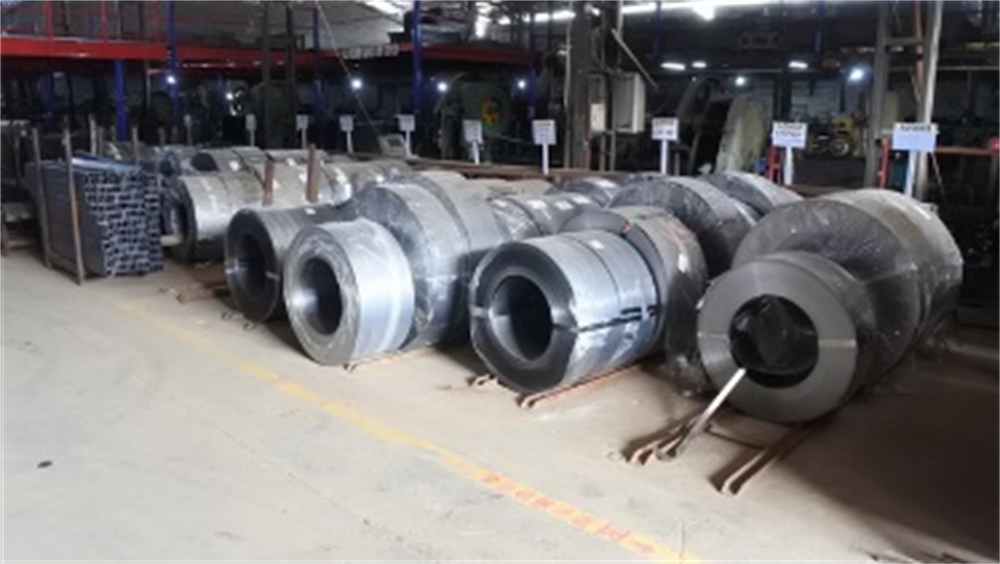
We source cold-rolled steel coils with verified yield strengths (235-355 MPa) to fabricate columns and upright structures. This ensures that load-bearing members resist localized buckling and maintain structural rigidity under full payload capacity.
Every retractable tray relies on dynamic rail slide designs, leveraging sealed heavy-duty roller bearings. Tolerances are controlled within ±0.5 mm, guaranteeing easy extension even when loaded to maximum capacities exceeding 2,000 kg per level.
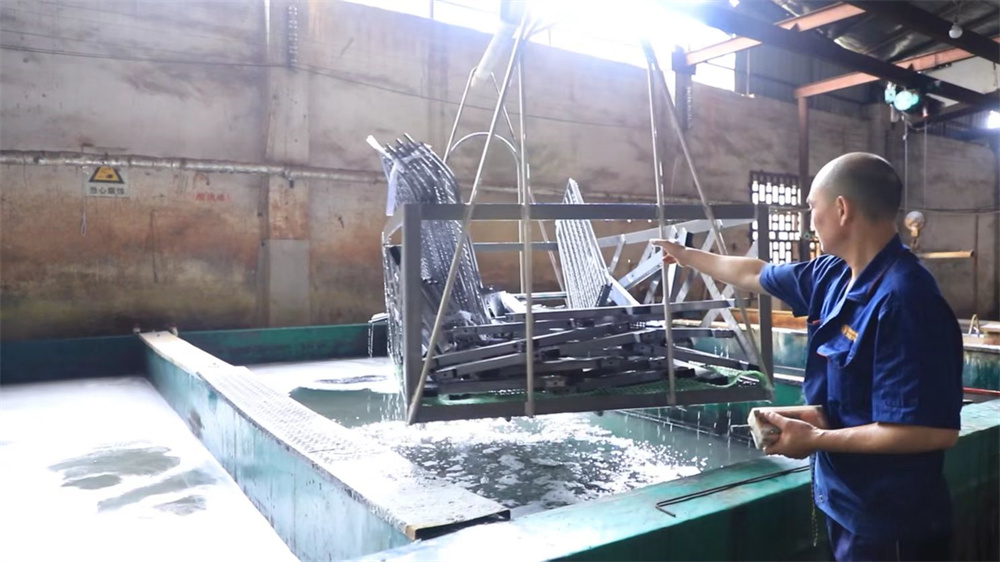
Our automated electrostatic powder coating line applies a cross-linked epoxy-polyester coating. This is checked via digital ultrasonic thickness gauges to maintain a uniform 60–80 μm thickness, providing high scratch and humidity resistance.
Chengdu DriveRacks utilizes finite element analysis (FEA) software to model structural behavior under dynamic conditions. We customize rack dimensions, shelf loading limits, safety lockouts, and seismic ratings (conforming to local codes such as AS4084 in Australia and RMI standards in the Americas). This ensures that every racking system shipped globally operates safely within its design envelopes.
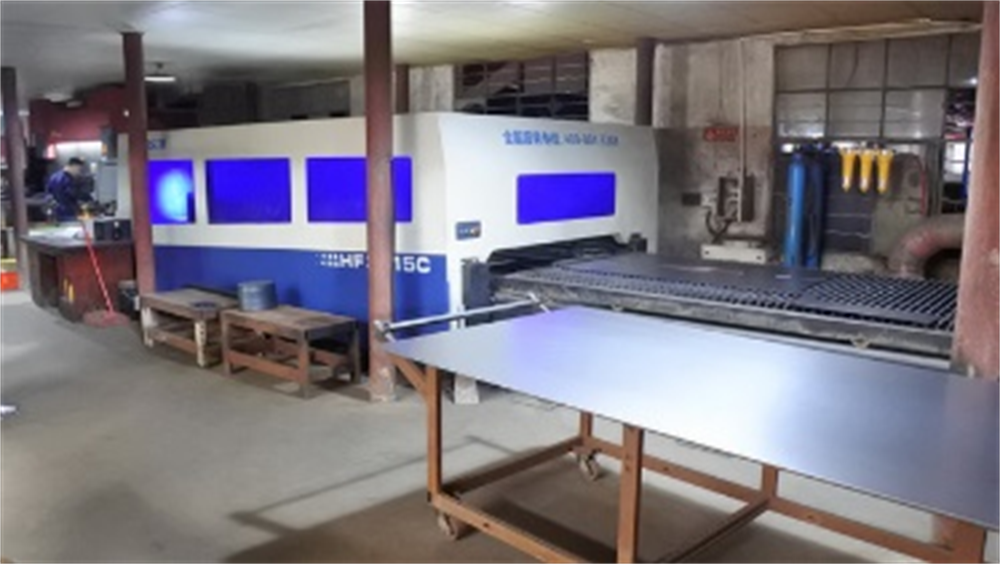
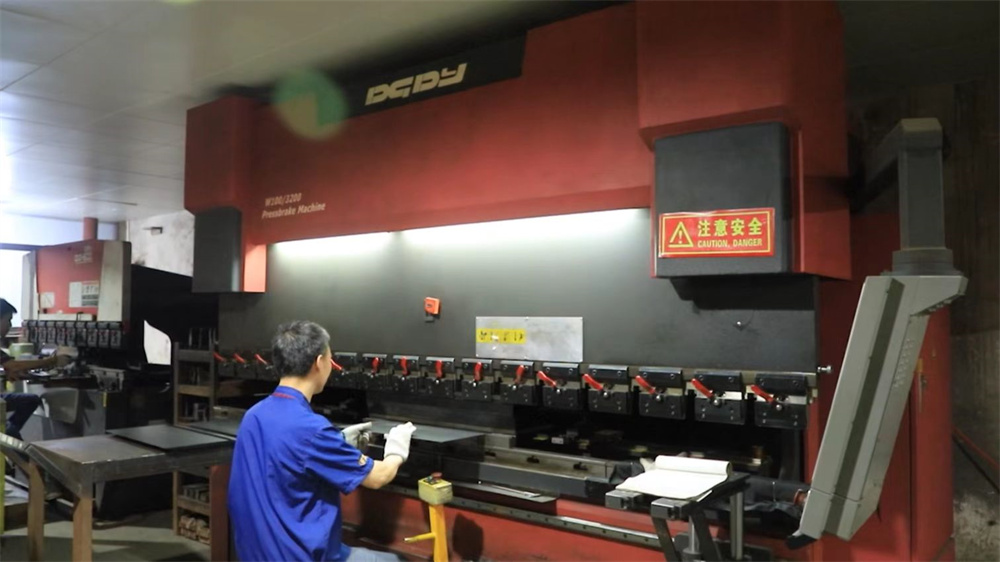
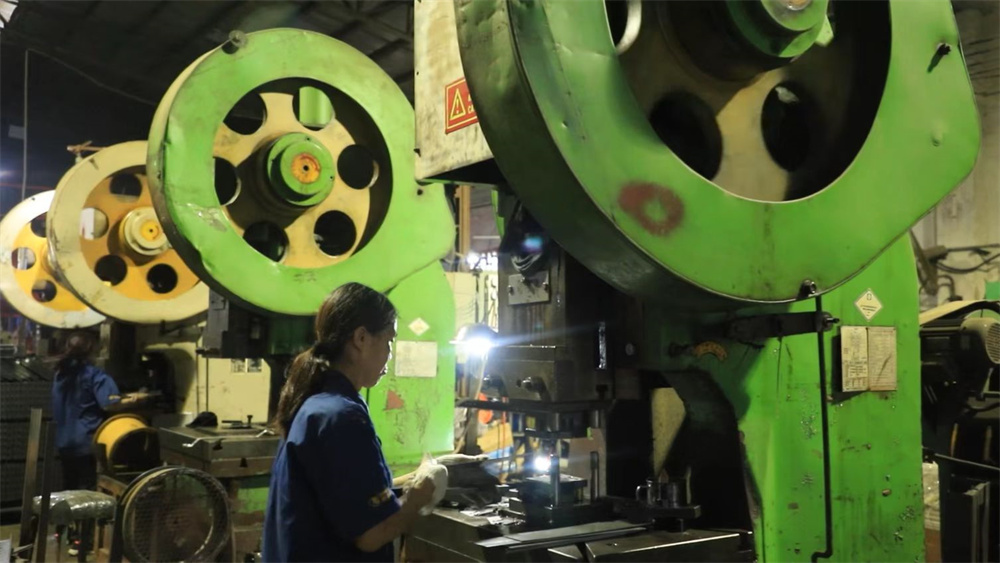
A detailed breakdown of our 42,000 m² manufacturing workflow, showing our transformation from raw structural steel into high-density storage solutions.
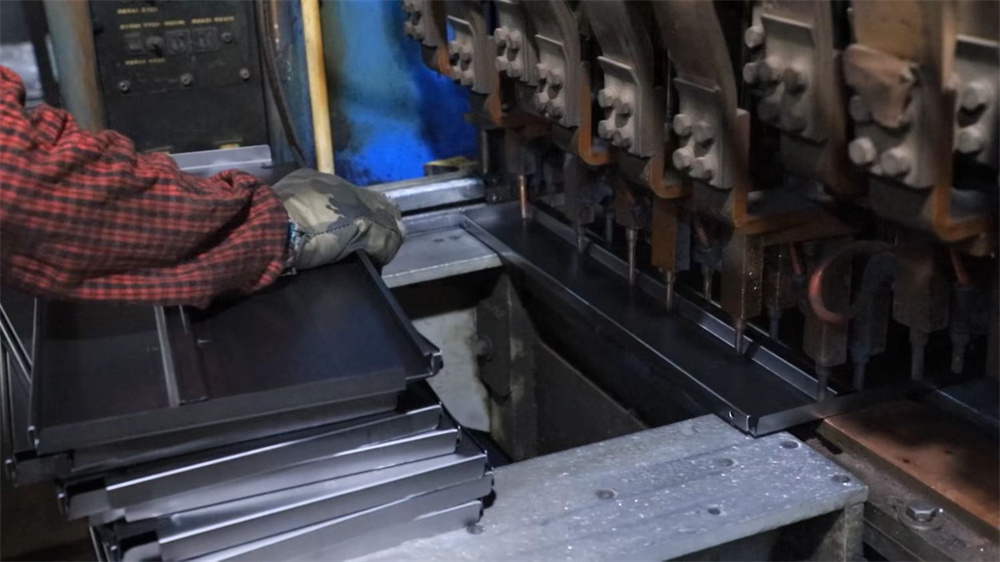
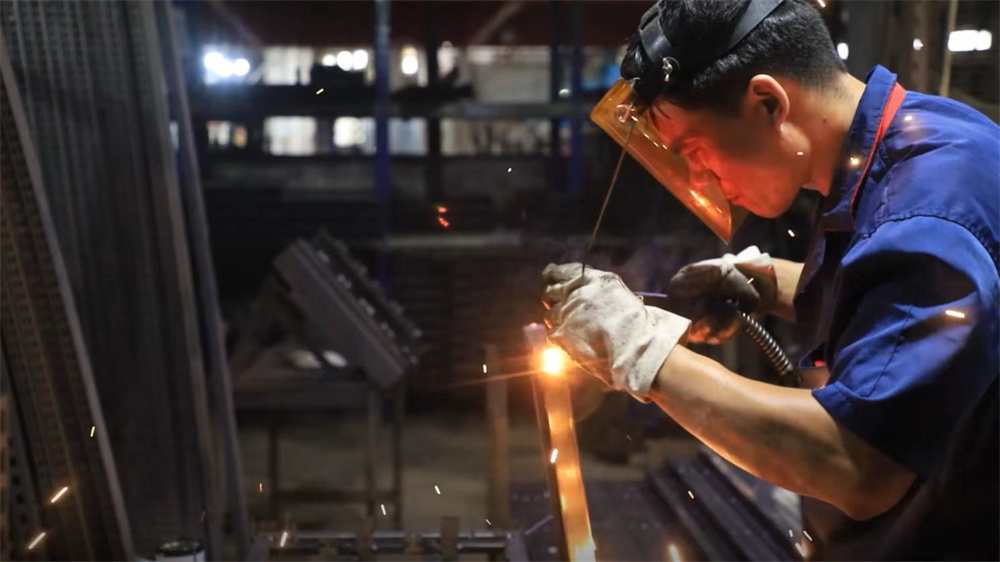
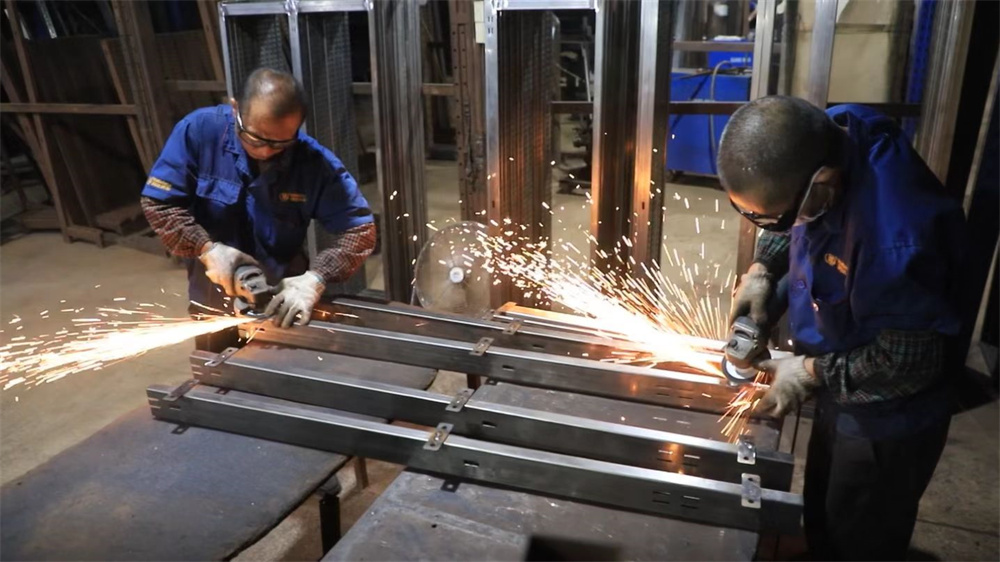
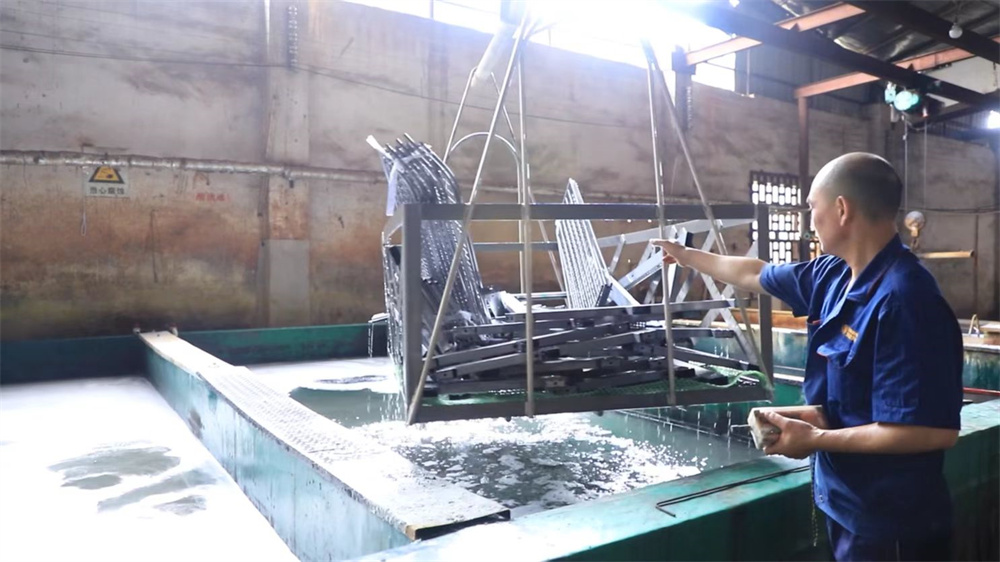
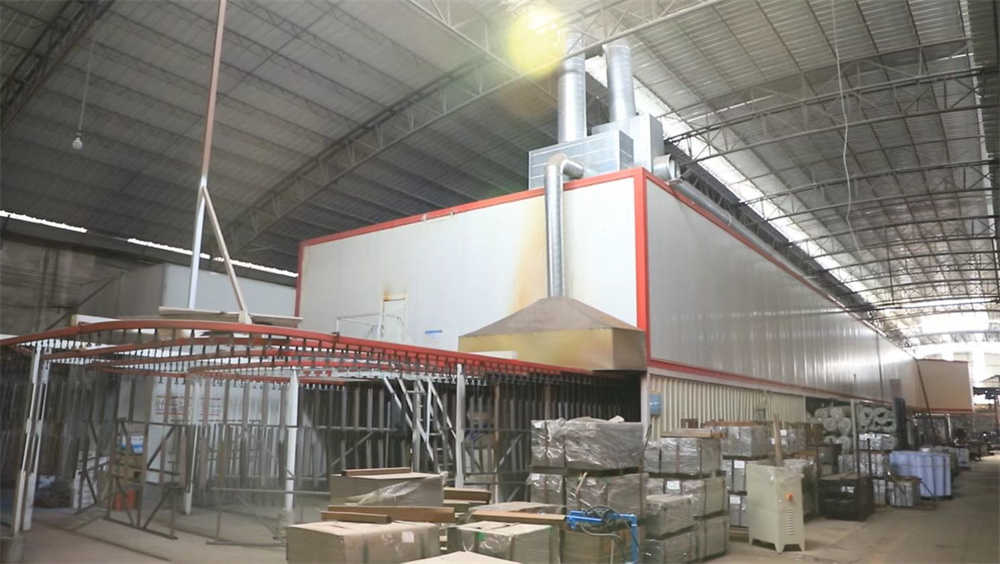
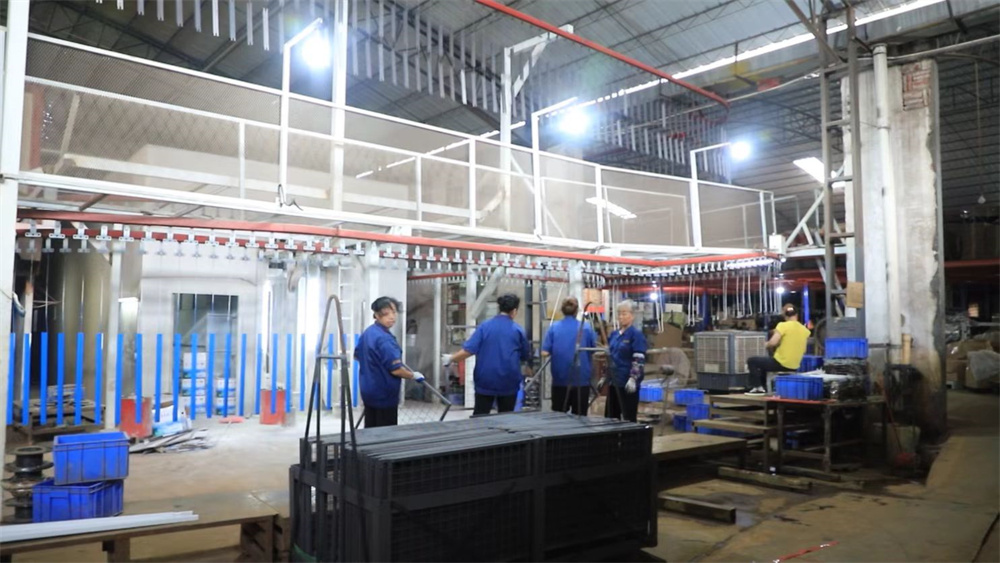
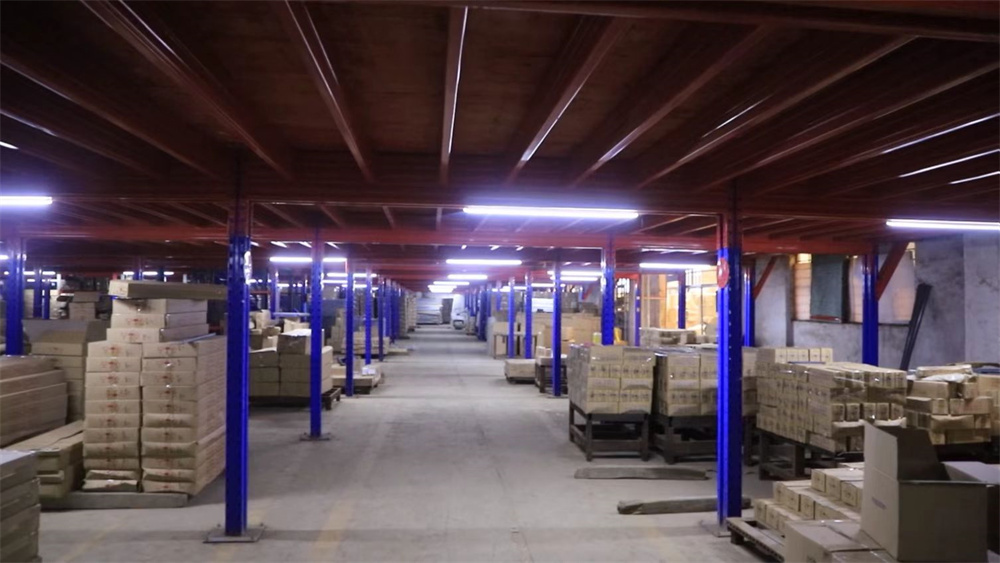
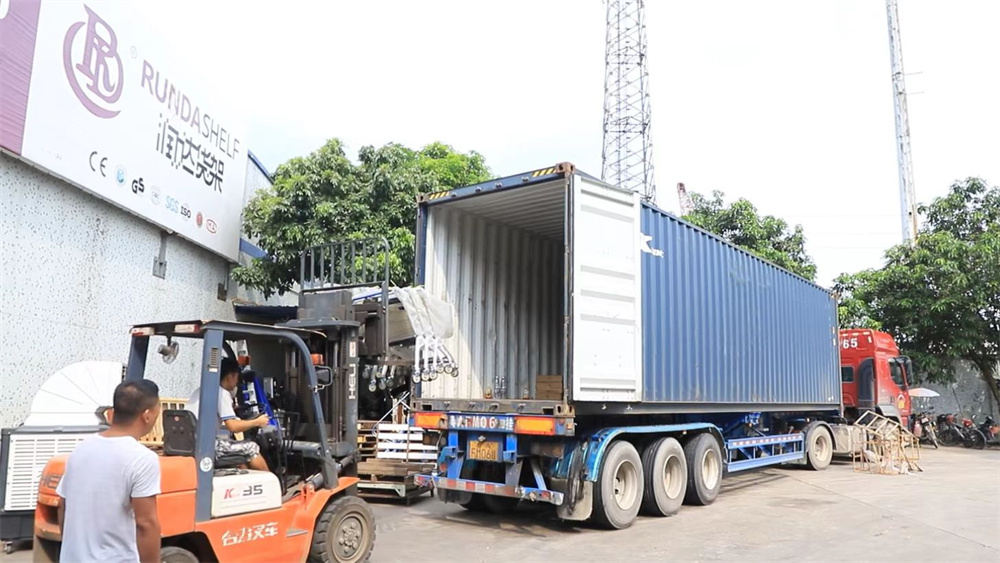
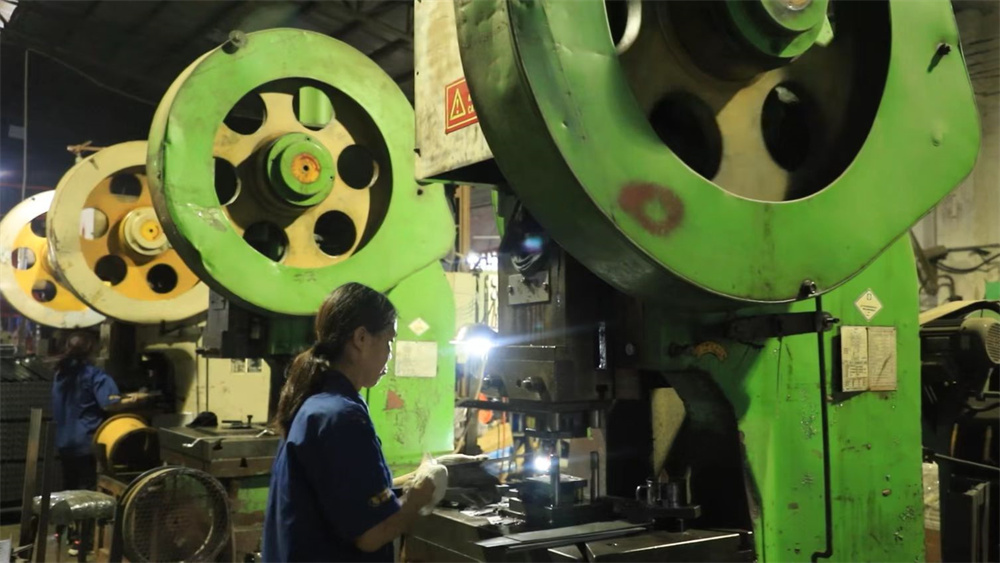
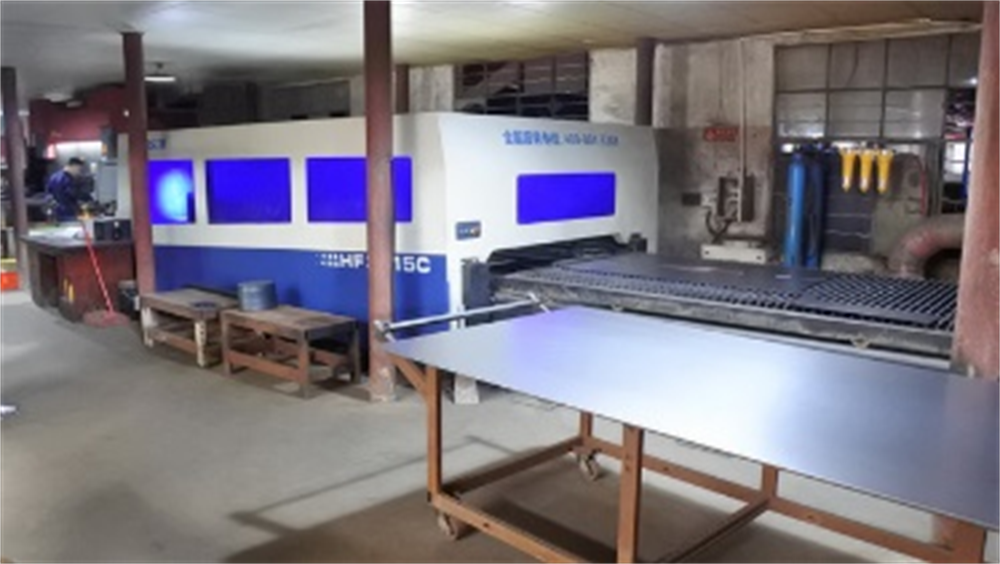
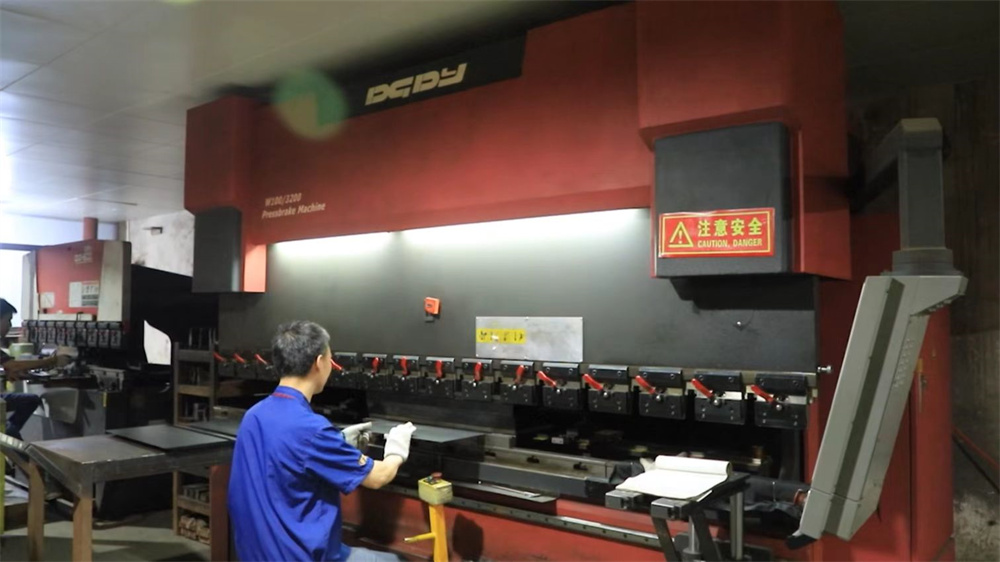
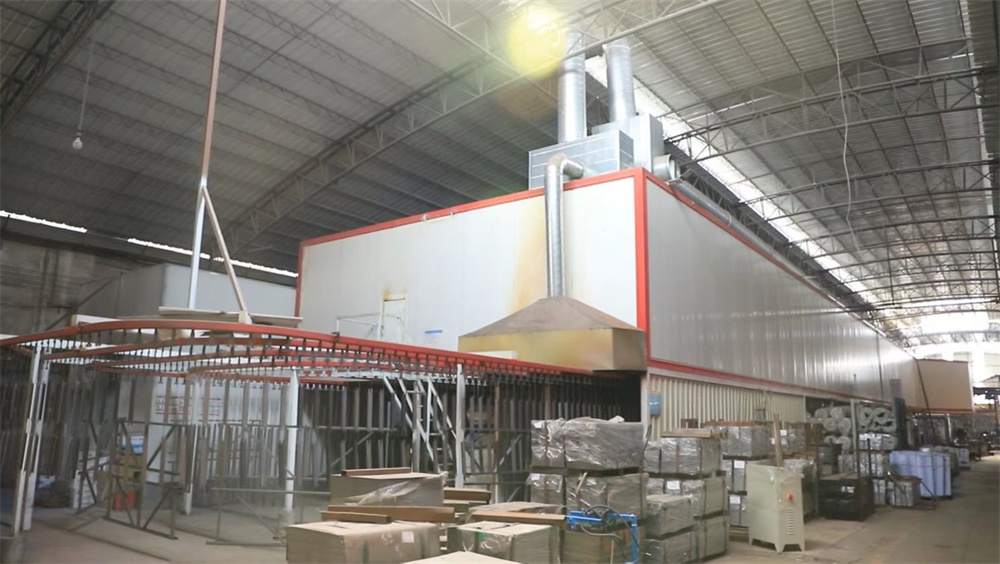
From aerospace tooling storage in Australia to automotive mold management in Mexico, our systems are optimized for diverse applications.
Region Focus: Latin America (Mexico, Brazil manufacturing hubs).
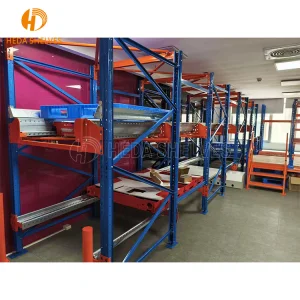
In automotive stamping and casting plants, storing molds weighing 1 to 5 tons requires heavy structural support. Traditional forklifts cannot easily store or retrieve these molds. Our custom roll-out rack systems allow crane access from above. Safety pins and positive-lock stops prevent trays from tipping out, ensuring safe operations near active press lines.
Region Focus: Middle East (Heavy structural manufacturing).
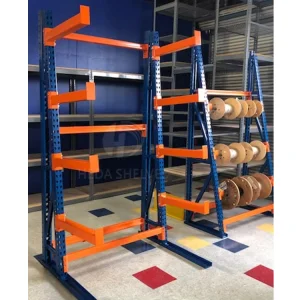
Storing long metal tubing, pipe spools, and profiles is a common spatial challenge. Retractable cantilever racking systems allow arms to retract back into the frame. When materials are needed, operators extend the arms outward to load or unload them via crane. This setup reduces aisle width requirements by up to 50% compared to standard configurations.
Region Focus: Oceania & Australia (Cold chain logistics).
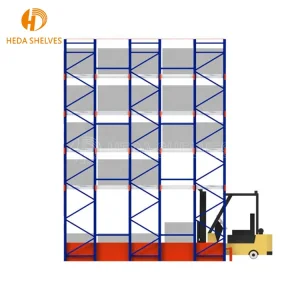
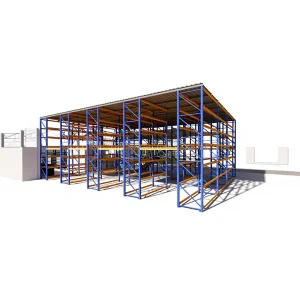
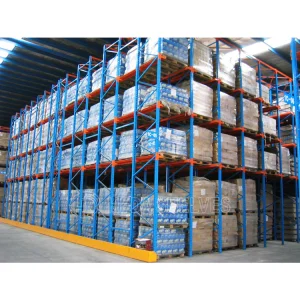
Cold storage space is costly to build and cool. Our drive-in and radio shuttle systems maximize density in temperature-controlled rooms (down to -30°C). High-tensile steel frame structures are engineered to prevent low-temperature brittleness, maintaining structural safety under heavy thermal cycles.
Established in 2017, Chengdu DriveRacks Industrial Technology Co., Ltd. operates a state-of-the-art 42,000 m² manufacturing plant dedicated to advanced material handling and heavy-duty storage infrastructure. Delivering $35 million in annual export revenue, we bring 9 years of deep industry expertise and 6 years of international trade operations. Quality is integral to our process; our team of 30 certified inspectors executes rigorous raw material tensile testing and automated powder-coating thickness audits. Serving high-growth markets across the Middle East, Latin America, and Oceania, DriveRacks leverages a robust ecosystem of 1,200 supply chain partners. We primarily serve enterprise warehouse operators, e-commerce fulfillment hubs, and heavy equipment manufacturers. Powered by 110 skilled R&D engineers focusing on smart automation and high-density racking design, we released 250 dynamic product iterations last year and provide comprehensive customization spanning rack dimensions, seismic ratings, and surface treatments.
Our raw material sourcing is strategically integrated with Sichuan's steel mills, securing stable supply lines for high-tensile structural channel and hot-rolled coils. This integration shields international projects from steel price swings and ensures consistent chemical composition and mechanical properties across large production runs.
The shift from static metal shelves to smart, sensor-driven dynamic storage platforms.
Future warehouse systems must prevent overloaded and unbalanced rack conditions before failure occurs. DriveRacks is developing strain-gauge load cells and sensor packages directly integrated into rack columns and extendable cantilever pivot joints. These sensors communicate real-time loading profiles and safety warnings to warehouse control systems, helping to prevent structural collapses.
While manual crank and guide-rail rollers cover loads up to 2 tons, moving items beyond 5 tons requires motor assistance. Our upcoming smart-racking roadmap includes servo-driven electric retractable trays. These trays can be activated with a touch-screen controller or integrated directly with automated guided vehicles (AGVs) for automated loading.
Get technical answers to common questions about industrial retractable and high-density racking designs.
We typically manufacture our structural profiles using Q235 and Q355 hot-rolled and cold-rolled steel. Q355 has a yield strength of 355 MPa, which is ideal for high-capacity applications such as heavy-duty die racks, cantilever arms, and drive-in racks that support heavy pallet loads.
Our QA framework is double-layered. First, we use FEA software to simulate point loads and uniform distributed loads (UDL). Second, our 30 certified inspectors execute physical load tests and weld penetration audits on prototypes before starting full production runs.
Yes. We custom-engineer the baseplates, anchoring hardware, and upright bracing angles to match local seismic requirements. This includes designing to AS4084 standards in Australia and RMI requirements in North America, using structural calculations based on local peak ground acceleration (PGA) data.
We apply a multi-stage pretreatment that includes degreasing, acid pickling, and phosphating. This is followed by an automated electrostatic powder-coating application cured at high temperatures. The dry film thickness is audited to stay within 60–80 μm, providing corrosion protection in challenging environments.
Our standard manufacturing cycle is 25 to 35 days. This timeline is supported by our 42,000 m² factory floor and our direct relationships with local steel suppliers, ensuring consistent production schedules.
High-capacity structural solutions optimized for heavy machinery components, raw material pallets, and complex logistics operations.
 DriveRacks