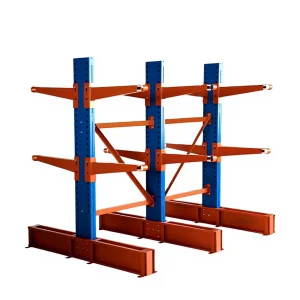
As a premier enterprise rack manufacturer, we support global logistics operators, warehousing networks, and supply chains in optimizing high-density configurations. Below is the verified operational footprint of our manufacturing ecosystem.
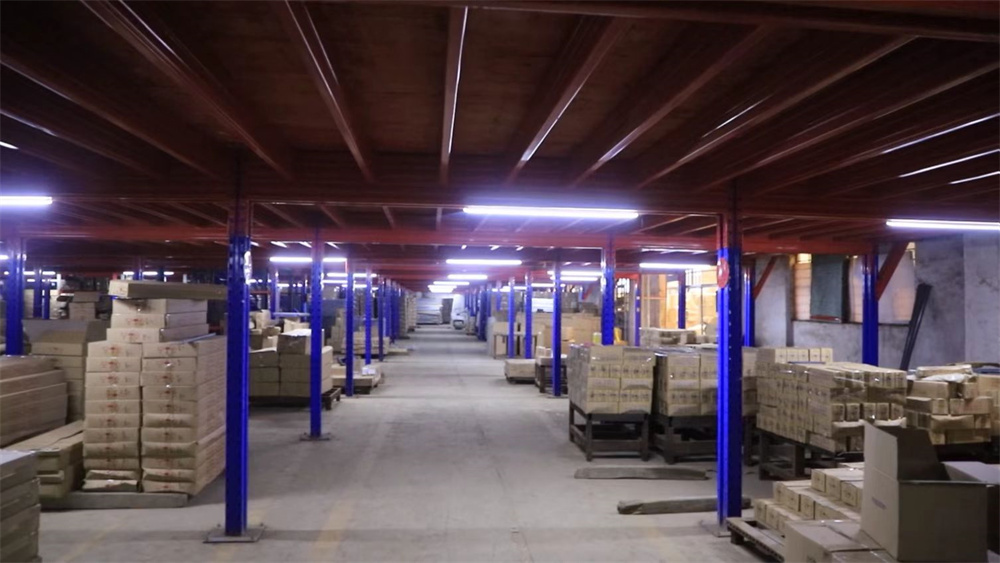
Verbatim Profile Statement: Established in 2017, Chengdu DriveRacks Industrial Technology Co., Ltd. operates a state-of-the-art 42,000 m² manufacturing plant dedicated to advanced material handling and heavy-duty storage infrastructure. Delivering $35 million in annual export revenue, we bring 9 years of deep industry expertise and 6 years of international trade operations. Quality is integral to our process; our team of 30 certified inspectors executes rigorous raw material tensile testing and automated powder-coating thickness audits. Serving high-growth markets across the Middle East, Latin America, and Oceania, DriveRacks leverages a robust ecosystem of 1,200 supply chain partners. We primarily serve enterprise warehouse operators, e-commerce fulfillment hubs, and heavy equipment manufacturers. Powered by 110 skilled R&D engineers focusing on smart automation and high-density racking design, we released 250 dynamic product iterations last year and provide comprehensive customization spanning rack dimensions, seismic ratings, and surface treatments.
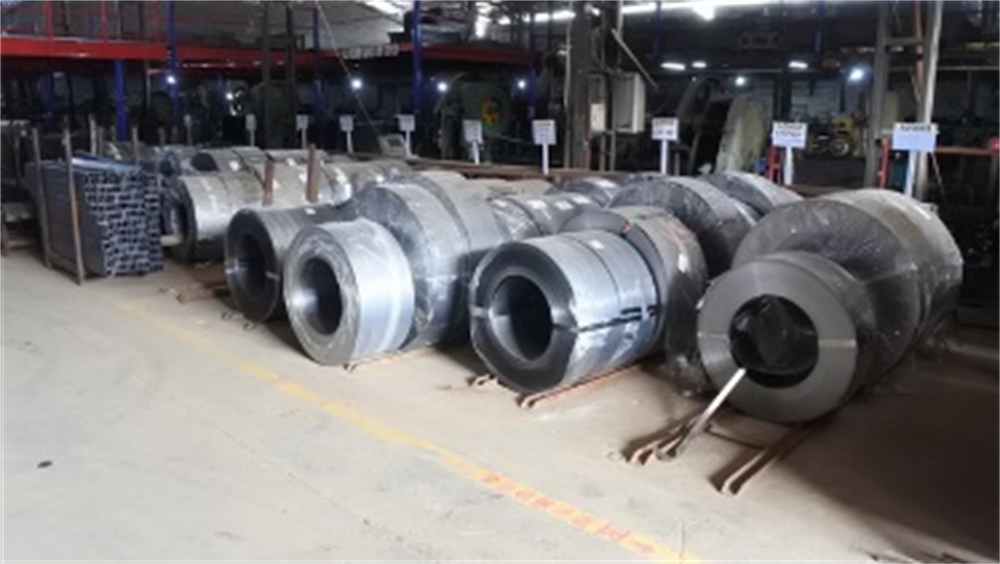
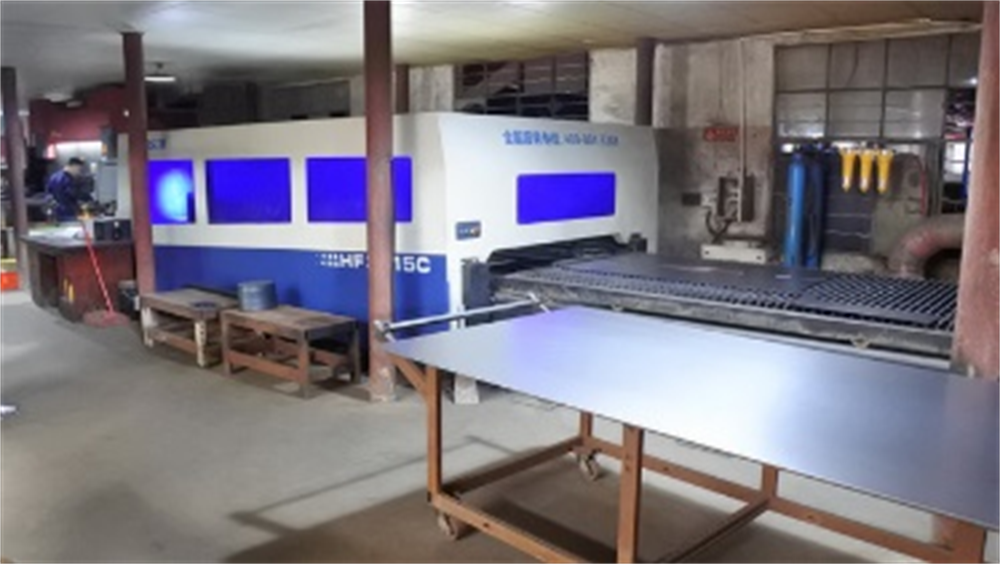
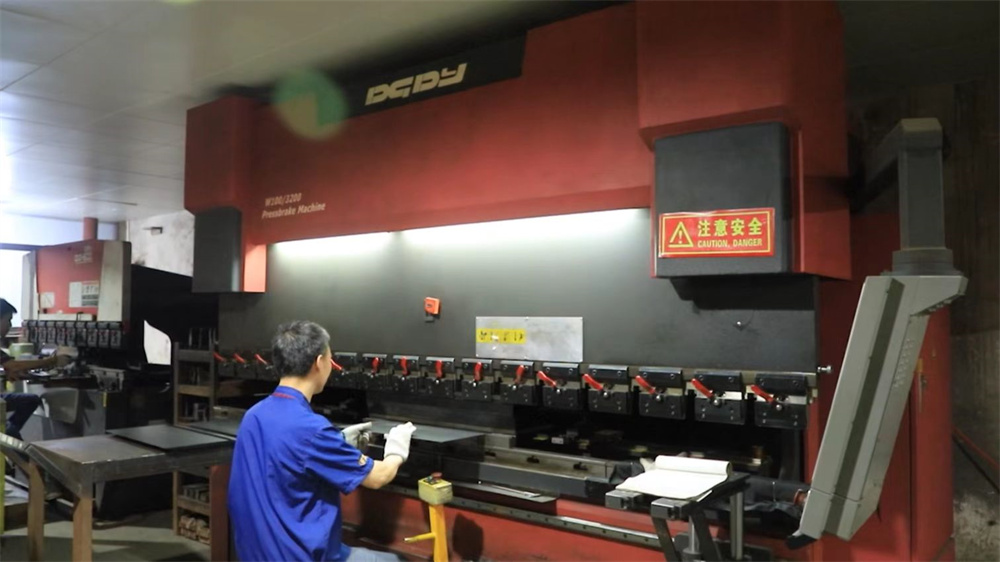
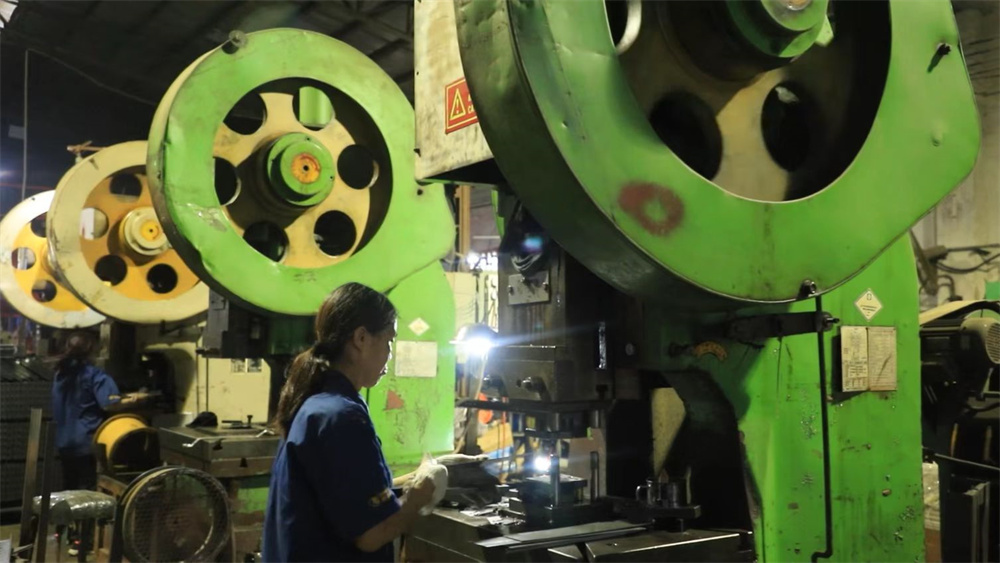
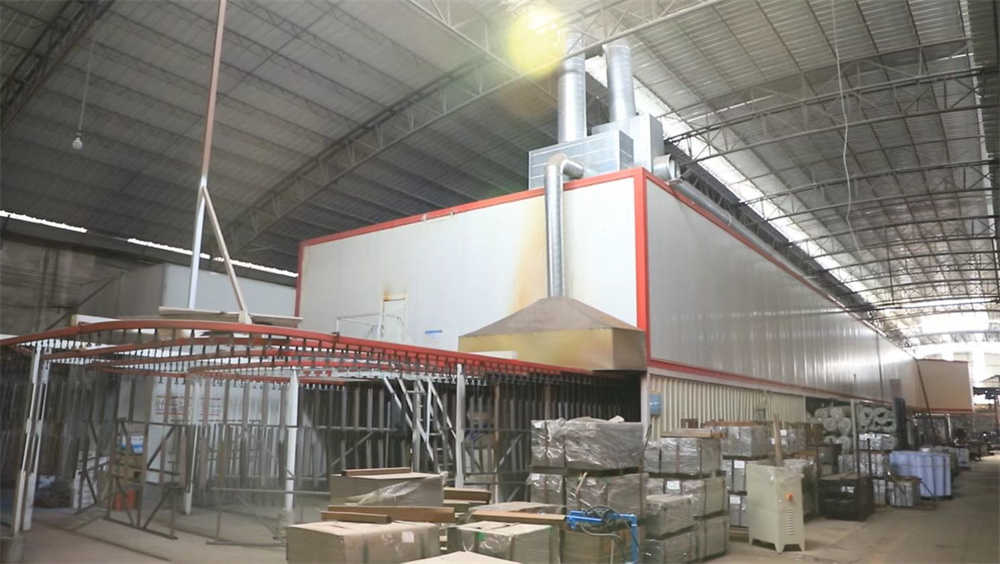
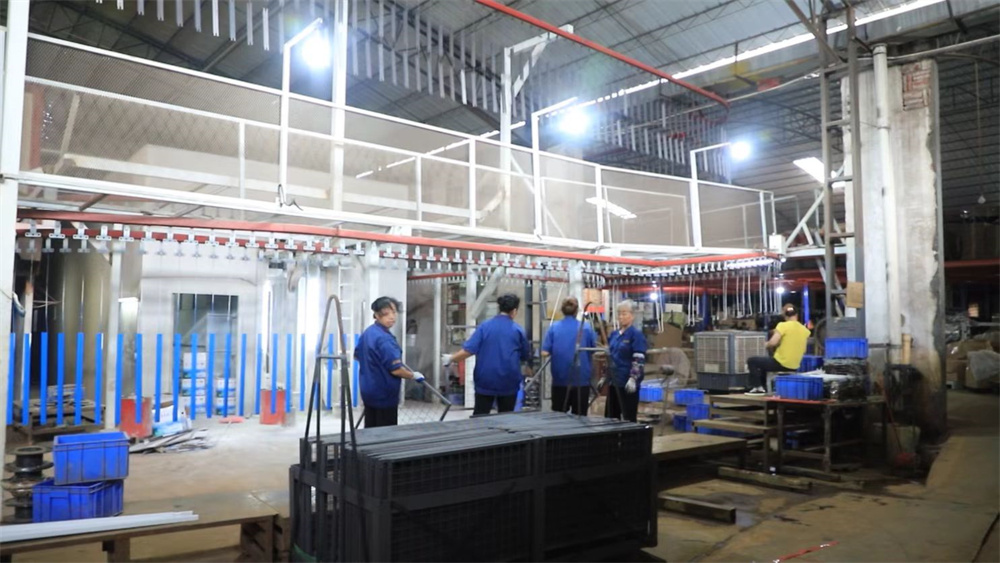
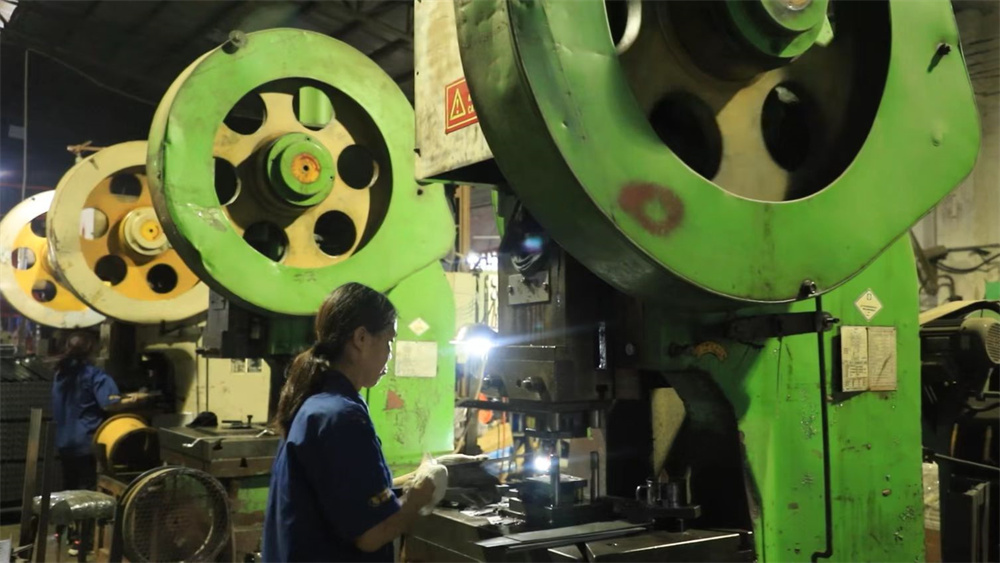
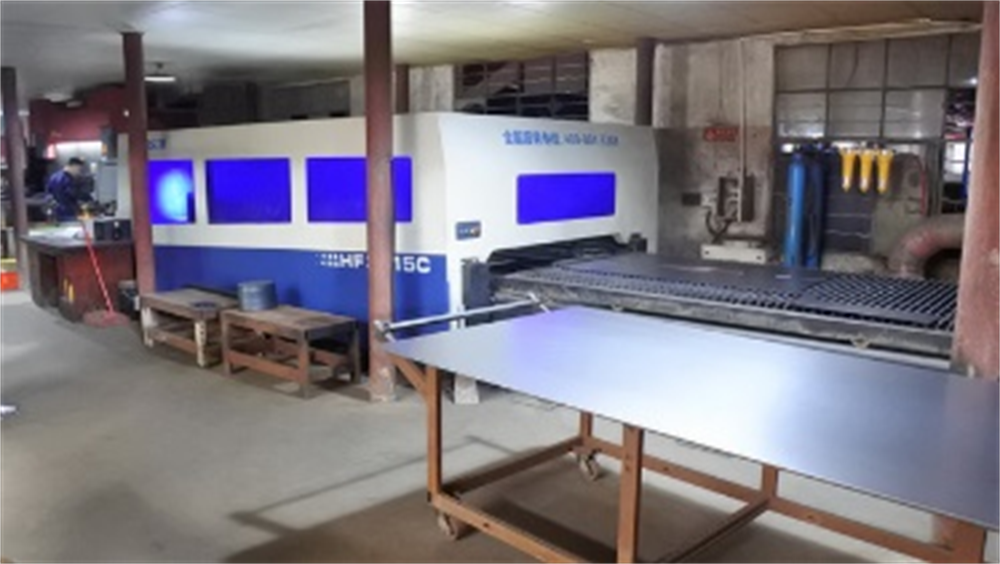
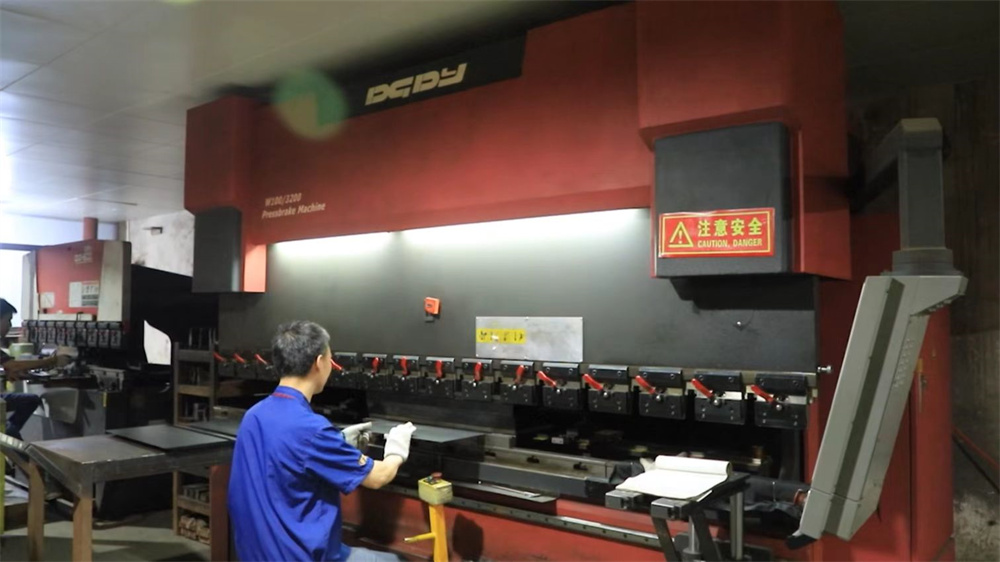
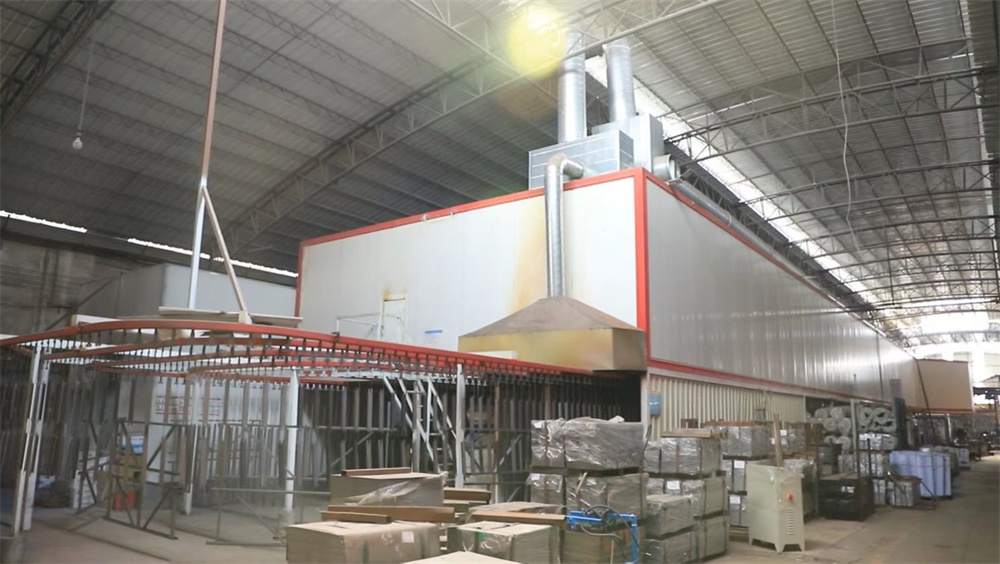
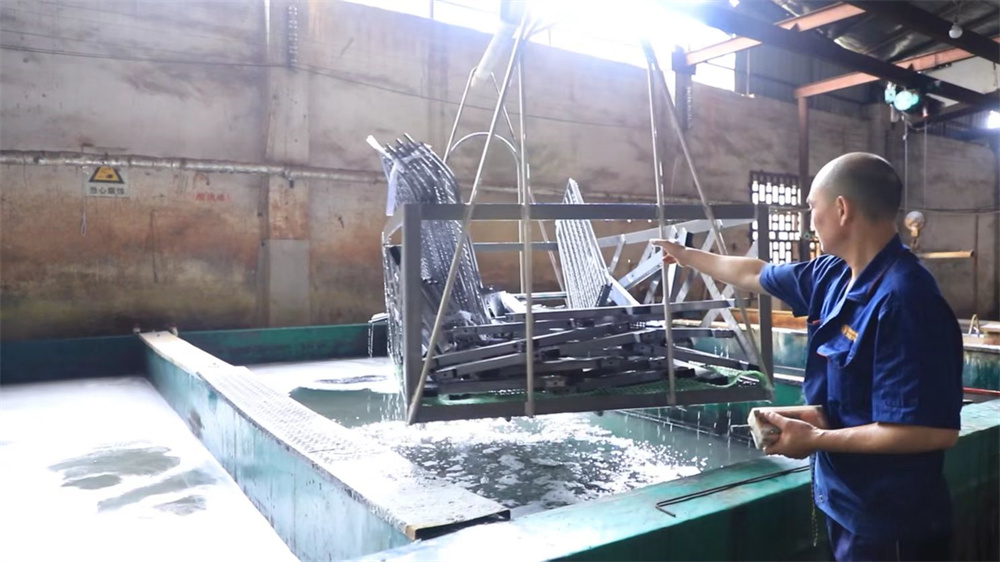
Every step in our fabrication line is subjected to strict control metrics. From high-grade steel selection to CNC bending and automatic electrostatic coating lines, we deliver compliance-certified industrial systems.
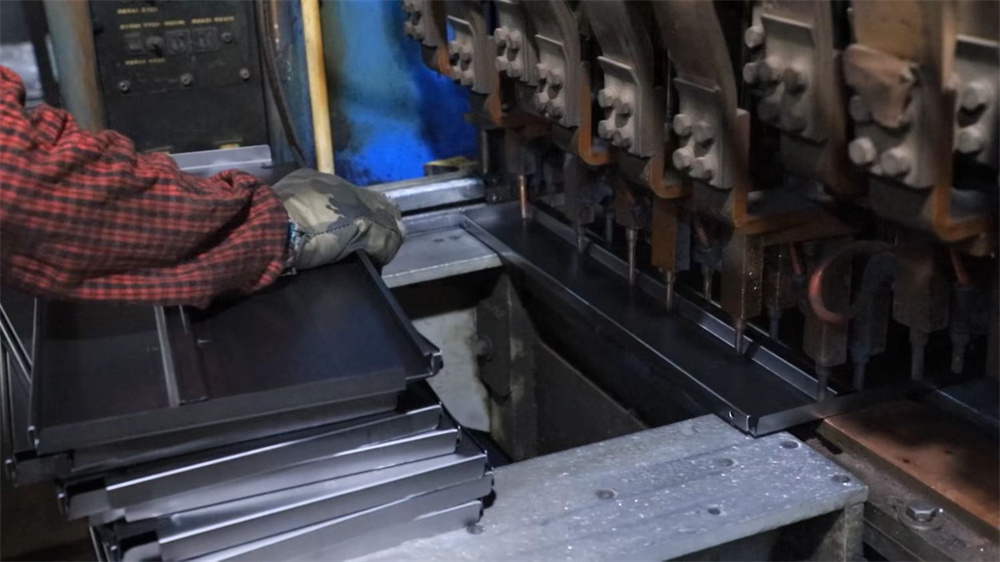
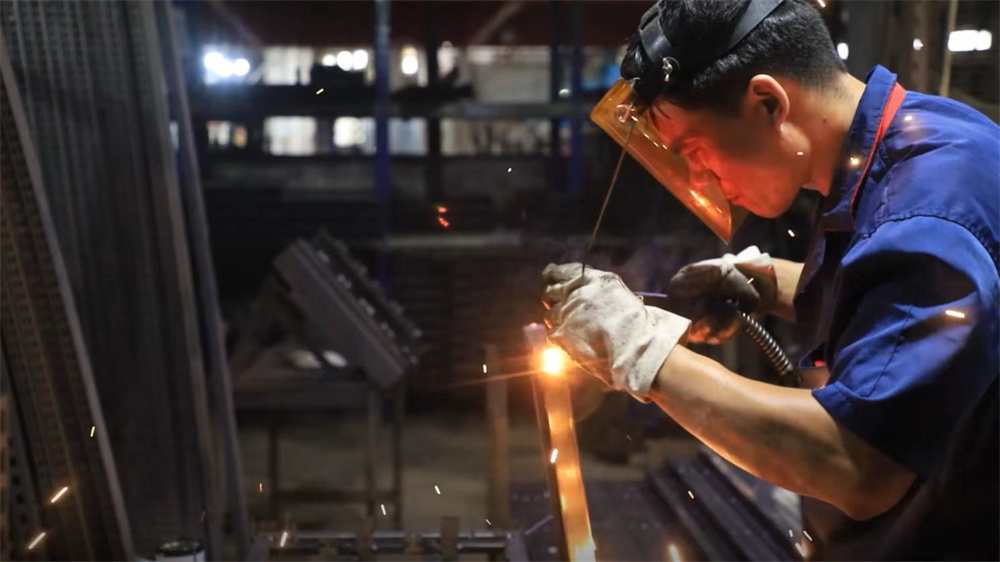
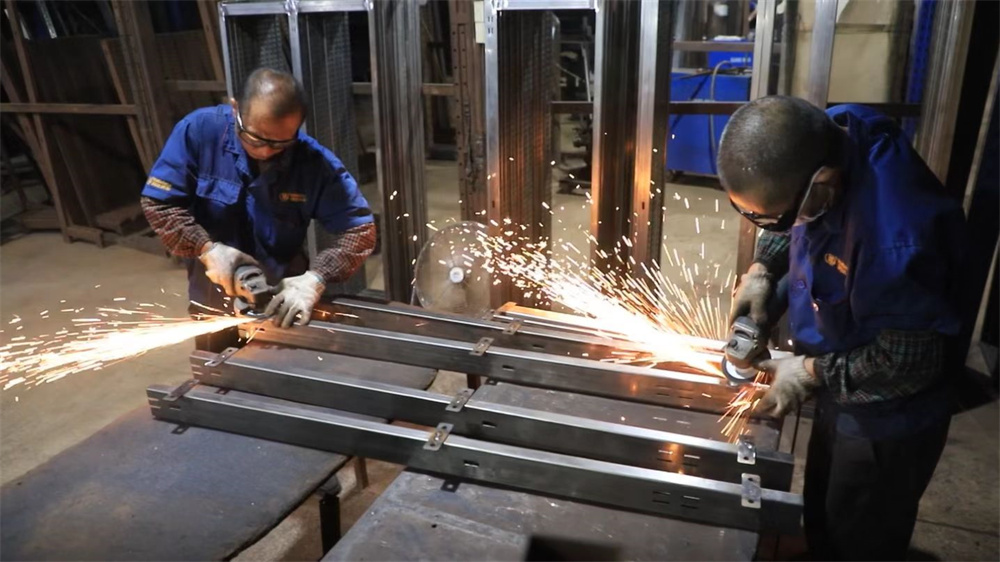
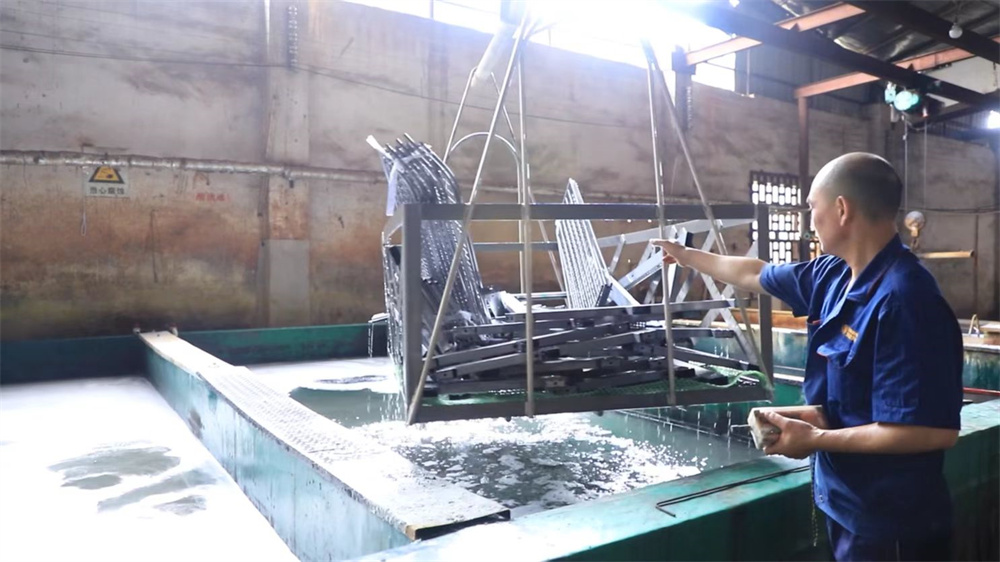
In modern industrial logistics, floor area maximization is no longer just an operational goal—it is a critical metric of financial viability. With industrial land valuations in key Western markets (including the United States, Central Europe, and Oceania) increasing by 35% over the past four years, standard selective racking systems—which require dedicated forklift aisles for every single pallet row—often present an inefficient use of premium square footage.
This challenge is particularly acute in cold storage logistics, chemical distribution hubs, and high-volume food and beverage facilities, where temperature control and spatial density are directly correlated with bottom-line energy overheads.
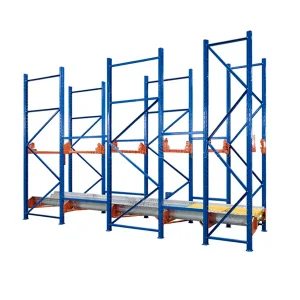
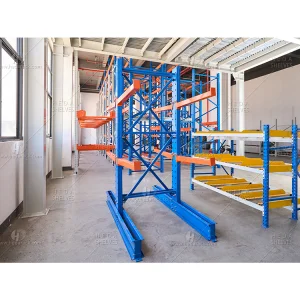
Drive-in and drive-through storage rack systems provide high-density warehousing by eliminating standard service aisles. Forklifts drive directly into the racking bays to access or store pallets stored on continuous support rails. Under a Last-In, First-Out (LIFO) material configuration, drive-in racks can increase storage density by up to 75% relative to conventional selective layouts. By eliminating empty access spaces, operators can utilize up to 80% of their warehouse cube for physical storage, compared to only 40% to 50% for standard systems.
The structural integrity of a high-density drive-in racking configuration relies on precise engineering. Unlike standard selective systems, drive-in systems lack continuous horizontal beam runs across the faces of the bays, as forklift access is required. Consequently, the upright frames must resist torsional, lateral, and vertical loads through specialized structural components.
We source certified structural carbon steels to ensure durability and resistance under stress:
We calculate dynamic load deflection using Finite Element Analysis (FEA) models to evaluate structural stress:
| Structural Parameter | Light Duty Configurations | Medium Duty Configurations | Heavy-Duty Industrial Systems |
|---|---|---|---|
| Steel Grade | Q235B Structural Carbon | Q235B / Q355B Mixed | Q355B (High Tensile Alloy) |
| Load Rating per Pallet | Up to 800 kg (1,760 lbs) | 800 to 1,200 kg (2,640 lbs) | 1,200 to 1,800 kg (3,960 lbs+) |
| Upright Section | 80 x 60 x 1.8 mm | 90 x 70 x 2.0 mm | 100 x 80 x 2.5 mm / 120 x 95 x 3.0 mm |
| Pallet Rail Type | Cold-Rolled Galv. 50x50 mm | Structural Sloped C-Channel | Heavy-Duty Flanged Steel Rail |
| Surface Finish | Electrostatic Paint (50µm) | Polyester Powder Coat (70µm) | Hot-Dip Galvanized / Epoxy Coat |
Drive-in storage configurations perform optimally when adapted to the specific operational requirements of the target market, industry, and local facility.
Operational temperatures down to -30°C (-22°F) demand high energy efficiency. By condensing storage capacity, drive-in systems minimize the air volume requiring constant refrigeration, reducing electrical overheads. Components are treated with specialized low-temperature powder coatings to prevent brittleness and delamination.
For fast-moving consumer goods (FMCG) with high-volume, homogenous stock-keeping units (SKUs), drive-in racking optimizes throughput. A LIFO structure accommodates continuous production runs where product rotation is managed in large batches, reducing travel times for lift truck operators.
Industrial equipment parts storage requires systems that can handle off-center loading and heavy payloads. Reinforced entry portals, structural channel steel uprights, and custom guide rails protect the racking from impact during forklift positioning cycles.
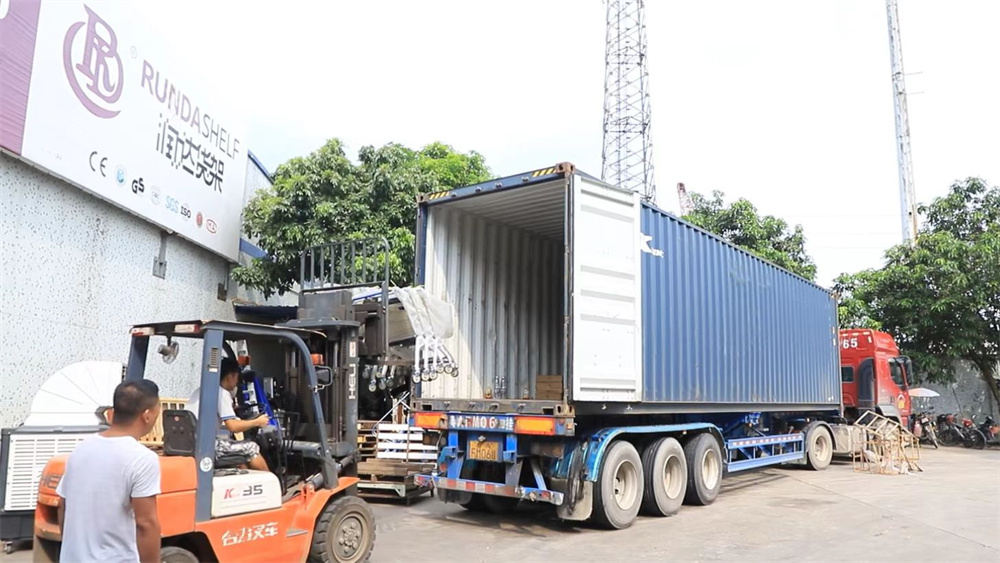
Our manufacturing and logistical footprint is designed to provide cost-efficiency, consistent raw material supply, and rapid international transit. Operating from Chengdu, China, our 42,000 m² factory is positioned near major domestic steel production clusters, ensuring a stable supply of hot-rolled and cold-formed structural steel coils.
Rather than relying solely on coastal shipping hubs where port congestion can delay deliveries, we leverage Chengdu's status as a central junction of the **China-Europe Railway Express**. This overland link connects us directly to European logistics terminals, reducing transit times to 15–18 days compared to typical 35–45 day sea shipping routes.
For maritime shipments to the Americas, Southeast Asia, Oceania, and the Middle East, our partnerships with regional ports in Shenzhen, Shanghai, and Qingdao provide flexible ocean freight options.
Industrial steel racking is a structural element subject to local building codes, fire regulations, and occupational safety mandates. Under the Google E-E-A-T principles, we maintain documentation and design verification to support project approvals.
Engineering documentation for structural calculations, weld properties, and frame capacities to verify compliance with American standards. Designs include seismic base plates, heavy anchors, and column protectors to satisfy OSHA warehouse safety guidelines.
Designs conform to European limit state design principles for cold-formed steel racking. Calculations incorporate local live loads, wind load conditions, and safety factors to meet CE mark criteria.
Configurations for Australian and New Zealand installations comply with regional standards, detailing specific requirements for frame spacing, base plate grounding, and seismic limits.
Our quality assurance program is managed by a team of 30 certified inspectors who monitor production across three distinct phases:
As logistics facilities adopt digital automation and smart software, static drive-in storage racking is evolving. Our R&D division, led by 110 engineers, focuses on designing systems compatible with automated and semi-automated technologies.
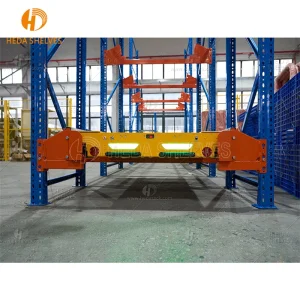
Traditional drive-in storage can be configured to support automated shuttle platforms. By mounting precision-guided run rails within standard drive-in bays, operators can transition a LIFO system into a semi-automated Radio Shuttle Racking System. The radio shuttle car handles internal pallet placement, eliminating the need for forklifts to enter the physical rack structure. This design delivers several key benefits:
Technical information to assist in planning drive-in storage configurations.
From an engineering perspective, there is no absolute physical limit to storage depth. However, standard operations typically design drive-in bays to be 5 to 10 pallets deep. Depths exceeding 10 pallets can increase forklift travel times within the lanes, raising the risk of accidental frame impact and reducing overall warehouse throughput.
We implement three primary protective features: heavy-duty floor-mounted guide rails within the channels to guide forklifts, reinforced upright guards at the entrance portals (often painted high-visibility yellow), and double-upright designs at lower levels where impacts are most common.
Yes. Our R&D engineers use site-specific seismic acceleration calculations to design configurations with wider baseplates, dual floor anchoring, reinforced structural brace profiles, and high-tensile Q355B steel, ensuring compliance with standards such as ANSI MH16.1 and AS 4084.
Standard manufacturing timelines range from 20 to 35 days from finalized technical drawings to container loading, depending on profile thickness and finish requirements (such as hot-dip galvanizing for cold storage applications).
A standard drive-in racking structure (with access from a single side) is inherently LIFO. To operate on a First-In, First-Out (FIFO) basis, the system must be configured as a drive-through rack (open at both ends for access) or modified with gravity flow tracks or radio shuttle systems.
 DriveRacks