Explore our top-tier catalog of heavy-duty pallet racking, automated shuttle platforms, and commercial retail fixtures engineered for global material handling systems.
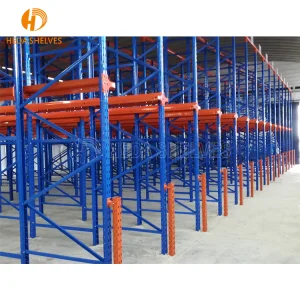
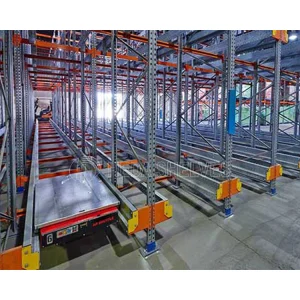
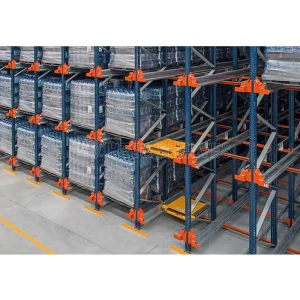
Gravity Pallet Flow Racks operate as a self-guided dynamic storage medium that leverages physical gravitational force to automate inventory movement. Constructed at a slight, mathematically calculated decline (typically between 3% to 4%), these structures utilize specialized roller beds and deceleration mechanisms to transport loaded pallets from the loading aisle (charge face) to the picking aisle (discharge face). This engineering design minimizes reliance on continuous mechanical automation, reducing electrical utilities costs and equipment maintenance cycles.
By shifting from static storage lanes to continuous gravity flow configurations, logistics networks implement a strict First-In, First-Out (FIFO) inventory sequence. This process prevents stock obsolescence, ensuring food products, chemical formulations, and high-tech components are retrieved in sequential batch cycles. The elimination of cross-aisles increases floor footprint utilization by up to 85% compared to selective racking setups.
Delivering advanced material handling and heavy-duty storage infrastructure backed by rigorous raw-material analytics, precision engineering, and global logistics execution.
Established in 2017, Chengdu DriveRacks Industrial Technology Co., Ltd. operates a modern 42,000 m² manufacturing plant focused on advanced heavy-duty racking systems. Delivering $35 million in annual export revenue, we combine 9 years of mechanical storage design experience with 6 years of international trade operations. Our global distribution reach is anchored by a structured network of 1,200 supply chain partners, ensuring stable raw material sourcing and consistent delivery times across the Middle East, Latin America, and Oceania.
Our engineering divisions, comprising 110 skilled R&D specialists, focus on seismic resistance modeling, dynamic load balancing, and high-density warehouse storage systems. Last year alone, our teams finalized 250 product structural updates, allowing us to offer structural configurations engineered to meet international building regulations (including RMI, FEM, and AS4084 guidelines). We provide full customization capabilities including frame depths, roller profiles, specialized paint formulations, and complex cold-storage configurations.
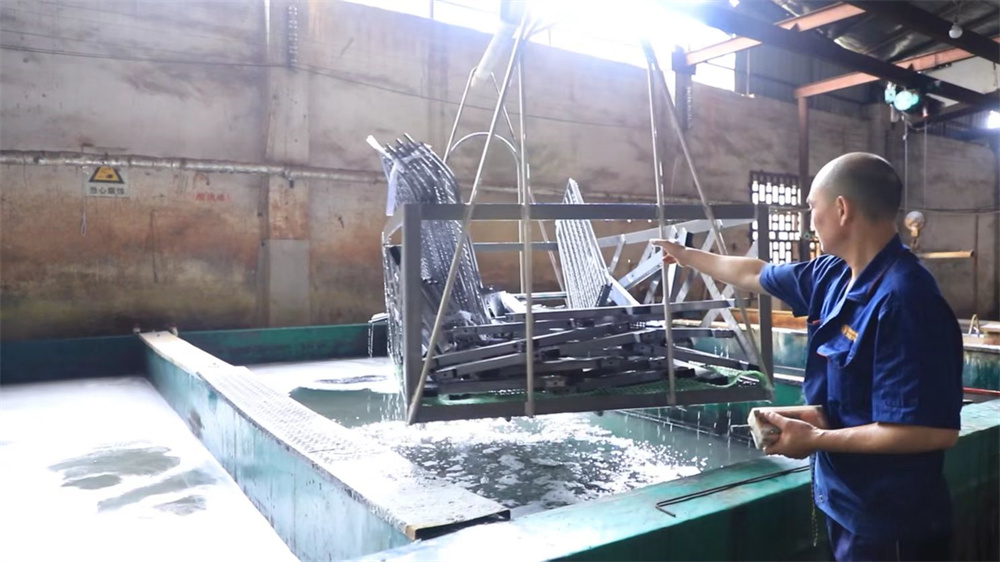
Our manufacturing floor is equipped with automated machinery, CNC fiber cutters, and high-performance powder coating lines to deliver durable, structurally sound industrial rack components.
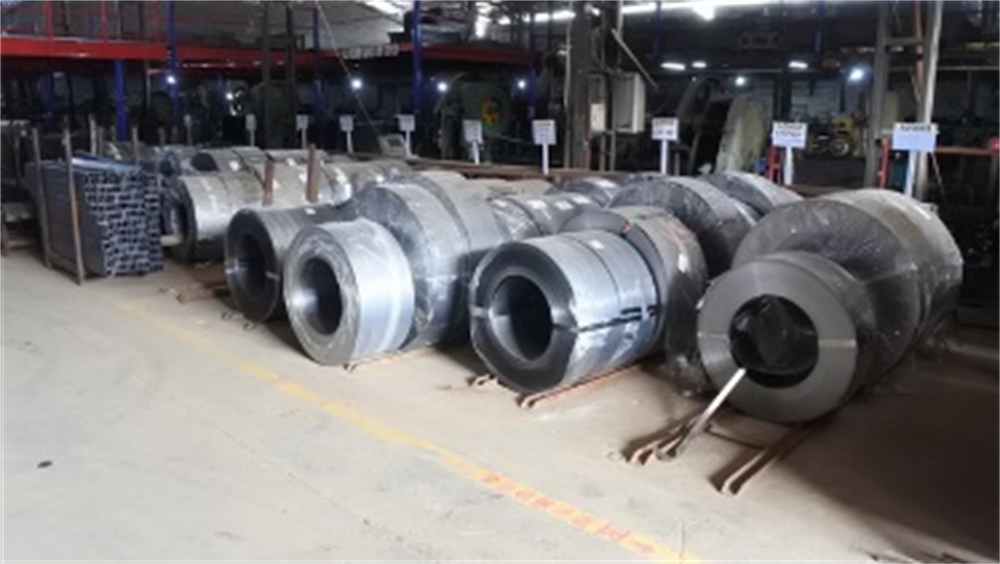
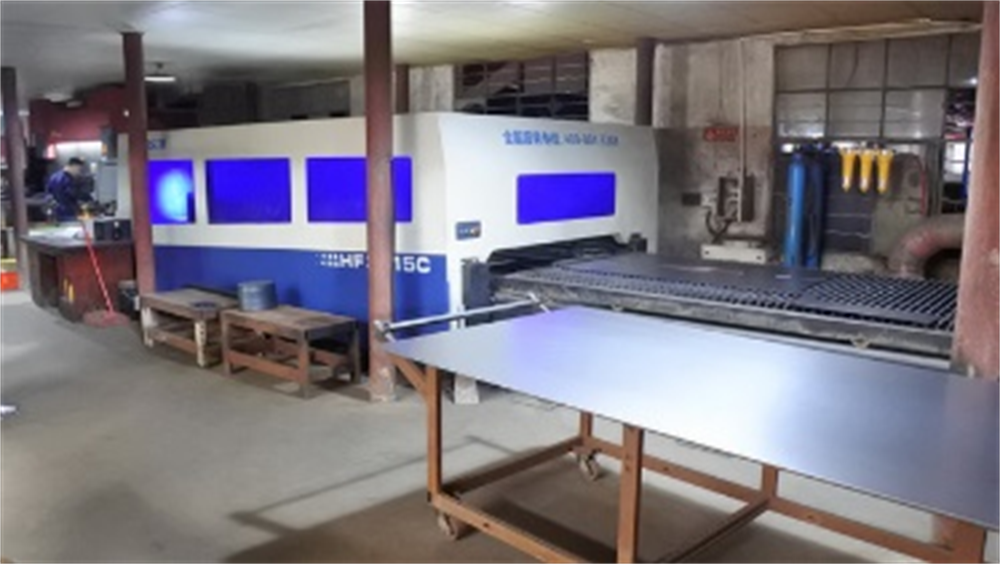
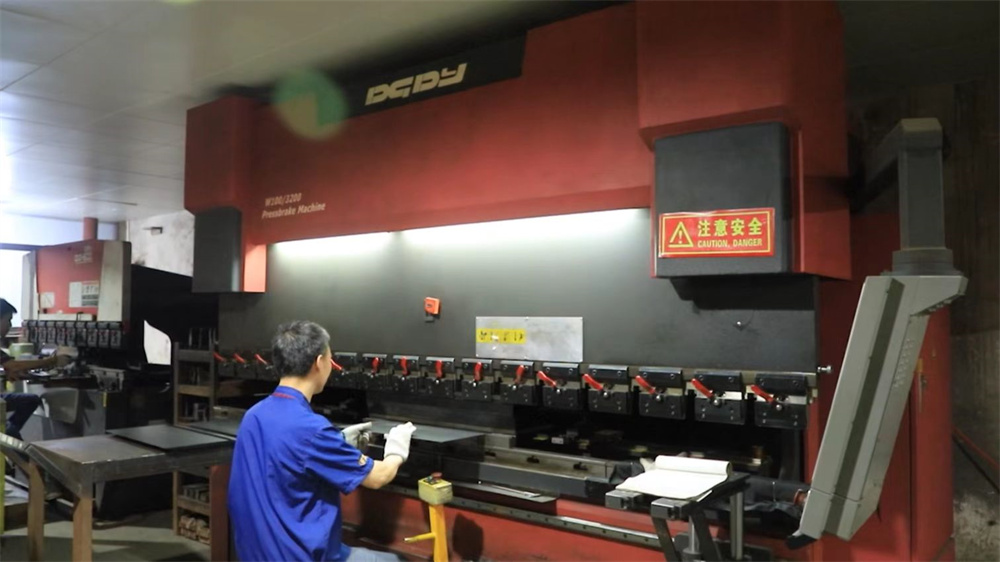
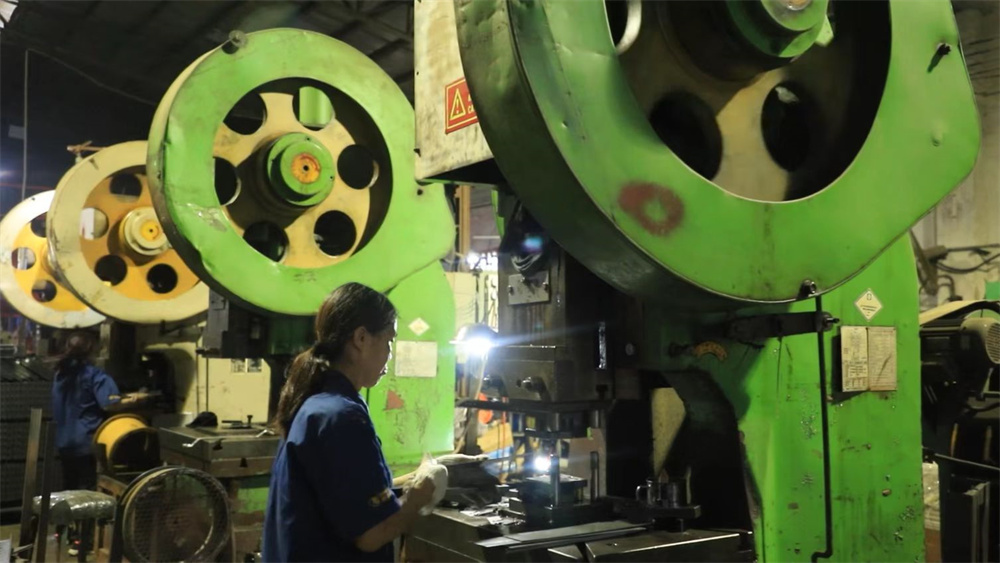
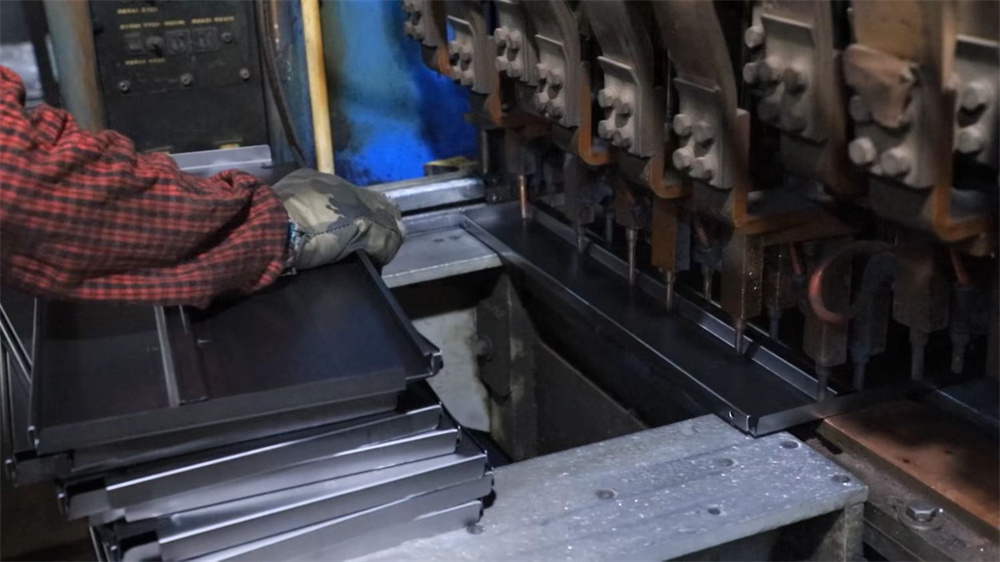
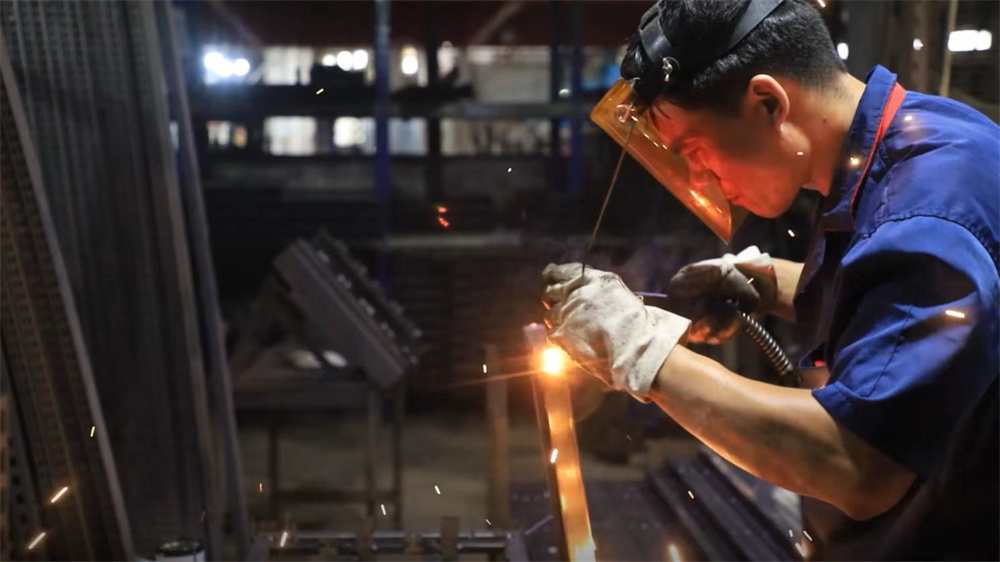
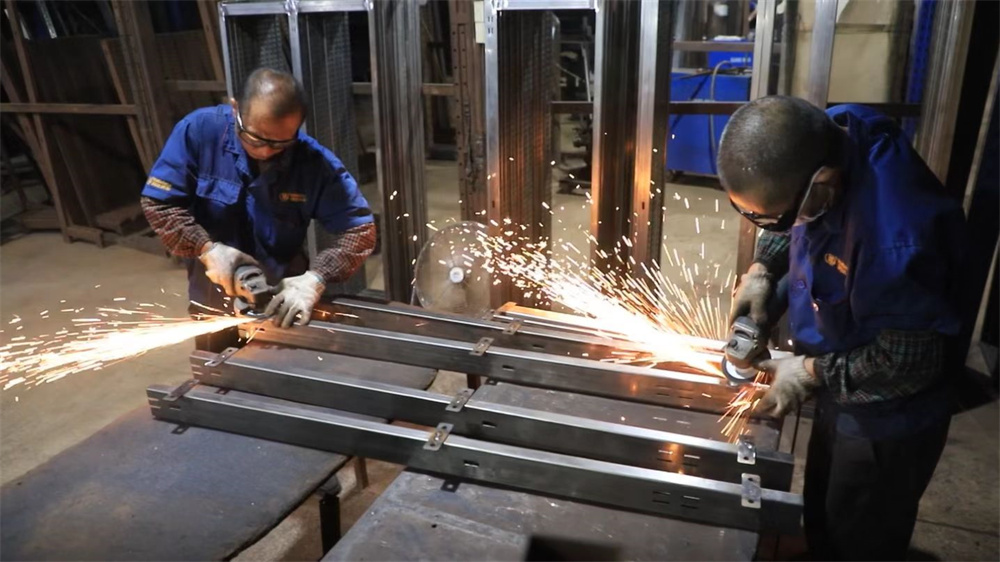
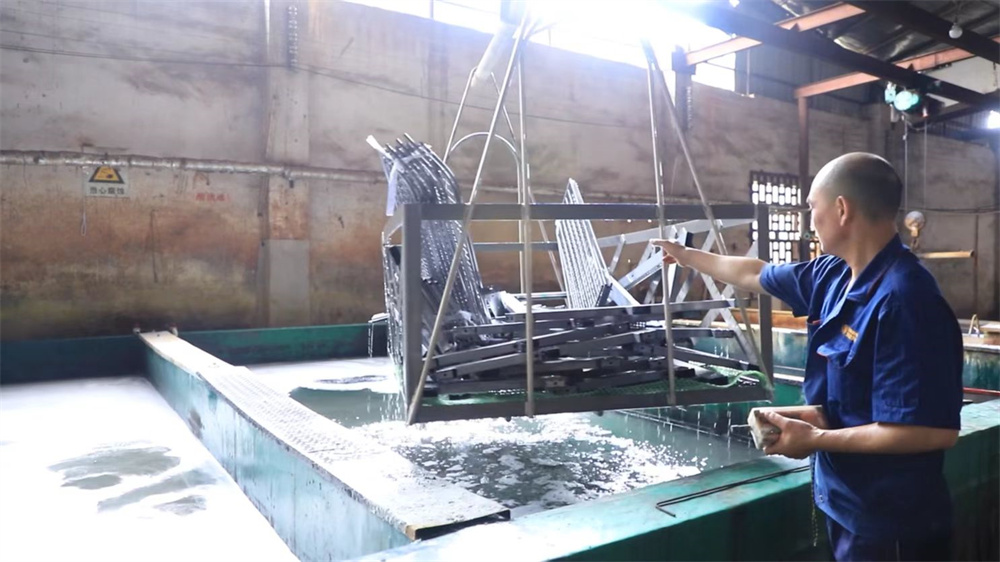
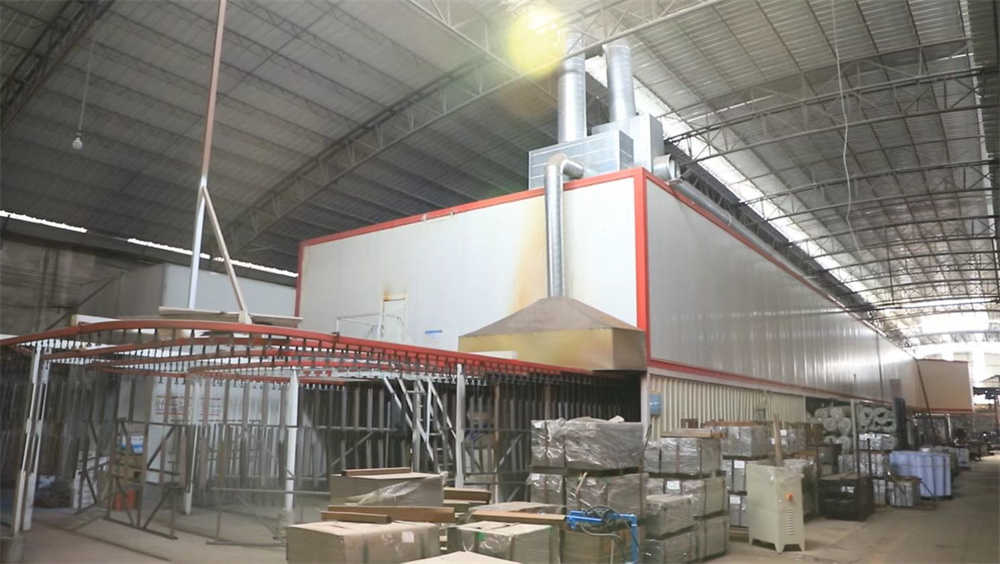
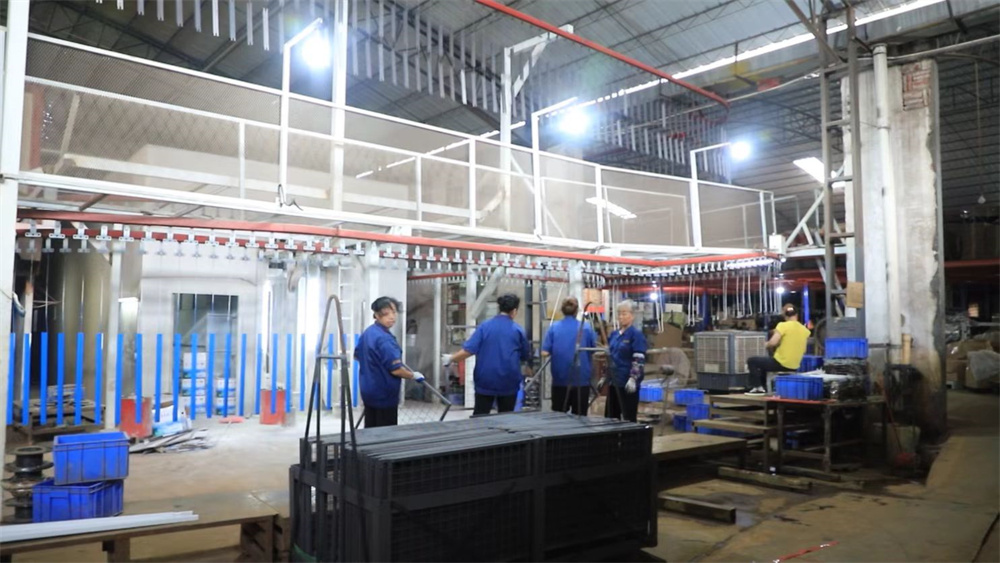
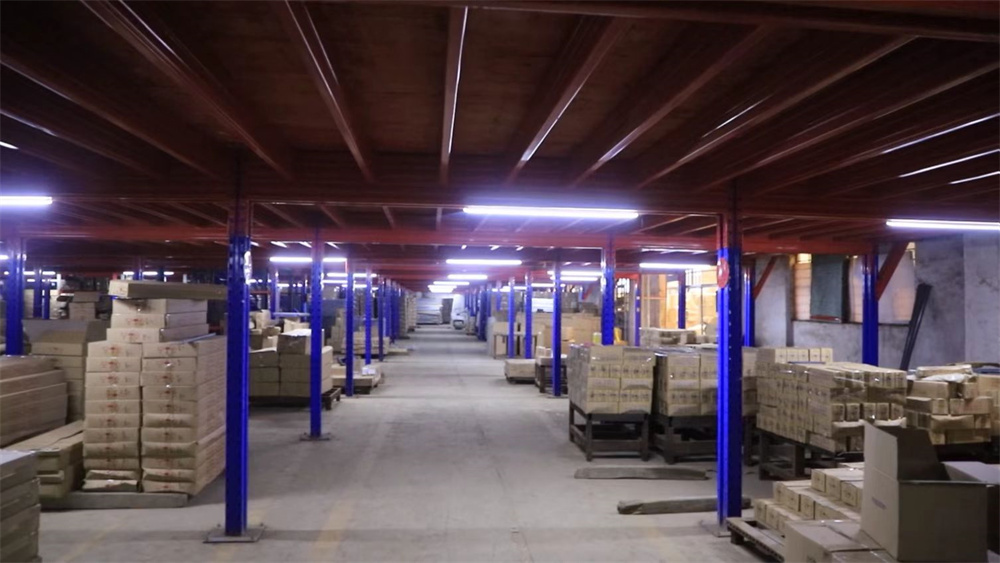
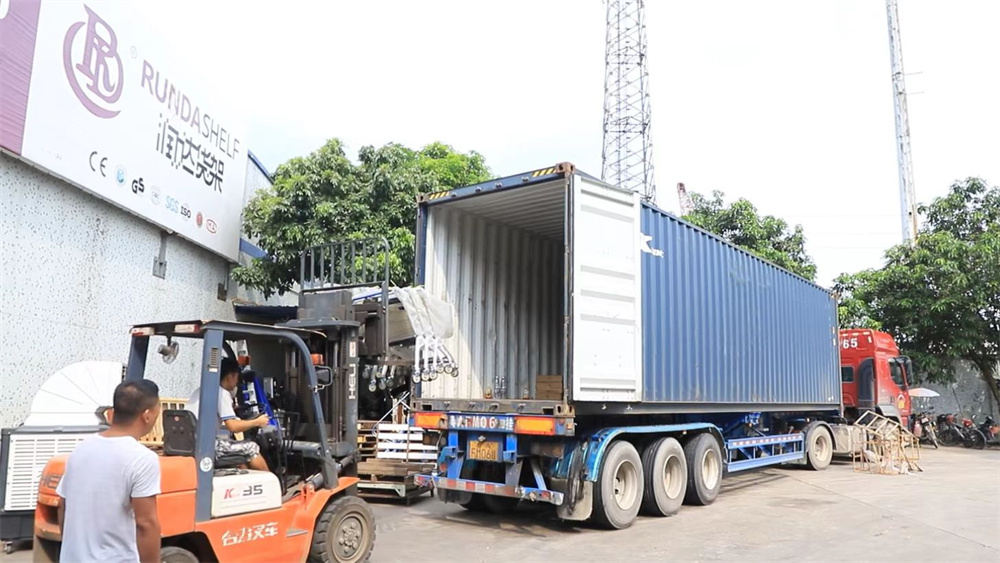
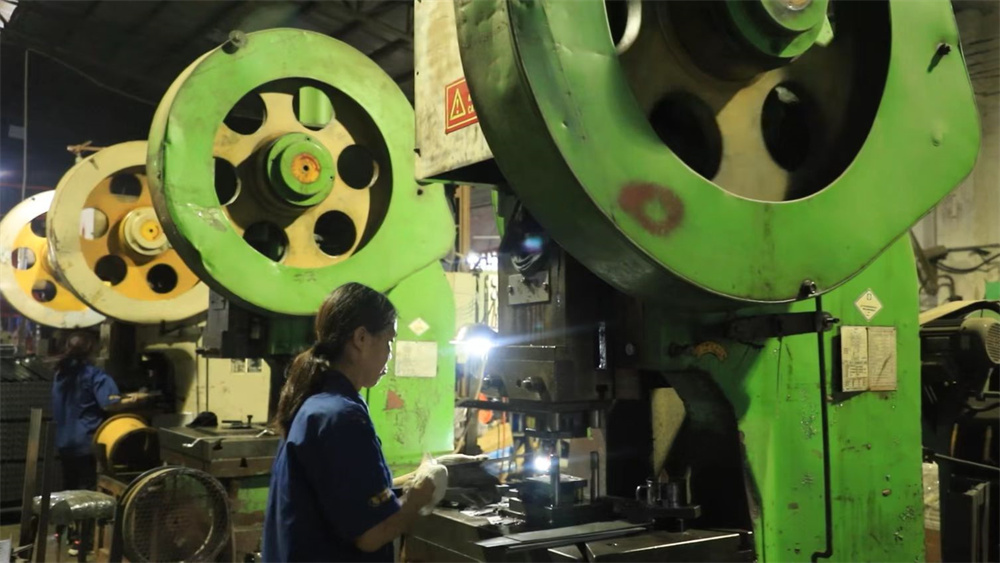
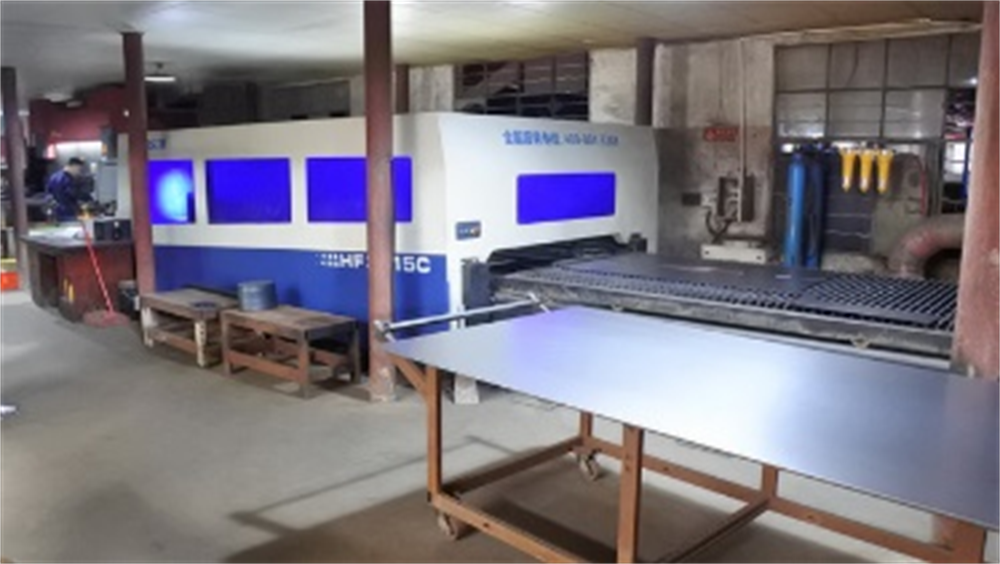
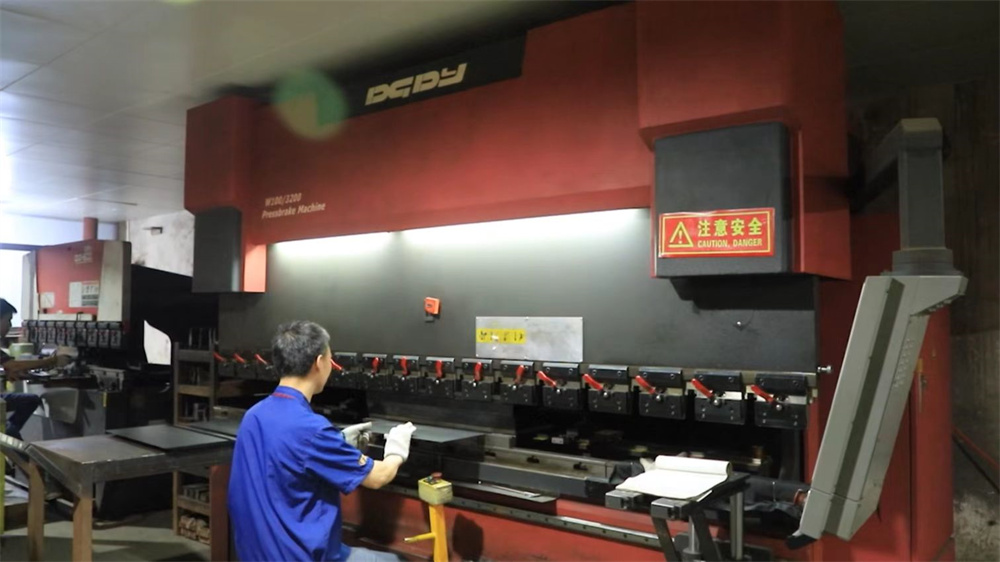
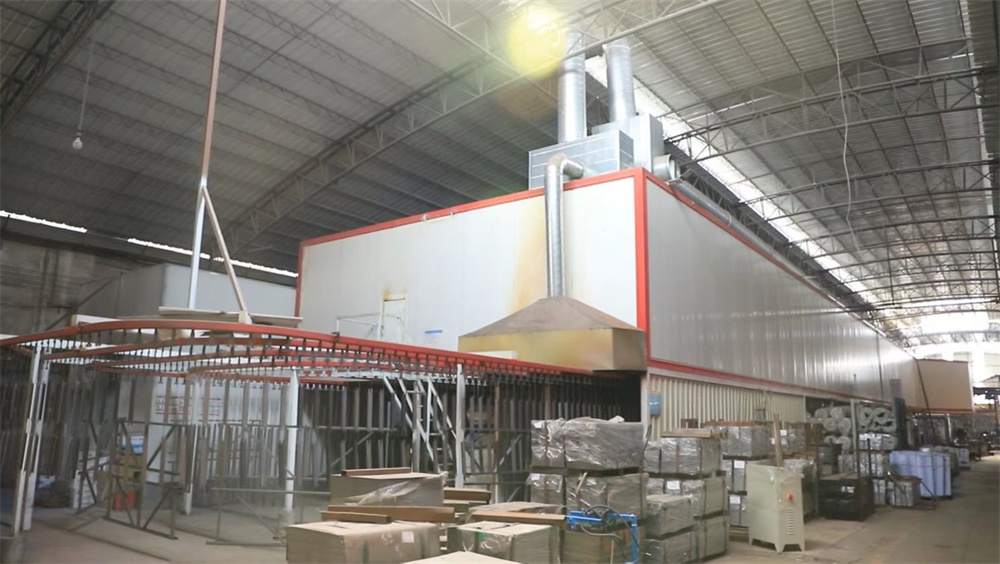
Sourcing industrial gravity pallet flow racking directly from China allows global procurement managers to benefit from high manufacturing capacity and cost-effective steel ecosystems. As raw material costs represent up to 70% of the finished product's price, our strategic location in the Southwest China steel manufacturing hub provides a reliable supply of premium carbon steel grades, including Q235B and Q345B.
These structural steel grades are selected for high yield strengths, allowing uprights and load-bearing beams to withstand high static load volumes. By purchasing from specialized Chinese manufacturing hubs, global distribution networks gain access to:
At Chengdu DriveRacks, we maintain a dedicated QA department staffed by 30 certified inspectors. This team oversees mechanical stability checks throughout the manufacturing process, ensuring products meet strict safety standards.
Before steel rolls enter our production lines, we perform tensile strength, yield point, and elongation audits to verify material integrity. Once components are welded, ultrasonic weld inspections check frame joint strength. Finished racks undergo paint adhesion testing and load tests to confirm they meet designed load limits.
From temperature-controlled food facilities to high-volume e-commerce fulfillment hubs, dynamic gravity flow racks optimize vertical storage density and product throughput.
Operating cold-storage and deep-freeze warehousing requires careful floor space optimization, as cooling unoccupied space increases energy costs. Gravity pallet flow racking systems provide dense storage volumes while maintaining clear loading and unloading aisles.
For cold environments down to -30°C, we specify low-viscosity synthetic lubricants within roller bearings and speed controllers. This prevents lubrication gelling, ensuring rollers rotate smoothly at low temperatures. In addition, our hot-dip galvanized steel options resist condensation corrosion during temperature shifts.
Fast-moving logistics hubs and e-commerce distribution centers require efficient inventory replenishment systems. Gravity flow racks serve as high-density storage lanes for fast-moving items, separating replenishment tasks from picking activities to reduce internal traffic congestion.
To support high-turnover picking, these systems can be integrated with pick-to-light indicators and automated storage and retrieval systems (AS/RS). Our modular flow designs allow system integration with standard automated warehouse equipment.
Building high-density racking in earthquake-prone regions requires rigorous structural modeling. Heavy-duty gravity flow racks store significant weight at height, making seismic engineering critical for safe warehouse operations.
Chengdu DriveRacks utilizes finite element analysis (FEA) software to model dynamic seismic forces based on regional parameters (such as the Pacific Ring of Fire, Latin American building codes, and Australian standards). We adjust upright steel profiles, configure heavy-duty footplates, and specify specialized high-strength anchor bolts to handle calculated seismic loads.
While static racking systems require a lower initial purchase price, dynamic gravity flow racking lowers the total cost of ownership (TCO) over long operational lifetimes. By reducing forklift travel distances, warehouses save on fuel, vehicle wear, and labor costs.
Our systems reduce pallet damage through controlled rolling speeds and separate loading and picking aisles. Additionally, their energy-free gravity operation lowers power costs compared to motorized storage solutions.
Answers to common engineering, structural, and procurement questions regarding our wholesale gravity flow racking systems.
Most pallet flow systems are engineered with a slope angle between 3% and 4% (approximately a 1.75 to 2.3-degree pitch). The exact angle depends on the pallet type, surface friction, and typical load weight. Lighter loads require a steeper slope to maintain movement, while heavy loads are configured with a shallower slope combined with speed controllers.
Gravity flow systems perform best with standardized wooden, plastic, or metal pallets that have consistent runner designs. Bottom-board direction is critical; pallets should run with their wooden runner planks parallel to the roller rotation. Damaged pallets with broken boards or protruding fasteners can cause lane blockages.
We review site-specific soil classifications and target seismic acceleration values. Our design engineers use finite element analysis (FEA) to adjust upright thickness, beam connections, and brace patterns. The final assemblies are anchored to the floor using expansion or chemical anchors sized for local seismic standards.
Since the system relies on gravity rather than electrical motors, maintenance is minimal. Operators should periodically inspect lanes to clean debris, check speed controller function, and inspect for pallet damage. Debris can block rollers, and damaged speed controllers must be replaced to maintain safe rolling speeds.
Back pressure is the cumulative force exerted by trailing pallets on the front picking pallet. For example, in a deep lane containing 10 pallets, the front pallet experiences significant pressure, making forklift removal difficult. Our mechanical separator isolates the front pallet, releasing subsequent pallets only after the front pallet is completely lifted.
Extreme cold can affect bearing grease viscosity. We adjust to cold warehouse environments by using specialized low-temperature lubricants that remain fluid down to -30°C. In addition, galvanized coatings or durable paint finishes are recommended to prevent rust from condensation during temperature changes.
Our QA inspectors verify raw material tensile properties before production begins. During fabrication, we check welding quality, and post-production, we test powder coating thickness and run load tests. These steps confirm that components meet the technical load specifications requested by the customer.
Standard project lead times range between 30 and 45 days, depending on project scale and customization requirements. This timeframe includes detailed structural design confirmation, raw material sourcing, automated fabrication, painting, quality inspections, and loading prep.
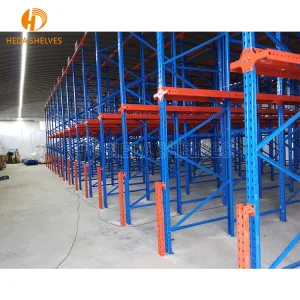
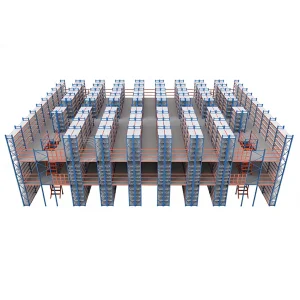
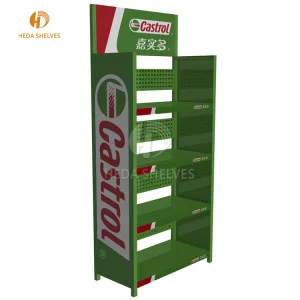
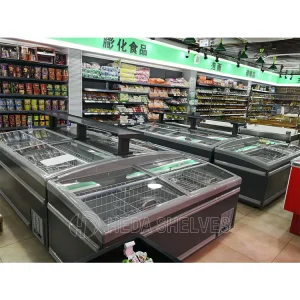
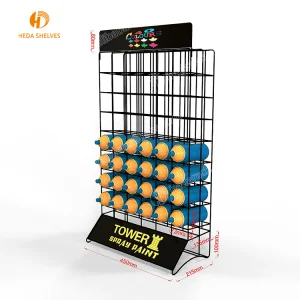
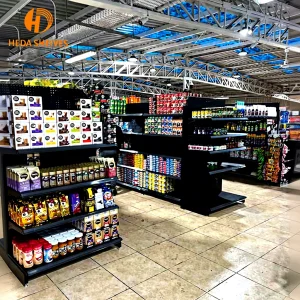
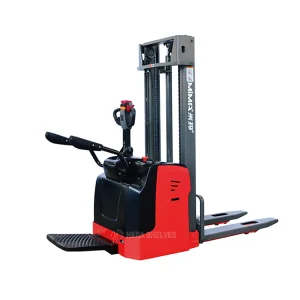
Explore additional material handling options, customized supermarket display shelving, heavy-duty mezzanine designs, and motorized walkie stacker lifts.
 DriveRacks