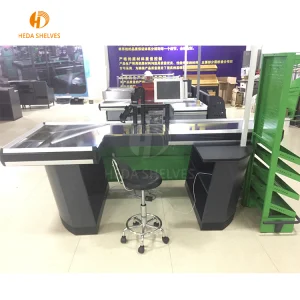
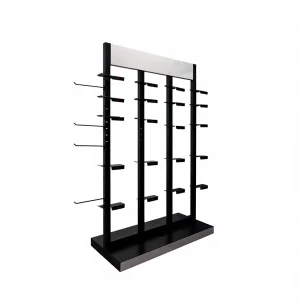
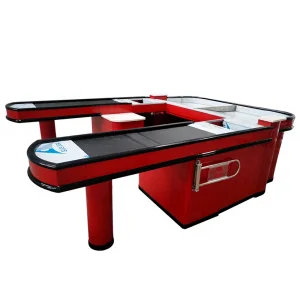
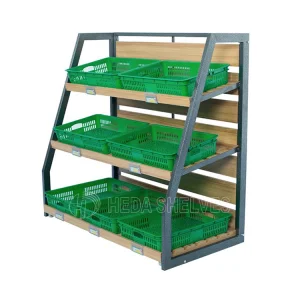
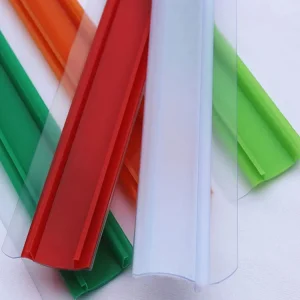
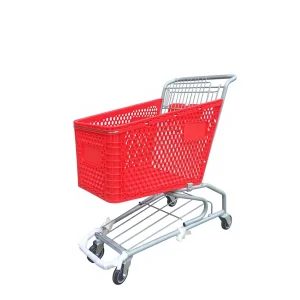
Explore our primary array of engineering-grade storage structures, custom cashier counters, and dynamic display components built for continuous load-bearing reliability.
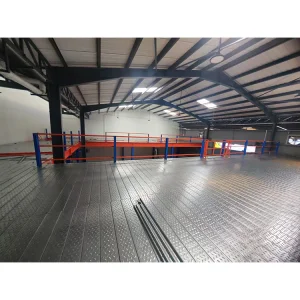
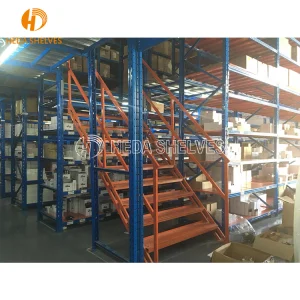
Modern commercial and industrial storage engineering demands critical space optimization. The transition from linear, two-dimensional floor storage to complex, multi-tiered structural setups is no longer just a trend—it is a necessity. High-capacity steel platforms provide the foundational support needed to maximize overhead clearance, streamline vertical workflows, and safely house heavy machinery, automated sortation conveyor belts, or auxiliary offices.
"By implementing structurally independent steel mezzanine floors, enterprises can double or triple their operational floor space without expanding the physical footprint of their facilities, bypassing expensive construction permits and real estate inflation."
Our industrial steel platforms are built using high-tensile structural steel (primarily grade Q235B and Q355B, corresponding to international equivalents S235JR and S355JR). These systems feature hot-rolled columns, universal beams (UB), cold-formed structural purlins, and a variety of heavy-duty decking options (including open steel grating, patterned checker plates, and high-density composite timber overlay). Our systems are engineered to handle uniformly distributed loads (UDL) ranging from 300 kg/m² to over 2,000 kg/m², meeting strict structural requirements for both heavy pallet storage and busy processing lines.
The reliability of a free-standing steel platform depends on rigorous calculations of deflection and structural limits. Under load conditions, vertical deflection is strictly limited to L/300 for general industrial applications, and L/400 for sensitive automated assembly setups. By using advanced Finite Element Analysis (FEA), we model structural behavior under dynamic conditions, ensuring seismic resistance and cross-directional stability in earthquake-prone zones.
| Steel Platform Parameter | Light Duty Platform | Heavy Duty Industrial Mezzanine | Automated Assembly Floor |
|---|---|---|---|
| Load Capacity (UDL) | 300 - 500 kg/m² | 500 - 1,200 kg/m² | 1,200 - 2,500+ kg/m² |
| Column Spacing (Grid) | 3m x 4m to 4m x 5m | 4m x 5m to 5m x 6m | Custom engineered up to 9m x 9m |
| Primary Material | Cold-rolled Q235B Steel | Hot-rolled H-Beam Q355B Steel | Structural Carbon Steel (I-Beams & SHS) |
| Seismic Code Compliance | ASCE 7 / IBC Category A-C | Eurocode 3 / AS4084-2012 / IBC D-F | Custom Dynamic FEA Seismic Modeling |
| Decking Options | Plywood / MDF on Steel Deck | Steel Checker Plate / Steel Grating | Heavy-Duty Steel Bar Grating / Concrete Deck |
Established in 2017, Chengdu DriveRacks Industrial Technology Co., Ltd. operates a state-of-the-art 42,000 m² manufacturing plant dedicated to advanced material handling and heavy-duty storage infrastructure. Delivering $35 million in annual export revenue, we bring 9 years of deep industry expertise and 6 years of international trade operations.
Quality is integral to our process. Our team of 30 certified inspectors executes rigorous raw material tensile testing and automated powder-coating thickness audits. Serving high-growth markets across the Middle East, Latin America, and Oceania, DriveRacks leverages a robust ecosystem of 1,200 supply chain partners. We primarily serve enterprise warehouse operators, e-commerce fulfillment hubs, and heavy equipment manufacturers. Powered by 110 skilled R&D engineers focusing on smart automation and high-density racking design, we released 250 dynamic product iterations last year and provide comprehensive customization spanning rack dimensions, seismic ratings, and surface treatments.
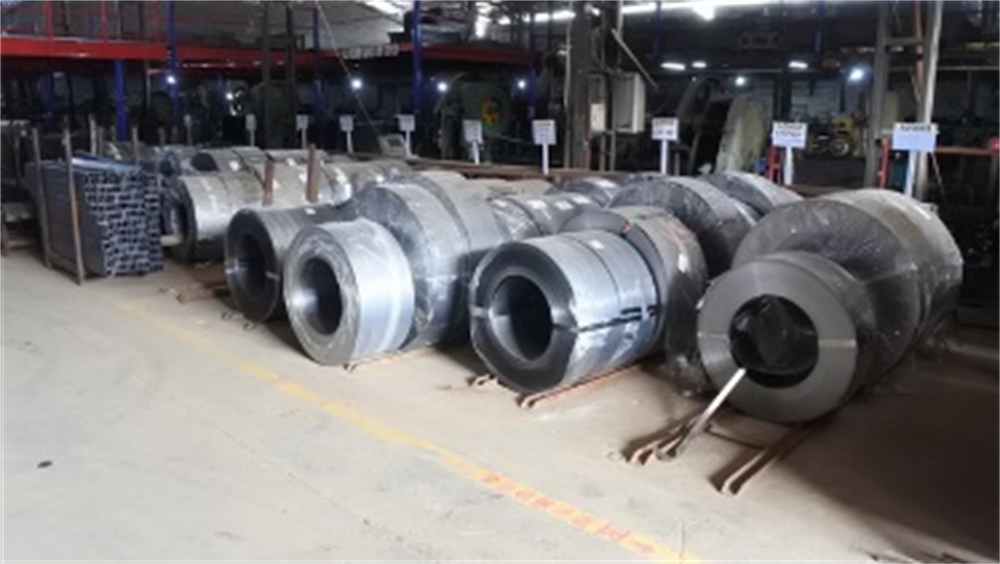
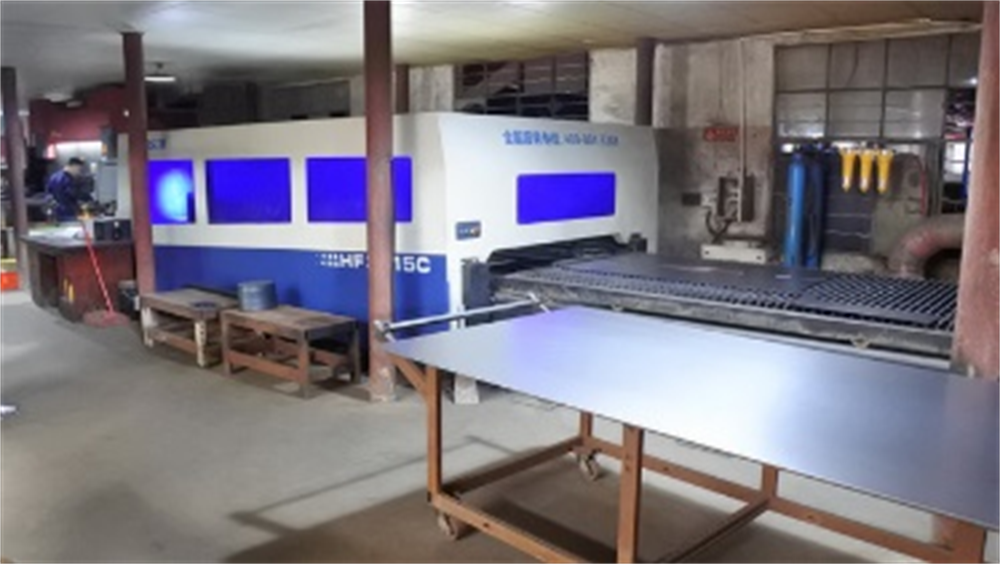
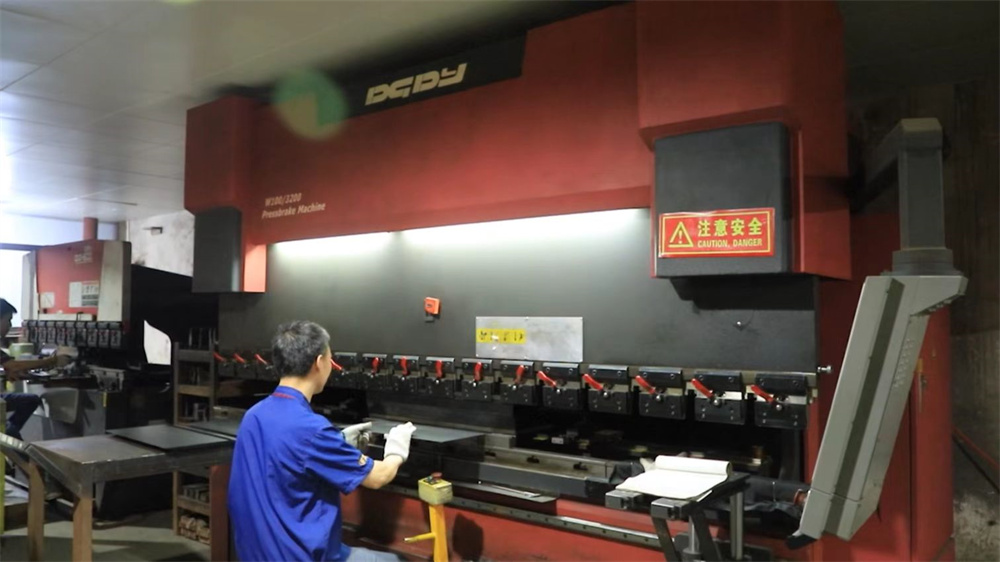
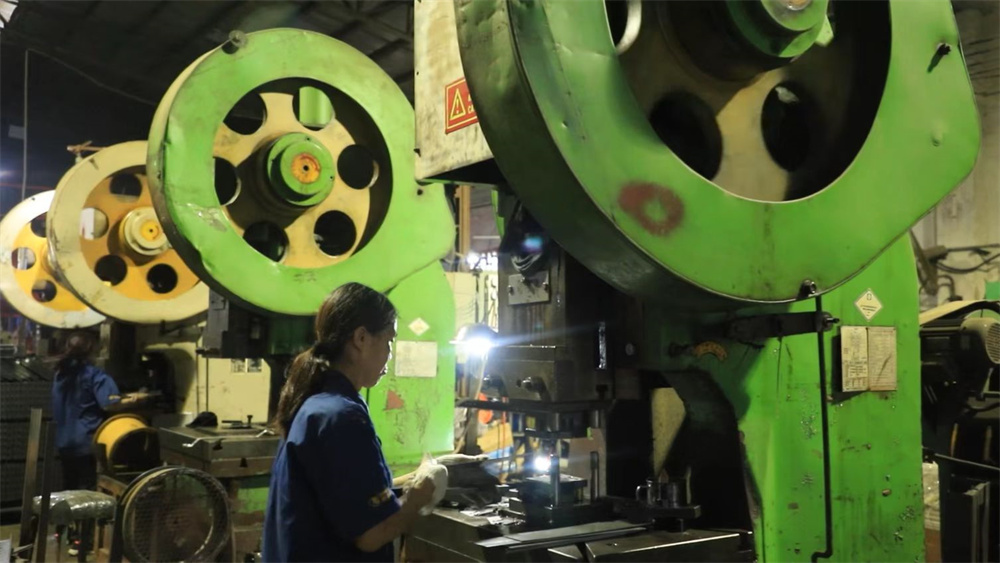
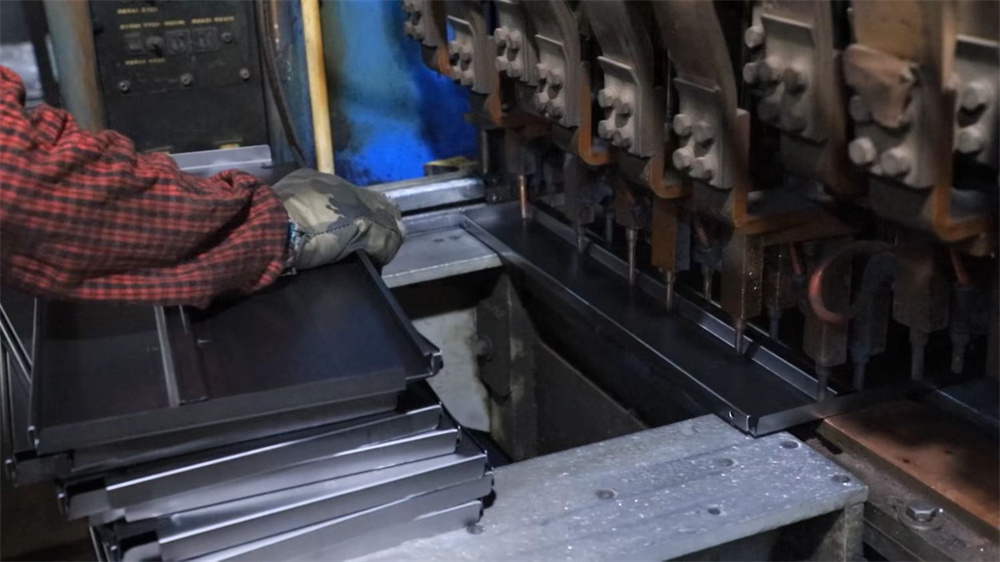
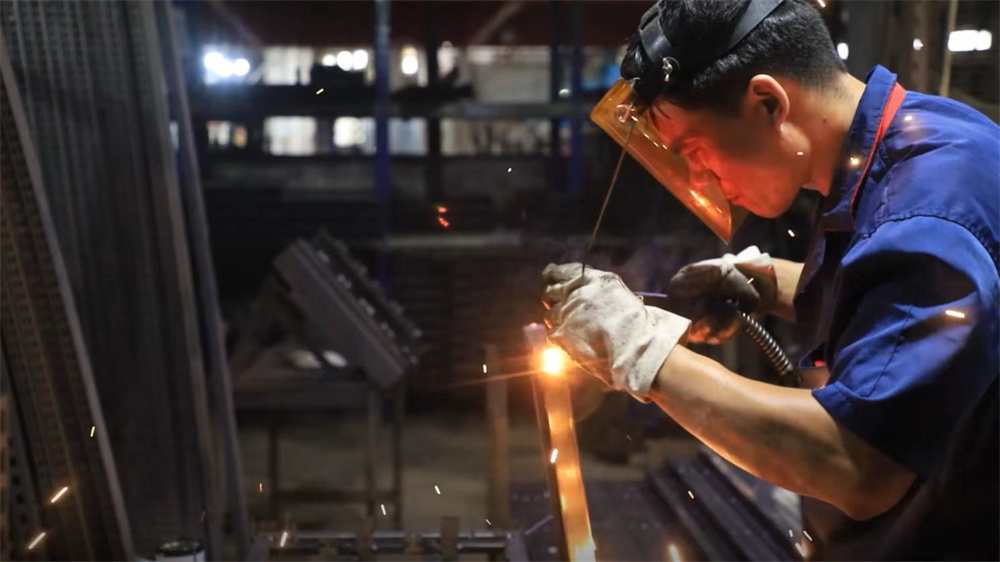
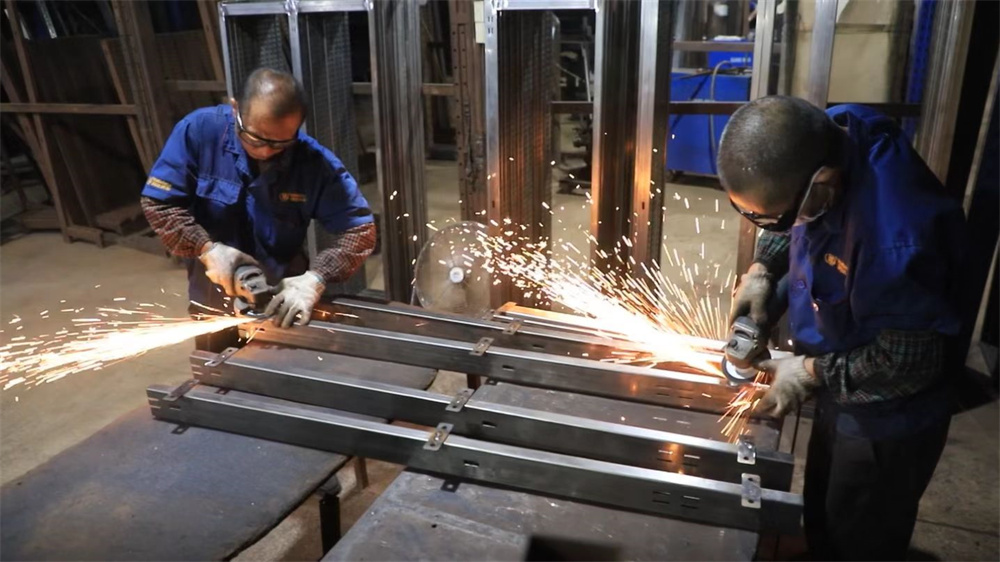
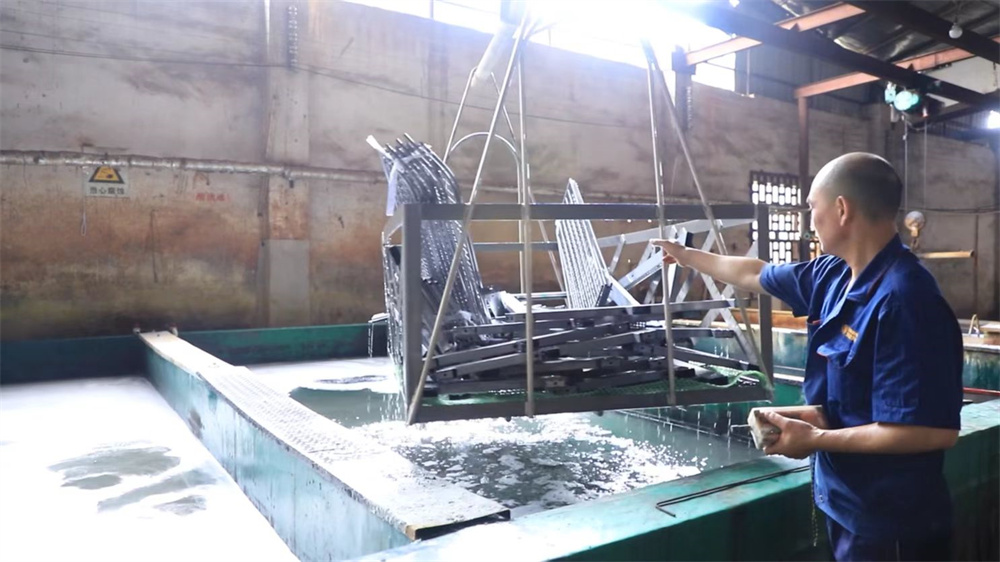
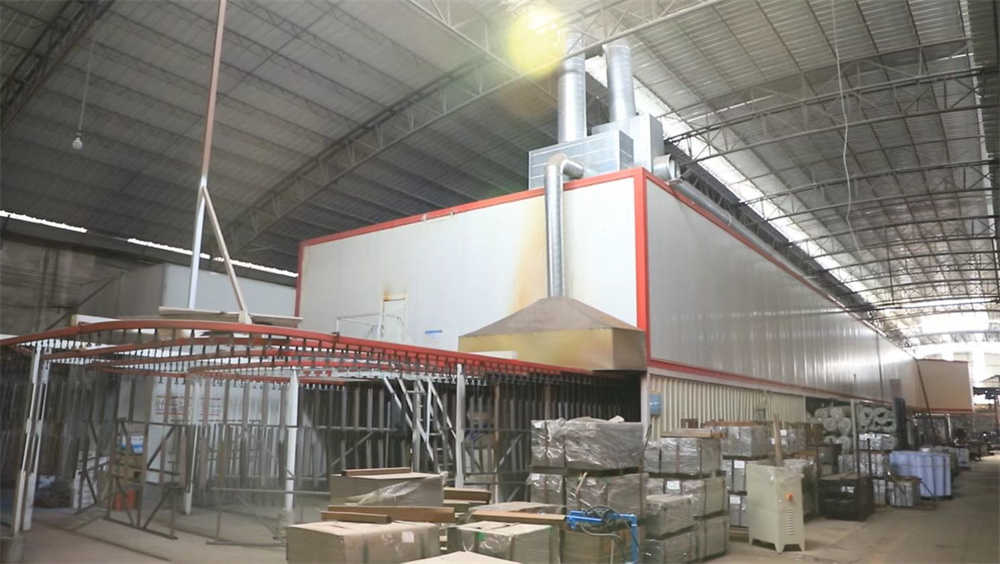
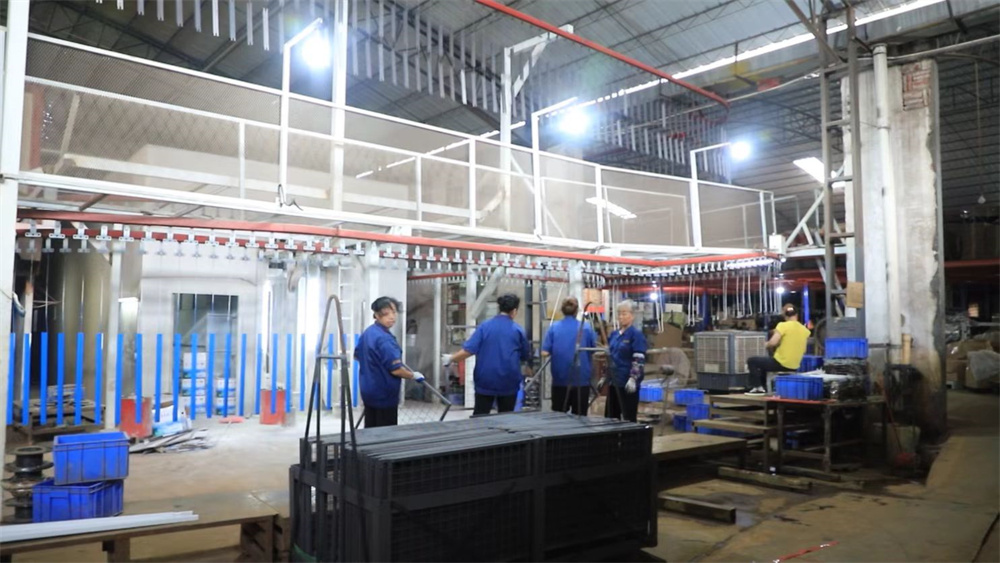
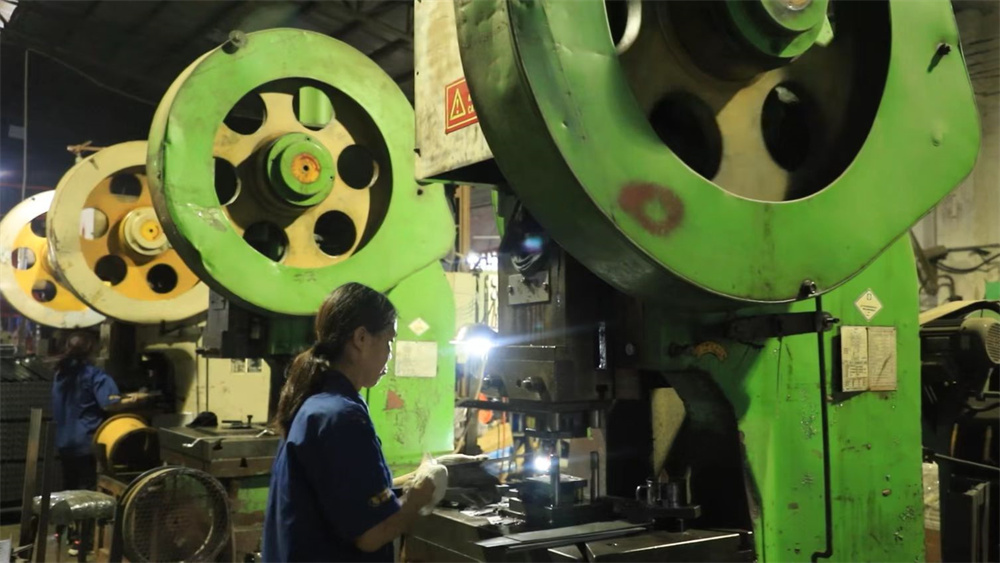
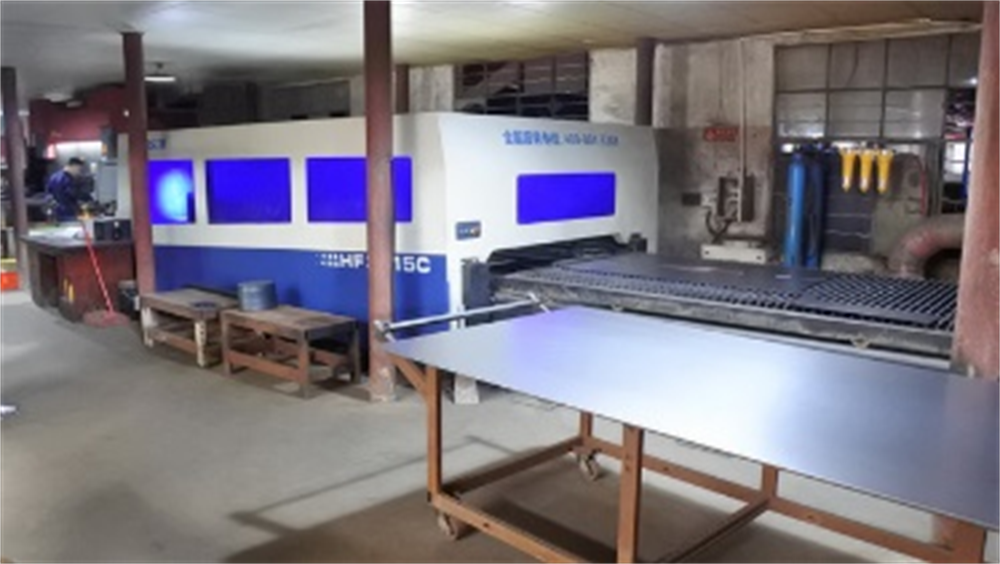
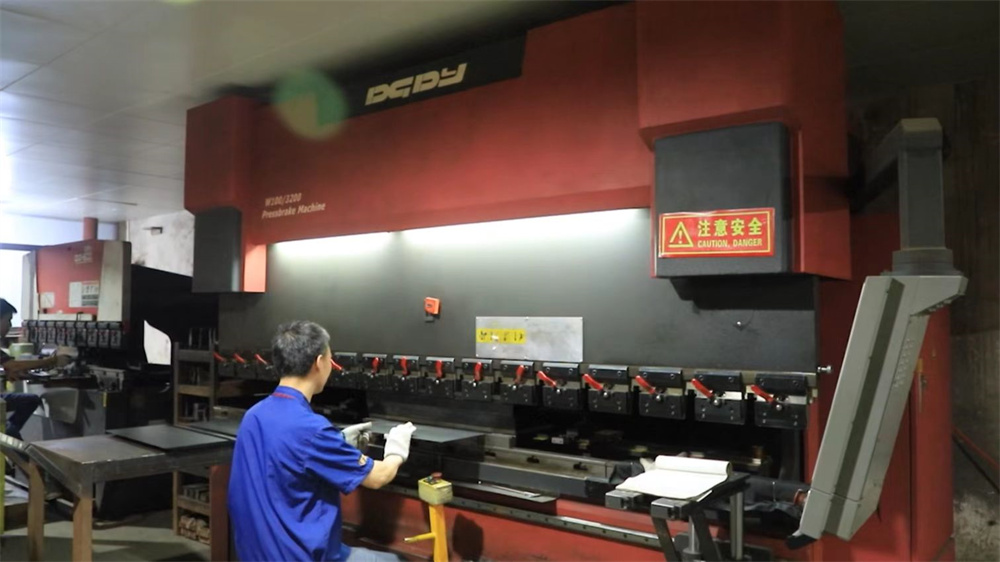
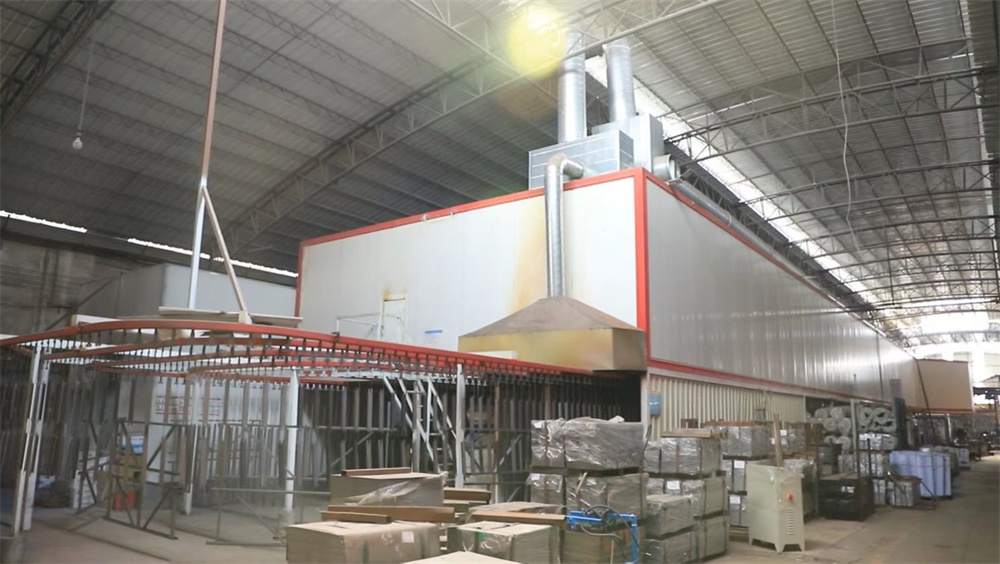
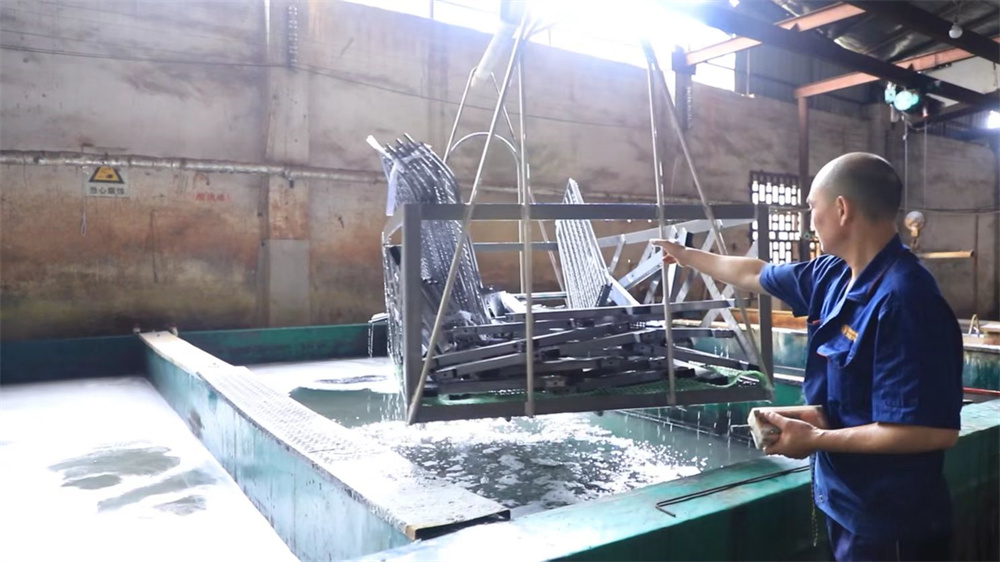
Our 42,000 m² factory features advanced automation lines that ensure consistency and precision across all structural steel platform components.
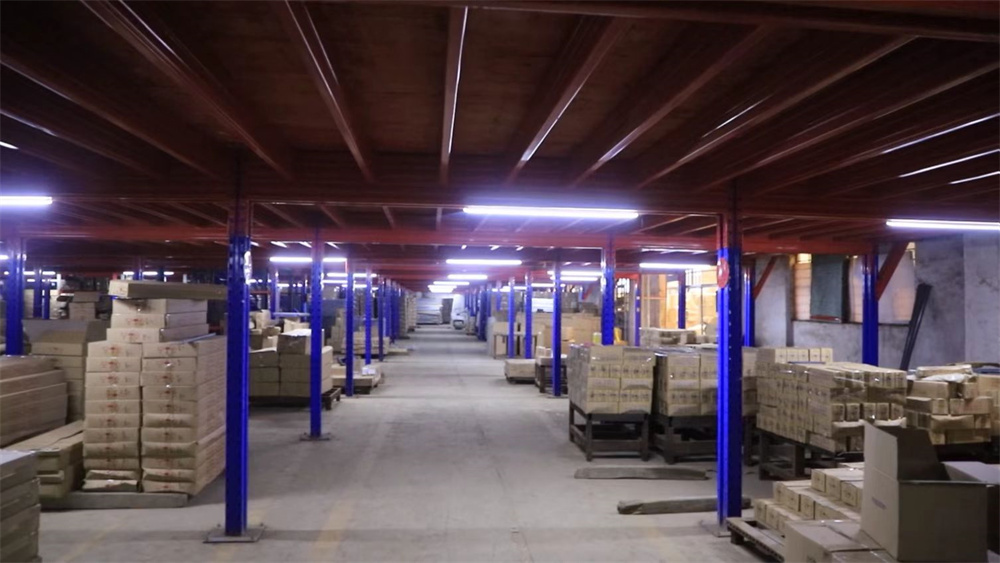
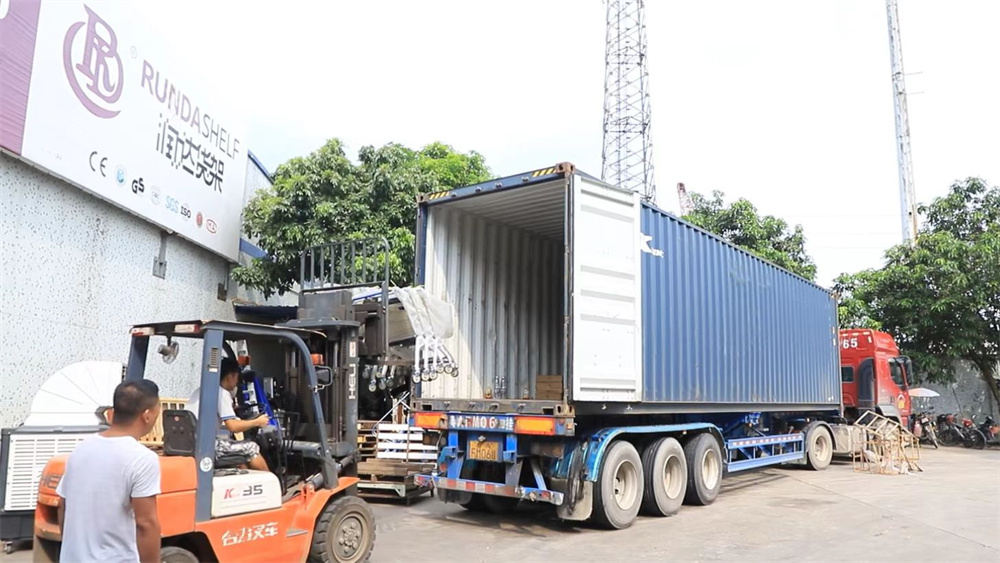
Steel platforms and industrial mezzanine storage systems are versatile solutions, widely used across various commercial sectors. Understanding localized regulations and operating conditions is critical to choosing the right system.
Modern warehouses rely heavily on autonomous systems. Modern steel platforms serve as the physical grid for Autonomous Mobile Robots (AMRs) and Automated Guided Vehicles (AGVs). These applications demand extremely flat surfaces (conforming to DIN 15185 or FM2 standards) to prevent robot navigation drift. The decking must also be designed to resist localized wear from continuous wheel traffic. We offer composite steel decks layered with specialized resin coatings to handle high-frequency automated systems.
Sourcing industrial steel platforms from Chengdu DriveRacks provides global clients with a strong supply chain and manufacturing efficiency advantage:
This fully integrated system reduces design errors, speeds up production lead times (averaging 14–21 days), and provides high-quality steel structures at competitive prices.
The industrial warehousing industry is shifting toward greener, smarter structures. Chengdu DriveRacks is tracking these updates with a focused product roadmap:
We are introducing post-consumer recycled steel alloys and energy-efficient powder curing techniques to reduce the carbon footprint of our racking systems and steel platforms. This supports global corporate sustainability initiatives and environmental certifications.
Our latest dynamic platforms can integrate IoT strain gauges and accelerometer sensors directly into support columns. These sensors track load distribution in real time, notifying warehouse managers of load imbalances or structural fatigue before safety risks occur.
To lower installation and relocation costs, our R&D team is developing boltless bracket systems. These new connections maintain structural integrity while making it easier to assemble, expand, or move steel platforms as business needs change.
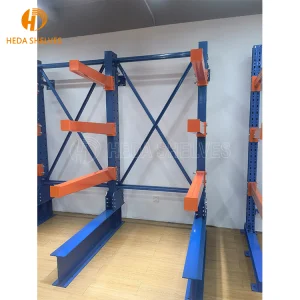
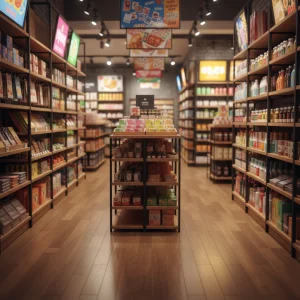
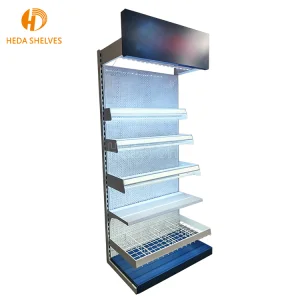
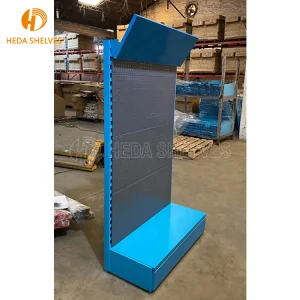
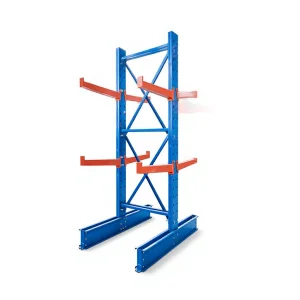
Explore our second collection of heavy-duty cantilever racks, supermarket shelving, and high-performance warehouse storage solutions.
Here are detailed engineering answers to the most common questions about sourcing, designing, and installing steel platforms.
 DriveRacks