Intelligent Storage Engineering

China Wholesale Vertical Lift Storage Manufacturers & Suppliers

High-Density Automated Warehousing Infrastructure, High-Capacity Structural Racking, and Global Regulatory Compliance Solutions for Heavy Industry, Distribution, and E-commerce Hubs.

Enterprise Logistics & High-Density Storage Engineering

A Professional Analysis of Vertical Storage Systems, Supply Chain Management, and Modern Automated Warehouses.

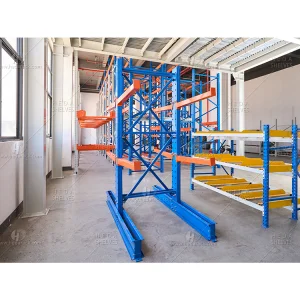
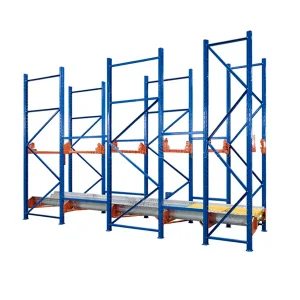
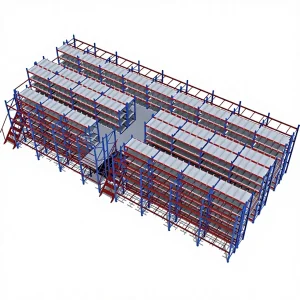
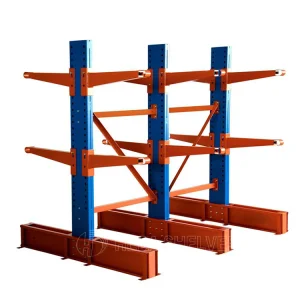
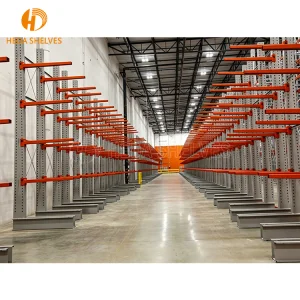
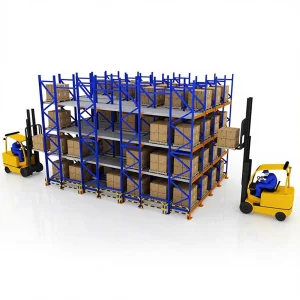
In modern industrial logistics, floor space is a premium resource. As international supply chains face dynamic delivery requirements and shifting storage needs, enterprise warehouse layouts must adapt to higher density profiles. Vertical Lift Storage technology represents a significant advancement in space optimization. These systems address the footprint limits of traditional layouts by using vertical space up to the ceiling, transforming warehouse capacity with high-density designs. From automated Vertical Lift Modules (VLM) to heavy-duty cantilever racking, high-density shuttle bays, and structural multi-level mezzanine platforms, engineering-driven storage design is essential for efficient supply chain throughput.

This whitepaper details the structural dynamics, material requirements, manufacturing protocols, and compliance standards necessary when choosing high-density storage systems. By sourcing directly from specialized manufacturers in China, global enterprise purchasers can utilize robust manufacturing capacity and specialized engineering resources. This approach helps lower Total Cost of Ownership (TCO) while ensuring compliance with international warehouse safety and seismic performance regulations.

Enterprise Company Profile: Chengdu DriveRacks Industrial Technology Co., Ltd.
Established in 2017, Chengdu DriveRacks Industrial Technology Co., Ltd. operates a state-of-the-art 42,000 m² manufacturing plant dedicated to advanced material handling and heavy-duty storage infrastructure. Delivering $35 million in annual export revenue, we bring 9 years of deep industry expertise and 6 years of international trade operations. Quality is integral to our process; our team of 30 certified inspectors executes rigorous raw material tensile testing and automated powder-coating thickness audits. Serving high-growth markets across the Middle East, Latin America, and Oceania, DriveRacks leverages a robust ecosystem of 1,200 supply chain partners. We primarily serve enterprise warehouse operators, e-commerce fulfillment hubs, and heavy equipment manufacturers. Powered by 110 skilled R&D engineers focusing on smart automation and high-density racking design, we released 250 dynamic product iterations last year and provide comprehensive customization spanning rack dimensions, seismic ratings, and surface treatments.
42,000 m²
Production Plant Area
$35M
Annual Export Revenue
110
R&D Design Engineers
30
Certified Quality Auditors

Advanced Production Line & Machining Workflow

A step-by-step review of our automated fabrication process, showing how structural steel is processed from raw materials to final shipment-ready products.
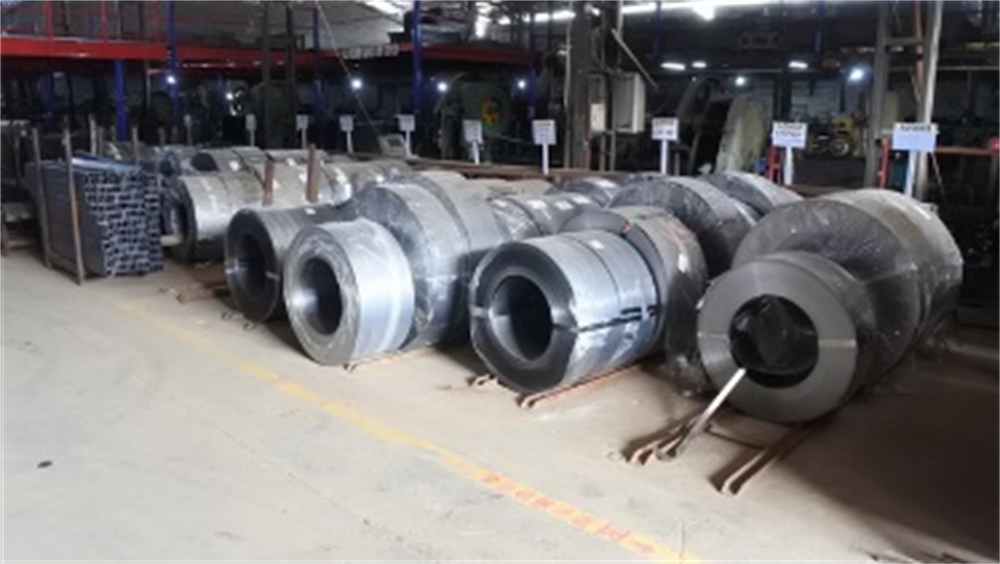
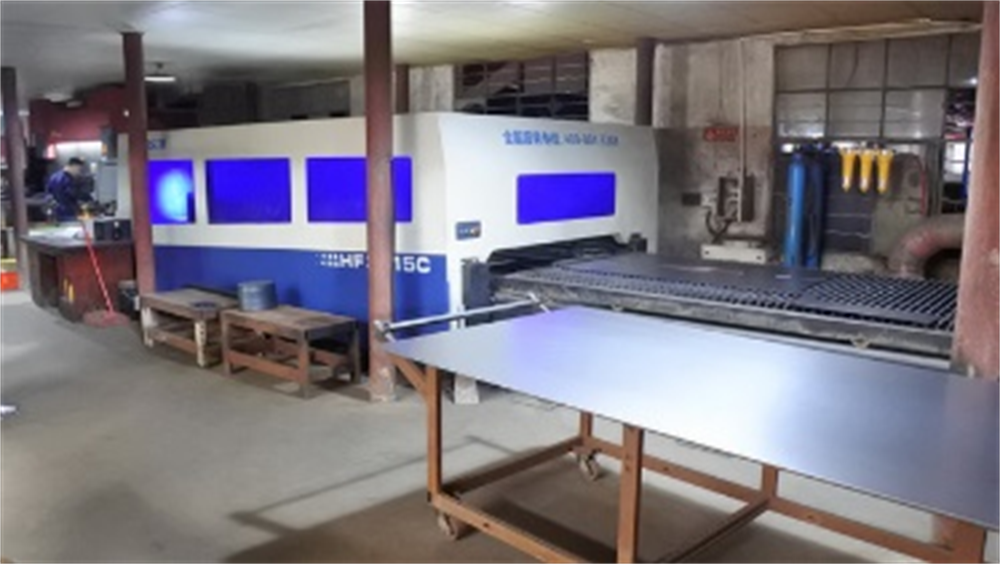
Raw Materials Processing
1. Raw Materials Sourcing
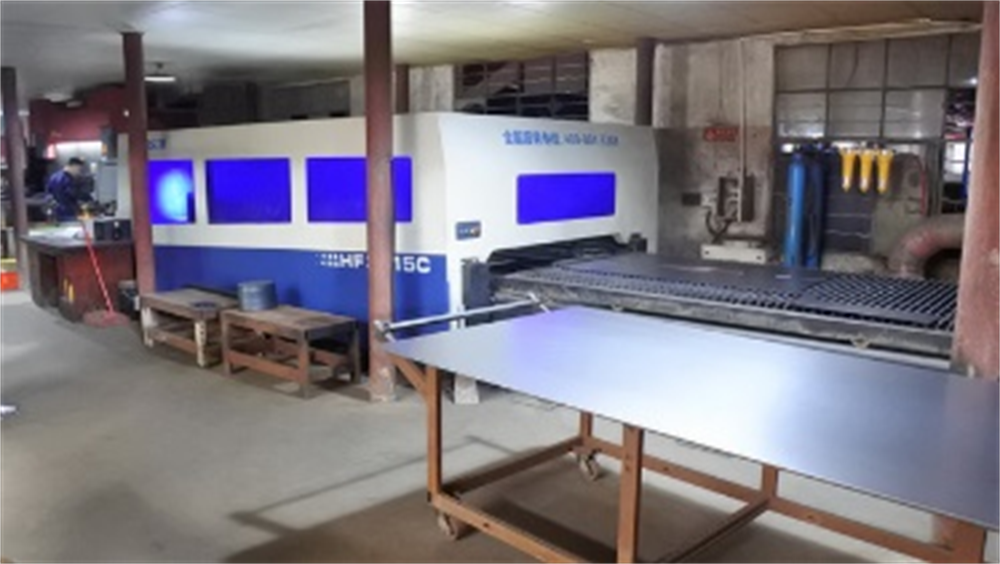
Precision Laser Cutting
2. Laser Cutting
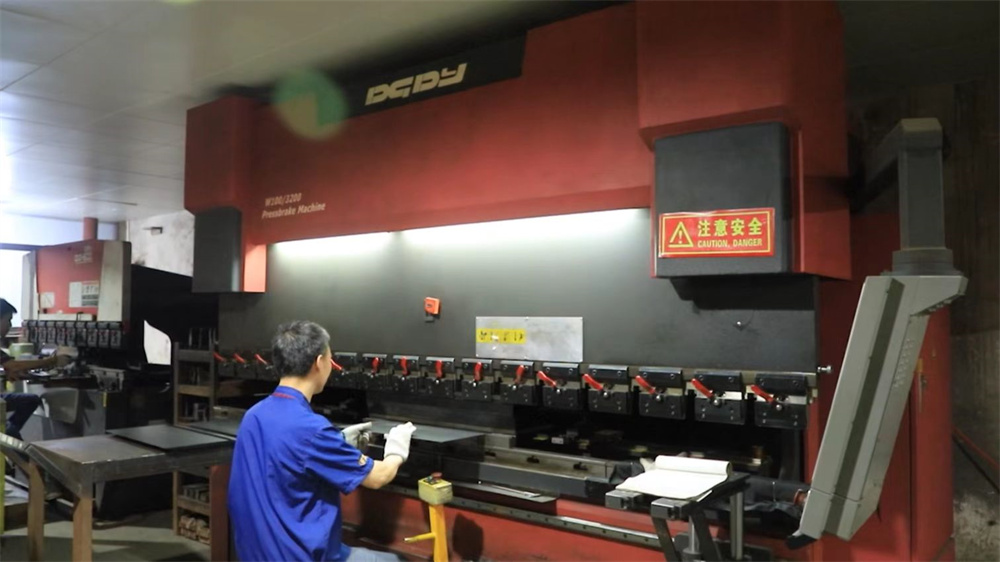
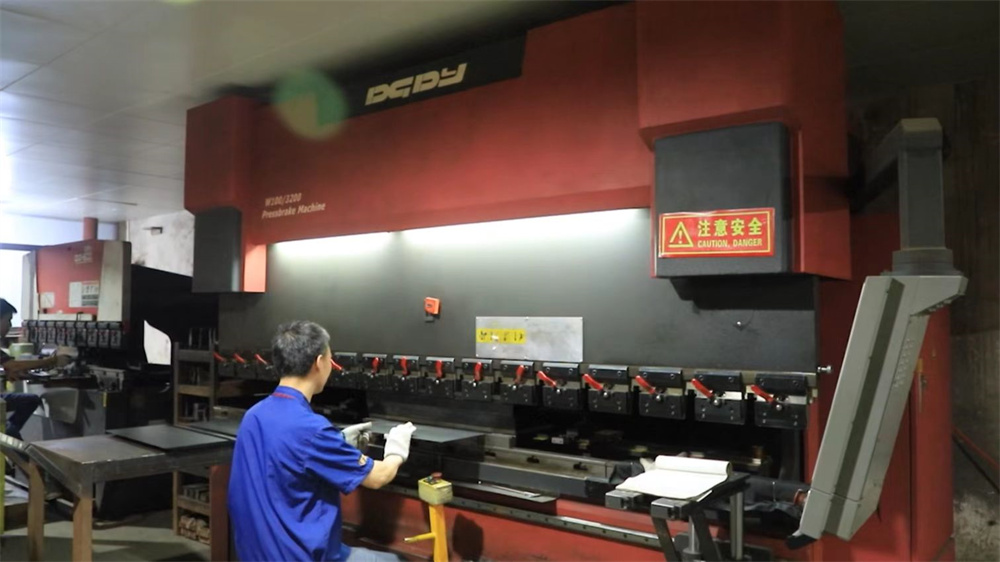
Precision Bending Operations
3. Bending
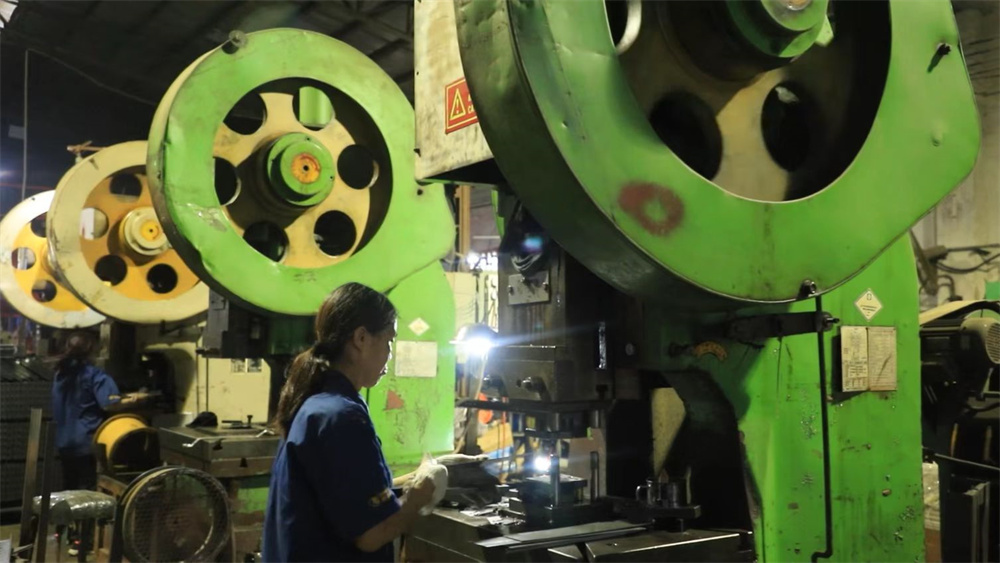
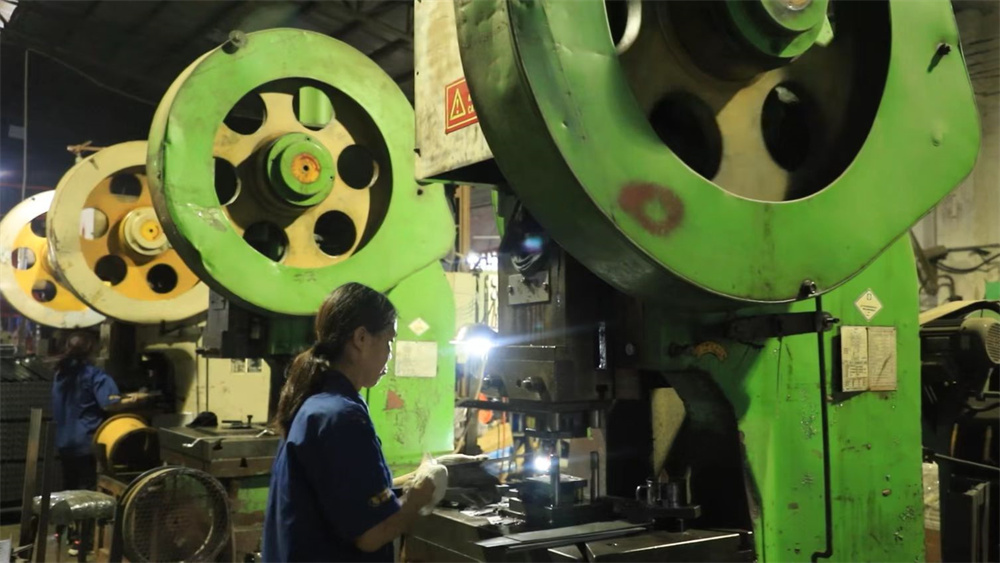
High-Speed Hydraulic Punching
4. Punching
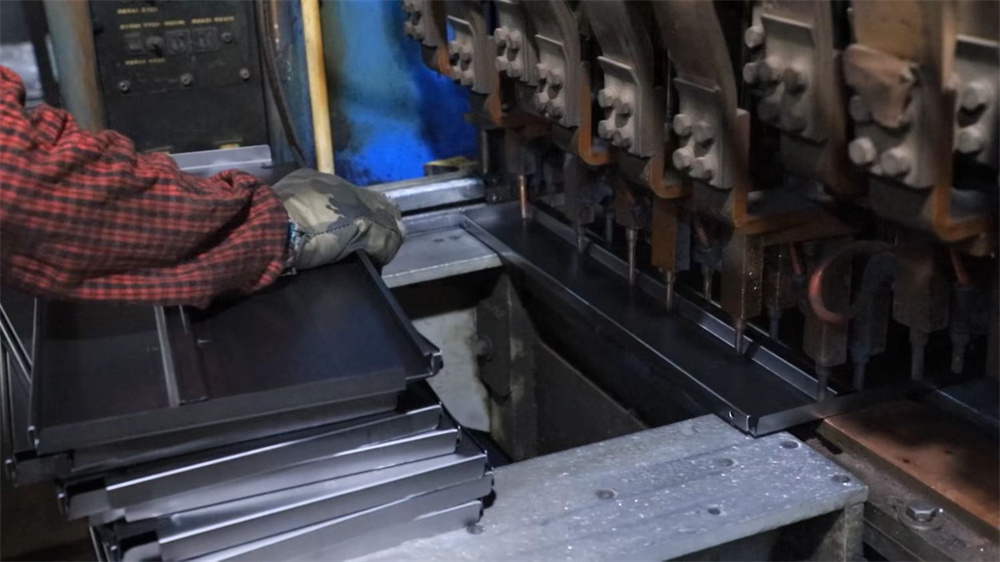
Detailed Part Processing
5. Part Processing
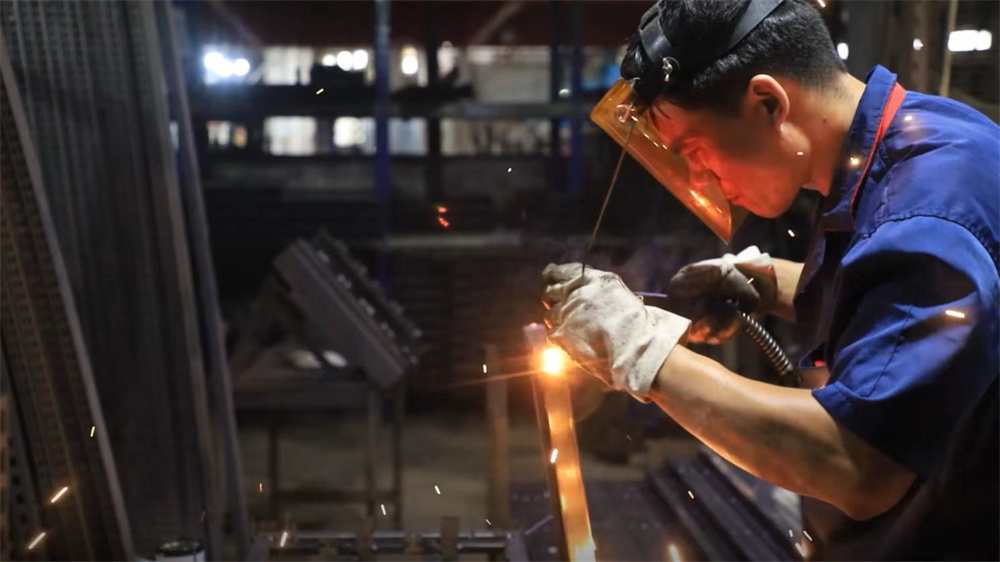
Robotic and Manual Welding
6. Welding
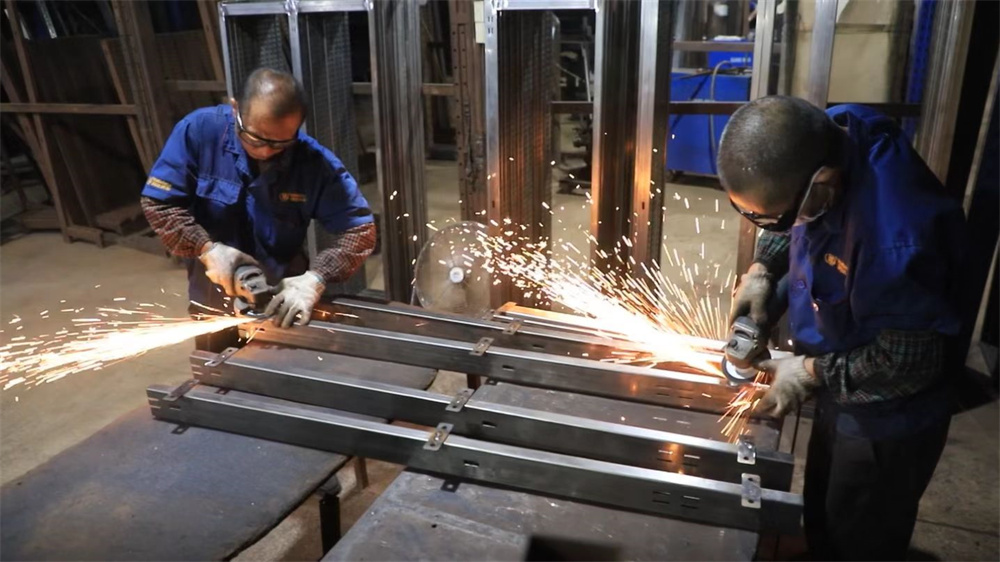
Grinding and Pre-treatment
7. Grinding
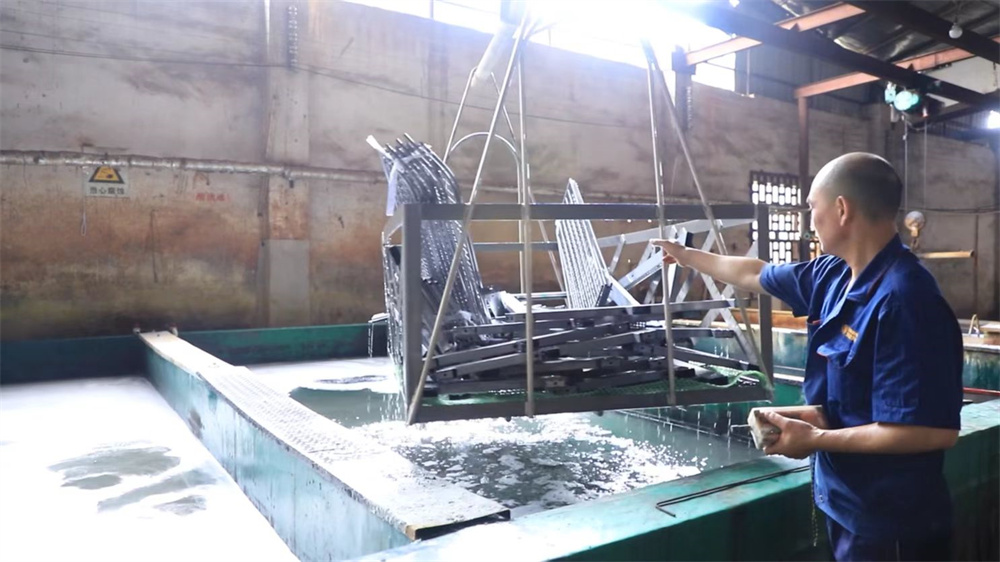
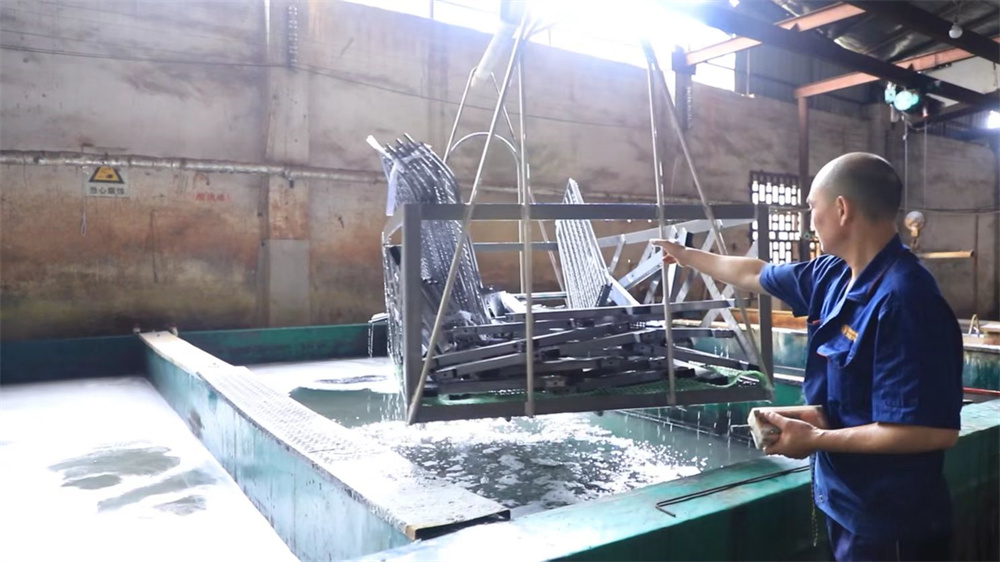
Industrial Surface Treatment
8. Surface Treatment
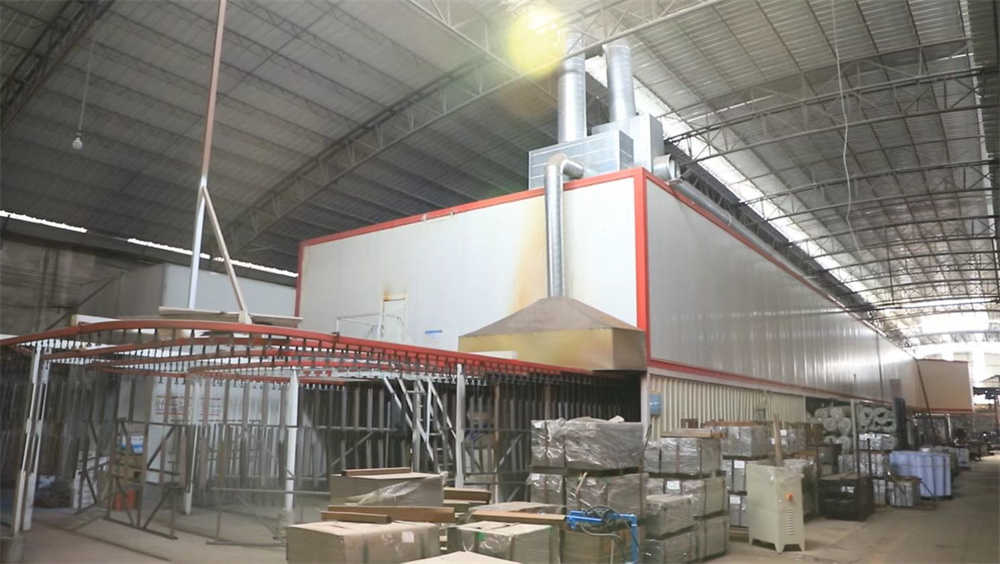
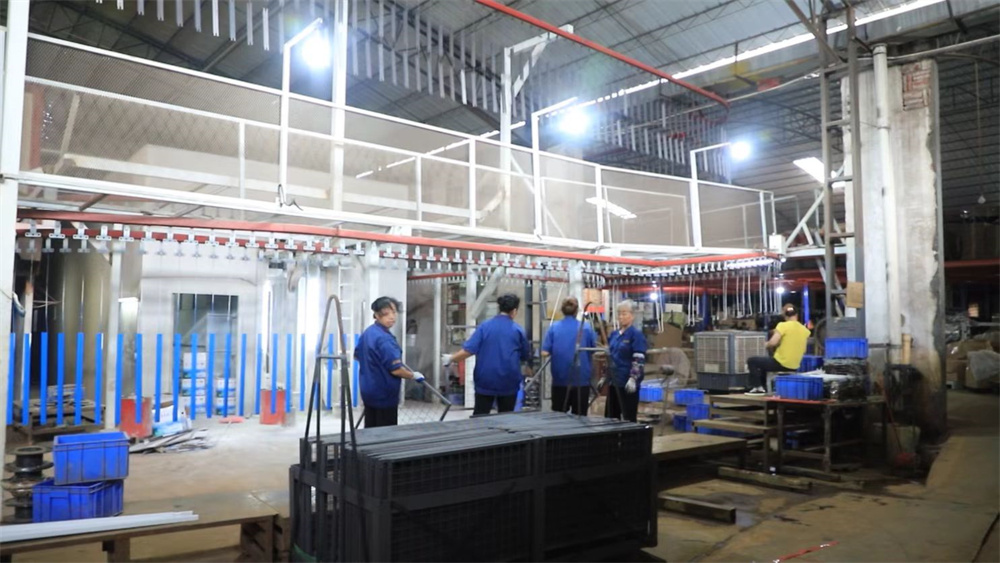
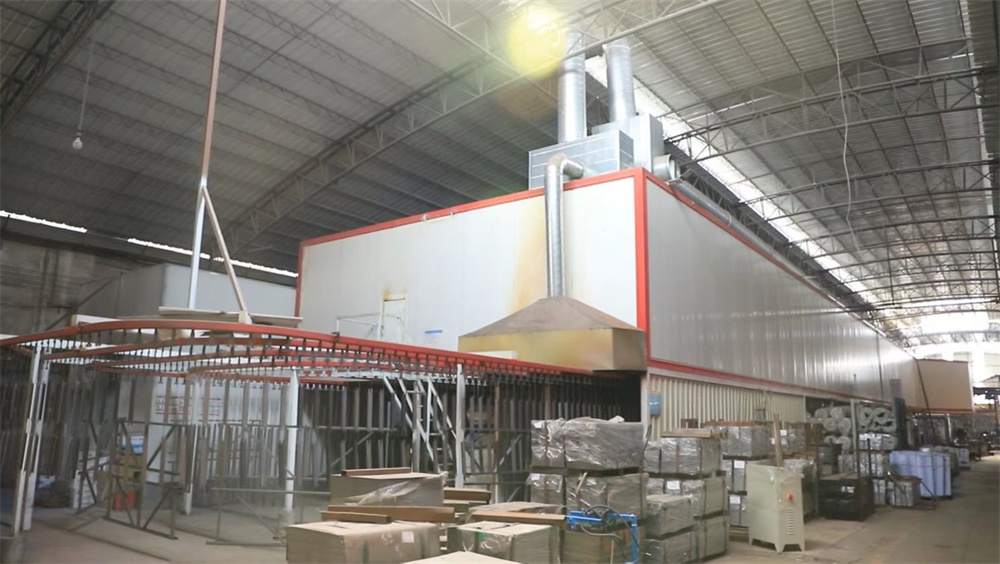
Automatic Electrostatic Paint Line
9. Automatic Painting
Rigorous Quality Inspection
10. Quality Inspecting
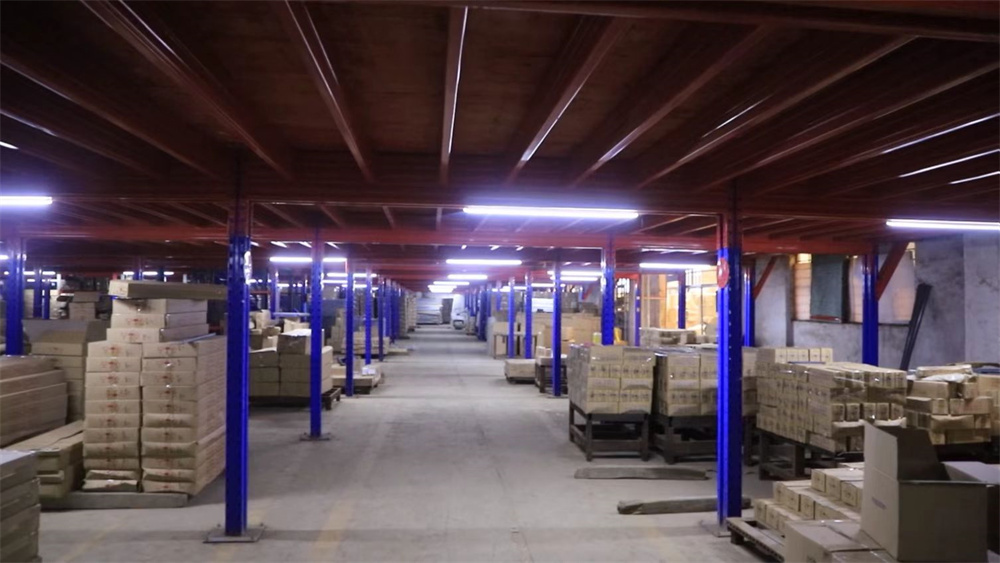
Finished Product Warehouse Storage
11. Warehouse Storage
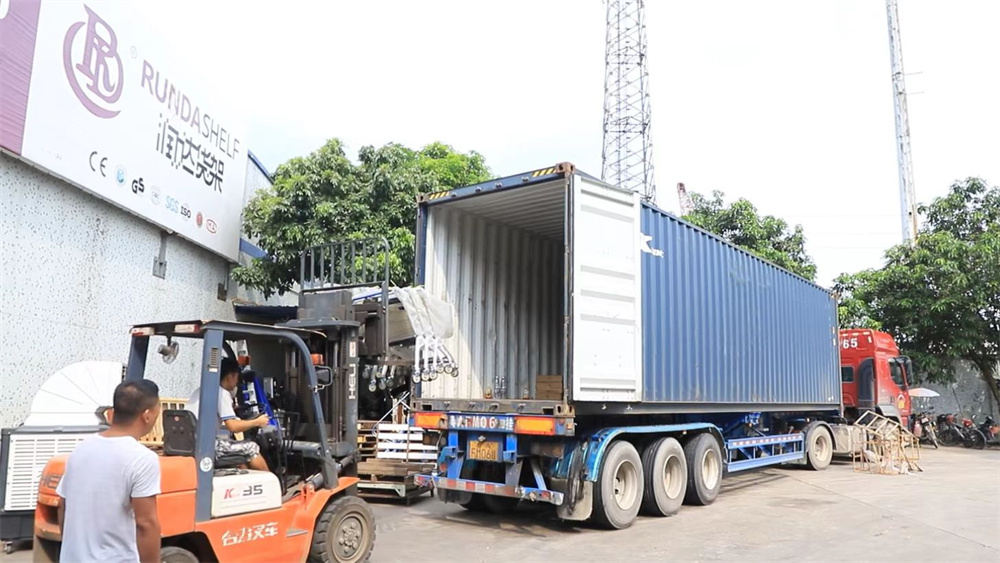
Container Packing and Export Loading
12. Container Loading
Precision Metal Processing Infrastructure
High-Speed Punching Machine
Heavy-Duty Punching Machinery
CNC Laser Cutting Machine
CNC Precision Laser Cutters
Heavy-Duty Bending Machine
Multi-Axis Bending Equipment
Automated Painting Line
Automated Powder Coating Line
Quality Calibration Stations
Welding & Assembly Stations

Engineering Structural Integrity & Mechanics

A review of structural steel grades, dynamic load performance, and automated storage safety factors.

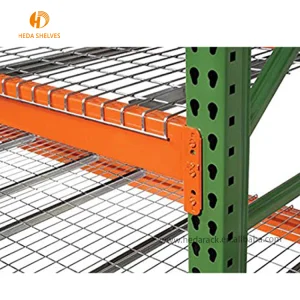
When selecting vertical lift storage systems or heavy-duty racking, structural steel grade selection is critical for safety and longevity. At Chengdu DriveRacks, we prioritize premium high-tensile structural steel profiles, including Q235B and Q355B grades. Q235B is standard for structural components due to its balance of cost, ductility, and weldability. For heavy loading requirements—such as cantilever bases, high-rise upright frames, or mezzanine columns—Q355B low-alloy high-strength steel is selected, offering a yield strength of 355 MPa to withstand higher static loads and dynamic seismic stresses.

Vertical Lift Modules (VLMs) and high-rise racking require strict control of deflection limits. Our structural engineers use Finite Element Analysis (FEA) to verify that rack profiles limit deflection under maximum load, adhering to the L/200 or L/300 deflection limit standards. This ensures that automated cranes, shuttles, and forklifts can operate with close tolerances, reducing the risk of structural interference, wear, or emergency system shut-downs.

Global Regulatory Standards & Quality Audits

Exporting materials to industrial facilities worldwide requires compliance with regional safety, structural, and environmental regulations. Our production engineering processes are aligned with major global standards:

  • ANSI/RMI MH16.1: Design, Testing, and Utilization of Industrial Steel Storage Racks (North American Standard).
  • EN 15512: Steel Static Storage Systems – Adjustable Pallet Racking Systems – Principles for Structural Design (European Directive).
  • AS 4084: Steel Storage Racking (Australian Standard for safety, installation, and operation).
  • ISO 9001:2015: Quality Management Systems, including raw material tensile testing and automated powder coat depth audits.

Before leaving the factory, all components undergo structural testing. Chengdu DriveRacks utilizes 30 certified inspectors to perform weld inspections, dimensional tolerance checks, tensile strength testing, and surface paint thickness audits. This maintains paint layer thickness within 60 to 90 microns, providing resistance to abrasion, corrosion, and chemical exposure in harsh industrial environments.

Supply Chain Optimization & Localization Integration

How China's production capacity helps lower Total Cost of Ownership (TCO) for global enterprise buyers.

Purchasing material handling and storage systems internationally requires addressing supply chain management, cargo protection, and localization requirements. Sourcing high-density warehouse systems from China offers advantages in material availability, manufacturing speed, and cost efficiency. However, success depends on coordination during shipping, customs, and final installation phases.

A key focus is ensuring components are packed securely to prevent transit damage. Heavy-duty vertical frames, shuttle rails, and cantilever arms are bundled with multi-layer bubble wrap, cardboard edge protectors, and steel straps before being loaded into open-top or standard sea containers. Additionally, moisture-resistant packaging is used to protect against high humidity during long ocean transits, ensuring components arrive at the destination site ready for installation.

Seismic Engineering and Localized Environmental Design

Storage structures must be engineered to withstand localized environmental loads. In regions with high seismic activity, such as parts of the Americas, Europe, and the Middle East, standard racking configurations are insufficient. Our R&D division, featuring 110 design engineers, performs structural calculations tailored to regional seismic hazard coordinates (seismic design categories A through F). Seismic customization includes:

  • Increased footplate thickness and surface area to distribute seismic forces to the concrete floor slab.
  • Thicker structural steel columns and modified bracing profiles.
  • Dual-anchor configurations and high-grade floor anchoring bolts.
  • Specialized node connections designed to absorb seismic energy without collapse.

This engineering process ensures compliance with local building codes, facilitating building permit approvals and structural sign-offs from regional municipal inspectors.

Procurement Checklist for Enterprise Procurement Officers

Enterprise procurement departments can use the following structured checklist when evaluating high-density vertical racking manufacturers:

  1. Material Certifications: Request steel mill certificates (MTC) verifying chemistry and mechanical properties (tensile strength, yield point) for structural steel batches (e.g., Q235B, Q355B).
  2. Quality Control Audits: Verify the manufacturer's inspection capacity, such as a dedicated QA team and automated testing tools for weld checking and paint coat thickness.
  3. Design Iteration and Engineering Support: Select partners capable of providing 3D CAD modeling, structural calculations, and Finite Element Analysis (FEA) reports to verify load limits.
  4. Software & Integration Capability: For automated systems (shuttles, vertical lift structures), ensure control systems are compatible with major Warehouse Management Systems (WMS) and Warehouse Control Systems (WCS).
  5. Logistics and Customs Support: Choose suppliers experienced in managing international trade documentation (Bill of Lading, Certificate of Origin, customs classification codes) to streamline importing.

Frequently Asked Questions (FAQ)

Technical information regarding engineering design, logistics coordination, and installation requirements for vertical storage systems.

How does vertical lift storage improve overall warehouse capacity compared to traditional static layouts?
Vertical storage systems utilize the full height of a building's interior, reducing the footprint required for storage aisles. Automated systems (like VLMs and shuttles) deliver items directly to operators, which can reduce warehouse footprint needs by up to 85% and decrease walking times for operators.
What steel grades are used in heavy-duty racking, and why is steel grade selection critical?
We use Q235B and Q355B high-tensile structural steel. Q235B is suitable for standard loads, while Q355B is selected for high-stress applications, columns, and heavy cantilever systems. Selecting the correct steel grade ensures safety, limits deflection under load, and ensures compliance with building codes.
How do you customize racking systems to meet local seismic codes in high-risk zones?
Our engineering team uses Finite Element Analysis (FEA) to verify rack designs against seismic codes (such as ANSI/RMI or Eurocode 3). Customizations include enlarging footplates, upgrading anchor bolts, increasing member thicknesses, and adjusting column-bracing structures.
What quality audits are performed on the warehouse systems during fabrication?
We conduct raw material tensile testing, structural weld checks (per ISO 3834), paint layer depth checks (60–90 microns), and load-deflection verification. Our QA division includes 30 certified inspectors tracking production quality.
What is the typical manufacturing lead time, and how are international shipments managed?
Lead times depend on the system size and degree of customization, typically ranging from 30 to 45 days from engineering approval. We assist with container consolidation, export documentation, and customs clearance support to ensure seamless international delivery.