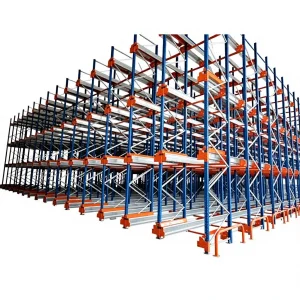
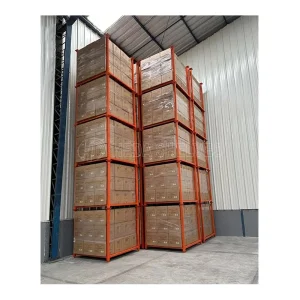
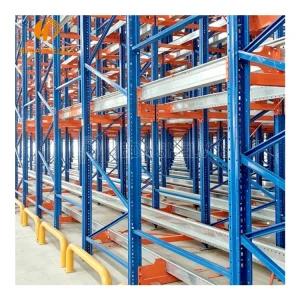
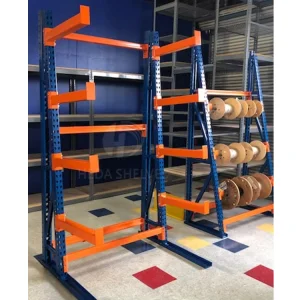
In modern industrial warehousing, distribution engineering, and high-velocity e-commerce fulfillment, spatial productivity stands as the key differentiator between operational growth and bottlenecked supply chains. As a premier Custom OEM Carton Flow Storage Supplier, Chengdu DriveRacks Industrial Technology Co., Ltd. delivers mechanical integrity, spatial density, and automated picking acceleration. Established in 2017, we have dedicated ourselves to engineering heavy-duty racking systems, logistics flow cells, and precision-manufactured dynamic storage infrastructures that satisfy the strictest industrial guidelines worldwide.
Chengdu DriveRacks Industrial Technology Co., Ltd. operates a state-of-the-art 42,000 m² manufacturing plant dedicated to advanced material handling and heavy-duty storage infrastructure. Delivering $35 million in annual export revenue, we bring 9 years of deep industry expertise and 6 years of international trade operations. Powered by 110 skilled R&D engineers focusing on smart automation and high-density racking design, we released 250 dynamic product iterations last year and provide comprehensive customization spanning rack dimensions, seismic ratings, and surface treatments.
Our operation is built on precision engineering. By integrating specialized gravity roller tracks, customized lane configurations, and advanced deceleration dynamics, we design custom OEM carton flow systems that optimize First-In, First-Out (FIFO) inventory control. We resolve the critical issues faced by modern warehouse managers: picking times, stock rotation issues, high maintenance expenses, and warehouse spatial inefficiencies.
The global logistics landscape is undergoing a major transition. Supply chains are adapting to rapid consumer purchasing patterns, labor challenges, and urban land constraints. Dynamic storage technologies, such as gravity carton flow racks, have evolved from optional accessories into primary picking solutions. In North America, Europe, and Asia-Pacific, companies are modernizing legacy static storage facilities to mitigate rising operations costs.
E-commerce fulfillment demands high-density, multi-SKU organization. Carton flow storage systems increase picking efficiency by organizing inventory at the pick face. Automated pick-to-light, voice picking, and robotic picking systems integrate with carton flow lanes. This ensures pickers spend less time traversing aisles and more time handling inventory, boosting hourly throughput by up to 150% compared to conventional shelf systems.
In cold storage and blast freezer facilities, thermal management costs are exceptionally high. Maximizing storage density within a minimal footprint is critical. OEM Carton Flow Systems optimize space utilization, reducing cold air loss. By eliminating wasted aisles, food, beverage, and pharmaceutical processors can double their storage capacity within the same refrigerated footprint while maintaining strict FIFO control to manage expiration dates.
Automotive assembly, electronics manufacturing, and heavy equipment production lines rely on continuous parts replenishment. Custom flow racks function as inventory staging areas, presenting parts to assembly technicians at ergonomic angles. This minimizes physical strain, eliminates material handling waste, and supports lean manufacturing methodologies (Just-In-Time and Kanban replenishment cycles).
Our 42,000 m² production facility contains advanced manufacturing machinery. We manage the entire fabrication cycle, from high-grade structural steel coil processing to automated electro-static powder coating and final stress testing. This integrated control ensures structural consistency across all custom OEM shipments.
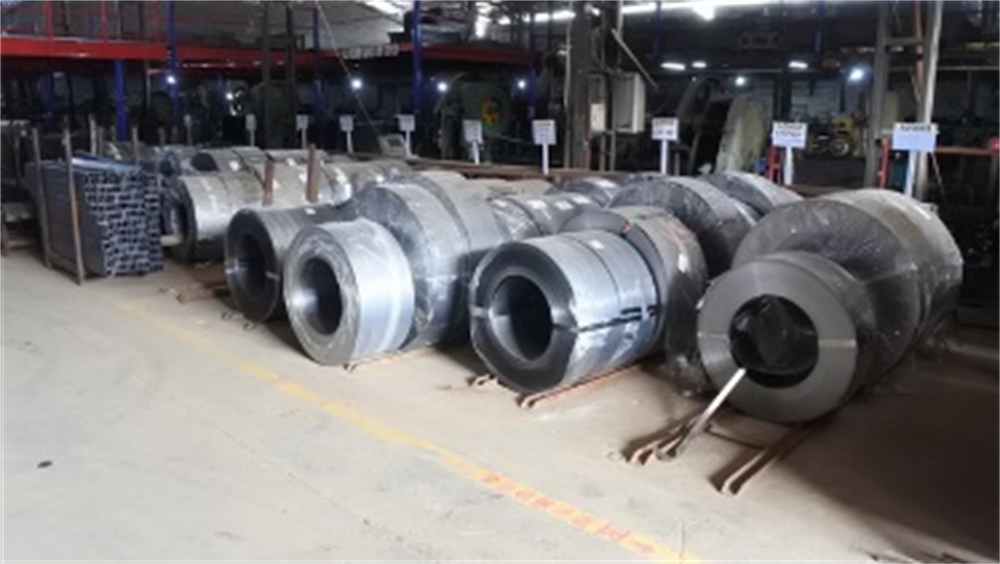
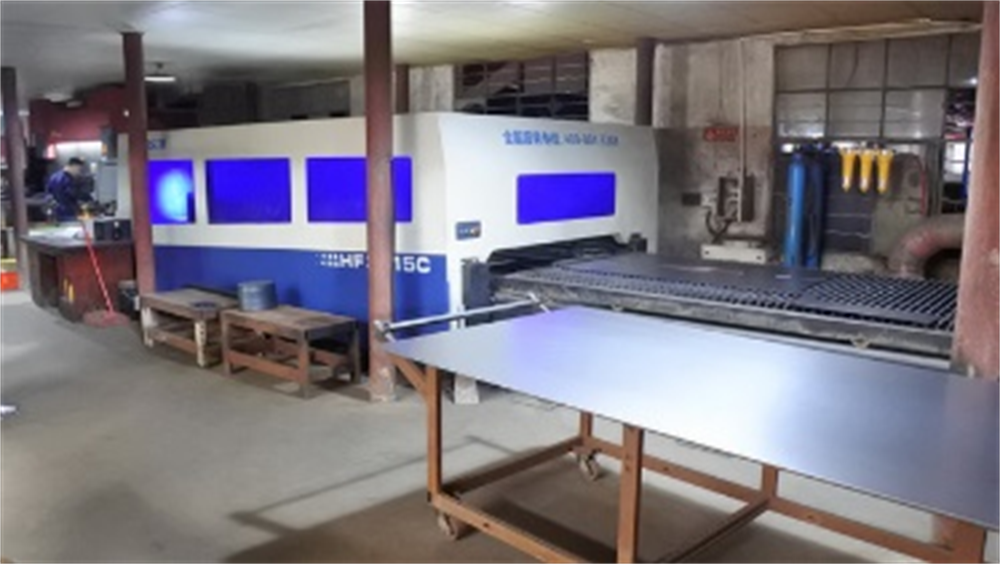
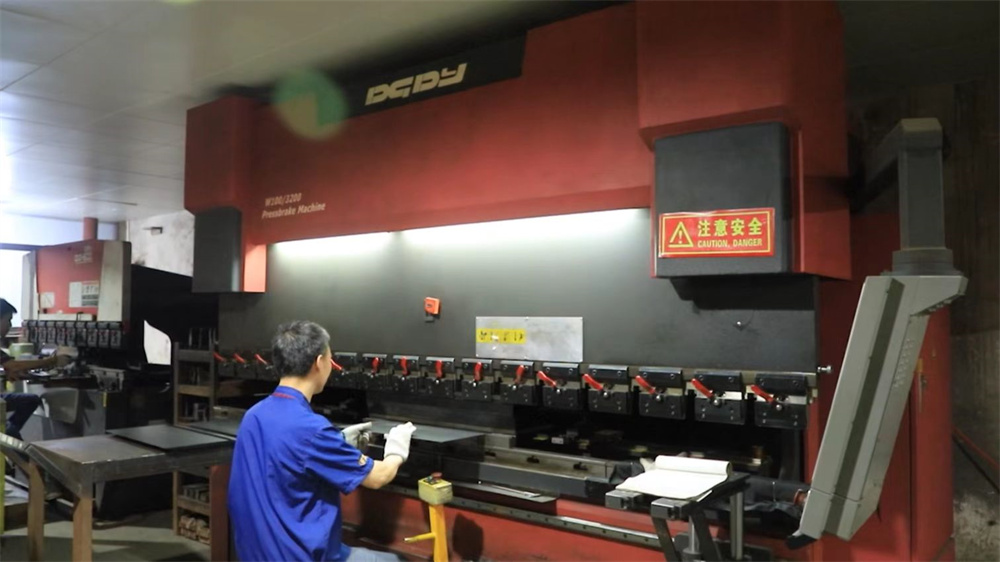
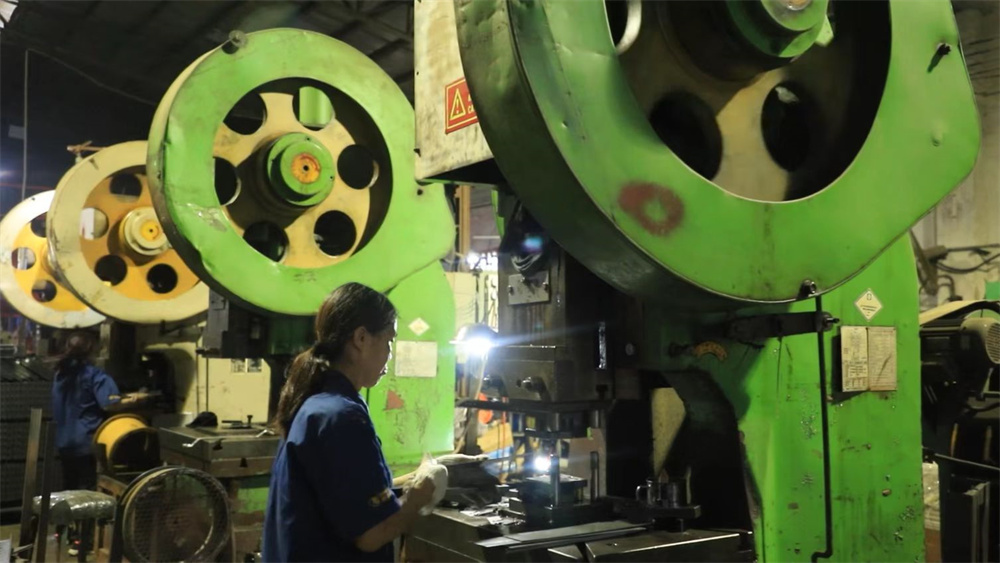
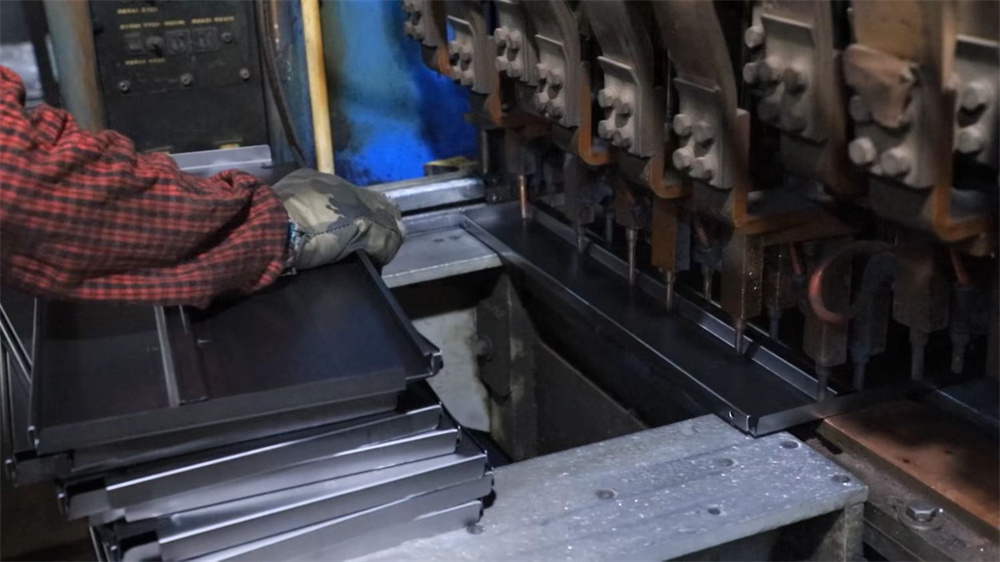
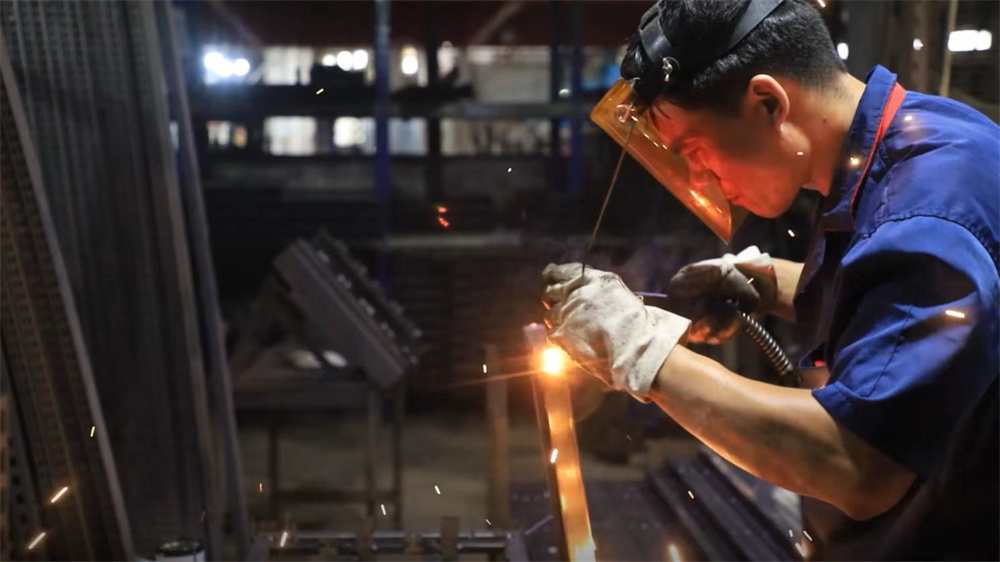
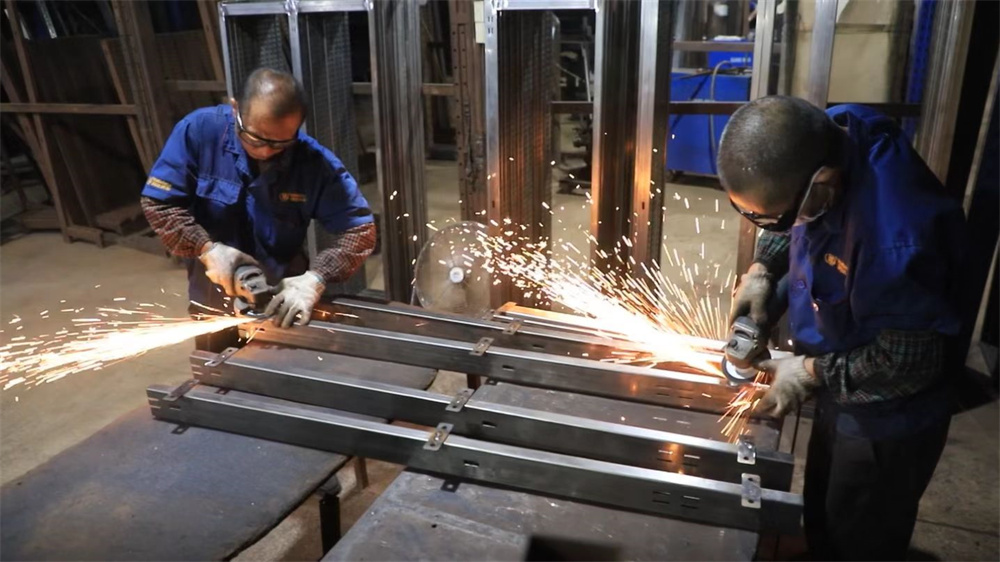
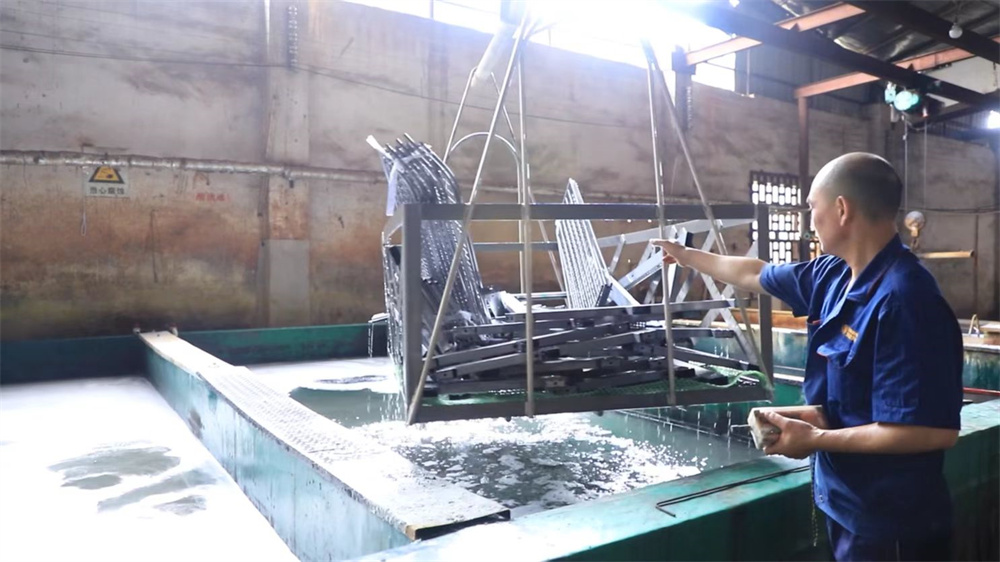
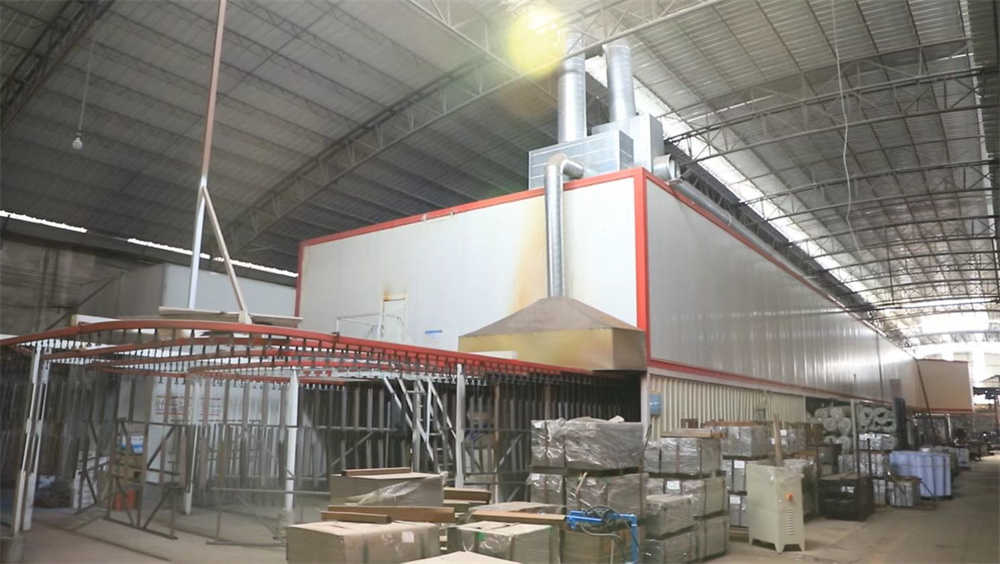
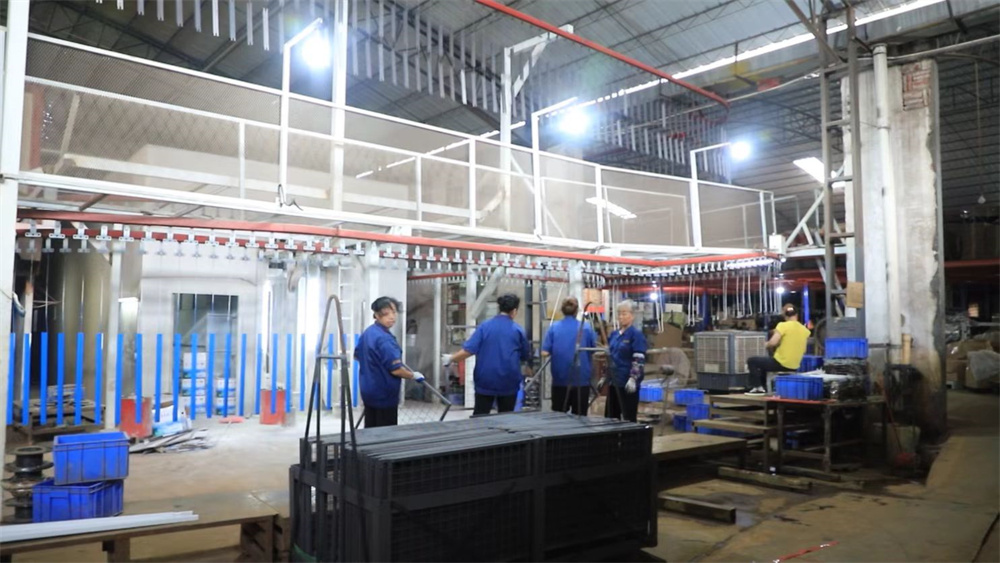
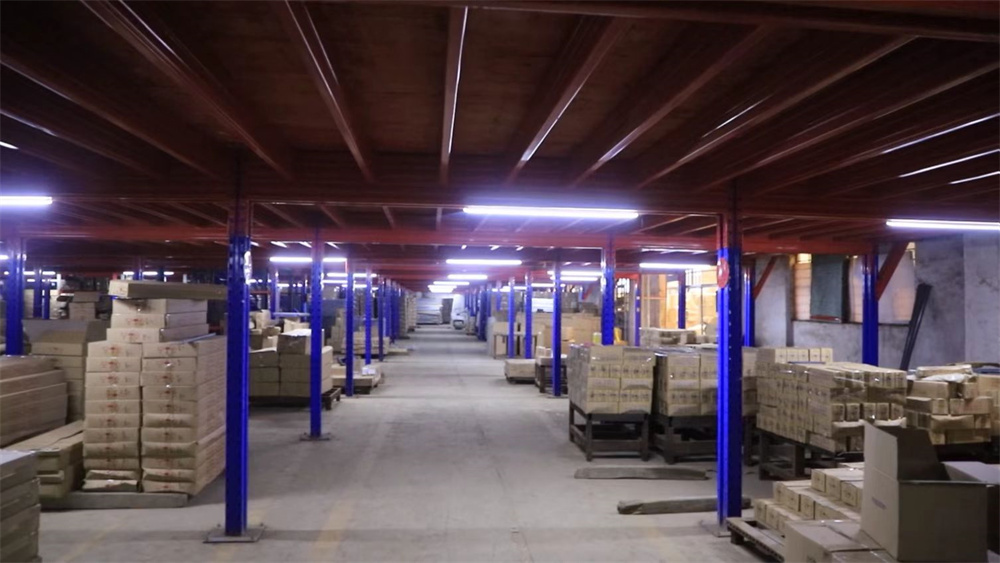
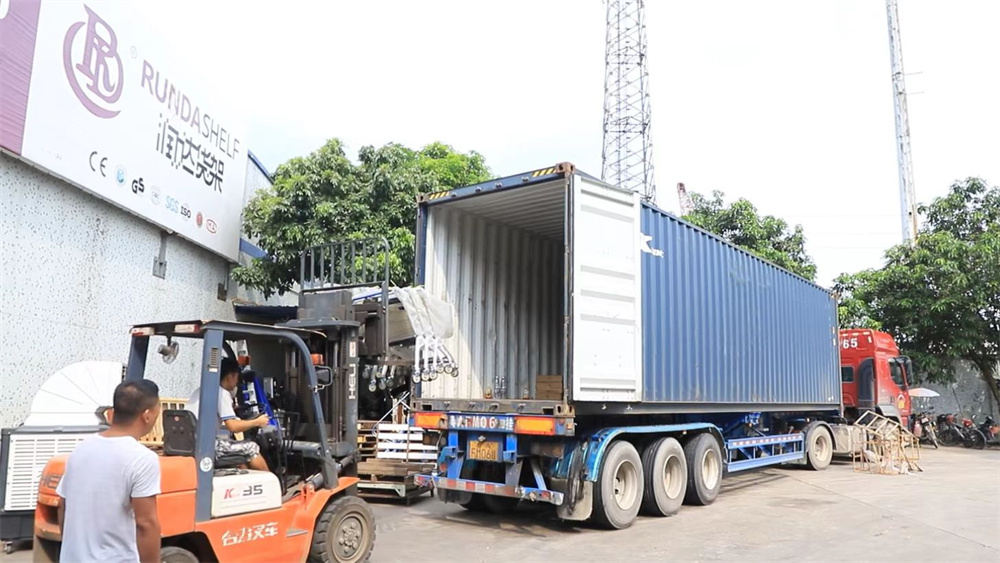
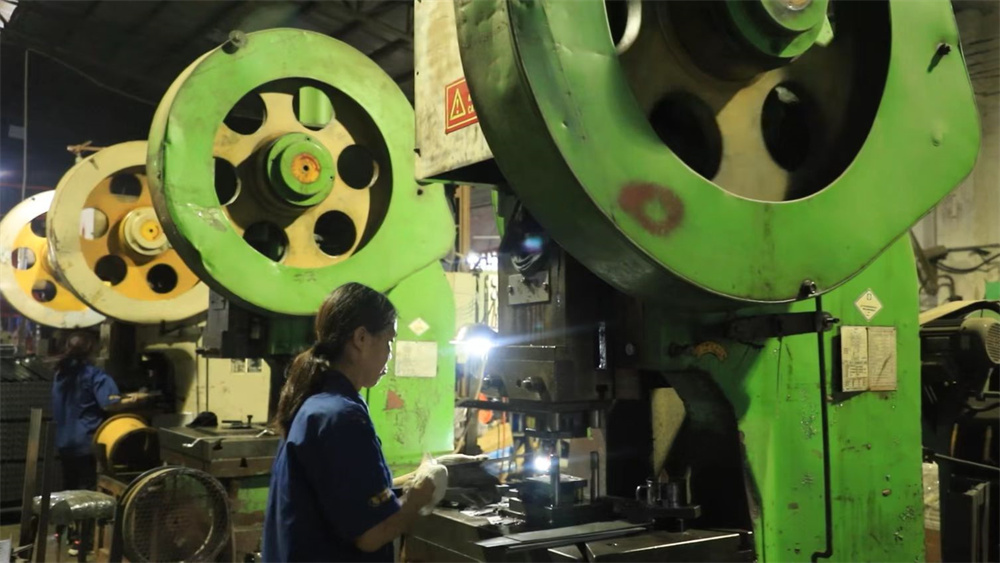
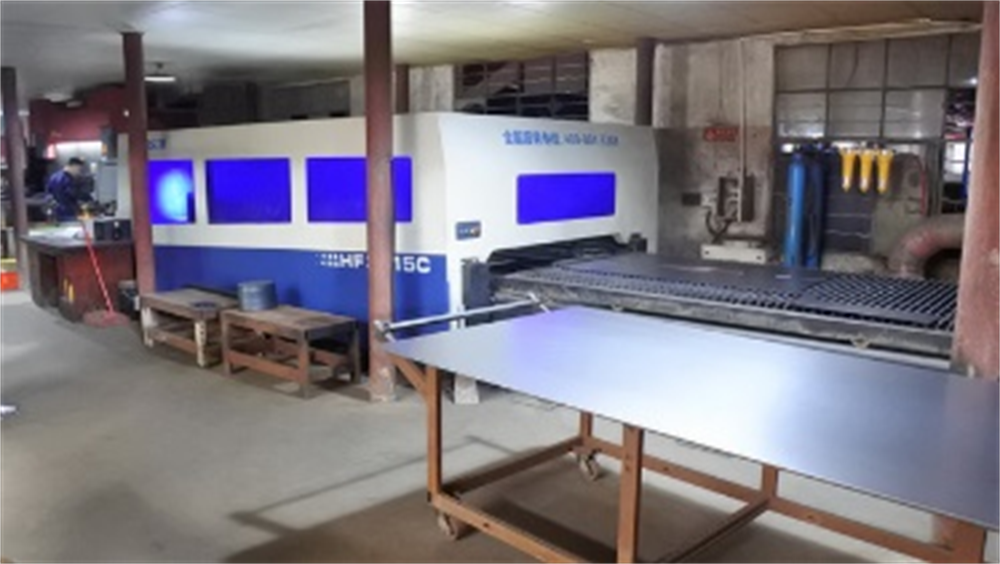
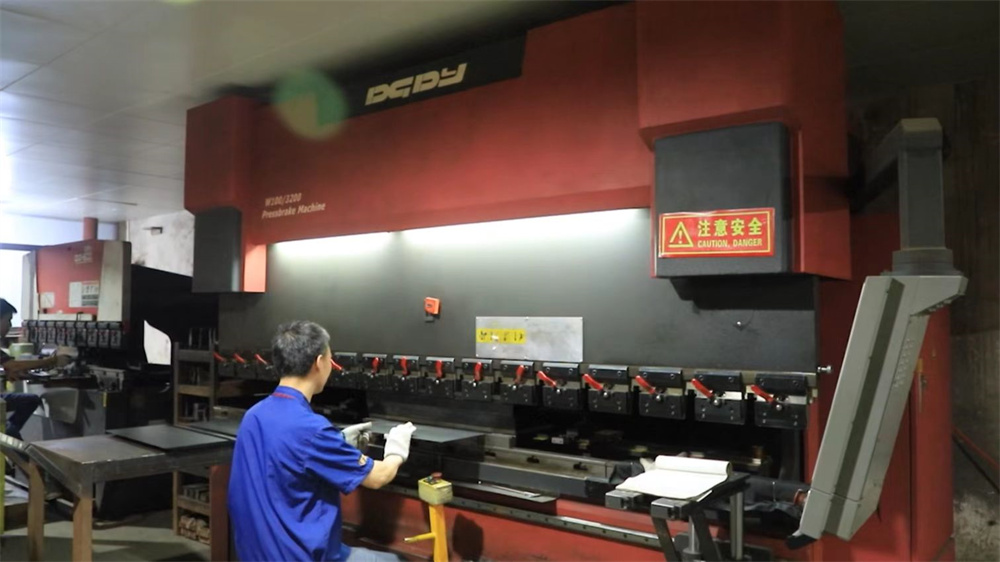
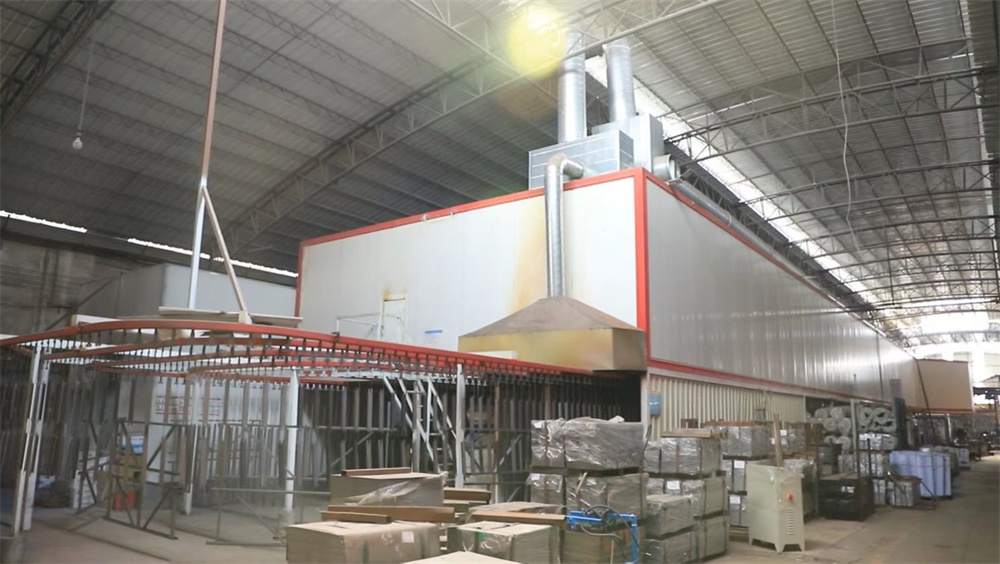
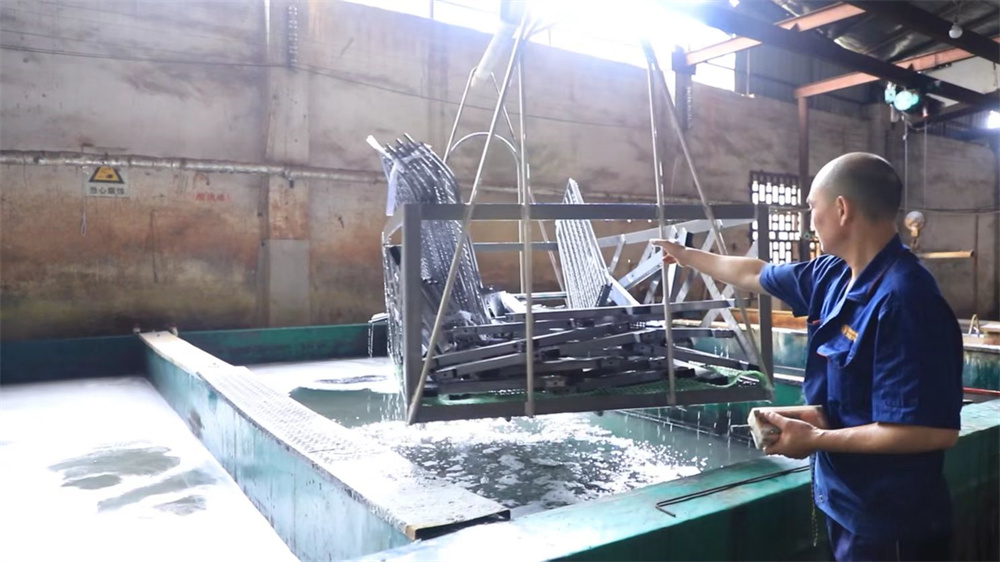
A reliable carton flow rack must withstand continuous daily impact, weight variations, and environmental changes. Our engineering team designs rack profiles using structural mechanics and premium materials.
We source certified Q235B and Q355B structural carbon steel. By utilizing high-yield steel chemistry, our uprights, beams, and track frames maintain structural integrity under continuous load. Frames are engineered with a structural deflection limit of L/240 (deflection does not exceed 1/240th of the span width under maximum design capacity).
Gravity-driven flow relies on precise incline dynamics. If the slope is too flat, cartons stall. If the slope is too steep, inventory gains too much speed, risking impact damage. Our engineers calculate the optimal incline angle (typically between 2.5% and 4.5% or 1.5° to 3°), accounting for contact friction between the carton base and the roller material. For deep-lane configurations, we integrate custom centrifugal speed controllers to regulate product descent.
We manufacture skate wheels using structural steel or high-molecular-weight polycarbonate. Polycarbonate skate wheels are designed with low-friction internal axles and dust-sealed bearings, providing smooth movement down to -30°C. For heavier wooden boxes or metal containers, we provide galvanized steel rollers that distribute concentrated dynamic loads without deformation.
Different markets have specific safety, structural, and environmental standards. DriveRacks designs and manufactures carton flow racking systems in compliance with regional building codes and material handling standards.
Our designs for North American distribution centers comply with the Rack Manufacturers Institute (RMI) MH16.1 specifications, including structural design, load testing, and welding requirements.
For European logistics networks, we manufacture according to FEM 10.2.02 (Design of Static Steel Pallet Racking) and EN 15512 standards, validating load-bearing capacities under European structural guidelines.
Using finite element analysis (FEA), we calculate dynamic response spectra for seismic regions. We customize baseplates, structural bracing, and anchor configurations to withstand ground accelerations in seismic zones.
We offer specialized coatings, including epoxy powder coatings and hot-dip galvanization (minimum 70-micron thickness), providing corrosion resistance in cold storage and high-humidity facilities.
For Oceanic markets, our systems are designed to meet AS4084 steel storage racking regulations, focusing on physical impact protection, deflection tolerances, and safety marking standards.
We build our dynamic systems with integrated electronic sensors, pick-to-light support brackets, and digital inventory tracking interfaces to connect directly with Automated Guided Vehicles (AGVs).
 DriveRacks