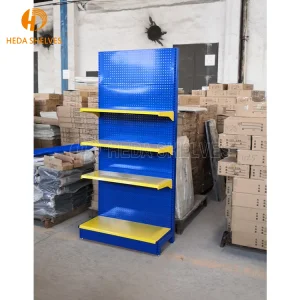
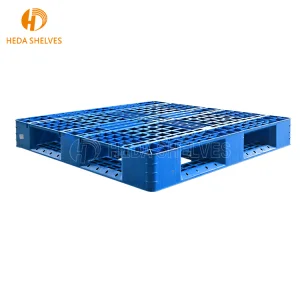
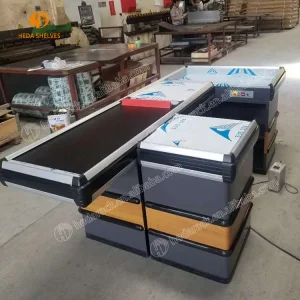
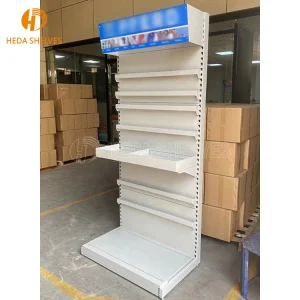
9 years of deep material handling design experience combined with dynamic custom product iterations.
42,000 m² state-of-the-art manufacturing plant executing raw material tensile testing and automated powder audits.
30 certified inspectors managing strict QA protocols across a robust network of 1,200 supply chain partners.
Exporting to Middle East, Latin America, and Oceania under rigid local compliance and seismic regulations.
Industrial-grade precision, optimized dimensions, and seismic-rated storage units built to client specifications.
Established in 2017, Chengdu DriveRacks Industrial Technology Co., Ltd. operates a state-of-the-art 42,000 m² manufacturing plant dedicated to advanced material handling and heavy-duty storage infrastructure. Delivering $35 million in annual export revenue, we bring 9 years of deep industry expertise and 6 years of international trade operations. Quality is integral to our process; our team of 30 certified inspectors executes rigorous raw material tensile testing and automated powder-coating thickness audits.
Serving high-growth markets across the Middle East, Latin America, and Oceania, DriveRacks leverages a robust ecosystem of 1,200 supply chain partners. We primarily serve enterprise warehouse operators, e-commerce fulfillment hubs, and heavy equipment manufacturers. Powered by 110 skilled R&D engineers focusing on smart automation and high-density racking design, we released 250 dynamic product iterations last year and provide comprehensive customization spanning rack dimensions, seismic ratings, and surface treatments.
The industrial landscape of compartment storage systems is undergoing a rapid, technology-driven paradigm shift. Traditional static shelving layouts are increasingly being replaced by smart, high-density, and dynamic storage configurations designed to maximize volumetric efficiency. As land costs escalate globally, warehouses must optimize vertical space, prompting a transition toward multi-level mezzanine racking systems and integrated Automated Storage and Retrieval Systems (AS/RS).
Modern compartment storage is no longer just about supporting physical weight; it is about facilitating spatial agility. Key industry developments driving this transformation include:
Procurement directors and supply chain engineers operating across major economic corridors face distinct challenges when source-selecting compartment storage suppliers. Enterprise-level operations require more than standardized off-the-shelf components; they seek flexible manufacturing partners capable of delivering tailored, code-compliant equipment that scales effortlessly. Below is a breakdown of localized requirements within three critical global supply networks:
Purchasers in Australia and New Zealand demand strict compliance with AS 4084 (Steel Storage Racking) regulations. Due to seismic activity across New Zealand and parts of the Pacific, structural engineers must verify that all mezzanine platforms and heavy-duty cantilever racks incorporate calculated baseplate configurations, specific anchor bolting, and optimized steel yield properties (such as Q355B or higher grade steel). Corrosion resistance is also prioritized due to coastal humidity, requiring hot-dip galvanized or high-thickness electrostatic powder finishes.
Fulfillment centers located in arid regions require racking systems that perform reliably in non-temperature-controlled environments. Temperature fluctuations put physical stress on structural steel, leading to thermal expansion and contraction. High-density paint applications must resist cracking under UV exposure, and cold storage racks require specific low-temperature steel treatment to prevent brittle fractures at sub-zero storage settings.
With rapid e-commerce expansion in Brazil, Mexico, and Chile, local warehouse operators look for highly modular systems that lower initial capital expenditure while supporting future scaling. Flat-pack shipping designs that optimize ocean freight container capacity are crucial. Local engineering support and intuitive modular designs enable swift installations, drastically reducing commissioning timelines.
To serve diverse industrial verticals, compartment storage structures must be customized to meet the distinct operational dynamics of each sector. Our engineering divisions address these needs through distinct macro-industry product architectures:
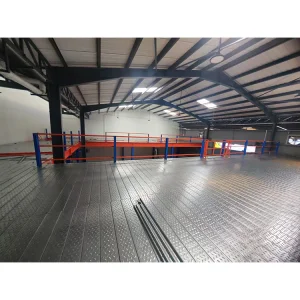
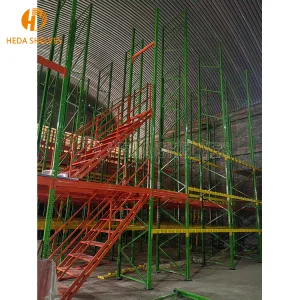
Fulfillment centers handle a vast, fluctuating array of SKUs. Our multi-level mezzanine systems double or triple available floor space, using dynamic shelf dividers to organize small-to-midsize items. Features include anti-slip walkways, integrated safety gates, and custom chute drop zones to speed up manual picking workflows.
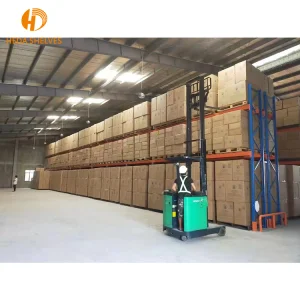
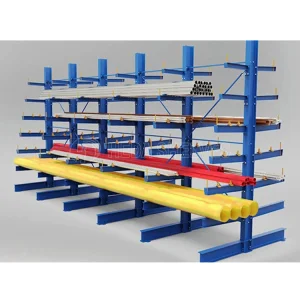
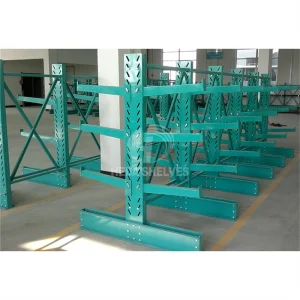
Heavy machinery parts and raw steel materials require sturdy, specialized structures. Our heavy-duty cantilever racks and adjustable pallet systems support immense loads. They are engineered to prevent deflection and withstand impact, using protective upright barriers and heavy anchor configurations to maintain structural integrity.
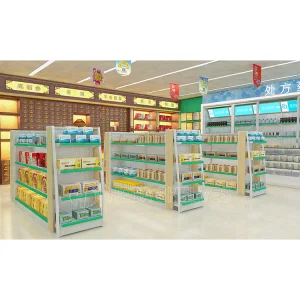
Medical environments require hygienic, contamination-free storage. Our glass-shelf medical displays and stainless-steel compartment cabinets feature non-porous surfaces that are easy to clean and sanitize. Modular dividers allow pharmacy and laboratory staff to securely organize vials, medical devices, and records.
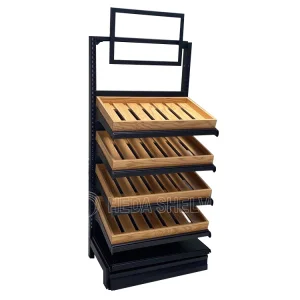
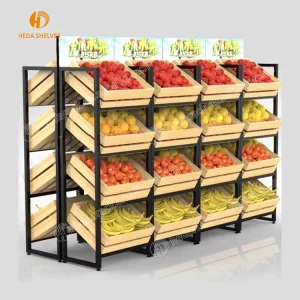
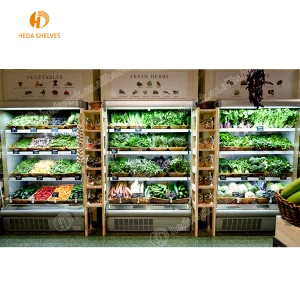
Perishable products demand optimal airflow and corrosion resistance. Our supermarket vegetable display stands and cold storage shelving systems feature ventilated designs that support temperature control. Built with corrosion-resistant coatings, these systems withstand cold, damp environments and routine washdowns.
Our 42,000 m² smart production line integrates advanced machinery with rigorous QA checkpoints to ensure compliance and structural durability.
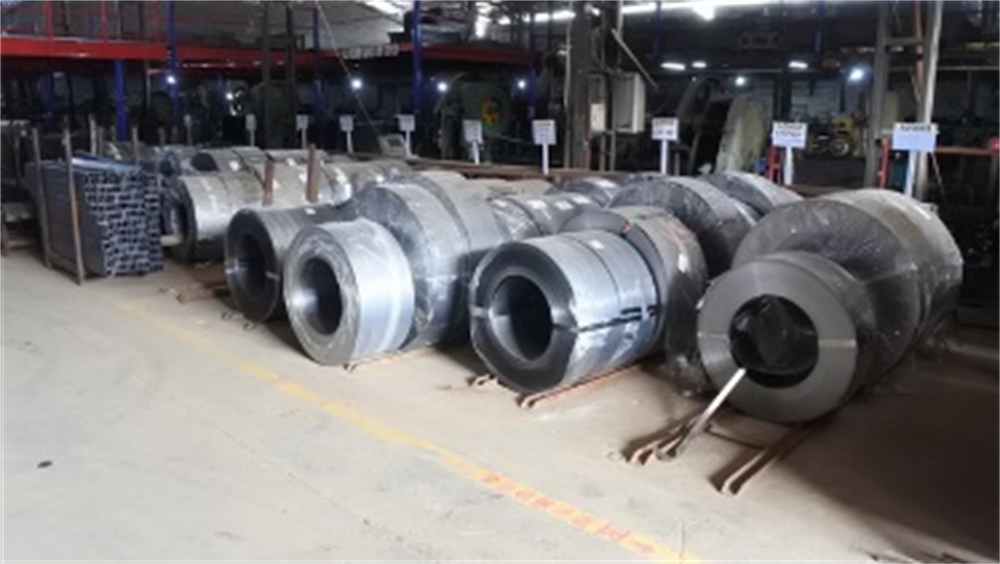
Raw Materials
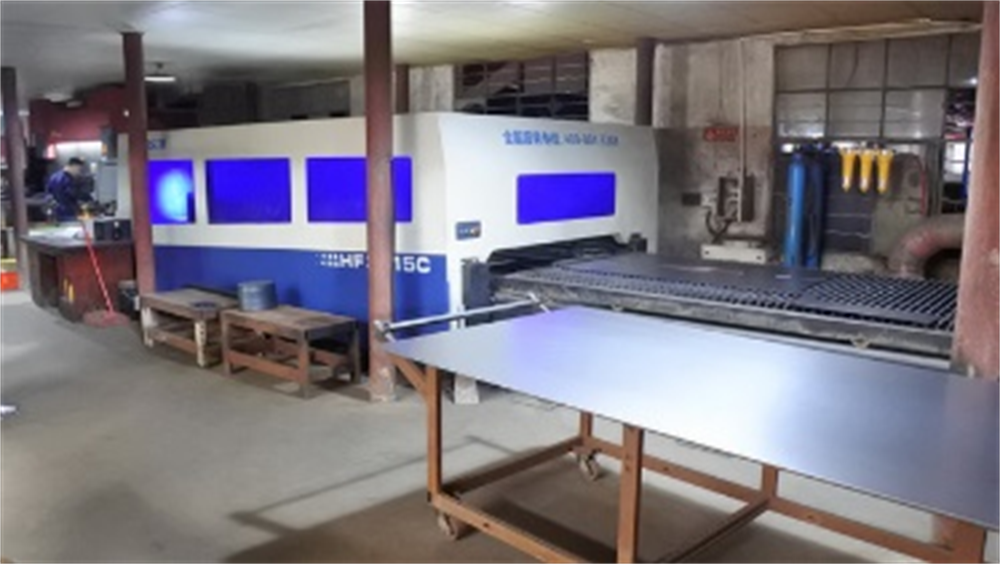
Laser Cutting
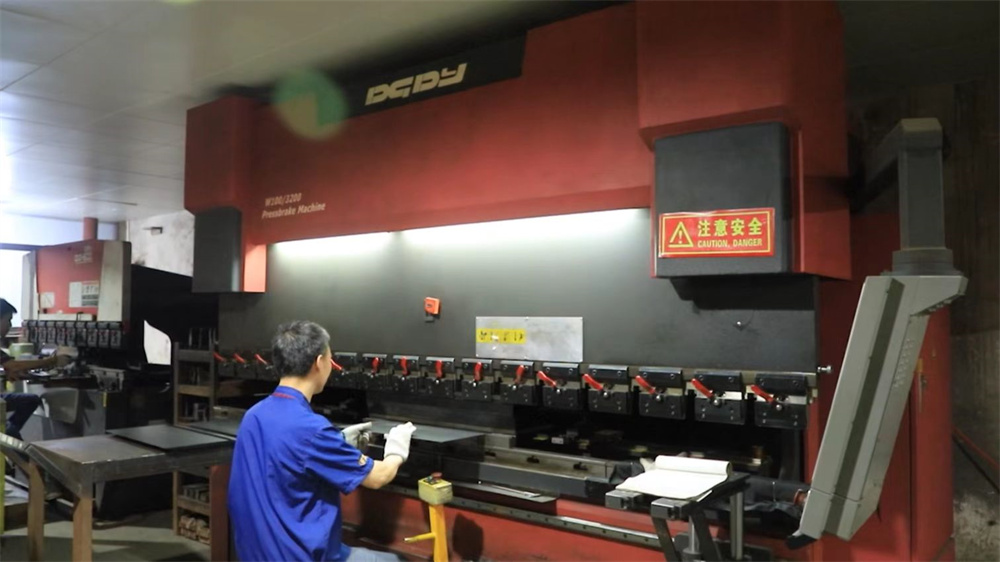
Bending
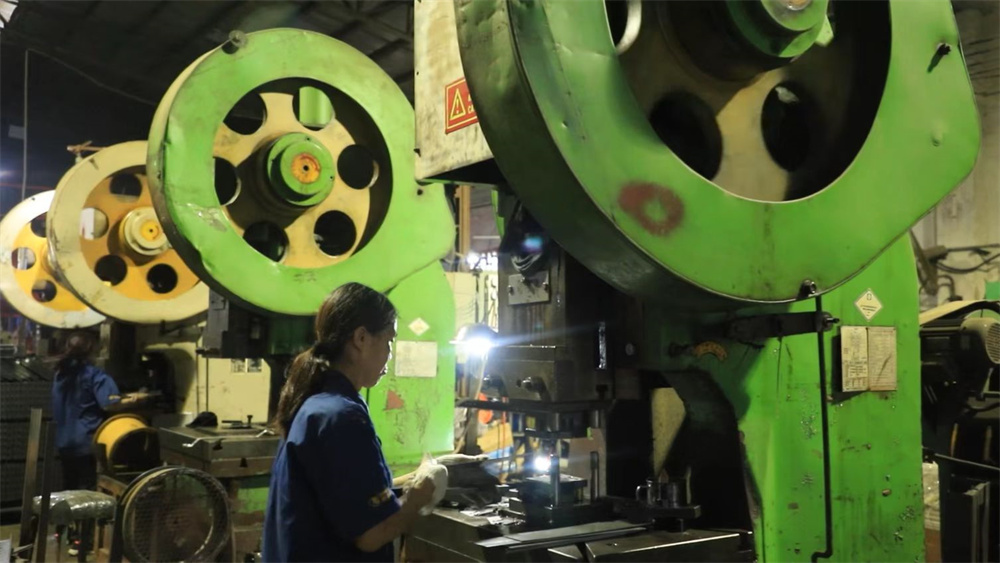
Punching
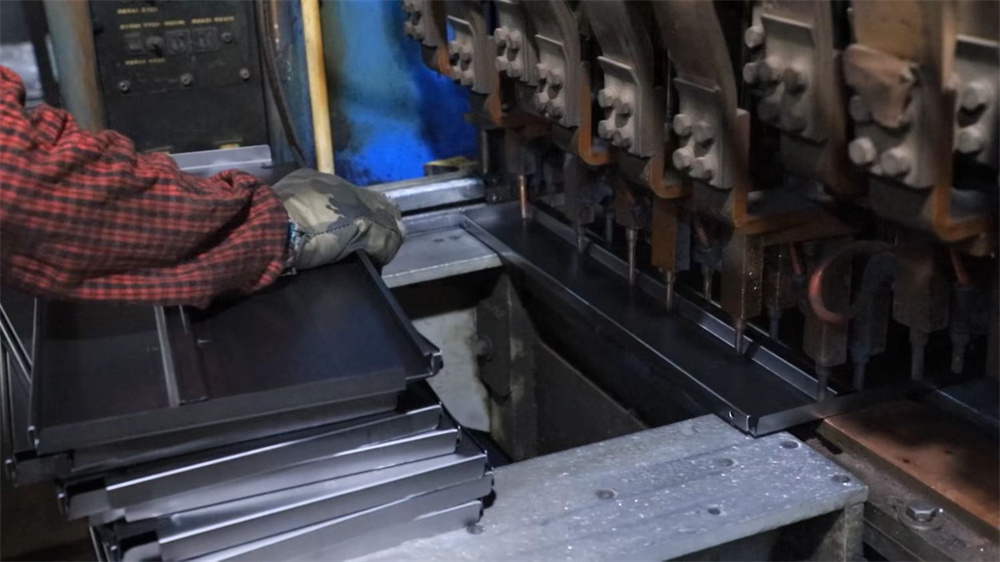
Part Processing
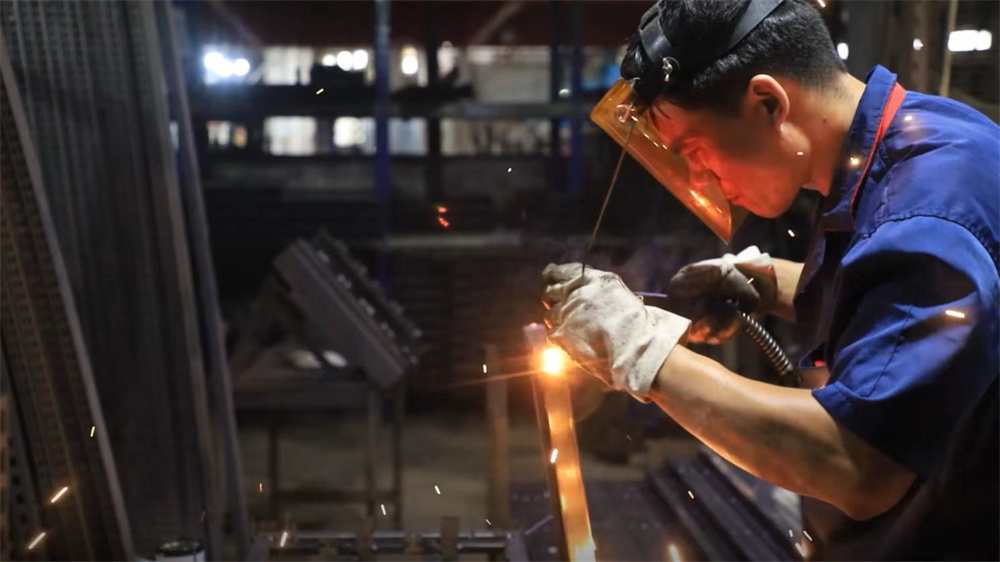
Welding
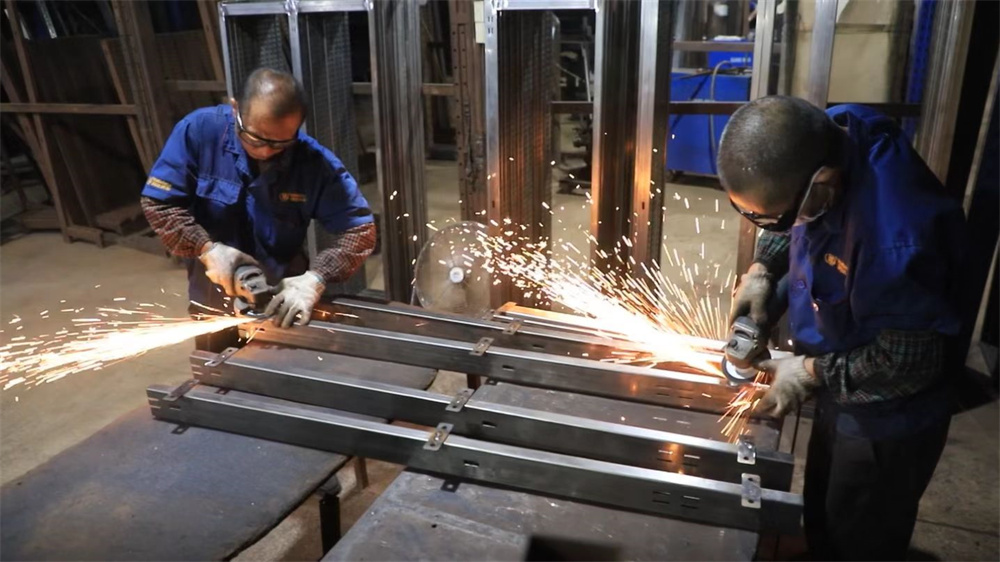
Grinding
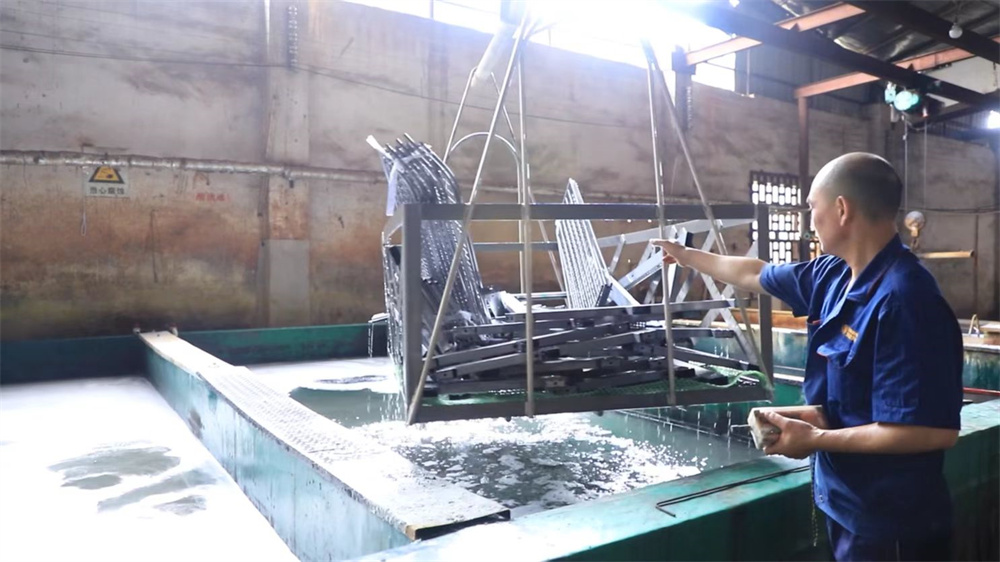
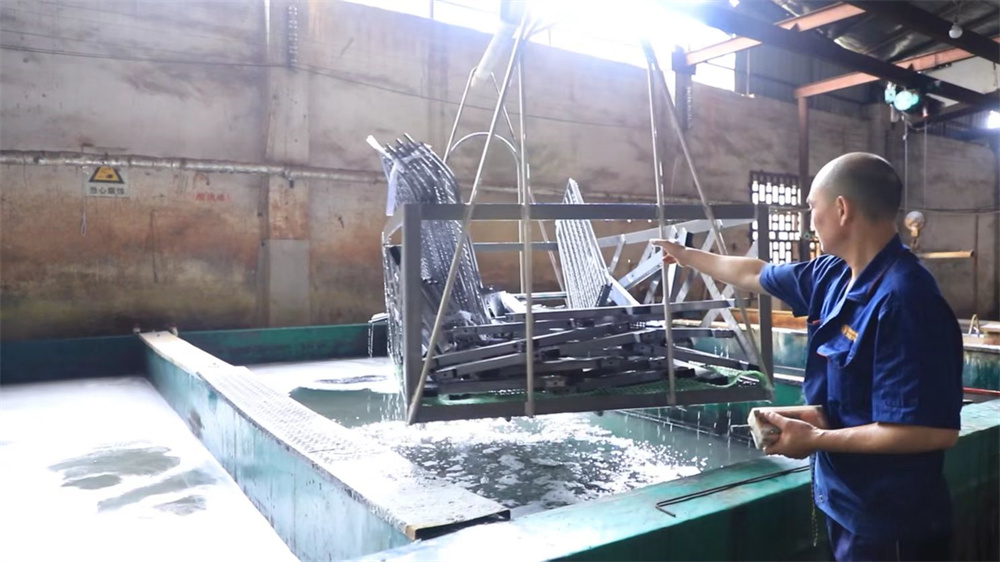
Surface Treatment
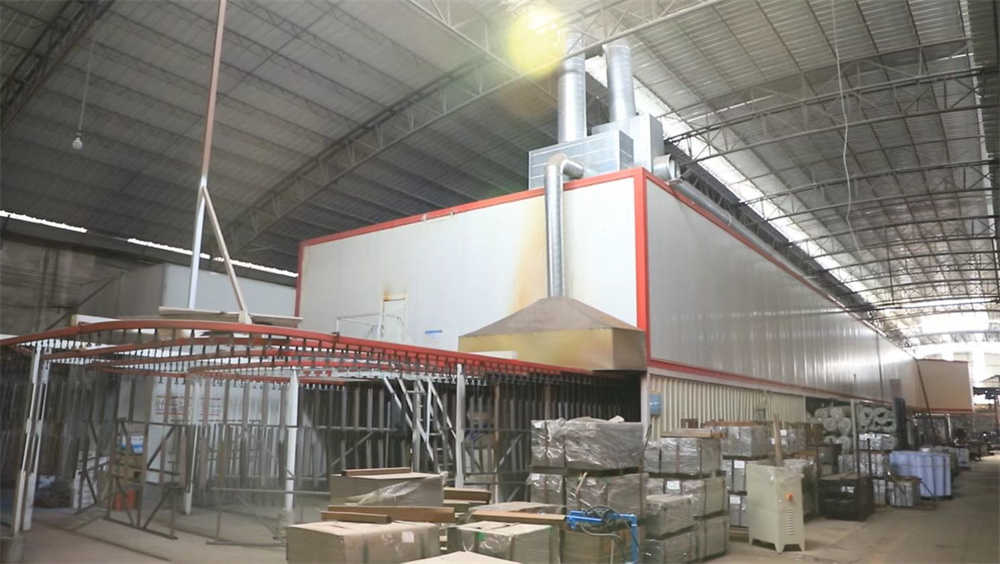
Automatic Painting
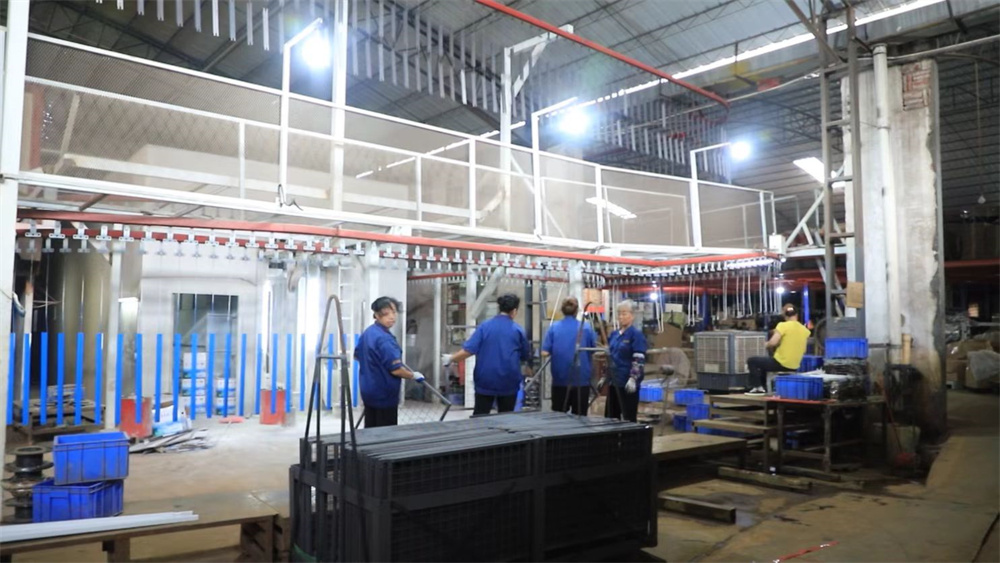
Inspecting
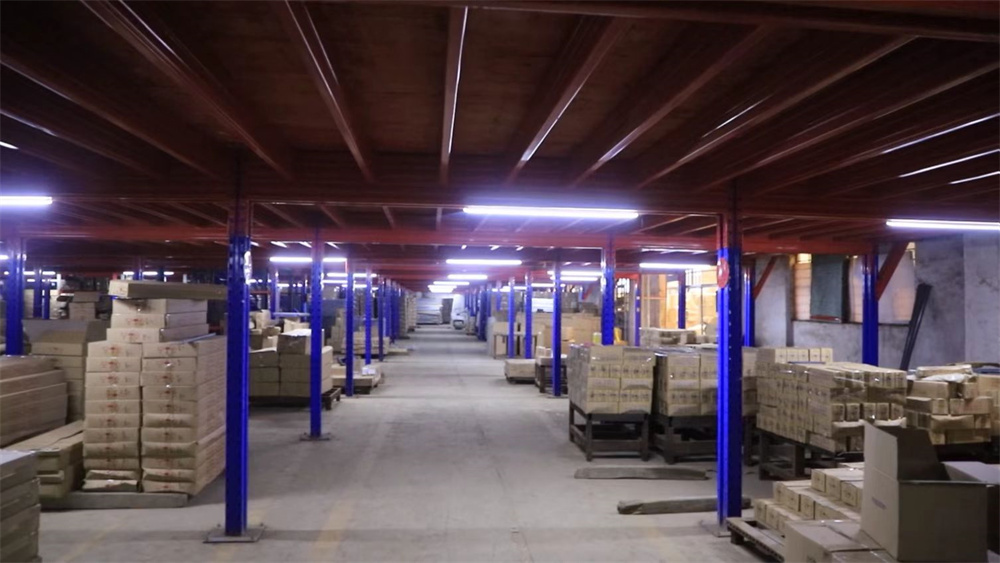
Warehouse
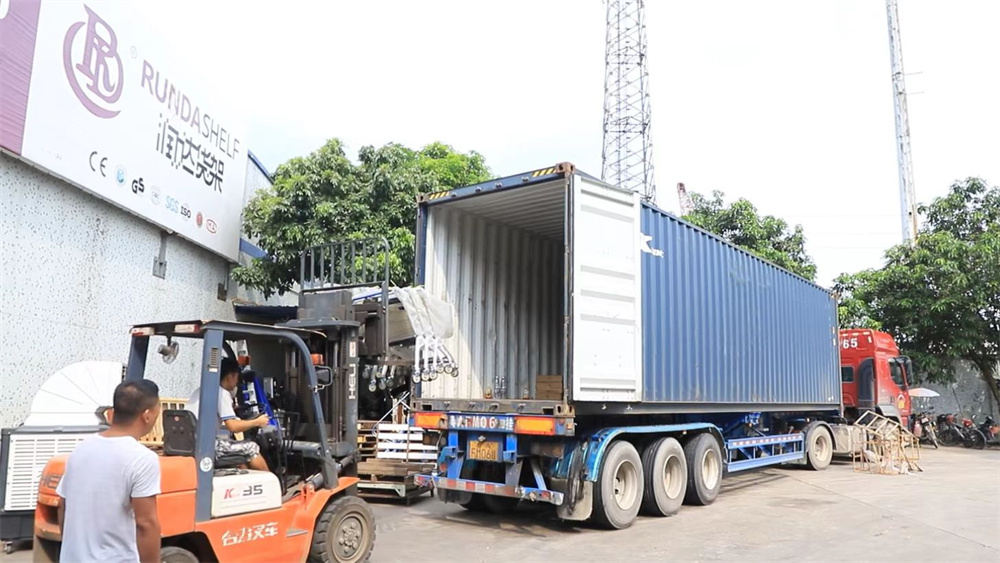
Loading
Every phase of our production cycle is verified by in-house quality control engineers. Raw structural steel undergoes yield strength and tensile testing to confirm structural reliability. For welding joints, we perform ultrasonic testing to ensure complete penetration and prevent failure under heavy load conditions. Our powder coating lines apply a uniform finish checked with digital thickness gauges, ensuring optimal resistance to scratch, impact, and chemical wear.
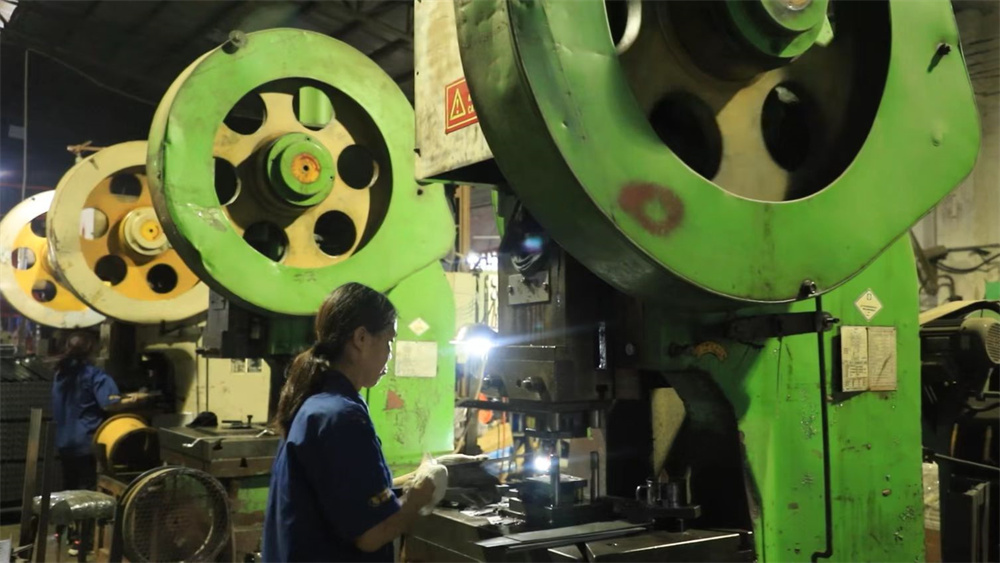
Punching Machine
Laser Cutting Machine
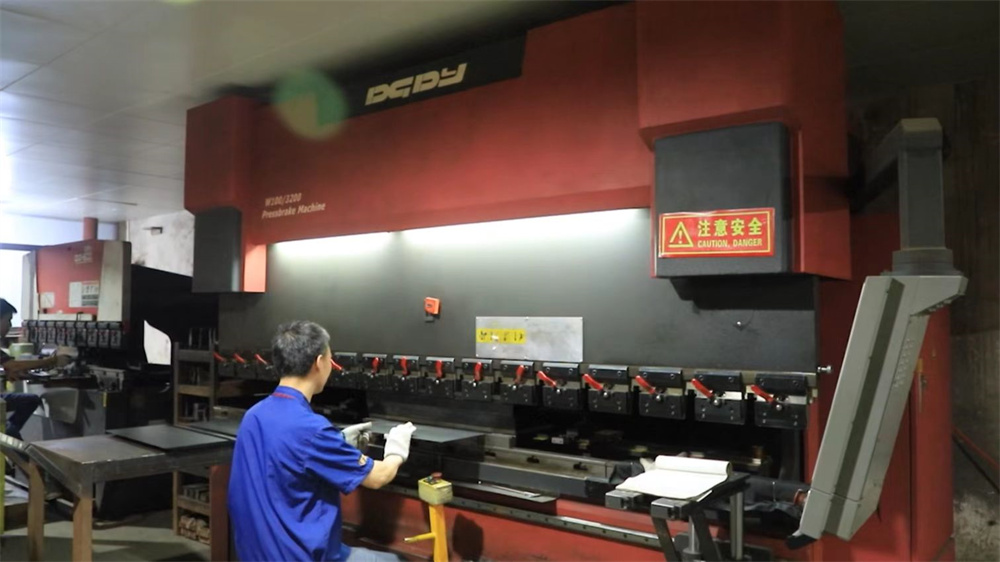
Bending Machine
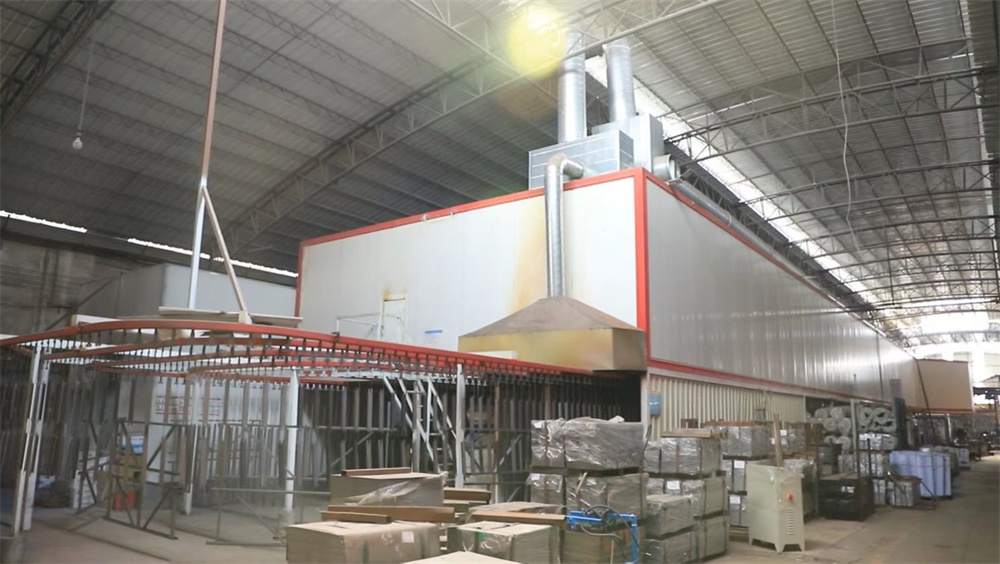
Automatic Painting Line
As smart warehousing and industry digitalization progress, our engineering team continues to innovate, developing advanced solutions that improve material handling efficiency:
Integrating weight sensors, RFID tags, and optical readers directly into shelving structures. This enables real-time inventory tracking, auto-replenishment notifications, and precise SKU locating.
Developing specialized, thin-walled, high-tensile steel compartments designed for automated shuttle systems, optimizing both speed and safety in robotic environments.
Incorporating up to 40% recycled steel alloys while maintaining required load limits. Transitioning to zero-VOC powder coatings to minimize environmental impact.
Our global services division ensures that customized compartment systems conform to all local build safety codes. We work alongside engineering firms in North America, Europe, Latin America, and Oceania to provide calculated structural documentation. These plans include detailed finite element method (FEM) analysis reports, wind-load capacity calculations for outdoor configurations, and custom seismic anchors designed to meet regional earthquake ratings.
We supply detailed installation blueprints and digital support for local installation contractors. Our engineering files utilize standardized structural profiles and simple, bolt-together joints, making onsite assembly straightforward. This clear setup process reduces labor costs and ensures that systems are installed to the exact specifications required by structural safety standards.
We offer comprehensive customization across all physical dimensions, including upright column heights, shelf depths, beam profiles, and compartment layouts. Customers can specify material grades (e.g., Q235B, Q355B structural steel), custom electrostatic powder coat colors, specialized corrosion-resistant finishes (zinc plating, hot-dip galvanizing), and specific seismic configurations designed for high-stress zones.
Our quality team conducts tensile testing on raw steel coils to confirm yield points and load limits. We verify the durability of welded structural joints using ultrasonic and dye-penetrant inspection. Finished components go through automated coating checks using digital thickness gauges, along with salt-spray tests to confirm rust resistance in harsh or high-humidity environments.
All systems are designed to comply with key international standards. Our industrial racking systems meet AS 4084 (Steel Storage Racking) guidelines for Oceania, CE certification standards for Europe, and ANSI/RMI specifications for North American warehouse installations.
We package components in a knockdown, flat-pack format. Long beams and upright panels are bundled together with protective steel strapping, corner padding, and high-strength plastic wrap to prevent movement and scraping. These packages are sized to fit efficiently inside standard shipping containers, maximizing shipping space and reducing logistics costs.
Production timelines generally range between 20 to 30 business days, depending on the complexity of the design and order volume. We provide detailed 3D CAD blueprints and structural calculation packages within 3 to 5 days of receiving initial project specifications, ensuring all details are approved before manufacturing starts.
Explore our diverse range of supermarket, warehouse, medical, and specialized industrial racking systems.
 DriveRacks