Engineered for absolute spatial efficiency, ergonomic picking access, and high durability across heavy industrial, commercial, and automation environments.
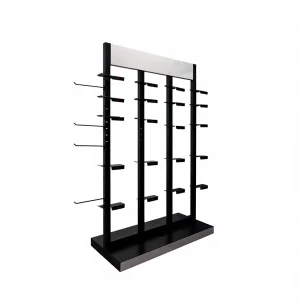
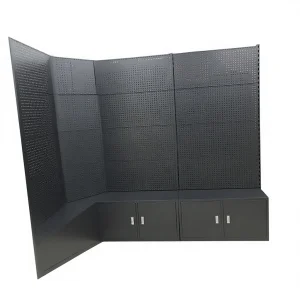
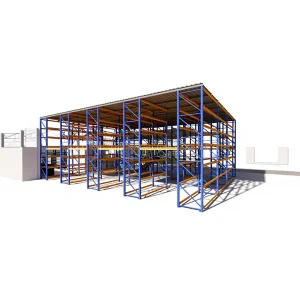
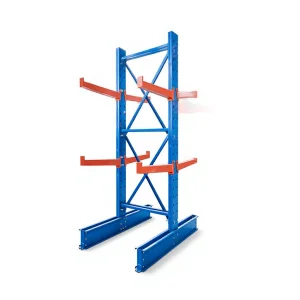
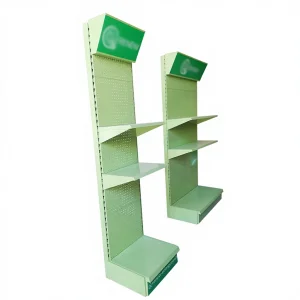
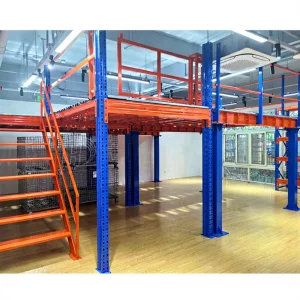
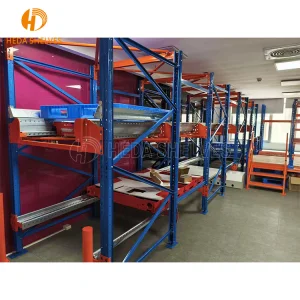
In modern high-velocity supply chains, the interface between manual picking operations and structural storage frameworks determines both throughput efficiency and workforce safety. Custom ergonomic racks represent a fundamental shift from static, generic shelving to human-centric engineering configurations designed to minimize musculoskeletal strain, enhance visual picking accessibility, and decrease retrieval cycle times. By aligning rack geometry with natural physical reaching envelopes (primary, secondary, and tertiary zones of movement), industrial engineering teams can substantially reduce operational downtime and worker fatigue.
Ergonomics in logistics is not merely about physical ease; it is a structural necessity that directly dictates operational capacity. When structural components—such as structural beams, pick decks, and gravitational roller tracks—are aligned with optimal physiological loading zones, warehouse operators achieve a major performance uplift. These configurations are developed utilizing finite element analysis (FEA) to ensure load integrity is maintained while the physical clearance limits are optimized. As global compliance guidelines, including the Occupational Safety and Health Administration (OSHA) regulations and Europe’s EN 15635 structural standards, enforce strict protocols for hand-load interfaces and structural durability, ergonomic considerations have transformed from a premium accessory to a baseline regulatory requirement.
To design an optimized storage interface, engineering teams must evaluate multi-axis dynamic loads and physiological strain indicators. Critical design variables include shelf pitch adjustments, picking tray inclination configurations, and load-path load distributions. Utilizing high-strength cold-rolled structural steel (typically Q235B or Q355B grades), manufacturers formulate custom configurations where structural safety factors coexist with optimal pick configurations. Such engineering interventions prevent dynamic overload stress on operators, particularly during high-frequency picking processes in large distribution centers.
Established in 2017, we deliver advanced material handling infrastructure built to withstand severe commercial environments.
Established in 2017, Chengdu DriveRacks Industrial Technology Co., Ltd. operates a state-of-the-art 42,000 m² manufacturing plant dedicated to advanced material handling and heavy-duty storage infrastructure. Delivering $35 million in annual export revenue, we bring 9 years of deep industry expertise and 6 years of international trade operations. Quality is integral to our process; our team of 30 certified inspectors executes rigorous raw material tensile testing and automated powder-coating thickness audits. Serving high-growth markets across the Middle East, Latin America, and Oceania, DriveRacks leverages a robust ecosystem of 1,200 supply chain partners. We primarily serve enterprise warehouse operators, e-commerce fulfillment hubs, and heavy equipment manufacturers. Powered by 110 skilled R&D engineers focusing on smart automation and high-density racking design, we released 250 dynamic product iterations last year and provide comprehensive customization spanning rack dimensions, seismic ratings, and surface treatments.
Enterprise logistics operators face unprecedented challenges: land costs are escalating, labor markets are tightening, and distribution velocity requirements continue to rise. Under these market parameters, sourcing strategies are shifting away from modular, off-the-shelf components. Modern procurement directors demand highly custom OEM integration. In the Middle East and Oceania, where extreme thermal loads or high-salinity ambient conditions degrade structural steel, custom-formulated surface finishes (such as hot-dip galvanization and advanced UV-stable epoxy powder coatings) are critical. Through careful metal surface profiling, our production plants ensure that custom racks retain their integrity for decades, minimizing life-cycle maintenance costs.
Furthermore, structural compliance has become regionalized. Racking configurations slated for deployment within Western United States or South American zones require precise seismic rating integration. This necessitates finite element calculations that simulate horizontal ground acceleration, defining the structural requirements of upright frames and bracing components. Chengdu DriveRacks integrates these engineering parameters natively during the design stage, utilizing our large engineering team to deliver compliant structural calculations for custom municipal approvals.
To design reliable rack structures, structural engineers must evaluate dynamic site conditions alongside vertical loading factors. The critical engineering considerations include:
Explore our high-precision fabrication processes, driven by automated tooling, stringent quality audits, and high-efficiency lines.
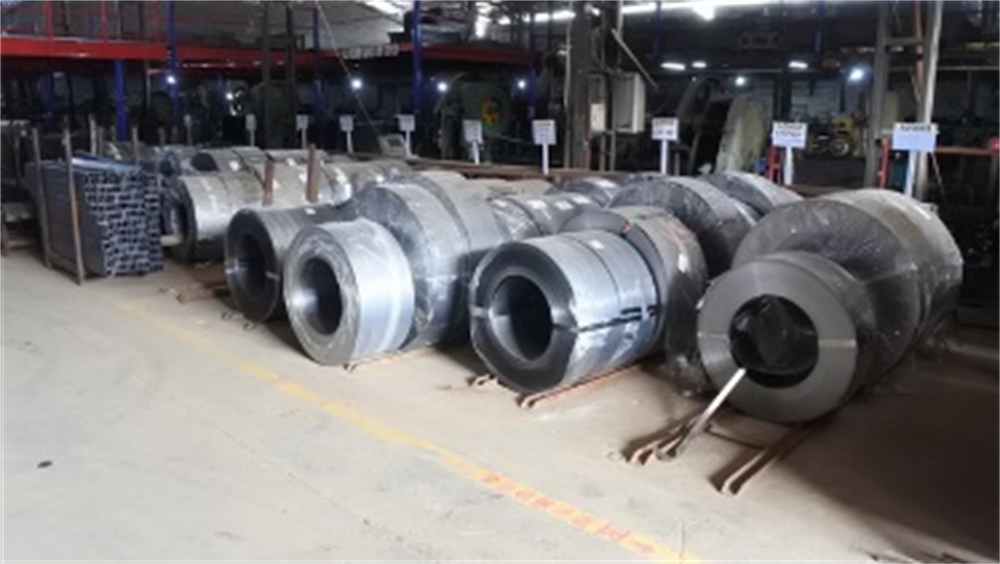
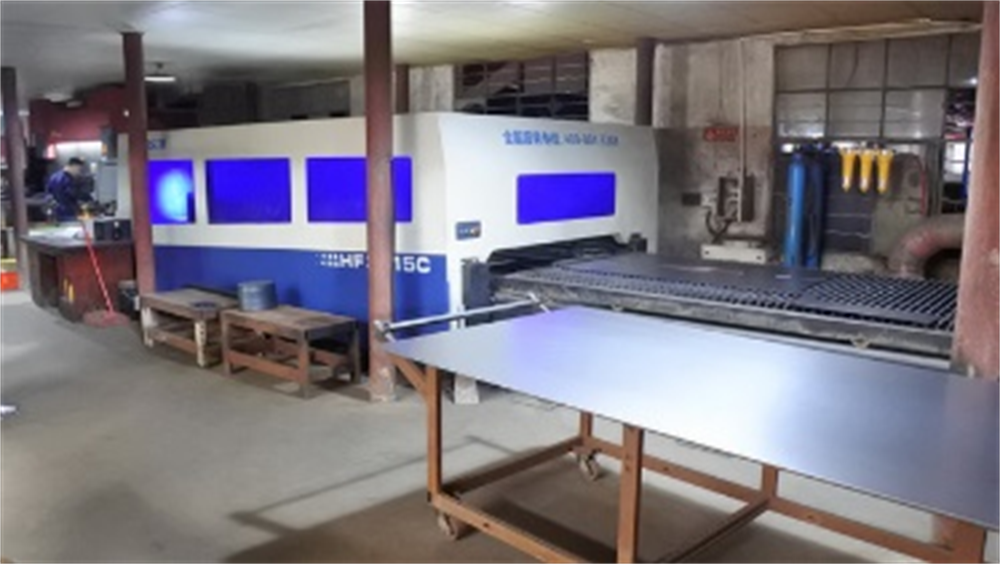
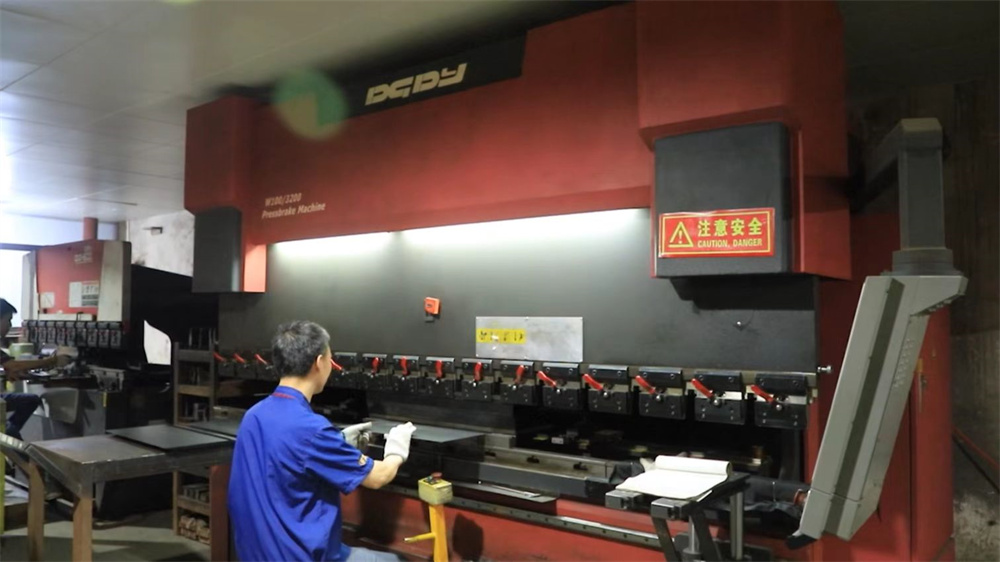
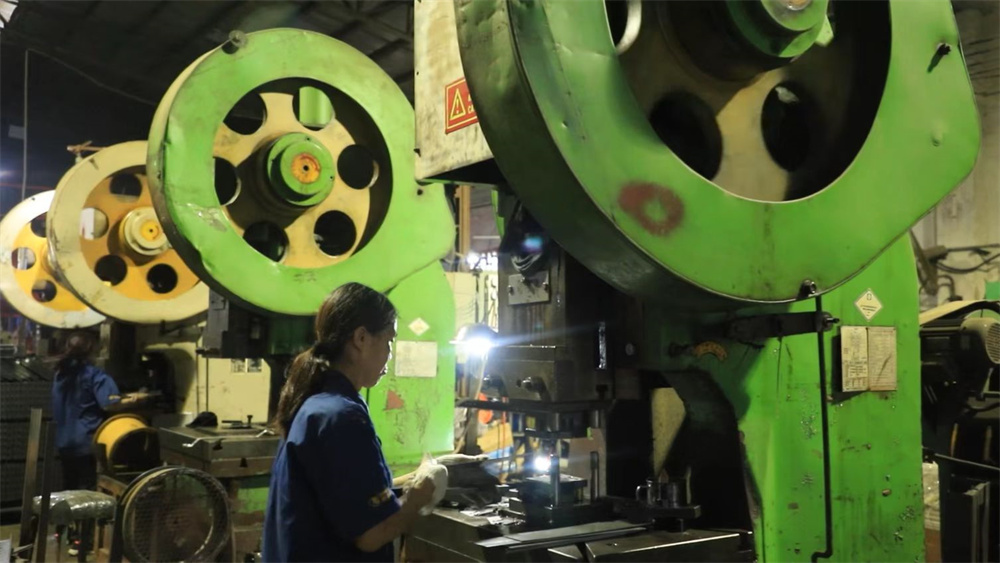
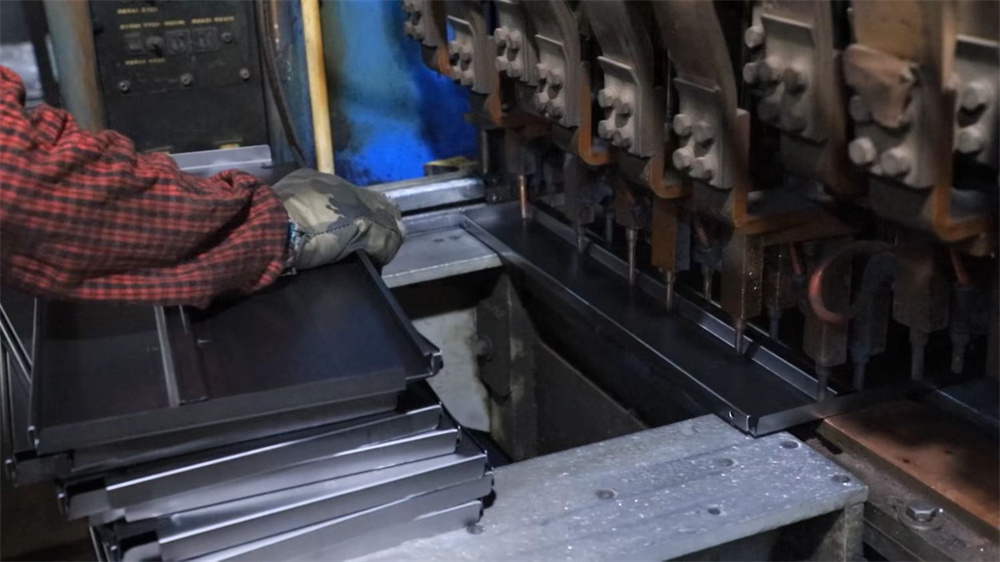
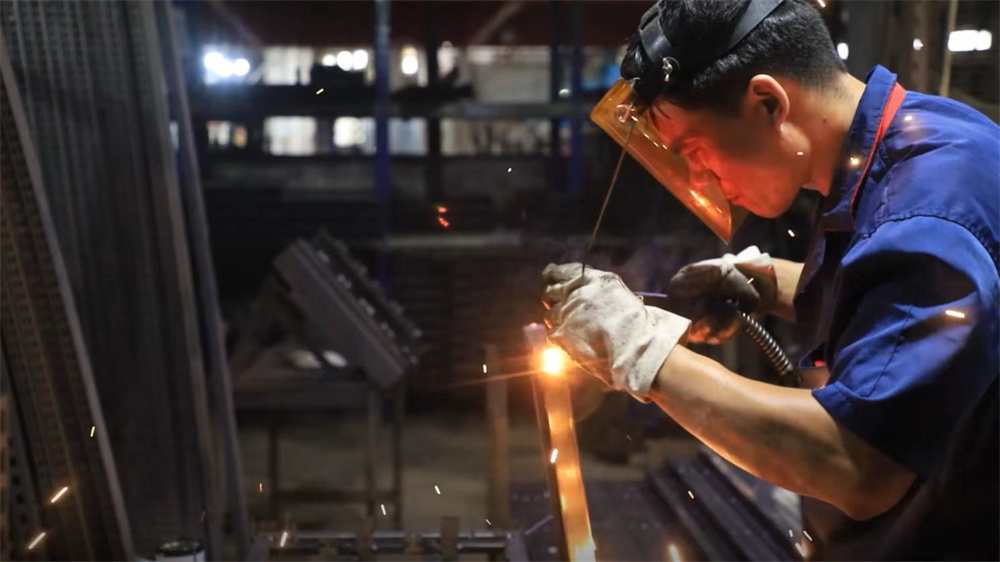
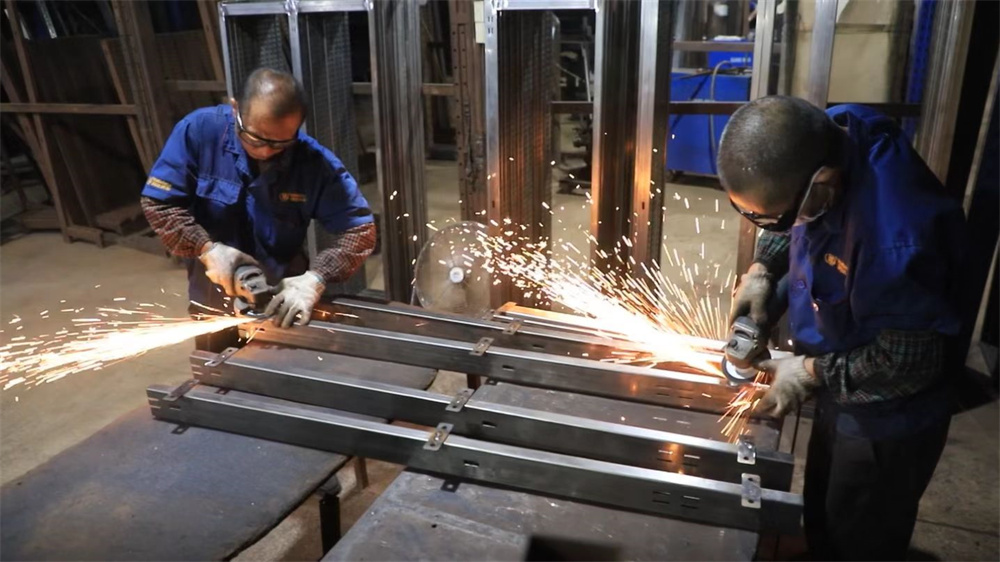
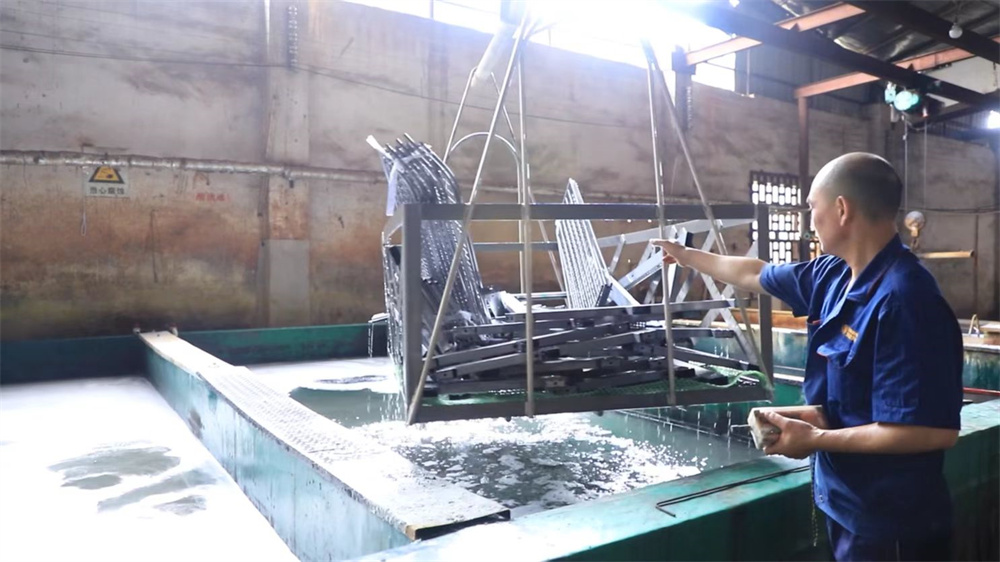
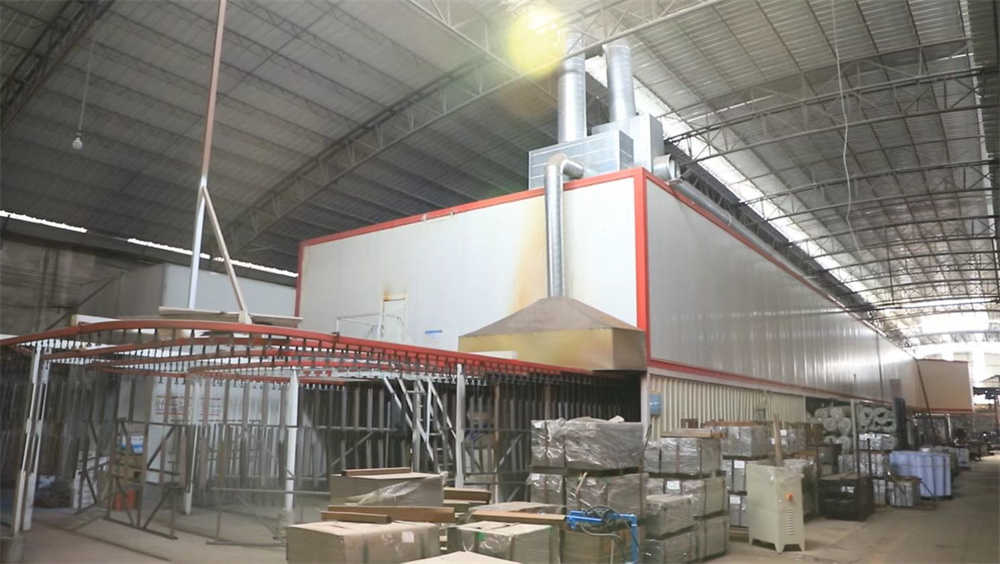
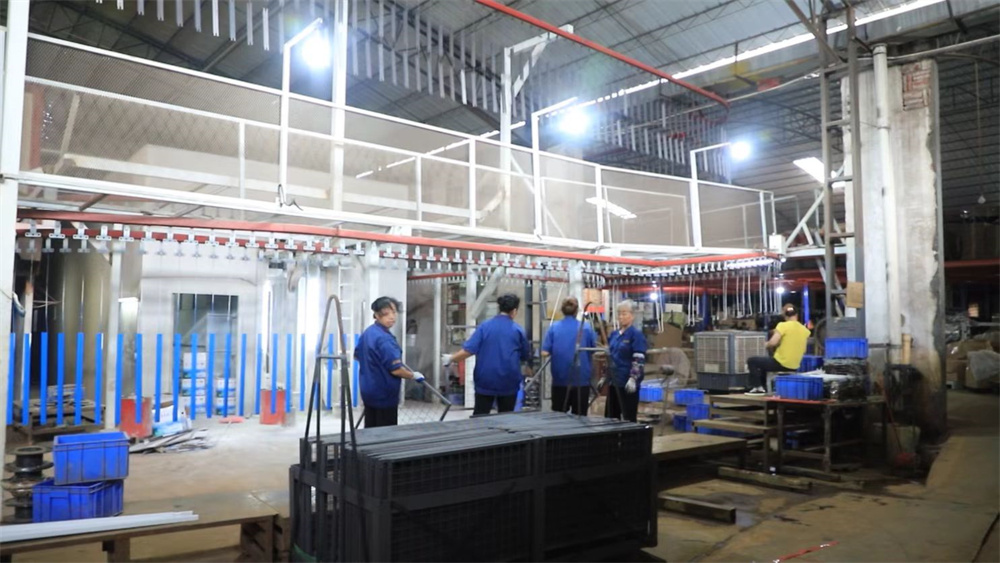
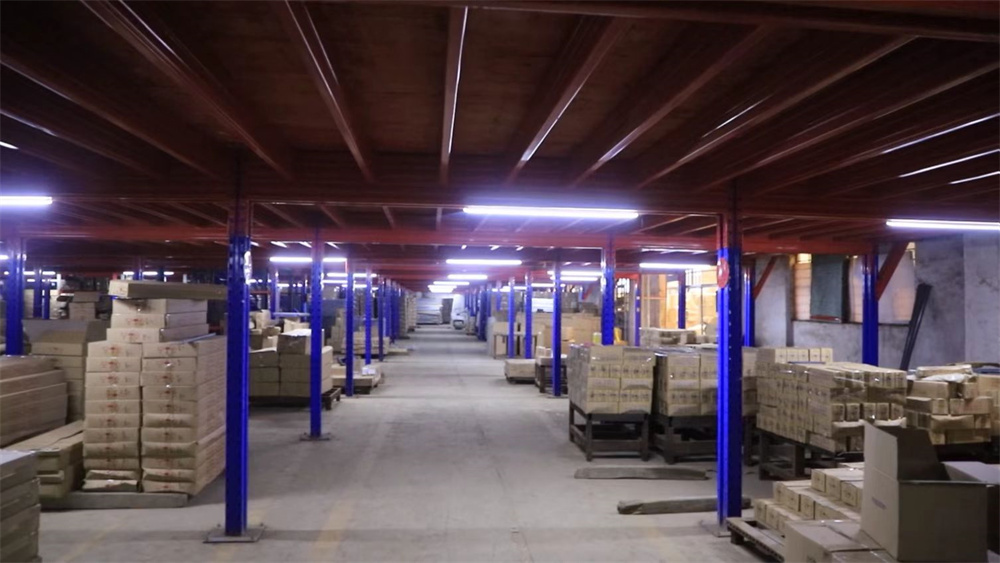
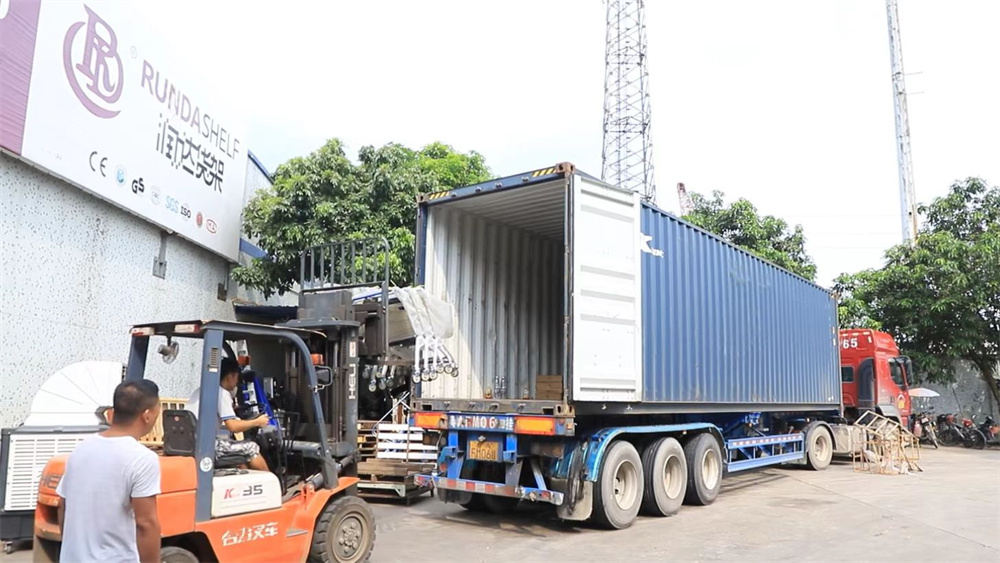
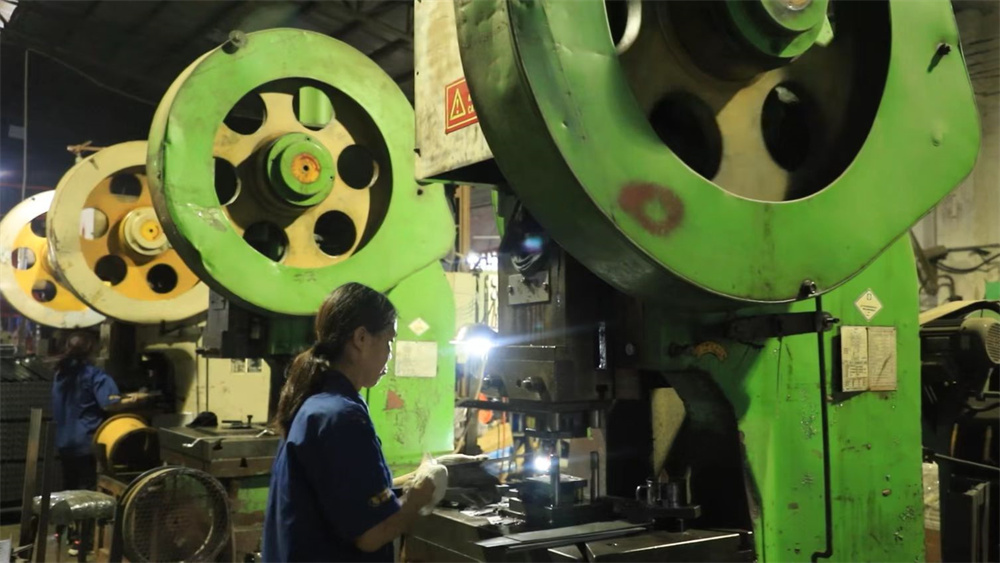
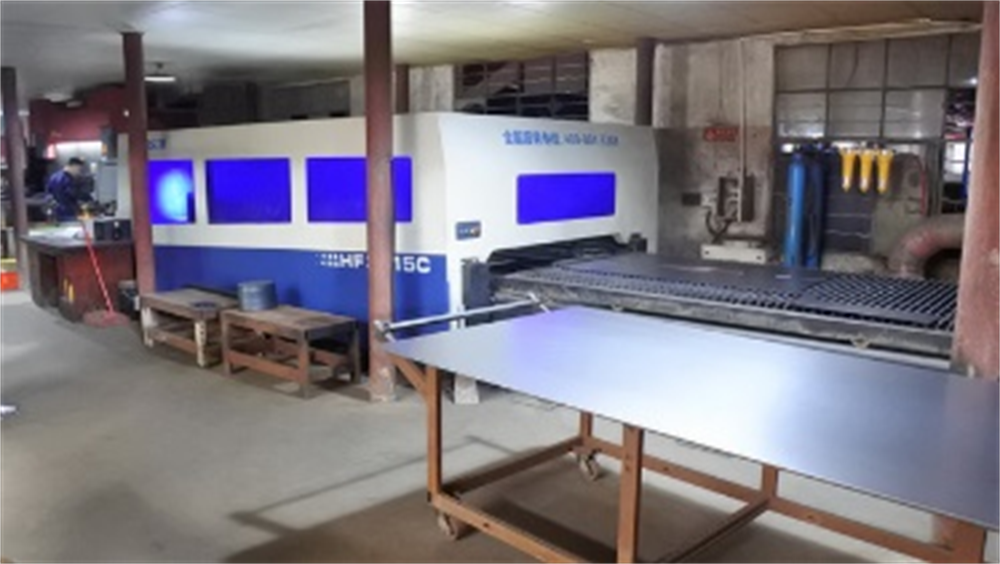
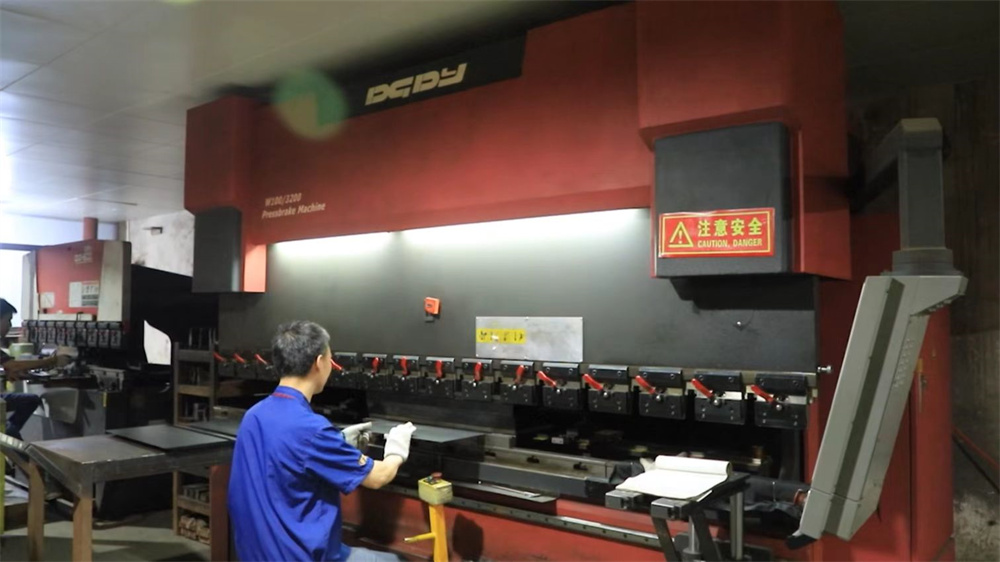
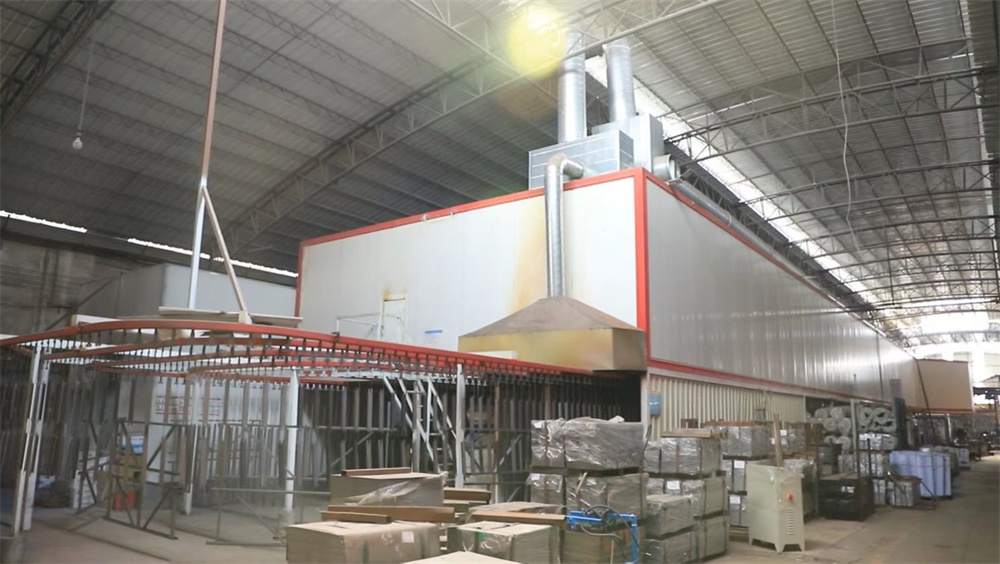
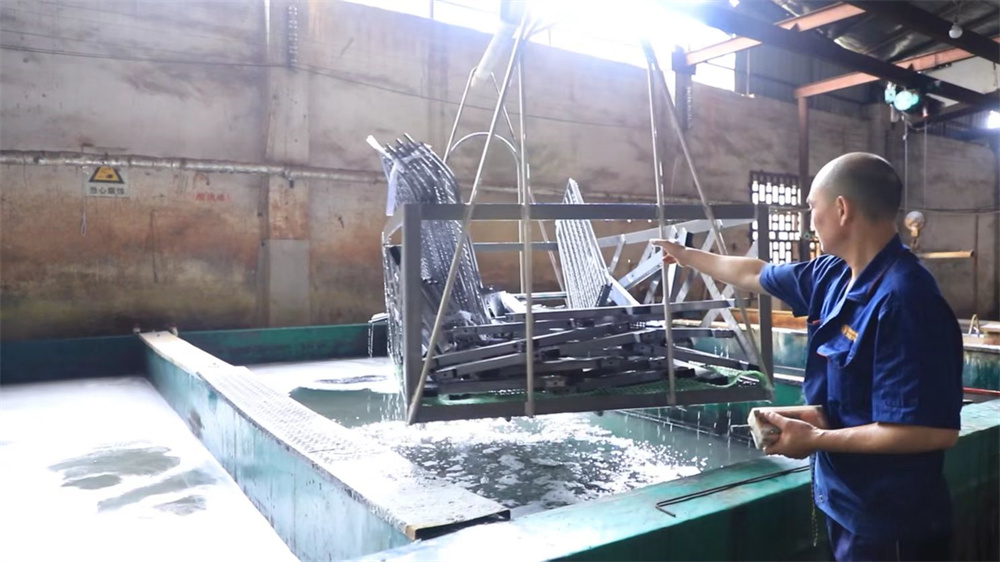
In the heavy industrial manufacturing sector, structural reliability relies on consistency. DriveRacks leverages a 42,000 m² factory environment using advanced China Factory 4.0 paradigms. We integrate CNC laser profiling, automated multi-station cold roll-forming lines, and robotic welding stations to minimize human error and material variance. Through raw material verification checks, every batch of incoming high-strength carbon steel is subjected to tensile testing, checking yield point margins before production begins.
This automated manufacturing ecosystem is reinforced by a network of 1,200 supply chain partners. This density of supply components protects our production schedules from sudden material shortages. Whether processing heavy structural beams or high-grade fasteners, this network allows DriveRacks to deliver custom industrial orders rapidly while maintaining consistent pricing. By managing lead times from raw material to finished product, we provide enterprise operators with a dependable supply line that mitigates global trade disruptions.
To verify structural integrity across every production cycle, the QA inspection division at DriveRacks conducts a three-phase quality gate analysis:
Custom storage integrations configured for localized operational needs and demanding industry environments.
Integrating high-speed automated storage and retrieval systems (ASRS) with shuttle runner systems. Engineered to operate efficiently down to -30°C while maintaining steel ductility.
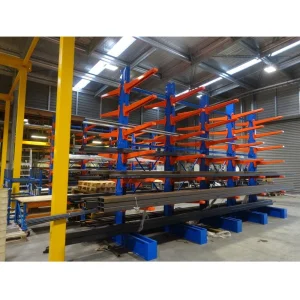
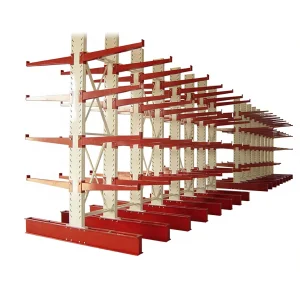
Providing load support via double-sided cantilever columns. Engineered for overhead crane access, ensuring smooth horizontal manual loading cycles.
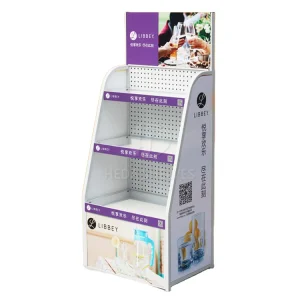
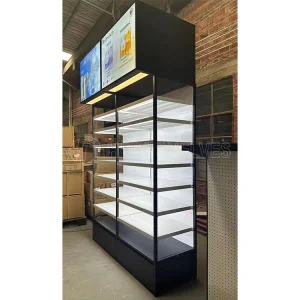
Combining heavy load-bearing structural storage with localized merchandise displays, integrating retail-level safety standards with warehouse capacities.
Key technical answers to assist procurement directors, structural engineers, and logistics planners.
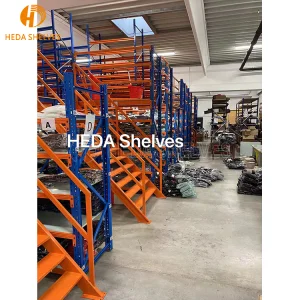
Explore our high-density shuttle storage, space-maximizing structural platforms, and long-span cantilever configurations.
 DriveRacks