Explore our highly robust industrial systems engineered for maximum load capacities, spatial efficiency, and streamlined inventory turnover.
An authoritative analysis of high-density dynamic FIFO racking mechanics, structural integrity, and global logistics integration.
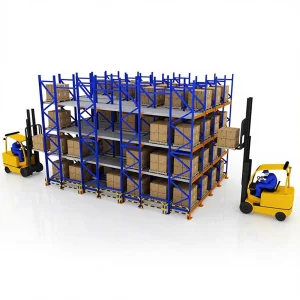
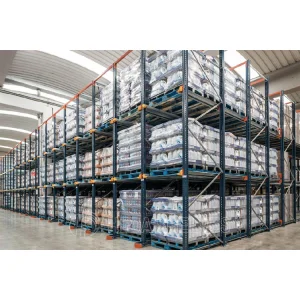
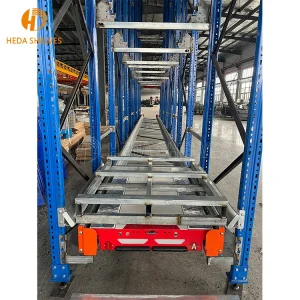
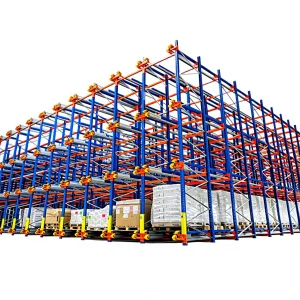
In the rapidly changing world of international logistics, global supply chains face a dual challenge: skyrocketing real estate costs per square meter and the need for immediate, error-free product rotation. Static racking systems, although cost-effective initially, often fall short under the pressures of modern high-turnover logistics. Enter the Live Storage Racks system—an engineered, gravity-driven dynamic solution that maximizes storage density by operating on the First-In, First-Out (FIFO) principle. By using inclined roller tracks set at calculated gradients, pallets or cartons flow automatically from the loading face (replenishment side) to the retrieval face (picking side).
Across North America, Europe, and Asia-Pacific, dynamic flow structures have moved from niche solutions to standard infrastructure. In Europe, where strict environmental regulations require zero-energy operations where possible, gravity flow racking is favored for its passive mechanical movement. In APAC and Latin America, regional hubs are adopting automated and semi-automated live racking systems to manage high e-commerce volume without scaling physical warehouse space.
Designing high-performance live storage racking systems requires deep expertise in mechanical and structural engineering. The calculation of the slope (typically between 3% and 4%) must balance two physical constraints: the starting coefficient of friction of the pallet and the terminal velocity of the load descending the lane. If the incline is too shallow, pallets may stall mid-lane; if the incline is too steep, excessive impact forces can damage goods, the racking structure, or present a safety hazard at the pick face.
"A robust dynamic racking layout must incorporate high-end mechanical components, including speed controllers (centrifugal brake rollers) spaced at precise intervals, entry guide channels, split-pallet separators, and heavy-duty exit end stops to absorb dynamic kinetic energy."
At Chengdu DriveRacks Industrial Technology Co., Ltd., our structural design process uses Finite Element Method (FEM) modeling to simulate static loads and dynamic load drops. We ensure compliance with the following international structural codes:
| Engineering Standard | Application & Scope | Compliance Details |
|---|---|---|
| EN 15512 | Steel static storage systems – Adjustable pallet racking | Verifies structural calculations, limit states, and deflection thresholds under full load. |
| RMI (MH16.1) | Specification for the Design, Testing and Utilization of Industrial Steel Storage Racks | Guarantees safety compliance for deployment in the North American industrial sector. |
| AS 4084 | Steel Storage Racking (Oceania Standard) | Ensures compliance with Australian/New Zealand design guidelines, including seismic provisions. |
Live storage racks are not a one-size-fits-all product. Different industrial environments require specialized configurations to handle unique operational conditions:
Selecting an OEM/ODM partner is a long-term investment in your facility's operational safety and efficiency. A supplier must offer more than just raw steel; they must provide comprehensive engineering support, reliable quality control, and scalable production capacity.
Established in 2017, Chengdu DriveRacks Industrial Technology Co., Ltd. operates a state-of-the-art 42,000 m² manufacturing plant dedicated to advanced material handling and heavy-duty storage infrastructure. Delivering $35 million in annual export revenue, we bring 9 years of deep industry expertise and 6 years of international trade operations.
Quality is integral to our process. Our team of 30 certified inspectors executes rigorous raw material tensile testing and automated powder-coating thickness audits. Serving high-growth markets across the Middle East, Latin America, and Oceania, DriveRacks leverages a robust ecosystem of 1,200 supply chain partners. We primarily serve enterprise warehouse operators, e-commerce fulfillment hubs, and heavy equipment manufacturers. Powered by 110 skilled R&D engineers focusing on smart automation and high-density racking design, we released 250 dynamic product iterations last year and provide comprehensive customization spanning rack dimensions, seismic ratings, and surface treatments.
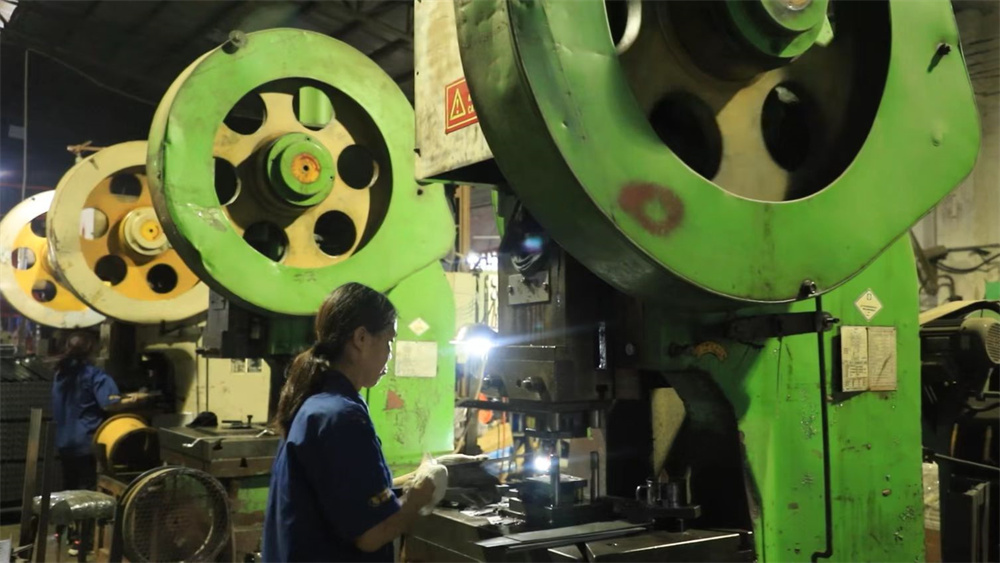
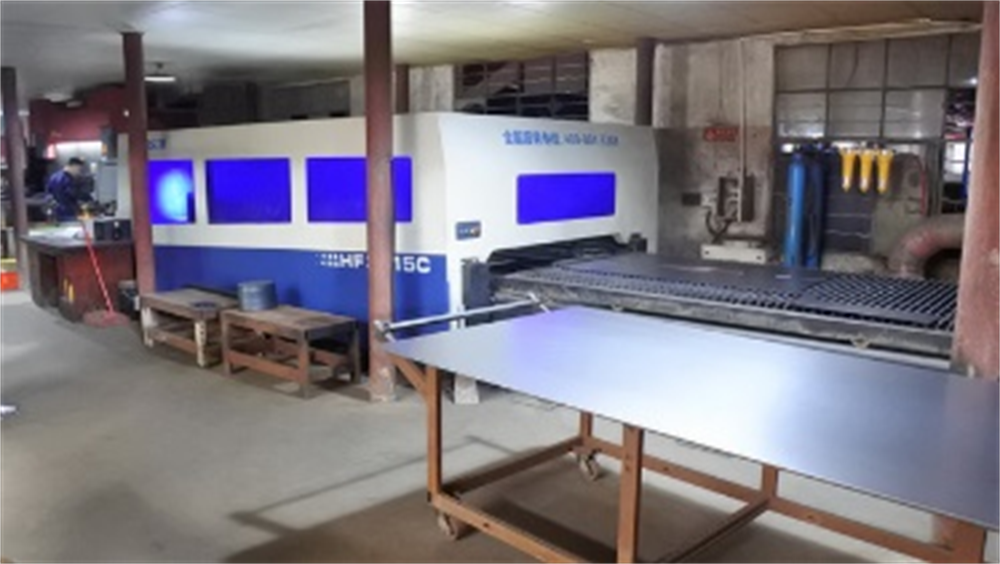
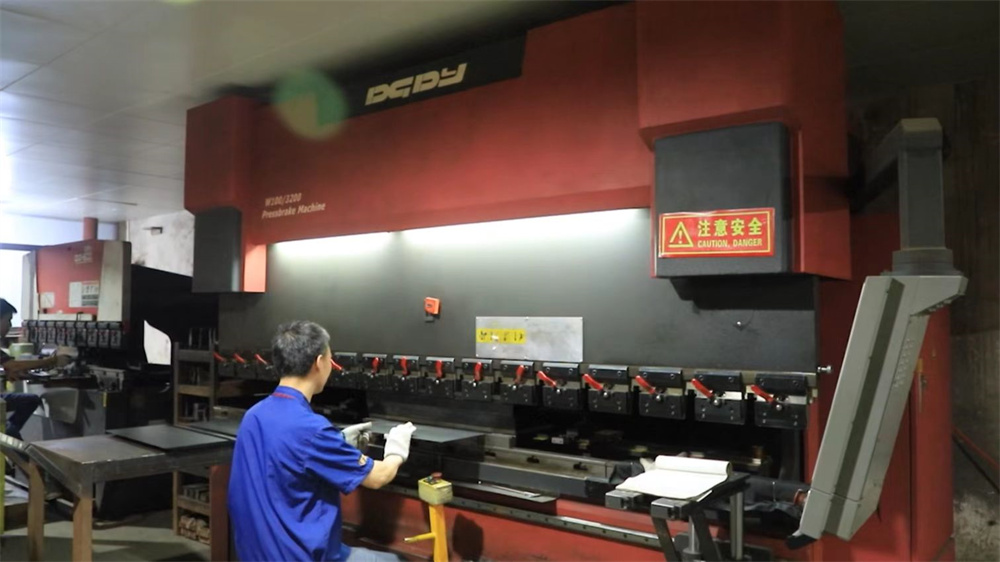
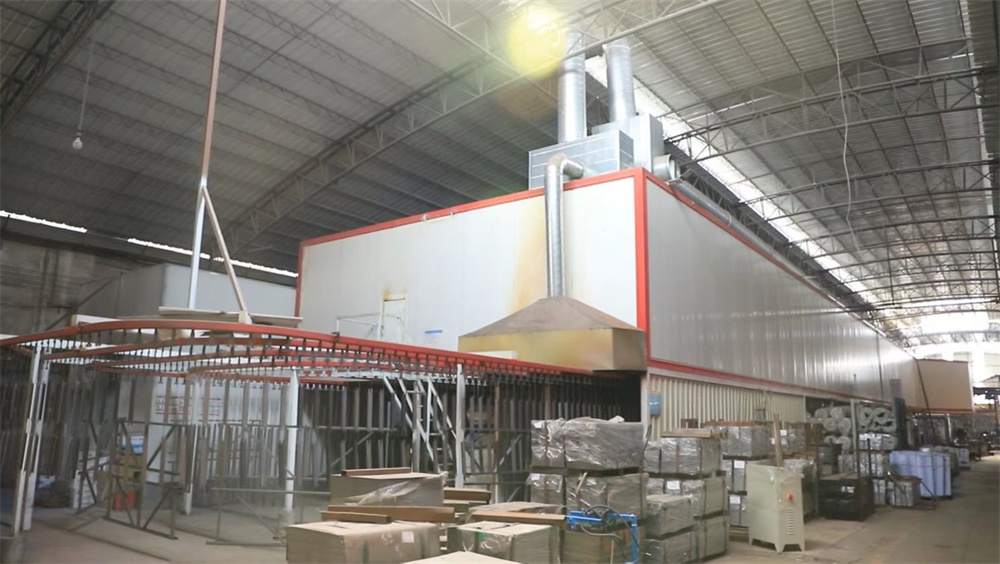
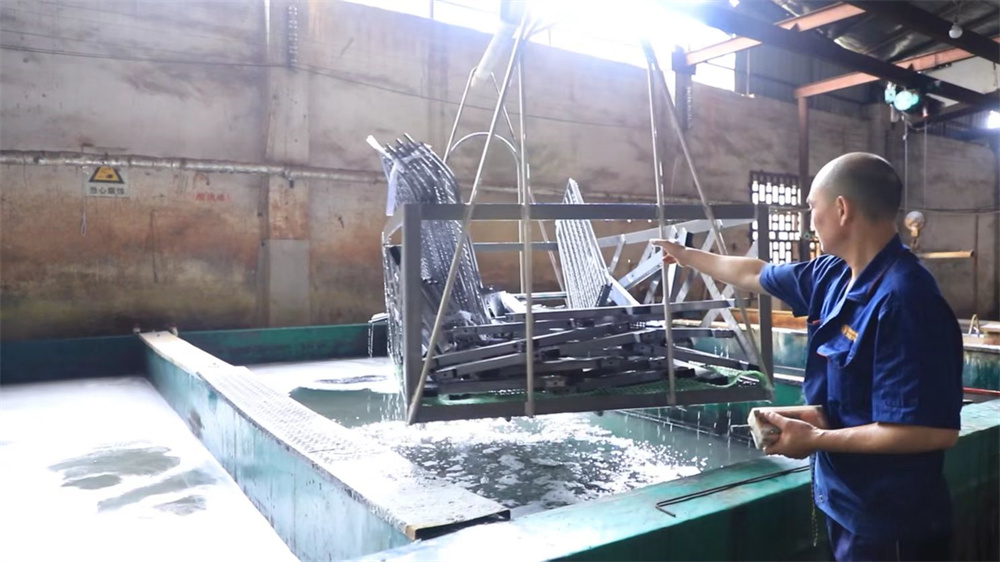
Our manufacturing facility uses a fully integrated, multi-stage production line designed to guarantee dimensional accuracy and structural integrity for every component:
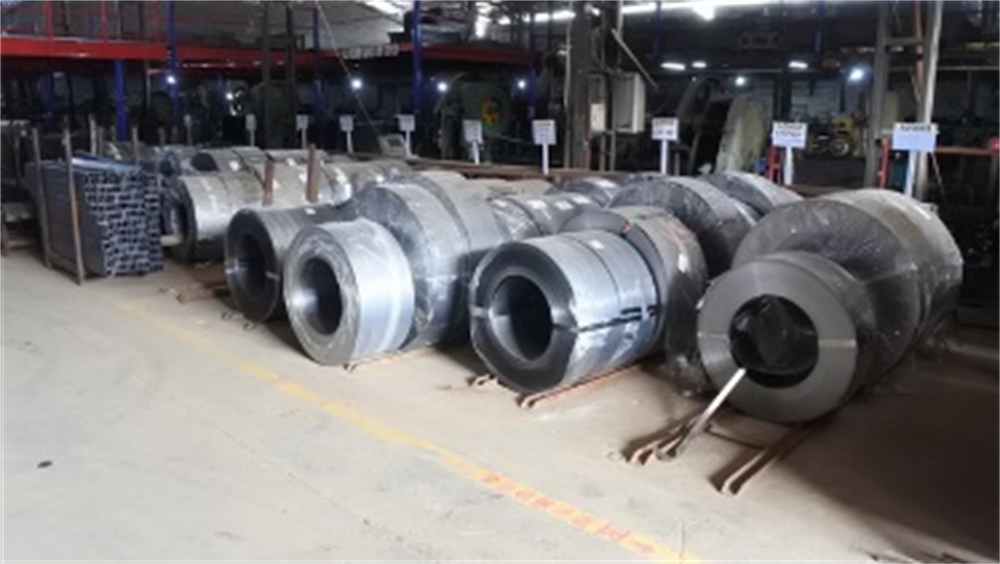
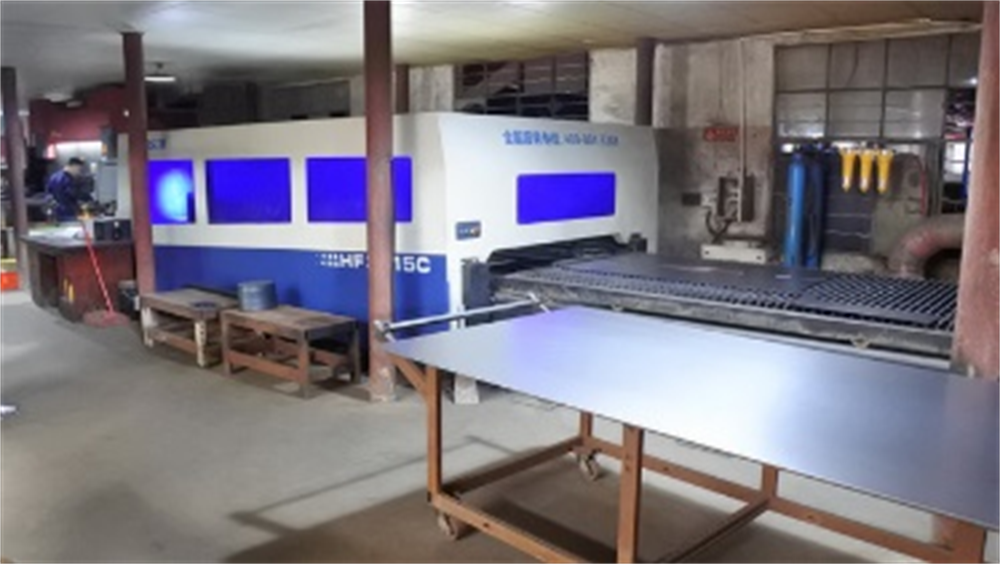
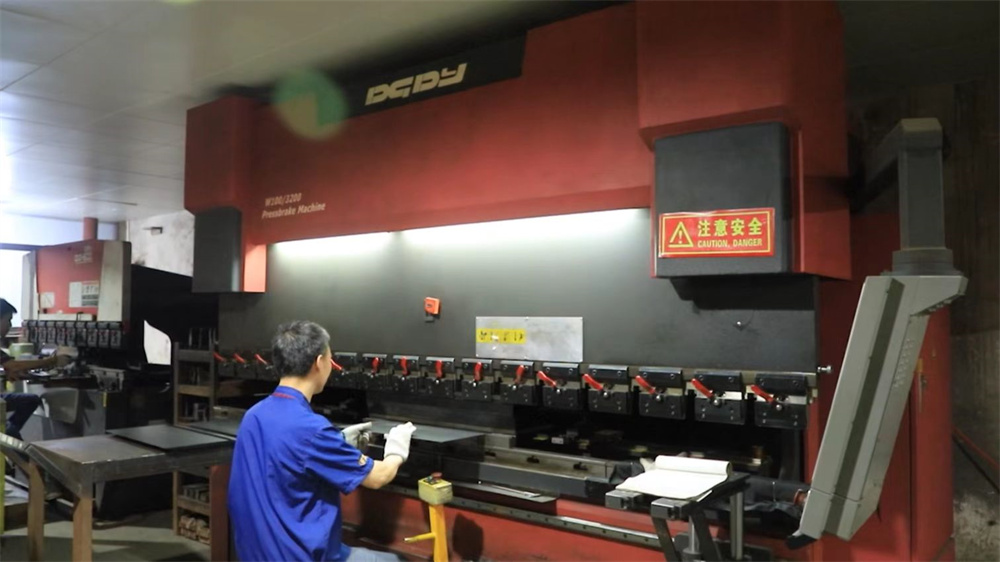
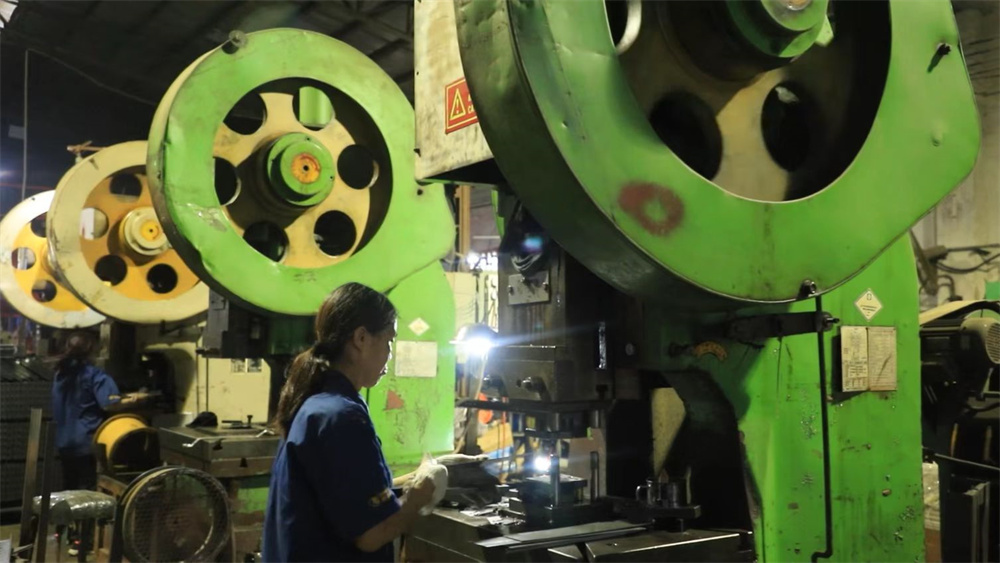
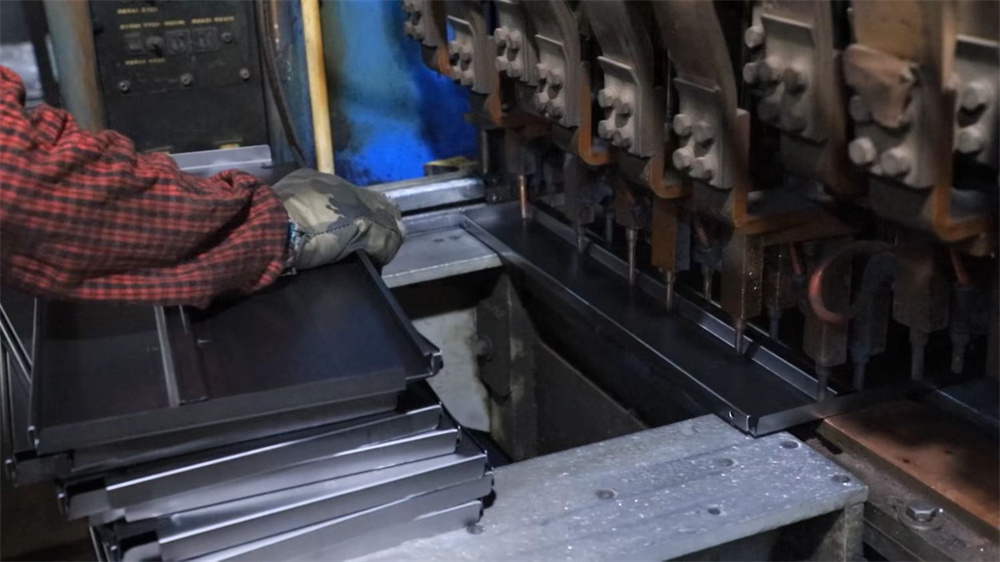
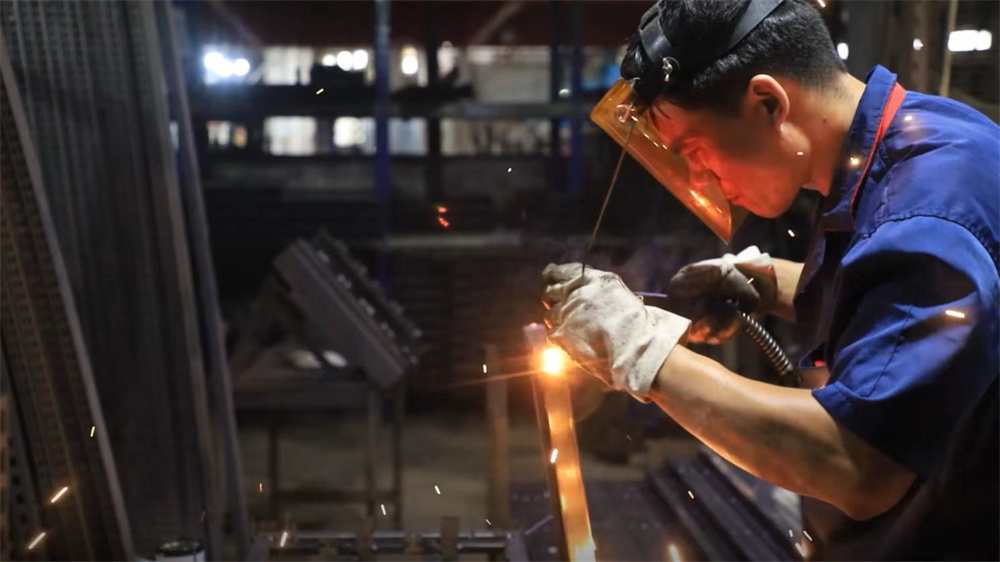
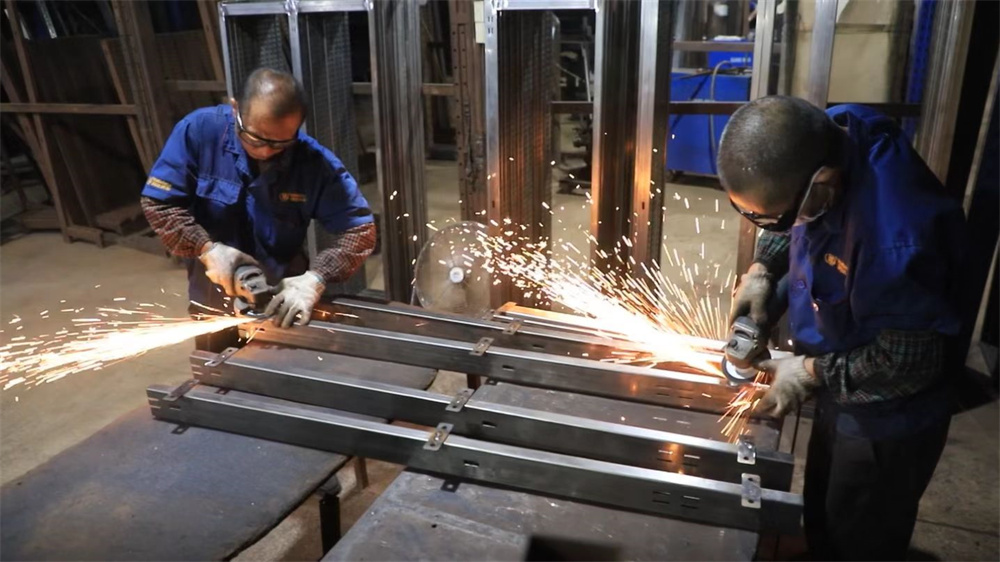
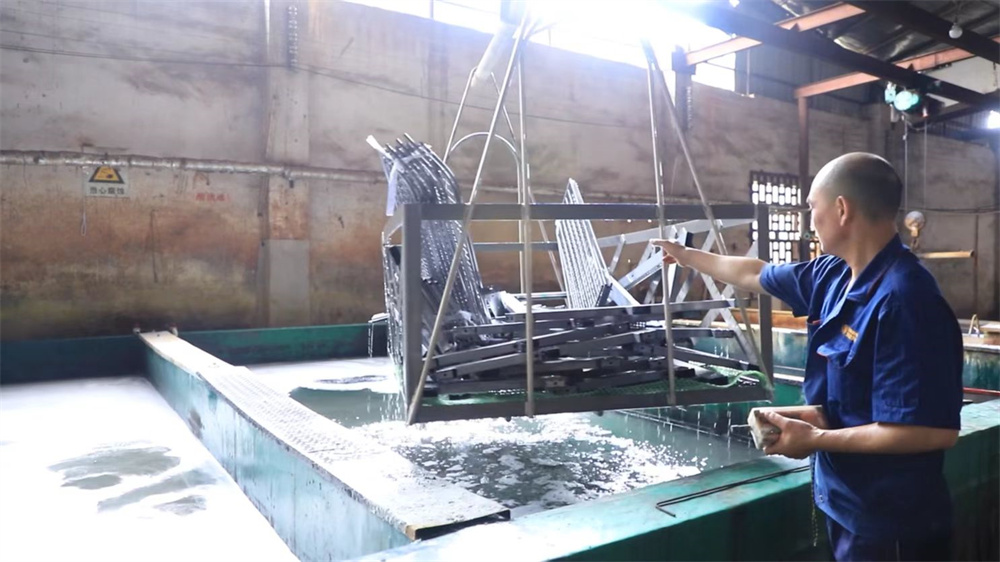
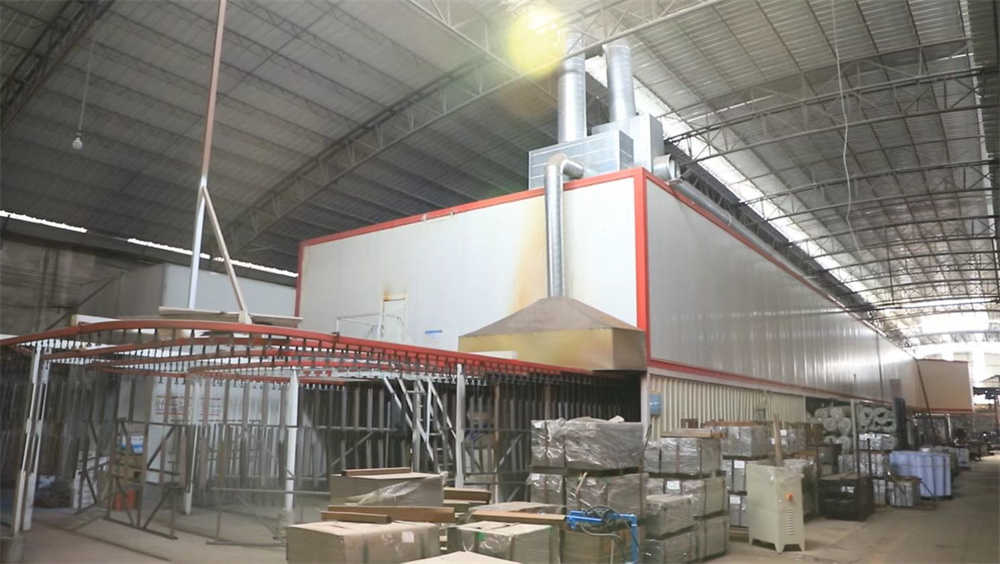
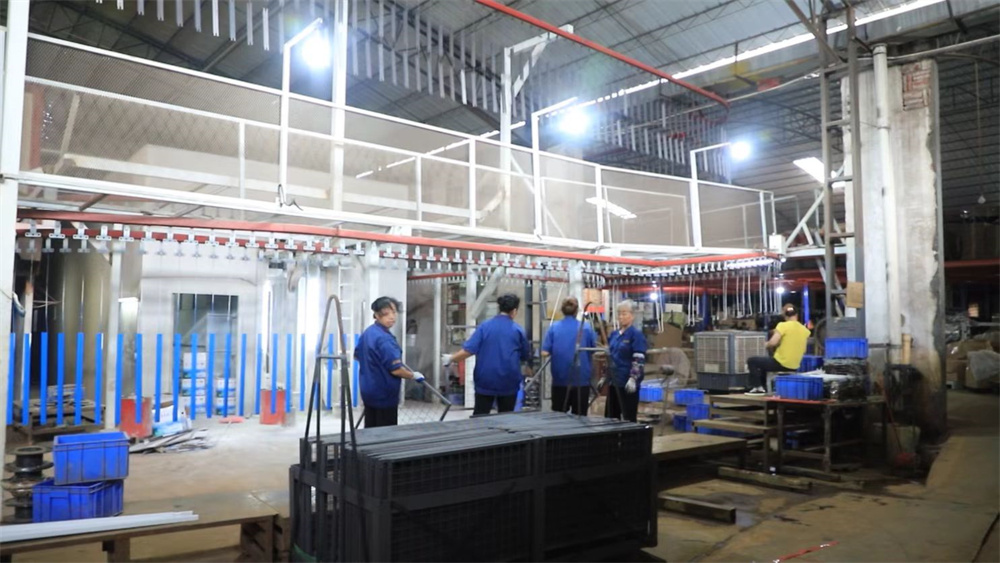
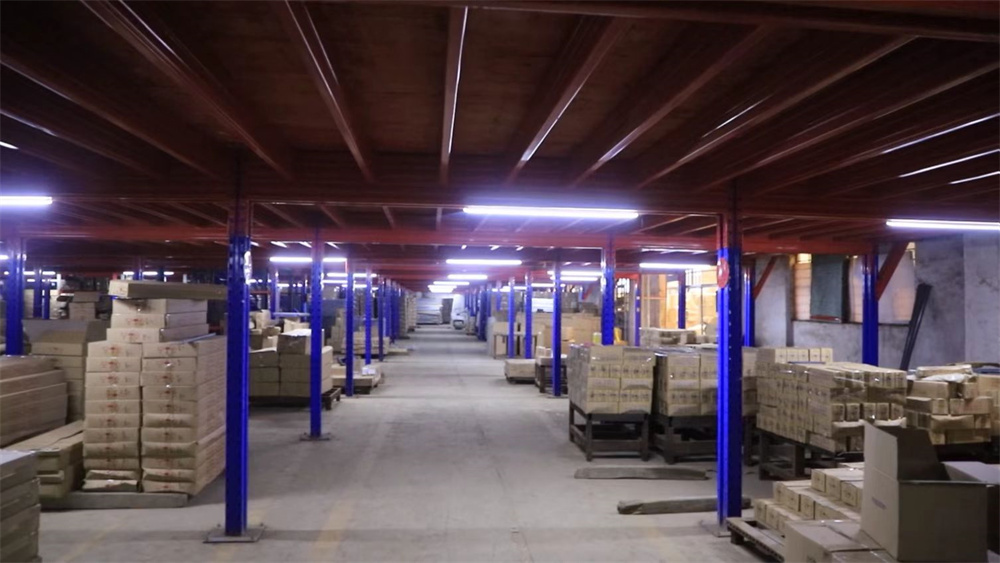
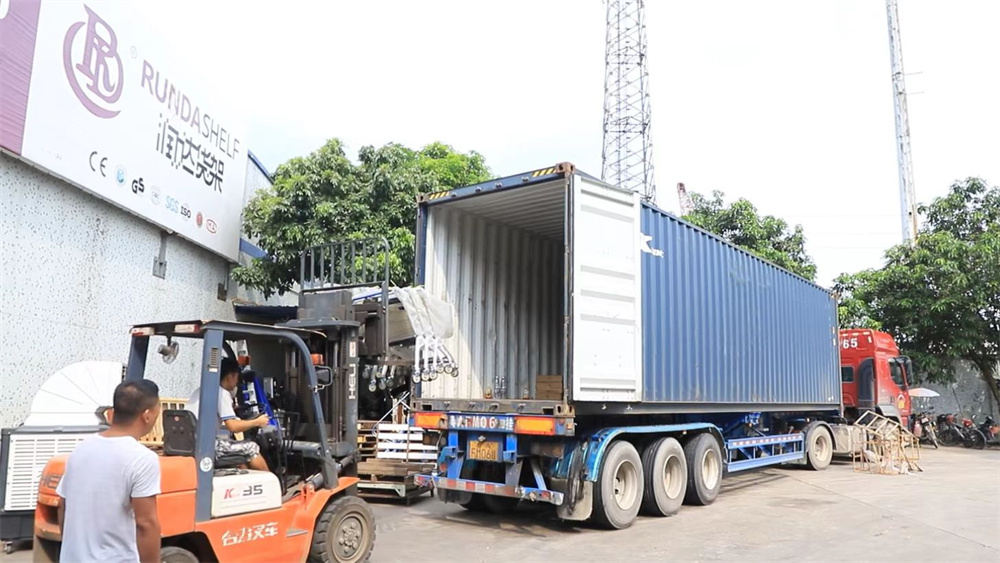
To maintain these production standards, we invest in modern machinery. This advanced manufacturing hardware ensures tight tolerances, clean weld lines, and a durable exterior coating capable of resisting abrasions from constant pallet movement:
The future of dynamic storage is shifting toward deeper digital integration and autonomous operations. Standard passive gravity lanes are evolving through the adoption of new sensor technologies and smart controllers:
For standard wooden or plastic pallets, the recommended slope is typically between 3% and 4%. A 4% slope is ideal for plastic pallets with lower surface friction, while 3.5% is suitable for dry wooden pallets. During design, we analyze the weight range of the target pallets to ensure consistent travel speed without manual intervention.
Safety is handled through a combination of components. Centrifugal brake rollers control the descent speed to keep it under 0.3 meters per second. At the end of the lane, a physical separator mechanism isolates the first pallet from the back pressure of the queue behind it. This allows forklift operators to lift the front pallet cleanly without friction or pressure from the following loads.
We use high-grade structural steels, primarily Q235B and Q355B. For humid environments, coastal locations, or cold storage facilities, we offer hot-dip galvanized finishes (conforming to ISO 1461) and specialized epoxy powder coatings. These treatments provide long-term protection against corrosion and mechanical wear.
Standard installations typically support depths of 10 to 15 pallets per lane. If required, we can design lanes up to 20 pallets deep. Extended lanes require precise placement of speed controllers and heavy-duty separator systems to safely manage the cumulative force of the stored pallets.
Our engineering team uses mechanical simulation software to model the interaction between the pallet underside and the roller surfaces. We adjust parameters such as roller pitch, diameter, and braking capacity based on the customer's specified load footprint and weight variables, ensuring smooth flow and preventing hang-ups.
Maintenance requirements are minimal but important for safety. We recommend semi-annual visual inspections to ensure the rollers are clear of debris, verifying that the brake rollers rotate freely, and checking the exit separators for proper alignment. Because the system is powered by gravity, there are no electrical components, motors, or wiring to maintain.
Engineered to support heavy loads and high-intensity distribution operations globally.
 DriveRacks