High-performance material handling, storage infrastructure, and commercial display setups manufactured to rigorous ISO & CE standards.
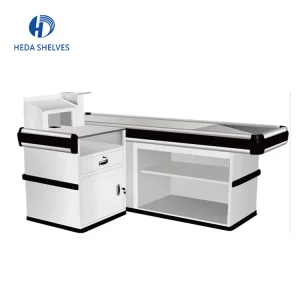
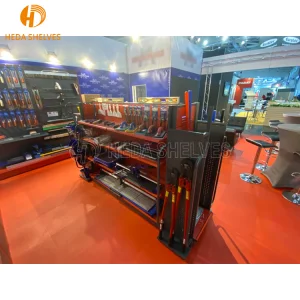
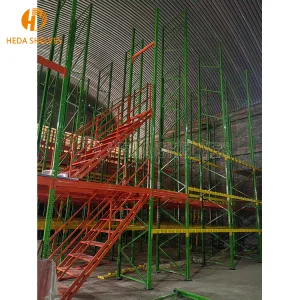
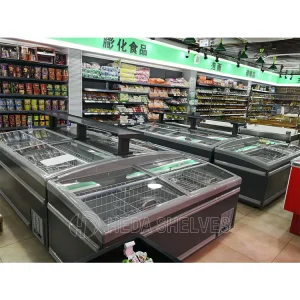
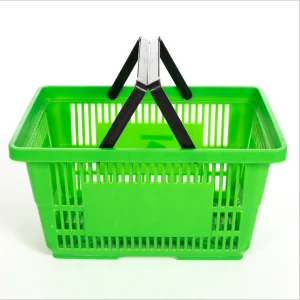
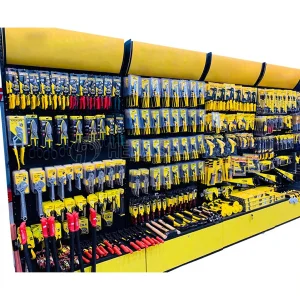
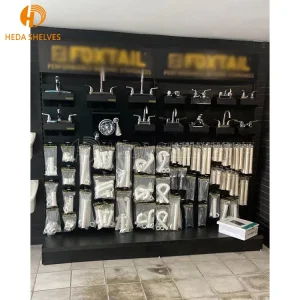
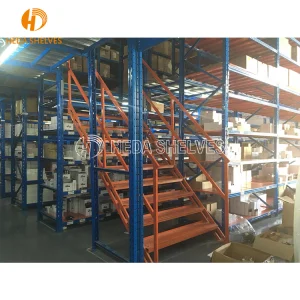
In modern industrial logistics and high-velocity retail fulfillment, spatial utilization determines profitability. Standard flat shelving structures are prone to SKU drift, inventory commingling, and under-utilized vertical headspace. Without precise physical partitioning, pick-face throughput decreases, and picking error rates rise exponentially.
Custom shelf dividers act as structural boundaries that allow warehouses and retail environments to run at higher SKU densities. By dividing shelves, warehouses can partition a single shelf beam into dozens of defined picking slots. This optimizes spatial orientation and aligns with automatic scanning, pick-to-light systems, and standard manual workflows.
How OEM manufacturers balance international regulatory standards, material pricing, and customized designs for diverse corporate environments.
Manufacturing Base
Annual Export Value
R&D Team Capacity
Supply Chain Partners
Global procurement offices face complex regulatory standards. In the Americas, structural dividers used in warehouse rack systems must comply with RMI (Rack Manufacturers Institute) guidelines for loading safety and seismic stability. In European territories, compliance with EN 15512 and the FEM 10.2.02 code is required to ensure structures do not buckle under localized strain.
DriveRacks designs custom OEM dividers with these international standards in mind. We select steel coils (Q235B/Q355B equivalent to ASTM A36) and run tensile testing on every batch to ensure consistent yield strength. For installations in seismic zones across Latin America and Oceania, we calculate appropriate metal gauge thicknesses and reinforcement ribs to provide stability during shaking events.
Established in 2017, Chengdu DriveRacks Industrial Technology Co., Ltd. operates a state-of-the-art 42,000 m² manufacturing plant dedicated to advanced material handling and heavy-duty storage infrastructure. Delivering $35 million in annual export revenue, we bring 9 years of deep industry expertise and 6 years of international trade operations. Quality is integral to our process; our team of 30 certified inspectors executes rigorous raw material tensile testing and automated powder-coating thickness audits. Serving high-growth markets across the Middle East, Latin America, and Oceania, DriveRacks leverages a robust ecosystem of 1,200 supply chain partners. We primarily serve enterprise warehouse operators, e-commerce fulfillment hubs, and heavy equipment manufacturers. Powered by 110 skilled R&D engineers focusing on smart automation and high-density racking design, we released 250 dynamic product iterations last year and provide comprehensive customization spanning rack dimensions, seismic ratings, and surface treatments.
From raw steel coils to loaded containers, our production steps are monitored by certified QC technicians to ensure consistent quality.
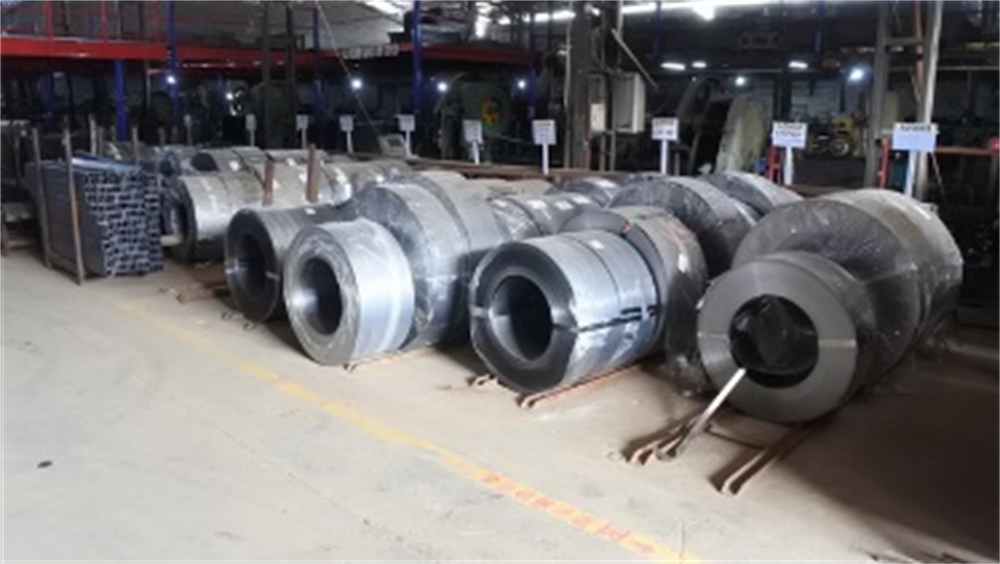
Selection of certified high-grade structural steel coils, tested for yield strength and chemical composition.
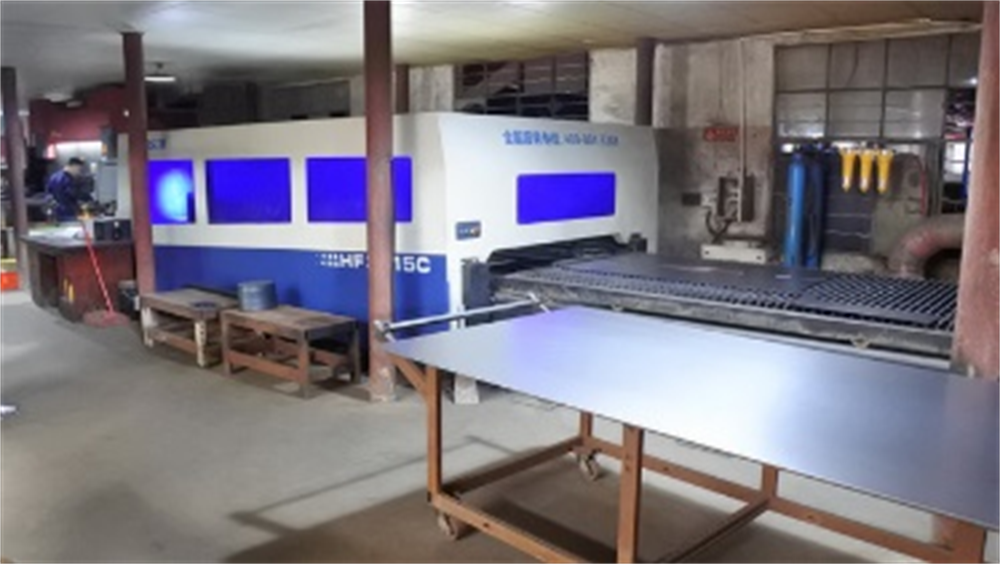
High-precision fiber laser processing of complex geometries, maintaining close tolerances.
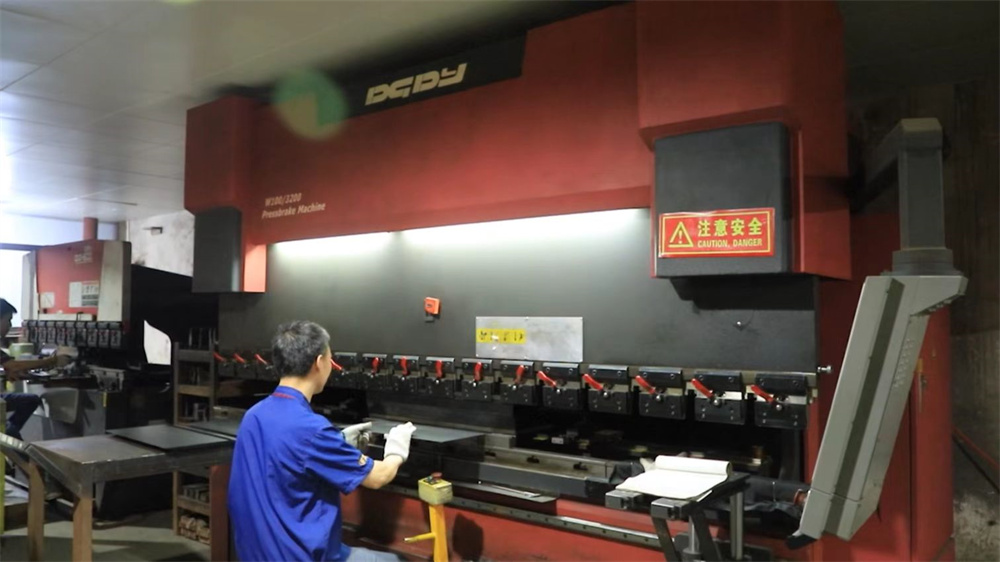
CNC press brakes shape components to exact angles, ensuring repeatable structural fits.
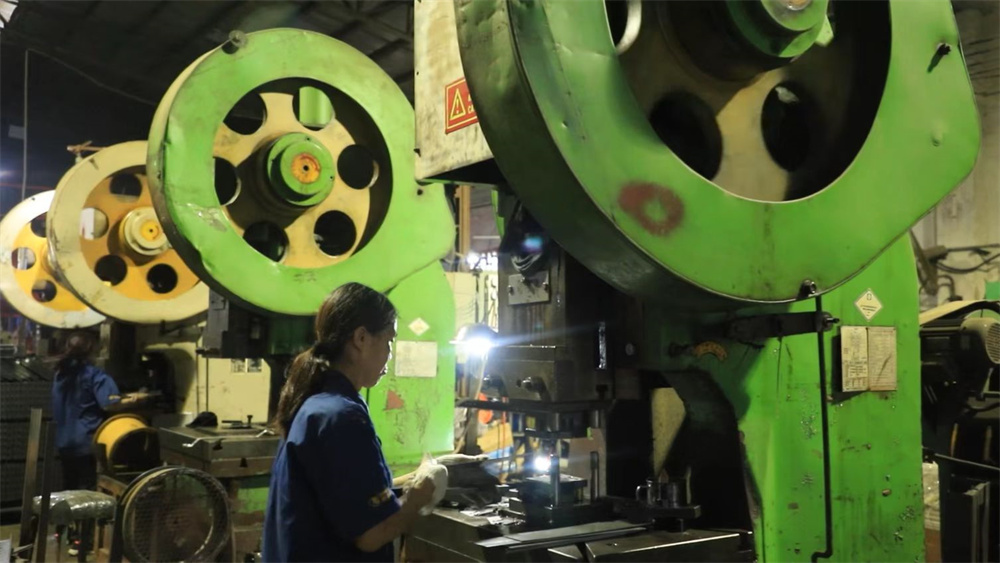
Automated punch presses stamp connection holes and mounting patterns into components.
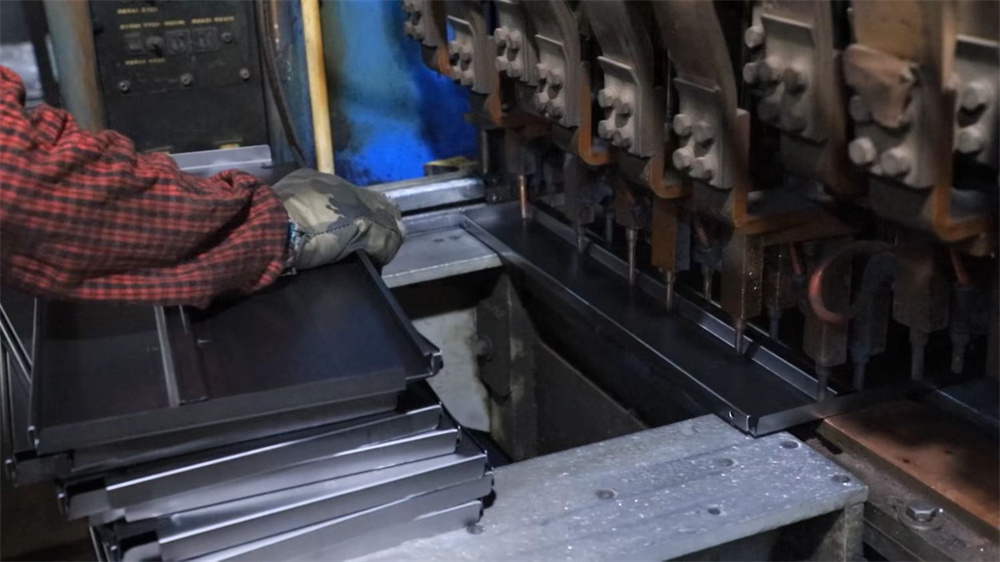
Secondary machining and cleaning of components before moving to assembly steps.
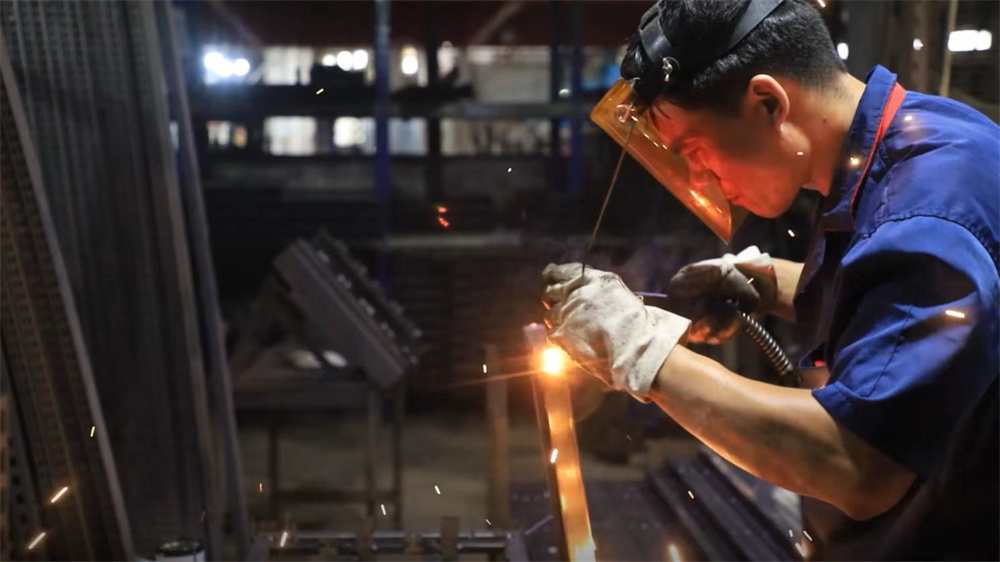
Quality welding operations conducted to ensure durable structural joins.
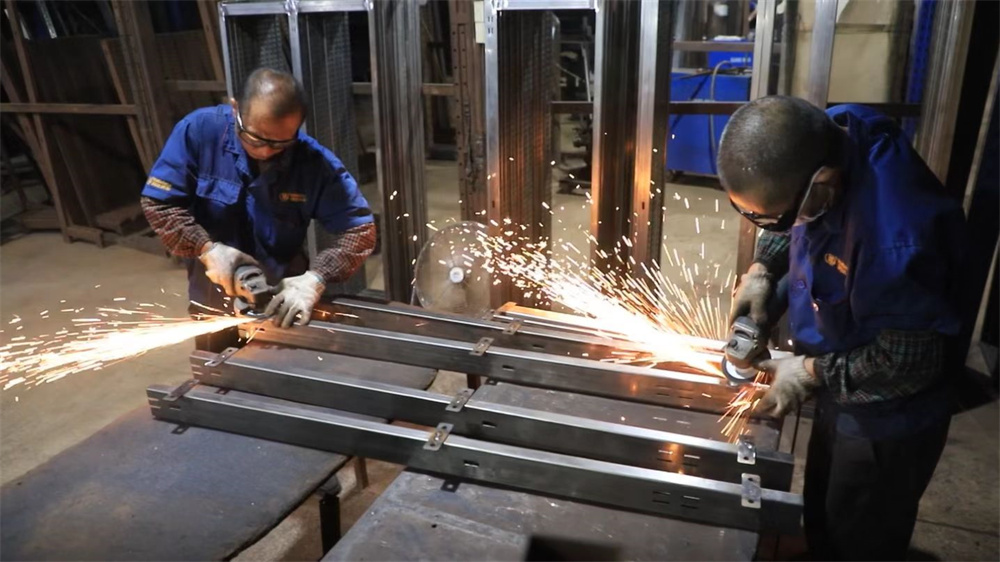
Manual and robotic grinding steps remove weld spatter and sharp edges for safety.
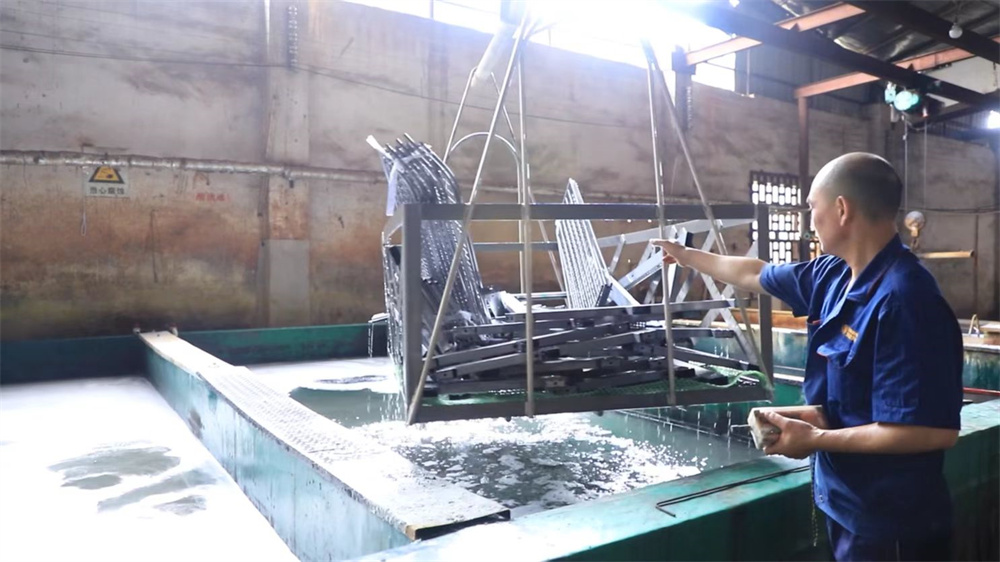
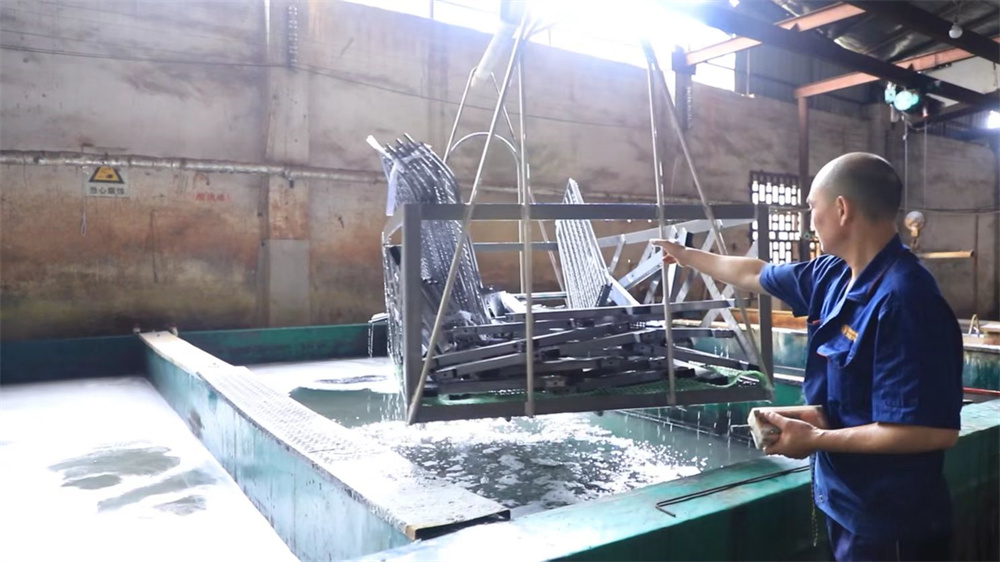
Multi-stage chemical washing and profiling prep the steel for painting adhesion.
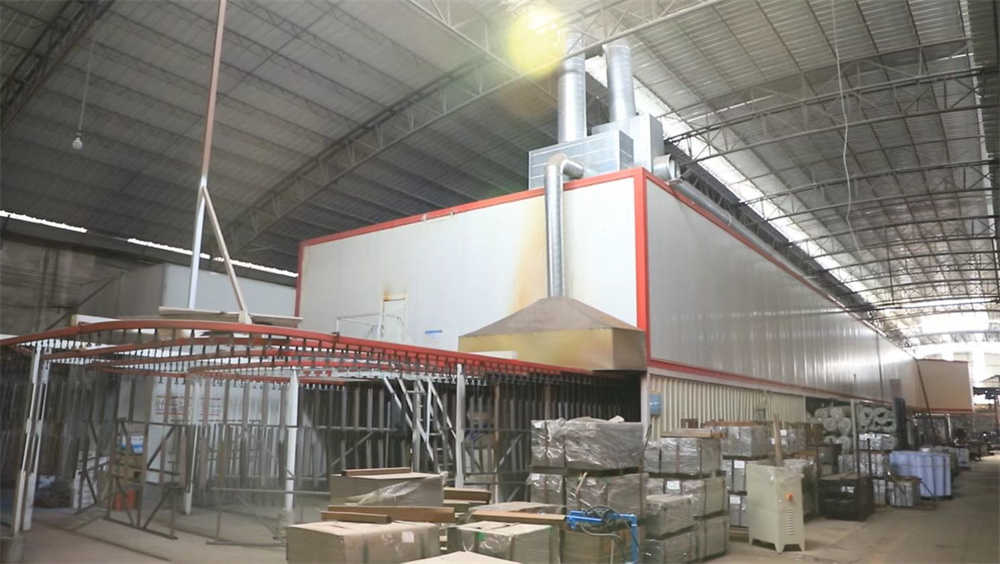
Electrostatic powder coating line applies a uniform, scratch-resistant protective finish.
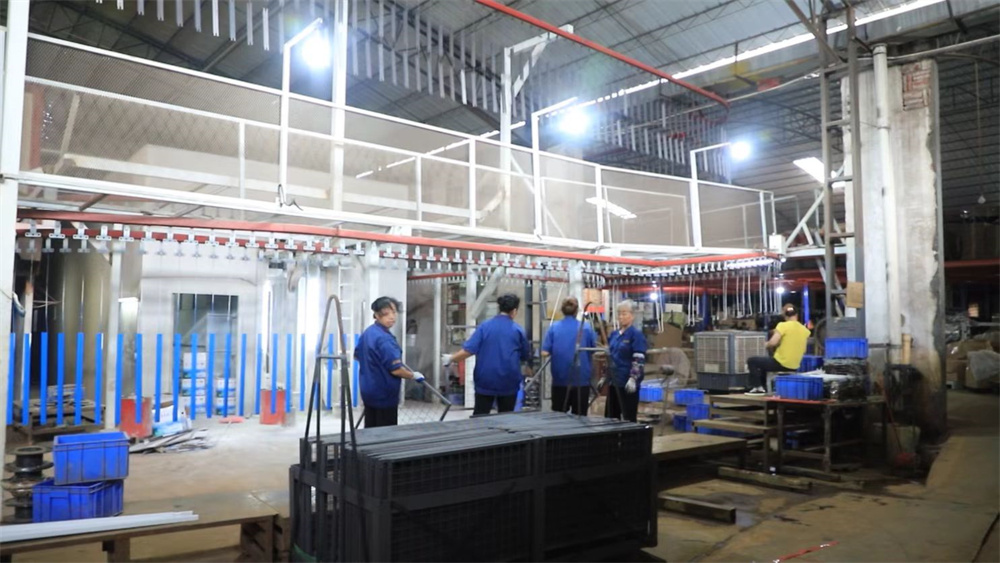
QC inspectors measure coating thickness, tolerances, and weld penetration.
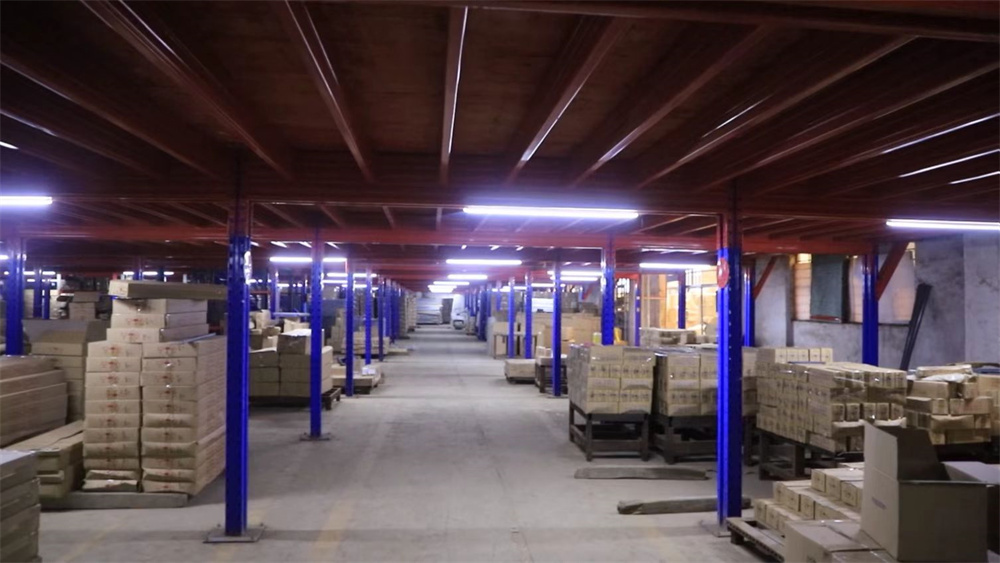
Finished goods are organized, inventoried, and prepared for final packaging.
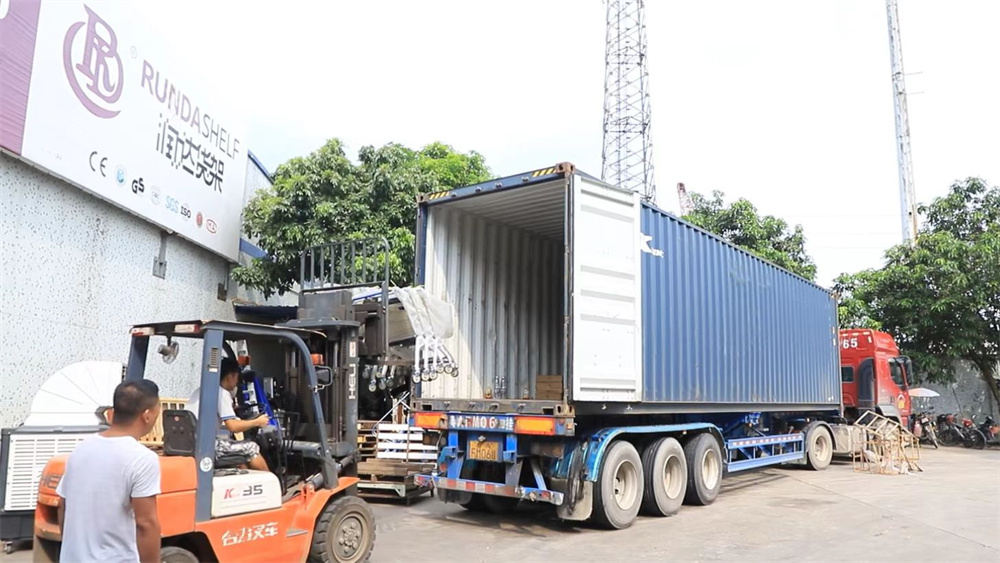
Packed components are loaded into containers, using packing patterns to minimize shipping movement.
A look at our plant floor tooling, designed for production consistency and capacity.
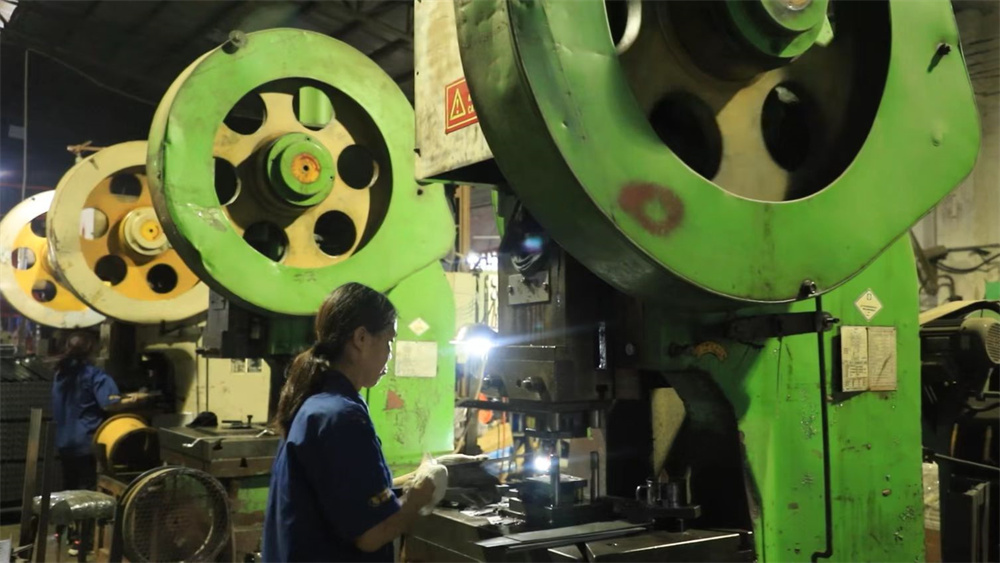
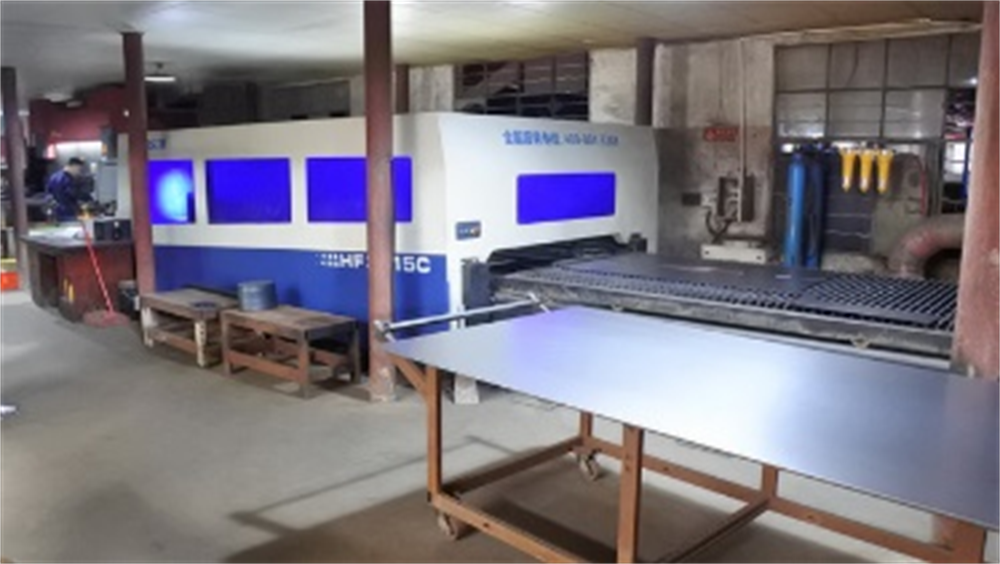
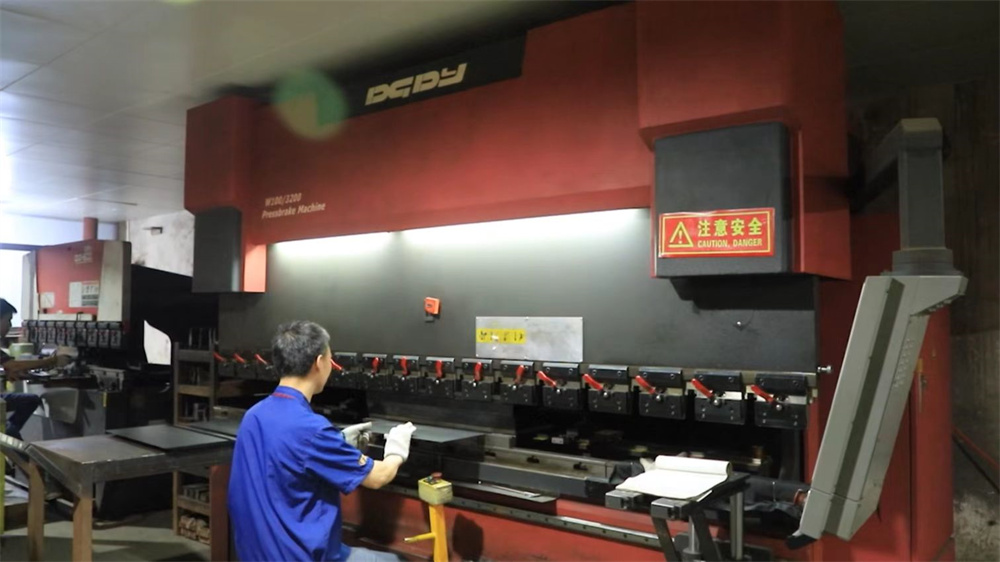
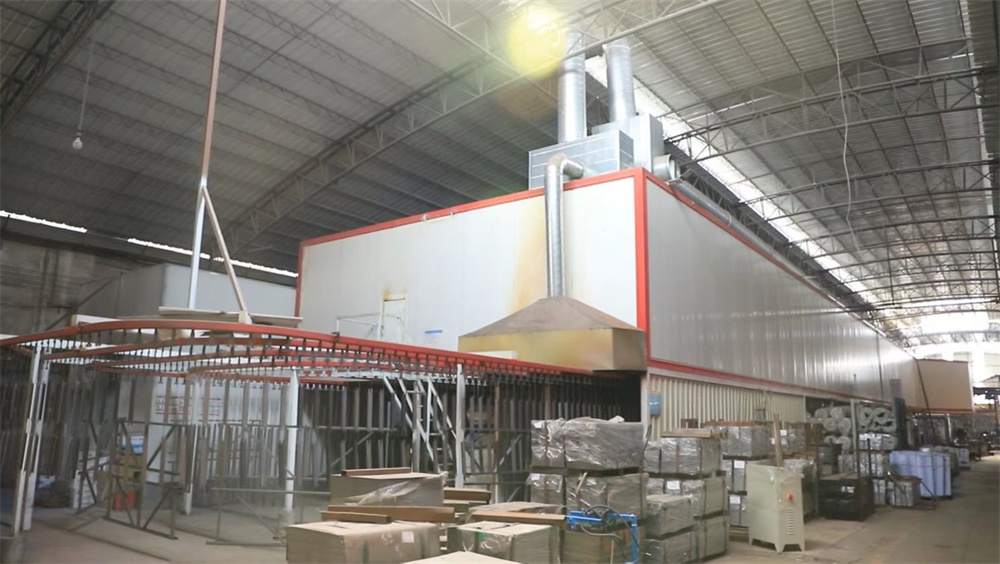
As logistics facilities shift toward automated operations, traditional static metal components are changing. Tomorrow's storage systems must accommodate smart warehouse elements. Our R&D efforts focus on integrating connectivity directly into heavy-duty storage assemblies.
Through Finite Element Analysis (FEA), we simulate stress points on partition configurations. This allows us to reduce steel weight while maintaining load capability. The long-term goal is to build structural components that support the efficiency of automated retrieval systems.
Focusing on standard modular connector designs to fit different shelf beam sizes. Refining our automated coating lines to ensure a consistent, protective finish.
Expanding the use of low-carbon steel alloys to lower manufacturing emissions. Adding robotic assembly equipment to speed up custom fabrication runs.
Adapting partition designs to match the close tolerances of modern automated storage and retrieval systems (ASRS) and autonomous sorting machinery.
How we inspect, verify, and document structural projects to meet complex global site conditions.
Our structural engineers run load simulation models to check performance under physical stress. This ensures dividers and custom frames hold up in busy working environments.
Incoming steel coils undergo tensile and yield testing. Finished coatings are tested for thickness and impact resistance to prevent wear over long service lives.
We arrange secure container packing and handle customs documentation for reliable transport. Our teams support delivery routes across Latin America, the Middle East, and Oceania.
Answers to common structural, OEM customization, and logistics inquiries from procurement teams.
We primary use cold-rolled carbon structural steel (Q235B and Q355B equivalent to international grades ASTM A36 and S355JR). This material provides the tensile strength needed to resist deformation under high-impact conditions.
Our engineering team performs structural calculations using Finite Element Analysis (FEA). We design custom connections and brace frames to align with local requirements, such as AS4084-2012 in Australia and RMI standards in the Americas.
We offer electrostatic powder coating in custom RAL colors, as well as hot-dip galvanized and zinc-plated finishes. Our automated coating lines ensure paint thickness meets our internal quality standards for wear resistance.
For new custom components, we typically complete 3D CAD design drawings within 3 to 5 business days. Once drawings are approved, structural samples are manufactured and inspected in our test lab within 7 to 10 days.
Our team of 30 certified inspectors monitors the production process. They perform raw material verification, check dimensional tolerances during manufacturing steps, and test coating adhesion before packaging.
A wider selection of our dynamic storage, cold chain, automated warehouse, and structural products.
 DriveRacks