Highly scalable, load-bearing infrastructure optimized for modern retail, high-bay storage, and commercial facilities.
Addressing the Convergence of Industrial High-Density Storage and Architectural Retail Environments
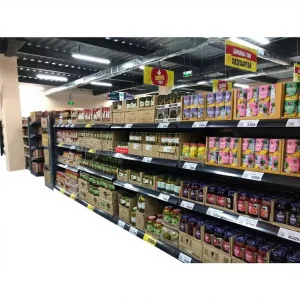
The global logistics landscape is undergoing a systemic paradigm shift. As urban land values escalate and last-mile delivery windows compress, global supply chains are adopting hybrid models. This is particularly visible in the emergence of omnichannel fulfillment hubs, cash-and-carry hypermarkets, and warehouse-to-consumer outlets. These environments require storage structures that perform dual functions: accommodating heavy, bulk-pallet industrial inventory overhead while concurrently serving as aesthetic, safe, and dynamic retail merchandising fixtures at the ground level.
Historically, industrial heavy-duty racking systems were engineered exclusively for performance, load density, and mechanical handling interfaces. They lacked the aesthetic appeal, structural adaptability, and user-centric safety features required for high-traffic customer zones. Conversely, standard retail shelving lacked the high load capacity and seismic stability needed for overhead pallet storage. This divergence birthed the requirement for high-performance Mixed-Use Racking Systems—a structural typology that fuses the engineering specifications of warehouse pallet racking with the flexibility and precision of customized retail shopfront displays.
Chengdu DriveRacks Industrial Technology Co., Ltd. stands at the forefront of this industrial evolution. By leveraging advanced metallurgy, structural engineering simulation, and flexible manufacturing, we deliver customized OEM and ODM solutions. Our systems are engineered to withstand extreme load configurations while maintaining a refined aesthetic. This ensures high-growth retail operations can deploy efficient, safe, and visually cohesive mixed-use storage environments.
Aligning Total Cost of Ownership (TCO) with Advanced Seismic Standards, Compliance, and Supply Chain Scalability
Global procurement directors, supply chain managers, and logistics planners face multifaceted hurdles when sourcing mixed-use racking infrastructure. Procurement is no longer merely about comparing the cost per ton of raw steel. Instead, B2B decision-makers must evaluate manufacturers against a holistic suite of performance standards:
Importing countries impose stringent safety and architectural standards. Systems must conform to Europe's CE guidelines, North America's RMI codes, and Oceania's AS4084 standards. Failing to meet these compliance criteria can lead to regulatory delays, structural failure liability, and operational shutdowns.
For regions along active fault lines—such as parts of Latin America, New Zealand, or Japan—racking systems require specific dynamic calculation profiles. The structural geometry, thickness of upright frames, and baseplate dimensions must be calculated using Finite Element Analysis (FEA) to handle lateral and vertical seismic acceleration forces.
Industrial reliability starts with raw materials. Procurement teams require verified material trace logs for structural steel grades such as Q235B, Q355B, and SS400. Structural failure due to micro-fractures in sub-standard steel poses severe corporate risks, making automated tensile testing and weld integrity audits non-negotiable.
Custom-Designed Spatial Layouts Bridging Bulk Material Handling and High-Traffic Customer Interfaces
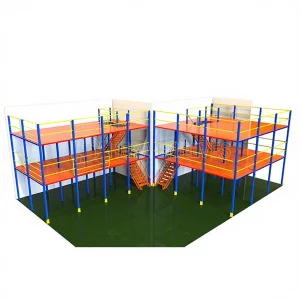
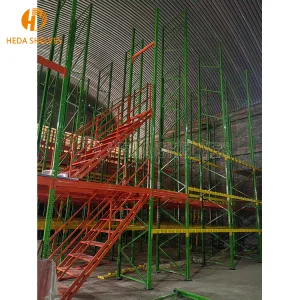
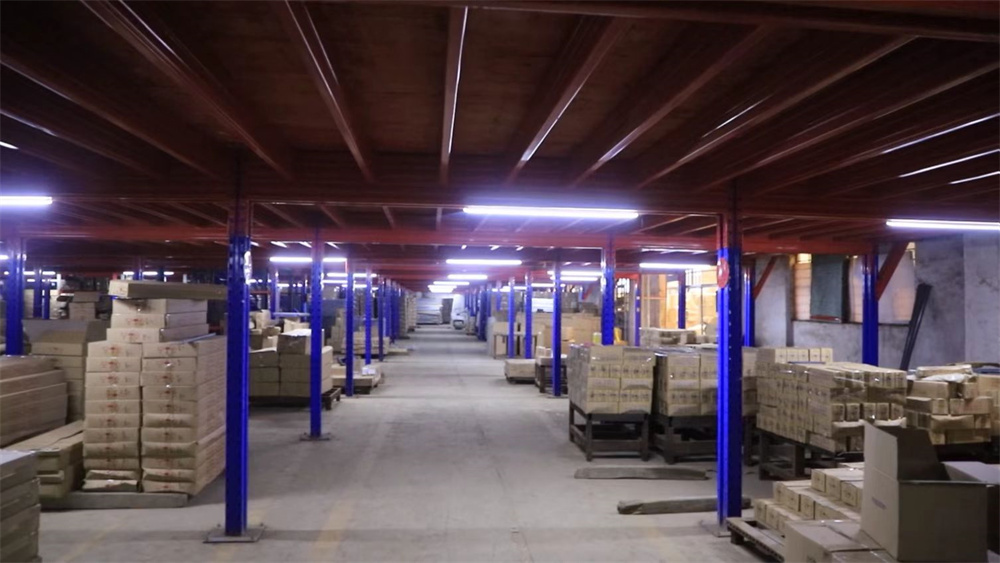
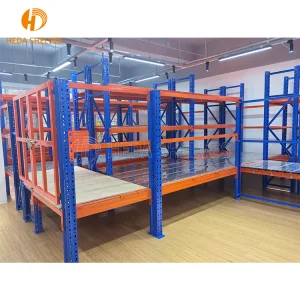
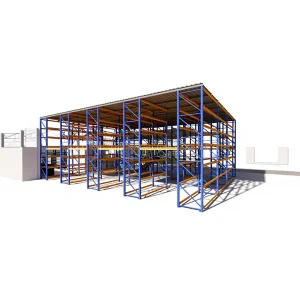
Integrating multi-tier storage platforms allows facilities to double or triple their usable footprint without changing the outer building envelope. Ground levels are configured for retail checkout, cashier zones, and display fixtures, while the upper structural floors serve as bulk stock storage, parcel sorting zones, or order fulfillment spaces.
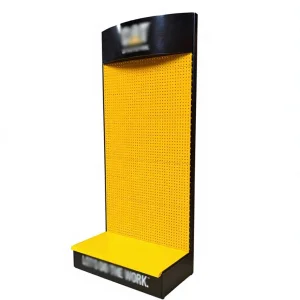
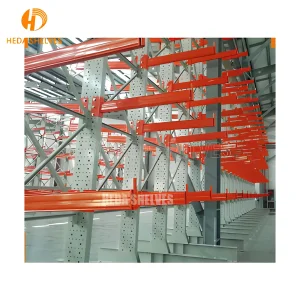
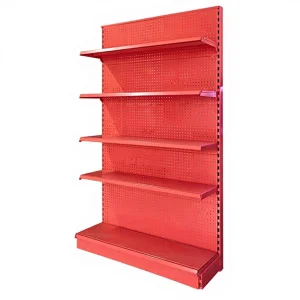
Engineered with specialized steel frame uprights and rigid base footings, these double-sided racks support heavy merchandised loads. They feature dynamic shelving adjustments to showcase different merchandise formats, from tools and automotive components to heavy bulk retail products.
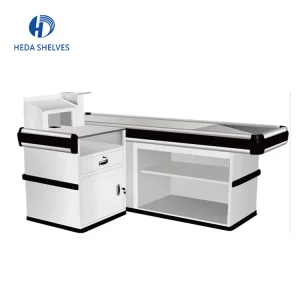
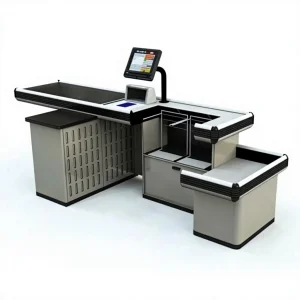
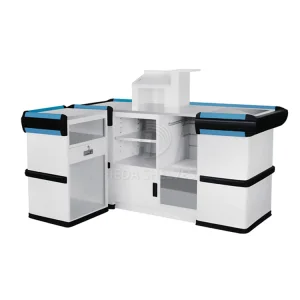
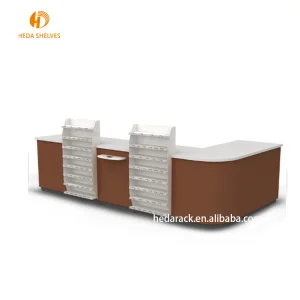
DriveRacks checkout counters combine structural steel durability with ergonomic timber and polymer details. Designed to house high-throughput POS hardware, receipt printers, scanners, and automated checkout components, these checkout counters streamline customer flow at the point of sale.
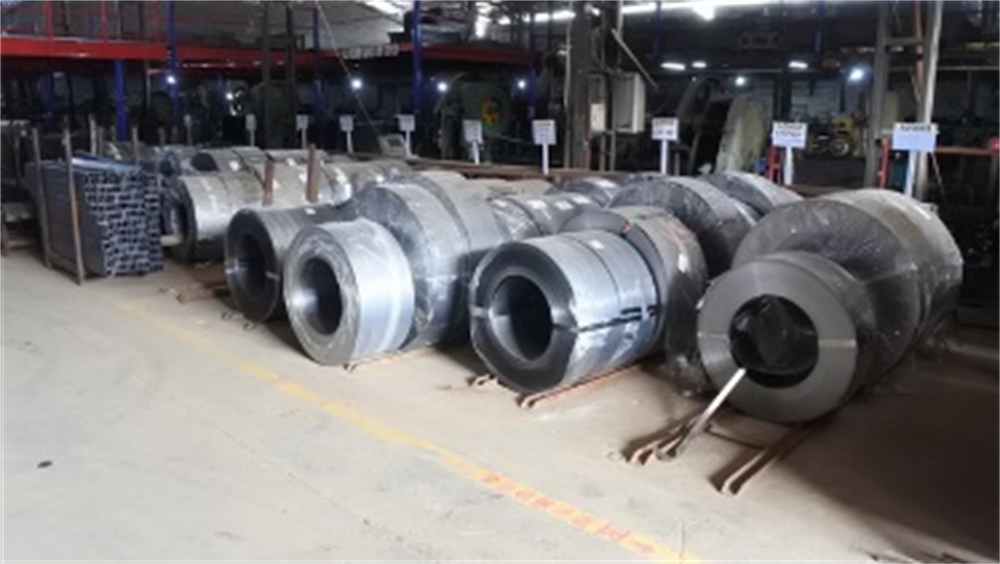
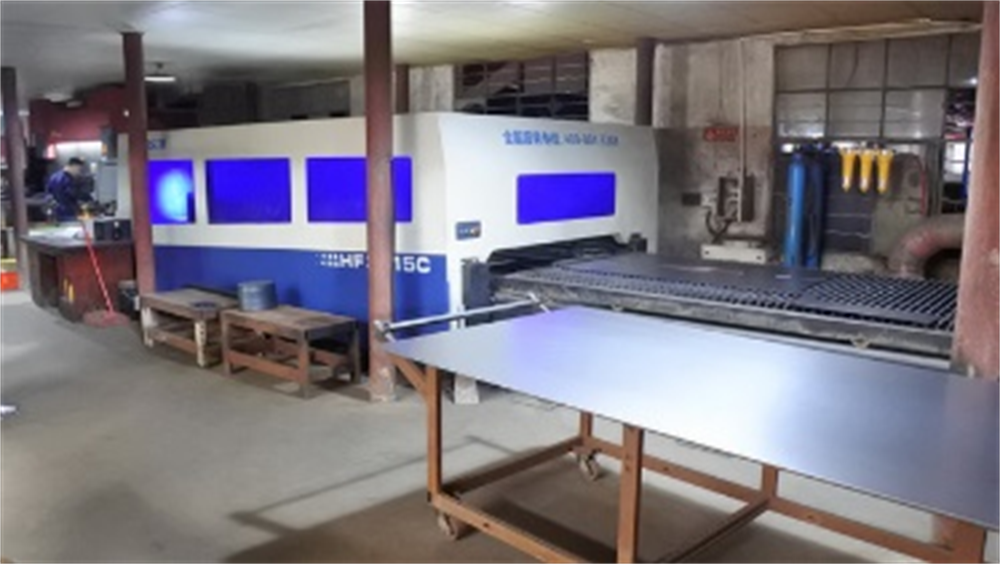
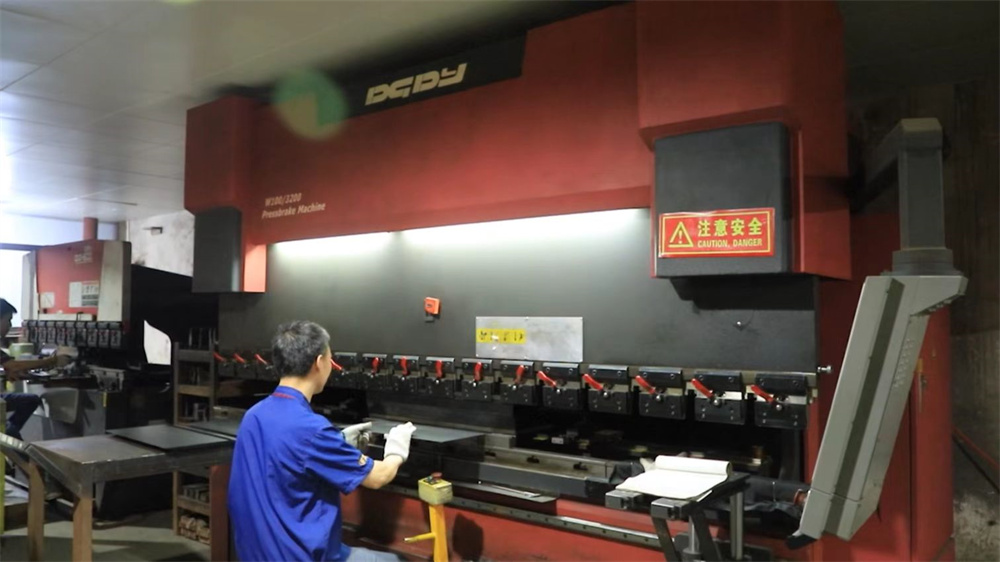
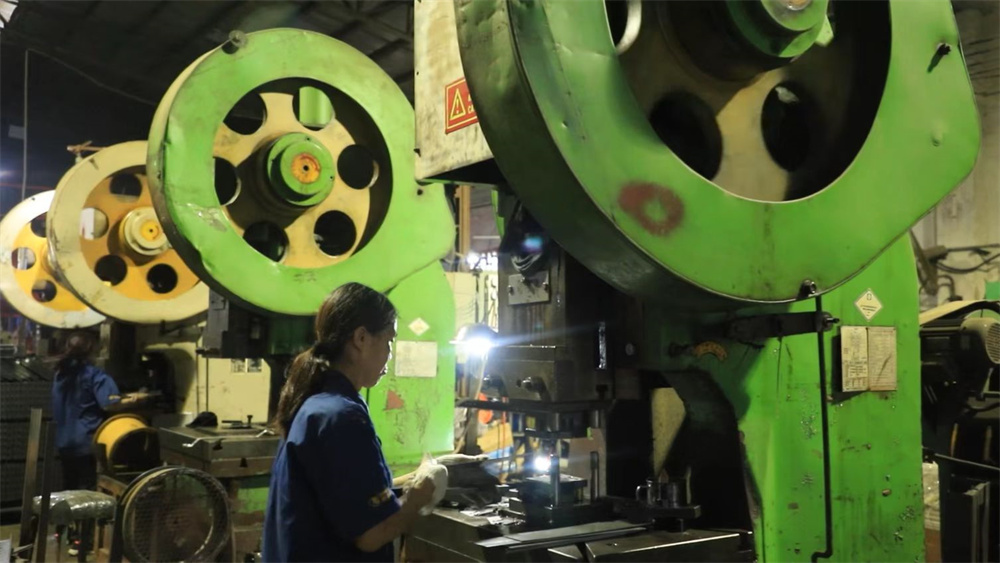
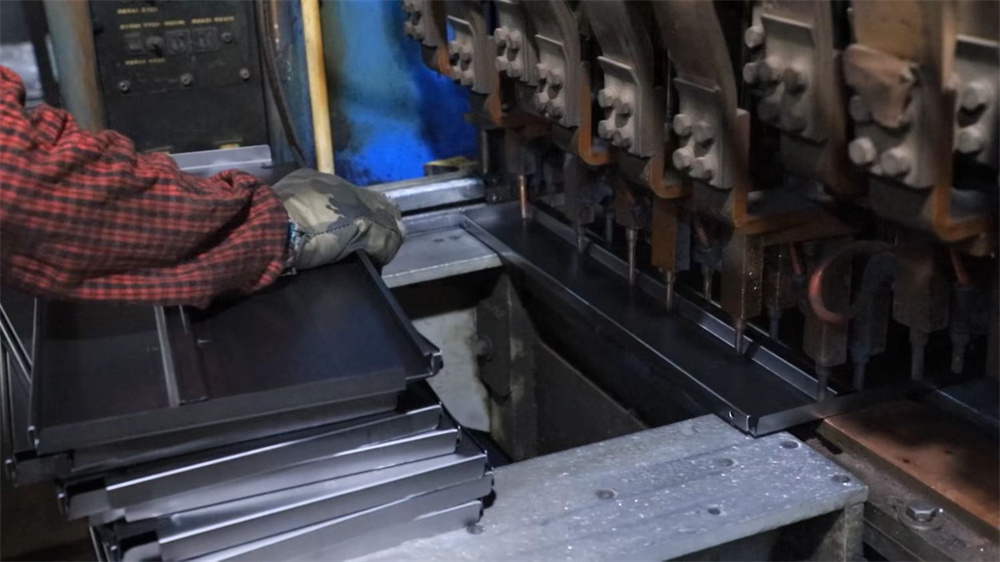
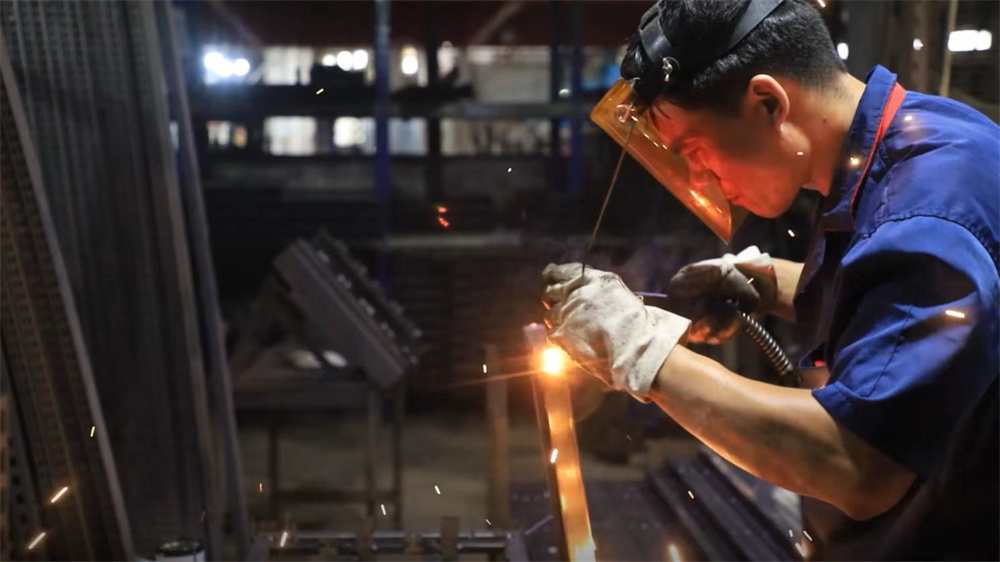
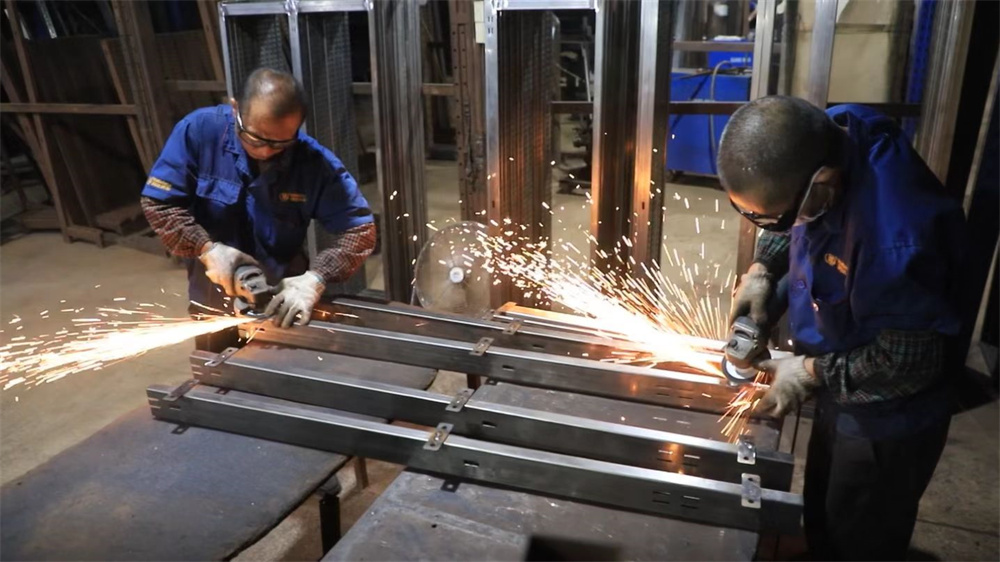
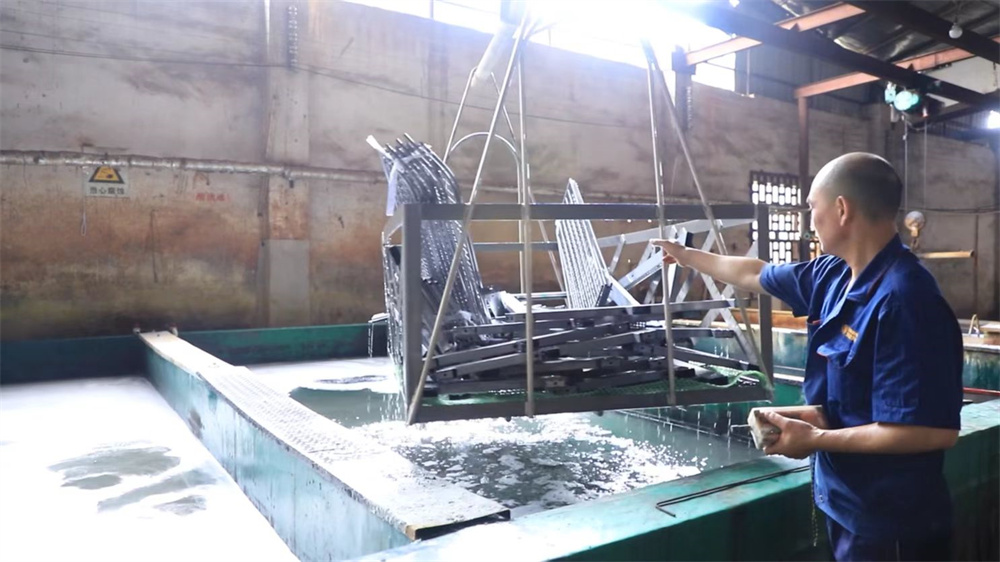
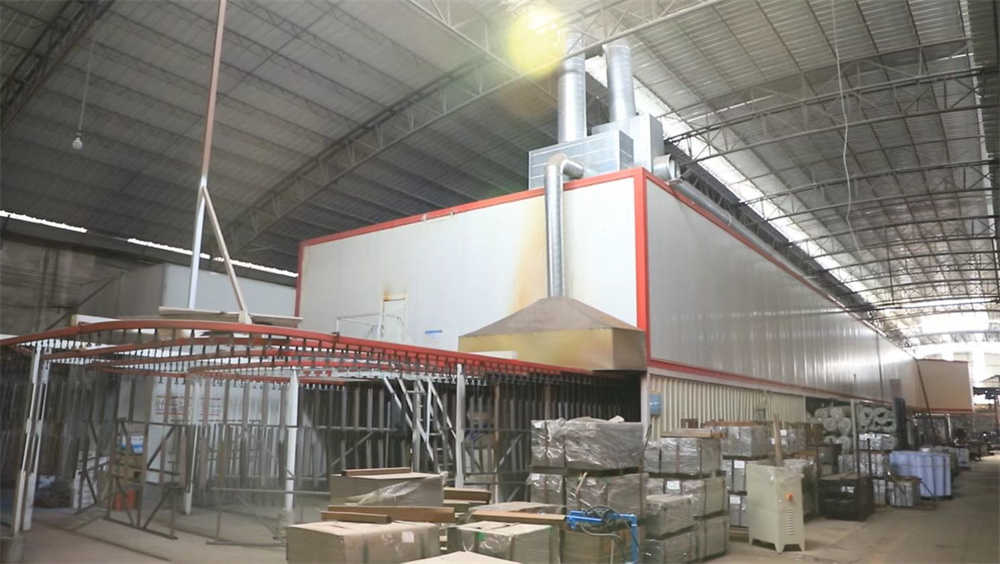
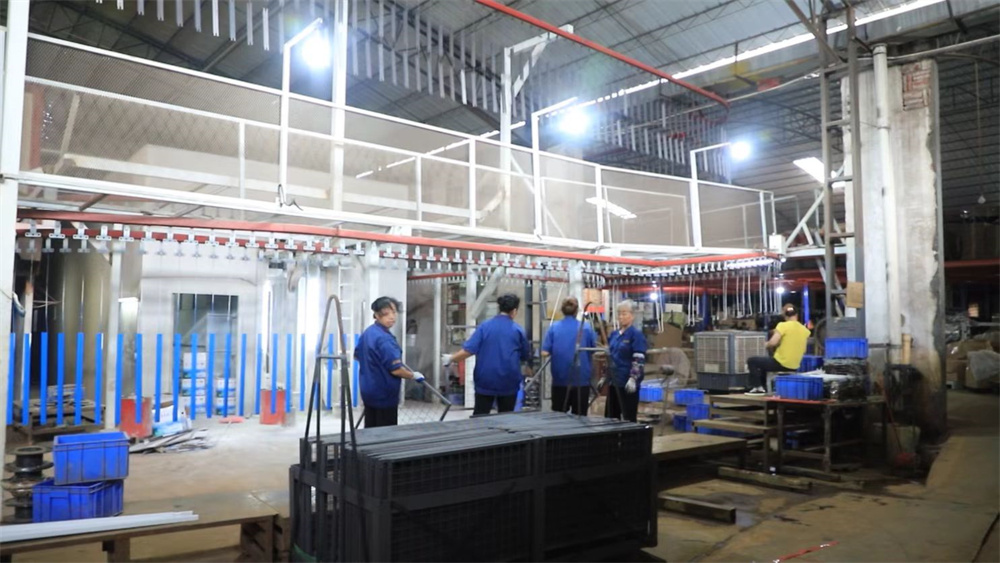
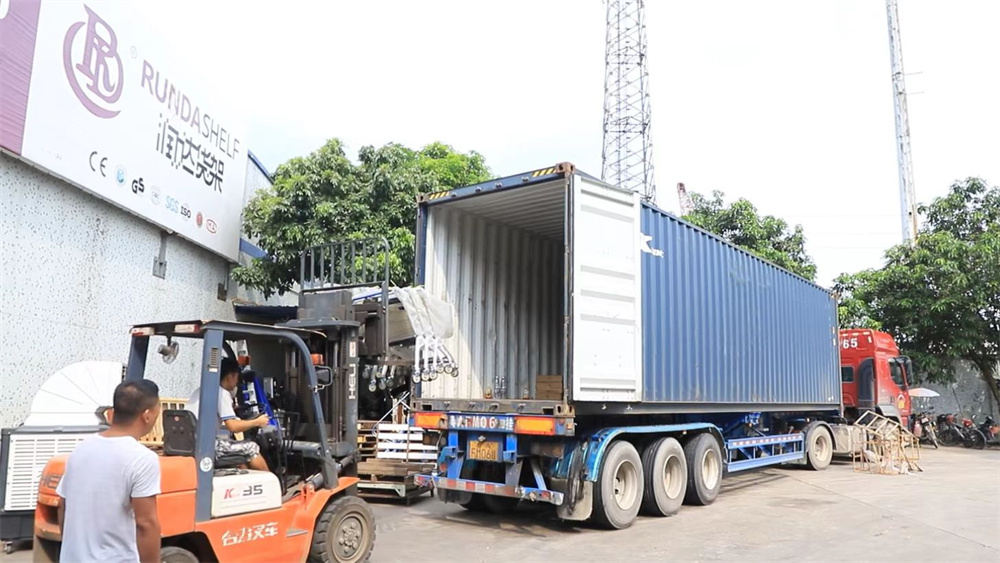
An inside look at our 42,000 m² state-of-the-art facility, driven by automated precision and strict quality audits.
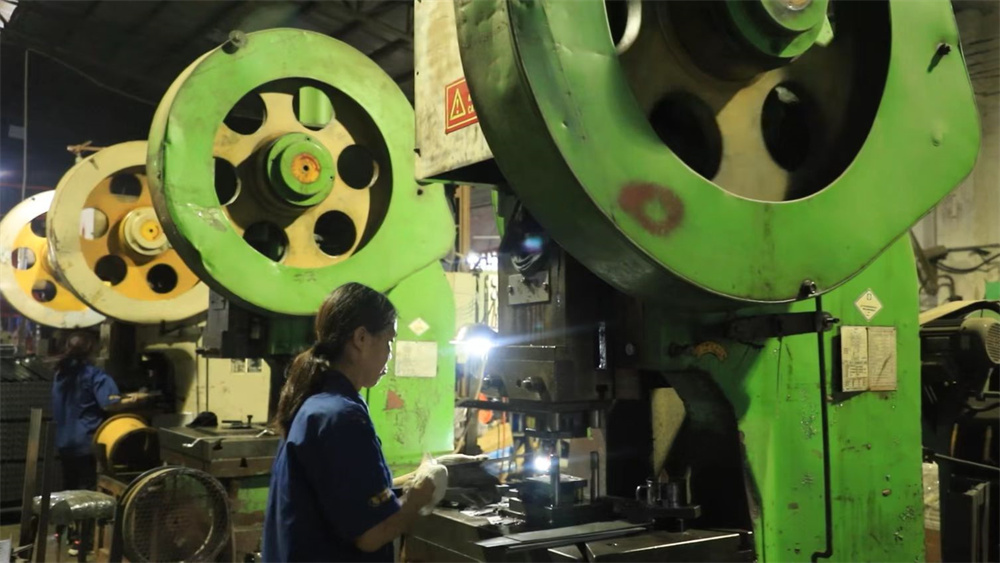
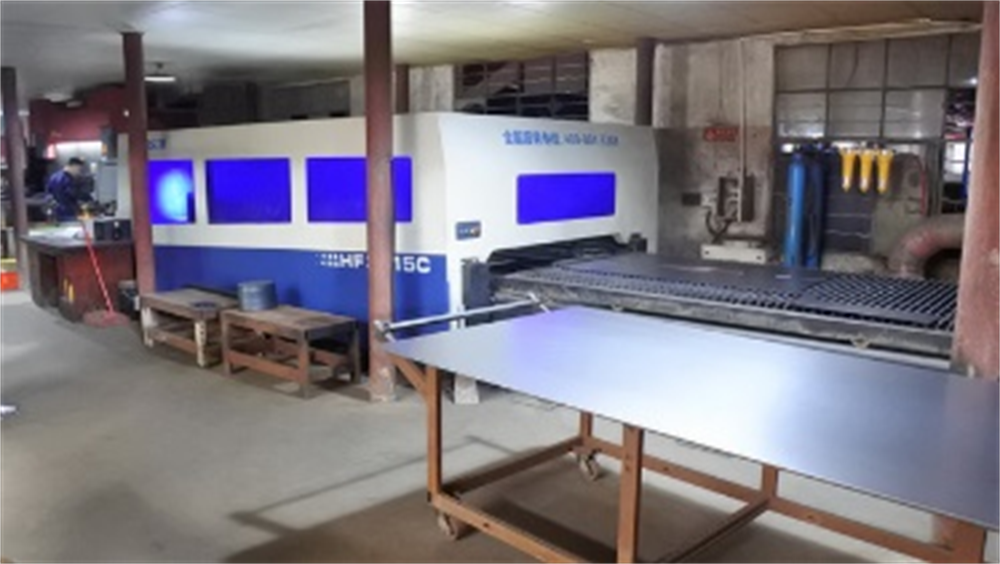
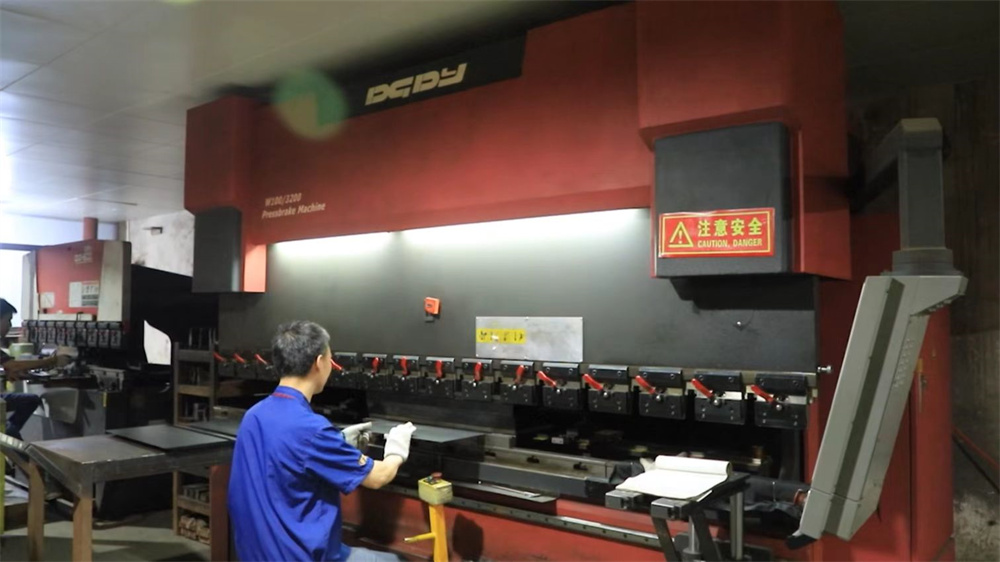
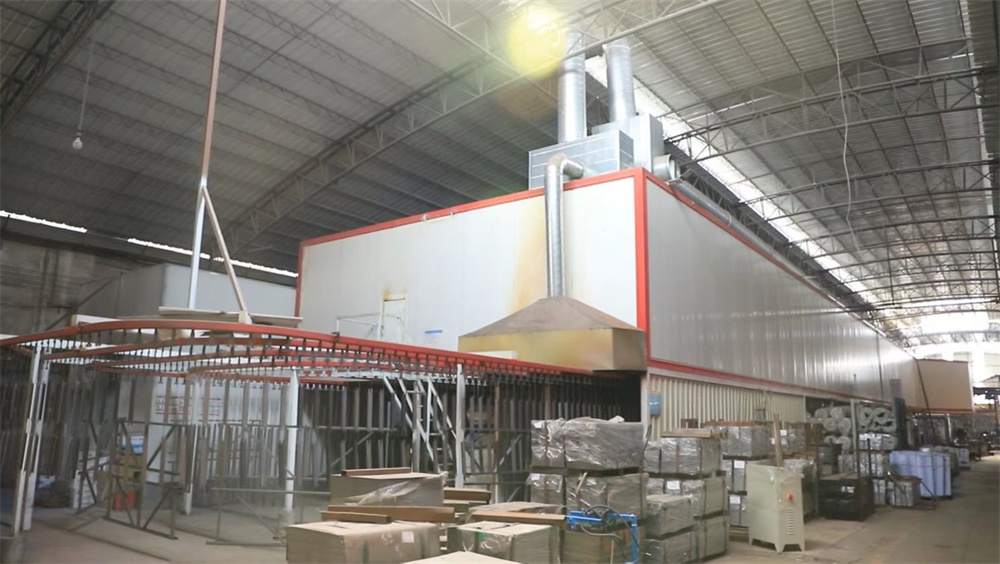
Addressing the Future of Hybrid Intralogistics, Material Handling, and Eco-Friendly Finishing
Chengdu DriveRacks prioritizes continuous engineering development. Led by our dedicated team of 110 R&D design engineers, we track industry shifts to optimize our products. Our technical development focus areas include:
Our quality control team includes 30 certified inspectors. They conduct testing throughout the manufacturing lifecycle to ensure reliable, high-performance systems:
Addressing structural compliance, customized manufacturing variables, lead times, and global shipping.
Our systems conform to international structural safety codes. Depending on destination requirements, we manufacture according to Europe's CE guidelines, Australia's AS4084-2012, and the US Rack Manufacturers Institute (RMI) standards. Quality management operations are verified under ISO 9001:2015.
Our R&D team uses advanced Finite Element Analysis (FEA) software. We model upright and beam profiles under local seismic parameters, factoring in site-specific ground acceleration rates, maximum load limits, and deflections to ensure long-term physical stability in active zones.
Standard manufacturing timelines run between 25 to 35 days from design approval to container dispatch. This timeline varies based on order volume and customization details, such as unique profile shapes, dynamic accessories, or specialty powder colors.
We provide hot-dip galvanizing for outdoor or refrigerated environments, and electrostatic powder coating for standard warehouse and retail environments. Coatings are applied at thicknesses of 60 to 90 microns to prevent corrosion and physical scratching, and are available in custom RAL colors.
To optimize manufacturing setup and shipping costs, our standard MOQ is typically one 20-foot shipping container. For special projects or trial orders, our design team can work with you to plan custom quantities.
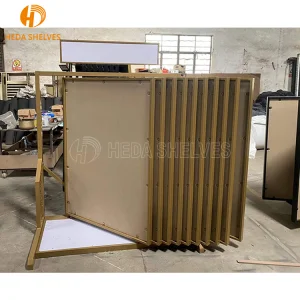
High-performance display accessories, checkout zones, and specialized mezzanine flooring units.
 DriveRacks