Engineered to deliver structural integrity and high-density performance for modern warehouse systems, cold room operations, and archive environments.
An Analysis of Market Valuation, Spatial Dynamics, and the Structural Physics of Space Efficiency
The global warehousing and logistics industry is undergoing a structural paradigm shift driven by soaring real estate valuations and the critical need for spatial efficiency. Mobile shelving systems (MSS), also referred to as dynamic storage installations or mobile carriage racking, represent the pinnacle of high-density logistics engineering. By eliminating static, dedicated access aisles and replacing them with a single, dynamically configurable aisle, mobile shelving systems allow facility operators to reclaim up to 50% to 70% of wasted footprint.
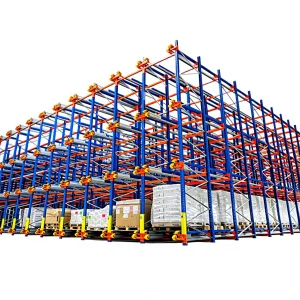
In modern commercial metropolitan zones, where industrial land acquisition costs have scaled exponentially over the past decade, static storage systems represent a heavy overhead. Mobile shelving assemblies shift the spatial paradigm from horizontal expansion to volumetric density. The core physics of these systems rely on mounting heavy-duty shelving bays, cantilevers, or pallet racks onto structural steel mobile carriages guided by precision-engineered floor tracks. This mechanical mobility enables entire blocks of shelving to move laterally, opening access paths only when and where required.
Increases storage capacity by up to 100% within the exact same structural footprint, cutting overhead energy and leasing costs.
Integrates directly with Warehouse Management Systems (WMS) to automate path selection and minimize order cycle times.
Configurable for light office archives up to heavy-duty industrial configurations carrying upwards of 24 tons per bay.
From a macro perspective, the adoption rate of motorized and automated mobile racking has seen double-digit compound annual growth (CAGR) in regions like Western Europe, North America, and high-density industrial hubs across the Asia-Pacific. As cold storage facilities and temperature-controlled pharmaceutical warehouses face high cooling costs, the push to maximize space and reduce volume has turned mobile racking from a premium design choice into an industry necessity.
Understanding structural steel chemistry, electrical drive arrays, and functional safety systems
The manufacturing of reliable mobile shelving requires strict compliance with international mechanical and structural codes. Modern systems rely on high-yield structural steel alloys—primarily Q355B or Grade 50 steel—to handle dynamic bending moments and high static load parameters. Structural members undergo advanced cold-roll forming to create optimized profiles that minimize weight while maximizing load carrying capacity.
The engineering roadmap for dynamic mobile systems is split into three primary structural layers:
Future system designs point toward integration with Autonomous Mobile Robots (AMRs) and Automated Guided Vehicles (AGVs). By linking the physical mobile carriage controls directly with WMS/WCS APIs, the warehouse system can open the correct access aisle automatically before a robotic forklift or picker reaches the bay, reducing processing bottlenecks and increasing operational efficiency.
Tailoring system designs for diverse regional environments, from cleanrooms to active earthquake zones
Deploying dynamic shelving globally requires deep knowledge of regional requirements and local structural codes. A design that functions well in a low-risk geographical zone may be unsafe in a seismically active area.
In seismic regions like Japan, parts of Latin America, and the West Coast of the United States, mobile shelving systems must feature robust anti-tip mechanisms, dynamic floor anchors, and automatic seismic shut-off sensors. Structural columns require heavier baseplates and anchoring bolts engineered to absorb lateral kinetic energy without sheared failure.
Additionally, environmental factors dictate material finishes and coating specifications:
A global leader in high-density material handling systems and heavy-duty storage infrastructure
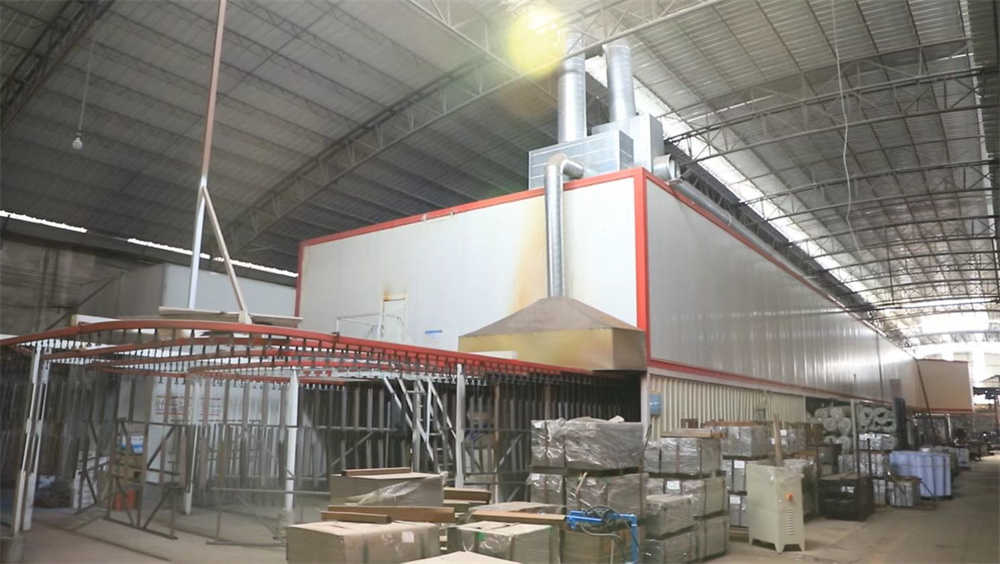
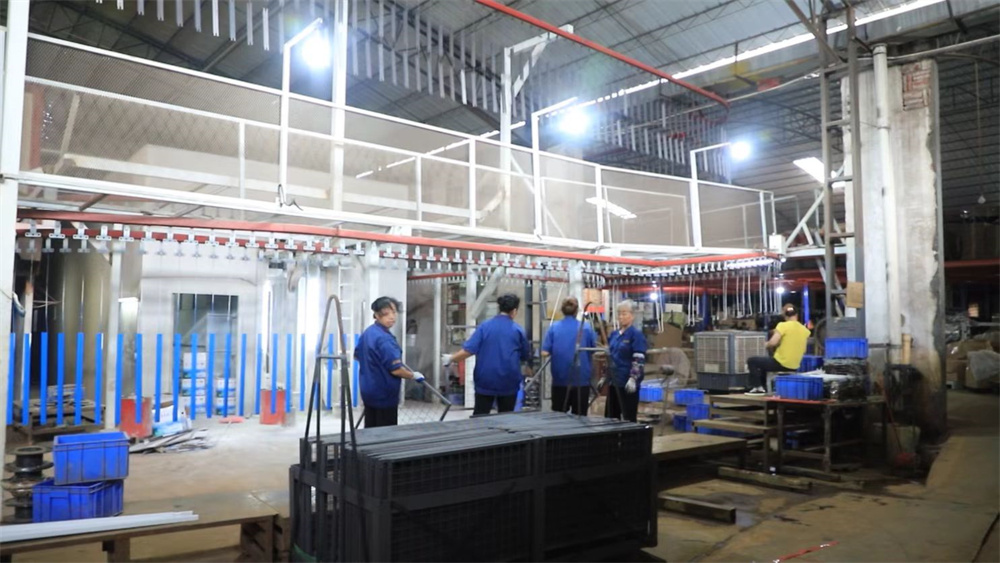
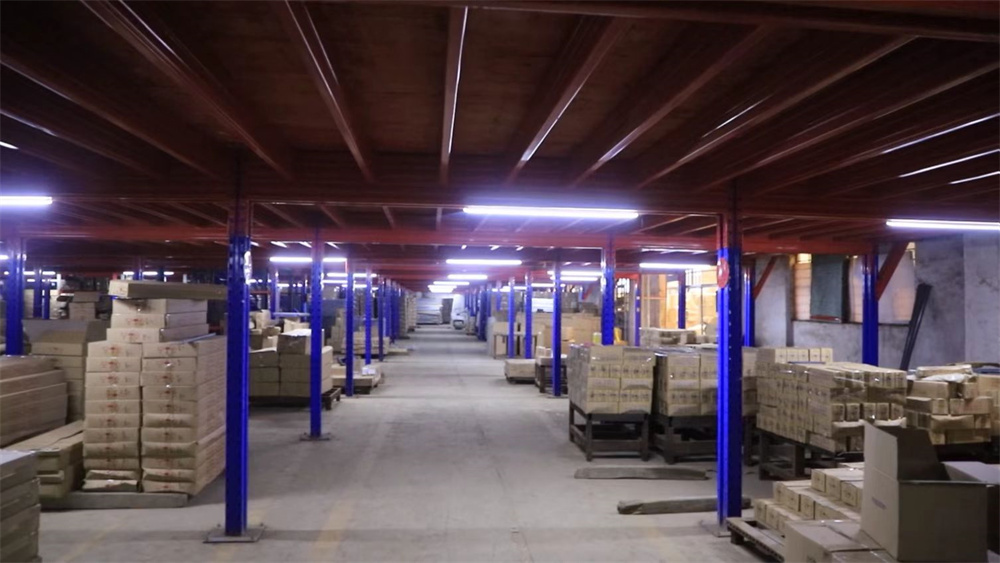
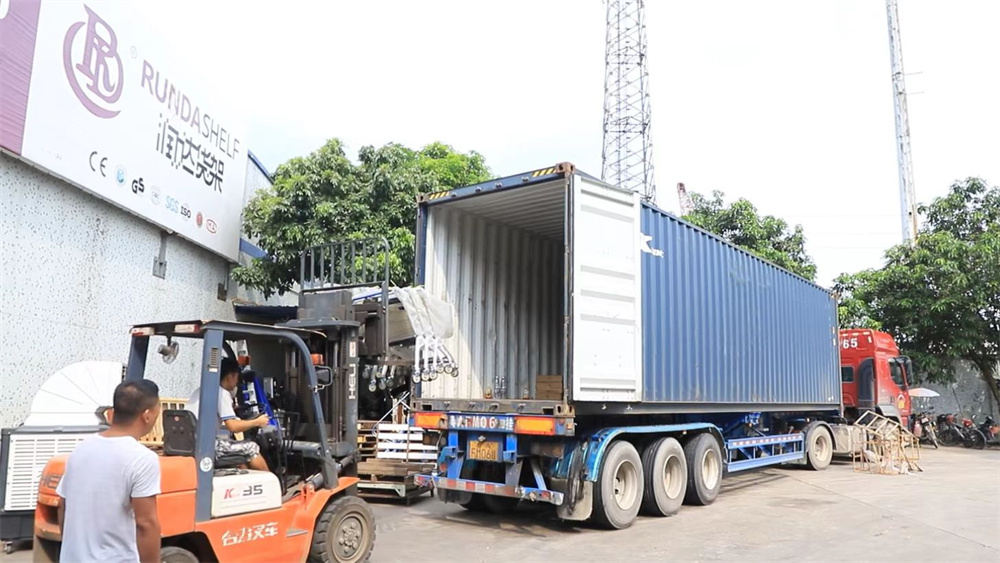
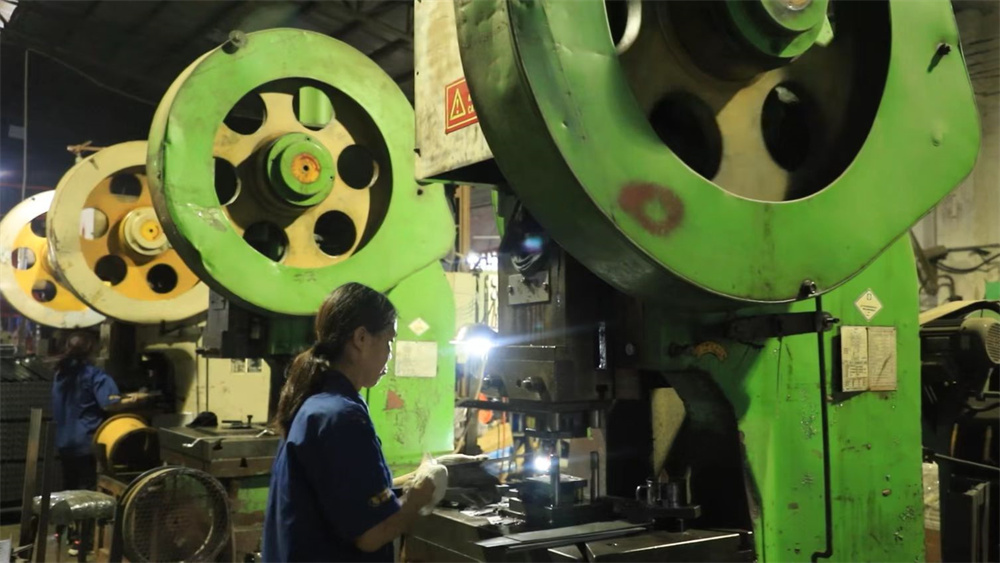
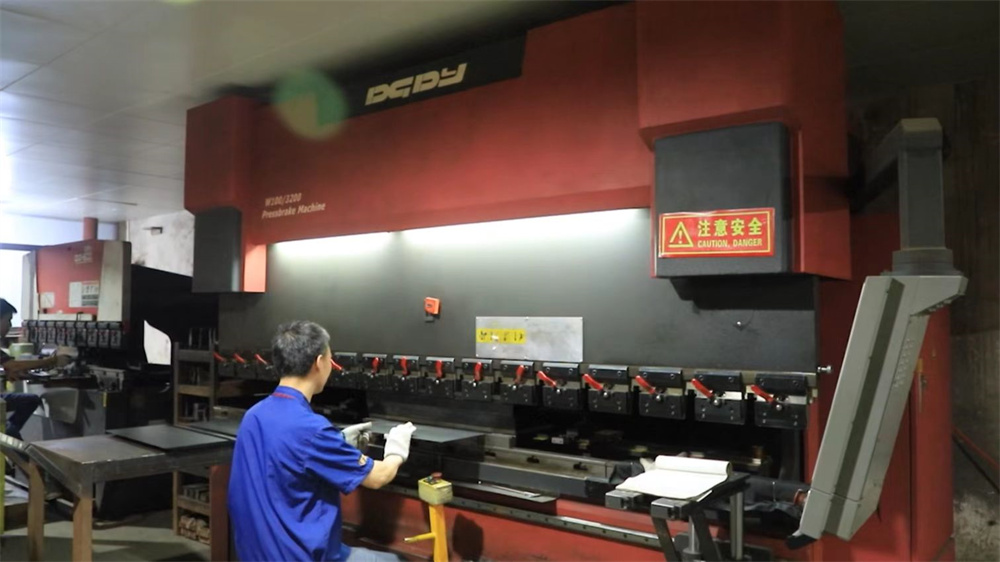
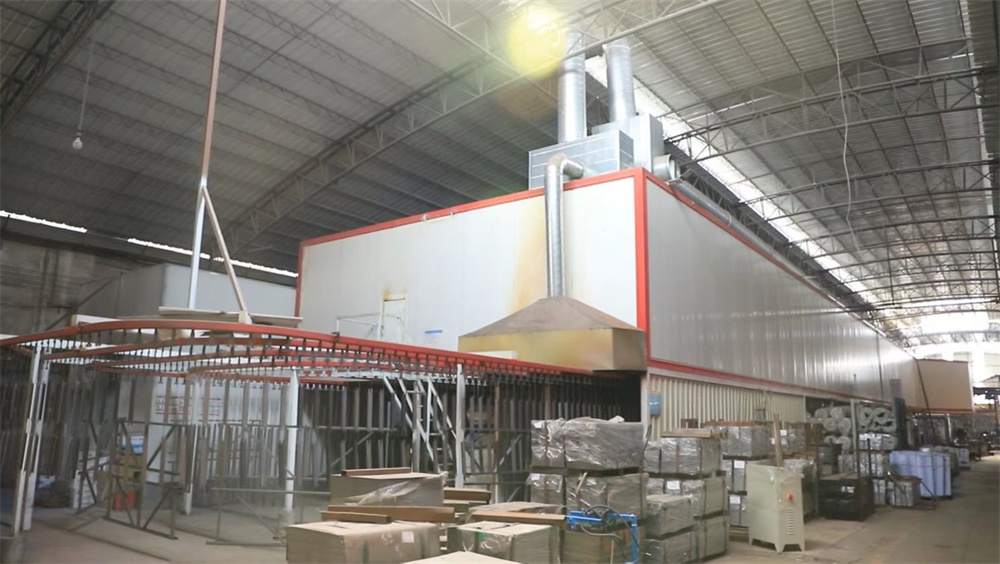
Established in 2017, Chengdu DriveRacks Industrial Technology Co., Ltd. operates a state-of-the-art 42,000 m² manufacturing plant dedicated to advanced material handling and heavy-duty storage infrastructure. Delivering $35 million in annual export revenue, we bring 9 years of deep industry expertise and 6 years of international trade operations. Quality is integral to our process; our team of 30 certified inspectors executes rigorous raw material tensile testing and automated powder-coating thickness audits. Serving high-growth markets across the Middle East, Latin America, and Oceania, DriveRacks leverages a robust ecosystem of 1,200 supply chain partners. We primarily serve enterprise warehouse operators, e-commerce fulfillment hubs, and heavy equipment manufacturers. Powered by 110 skilled R&D engineers focusing on smart automation and high-density racking design, we released 250 dynamic product iterations last year and provide comprehensive customization spanning rack dimensions, seismic ratings, and surface treatments.
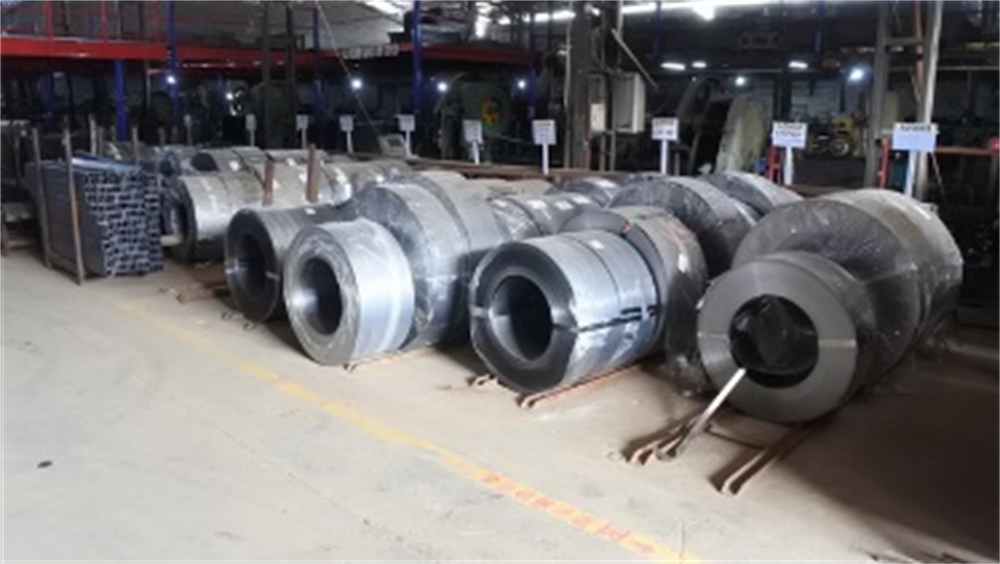
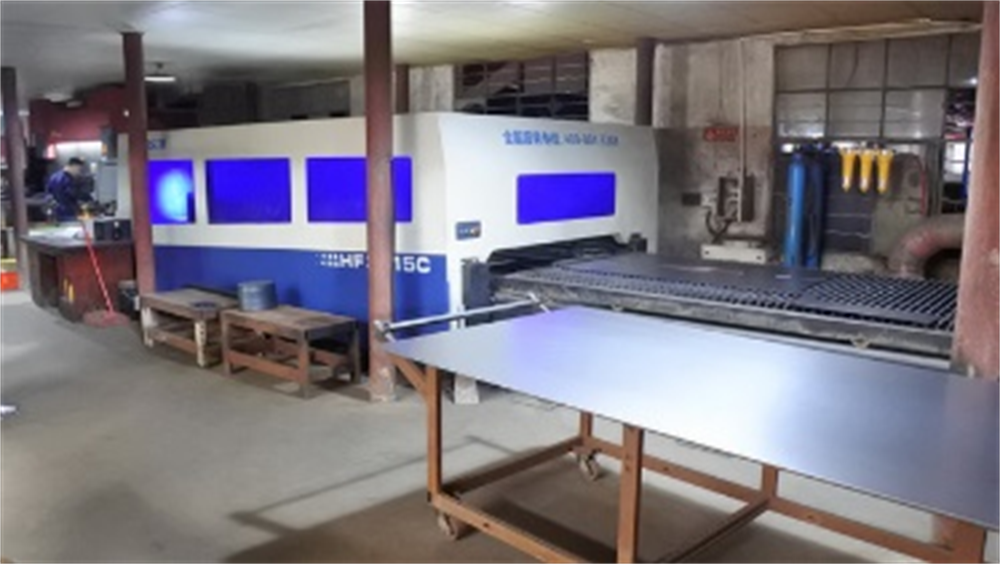
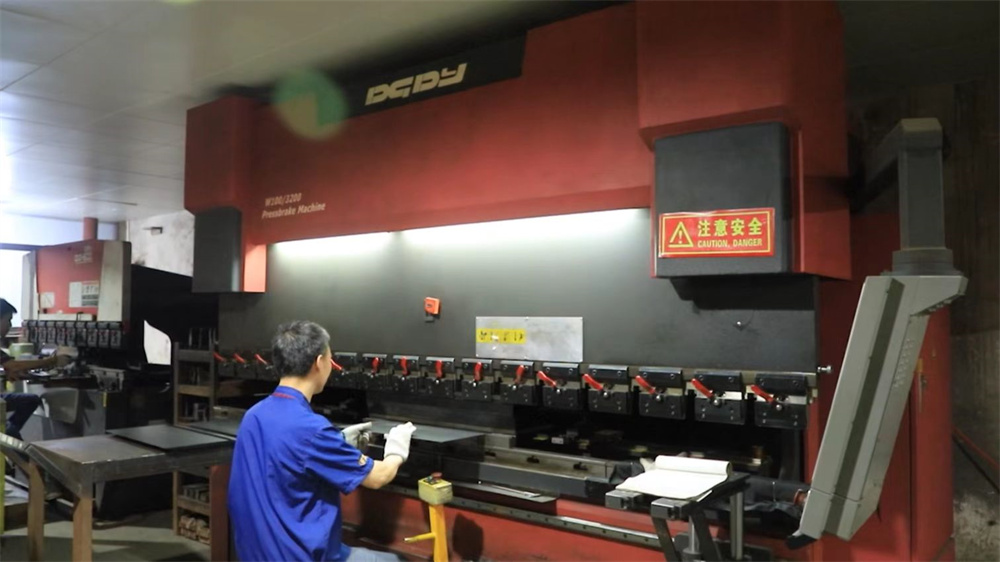
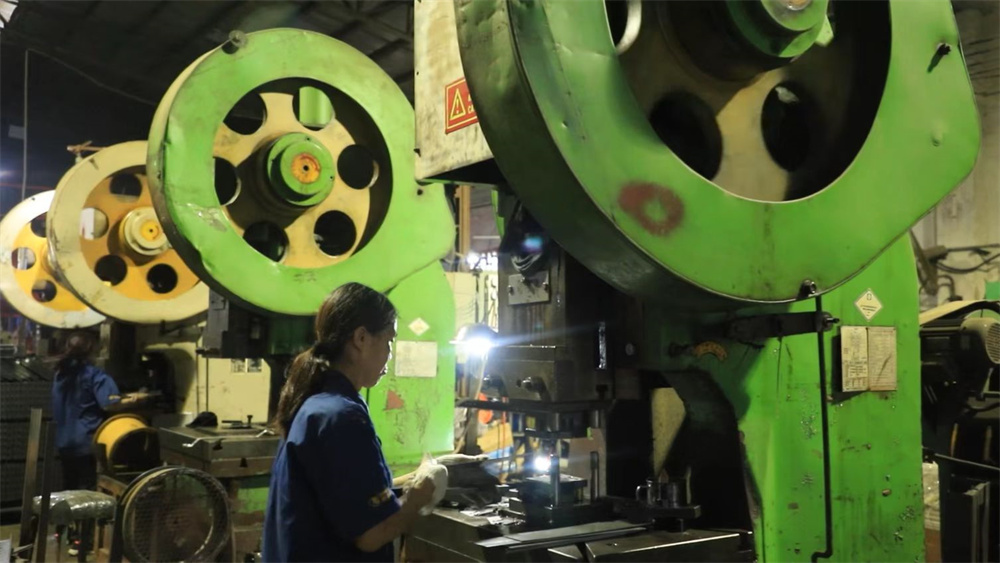
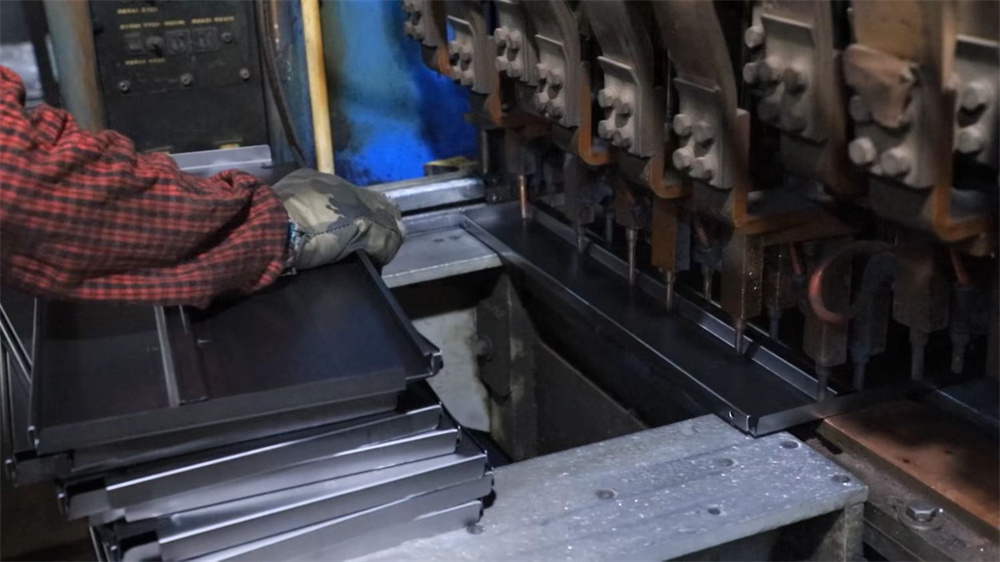
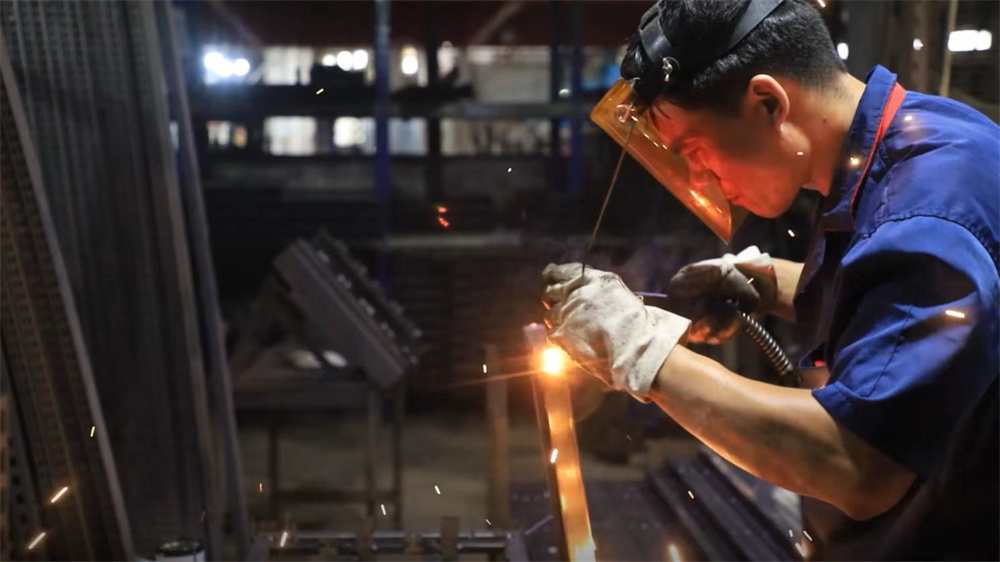
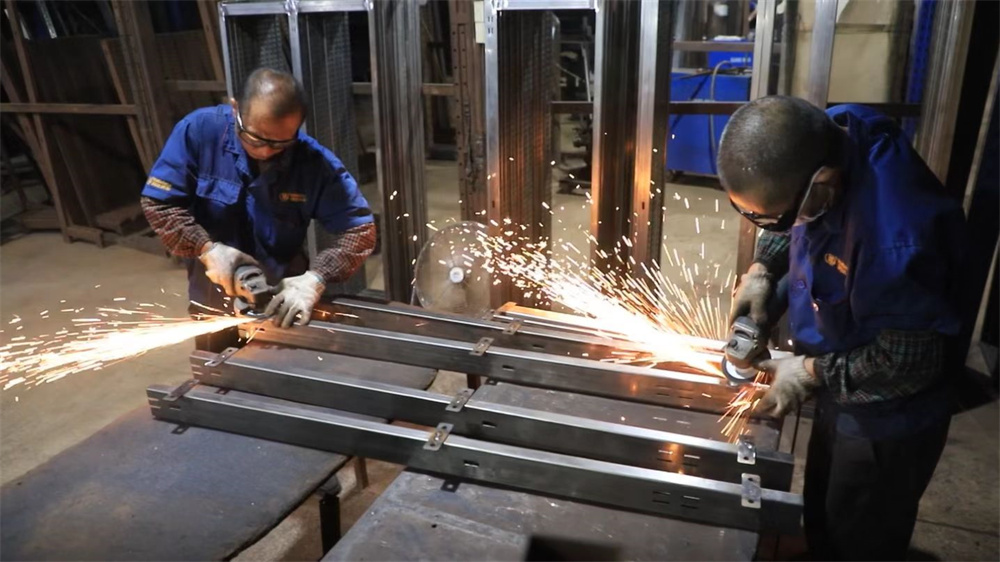
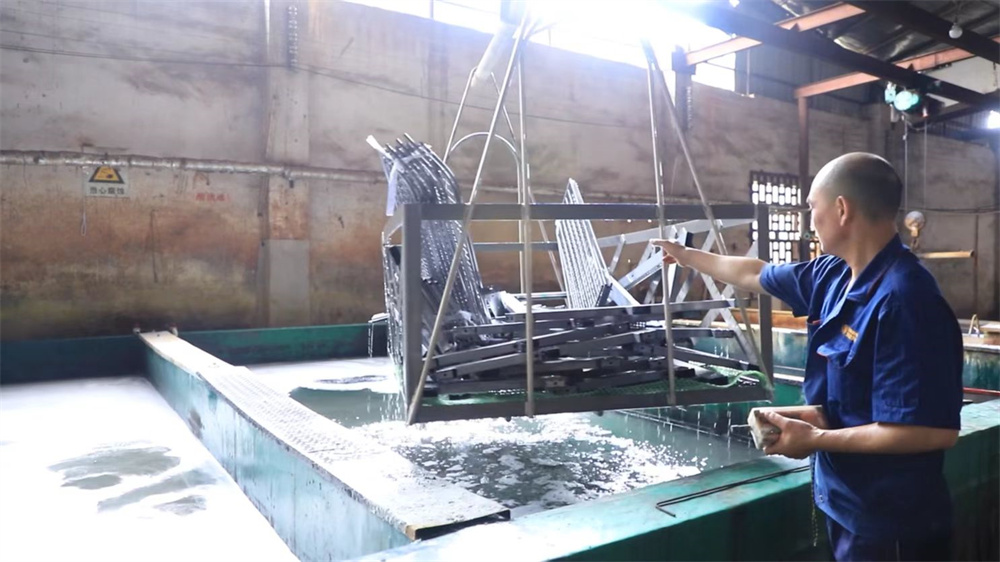
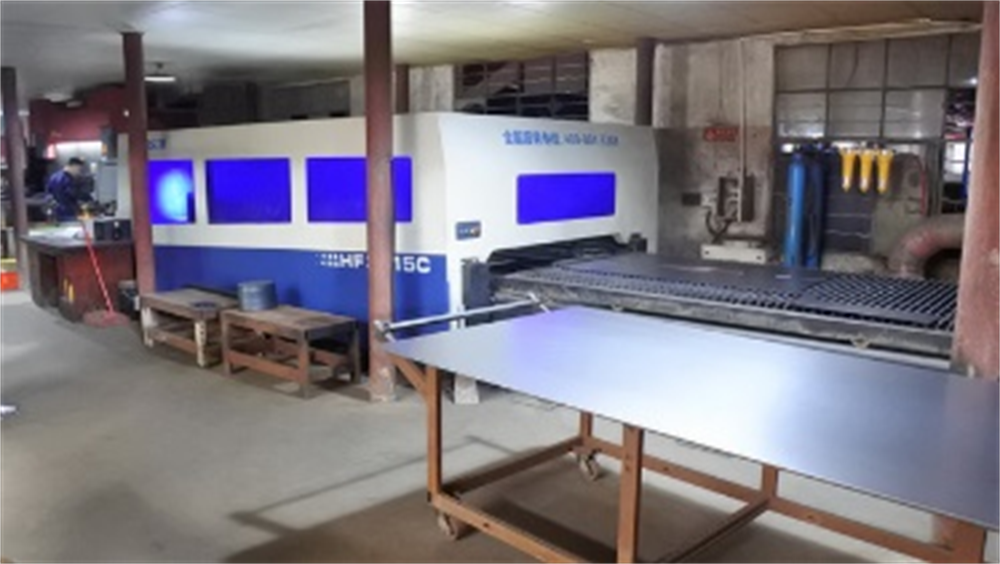
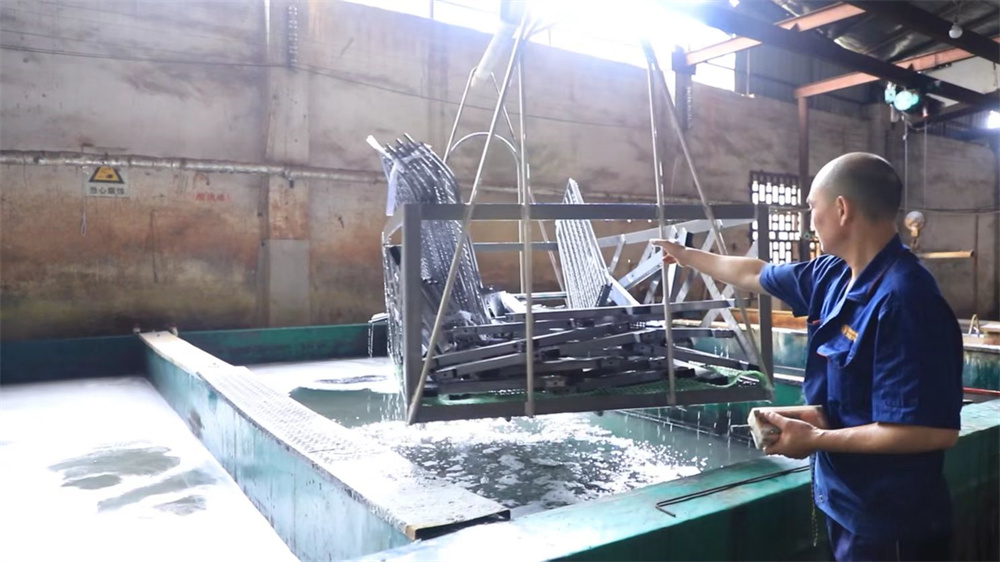
Our end-to-end production process is run on automated machinery to ensure tight dimensional tolerances and durable finishes.
Answers to critical questions regarding floor loading requirements, electrical engineering, and safety standards
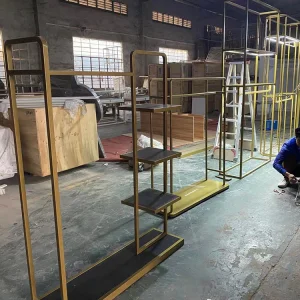
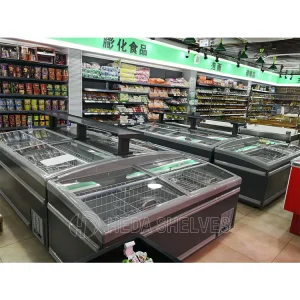
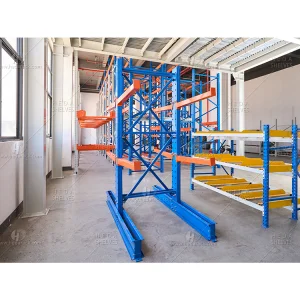
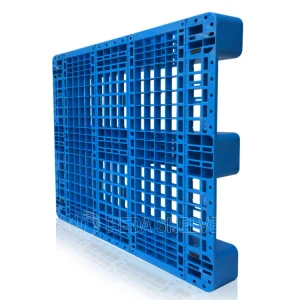
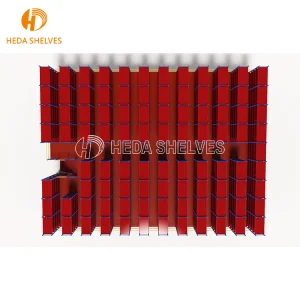
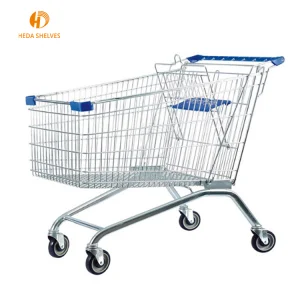
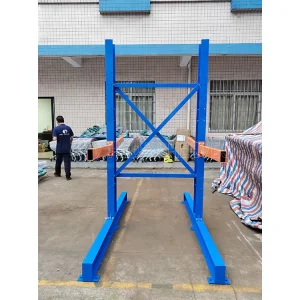
A versatile selection of commercial equipment, refrigeration units, structural storage platforms, and material transport options.

 DriveRacks