Unlocking Warehouse Density: How Dynamic Gravity-Fed Nested Cart Engineering Revolutionizes Modern Material Handling Operations.
The global warehousing landscape is undergoing a critical structural paradigm shift. Space constraints, high land valuation costs, and the rapid expansion of Cold Chain Logistics have forced warehouse planners to look beyond traditional Selective Pallet Racking. Standard solutions require excessive aisles, yielding less than 40% spatial utilization. Enter Push-Back Storage Systems, a modern engineering marvel optimized for high-density, Last-In, First-Out (LIFO) pallet flow management.
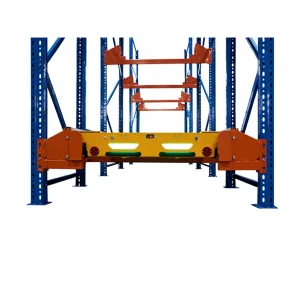
By leveraging nesting carts on an inclined track assembly, push-back storage systems eliminate dedicated pick aisles. Forklift operators push the front pallet back to expose nested carts underneath. Upon unloading, gravity glides the remaining pallets smoothly to the pick face, controlling travel speed with engineered decelerators. The result is a highly efficient operational dynamic where structural stability meets optimized retrieval rate performance.
Historically, early push-back systems struggled with rail alignment tolerances, leading to pallet binding and derailments. Modern material handling relies on high-grade CAD engineering, structural steel components, and precision bearing steel wheels. With today’s dynamic smart designs, storage configurations can extend from 2 to 6 pallets deep, maximizing SKU capacity while keeping forklifts in the main aisle, dramatically reducing structural impact damage.
As warehouse operators scale up their automation matrices, push-back racking bridges the gap between high-overhead Automated Storage and Retrieval Systems (AS/RS) and simple static racking, offering the perfect blend of capital efficiency and mechanical reliability.
Decisive metrics used by Fortune 500 procurement teams when vetting structural racking manufacturers and global logistics suppliers.
Premium suppliers strictly source certified Q355B or SS400 structural steel. This guarantees minimum tensile strength parameters capable of enduring extreme shear and moment loads in heavy warehouse environments.
Cart assembly deviations must not exceed ±0.5mm. Precision dynamic machining ensures smooth trolley movement and eliminates friction points that trigger pallet stalls or forklift retrieval damage.
Advanced racking must comply with FEM 10.2.02, RMI, or AS4084 standards. High-seismic zone designs incorporate heavy-duty baseplates, floor anchoring, and dynamic bracing configurations.
A comparative overview of high-density storage configurations to help you make informed planning and investment decisions.
| Racking Architecture | Density Level | Selectivity Profile | Pallet Depth Limit | Operation Protocol | Investment ROI Factor |
|---|---|---|---|---|---|
| Push-Back Racking | High (75% Max) | Medium (LIFO) | 2 to 6 Pallets | Standard Forklifts | Rapid (2-3 Years) |
| Drive-In Racking | High (70% Max) | Low (LIFO) | Up to 10 Pallets | Forklift Enters Rack | Low Initial Capital |
| Pallet Flow Racking | Very High (85%) | High (FIFO) | 2 to 20 Pallets | Gravity Roller Lane | High Capital |
| Radio Shuttle System | Extreme (90%+) | Flexible (LIFO/FIFO) | Up to 40 Pallets | Semi-Automated Robot | Mid-to-Long Term |
Empowering Global Warehouses with Advanced Material Handling and Heavy-Duty Storage Infrastructure.
Established in 2017, Chengdu DriveRacks Industrial Technology Co., Ltd. is a leading manufacturer of advanced material handling and heavy-duty storage infrastructure. Backed by 9 years of deep industry expertise and 6 years of international trade experience, we deliver reliable, high-performance racking solutions to global enterprises.
Quality is at the core of everything we do. Our team of 30 certified inspectors runs rigorous raw material tensile testing and automated powder-coating thickness audits. Serving high-growth markets across the Middle East, Latin America, and Oceania, DriveRacks leverages a robust ecosystem of 1,200 supply chain partners to support enterprise warehouse operators, e-commerce fulfillment hubs, and heavy equipment manufacturers.
Our engineering team, consisting of 110 skilled R&D professionals, focuses on smart automation and high-density racking design. Last year alone, we rolled out 250 dynamic product iterations. We offer comprehensive customization options, spanning rack dimensions, seismic ratings, and corrosion-resistant surface treatments, ensuring your storage system is tailored to your exact needs.
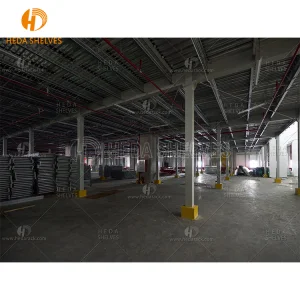
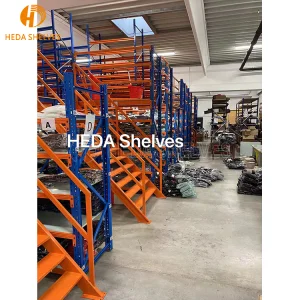
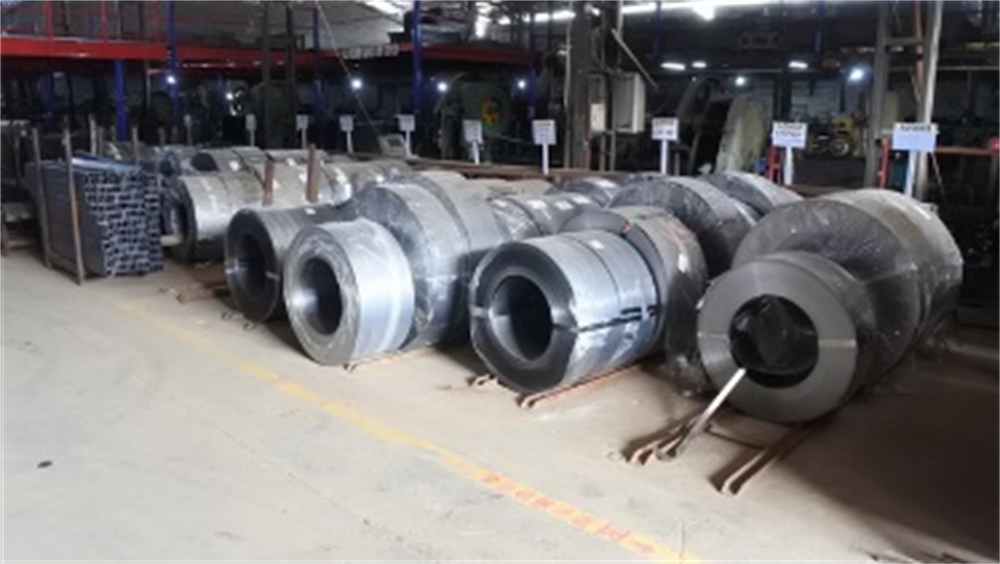
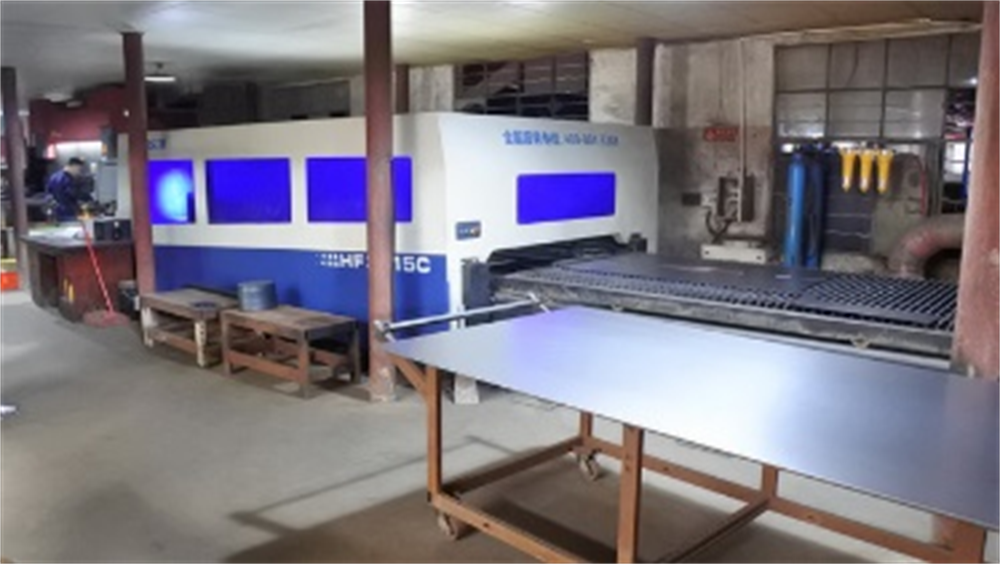
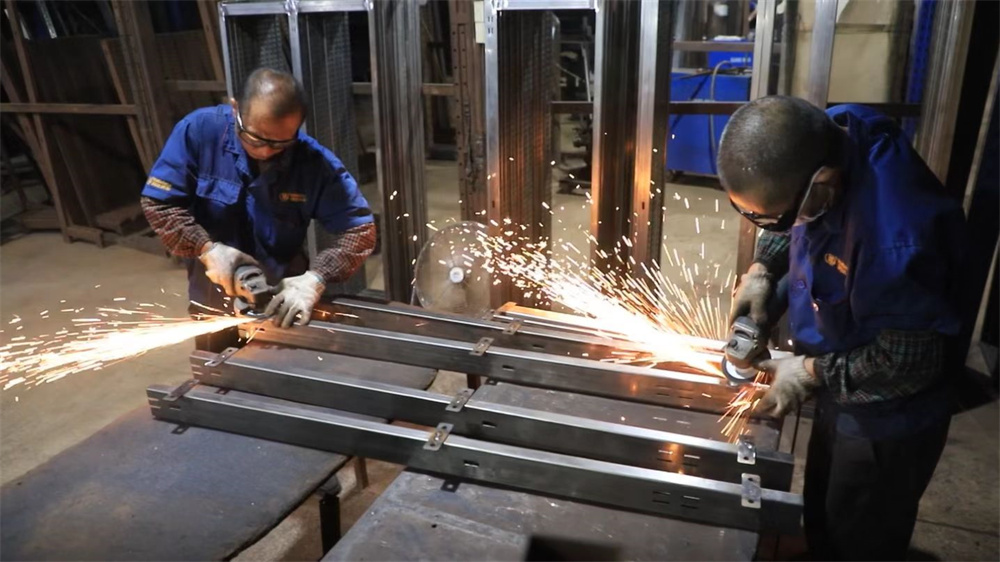
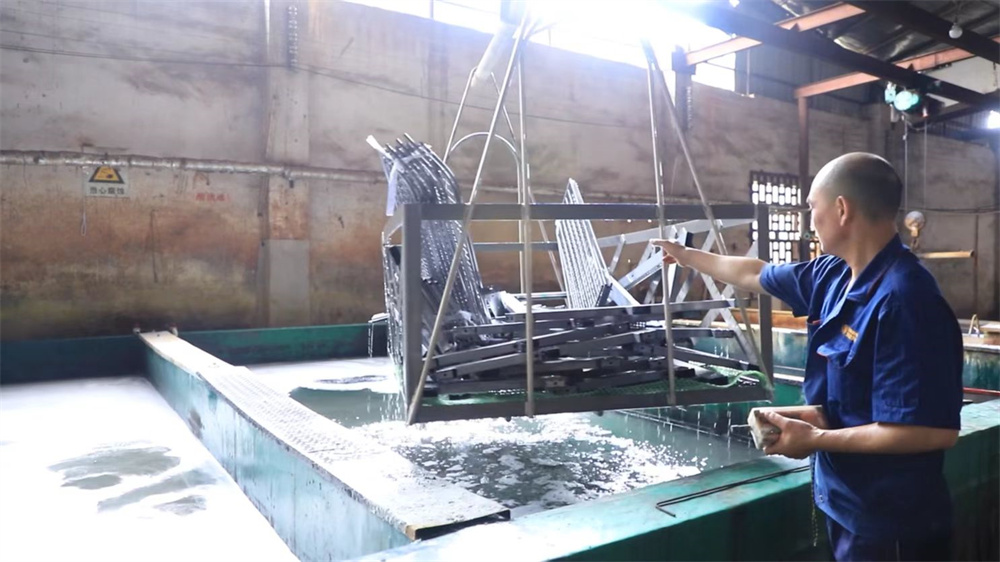
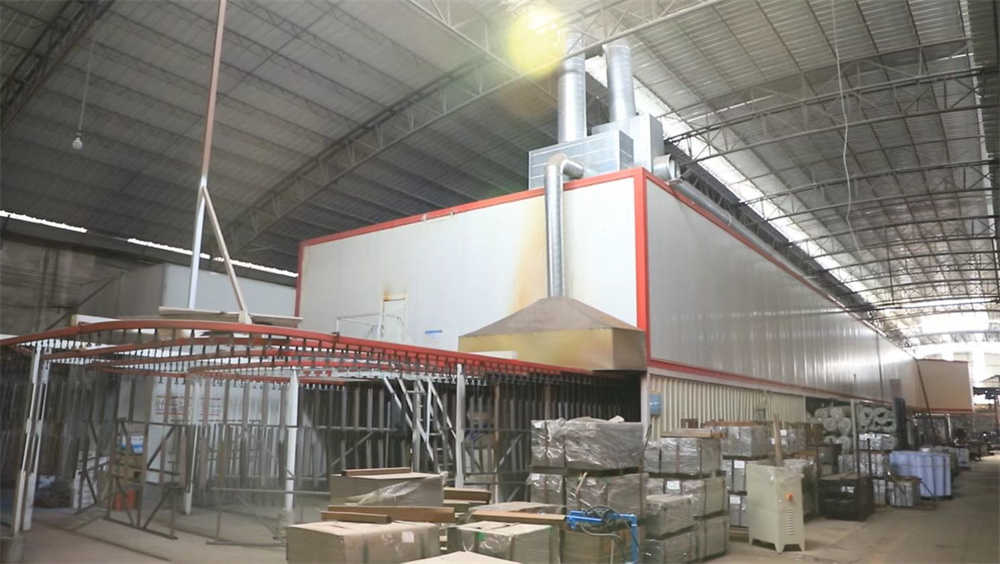
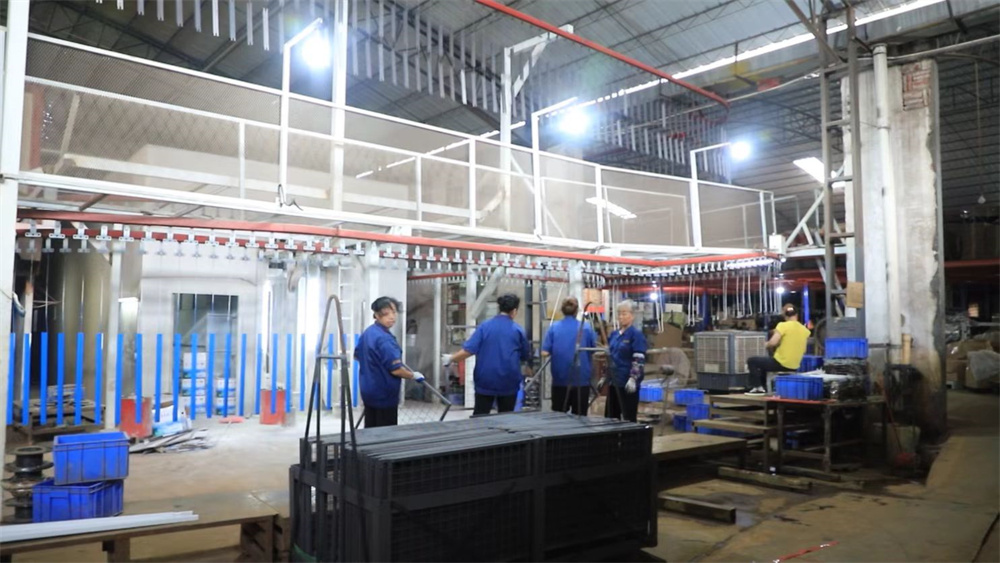
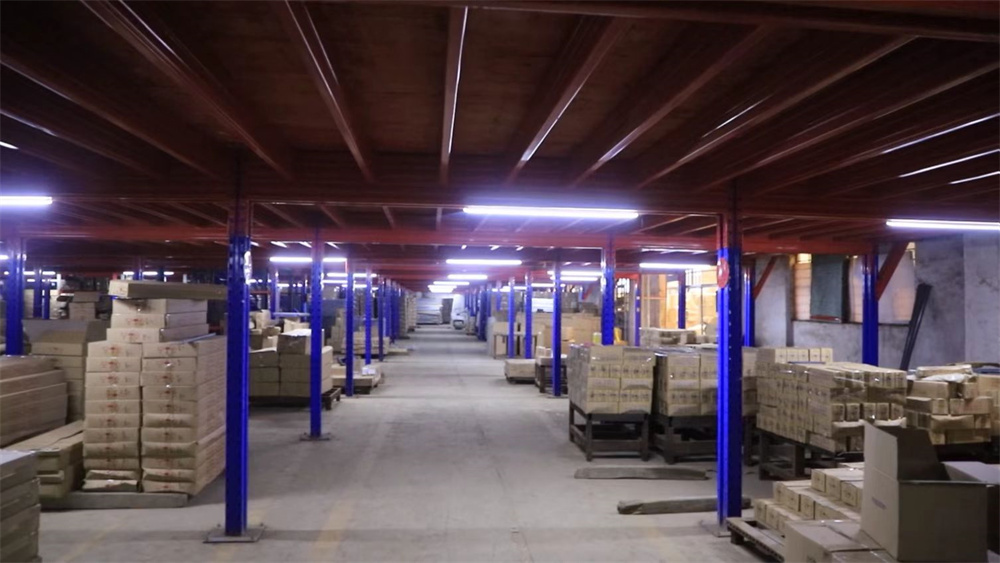
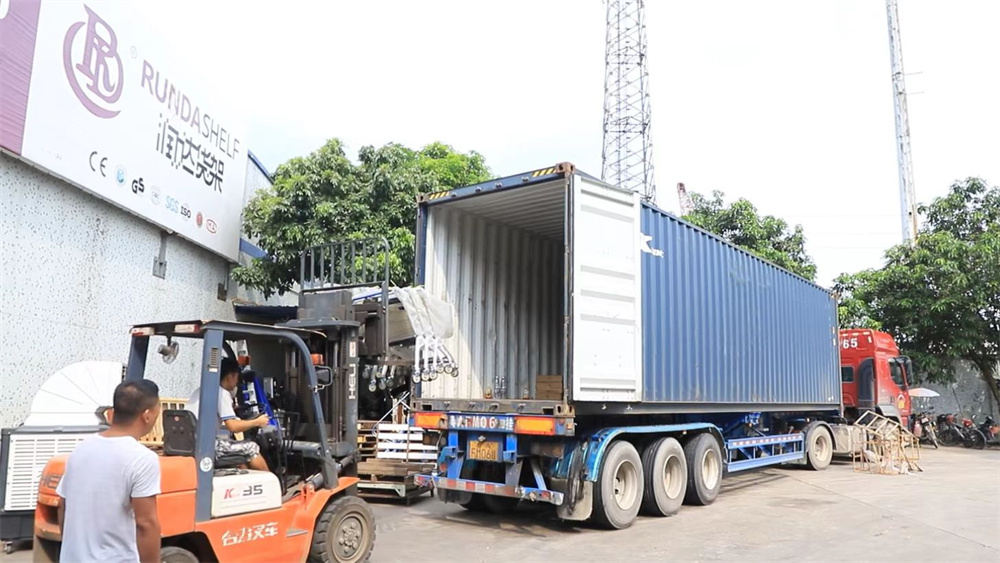
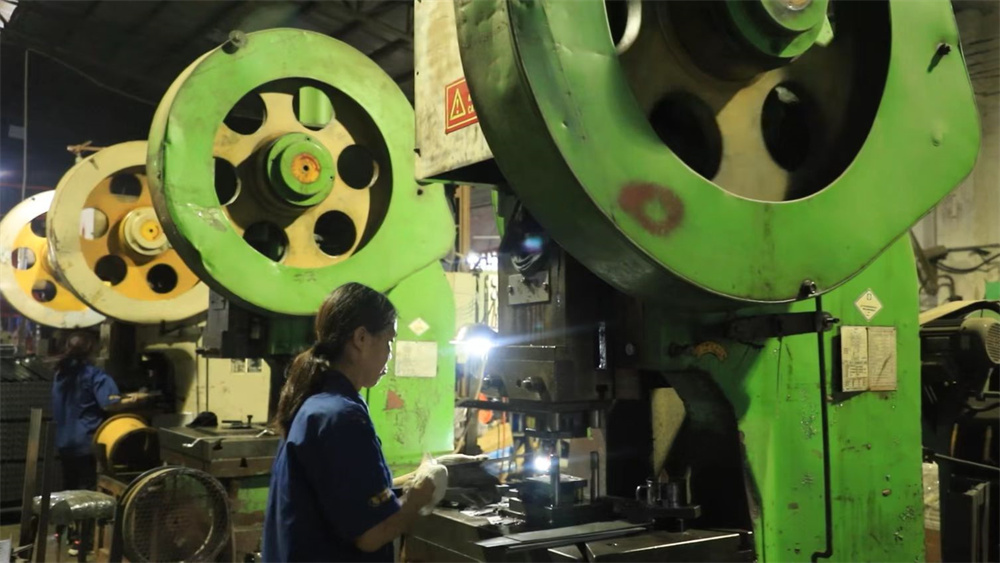
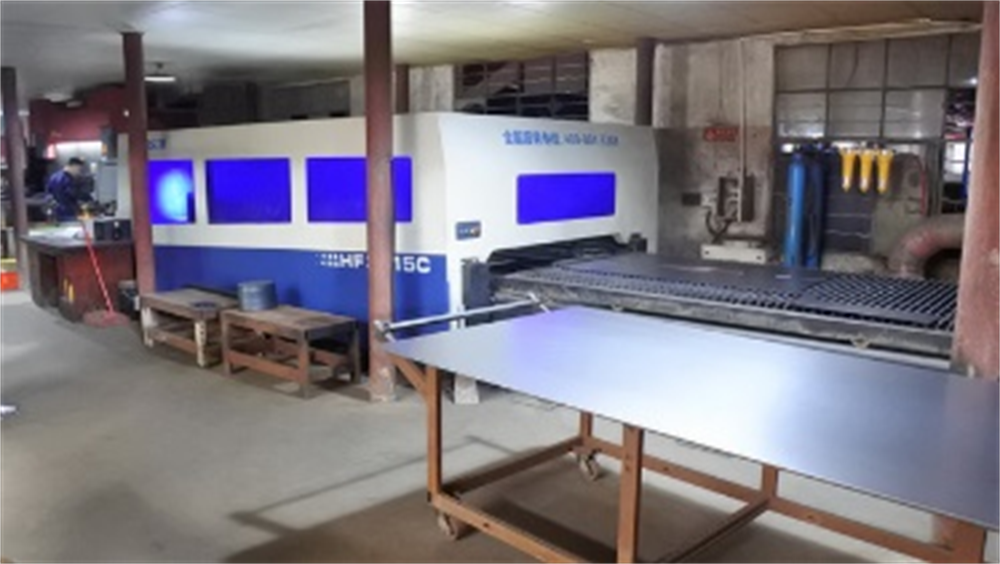
Take a visual tour through our advanced manufacturing facility, where raw steel is transformed into high-precision storage systems.
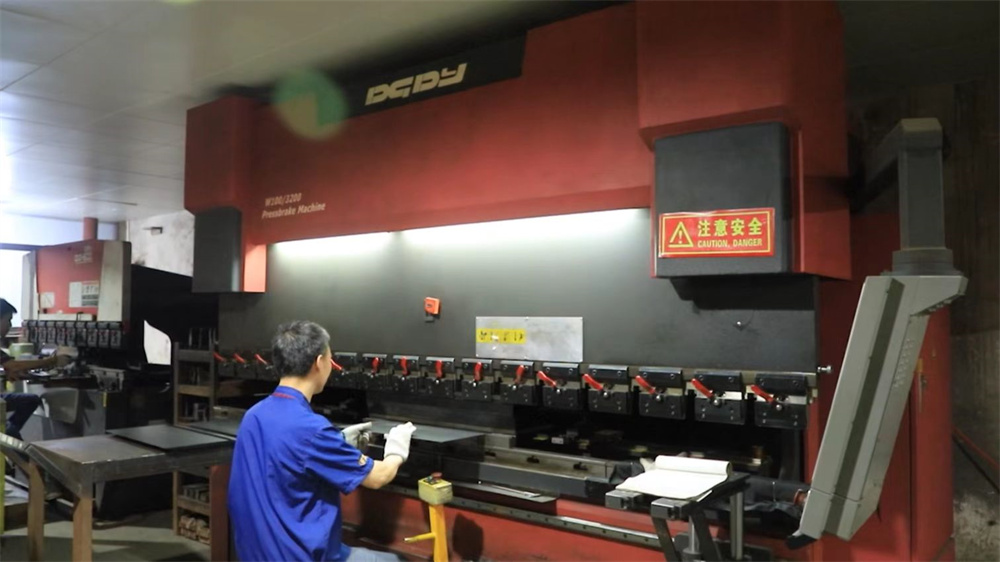
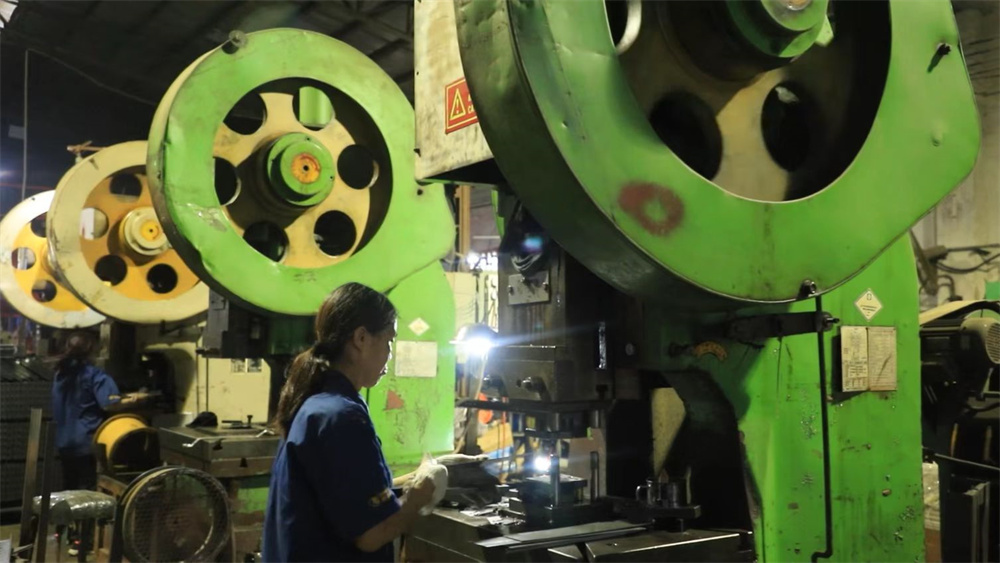
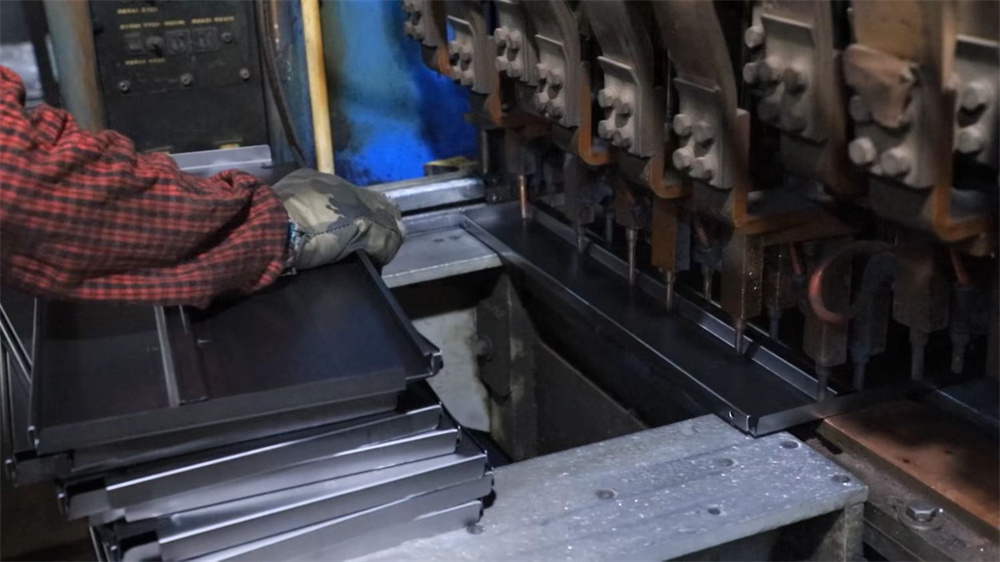
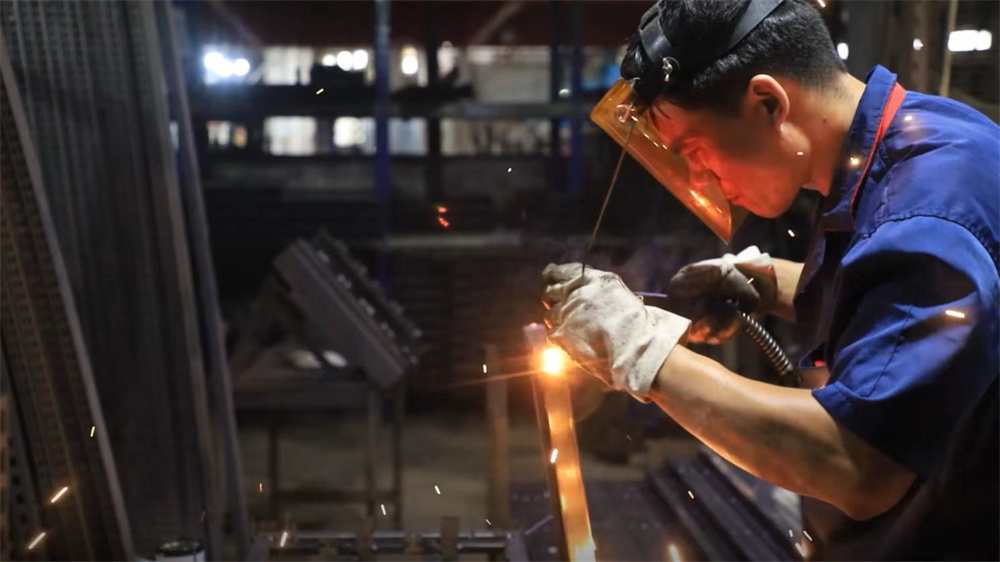
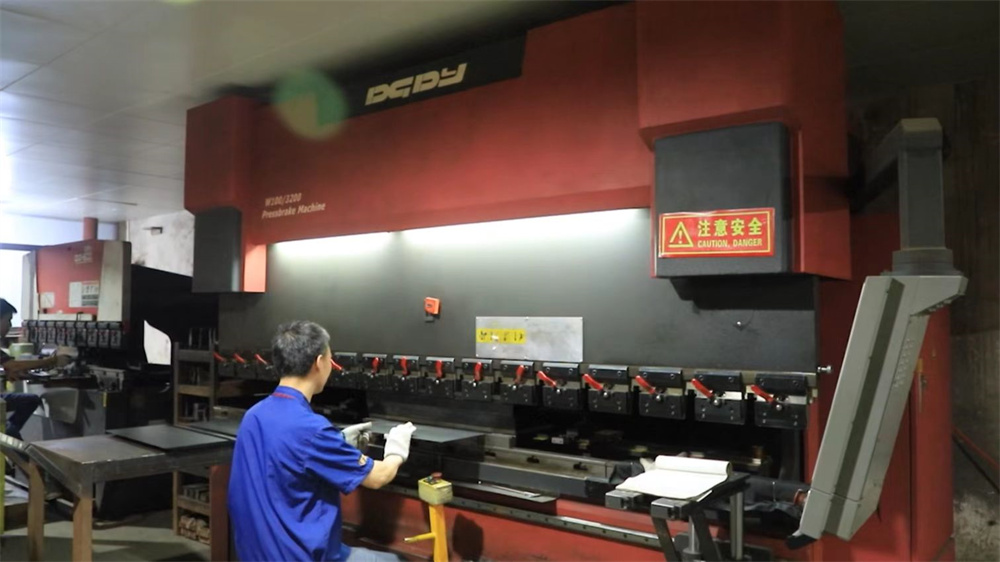
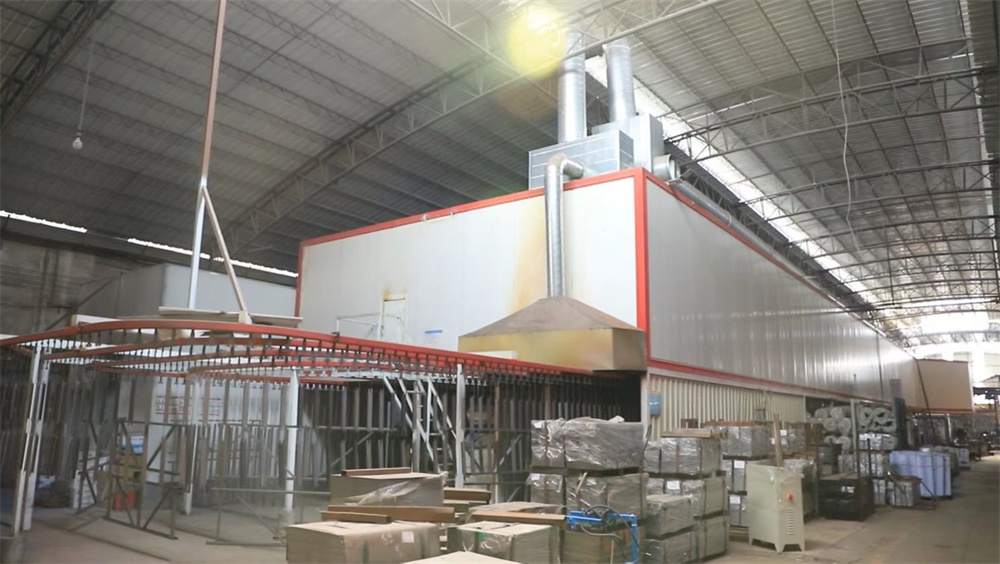
How Chengdu DriveRacks meets localized construction codes, safety norms, and logistic protocols across international borders.
Navigating global compliance standards can be complex. Chengdu DriveRacks ensures all installations are compliant with regional building codes. From the European EN 15512 and the American RMI standards to Australia's AS4084, we tailor our structural design files to secure local permit approvals seamlessly.
Our international design support features site-specific finite element calculations. We customize dynamic racking installations in seismic-active zones across the Americas and Oceania, incorporating customized vertical bracing and heavy anchor plates designed for safety and longevity.
Blending high-density mechanical gravity systems with digital intelligence, RFID inventory control, and automated shuttles.
We are developing smart integrated strain-gauge sensors. These micro-sensors monitor stress loads on critical upright columns, sending real-time warnings to alert warehouse operators before structural failures can occur.
Our upcoming low-profile cart configurations save valuable vertical inches per level. This allows operators to add additional storage tiers in warehouses with restricted ceiling clearances.
Designed for cold storage and pharmaceutical facilities, our new eco-friendly coating prevents oxidation and degradation under chemical sanitization regimes down to -30°C.
Detailed answers to complex technical questions on push-back structural storage systems, planning, and integration.
 DriveRacks