In the modern era of logistics, warehousing is no longer merely a static space for physical inventory. It has evolved into a strategic throughput engine where space utilization, operations velocity, and safety dictate business profitability.
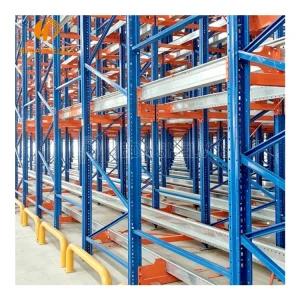
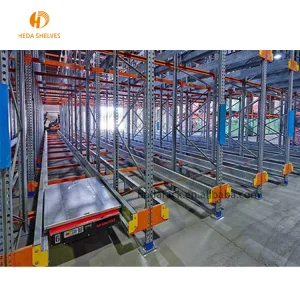
Over the last decade, the global material handling sector has experienced a profound shift from selective pallet racking to high-density semi-automated solutions. Prominent among these is the Radio Shuttle Storage System (also referred to as the pallet runner or pallet mole). Unlike traditional drive-in racking systems, which expose structures to frequent forklift impacts and restrict loading velocity, radio shuttle systems utilize autonomous, low-profile shuttle carts to transport pallets along dedicated guide rails inside the rack lanes.
This structural innovation permits deep-lane storage (up to 40m or deeper per channel) while keeping forklifts out of the racking infrastructure. The global market for these automated storage and retrieval elements is growing at a compound annual growth rate (CAGR) of over 9.2%, propelled by industrial land price appreciation, cold-chain capacity expansions, and fast-moving consumer goods (FMCG) fulfillment demands. In regional contexts, Western Europe, North America, and parts of the Asia-Pacific lead in the deployment density of high-level shuttle systems, with a particular focus on minimizing energy footprints in temperature-controlled environments.
To implement a radio shuttle storage system successfully, engineers must evaluate the integration between physical steel racking and the electro-mechanical components of the mobile shuttle cart. Unlike conventional racking, the rail tolerance on a shuttle system is extremely narrow—typically requiring a deflection ratio under L/1000 to ensure the vehicle does not slip, stall, or experience premature drive-wheel wear.
The shuttle itself is powered by a high-discharge Lithium Iron Phosphate (LiFePO4) battery or standard Lithium-Ion batteries, allowing for continuous operation between 8 to 16 hours. The electrical control loop relies on industrial PLCs communicating via RF signals (normally at 433 MHz or 2.4 GHz frequencies) to handle inventory sequencing instructions. Below is a structural outline comparing LIFO (Last-In, First-Out) and FIFO (First-In, First-Out) operations in shuttle systems:
When engineering a modern automated warehouse, selecting a storage fabrication and engineering partner is a critical step. Procurement managers must analyze structural steel quality (e.g., Q235B vs. Q355B high-tensile steel grade), powder coating adhesion properties, and the integration compatibility of the shuttle hardware. Below, we detail the top 10 global suppliers and exporters specializing in radio shuttle technology, ranking them by structural durability, international market reach, and engineering innovation.
| Rank | Manufacturer Name | Primary Production Hub | Key Strengths & Specialized Offerings | Target Industries Served |
|---|---|---|---|---|
| #1 | Chengdu DriveRacks Industrial Technology | China (Chengdu) | 42,000 m² state-of-the-art facility, 110 R&D engineers, high customization capabilities, strict raw material tensile test standards. | Automated cold store hubs, FMCG warehouses, e-commerce, global exports. |
| #2 | SSI Schaefer Group | Germany | Highly integrated global supply chains, complex software interfaces (WMS/WCS), high structural precision. | Large-scale AS/RS systems, automotive logistics. |
| #3 | Mecalux, S.A. | Spain | Strong presence in Europe and Americas, high-quality dynamic simulation software, extensive shuttle automation line. | Food & Beverage, pharmaceutical storage. |
| #4 | Jungheinrich AG | Germany | Advanced forklift and shuttle communication systems, high-efficiency battery packs, localized global support networks. | Distribution centers, manufacturing plants. |
| #5 | Stow International | Belgium | Specialized in high-density pallet storage racks, rugged structural profiles (Atlas shuttle system), heavy duty ratings. | Bulk distribution, chemical warehouses. |
| #6 | Interlake Mecalux | USA | North American manufacturing base, compliant with RMI standards, dependable heavy-duty steel builds. | Third-party logistics (3PL), general retail. |
| #7 | Toyota Material Handling | Japan | Precision engineering, lean manufacturing, seamless pairing with automated guided vehicles (AGVs). | Automotive manufacturing, precision components. |
| #8 | Kardex Group | Switzerland | Space-saving vertical and horizontal retrieval designs, innovative automation control loops. | Electronics, high-value small components. |
| #9 | Dexion Group | Norway / Europe | Pioneering structural designs, compliance with European EN and FEM standards, regional engineering networks. | Industrial spare parts, logistics facilities. |
| #10 | System Logistics | Italy | Specialized focus on food & beverage industry, high throughput speed, advanced system integration. | Beverage distribution, agricultural storage. |
China has established itself as the global hub for automated racking fabrication. Chinese manufacturers offer an unmatched combination of raw material availability, advanced production technology, and cost efficiencies.
The efficiency advantages of leading Chinese manufacturers like Chengdu DriveRacks Industrial Technology Co., Ltd. are driven by several key factors:
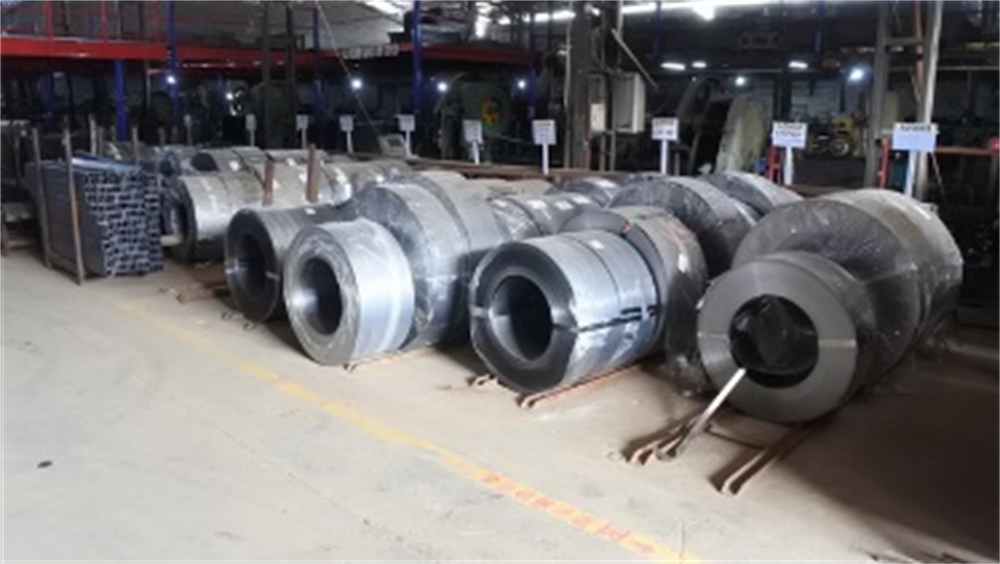
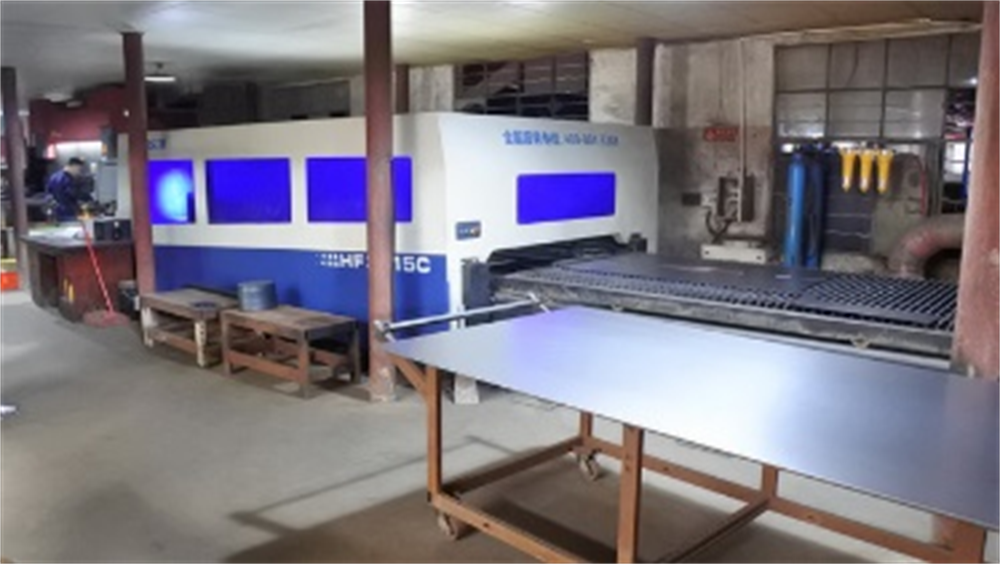
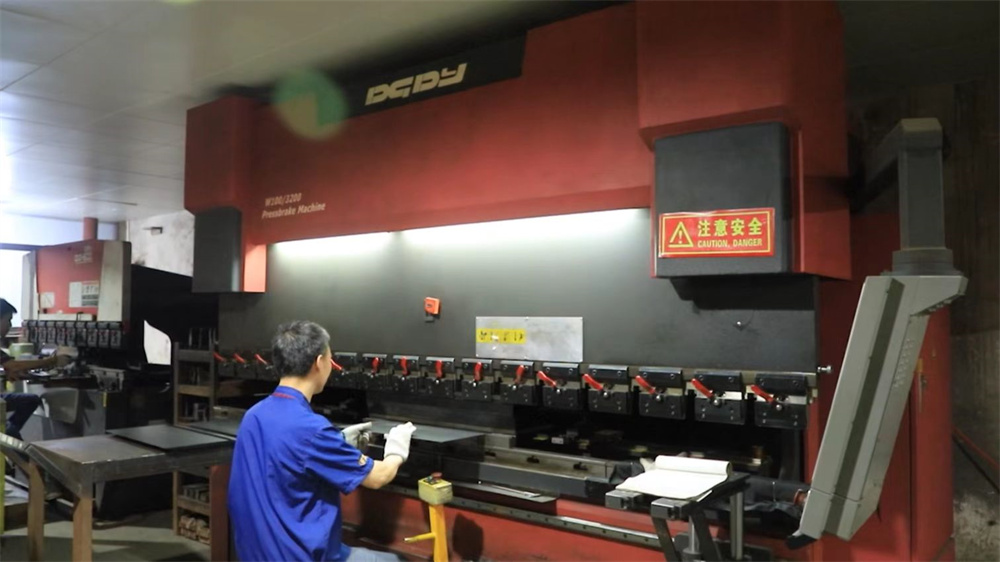
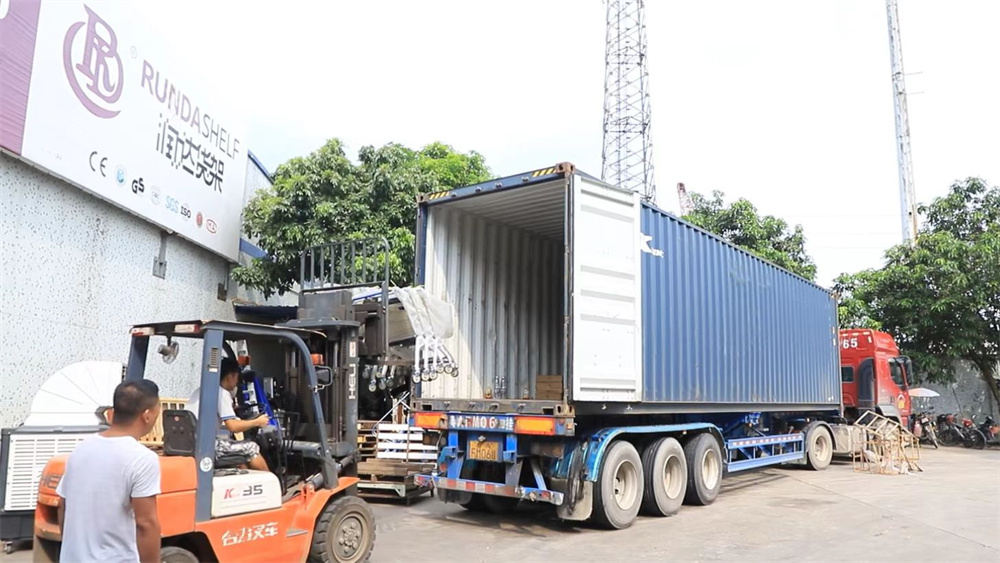
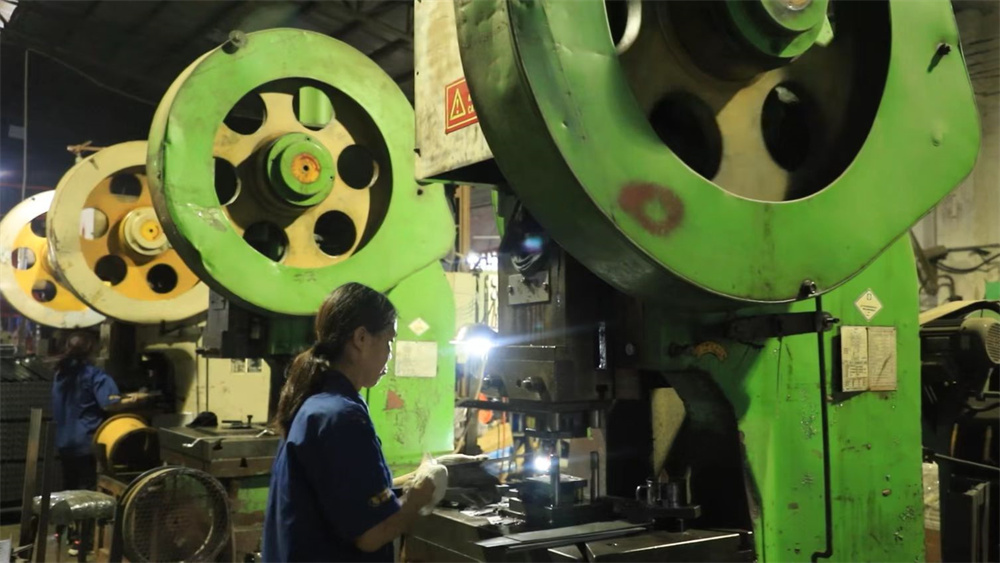
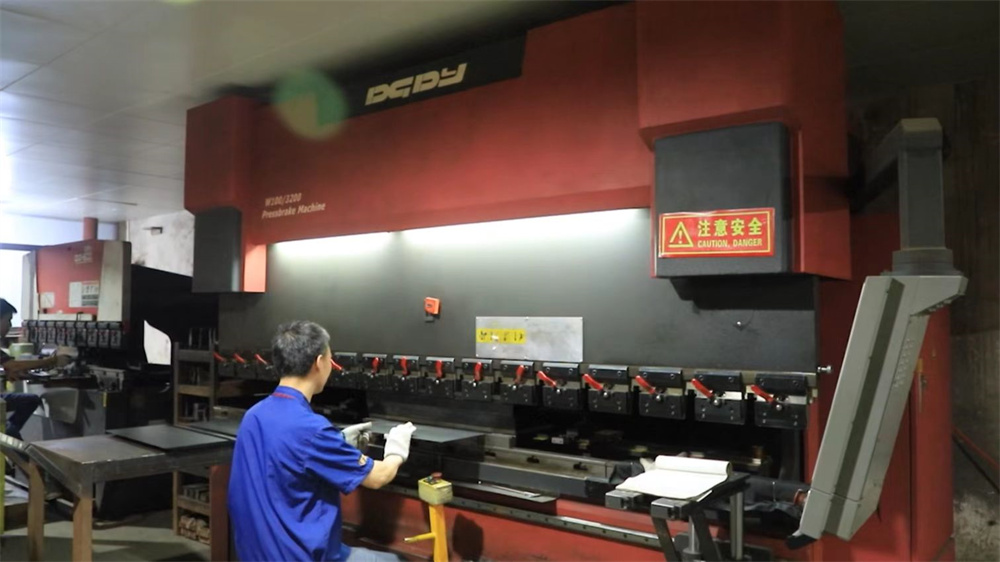
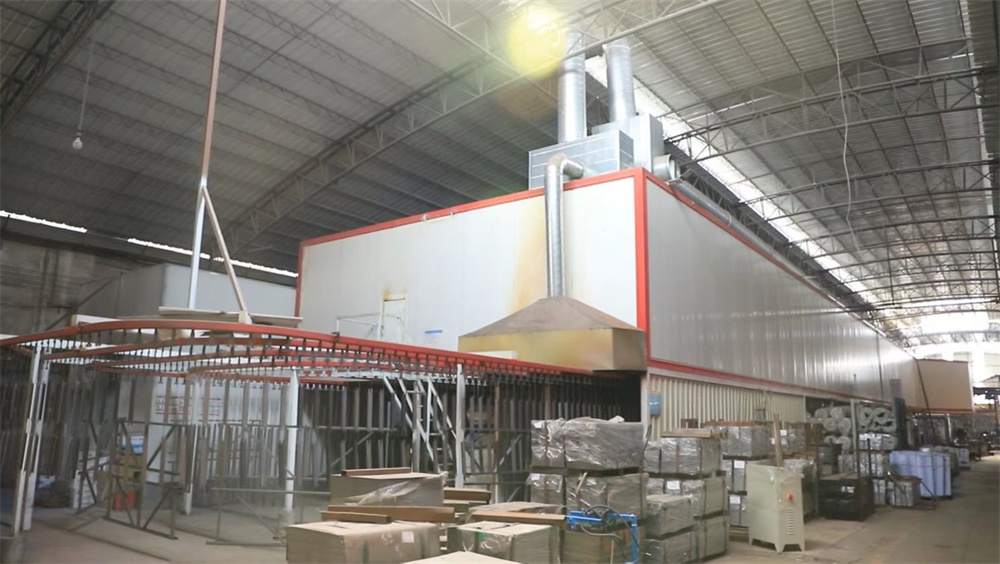
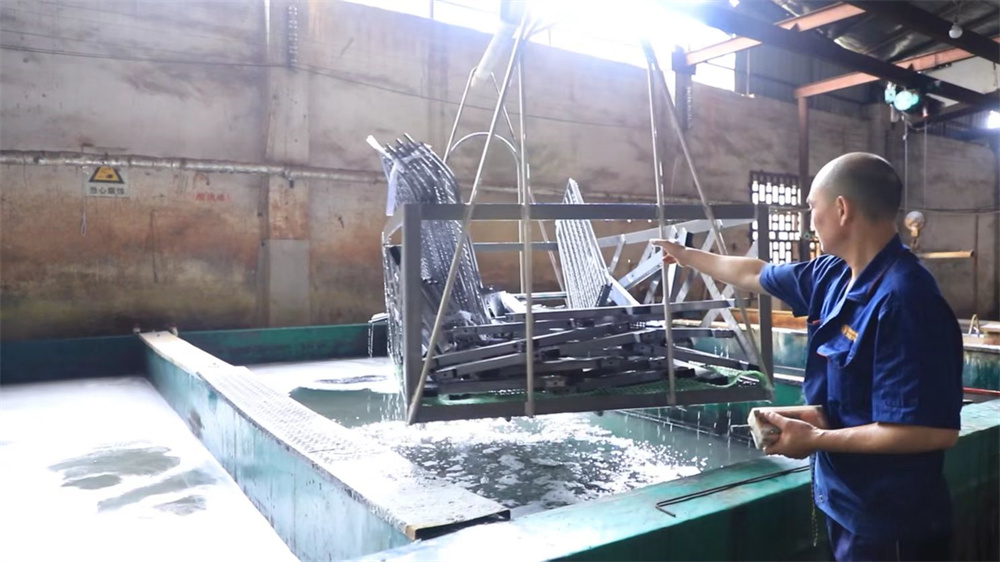
Established in 2017, Chengdu DriveRacks Industrial Technology Co., Ltd. operates a state-of-the-art 42,000 m² manufacturing plant dedicated to advanced material handling and heavy-duty storage infrastructure. Delivering $35 million in annual export revenue, we bring 9 years of deep industry expertise and 6 years of international trade operations. Quality is integral to our process; our team of 30 certified inspectors executes rigorous raw material tensile testing and automated powder-coating thickness audits. Serving high-growth markets across the Middle East, Latin America, and Oceania, DriveRacks leverages a robust ecosystem of 1,200 supply chain partners. We primarily serve enterprise warehouse operators, e-commerce fulfillment hubs, and heavy equipment manufacturers. Powered by 110 skilled R&D engineers focusing on smart automation and high-density racking design, we released 250 dynamic product iterations last year and provide comprehensive customization spanning rack dimensions, seismic ratings, and surface treatments.
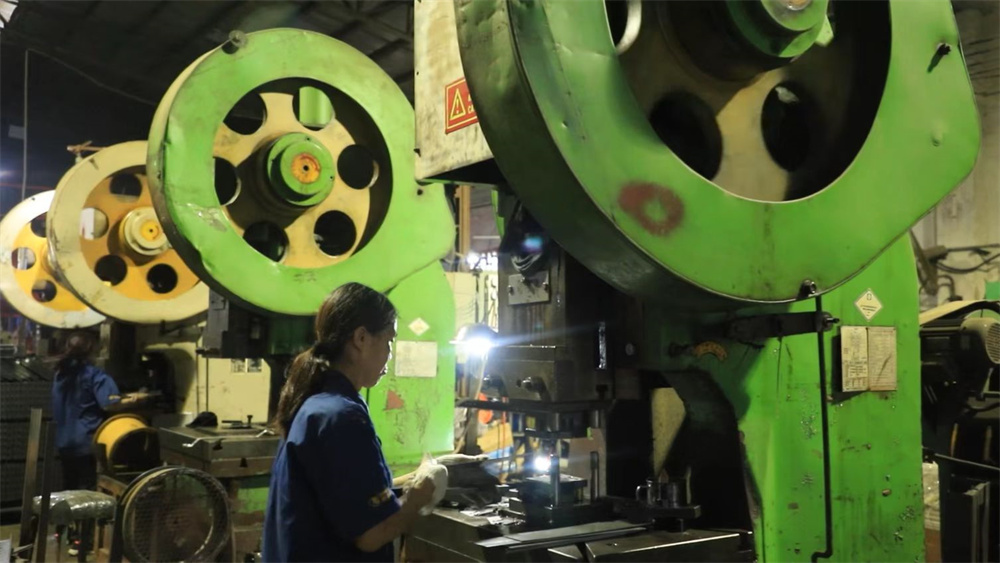
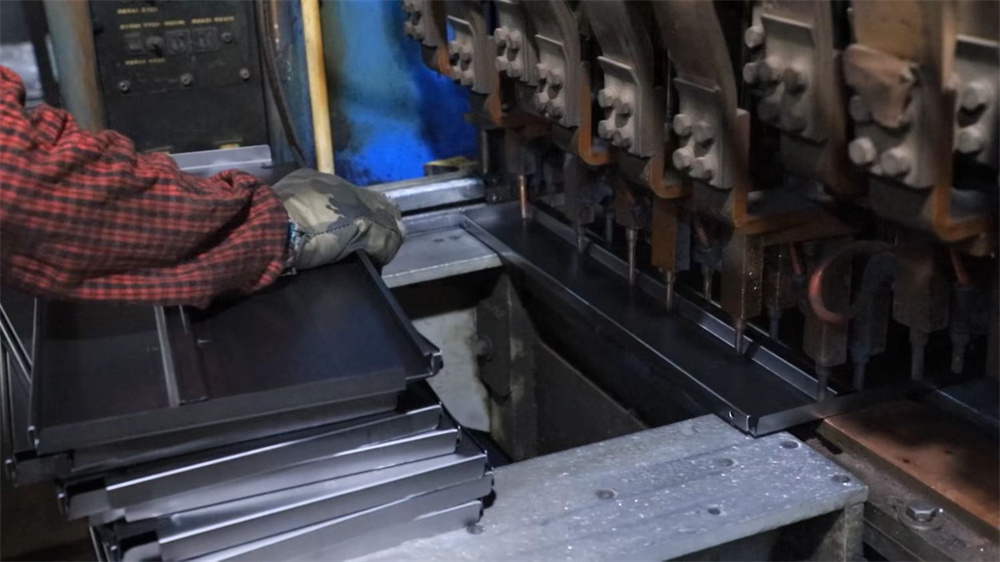
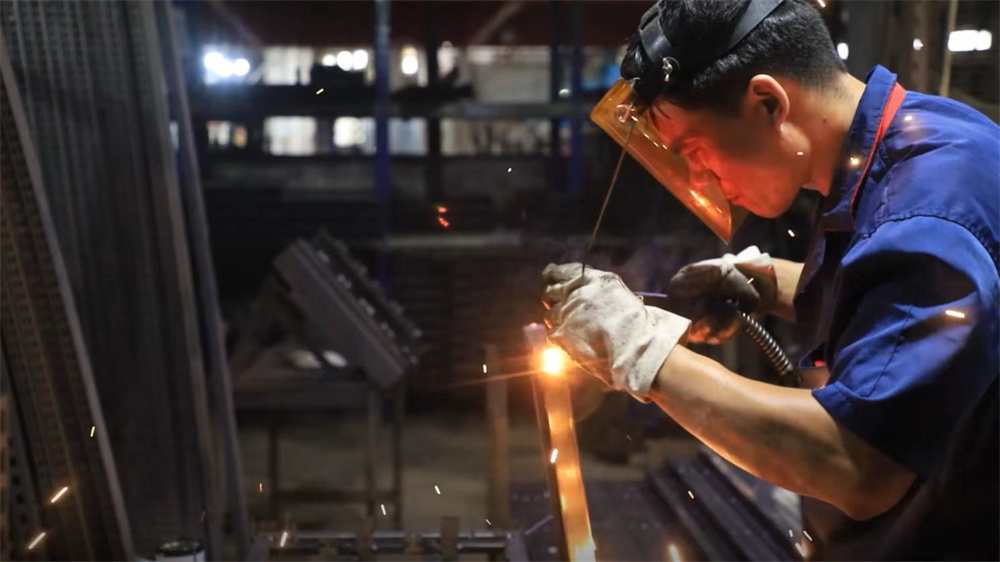
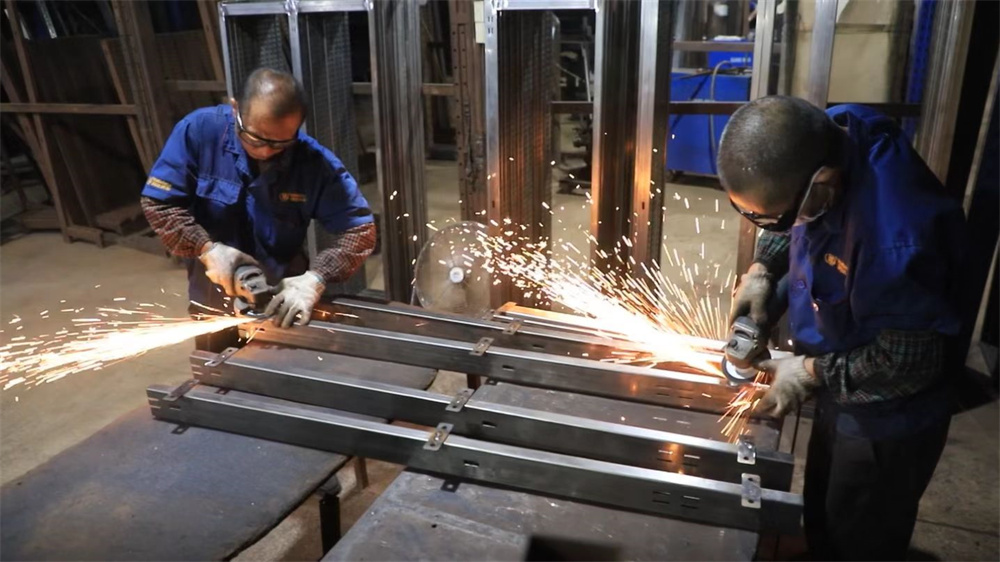
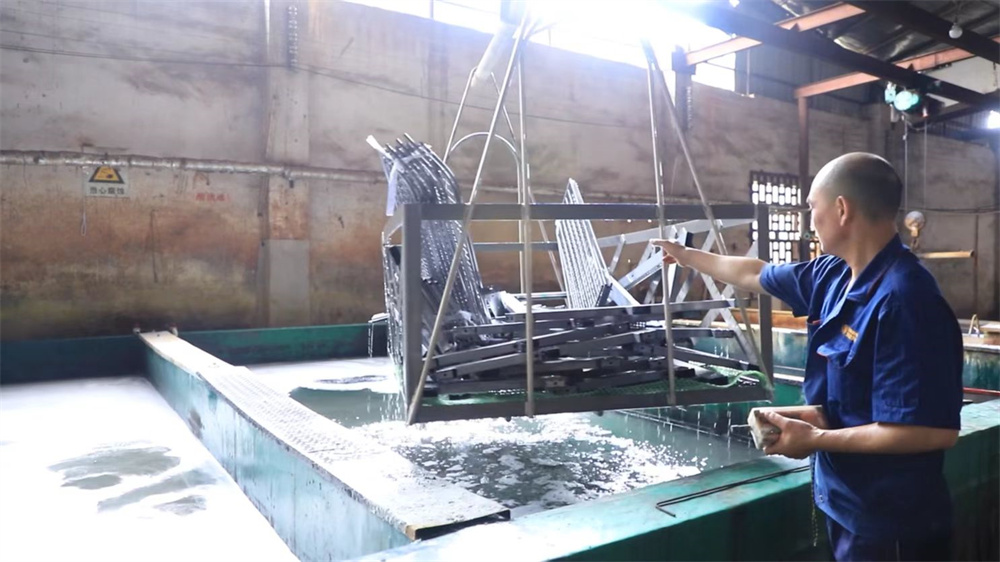
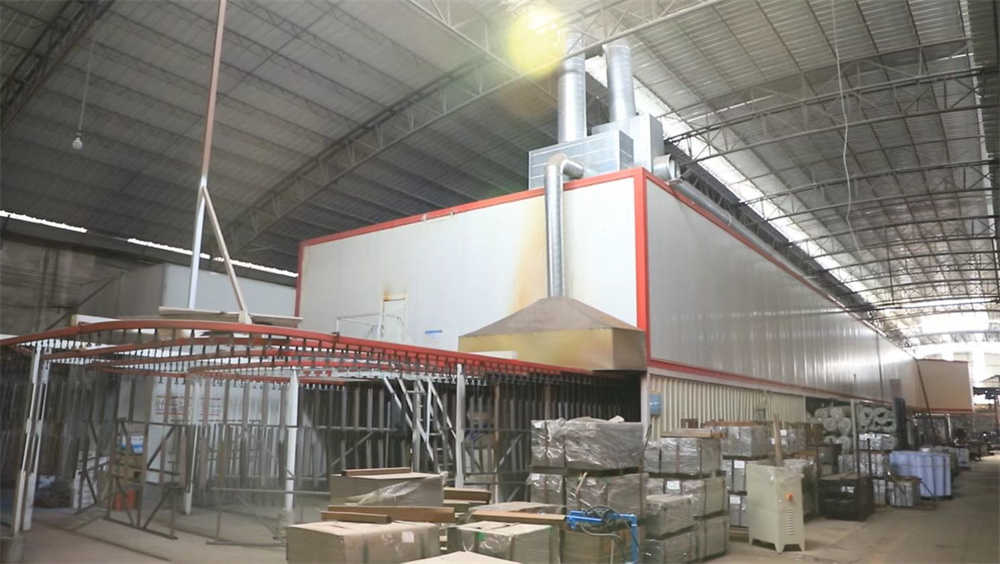
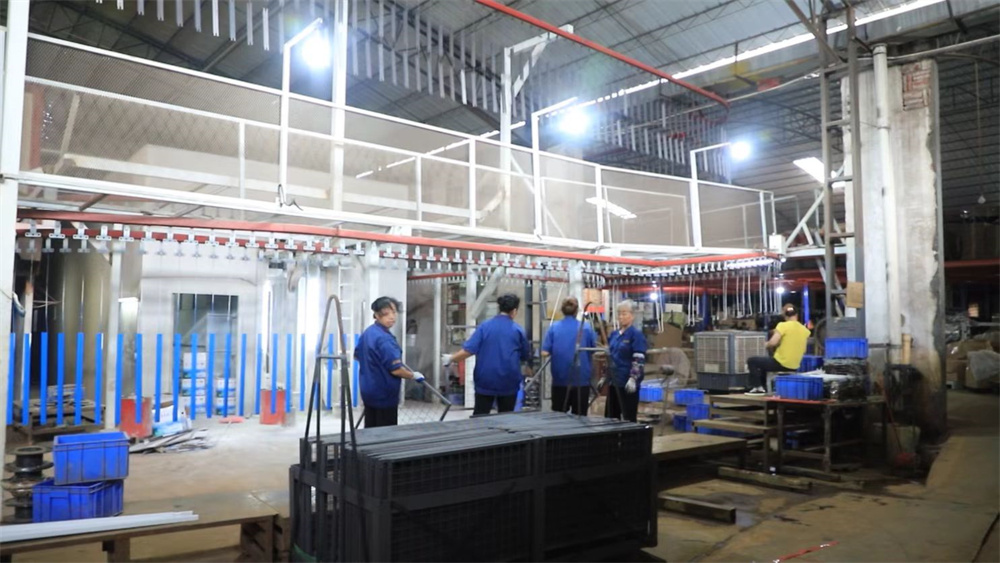
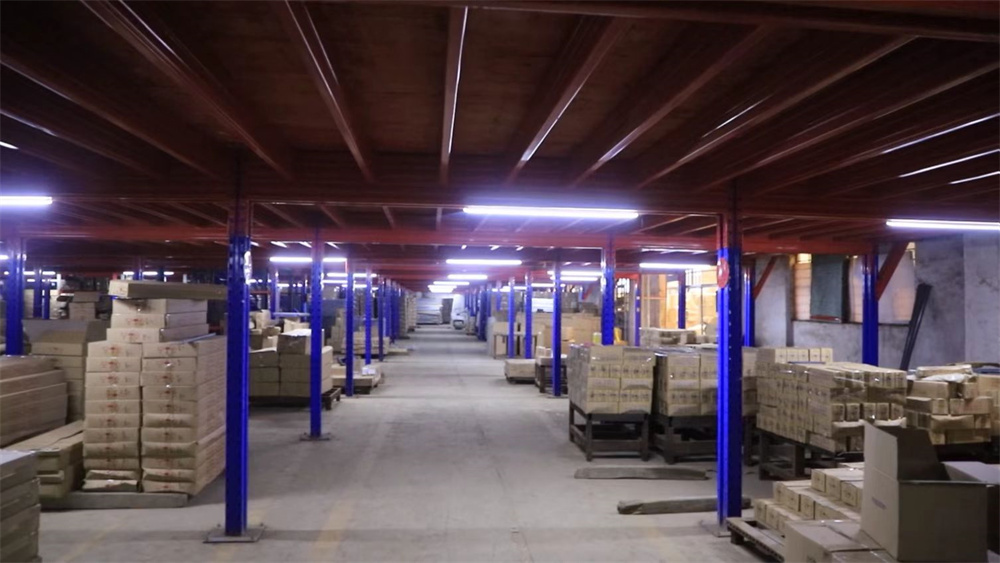
Our automated production lines are built to ensure tight structural tolerances. Below is an inside look at our manufacturing steps and specialized machinery.
Radio shuttle systems are highly adaptable, but optimal performance requires tailoring structural specifications to localized site conditions:
Cold storage is one of the fastest-growing applications for radio shuttle systems. Because refrigeration carries high operating costs, maximizing storage density is critical. Radio shuttle systems operate efficiently in temperatures down to -30°C. Standard systems require specialized low-viscosity oils, heated electronic enclosures to prevent condensation, and battery systems engineered to limit cold-temperature capacity degradation.
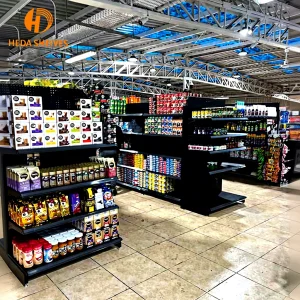
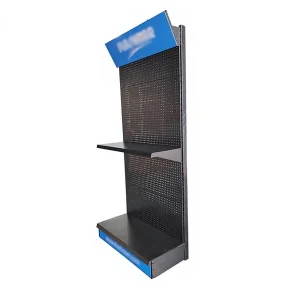
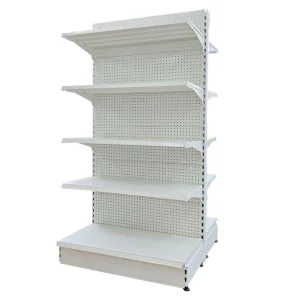
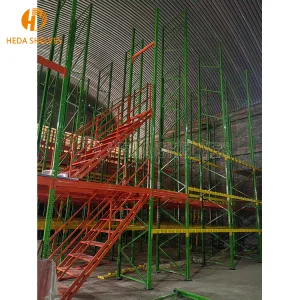
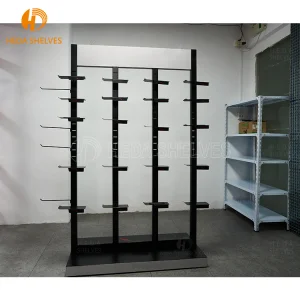
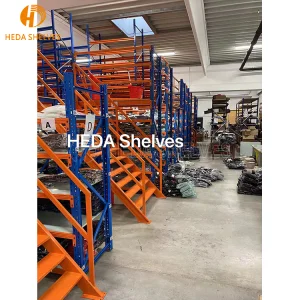
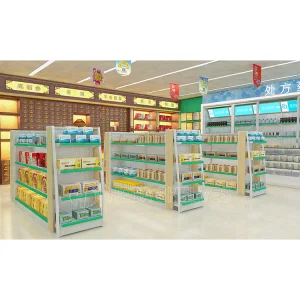
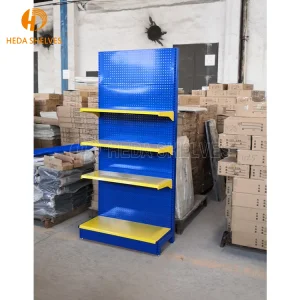
For high-turnover fulfillment centers, shuttle racking is designed as a hybrid system that works alongside traditional logistics structures. The shuttle system handles high-volume bulk items, while selective mezzanine racking or pegboard displays organize smaller goods. This multi-level approach helps warehouses maintain high throughput and flexible product management.
The industry is moving toward greater automation. Key developments include:
Before issuing a purchase order for a radio shuttle system, engineering and procurement teams should verify that the manufacturer's technical specifications align with key performance requirements:
 DriveRacks