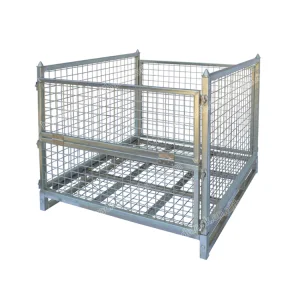
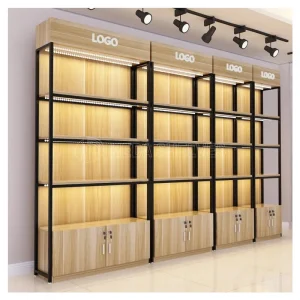
Explore our top-tier vertical racks and industrial warehouse storage components, engineered for load-bearing optimization and spatial efficiency.
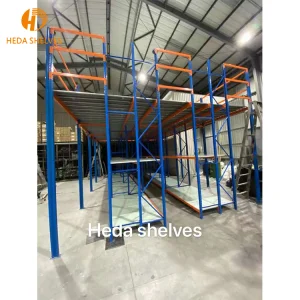
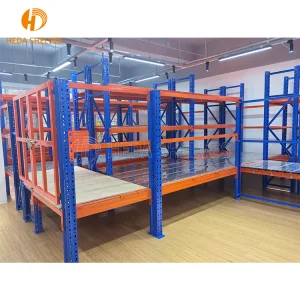
Analysing macro-economic shifts, manufacturing infrastructure, and the core structural standards of global vertical rack distribution.
In modern industrial commerce, spatial efficiency is directly tied to profitability. The global logistics economy relies heavily on industrial shelving, heavy-duty mezzanine platforms, and dynamic racking systems to utilize every vertical foot of storage space. As urban land prices increase, developers and warehouse managers are moving away from horizontal footprints, opting instead for vertical industrial frameworks that can scale upwards of 12 to 24 meters.
This dynamic shift has led to a growing demand for heavy-duty structural components manufactured to rigid international specifications. Modern vertical racks must do more than just hold materials; they must withstand seismic loads, adapt to automated vehicle routing, and resist atmospheric corrosion in diverse climates. The primary engineering criteria focus on cold-rolled steel geometry, powder coating thickness, and advanced structural deflection modeling under dynamic load stresses.
"The evolution of modern intralogistics is no longer just about storing materials. It focuses on the strategic deployment of structural steel profiles designed to support automated operations, maintain seismic stability, and reduce operational bottlenecks."
When selecting a factory or exporter, global procurement teams look beyond unit costs to assess structural certifications, raw material traceability, and automated production capabilities. Leading manufacturers utilize high-tensile structural steel (such as Q235B and Q355B) and comply with rigorous structural standards, including the Rack Manufacturers Institute (RMI) specifications in North America and FEM regulations in Europe.
Racking structures designed using Finite Element Analysis (FEA) to maintain load stability during seismic activity, complying with global standards.
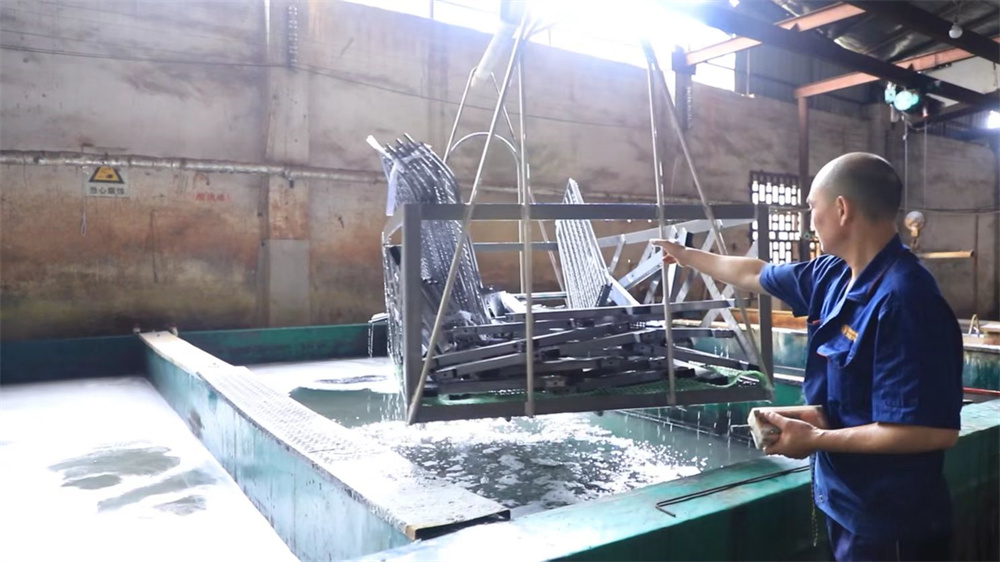
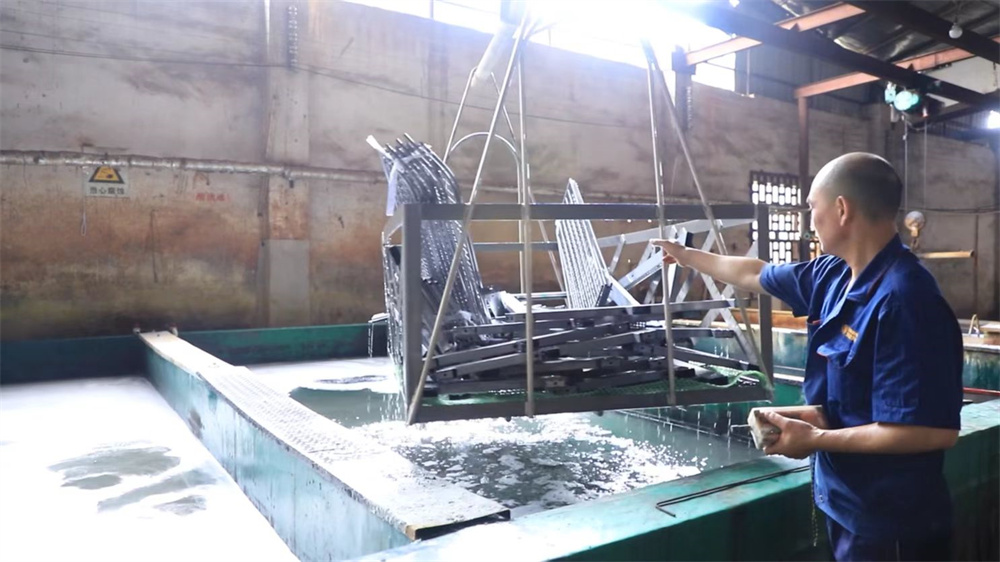
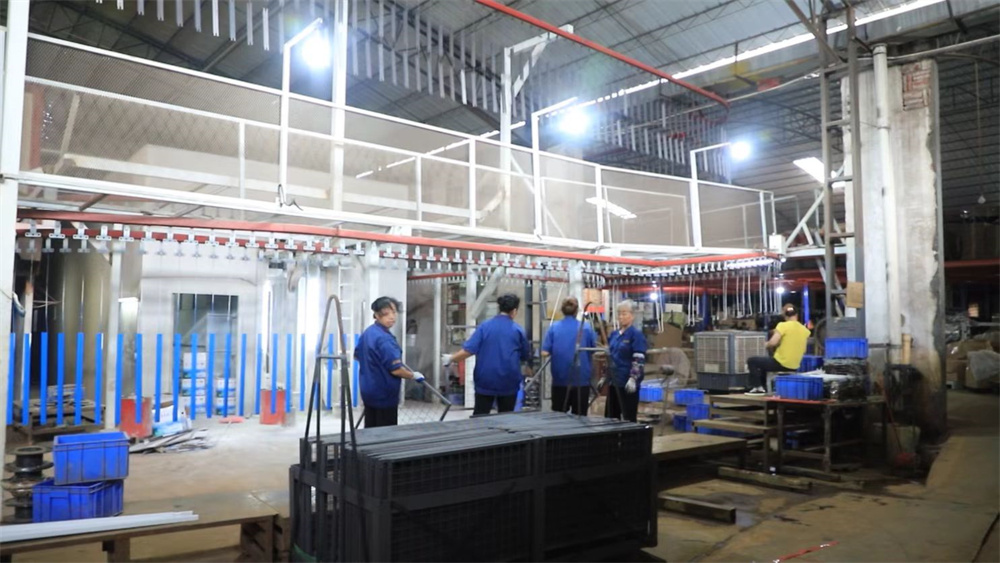
Automated powder-coating and multi-stage chemical pretreatment prevent surface oxidation in humid or temperature-controlled cold storage facilities.
Precision tolerances engineered for automated shuttle systems, stacker cranes, and automated guided vehicles (AGVs).
Chengdu DriveRacks Industrial Technology Co., Ltd. — Delivering high-density structural infrastructure to international markets.
Established in 2017, Chengdu DriveRacks Industrial Technology Co., Ltd. operates a state-of-the-art 42,000 m² manufacturing plant dedicated to advanced material handling and heavy-duty storage infrastructure. Delivering $35 million in annual export revenue, we bring 9 years of deep industry expertise and 6 years of international trade operations. Quality is integral to our process; our team of 30 certified inspectors executes rigorous raw material tensile testing and automated powder-coating thickness audits.
Serving high-growth markets across the Middle East, Latin America, and Oceania, DriveRacks leverages a robust ecosystem of 1,200 supply chain partners. We primarily serve enterprise warehouse operators, e-commerce fulfillment hubs, and heavy equipment manufacturers. Powered by 110 skilled R&D engineers focusing on smart automation and high-density racking design, we released 250 dynamic product iterations last year and provide comprehensive customization spanning rack dimensions, seismic ratings, and surface treatments.
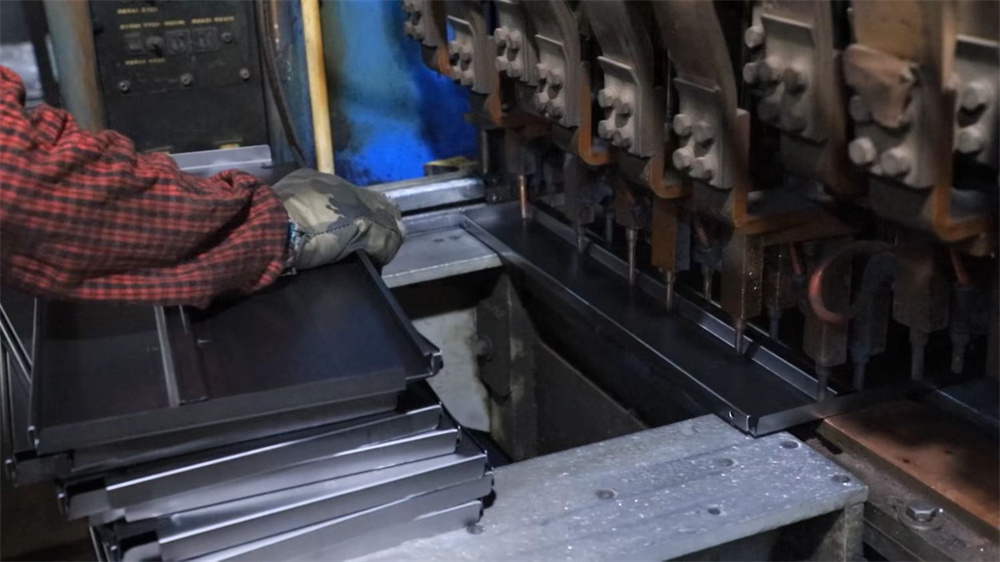
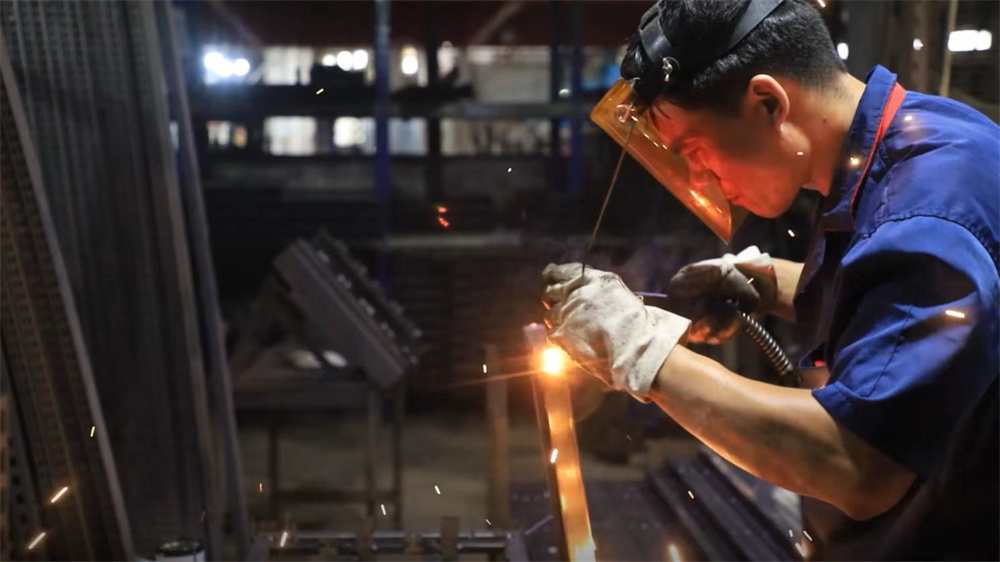
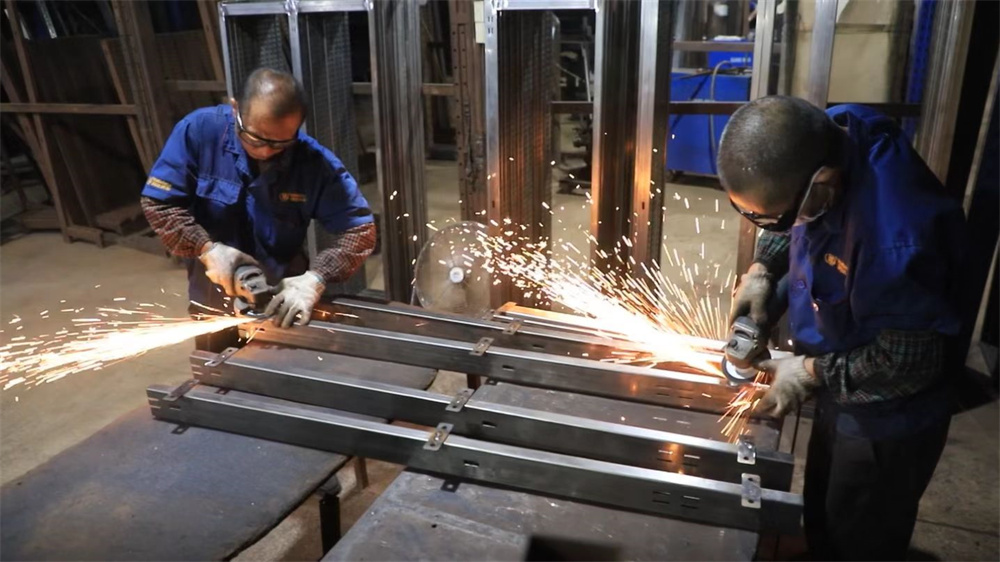
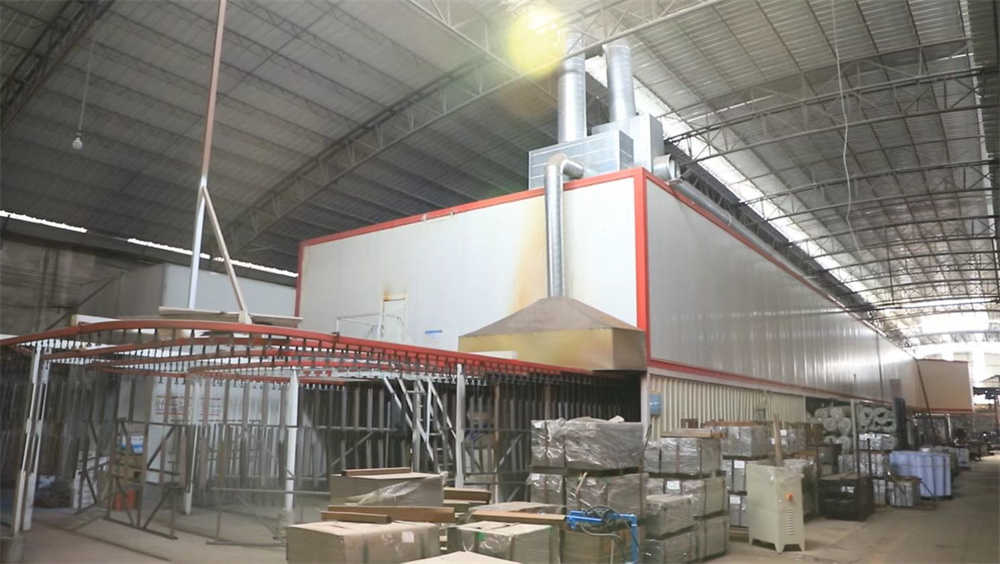
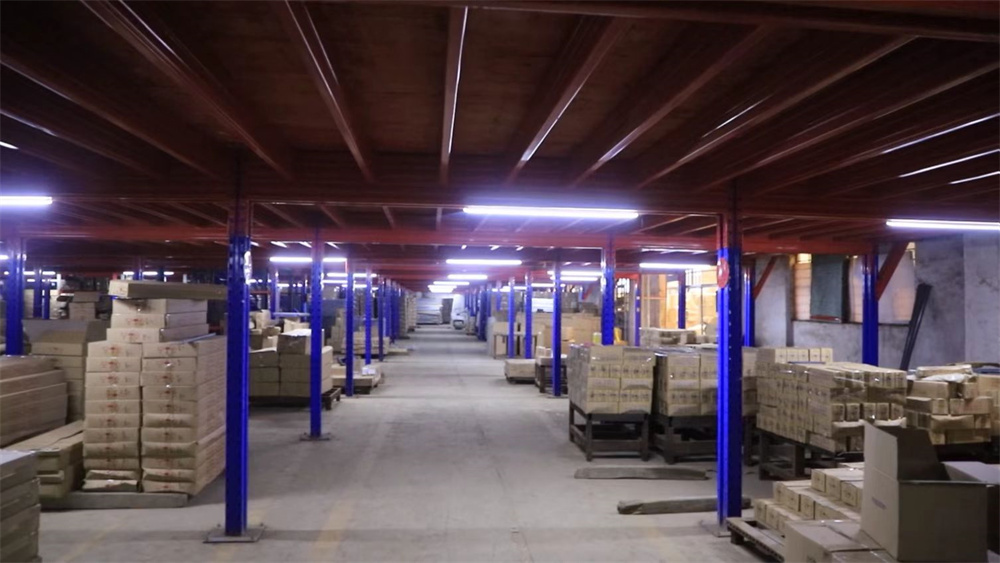
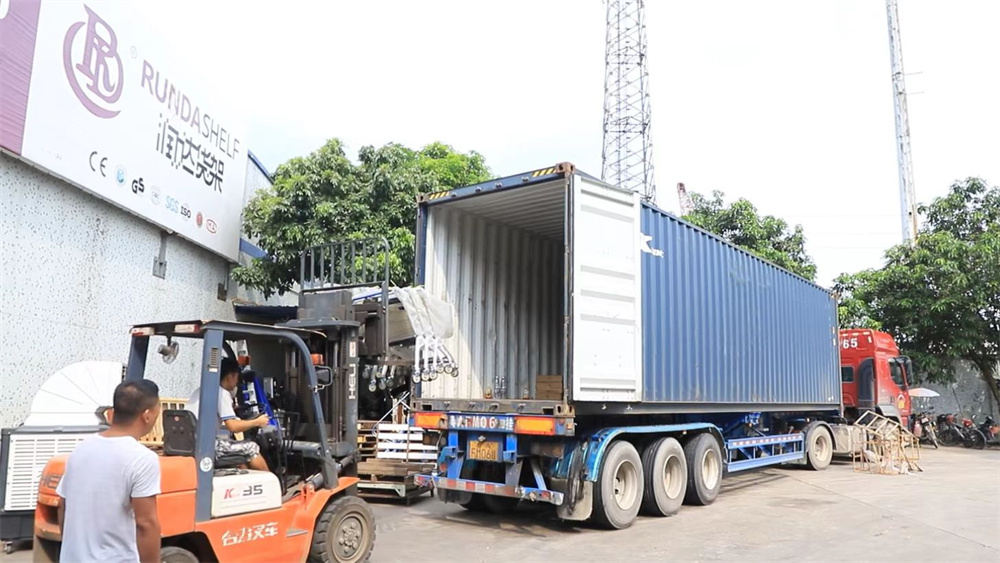
A visual overview of our industrial fabrication process, from raw structural steel processing to final dispatch loading.
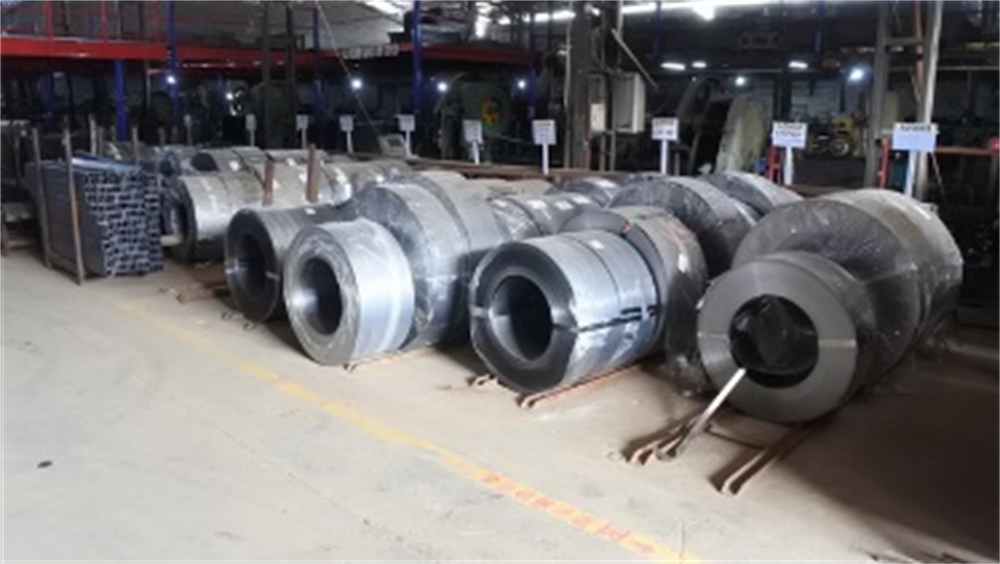
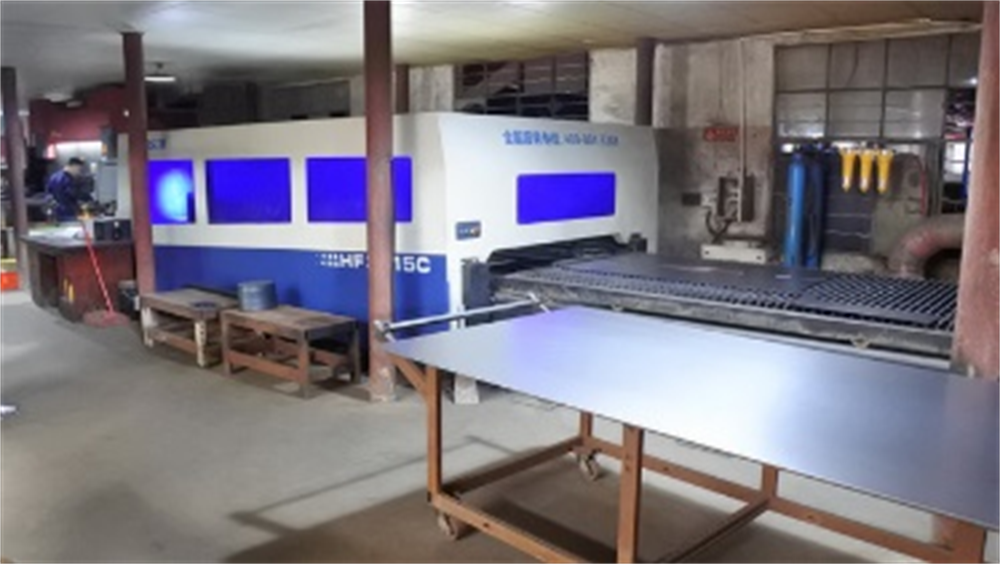
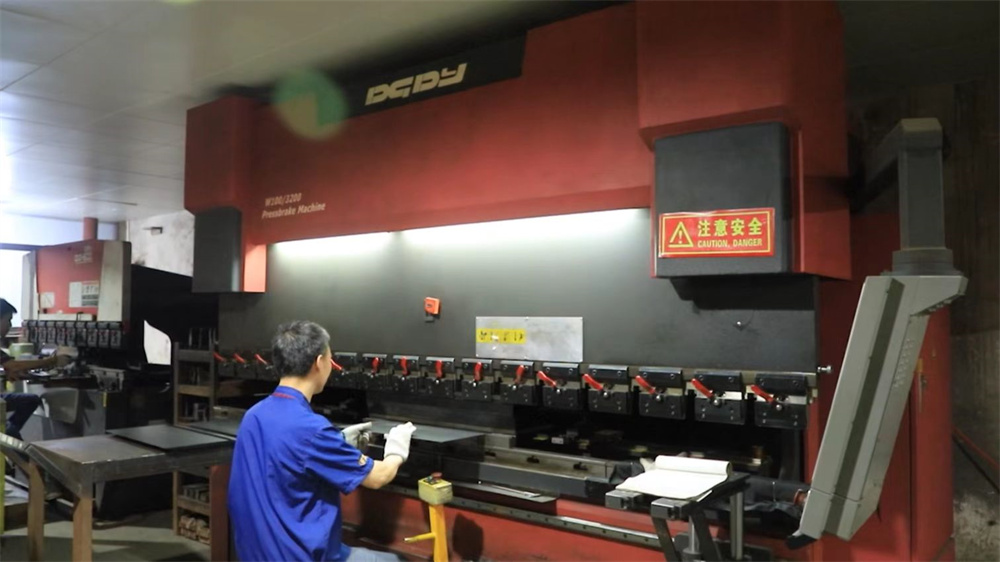
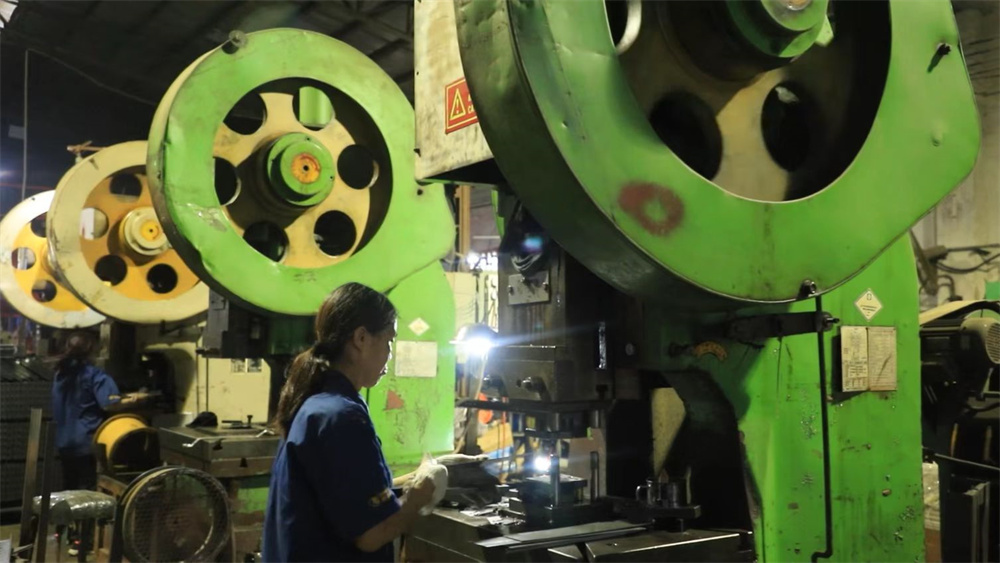
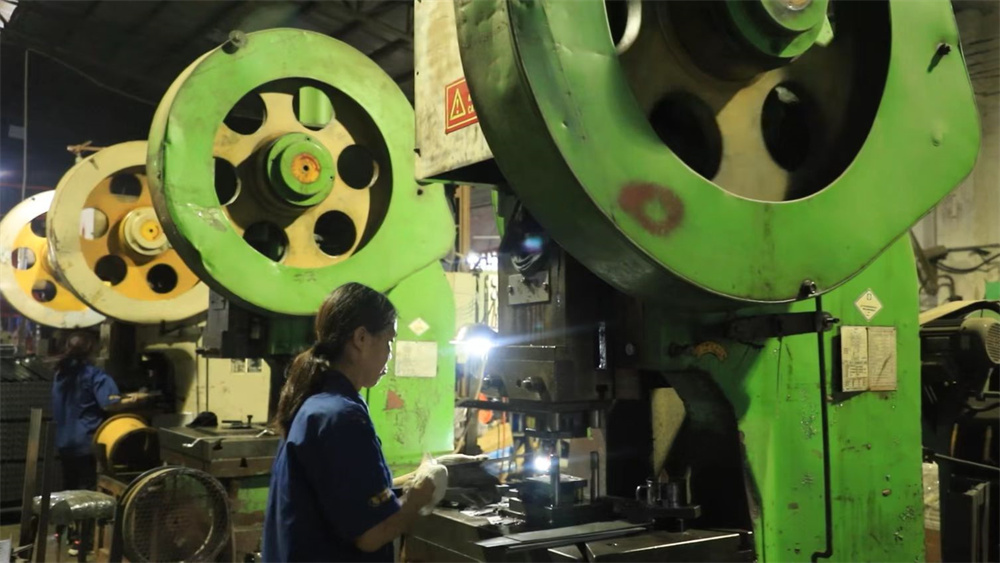
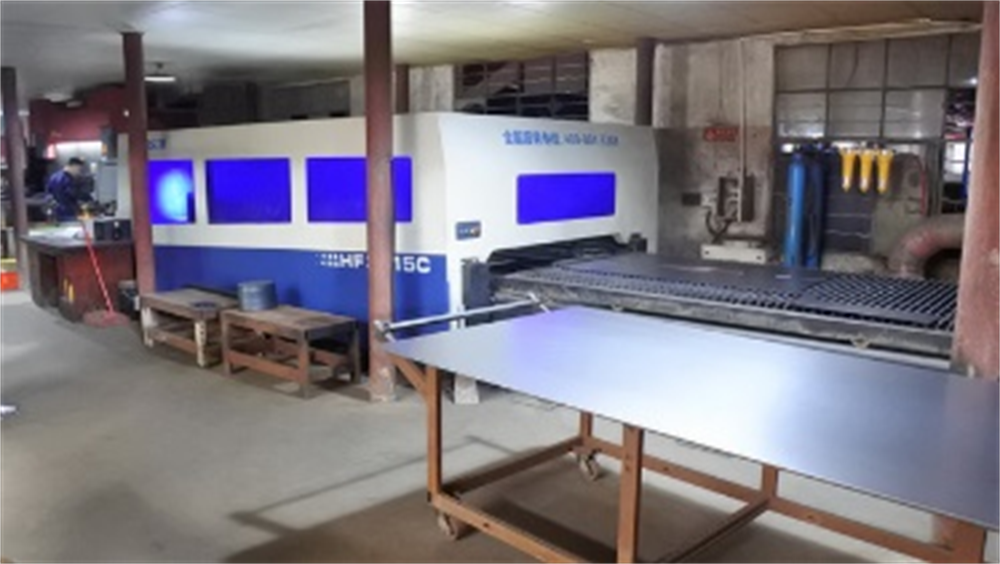
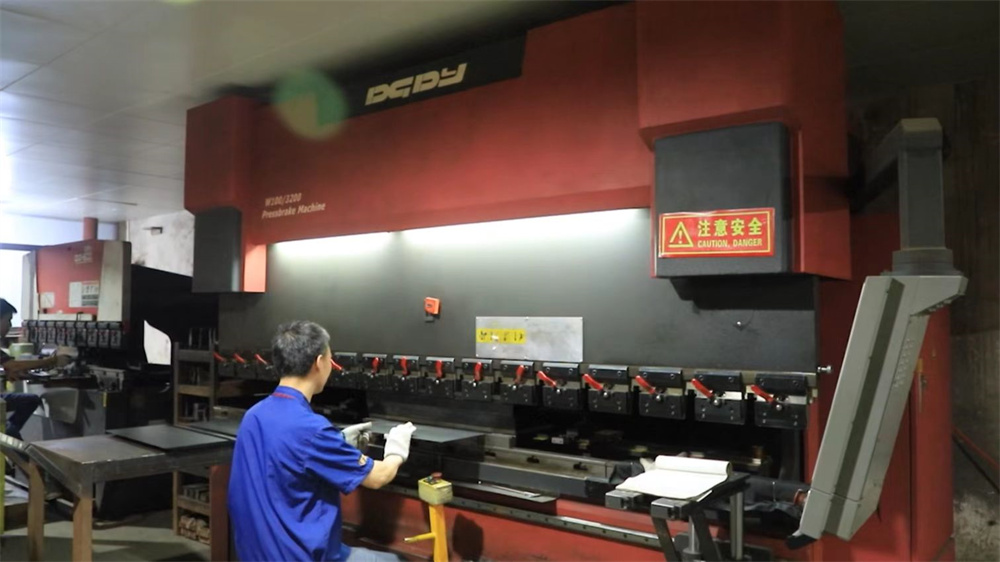
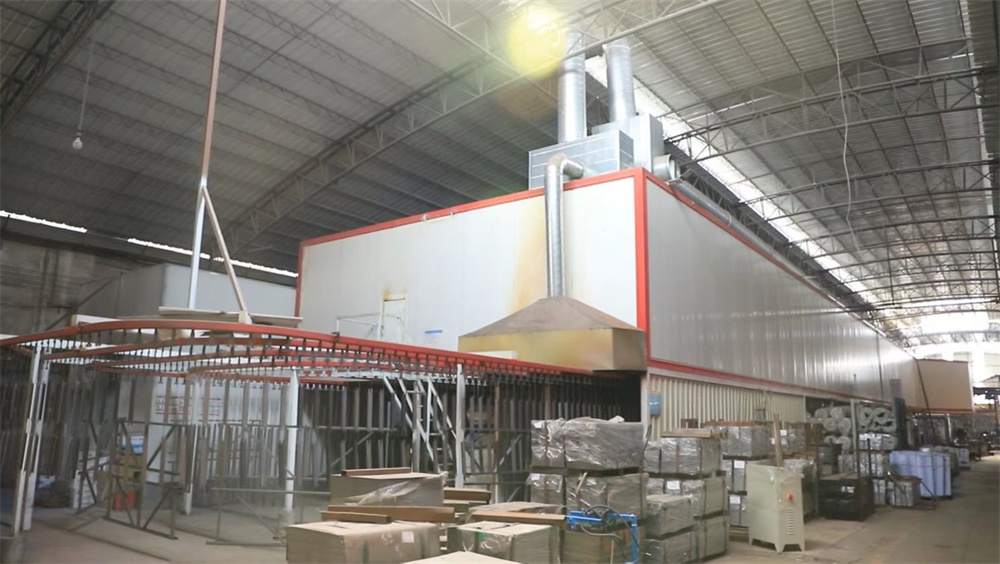
Key shifts shaping global supply chains, material handling systems, and automated storage.
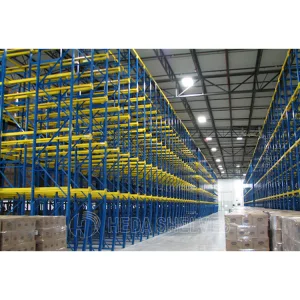
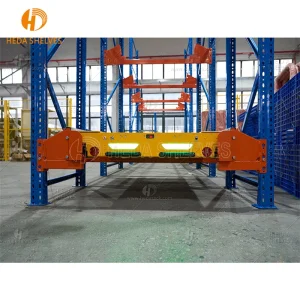
Traditional selective pallet racking is increasingly being upgraded to higher-density configurations like Drive-In, Push-Back, and Radio Shuttle systems. By reducing aisles, operators can increase warehouse storage capacity by up to 80%. This transition is particularly critical for cold chain and high-value inventory sectors, where refrigeration and space costs are high.
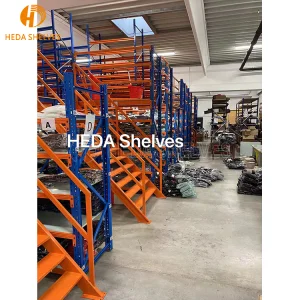
Multi-tier mezzanine platforms help convert empty vertical space into usable floor areas. Rather than pursuing costly building expansions, industrial operators utilize self-supporting structural steel mezzanines to add processing floors, assembly lines, or order fulfillment zones directly above existing ground-level storage operations.
Leading exporters are shifting toward eco-friendly coatings. High-durability powder coatings applied via electrostatic lines reduce volatile organic compounds (VOCs) and provide chemical and abrasion resistance, ensuring a long operational life cycle for structural steel components.
Our development focus and technical milestones for next-generation material handling structures.
Comprehensive engineering support, from initial site survey to system deployment.
Our industrial engineering team designs customized, turn-key solutions tailored to specific operating conditions. By analyzing floor loading capacities, material handling equipment (MHE) specs, and local regulatory requirements, we design optimized configurations that maximize safety and space utilization.
Our customization workflow includes three key phases: Conceptual Engineering (determining spatial layout and load requirements), Structural Modeling (utilizing FEA to simulate load stress, seismic conditions, and deflection limits), and Precision Production (automated CNC laser cutting, robotic welding, and electrostatic powder coating in our ISO 9001 certified facility).
Technical insights on structural engineering, load calculations, and global compliance.
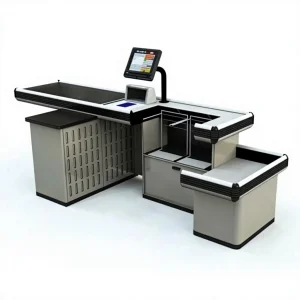
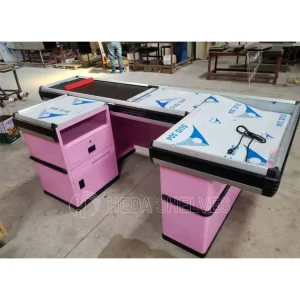
Explore our heavy-duty industrial steel systems and specialized logistics equipment designed for warehouse spaces.
 DriveRacks