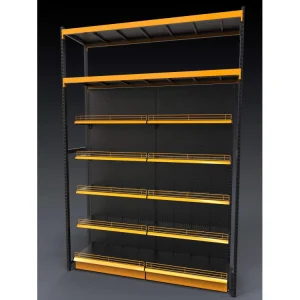
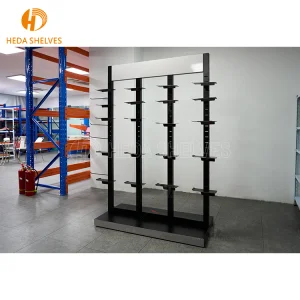
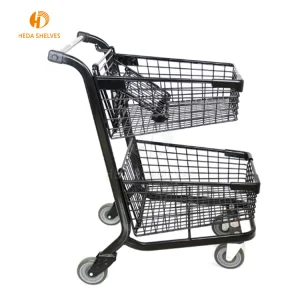
Engineered to deliver exceptional space optimization, high-load security compliance, and dynamic warehouse workflow efficiencies.
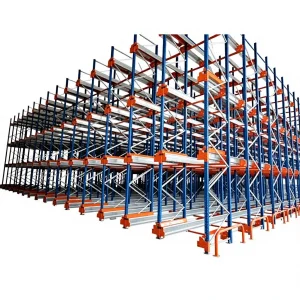
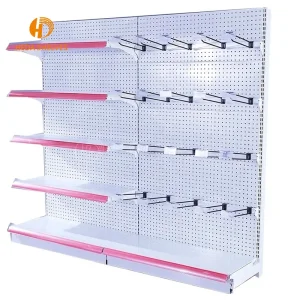
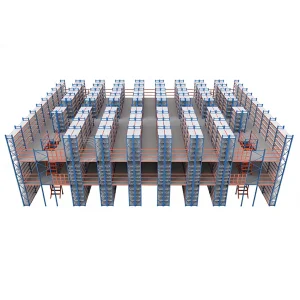
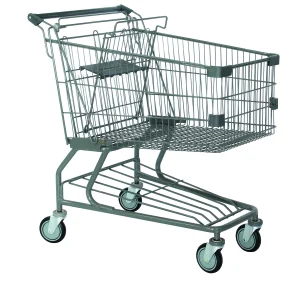
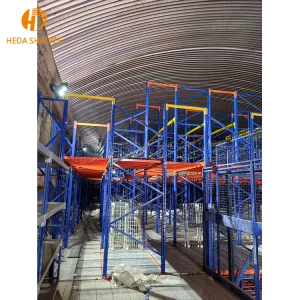
In the era of hyper-optimized supply chains, the demand for structural steel utility shelves, pallet racks, and high-density warehouse systems has witnessed an unprecedented surge. Modern distribution centers, regional fulfillment hubs, and heavy manufacturing facilities operate on margins determined by spatial efficiency, structural integrity, and automated retrieval speed. Selecting an industrial-grade shelving system is no longer simply a procurement checklist item; it is a critical engineering decision that dictates structural warehouse safety, workflow configuration capabilities, and multi-decade ROI.
Executive Insight: Global logistics trends demand vertical warehouse scaling. Relying on generic shelving is a liability. Industry operators must seek high-strength, seismic-rated structural steel systems designed to withstand static and dynamic load fatigue.
The global warehousing market is undergoing a structural shift driven by the rapid growth of e-commerce, the cold chain logistics sector, and automated micro-fulfillment facilities. Different regional markets dictate varied regulatory compliance and system dimensions:
Chinese steel mill consolidation and technological adaptation have allowed select tier-1 manufacturers to engineer products meeting all these localized international certification frameworks seamlessly.
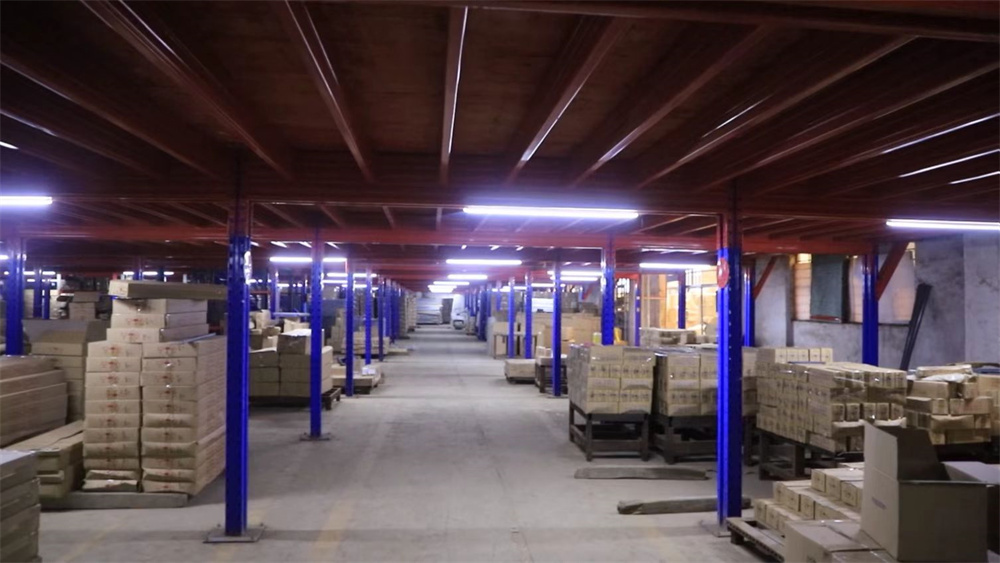
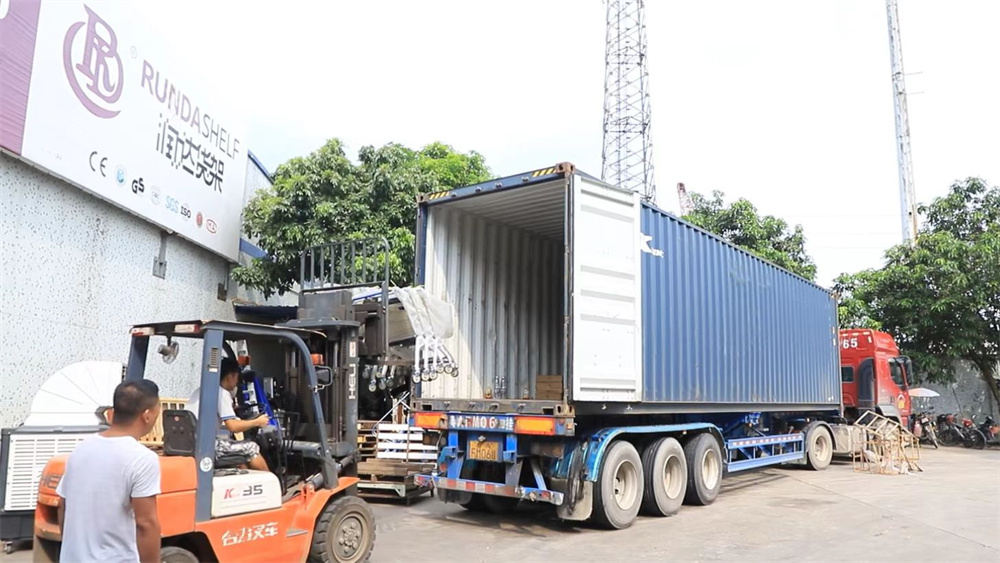
Established in 2017, Chengdu DriveRacks Industrial Technology Co., Ltd. stands as a premier manufacturer of state-of-the-art material handling and heavy-duty storage infrastructure. Spanning a specialized 42,000 m² manufacturing plant, the company delivers over $35 million in annual exports, combining 9 years of deep industry expertise with 6 years of flawless international trade operations.
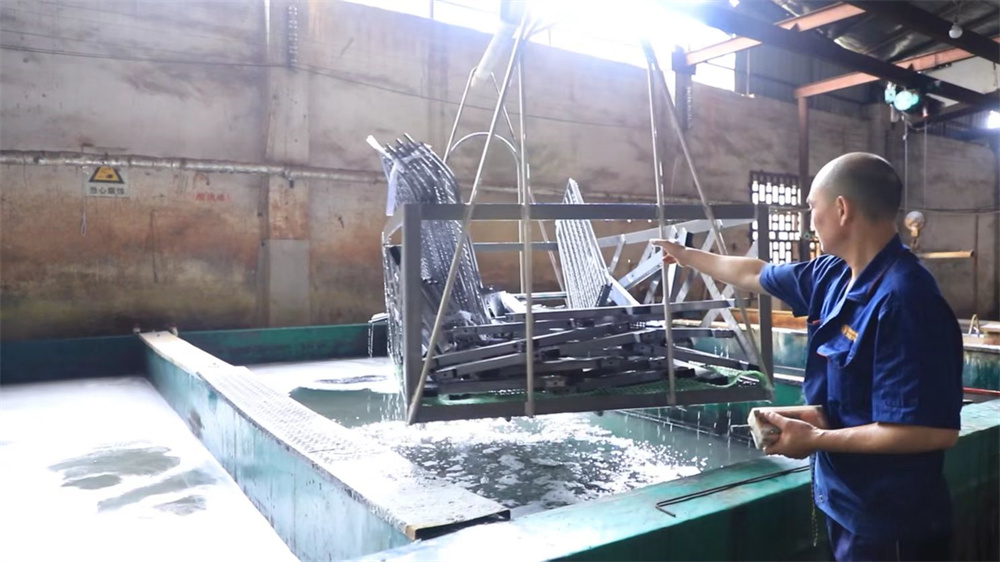
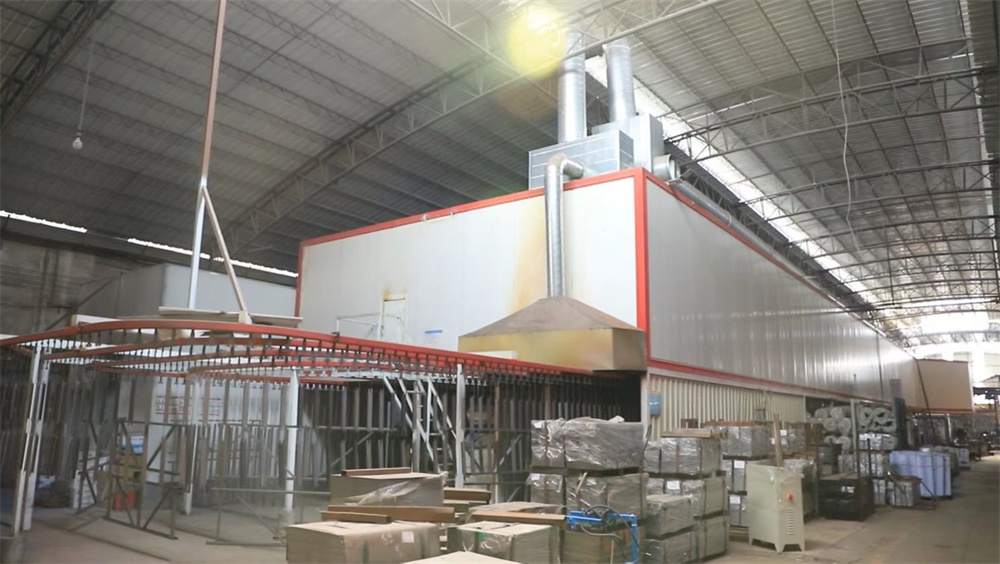
DriveRacks’ core competitive differentiator lies in its strict metallurgical validation process. Backed by an in-house team of 30 certified quality control inspectors, the company conducts automated powder-coating audits, dynamic load strain testing, and raw material tensile strength verification on every production run. DriveRacks supports global supply networks across Oceania, Latin America, and the Middle East, offering custom dimensions, custom seismic ratings, and advanced corrosion-resistant surface coatings to meet any enterprise requirement.
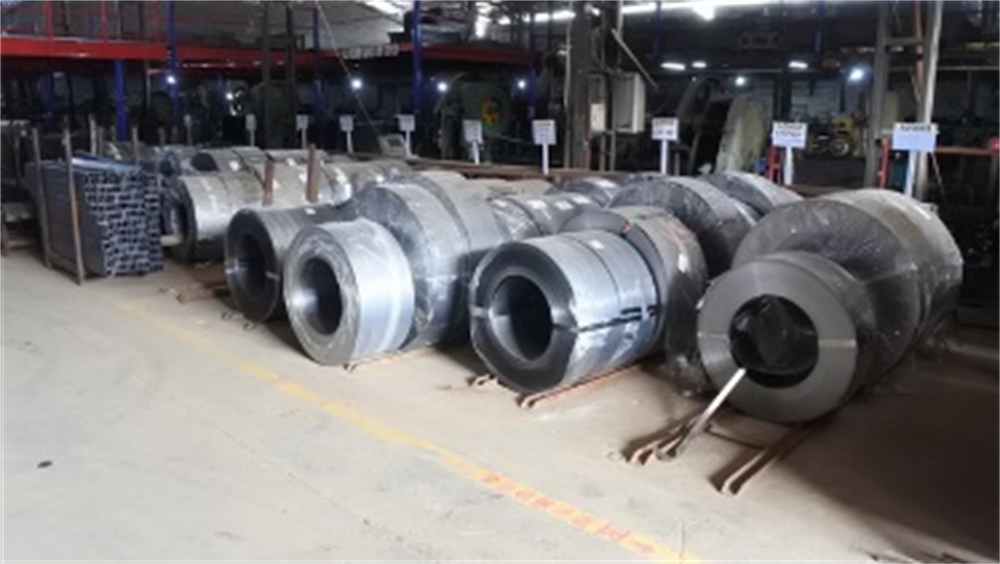
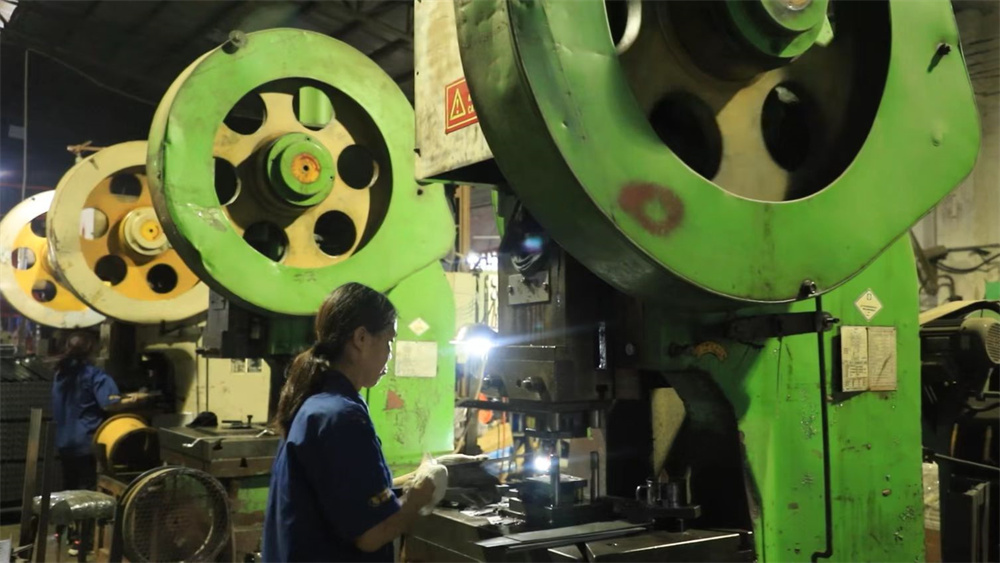
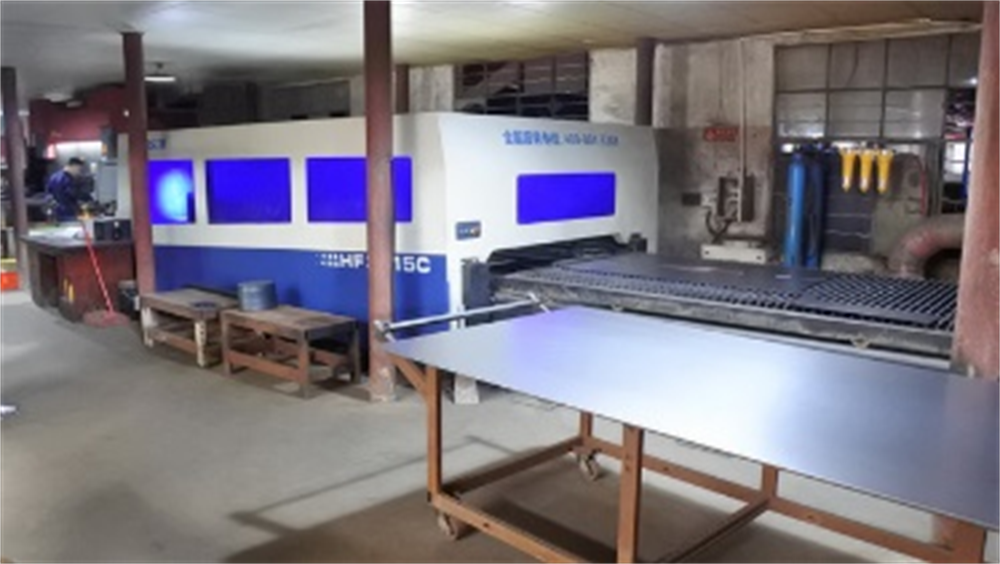
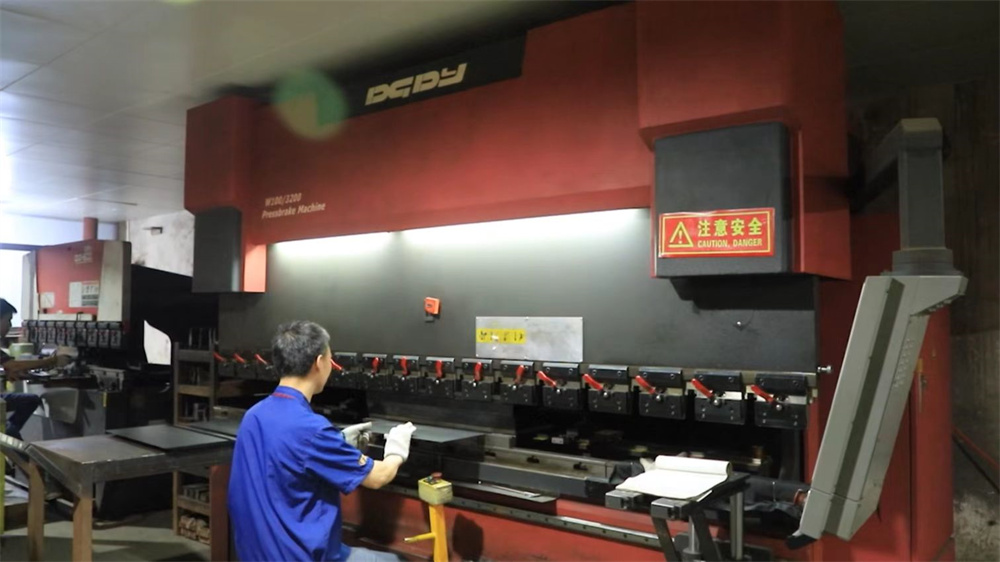
Top China exporters leverage localized supply chains to access high-quality Q235B and Q345B steel grades. Q235B is recognized worldwide for its balanced ductility and structural load capacity, while Q345B offers superior performance in sub-zero environments, making it ideal for multi-tier cold-storage facilities. Factory processing involves automated multi-stage roll-forming lines, computerized punching operations, and precise laser cutting to guarantee structural alignment across long rack spans.
Every structural upright, support beam, and automated shuttle component is engineered using precise digital fabrication protocols.
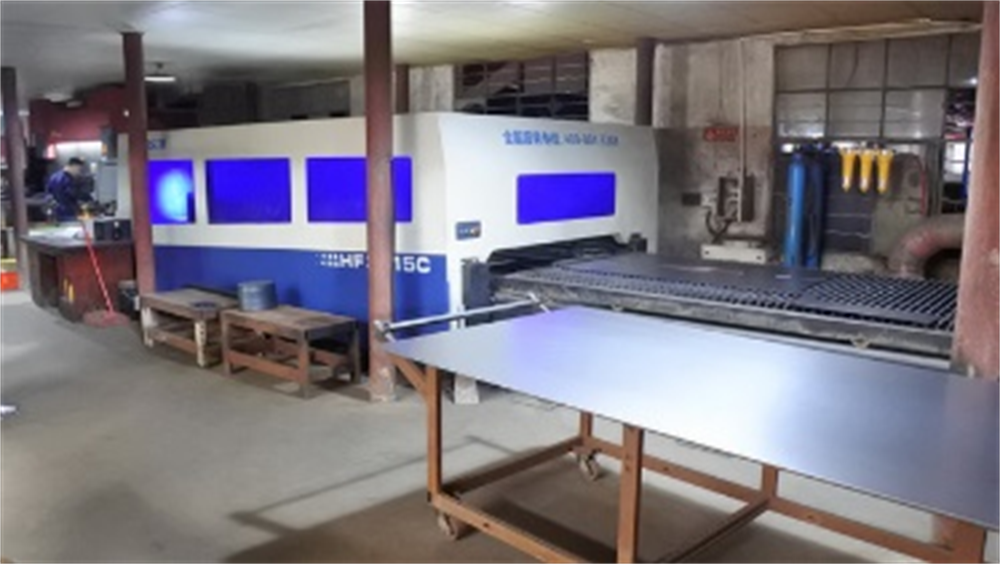
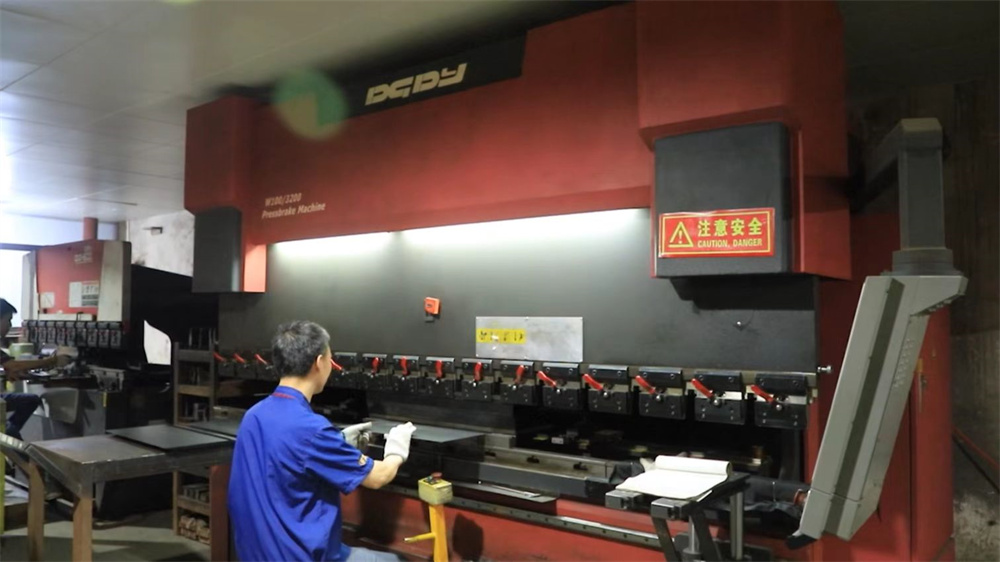
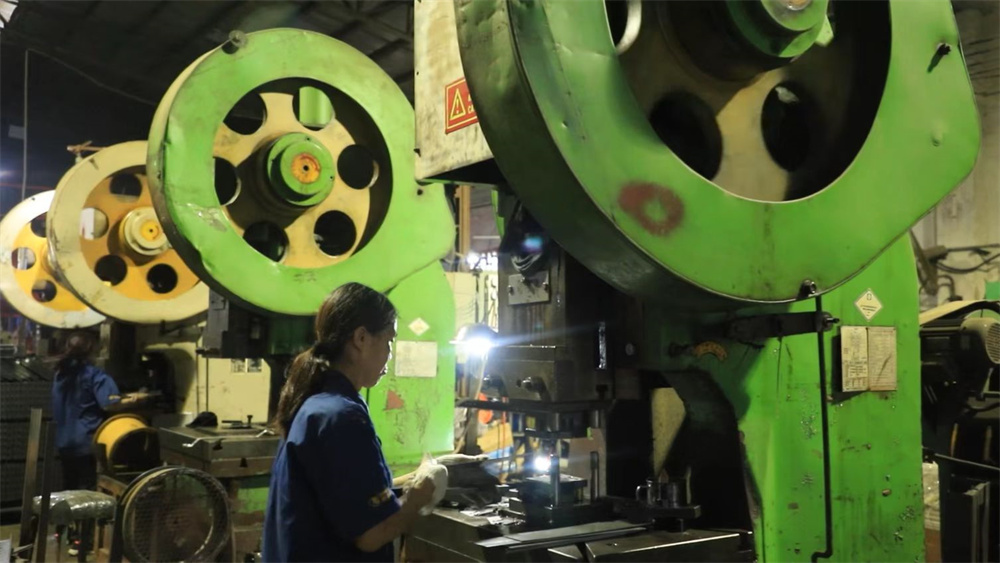
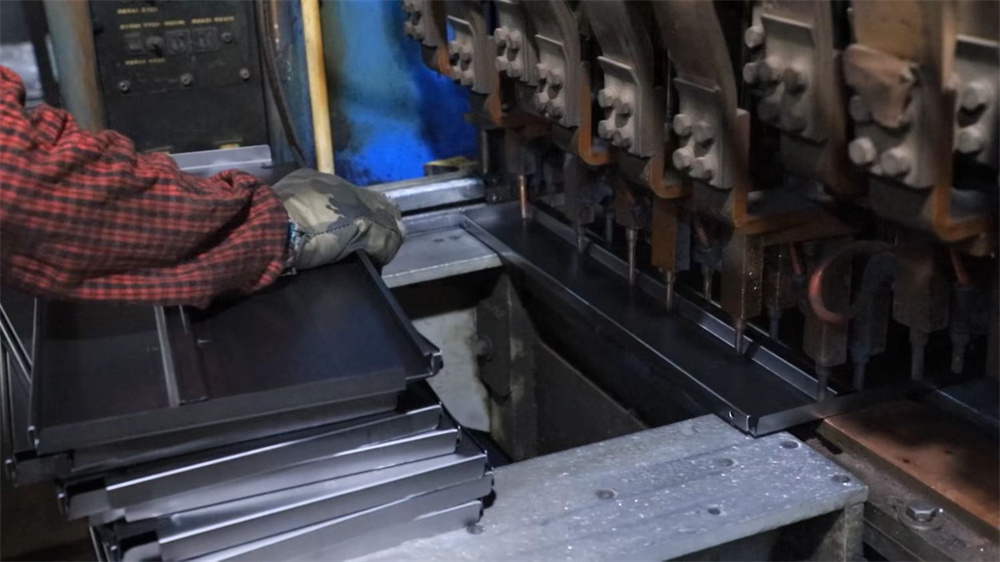
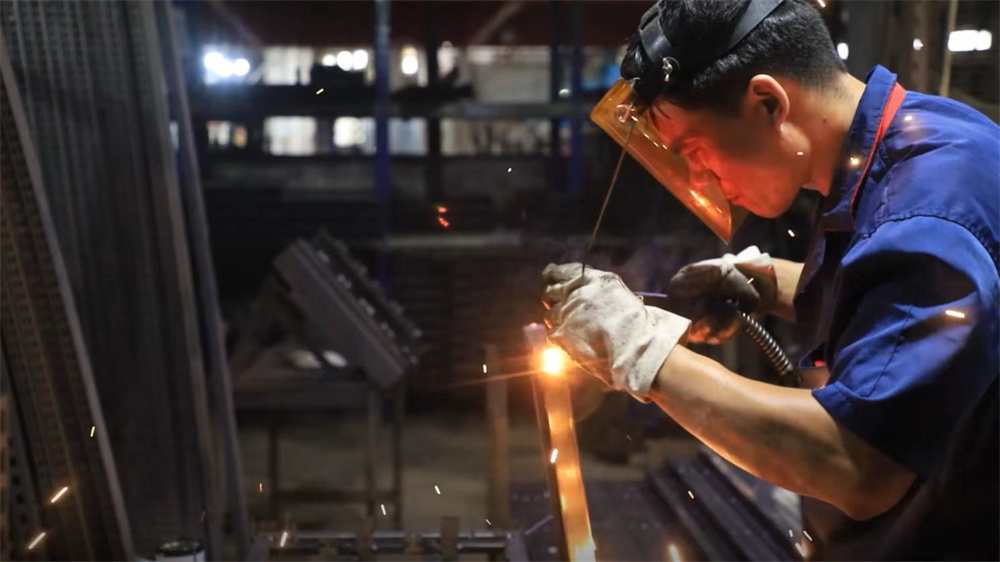
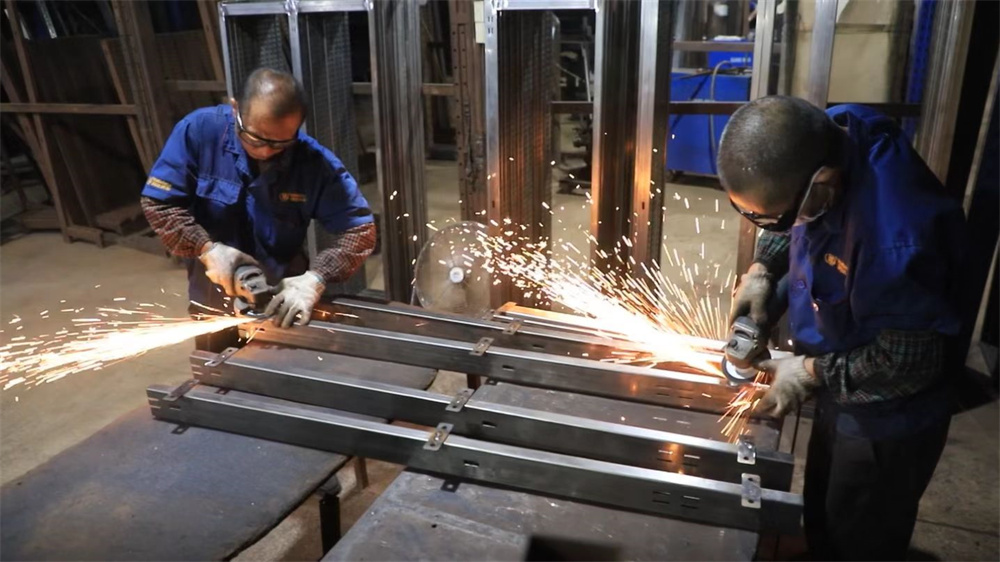
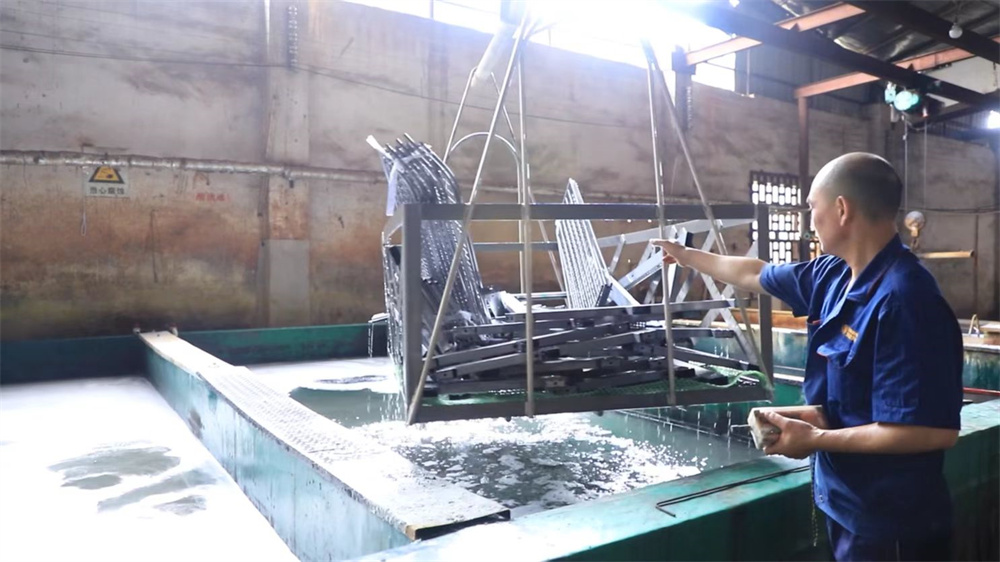
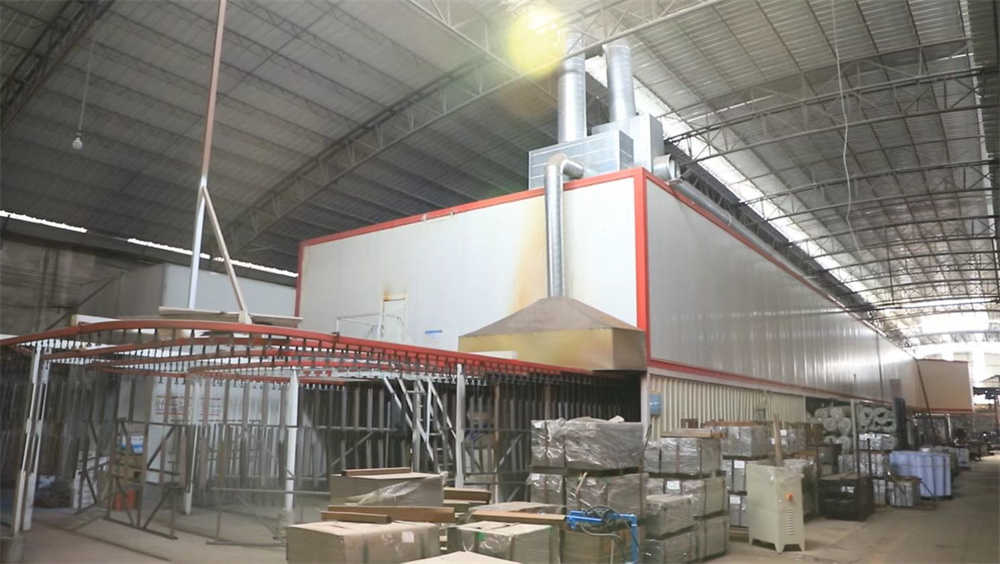
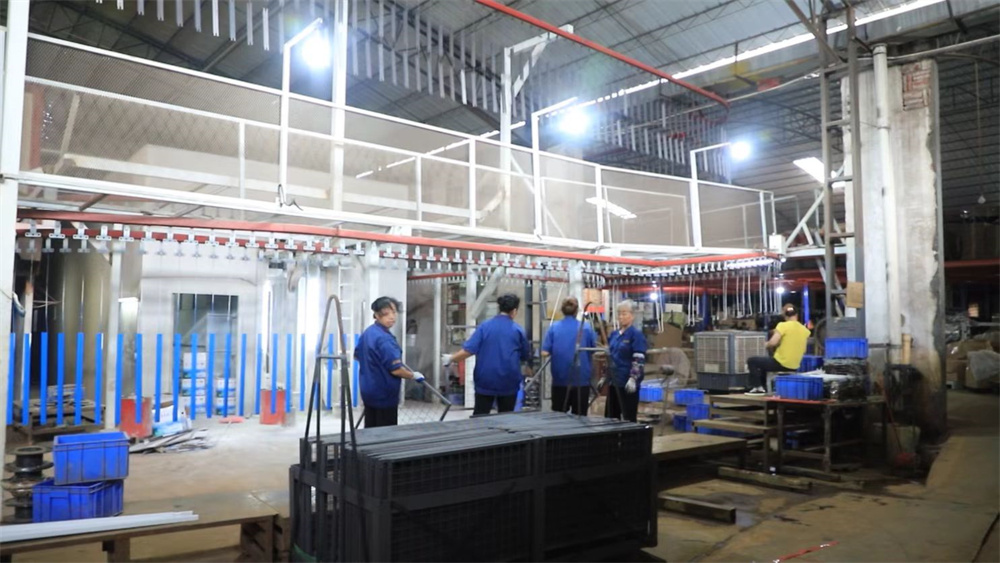
Our heavy manufacturing floor is equipped with CNC-controlled laser, bending, and punching hardware to assure structural tolerance levels within fractions of a millimeter.
Depending on the industry segment, shelving design must prioritize safety, load profiles, accessibility, and inventory rotation practices:
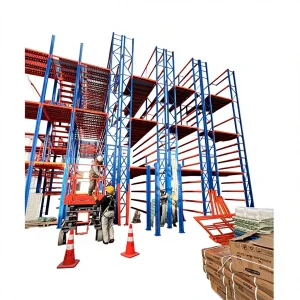
Utilizes multi-tier mezzanine floors to triple operational space, integrating heavy-duty gravity flow racks to speed up manual picking and automated sorting operations.
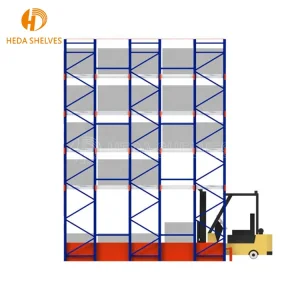
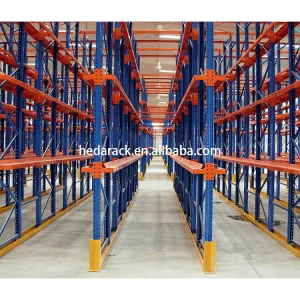
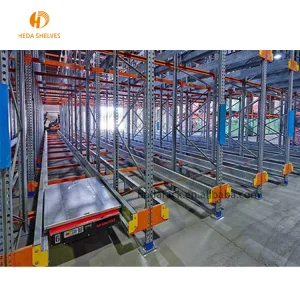
Employs high-density radio shuttle and drive-in racking designs. Maximizing storage density reduces the overall square footage needing temperature control, driving down utility costs.
Leverages structural steel structural columns and thick structural steel shelves. Engineered with safety factors exceeding 1.5 to safely hold dynamic tooling components.
The warehousing sector is shifting away from static storage toward dynamic, space-optimized setups. Key advancements to watch include:
Procuring warehouse racking from overseas partners requires careful validation of structural ratings and quality certifications. Ensure your supplier provides certified load test documentation conforming to ISO 9001 and CE standards. Upright and beam thicknesses should match specification sheets exactly, with uniform powder coat coverage to prevent long-term corrosion. Partnering with a manufacturer like DriveRacks, which employs 30 in-house quality inspectors, ensures consistent quality from raw steel to loaded containers.
Work directly with Chengdu DriveRacks' team of 110 R&D engineers to design, simulate, and export optimized industrial racking layouts.
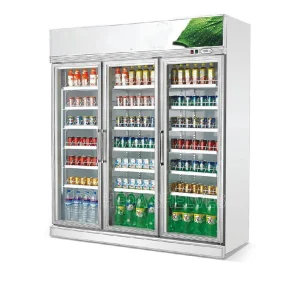
Request Technical ConsultationExplore our complete range of certified warehousing, supermarket gondola shelves, and automated material handling configurations.
 DriveRacks