Engineered for extreme performance, seismic safety compliance, and maximum utilization of vertical floor space.
Unpacking the mechanics, software paradigms, and storage optimizations defining modern AS/RS systems.
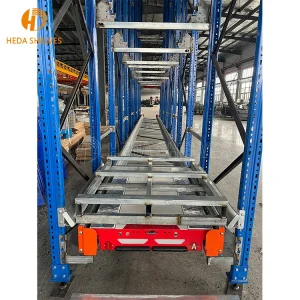
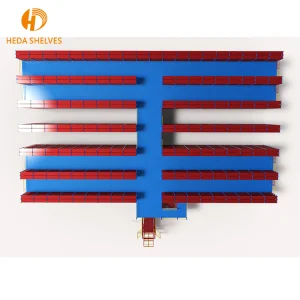
Unlike traditional drive-in or dynamic gravity flow racks, the 4-way shuttle AS/RS system maximizes space volumetric utilization by operating on both longitudinal and transverse axes. By removing unnecessary service aisles and using robotic vertical elevators, operators achieve up to a 60% boost in overall warehouse density compared to selective pallet rack configurations.
Modern supply chain requirements demand fluid scalability. A 4-way shuttle system allows operators to decouple the number of shuttles from the storage volume. If throughput demands double, the warehouse can simply run extra shuttle units within the same rack infrastructure. This prevents upfront oversizing of mechanical equipment, protecting capital expenditure.
High-speed processing requires deep system integration. By running proprietary WCS (Warehouse Control System) software alongside enterprise ERPs, these shuttle platforms map real-time routes, orchestrate path planning, avoid bottlenecks, and deliver millimetric positioning accuracy through laser positioning and wireless coordinate telemetry.
Globally, industrial warehousing is evolving from static storage to fully integrated automated logistics nodes. Modern supply chains struggle with labor scarcity, soaring urban land costs, and changing demand profiles. The 4-way shuttle functions as an intelligent robot inside a structural steel matrix. Because it travels both laterally and longitudinally within dedicated lane tracks, it reduces the risk of fork truck damage, protects SKU integrity, and increases pallet moves per hour. This enables automated FIFO (First-In, First-Out) or LIFO (Last-In, First-Out) inventory control with minimal maintenance overhead.
What procurement directors, warehouse operations leads, and technical engineers require from automated racking partners.
Compliance with structural and mechanical safety codes is essential. Industrial components must meet rigorous certifications like RMI (Rack Manufacturers Institute) in the USA, FEM 10.2.02 guidelines in Europe, and global seismic codes. Structural components must undergo Finite Element Analysis (FEA) to confirm safety under structural loading and seismic activity.
System availability is critical. Global purchasers prioritize shuttles equipped with fast-charging lithium iron phosphate (LiFePO4) batteries or advanced supercapacitors. These power configurations support continuous operation, automatic self-charging routines, and low degradation cycles under demanding shifts.
Procuring systems for cold chain storage (down to -25°C or lower) requires special steel selection (such as high-grade impact-resistant alloys) and custom electrical heating components. Preventing condensation and maintaining battery performance under freezing conditions is a key requirement for food logistics operations.
| Feature Parameter | Technical Industry Standard | DriveRacks Manufacturing Standard | Operational Value Delivered |
|---|---|---|---|
| Steel Grade Quality | SS400 / Q235B / Q355B | Custom structural steel (certified tensile tested) | High yield strength, prevents structural buckling |
| Positioning Accuracy | ± 5.0 mm | Laser positioning & encoder feedback (± 2.0 mm) | Highly reliable robotic handover, reduces shuttle jams |
| Load Capacity Limits | 500 kg - 1,200 kg | Heavy-duty structural configurations up to 1,500 kg | Handles heavy manufacturing, chemical, and liquid SKUs |
| Operating Temp Range | 0°C to +40°C | -25°C to +45°C (special cold-chain configurations) | Performs across food, cold-chain, and dry warehouses |
| Coating & Finish | Standard industrial paint | Automated electrostatic powder-coat (certified thickness) | High wear, corrosion, and scratch resistance |
How Chengdu DriveRacks Industrial Technology Co., Ltd. builds resilience, structural quality, and efficiency into every pallet position.
Established in 2017, Chengdu DriveRacks Industrial Technology Co., Ltd. operates a state-of-the-art 42,000 m² manufacturing plant dedicated to advanced material handling and heavy-duty storage infrastructure. Delivering $35 million in annual export revenue, we bring 9 years of deep industry expertise and 6 years of international trade operations. Our team of 30 certified inspectors executes rigorous raw material tensile testing and automated powder-coating thickness audits. Serving high-growth markets across the Middle East, Latin America, and Oceania, DriveRacks leverages a robust ecosystem of 1,200 supply chain partners. We primarily serve enterprise warehouse operators, e-commerce fulfillment hubs, and heavy equipment manufacturers. Powered by 110 skilled R&D engineers focusing on smart automation and high-density racking design, we released 250 dynamic product iterations last year and provide comprehensive customization spanning rack dimensions, seismic ratings, and surface treatments.
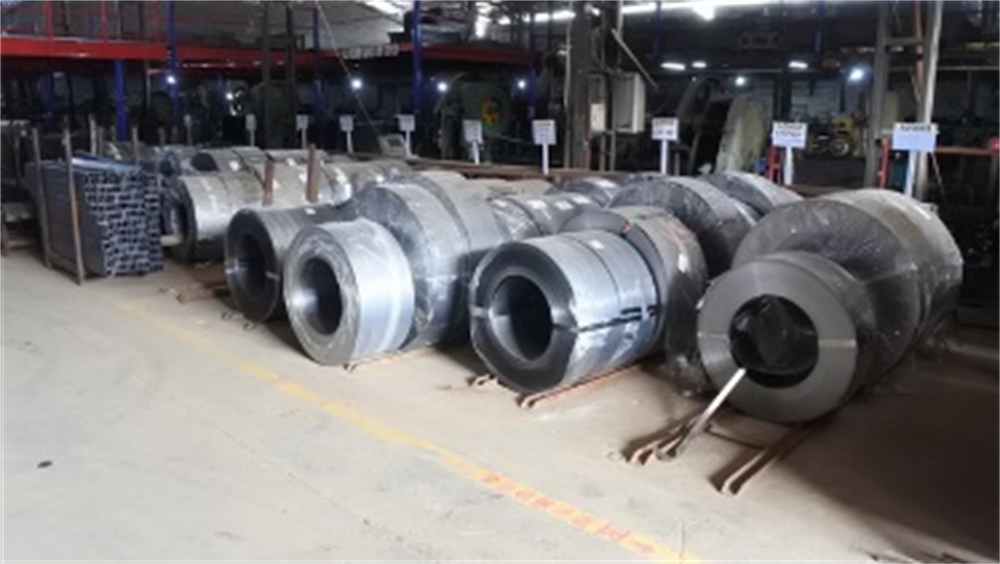
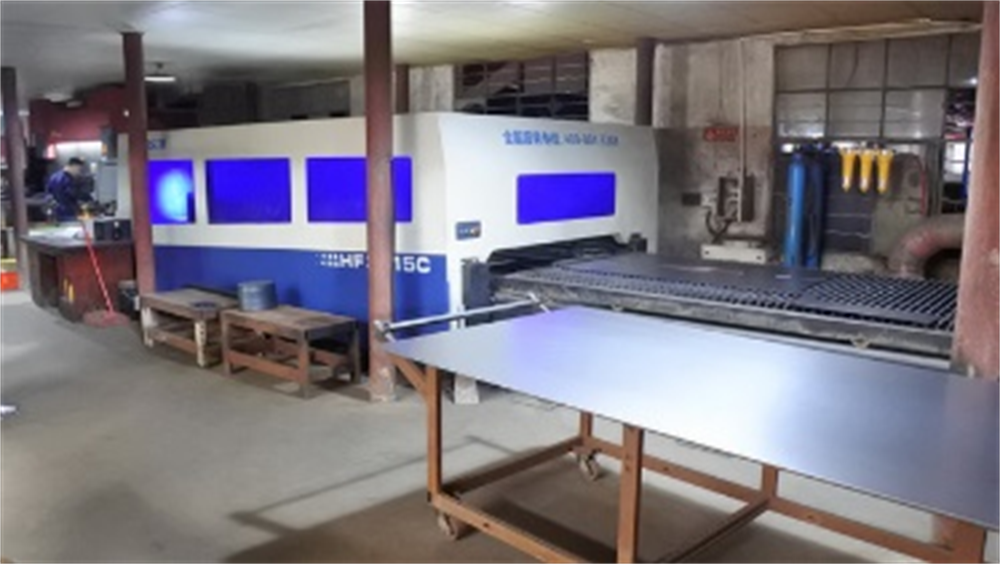
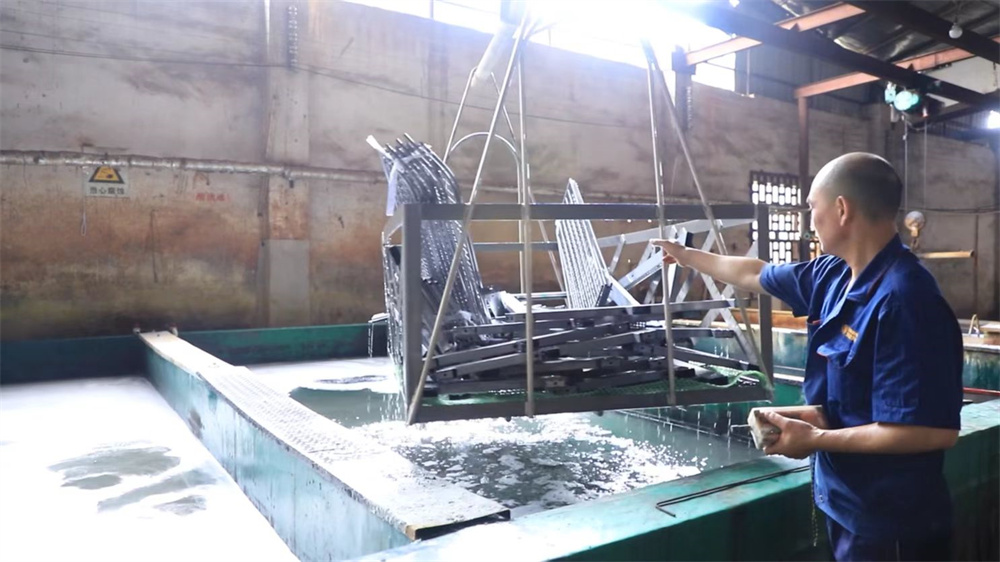
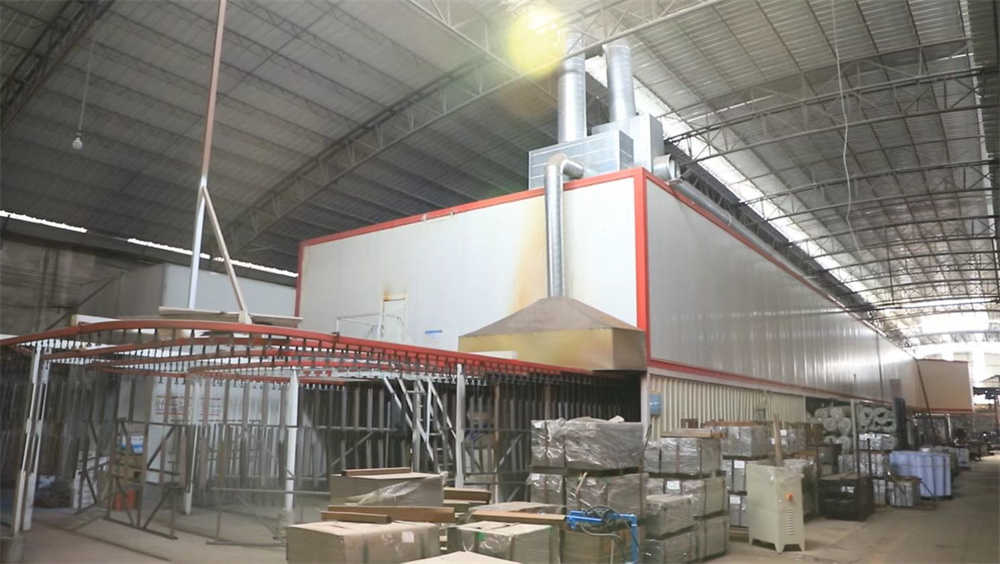
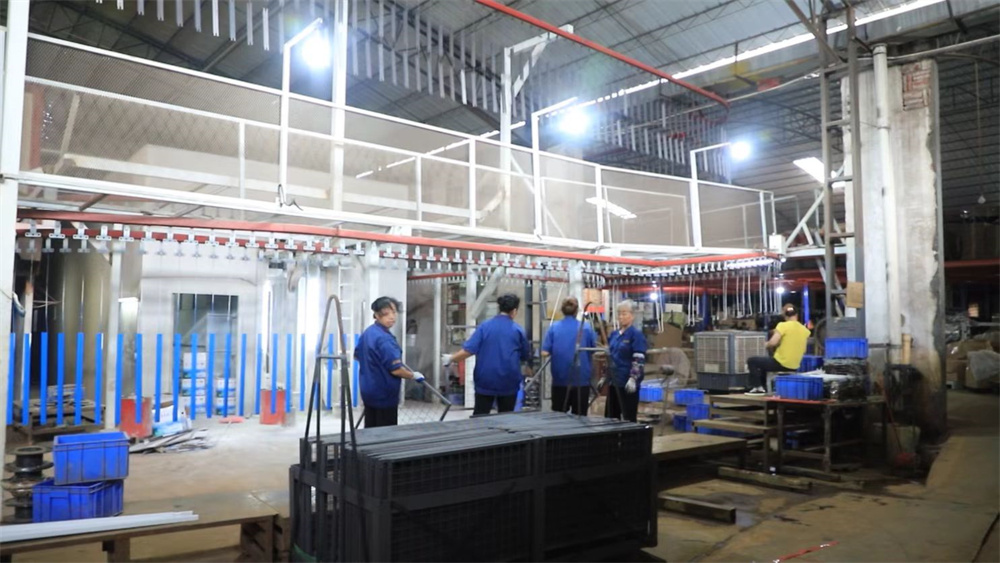
To secure deep supply chain resilience, our factory utilizes an integrated, automated process flow that transitions raw metal coil into precision-engineered, powder-coated racking components. Automated laser cutting, robotic welding, and automated painting lines eliminate human error, ensuring consistent tolerances across high-volume production runs. This is critical for automated 4-way shuttle structures, where even a slight alignment deviation can cause system shutdowns or shuttle faults.
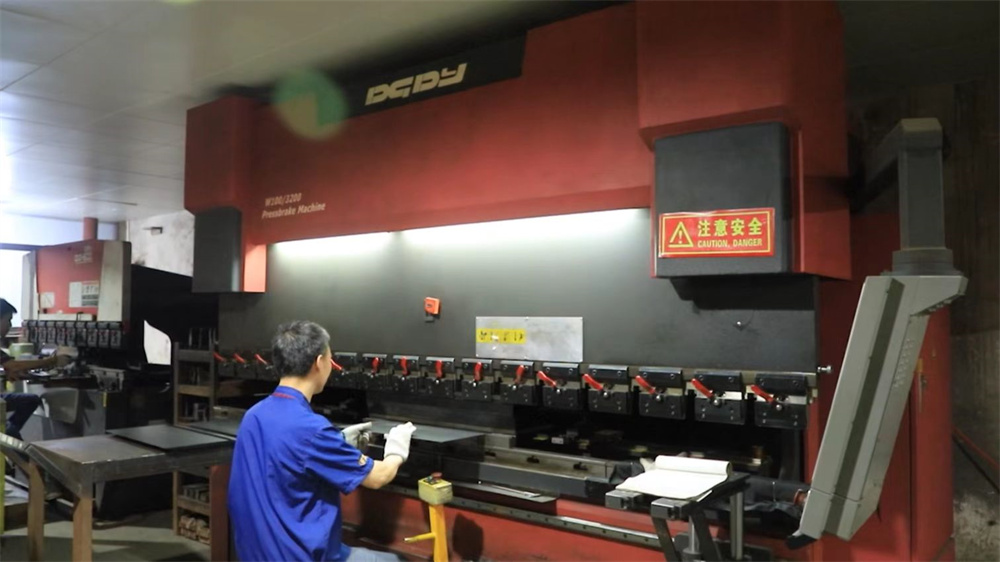
By controlling every step—from raw material inspection and robotic bending to electrostatic powder curing and dynamic product testing—we help overseas partners minimize risk. Our engineering team designs custom structural profiles using Finite Element Analysis (FEA) and dynamic simulation software, ensuring long-term structural integrity.
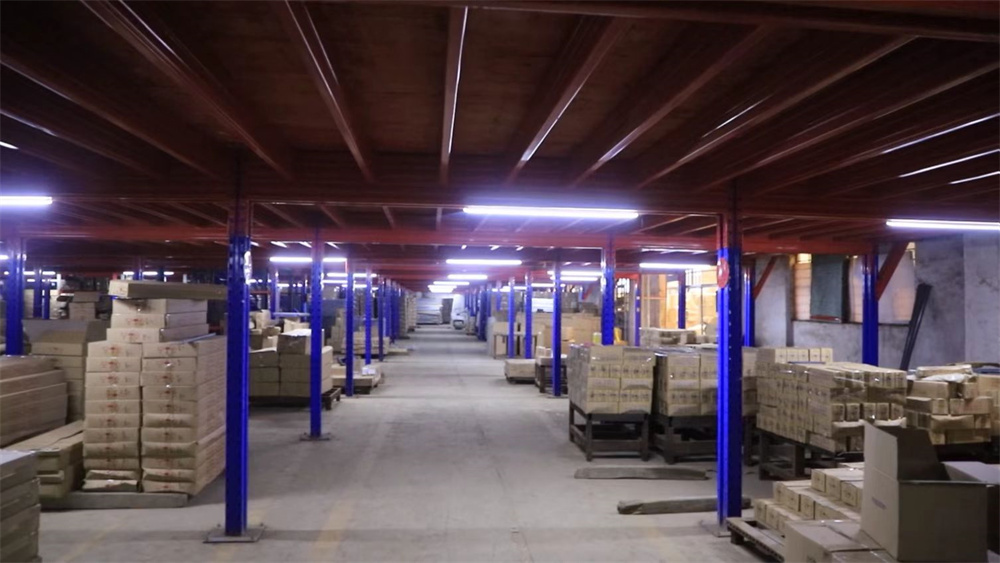
Step-by-step visual documentation of our automated production line and quality control systems.
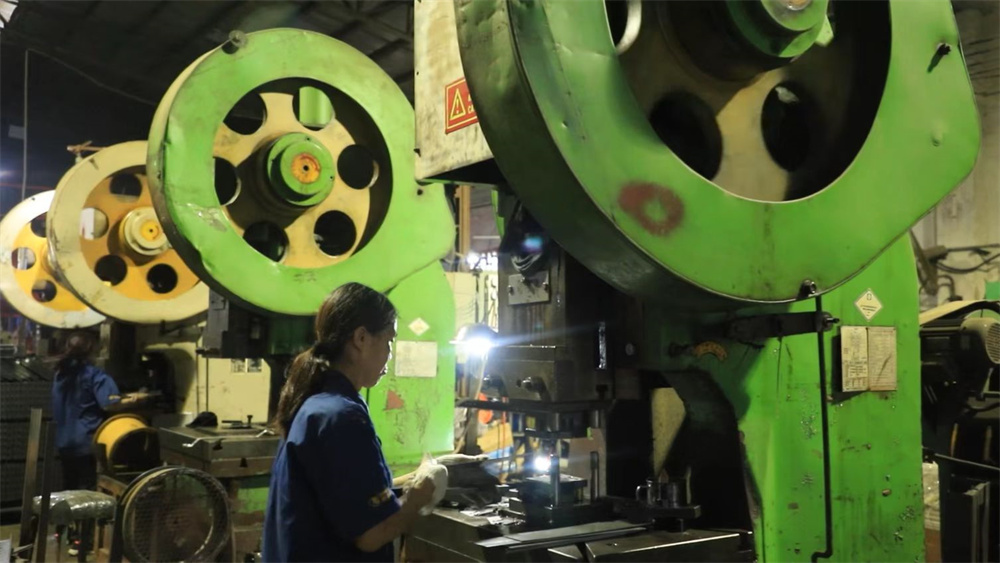
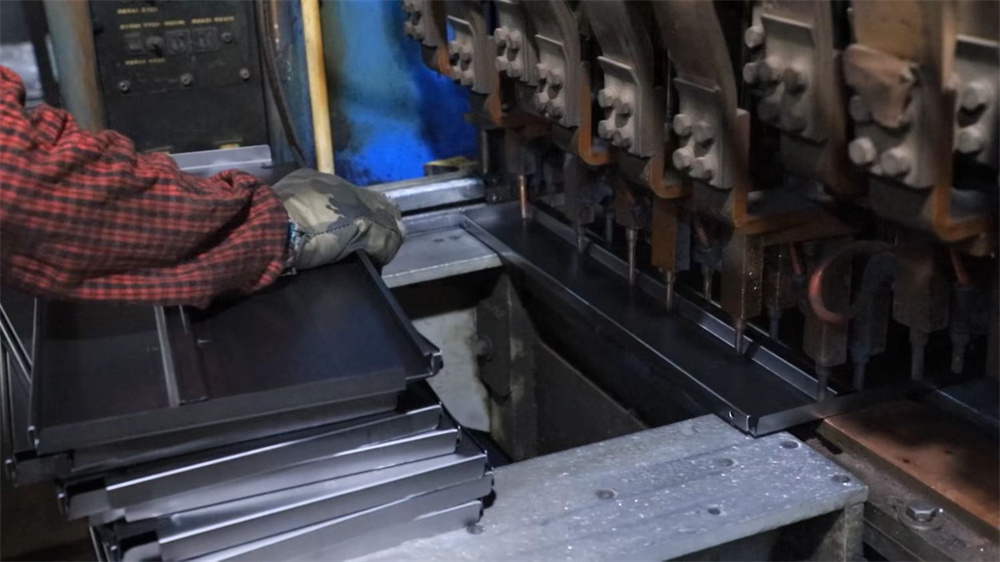
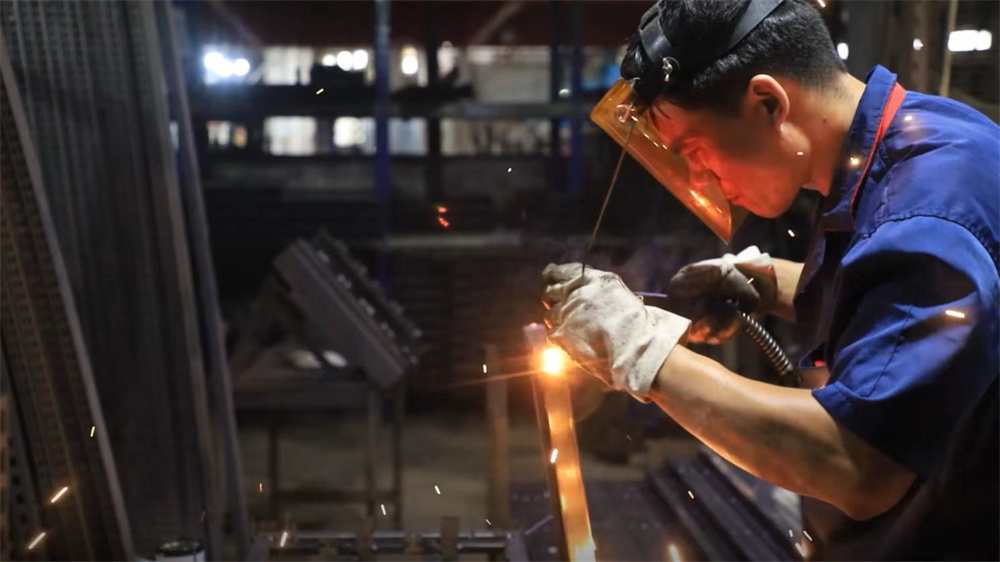
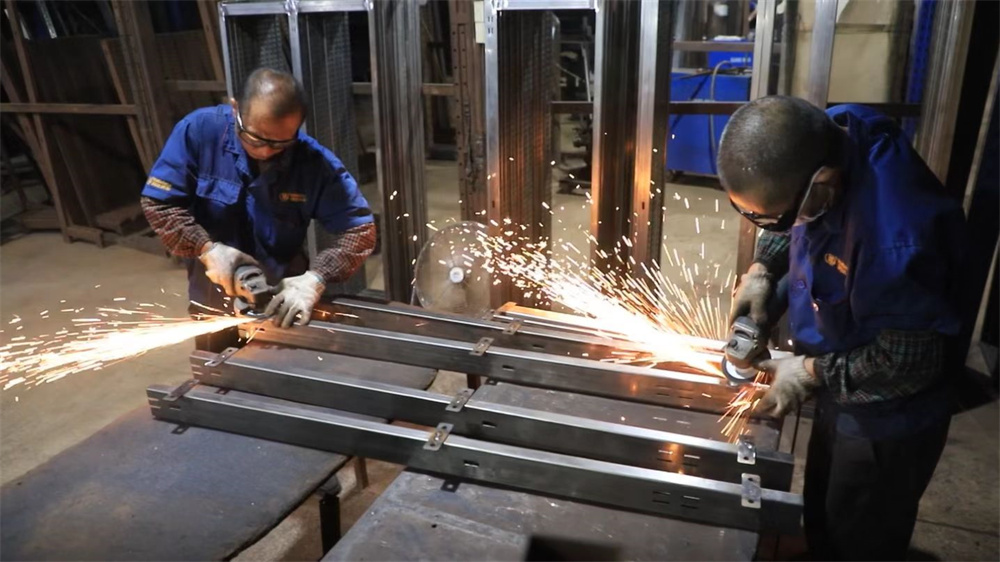
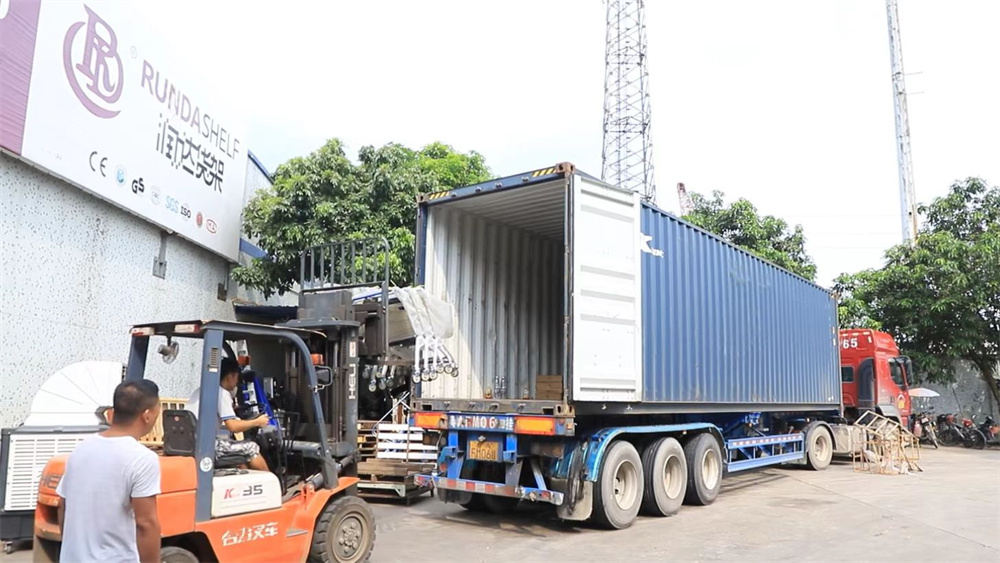
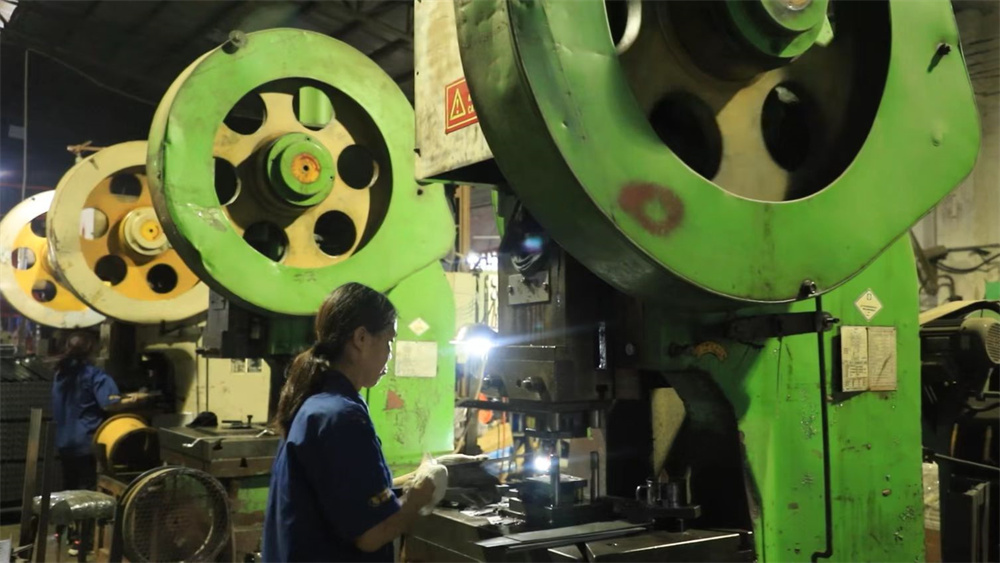
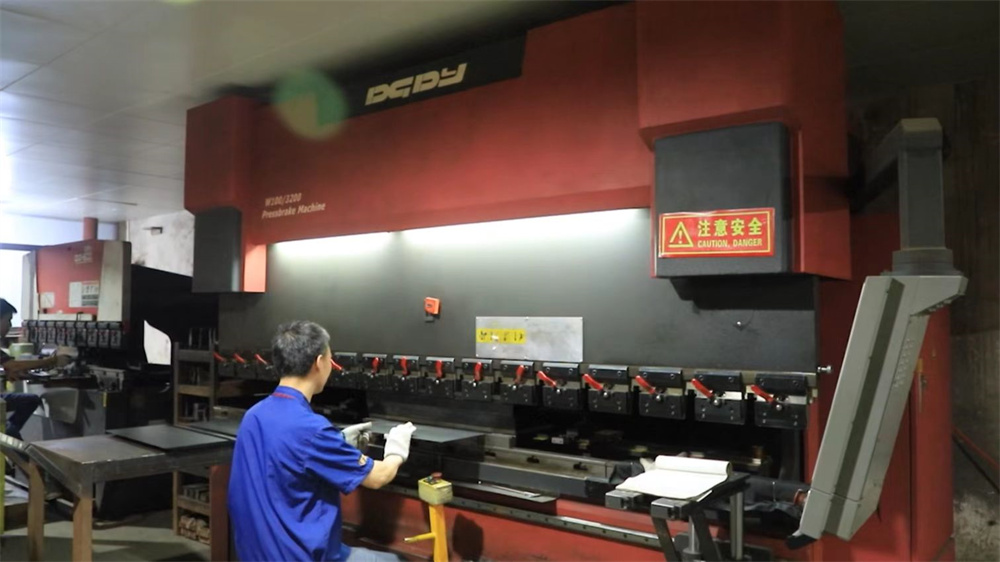
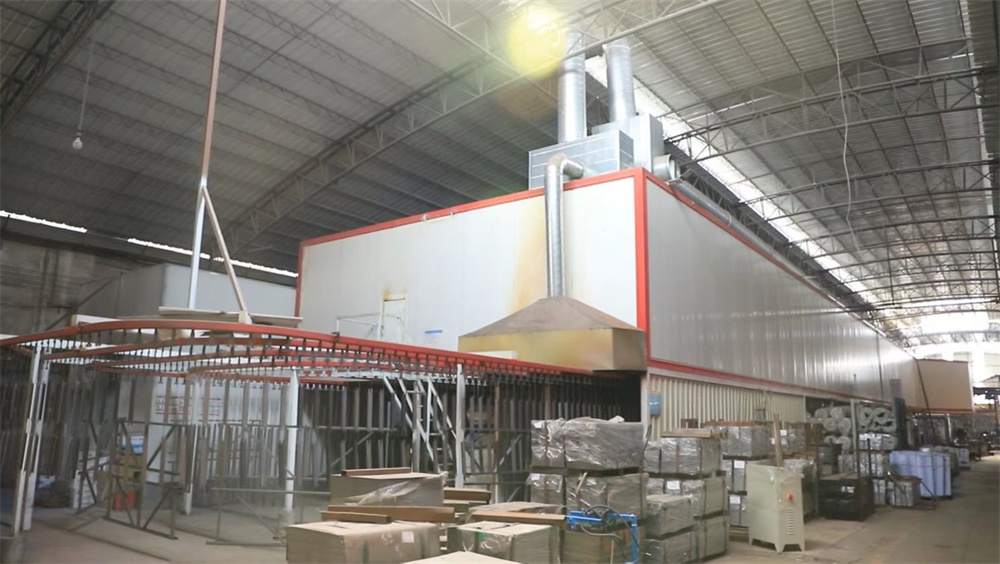
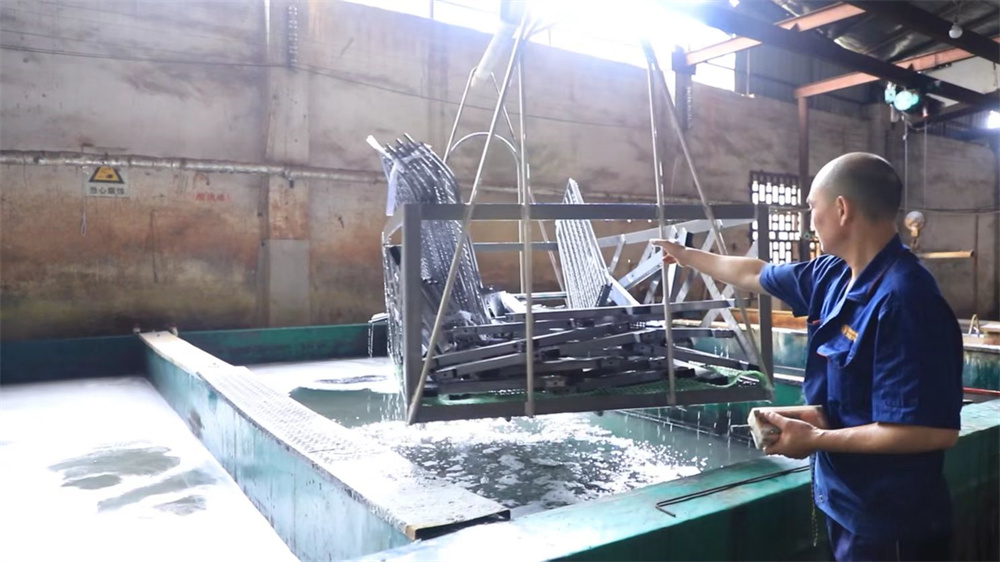
Customized material handling configurations serving diverse industrial operational requirements.
In high-density FMCG distribution environments, rapid picking and variable packaging profiles are typical. Our automated 4-way systems route high-volume orders dynamically. This reduces staging times, speeds up truck loading, and integrates directly with parcel sorting conveyors for continuous throughput.
Given the high energy costs of temperature-controlled storage, maximizing footprint density is critical. Our low-temperature shuttle racking systems operate reliably in sub-zero environments. This protects battery longevity, prevents mechanical seizing, and optimizes volume within refrigeration envelopes.
Automotive, electronics, and heavy equipment manufacturers store raw steel, components, and sub-assemblies. Heavy-duty structural racking provides the load capacities required for industrial storage. This allows secure high-density staging next to production lines.
Direct answers to key technical questions from engineering, procurement, and operations teams.
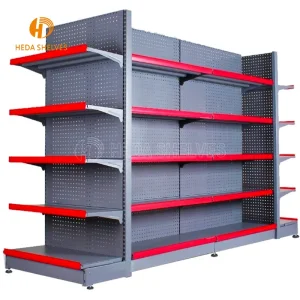
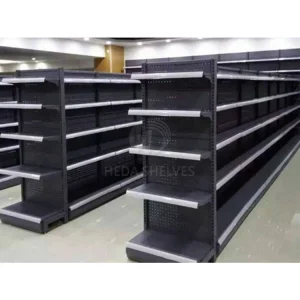
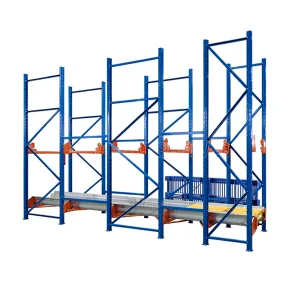
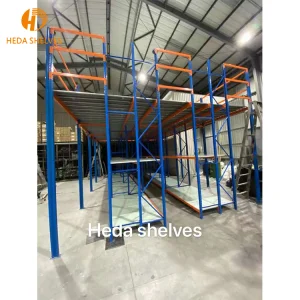
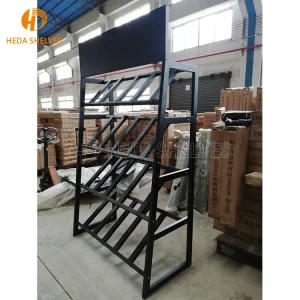
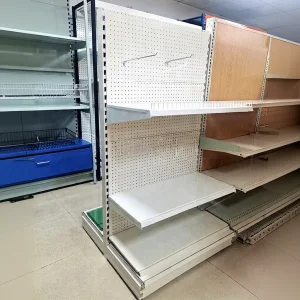
From heavy-duty high-density warehouse racking to retail display fixtures, we provide robust options for global operations.
 DriveRacks