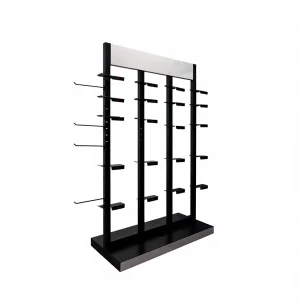
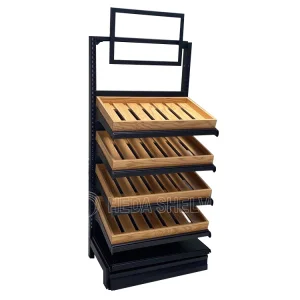
Engineered for high structural load capacities, safety metrics, and aesthetic integration in contemporary retail environments.
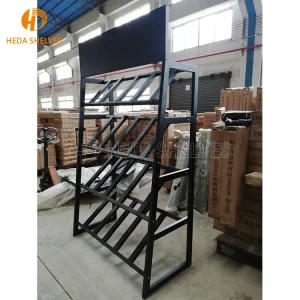
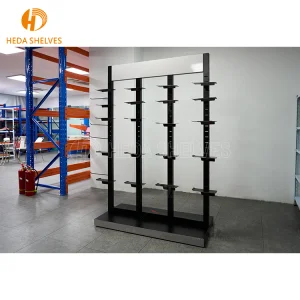
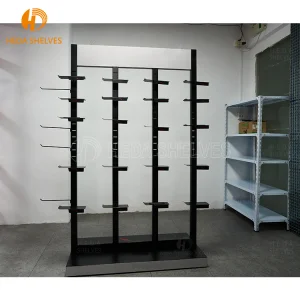
As Europe's largest national economy, Germany presents a highly sophisticated landscape for commercial fixtures and industrial display infrastructure. The German retail sector, driven by major enterprises such as Edeka, Rewe, Metro Group, and OBI, operates under stringent parameters of optimization, footprint performance, and physical safety. In recent years, the acceleration of omnichannel commerce and automated checkout mechanisms has fundamentally reshaped display engineering. Display racks are no longer mere static holders; they have evolved into dynamic modular components integrated with supply chain informatics.
Under German regulatory frameworks, particularly the German Product Safety Act (ProdSG) and DIN EN 15635 guidelines, structural safety is paramount. Display fixtures installed in public spaces must guarantee load stability under variable stress factors, seismic resistance (specifically in defined geological zones within North Rhine-Westphalia and Baden-Württemberg), and absolute structural redundancy. This requires factories to transition away from standard, unrated steel profiles toward high-grade, carbon-alloyed steel matrices (such as Q235B or Q345B equivalents) that offer superior tensile strength and ductile yields.
Information Gain Focus: Unlike standard off-the-shelf displays, our structural designs undergo finite element analysis (FEA) simulating real-world warehouse stresses and retail foot-traffic dynamic loads. This mathematical approach guarantees safe operating thresholds that easily align with TÜV and GS requirements.
Furthermore, Germany's commitment to sustainability (governed by the German Packaging Act - VerpackG and circular economy initiatives) requires B2B procurement officers to evaluate the environmental footprint of store fixtures. Our automated powder-coating processes utilize non-toxic, TGIC-free coatings that release zero volatile organic compounds (VOCs). They comply with RoHS and REACH standards, ensuring that metal, wood, and composite elements are 100% recyclable at the end of their operational lifecycle.
Each commercial vertical in Germany requires a targeted engineering strategy to maximize spatial efficiency and align with specific customer demographics:
Established in 2017, we operate a state-of-the-art 42,000 m² manufacturing facility specialized in material handling and commercial display infrastructure. Supported by 9 years of industry expertise and a dynamic network of 1,200 supply chain partners, we deliver customized B2B display solutions to competitive markets globally.
Our dedicated engineering force of 110 R&D specialists released over 250 product iterations last year alone, focusing on structural dynamics, modular flexibility, and localized compliance parameters.
Send Inquiry NowFrom raw material testing to automated electrostatic painting, our production phases are thoroughly documented and audited.
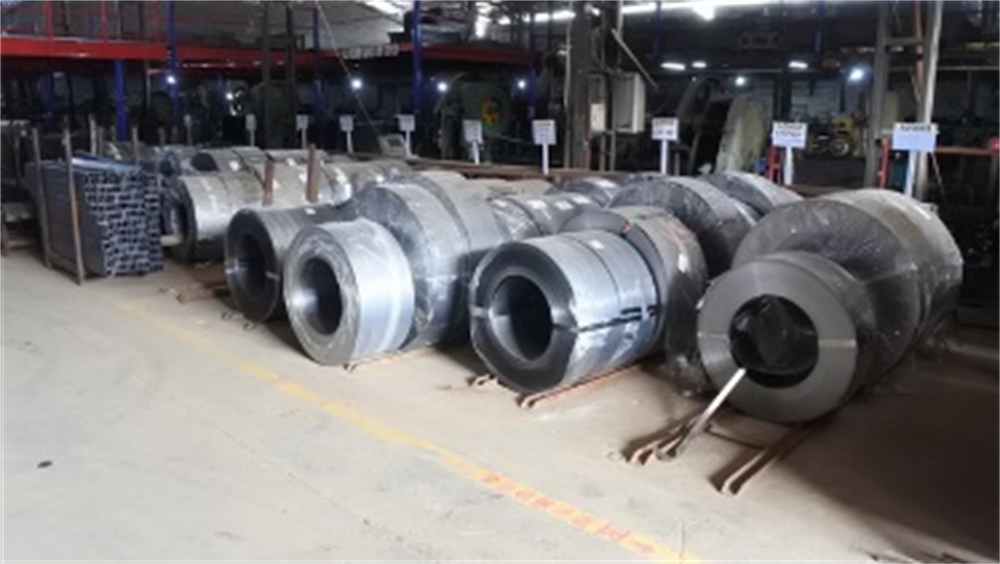
Raw Materials Testing
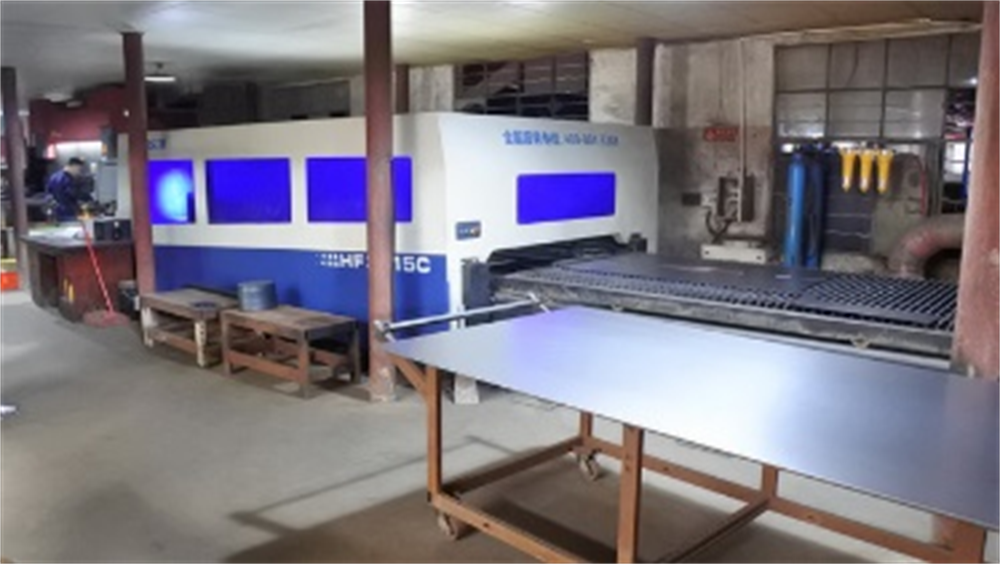
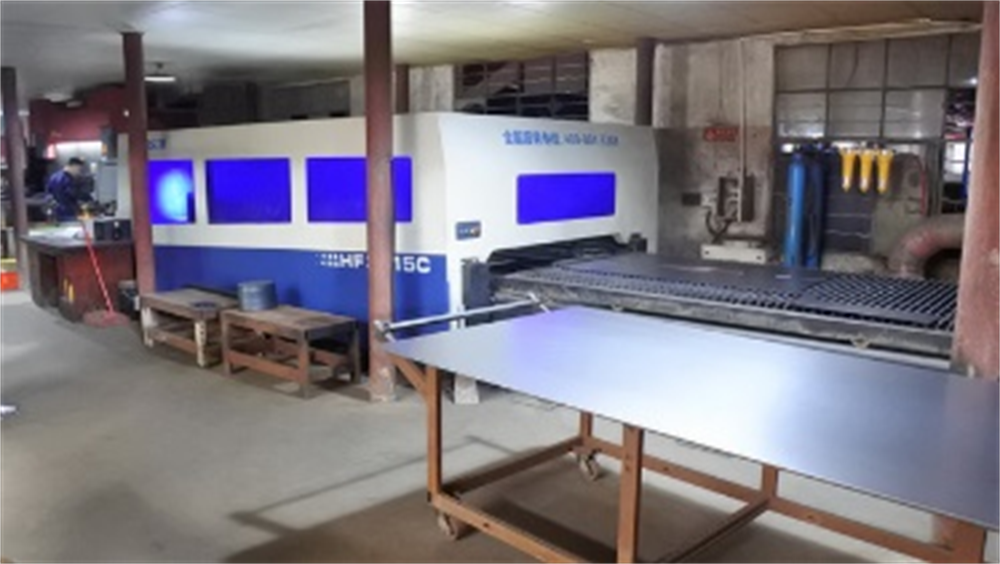
Laser Cutting
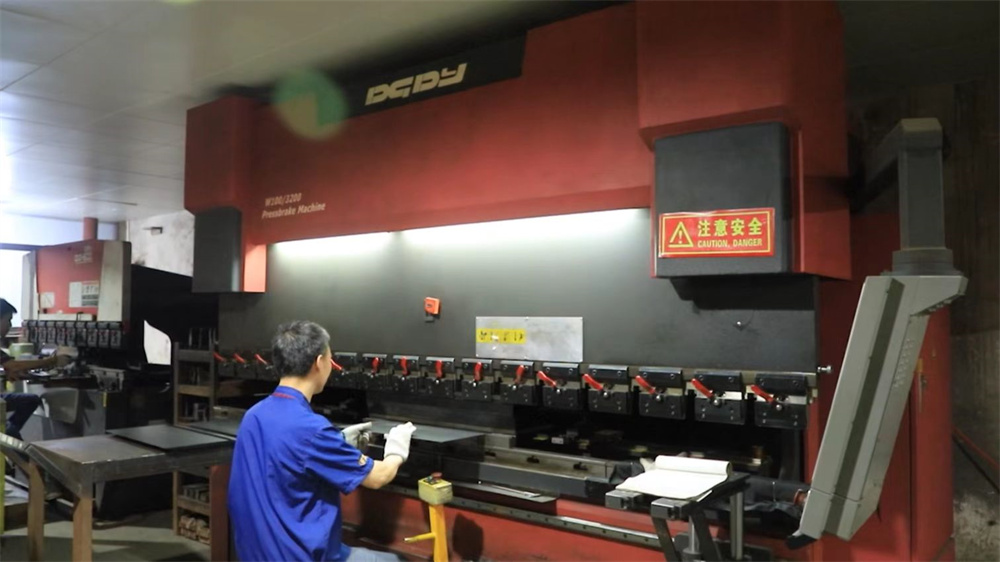
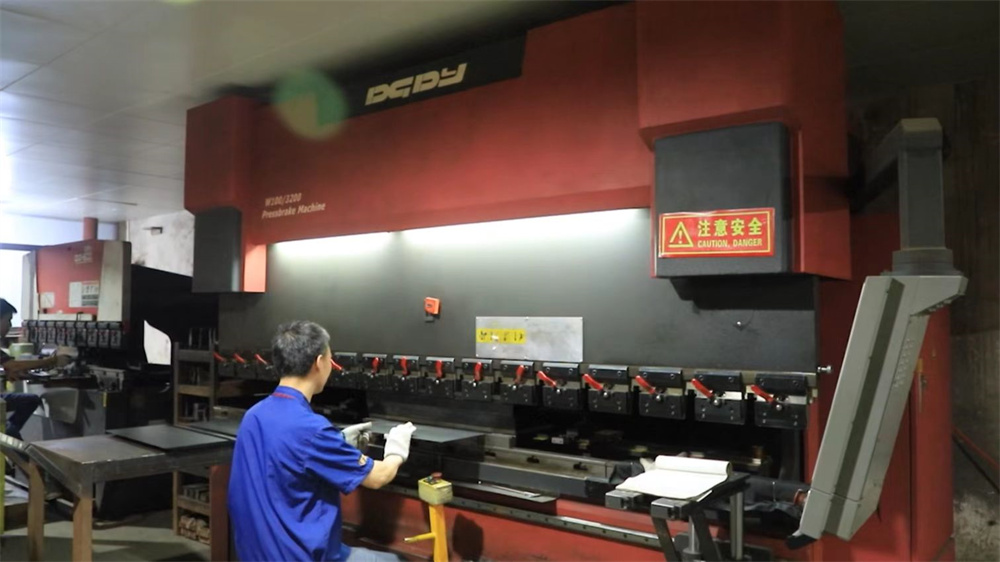
Precision Bending
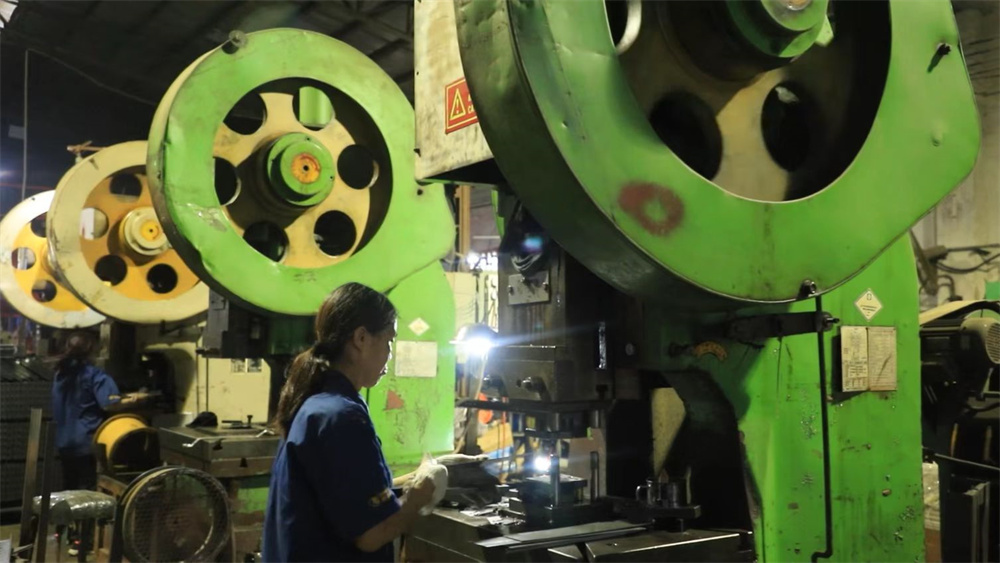
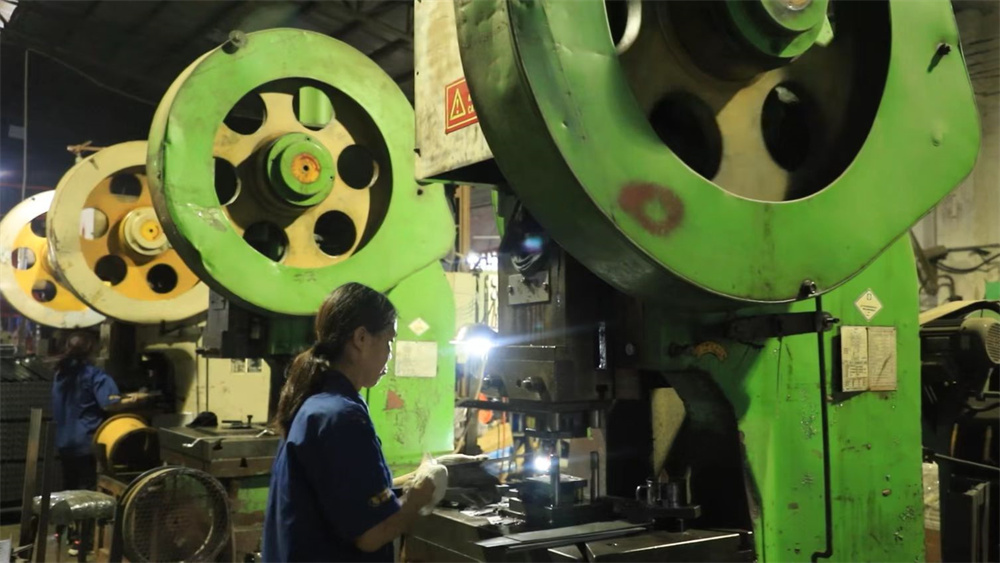
Automatic Punching
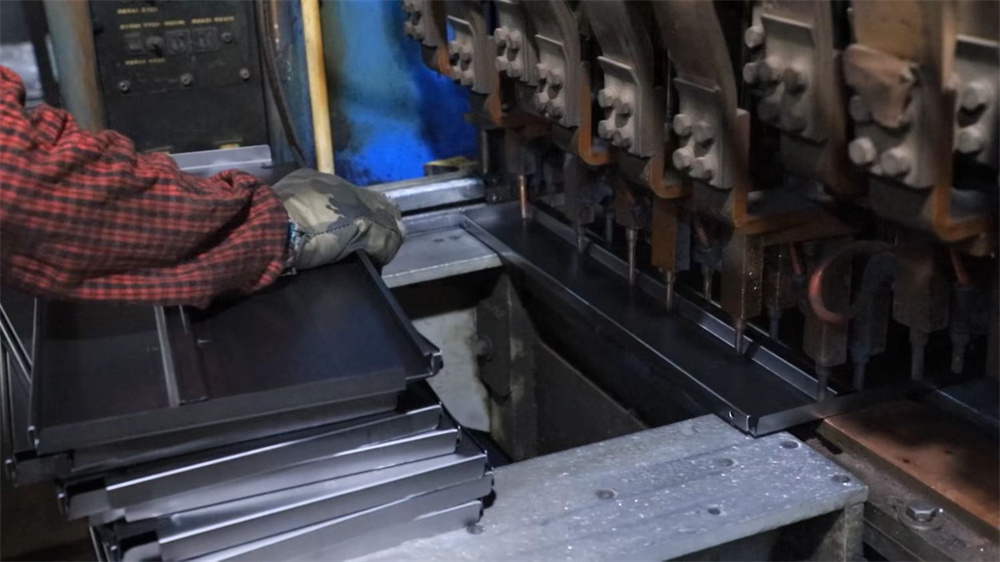
Part Processing
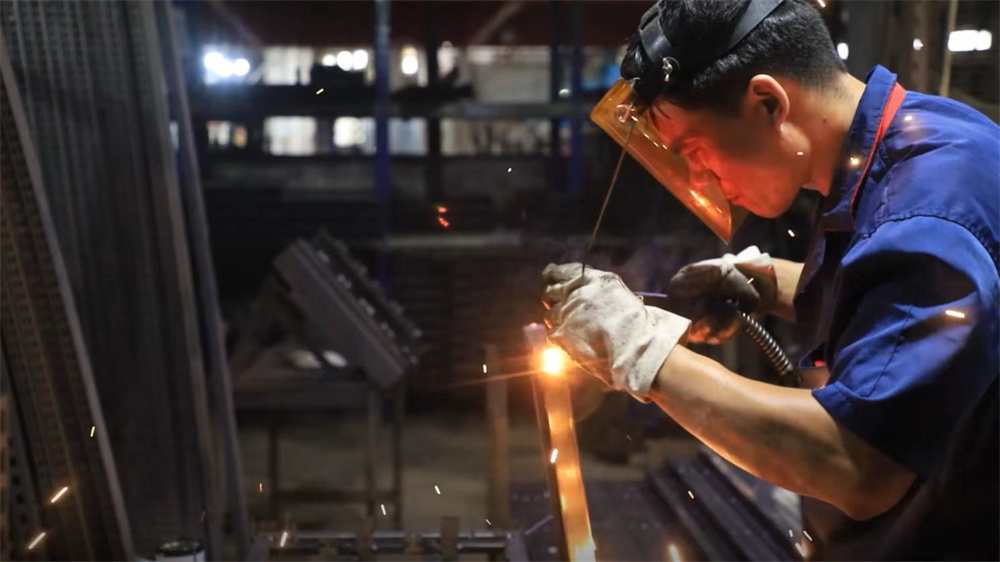
Robotized Welding
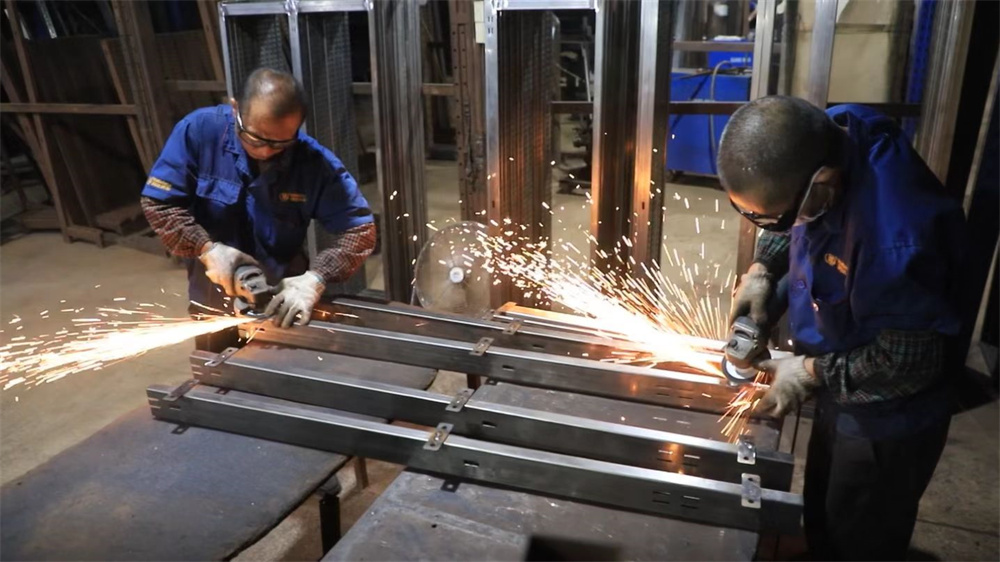
Seamless Grinding
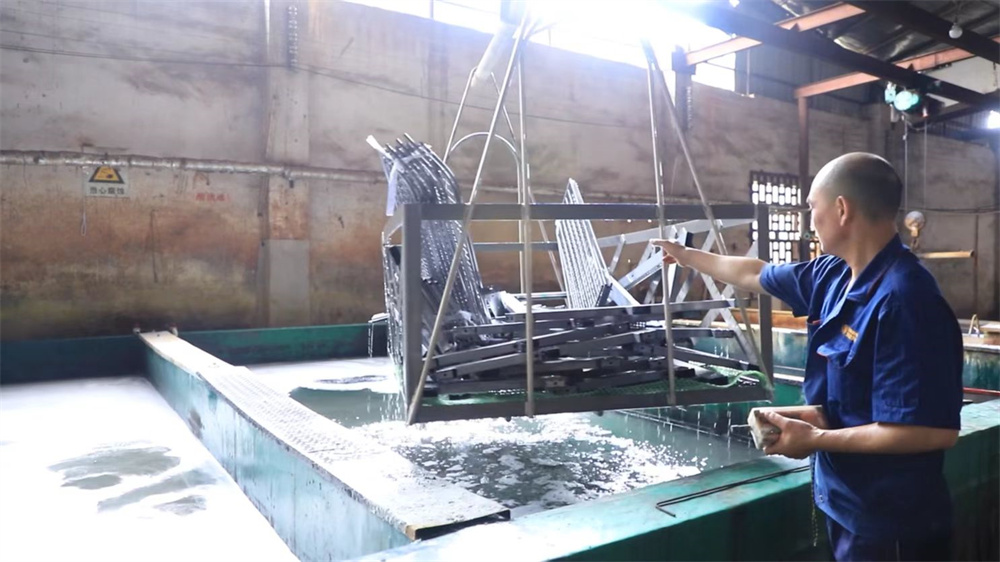
Surface Treatment
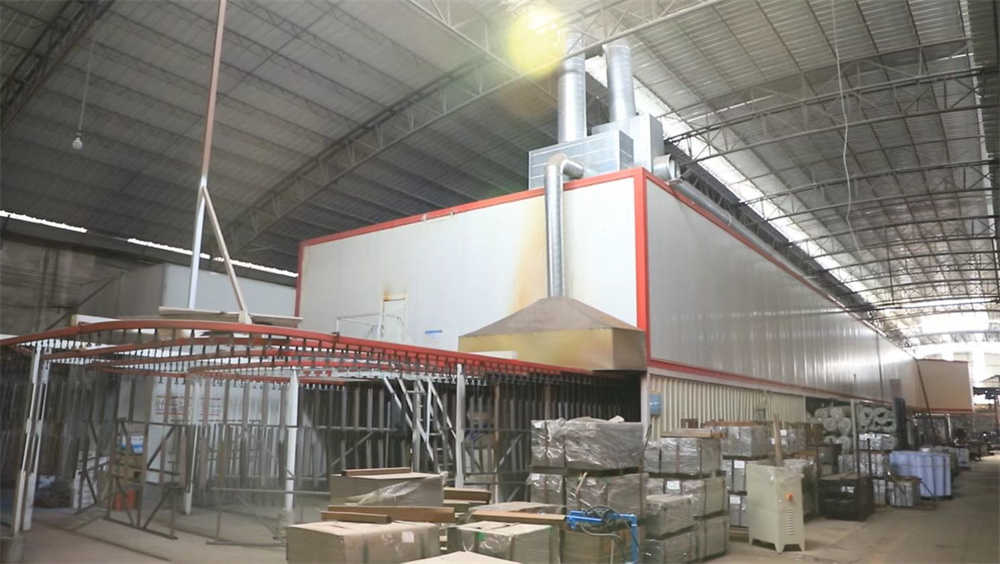
Electrostatic Painting
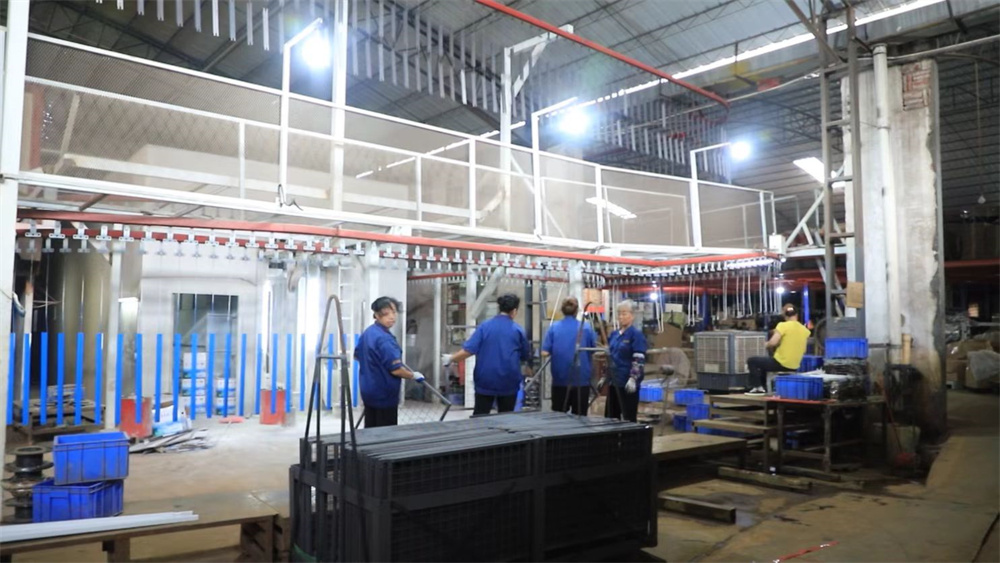
Rigorous Inspections
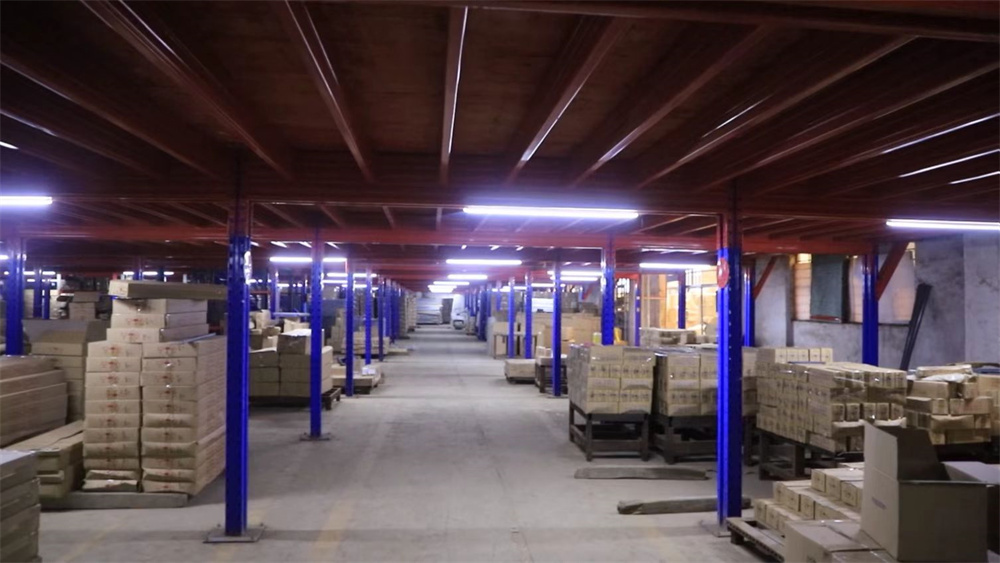
Order Consolidation
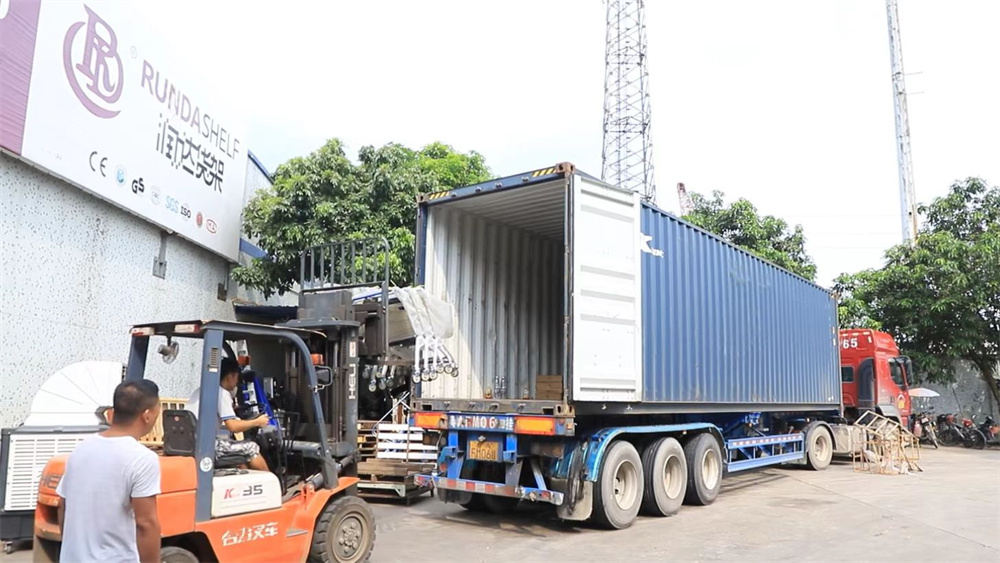
Global Dispatch
Industrial-grade fabrication equipment ensuring high tolerances, consistent welds, and rapid lead times.
CNC Punching Machine
Laser Cutting Station
CNC Bending Machine
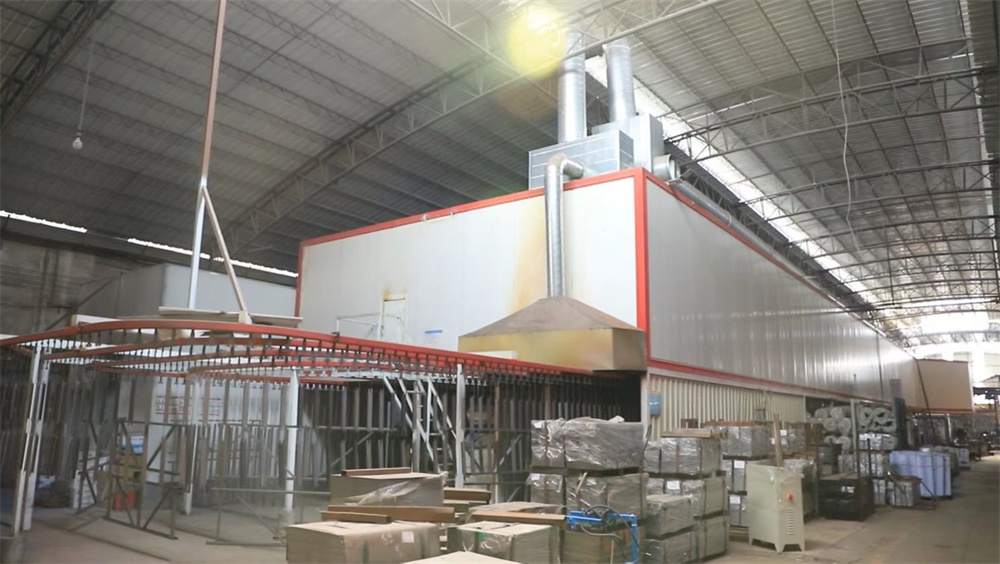
Automatic Painting Line
As logistics nodes and brick-and-mortar storefronts integrate more smart technologies, the demand for display systems is shifting toward adaptive and connected solutions. Our R&D division is currently developing next-generation display fixtures that integrate RFID telemetry and weight-sensitive smart plates. These solutions communicate inventory levels directly to the store's ERP system, supporting automated replenishment cycles and minimizing out-of-stock scenarios on the retail floor.
In terms of structural engineering, our future designs utilize advanced high-strength steels that decrease the raw material weight of fixtures by up to 15% without compromising overall structural integrity. This weight reduction lowers ocean freight transport emissions and simplifies setup for retail staff.
For the German market, where logistics efficiency is critical, our display dimensions are optimized for standard Euro-pallets (800 mm x 1200 mm) and EUR 6 half-pallets. This ensures display units can be shipped fully assembled and rolled onto store floors with minimal handling, reducing labour costs and speeding up visual merchandising setup.
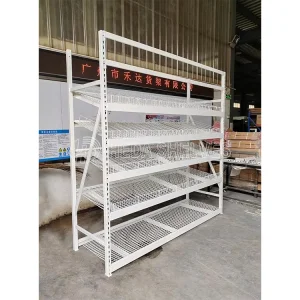
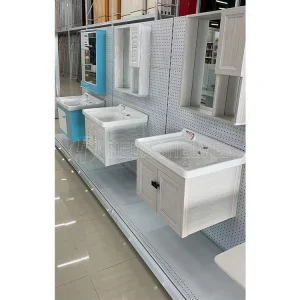
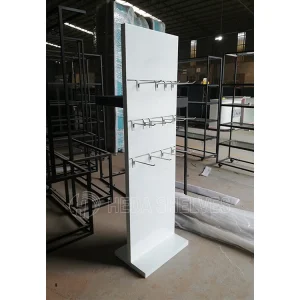
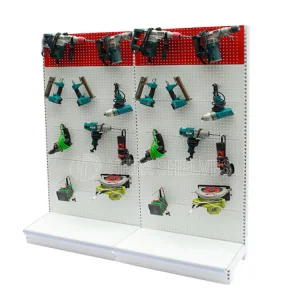
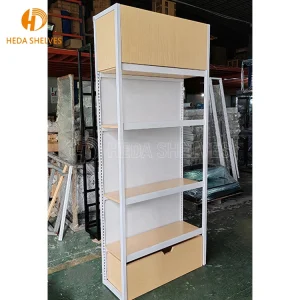
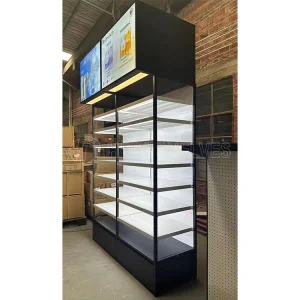
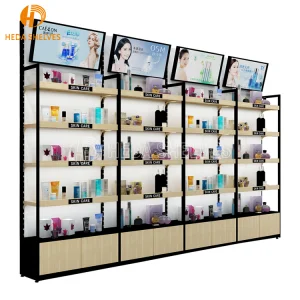
Select from our certified range of modular pegboards, shop cabinetry, clothing fixtures, and showroom display stands.
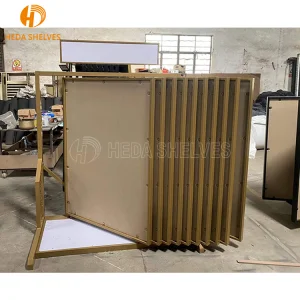
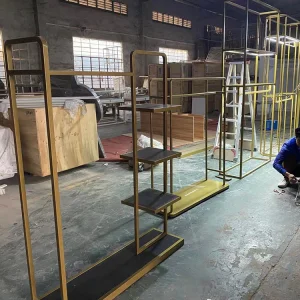
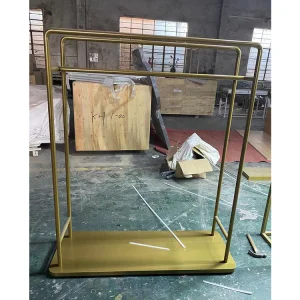
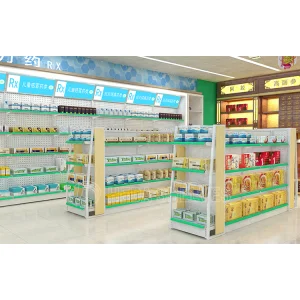
Direct answers to the technical questions asked by German procurement teams and warehouse architects.
Our engineering team performs structural calculations using Finite Element Method (FEM) software. Uprights and beams are designed with safety locking tabs and structural deflection controls to ensure dynamic load performance. We test and document maximum load-bearing limits for each layout, ensuring compliance with European work safety and storage regulations.
We source cold-rolled steel (predominantly Q235B and Q345B grades, equivalent to S235JR and S355JR under European EN standards). This material selection ensures high yield strength and ductility, which prevents failure under accidental impact or seismic loads.
Our surface finishing process includes multi-stage pre-treatments (acid washing and phosphating) followed by an electrostatic powder coating application (thickness range: 60 to 120 microns). We verify coverage consistency using automated thickness gauges. For high-humidity locations, we offer optional hot-dip galvanizing and premium stainless steel bases (304 grade) to ensure long-term durability.
Yes, all components are engineered and flat-packed to match Euro-pallet footprints (1200 x 800 mm). Modular frames are stacked with custom protective dividers to prevent surface scratches during transit and to maximize container loading efficiency.
Production cycles generally require 20 to 30 days after drawing approval, depending on the order volume and customization level. Sea freight transit times to major German ports (such as Hamburg, Bremen, or Duisburg) add approximately 30 to 35 days, including customs clearance procedures.
Yes, all composite wood materials are certified to meet European E1 emission standards (low formaldehyde). Adhesives and powder coatings are also verified as free of heavy metals and hazardous substances, ensuring full compliance with REACH and RoHS standards.
Work with our engineering team to design custom, load-tested display solutions tailored to the Germany market. We offer 3D rendering and structural analysis for B2B applications.
Request Customized Quote DriveRacks