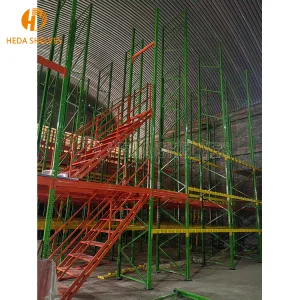
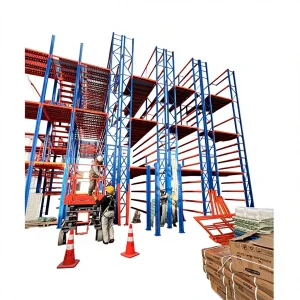
Mezzanine Rack Manufacturers & Manufacturer serving Seattle

Seismic-Engineered Multi-Tier Storage Platforms & Heavy-Duty Structural Mezzanine Systems for the Puget Sound Industrial Corridor

Send Inquiry Now

Seattle-Optimized Industrial Mezzanine Solutions

Pre-engineered structural steel platform configurations designed to meet rigorous Washington State building codes and maximize cubic utilization.
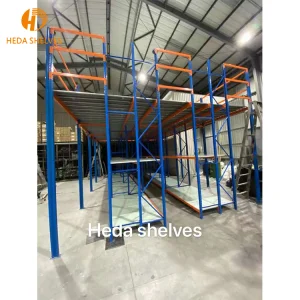
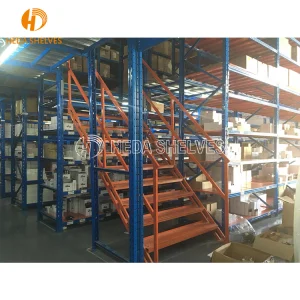
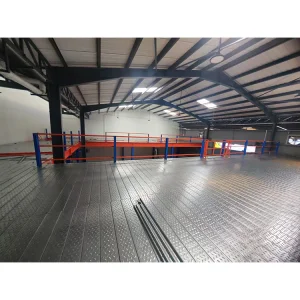
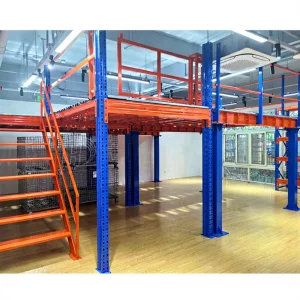
Two Levels Second Floor System Mezzanine Heavy Duty Steel Storage Platform

Two Levels Second Floor System Mezzanine Heavy Duty Steel Storage Platform for Factory Mezzanine Projects

View Configuration Detail →
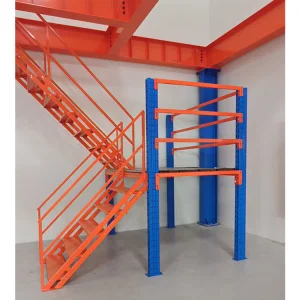
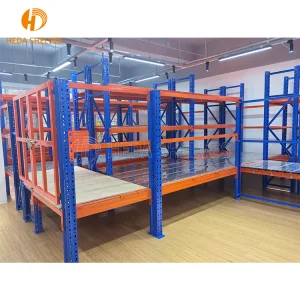
Heavy-Duty Industrial Metal Storage Rack System Mezzanine Floor Steel Platform

Heavy-Duty Industrial Metal Storage Rack System Mezzanine Floor Steel Platform for Efficient Warehouse Storage

View Configuration Detail →
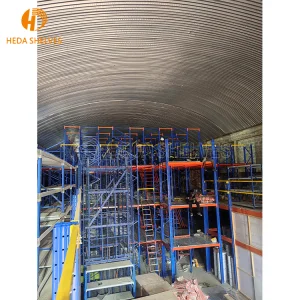
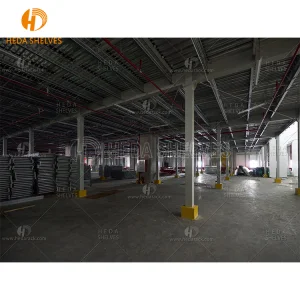
Heavy Duty Industrial Mezzanine Floor Steel Racking System Multi-Level Warehouse Storage Platform

Heavy Duty Industrial Mezzanine Floor Steel Racking System Multi-Level Warehouse Storage Platform for Goods Stacking

View Configuration Detail →
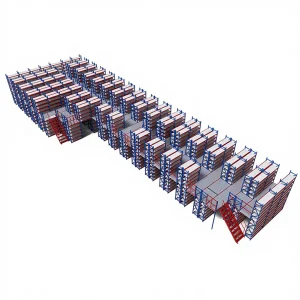
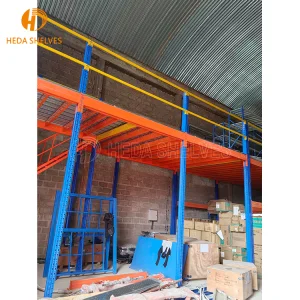
Customized Mezzanine Floor Racking Heavy-Duty Warehouse Storage Racks

Customized Mezzanine Floor Racking Heavy-Duty Warehouse Storage Racks Shelving Units Supported Steel Platform Attic Rack

View Configuration Detail →
42,000㎡
Production Facility
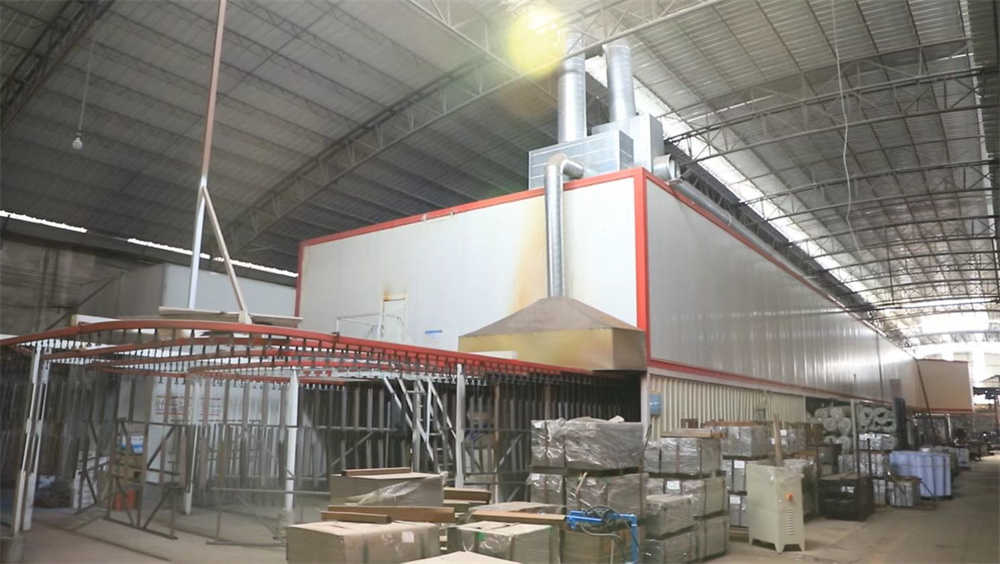
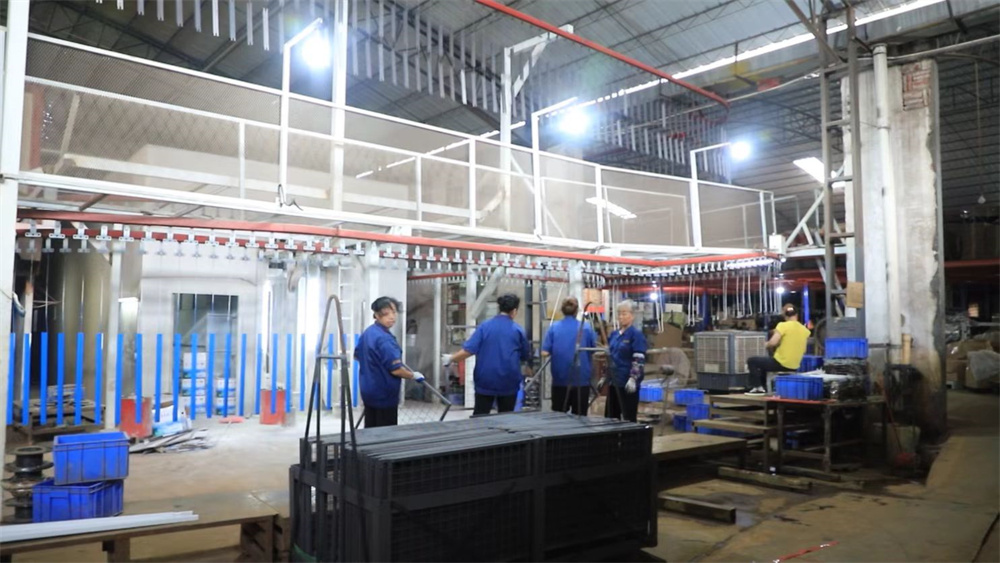
Advanced CNC-driven manufacturing lines and automated powder-coating infrastructure.
110
R&D Engineers
Providing professional finite element analysis (FEA) and customized seismic structures.
$35M
Annual Exports
Delivering global logistics solutions with compliance in US, EU, and Oceania markets.
Seismic D
Code Compliance
Engineered for Seattle's high-risk tectonic zones (SDCI and IBC compliance).

Seattle's High-Value Logistics Landscape & The Vertical Density Mandate

Seattle, Washington, represents one of the most dynamic yet space-constrained industrial markets in North America. Driven by the presence of global aerospace manufacturing leaders, e-commerce pioneers, maritime logistics hubs at the Port of Seattle and Port of Tacoma, and high-tech supply chain networks, industrial real estate in the Puget Sound region commands a significant premium. Lease rates in prime submarkets like the Kent Valley, Tukwila, and South King County continue to escalate, making horizontal warehouse expansion economically unviable for many enterprise operators.

To sustain growth, organizations must look upward. Industrial mezzanine racks and structural steel platforms serve as the ultimate space multiplier. By transforming underutilized overhead clearance into functional, high-capacity storage or operational floor space, facilities can double their usable square footage without altering the building's physical footprint. Our systems are specifically designed to address these complex needs, providing heavy-duty structural capabilities that interface seamlessly with advanced material handling equipment.

Navigating Seattle's Seismic Design Category D & E Standards

Unlike regions with low tectonic activity, designing and installing mezzanine structures in the Pacific Northwest requires rigorous seismic engineering. The Seattle Department of Construction & Inspections (SDCI) mandates strict compliance with the International Building Code (IBC) and ASCE 7 structural design regulations. Seattle is categorized under Seismic Design Category D (and in some areas, Category E), meaning structures are subject to high ground-acceleration forces during tectonic events.

Our engineering team utilizes state-of-the-art finite element analysis (FEA) to calculate dynamic shear loads, overturning moments, and anchor-bolt pullout capacities. When designing a mezzanine rack for the Seattle market, we implement specific structural reinforcements:

  • Oversized Baseplates & Anchoring: Thick-gauge steel baseplates with multiple anchoring points to distribute dynamic lateral forces into the concrete slab.
  • Moment-Resisting Frames: Specially designed beam-to-column connections that absorb and dissipate seismic energy, minimizing lateral deflection.
  • Cross-Bracing Assemblies: Strategically positioned tension rods and structural bracing to prevent torsional deformation under maximum load capacity.
  • High-Strength Structural Steel: Standardized use of certified Q355B and Q235B structural steel, maintaining optimal ductility and tensile strength under cyclic stress.
Mezzanine Type Load Capacity Range Seismic Performance Level Primary Application in Seattle
Structural Steel Column & Beam 125 to 500+ PSF (600 - 2500 kg/m²) Excellent (Highly adaptable frame) Heavy machinery, manufacturing platforms, office expansions
Rack-Supported Mezzanine 75 to 150 PSF (350 - 750 kg/m²) High (Dependent on rack anchoring) E-commerce order fulfillment, high-density small parts storage
Shelving-Supported Attic 50 to 100 PSF (250 - 500 kg/m²) Moderate (Requires localized bracing) Retail inventory management, archiving, auto parts

E-E-A-T Certified Production Integrity

An inside look at Chengdu DriveRacks' global manufacturing ecosystem and quality control standards.

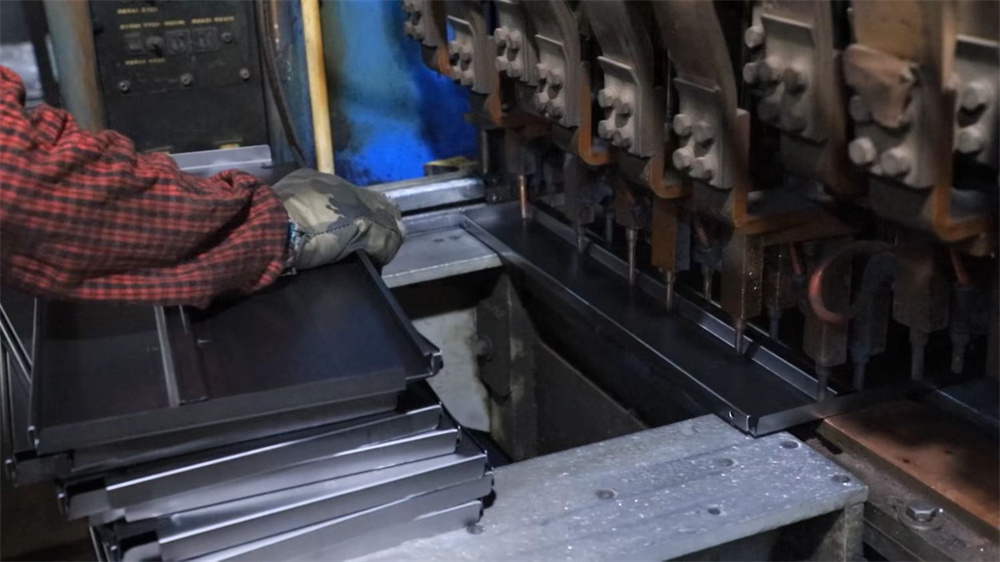
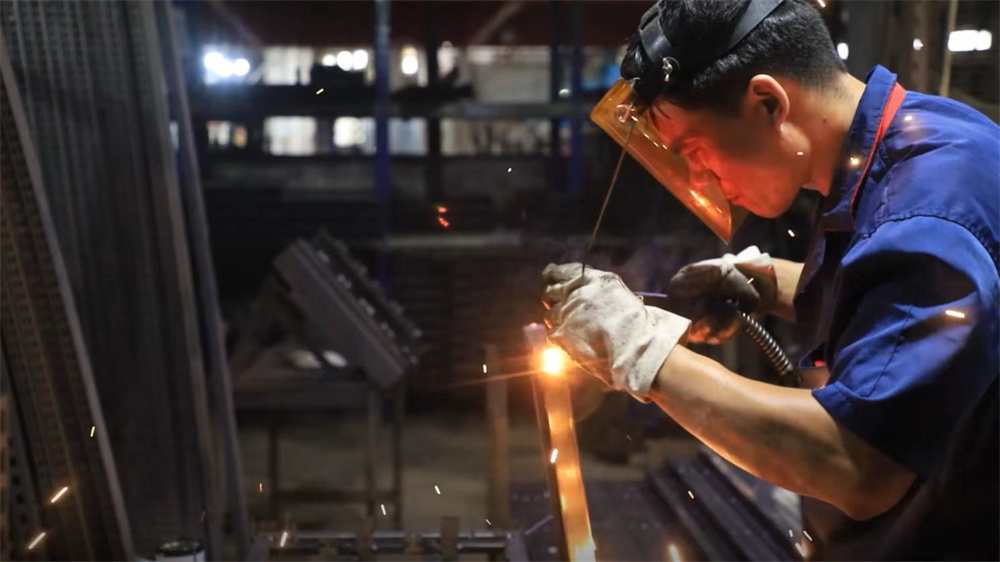
Established in 2017, Chengdu DriveRacks Industrial Technology Co., Ltd. operates a state-of-the-art 42,000 m² manufacturing plant dedicated to advanced material handling and heavy-duty storage infrastructure. Delivering $35 million in annual export revenue, we bring 9 years of deep industry expertise and 6 years of international trade operations. Quality is integral to our process; our team of 30 certified inspectors executes rigorous raw material tensile testing and automated powder-coating thickness audits. Serving high-growth markets across the Middle East, Latin America, and Oceania, DriveRacks leverages a robust ecosystem of 1,200 supply chain partners. We primarily serve enterprise warehouse operators, e-commerce fulfillment hubs, and heavy equipment manufacturers. Powered by 110 skilled R&D engineers focusing on smart automation and high-density racking design, we released 250 dynamic product iterations last year and provide comprehensive customization spanning rack dimensions, seismic ratings, and surface treatments.
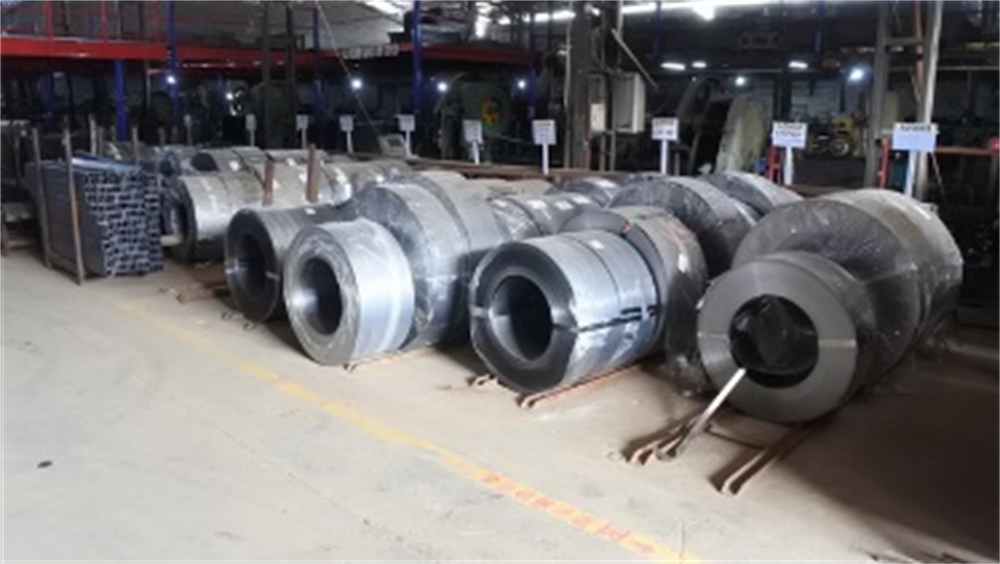
Raw Materials Control
Raw Materials
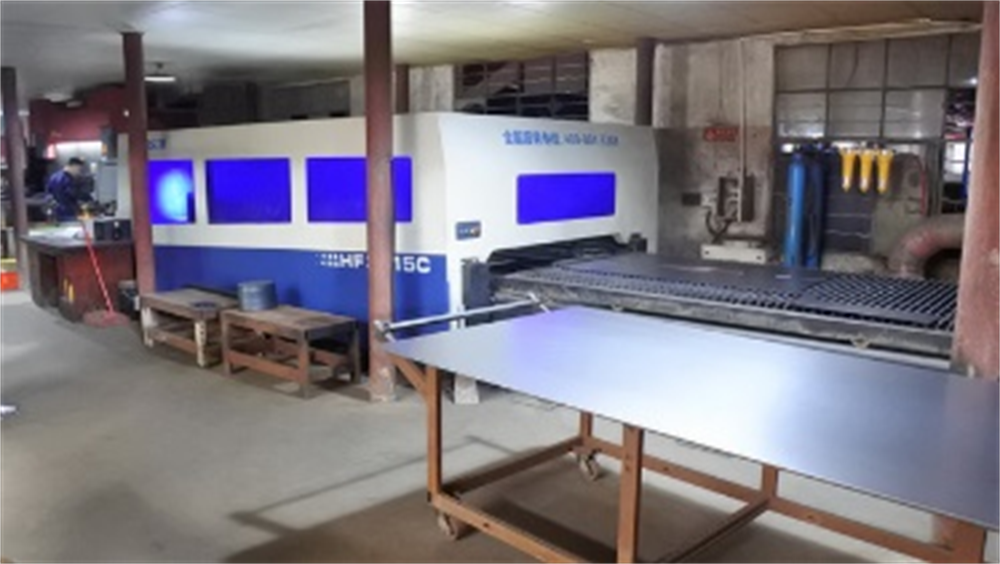
Precision Laser Cutting
Laser Cutting
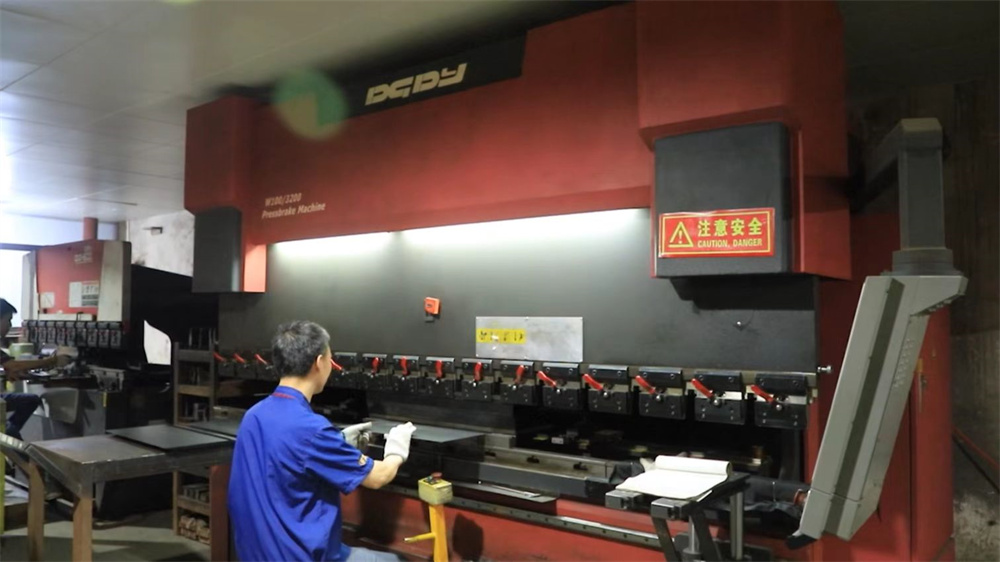
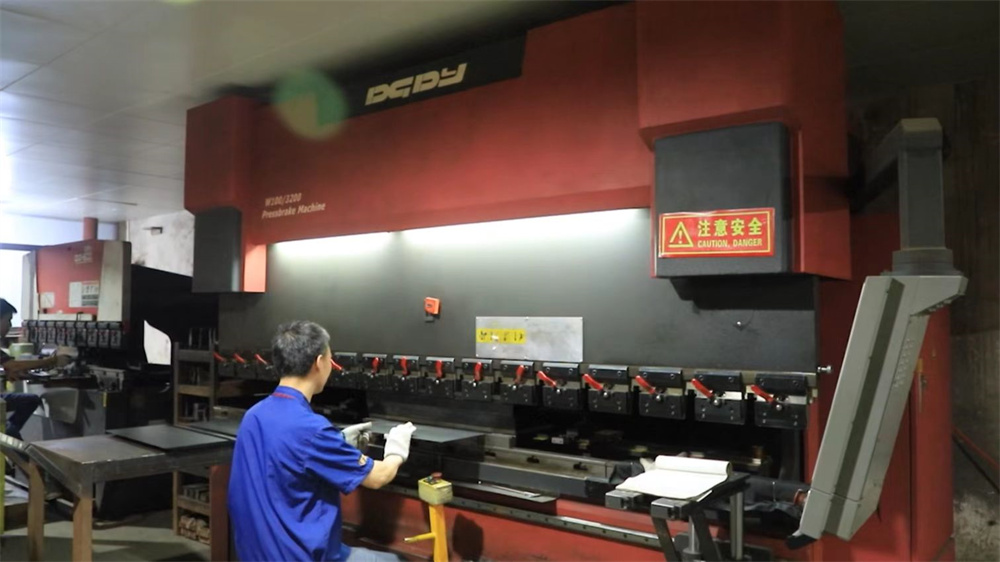
Automated Bending
Bending
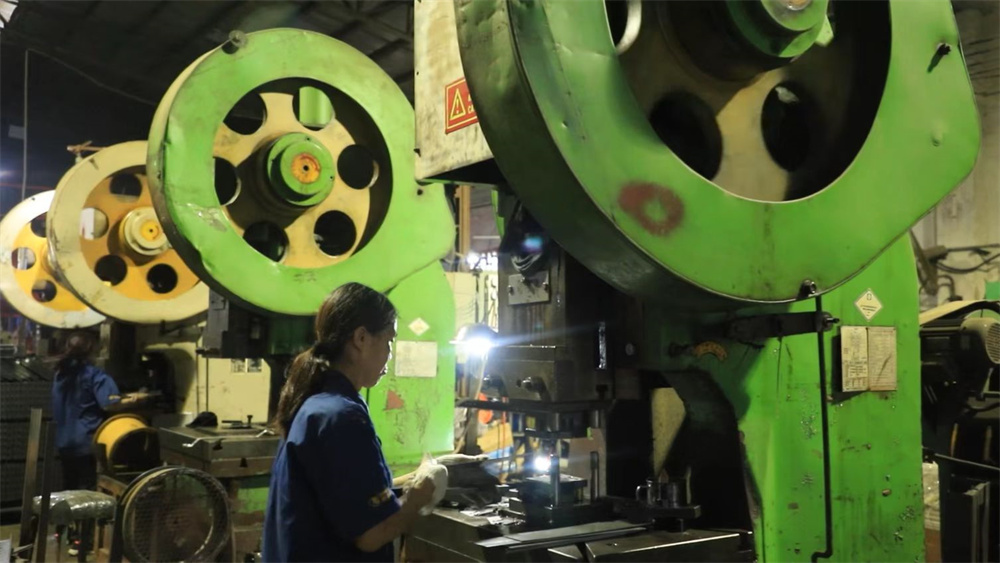
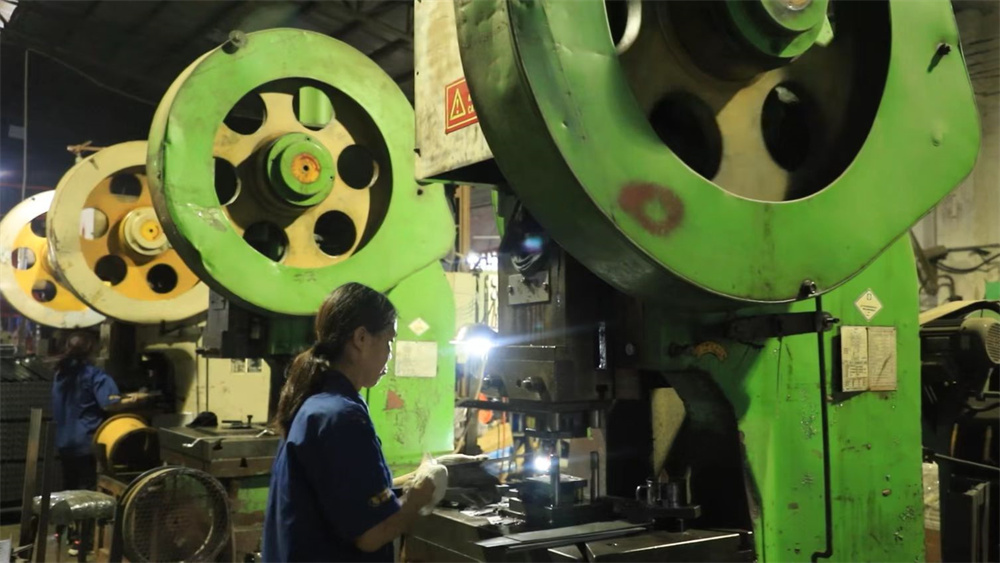
Structural Punching
Punching
Part Processing
Part Processing
Robotized Welding
Welding
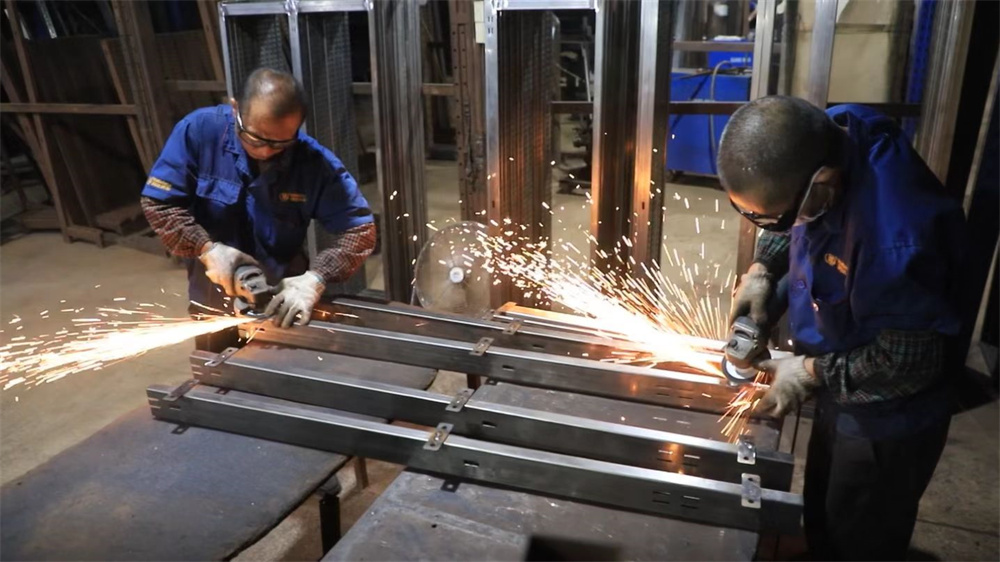
Surface Grinding
Grinding
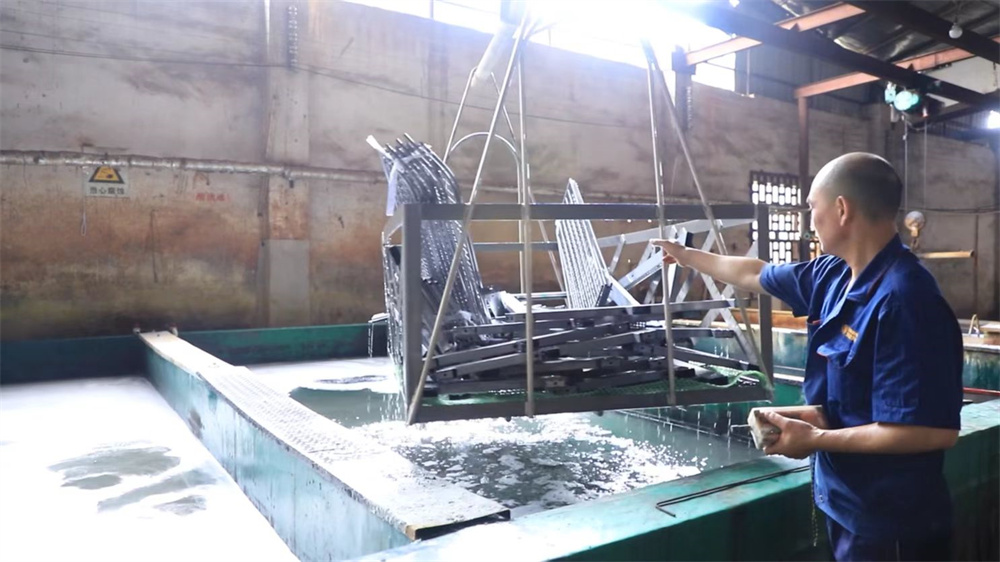
Surface Treatment
Surface Treatment
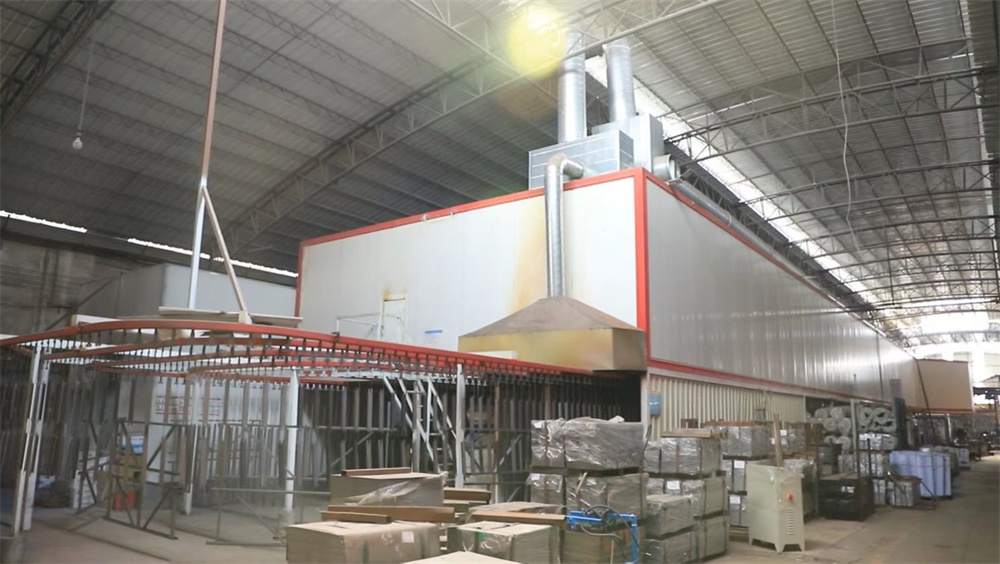
Automatic Painting Line
Automatic Painting
QC Inspection
Inspecting
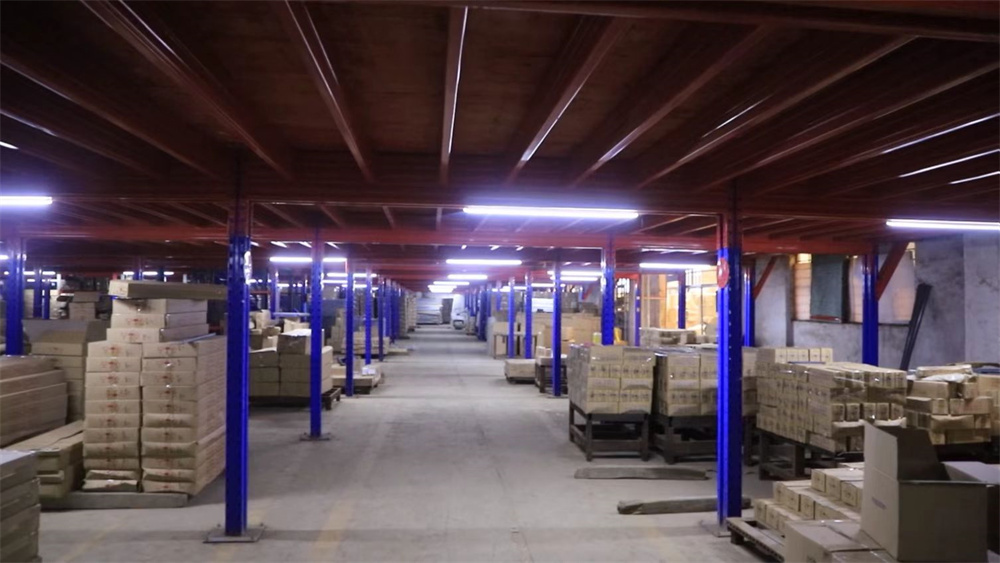
Storage Warehouse
Warehouse
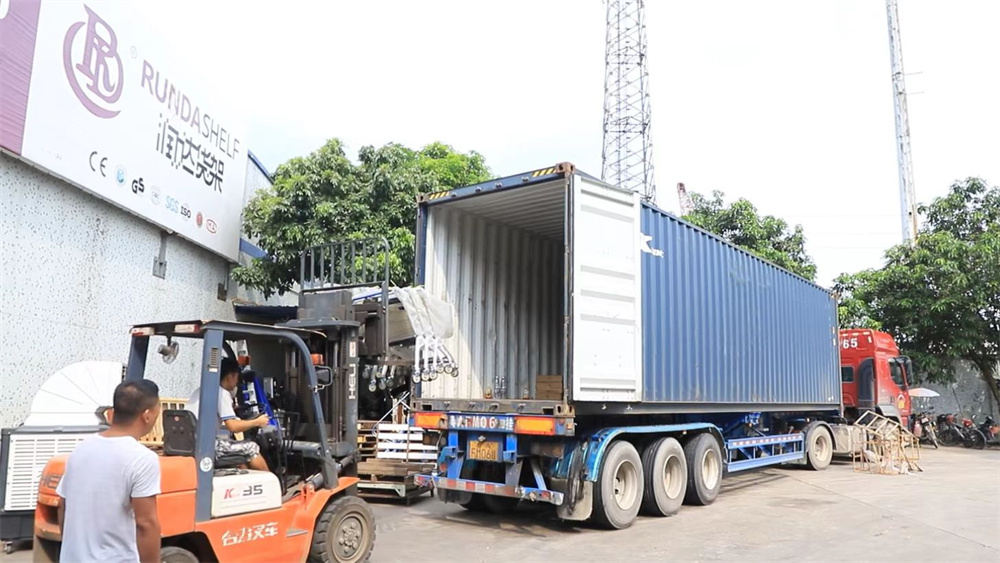
Safe Loading
Loading
Punching Machine Facility
Punching Machine
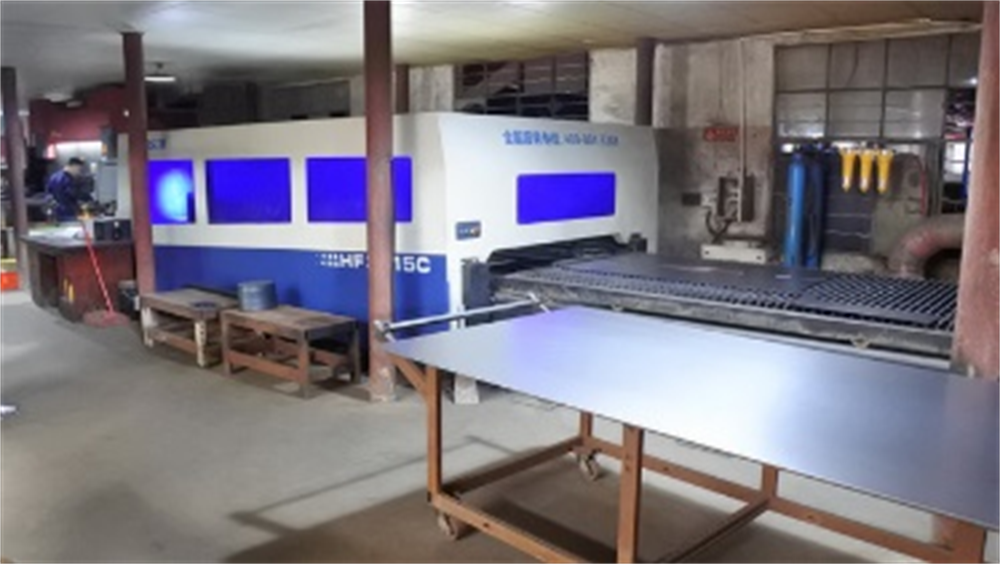
Advanced Laser Cutting Machine
Laser Cutting Machine
CNC Bending Machine
Bending Machine
Electrostatic Powder Coat Painting Line
Automatic Painting Line
Factory Overview Detail

Sourcing High-Quality Chinese Mezzanines: Structural & Financial ROI

For Seattle-based project managers, purchasing directors, and logistics engineers, sourcing structural mezzanine racks directly from leading Chinese manufacturers presents significant capital expenditure (CAPEX) advantages. With raw material costs and fabrication labor running substantially higher in North America, sourcing from a specialized facility like DriveRacks can reduce total project cost by 30% to 50% while maintaining identical structural grade specifications.

However, financial efficiency must be matched with technical compliance. Here is how Chengdu DriveRacks guarantees risk-free integration for Seattle operations:

  • Direct Engineering Collaboration: Our 110 R&D engineers supply fully detailed CAD drawings, structural calculations, and 3D step files. This allows your local structural engineers of record in Washington State to review, verify, and seal calculations for local building permit applications.
  • Optimized Container Consolidation: We pre-engineer and dry-fit every mezzanine system prior to packaging. Components are bundled sequentially and numbered in accordance with custom layout blueprints. This minimizes unloading times and simplifies labor during installation on site.
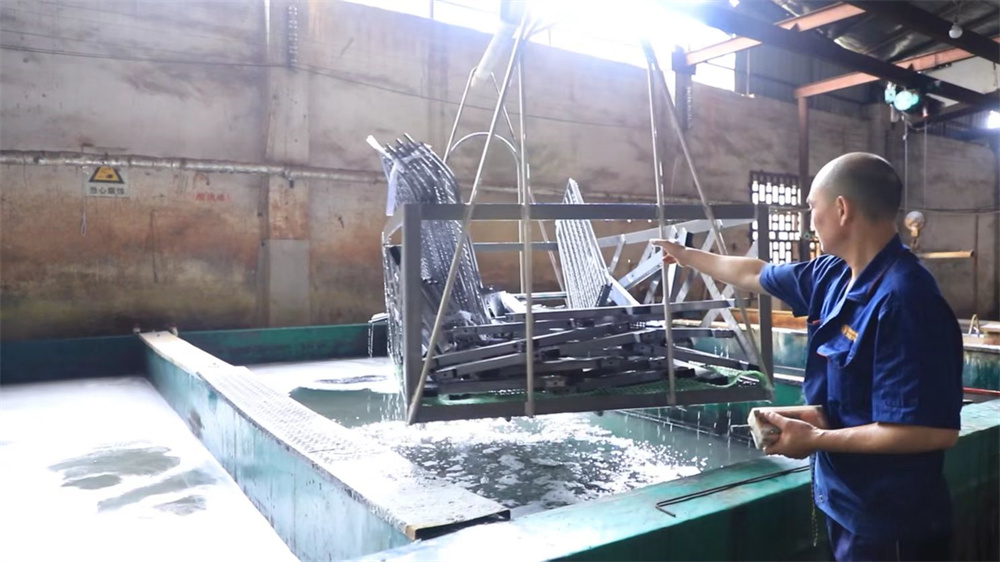
  • Advanced Surface Prep & Powder Coating: Our automated electrostatic powder-coating systems ensure paint thickness exceeds 60-80 microns. This prevents rust during ocean transit and provides resistance to forklift impacts and wear in busy logistics corridors.

Industrial Trends: Smart Integration and Automated Systems (AMRs / AGVs)

The modern warehouse is no longer static. E-commerce fulfillment networks in the Pacific Northwest are increasingly adopting autonomous mobile robots (AMRs) and automated guided vehicles (AGVs). This technological transition requires custom structural designs:

Mezzanine floor surfaces must be engineered with specific levelness tolerances (FF/FL numbers) to prevent robotics guidance system errors. Concrete, resin, or specialized steel deck structures are engineered to handle the concentrated wheel load profiles of high-frequency AMR routes. DriveRacks designs robust subfloor frame structures to suppress vibration harmonics, ensuring safety and precision for computerized systems operating on elevated mezzanine levels.

Full Industrial Steel Mezzanine & Platform Catalog

Engineered multi-level platforms, attic configurations, and heavy-duty storage configurations designed for continuous commercial service.
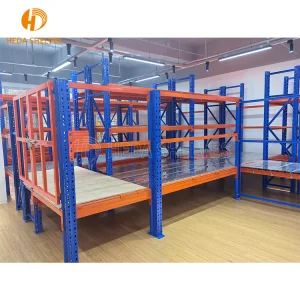
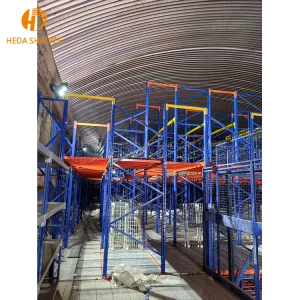
Modular Industrial Steel Mezzanine Floor Racking System

Modular Industrial Steel Mezzanine Floor Racking System Durable Heavy Duty Rack Metal Mezzanine Platform System

View Configuration Detail →
Industrial Mezzanine Racking System Platforms Warehouse Floor

Industrial Mezzanine Racking System Lit Mezzanine Double Industrial Platforms Warehouse Mezzanine Floor System

View Configuration Detail →
Heavy Duty Customized Mezzanine Floor Racking

Heavy Duty Customized Mezzanine Floor Racking OEM ODM Industrial Loft Racking System Adjustable Steel Attic Mezzanine Floor

View Configuration Detail →
Custom Q235b Metal Mezzanine Floor Attic Loft Shelf Steel Platforms

Custom Q235b Metal Mezzanine Floor Attic Loft Shelf Steel Platforms Warehouse Office Heavy Duty Mezzanine Floor Racking System

View Configuration Detail →
Galvanized Open Steel Planks Mezzanine Floors

Galvanized Open Steel Planks Mezzanine Floors Galvanized Industrial Platforms Mezzanine Floor Warehouse Steel Mezzanine Racking

View Configuration Detail →
Fabricated Modular Metal Frame Warehouse with Beams Mezzanine Floor

Fabricated Modular Metal Frame Warehouse with Beams Mezzanine Floor for High Load Industrial Storage Office Space

View Configuration Detail →
Free Design Industrial Metal Mezzanine Floor Multi-Tier Steel Racking Platform

Free Design Industrial Metal Mezzanine Floor Multi-Tier Steel Racking Platform for Warehouse Cargo Storage Equipment

View Configuration Detail →
Industrial Mezzanine Floor Platforms Pallet Racking Systems

Industrial Mezzanine Floor Platforms Pallet Racking Systems with Metallic Construction Powder Coating for Attic Lofts Warehouses

View Configuration Detail →
Heavy-Duty Industrial Steel Storage Racks Mezzanine Floor Platforms

Heavy-Duty Industrial Steel Storage Racks Mezzanine Floor Platforms Pallet Racking Systems for Attic Lofts and Warehouses

View Configuration Detail →
Customized Heavy Load Mezzanine Floor Racking System

Customized Heavy Load Mezzanine Floor Racking System Industrial Storage Warehouse Rack Attic Mezzanine Floor Platform

View Configuration Detail →
Custom Warehouse Mezzanine Platform Industrial Mezzanine Floor Racking System

Custom Warehouse Mezzanine Platform Industrial Mezzanine Floor Racking System Mezzanine Rack System Multi Level

View Configuration Detail →
Modern Multi Tier Floor Steel Food Industrial Storage Warehouse Attic

Modern Multi Tier Floor Steel Food Industrial Storage Warehouse Attic Shelves Heavy Duty Pallet Mezzanine Rack System

View Configuration Detail →

Seattle Local Case Studies & Architectural Applications

Case 1: Aerospace Component Sub-Assembly Platform (Everett, WA Corridor)
An aerospace parts logistics supplier operating a 60,000 sq. ft. warehouse needed to integrate a sub-assembly work cell without consuming ground-level pallet staging areas. We engineered a free-standing structural mezzanine rated for 200 PSF live load, utilizing structural H-beams for maximum column spans (up to 25 feet). This allowed full clearance underneath for forklift paths and container staging, while the upper level was retrofitted with anti-static ESD flooring for aircraft electronics assembly.

Case 2: E-commerce Fulfillment Hub Rack-Supported System (Kent Valley)
An online retail distributor needed to maximize small-parts fulfillment speed within a high-cube 40-foot clear-height warehouse. DriveRacks implemented a three-tier, rack-supported mezzanine system. Integrated with custom steel stairwells, safety cage gates, and low-friction slide chutes, the installation doubled picking throughput and avoided high local construction permit timelines associated with custom concrete structural modifications.

Case 3: Marine Cold Storage & Provisioning Facility (Port of Seattle)
A cold storage distributor managing deep-freeze environments required corrosion-resistant, high-load platforms. We fabricated customized hot-dip galvanized steel framing and open-grid steel planking. Open-plank flooring allows cold air to circulate dynamically, maintaining stable temperatures across multiple levels and minimizing utility energy consumption.

Expert Q&A: Engineering, Compliance & Installation

Key technical considerations for operations directors and facilities managers planning warehouse expansions.

1. What local building permit regulations apply to installing mezzanines in Seattle?
In Seattle, any industrial mezzanine exceeding 120 square feet requires structural plan review and building permits from the Seattle Department of Construction & Inspections (SDCI). Permits require signed structural calculations stamped by a structural engineer registered in Washington State. Designing to IBC codes and ASCE 7 seismic guidelines is mandatory. Our engineering team provides all dynamic loading calculations and CAD details required to support your permit application.
2. How does Seismic Design Category D/E affect the cost of mezzanine fabrication?
Designing for high-seismic zones increases material requirements slightly by utilizing larger baseplates, thicker columns, and moment-resisting bolted frame joints. This ensures structural safety during seismic displacement. Despite these design requirements, Chengdu DriveRacks leverages automated production to control costs, keeping total pricing highly competitive compared to local US fabrication.
3. What is the difference between a free-standing structural mezzanine and a rack-supported mezzanine?
A free-standing structural mezzanine uses wide-flange steel columns and primary framing beams, creating large open spans on the floor below. A rack-supported mezzanine uses the structural uprights of selective pallet racking or shelving to support the platform deck above. Rack-supported options are highly cost-effective for high-density picking operations, while structural mezzanines are ideal for machinery, offices, and open floor workspaces.
4. How is floor loading capacity calculated for warehouse mezzanine platforms?
Load capacity is typically expressed in pounds per square foot (PSF) or kilograms per square meter (kg/m²). Standard office space requires 50-100 PSF. General warehousing uses 125-150 PSF, while heavy-duty tooling and manufacturing systems require 250 to 500+ PSF. We calculate live and dead loads, concentrated wheel loads from equipment, and dynamic seismic coefficients to ensure safe operations.
5. Can industrial mezzanines be customized to support automated AMRs or AGVs?
Yes. Autonomous Mobile Robots (AMRs) require flat, level surfaces and specific floor rigidities to operate correctly. We design specialized sub-deck supports using composite floor decks or steel plate overlays to handle wheel load patterns, reduce vibration, and meet precise floor-levelness parameters (FF/FL numbers).
6. What safety features are required under OSHA and IBC guidelines?
Compliance requires 42-inch high handrails with mid-rails, 4-inch kickplates (to prevent tools from falling), stairs with appropriate rise/run profiles, and self-closing safety gates (e.g., pivoting gates or sliding gate bays) at pallet drop points. DriveRacks integrates all necessary safety configurations into the production process.
7. What is the typical transit lead time from the Chengdu factory to the Port of Seattle?
Production typically takes 3 to 5 weeks depending on custom complexity. Ocean transit from China ports to the Port of Seattle or Port of Tacoma takes approximately 18 to 25 days. Total estimated time from approved CAD design to arrival at your facility is generally 7 to 9 weeks, allowing ample time for site preparation and permitting.
8. What surface treatment options do you recommend for rust prevention?
For indoor dry warehouses, our electrostatically applied thermo-hardened powder coating provides excellent durability and chemical resistance. For outdoor applications, cold storage environments, or high-humidity facilities near Puget Sound, hot-dip galvanizing (HDG) or galvanized steel planking is recommended to prevent oxidization and rust.