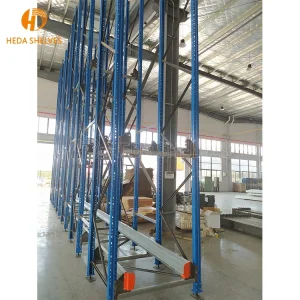
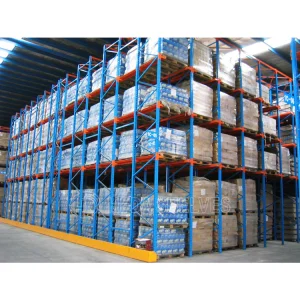
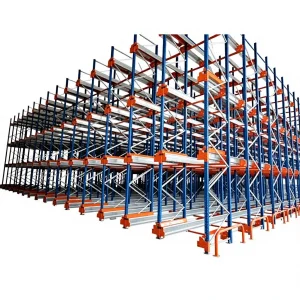
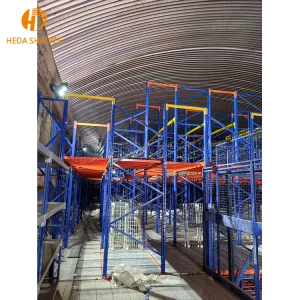
High-yield structural solutions engineered for Ho Chi Minh City's intense logistics demands and fast-growing industrial estates.
As the primary economic engine of Vietnam, Ho Chi Minh City (HCMC) along with adjacent manufacturing corridors in Binh Duong, Dong Nai, and Long An, is undergoing a massive industrial transformation. The shift towards high-tech manufacturing, global supply chain relocation, and the explosive rise of e-commerce has led to a critical bottleneck: warehouse space efficiency. In response, modern logistics facilities are shifting away from primitive floor storage to high-density, multi-tier industrial racking systems. Chief among these is Selective Pallet Racking, the most popular storage system for heavy goods due to its 100% selectivity and exceptional cost-per-pallet position ratio.
The delta geography of Southern Vietnam presents unique challenges for structural engineers. Heavy rainfall, high humidity, and soft soil profiles near key logistics gateways like Cat Lai Port and Hiep Phuoc Industrial Park require pallet rack designs that account for both high seismic-load ratings and robust rust-prevention coatings. Standard mild steel racks manufactured under loose parameters are highly susceptible to corrosion and deformation. This has driven enterprise operators and 3PL companies in HCMC to seek high-quality, cold-rolled Q235B steel structures with advanced electrostatic thermosetting powder coatings to preserve structural integrity over decades of operation.
In HCMC's industrial parks, versatility is key. Selective Pallet Racking allows forklifts to access any pallet load at any time without moving others, maintaining a fast-throughput operation. This is critical for sectors like Fast-Moving Consumer Goods (FMCG), cold chain storage for export fisheries in the Mekong Delta, and electronic component manufacturing in the Saigon Hi-Tech Park (SHTP). Additionally, the system accommodates varying pallet heights and widths, making it highly adaptable to diverse cargo loads entering the local supply chain.
Over a decade of manufacturing superiority in structural warehouse racking and smart automation systems.
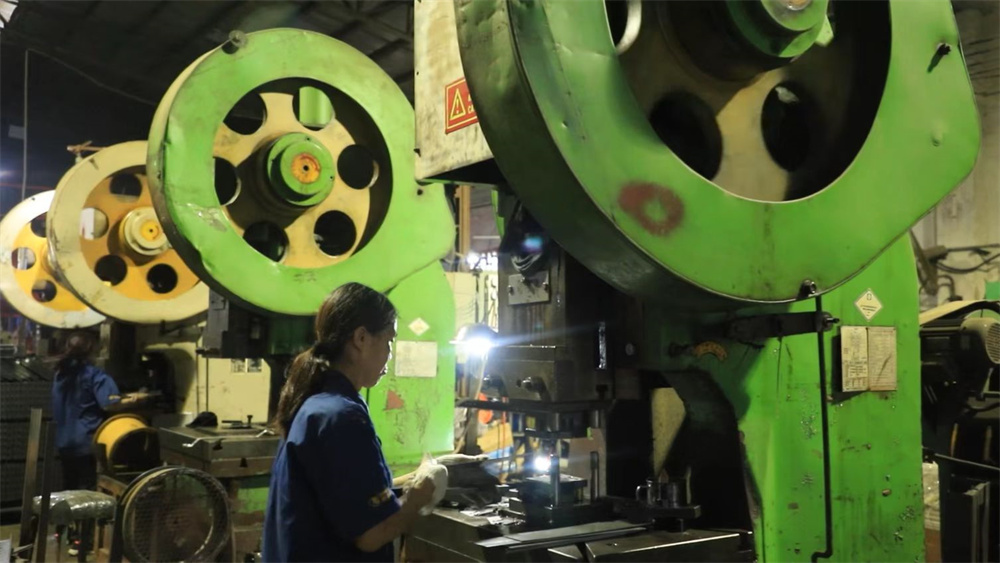
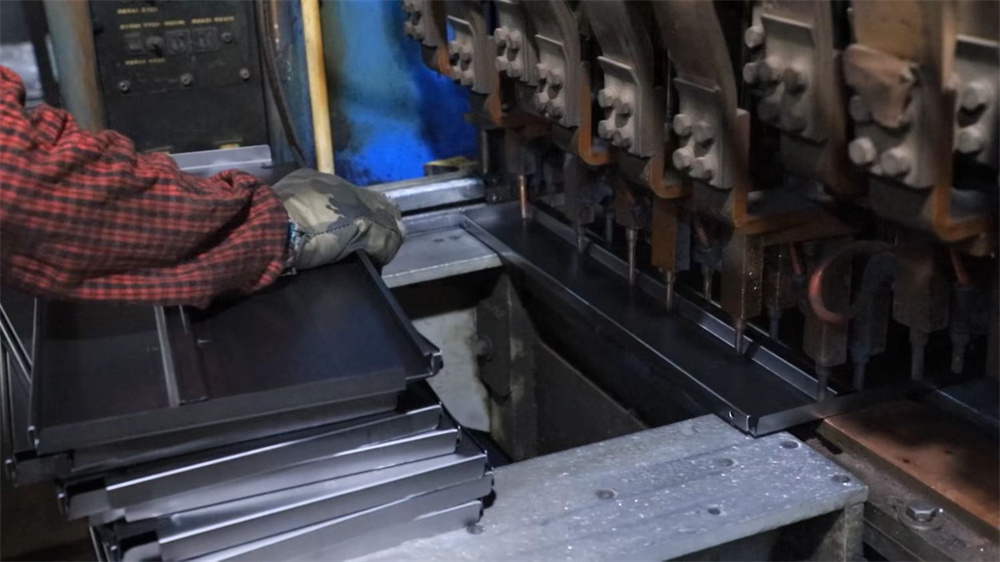
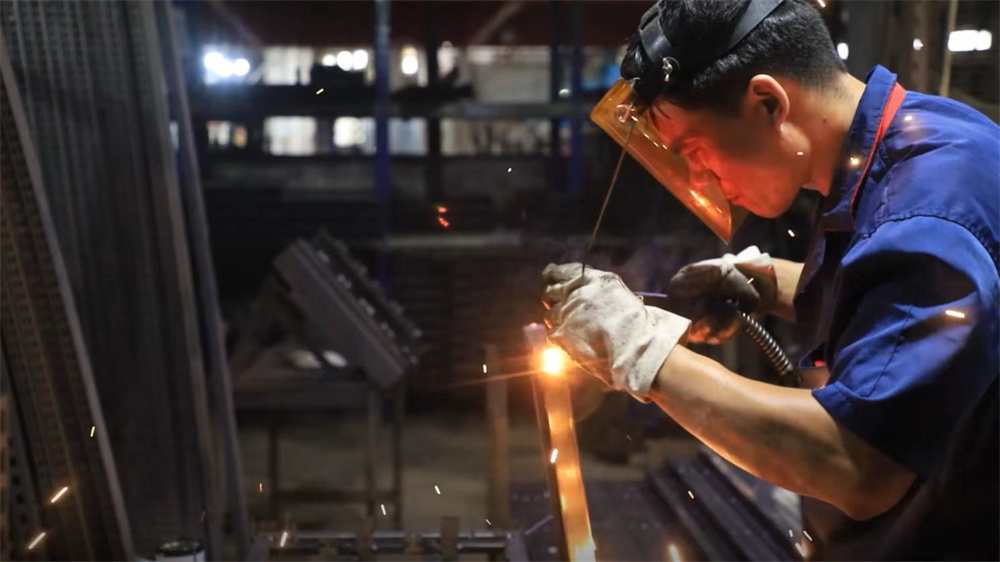
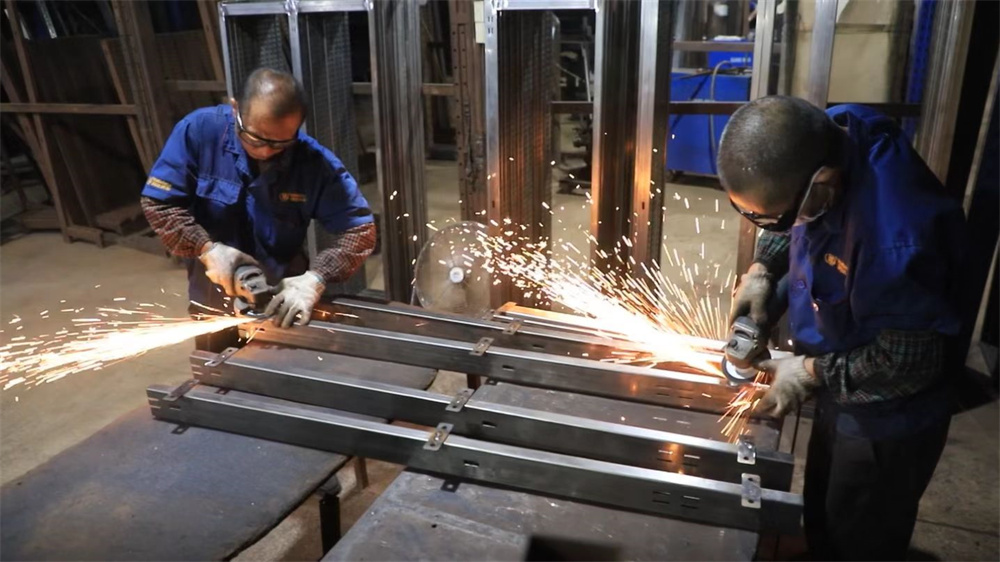
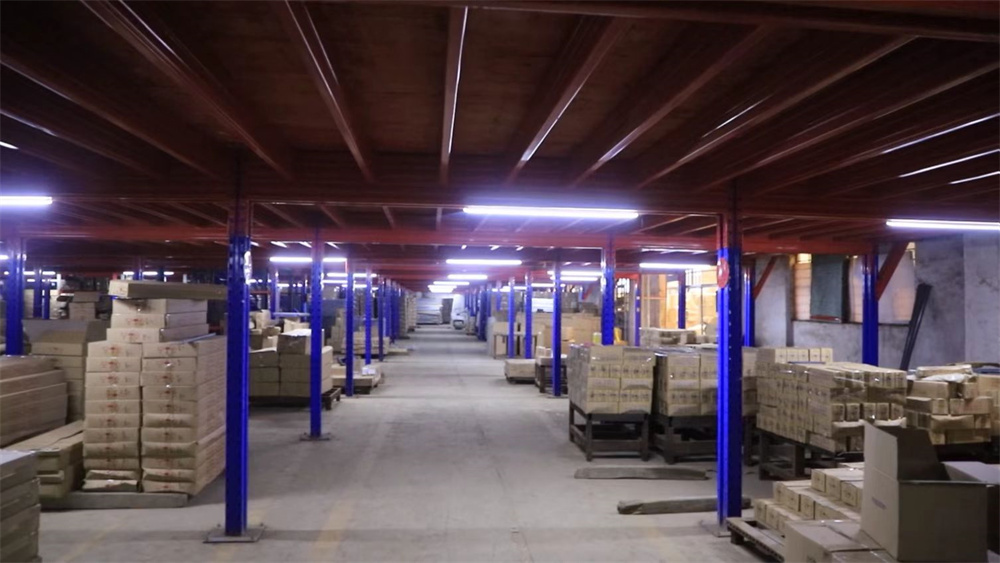
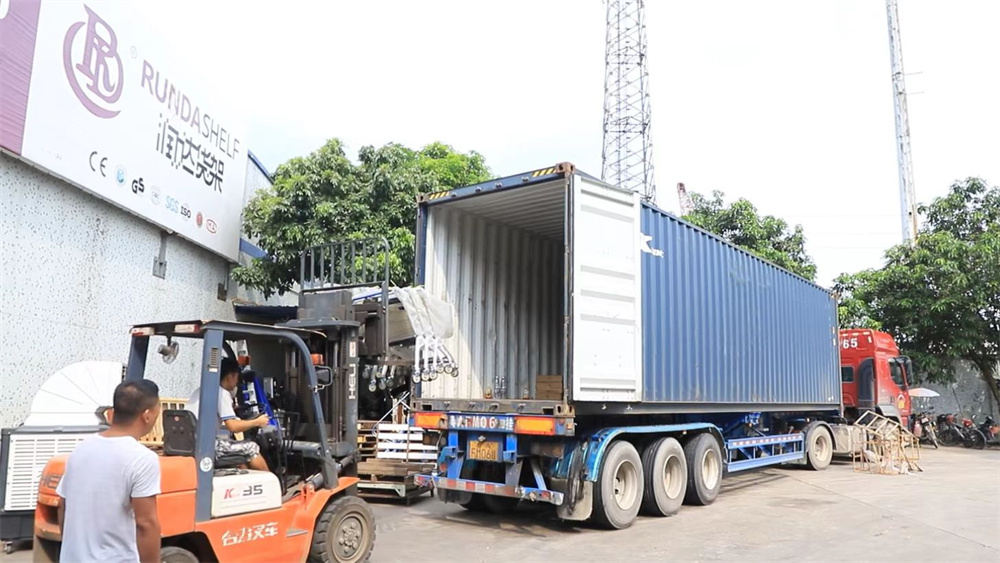
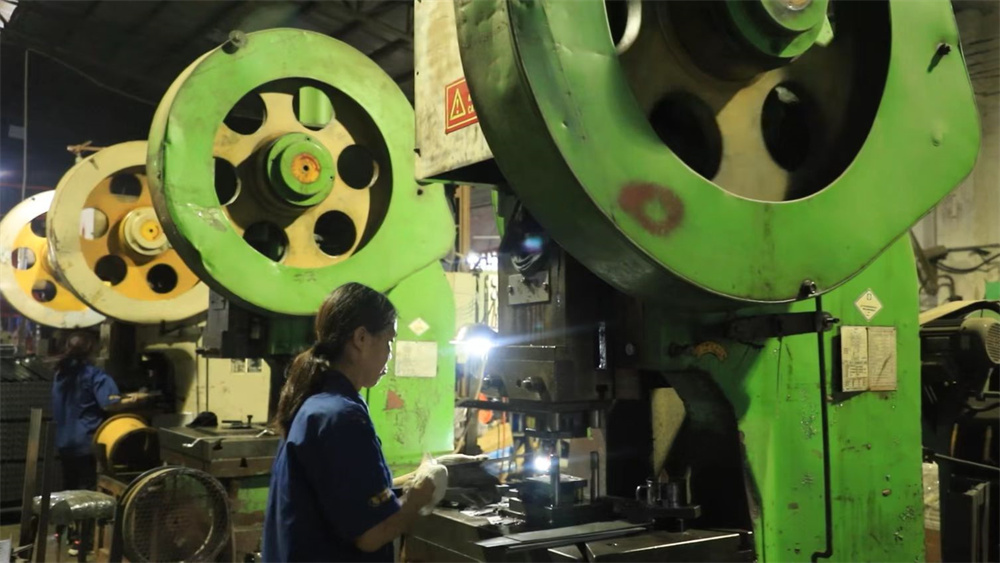
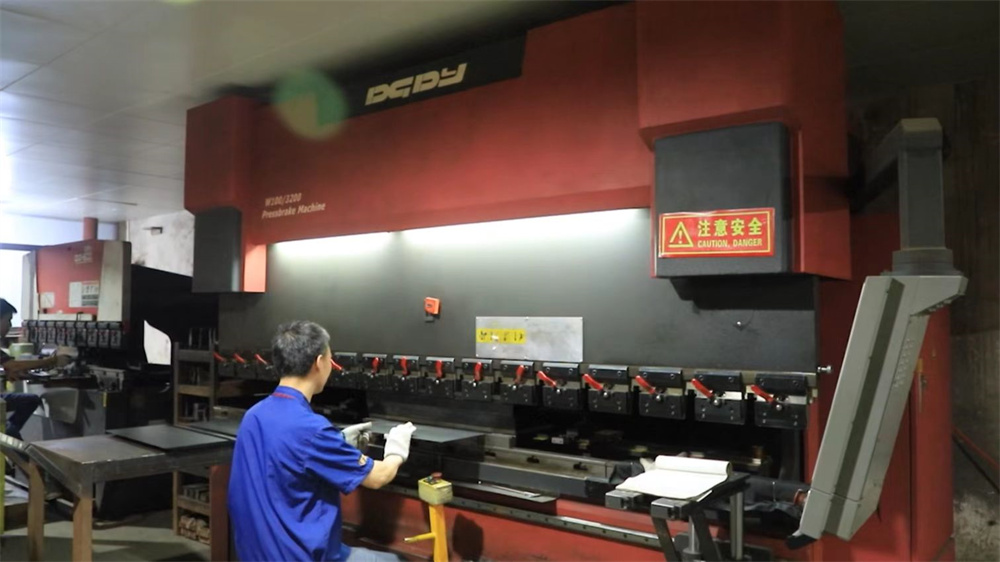
Established in 2017, Chengdu DriveRacks Industrial Technology Co., Ltd. operates a state-of-the-art 42,000 m² manufacturing plant dedicated to advanced material handling and heavy-duty storage infrastructure. Delivering $35 million in annual export revenue, we bring 9 years of deep industry expertise and 6 years of international trade operations. Quality is integral to our process; our team of 30 certified inspectors executes rigorous raw material tensile testing and automated powder-coating thickness audits. Serving high-growth markets across the Middle East, Latin America, and Oceania, DriveRacks leverages a robust ecosystem of 1,200 supply chain partners. We primarily serve enterprise warehouse operators, e-commerce fulfillment hubs, and heavy equipment manufacturers. Powered by 110 skilled R&D engineers focusing on smart automation and high-density racking design, we released 250 dynamic product iterations last year and provide comprehensive customization spanning rack dimensions, seismic ratings, and surface treatments.

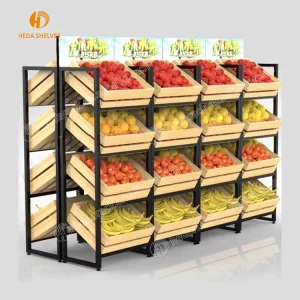
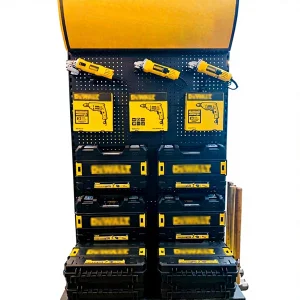
Bridging the gap between heavy-duty storage and point-of-sale efficiency.
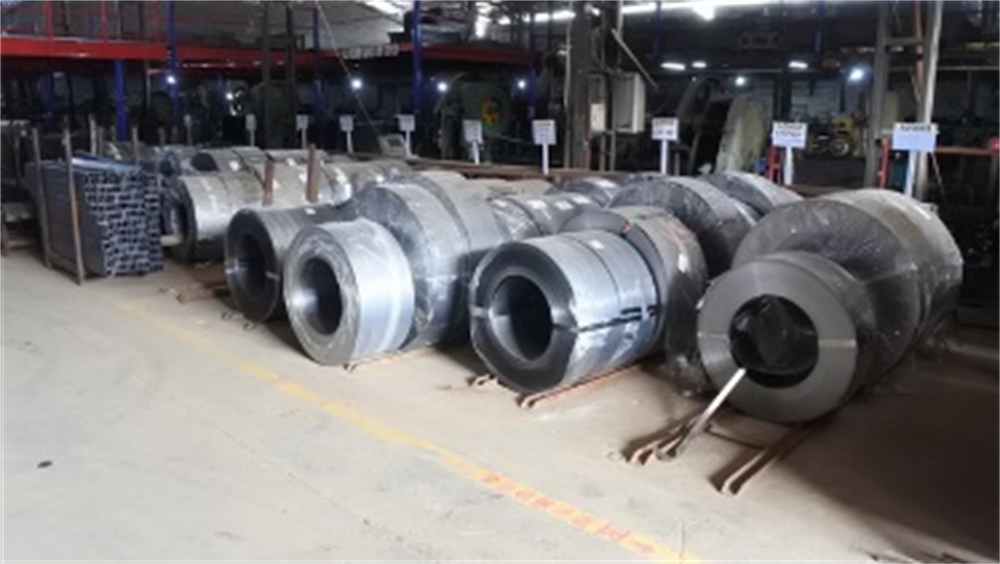
The manufacturing process at Chengdu DriveRacks uses premium grade Q235B cold-rolled steel, which is standard for structural integrity. However, when exporting to the HCMC region, additional engineering parameters must be computed. Since HCMC sits near river deltas with high mud content, foundation calculations must incorporate specialized, oversized baseplates to distribute loads effectively over the concrete slab.
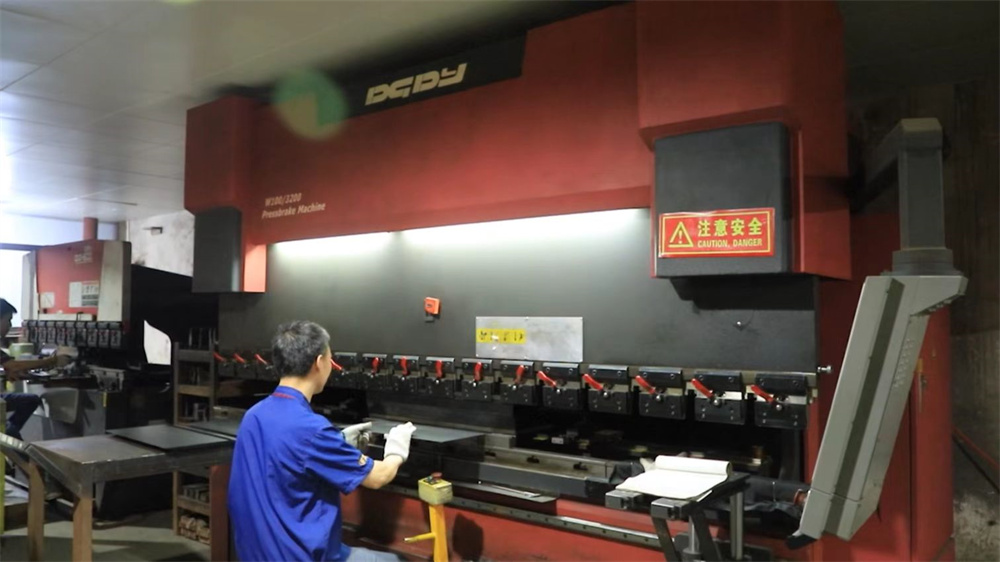
Our engineers perform finite element analysis (FEA) based on the FEM 10.2.02 standard (European Federation of Materials Handling) and AS4084-2012 (Australian Racking Standard). These models ensure our racks can withstand structural movements and dynamic impacts. Upright frames are constructed from high-tensile steel cold-formed into continuous profiles, preventing localized buckling under pressure.
We source top-tier Q235B cold-rolled steel with certified tensile strength values to avoid structural failures common in lower-grade local alloys.
We implement custom-engineered, oversized baseplates with heavy-duty anchors to meet structural requirements for soft delta soils.
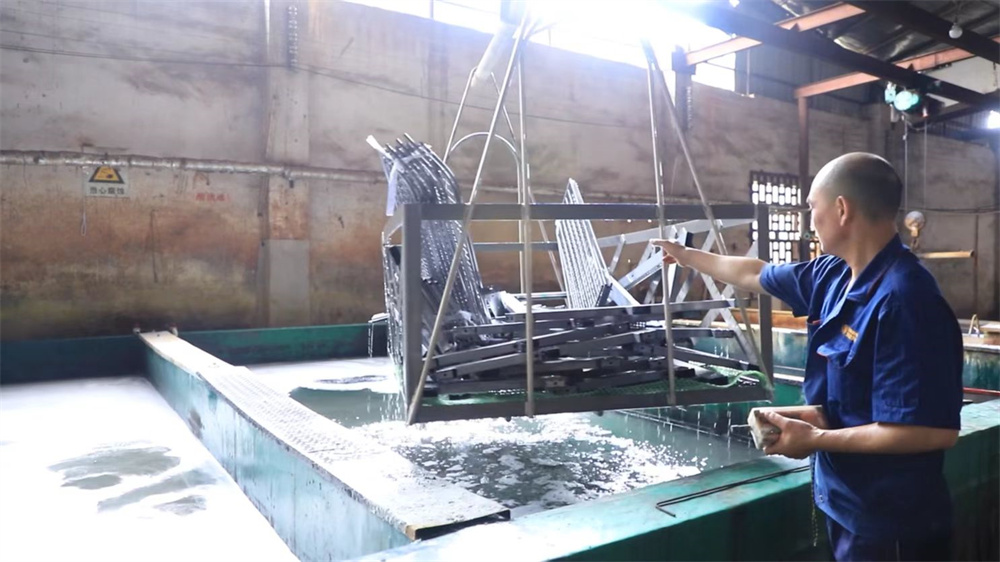
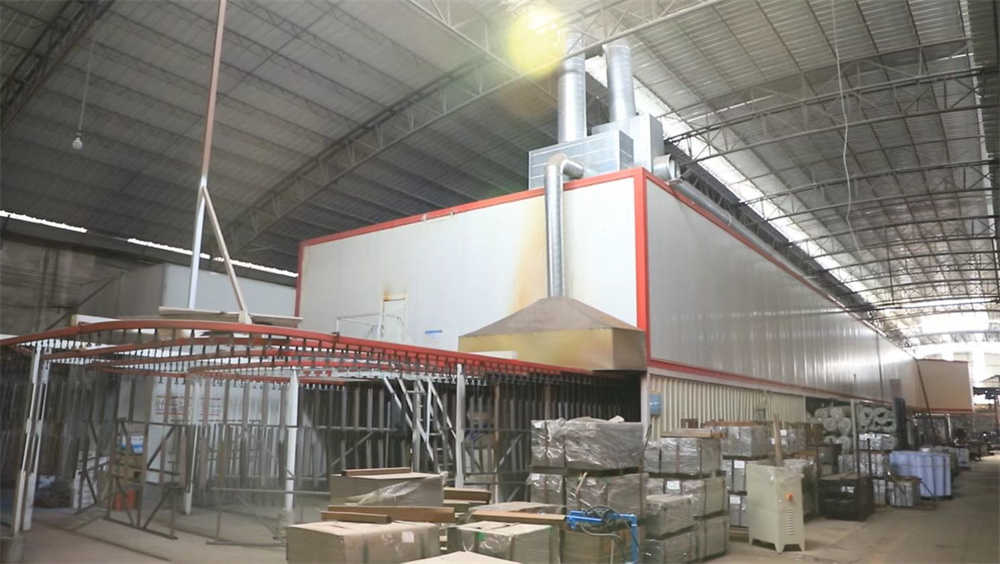
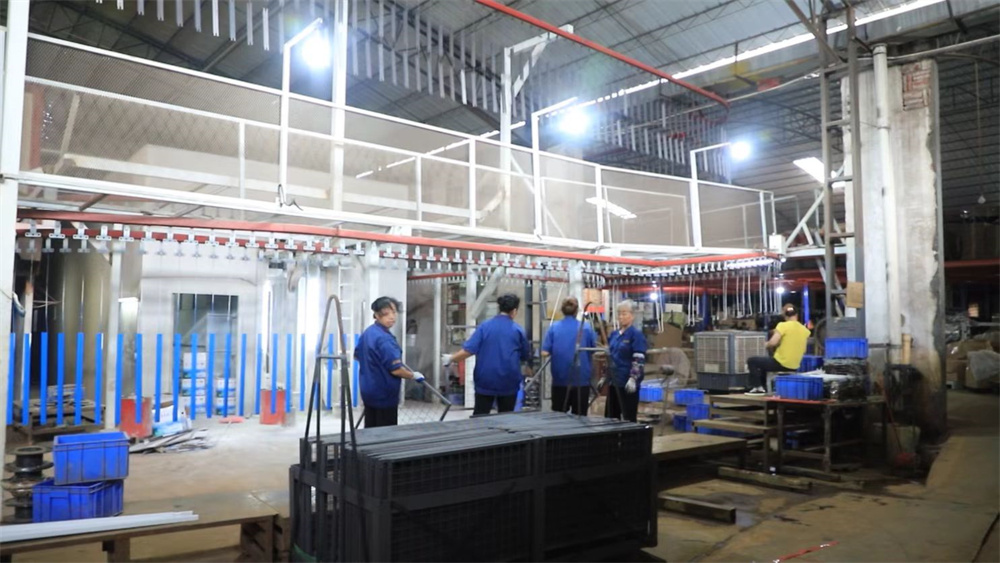
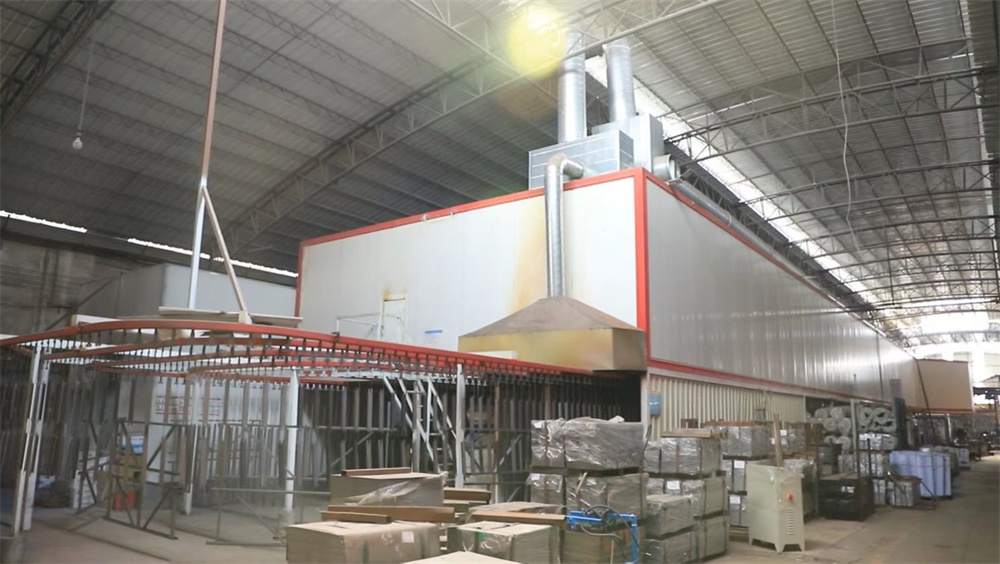
Our automated electrostatic epoxy-polyester powder-coating lines apply a minimum 70-micron thick layer to prevent oxidation in highly humid environments.
Understand the balance between cost, quality standards, scalability, and long-term durability.
| Evaluation Parameter | Chengdu DriveRacks Industrial (China) | Typical Local HCMC Workshop |
|---|---|---|
| Raw Material Quality | Certified Q235B & Q355B cold-rolled structural steel with mill test certificates. | Often uncertified structural mild steel with high variance in yield strength. |
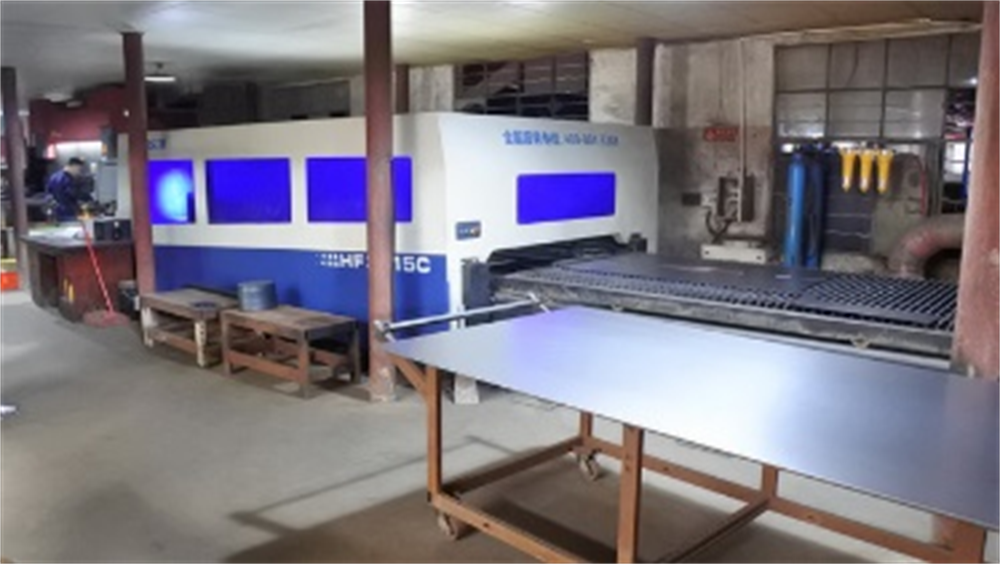
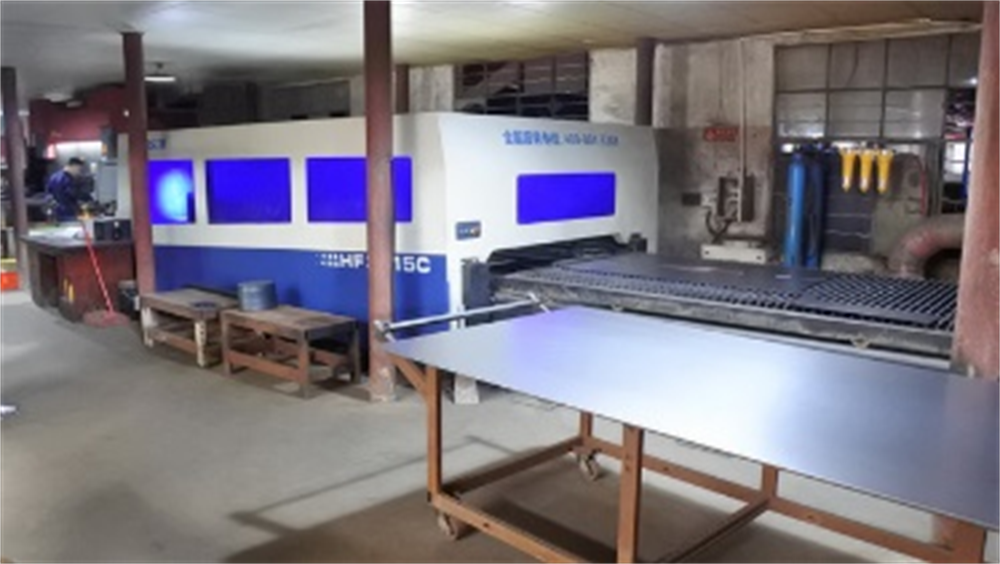
| Manufacturing Scale | 42,000 m² factory floor with automatic laser cutters, punching centers, and robotics. | Small scale manual workshop with limited quality control and capacity bottlenecks. |
| Powder Coating Standards | Automated, multi-stage chemical pretreatment, electrostatically baked to 70-90 microns. | Air-dried paint or manual powder spray prone to peeling in humid warehouse conditions. |
| Compliance & Certification | Meets FEM 10.2.02, RMI standards, AS4084-2012, and ISO 9001:2015. | Rarely certified to international warehouse standards. |
| Customization Capacity | Supported by 110 R&D engineers, automated dynamic design iterations. | Limited drafting capabilities and custom layout calculations. |
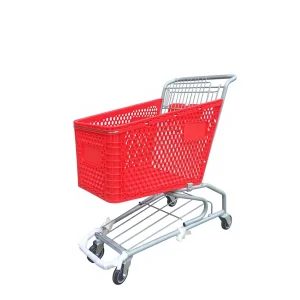
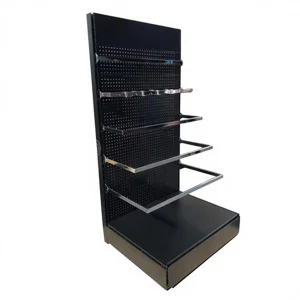
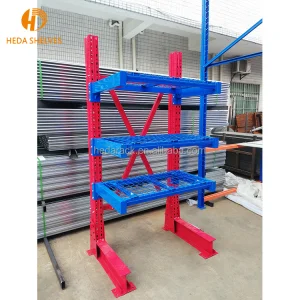
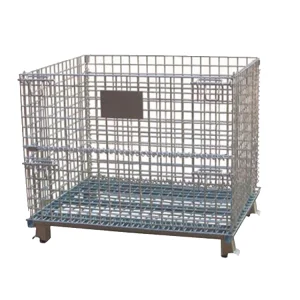
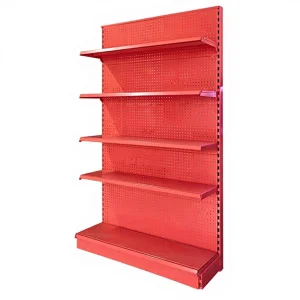
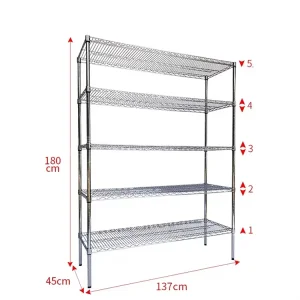
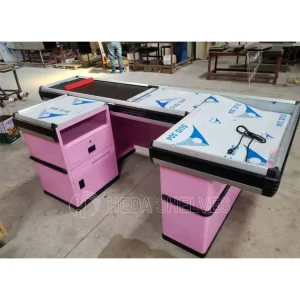
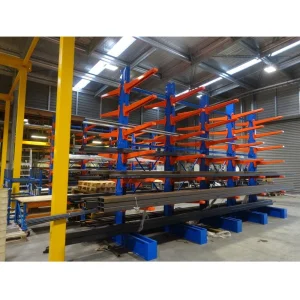
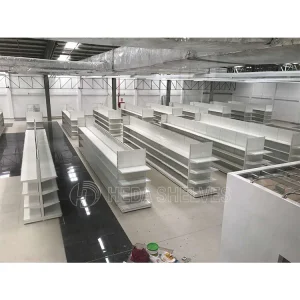
Browse our selection of durable racks, cantilever systems, and heavy-duty retail displays.
Key information for logistics directors, procurement managers, and plant engineers.
Our standard manufacturing lead time is 15-20 days. Sea transit from Chinese ports to Cat Lai Port in Ho Chi Minh City generally takes 7 to 10 days. Total door-to-port delivery falls within 25 to 30 days, including customs clearance documentation.
HCMC's high humidity accelerates rust on steel structures. We recommend using cold-rolled profiles treated on our automated coating lines, which apply a 70-90 micron thick layer of epoxy-polyester powder to prevent moisture exposure.
We design and manufacture racking systems in compliance with FEM 10.2.02 and AS4084-2012 standards. We also calculate seismic ratings for HCMC's soil profiles to ensure structural stability.
Yes. Our team of 110 R&D engineers uses advanced modeling software to provide layout recommendations based on your material handling workflows and inventory profiles.
Every batch of Q235B and Q355B steel undergoes tensile testing. Our 30 quality inspectors verify thickness and weld integrity to ensure each rack meets its load rating before shipping.
 DriveRacks