Engineered to deliver exceptional ergonomics, safety, and durability, these models represent the pinnacle of modern retail logistics across the GCC.
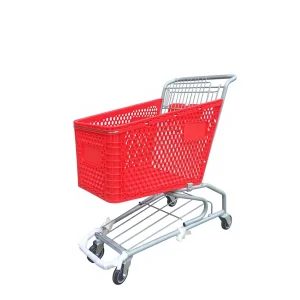
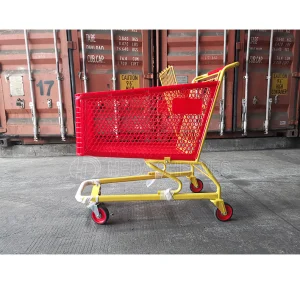
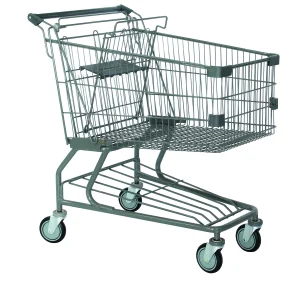
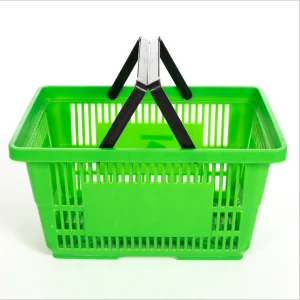
Analyzing global supply chain evolution, GCC modernization initiatives, and the specific demands of high-traffic retail spaces in the United Arab Emirates.
The retail market in the United Arab Emirates (UAE) is among the most sophisticated and fast-growing globally. Driven by Dubai's Economic Agenda (D33) and Abu Dhabi's Economic Vision 2030, the region is seeing massive capital investments in commercial retail spaces, mega-malls, and luxury hypermarkets. Major retail groups such as Majid Al Futtaim (Carrefour), Lulu Group International, Spinneys, and Union Coop are continuously upgrading their store infrastructure to meet the demands of a high-income consumer base.
In the UAE, the shopping trolley is no longer just a utility; it is a critical touchpoint of the consumer experience. Malls and hypermarkets require shopping cart fleets that deliver effortless maneuverability, modern aesthetics, child safety compliance, and seamless integration with emerging smart retail technologies (such as RFID self-checkouts and smart scales).
"Modern retail spaces in the Gulf region demand a delicate balance of architectural integration and absolute structural durability. Standard shopping carts degrade rapidly under the thermal and mechanical stresses of high-density Gulf retail operations."
Worldwide, supermarket chains and logistics planners are shifting their procurement strategies from looking only at the initial purchase price to evaluating the Total Cost of Ownership (TCO). A low-quality shopping cart often incurs high maintenance costs due to wheel failures, chassis deformation, rust, and child seat buckle malfunctions.
Furthermore, globally, there is a strong shift toward hybrid shopping carts (which combine high-tensile steel frames with lightweight plastic baskets) and fully plastic eco-trolleys. These materials reduce the overall weight, making the carts easier for shoppers to push while minimizing accidental damage to cars in parking lots and store fixtures inside the supermarket.
Leveraging automated production lines, strict quality control protocols, and deep supply chain integration to deliver high-performance retail equipment.
Established in 2017, Chengdu DriveRacks Industrial Technology Co., Ltd. operates a modern 42,000 m² manufacturing plant. We specialize in advanced material handling, heavy-duty storage infrastructure, and commercial retail fleets. Generating $35 million in annual export revenue, we combine 9 years of deep industry expertise with 6 years of international trade operations.
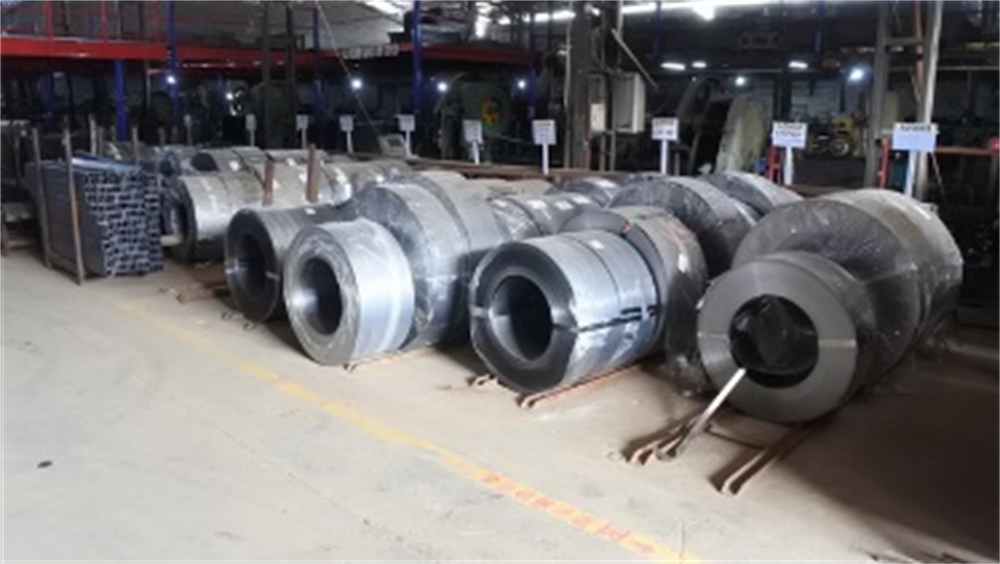
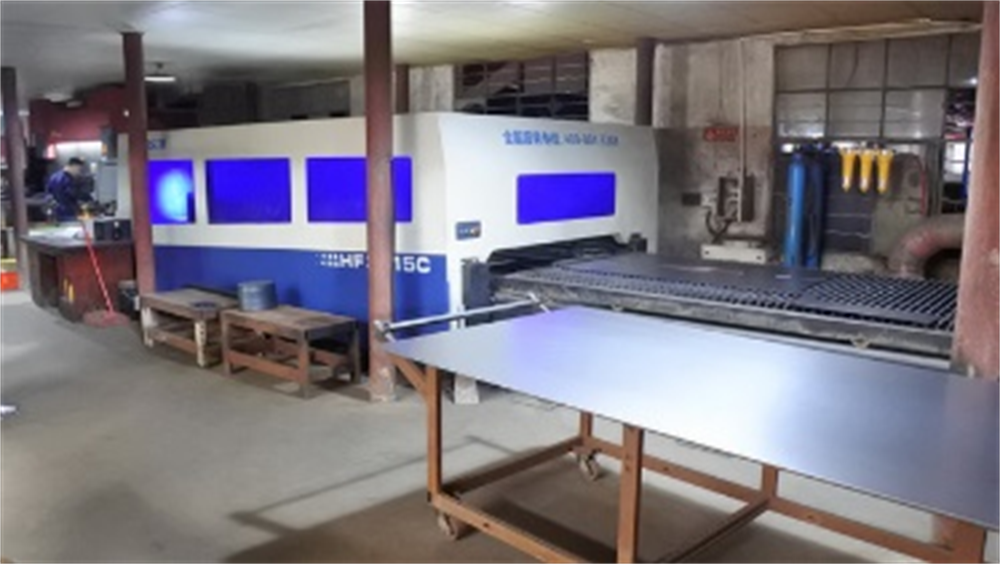
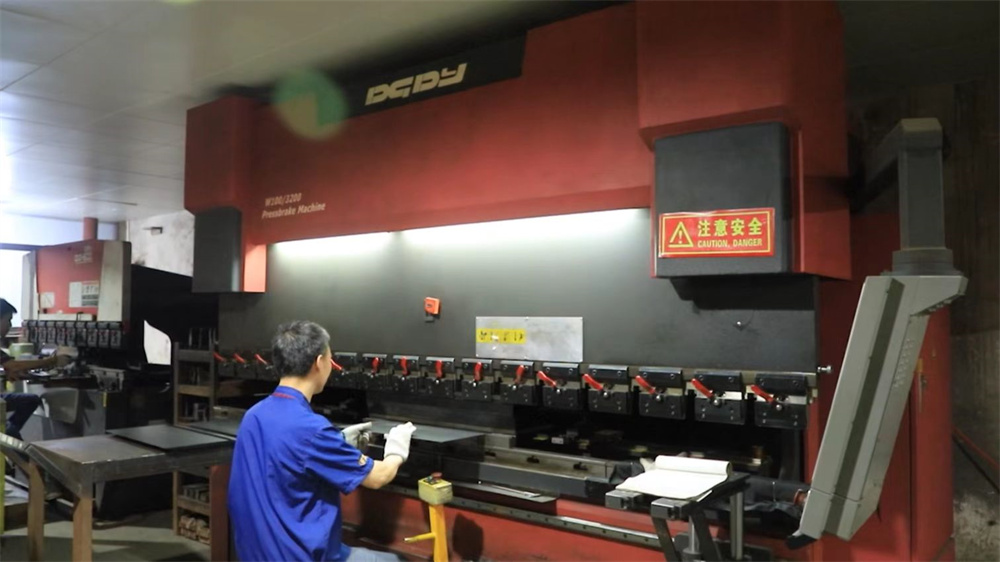
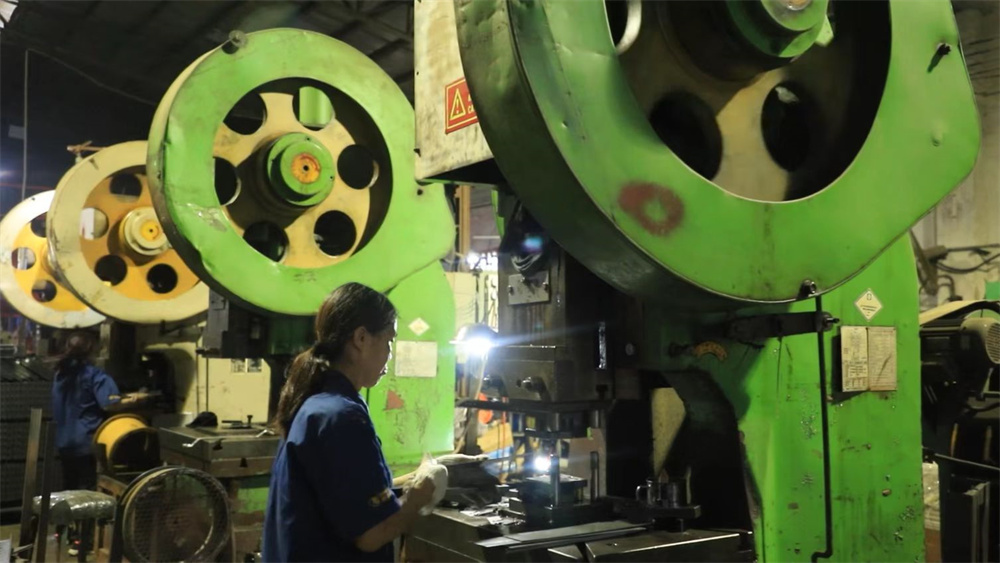
Our factory features advanced automation systems, including high-speed fiber laser cutting systems, robotic welding cells, and automated electrostatic powder coating lines. This machinery allows us to maintain tight tolerances and ensure consistent quality across production runs of tens of thousands of shopping carts. By sourcing high-grade steel (Q235B) directly from leading mills and working with a network of 1,200 supply chain partners, we provide competitive pricing and reliable lead times for large-scale projects in the Middle East.
A step-by-step look at how we process raw materials into finished, high-durability retail and logistics products under strict quality inspections.
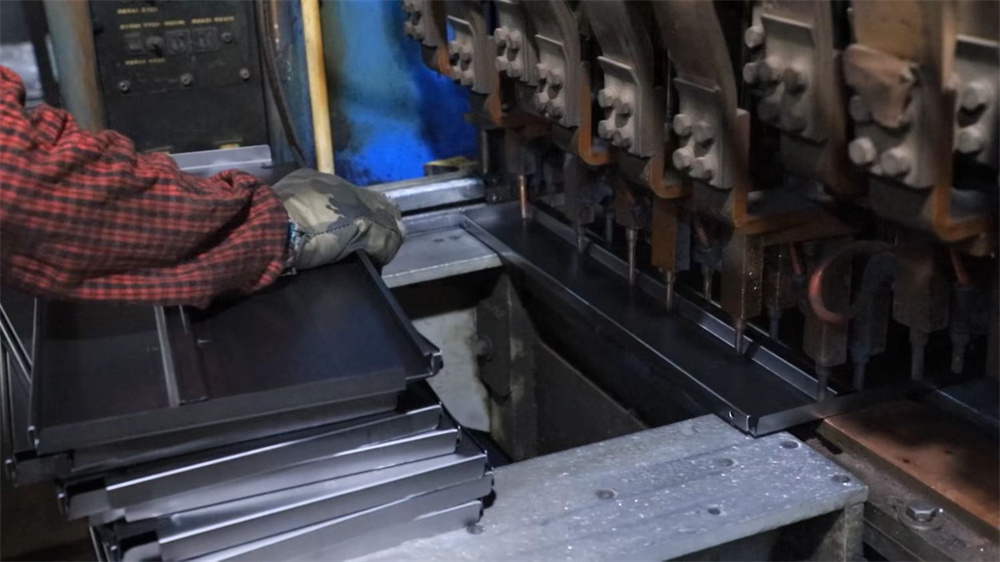
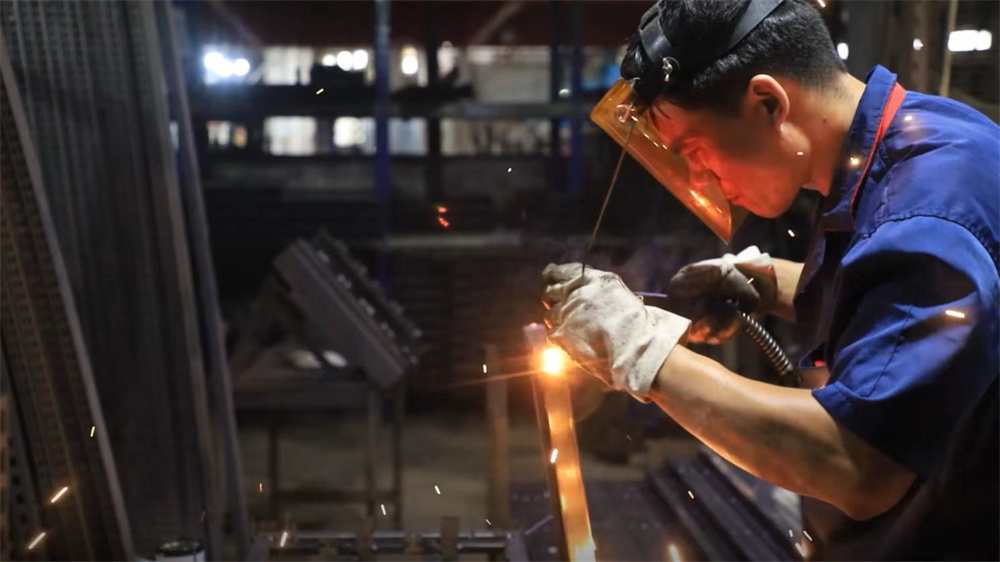
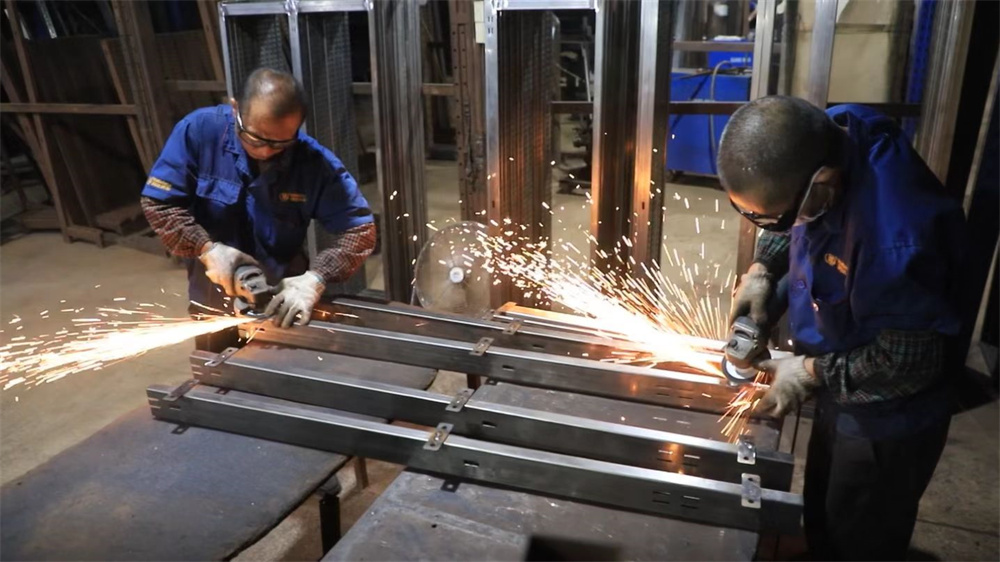
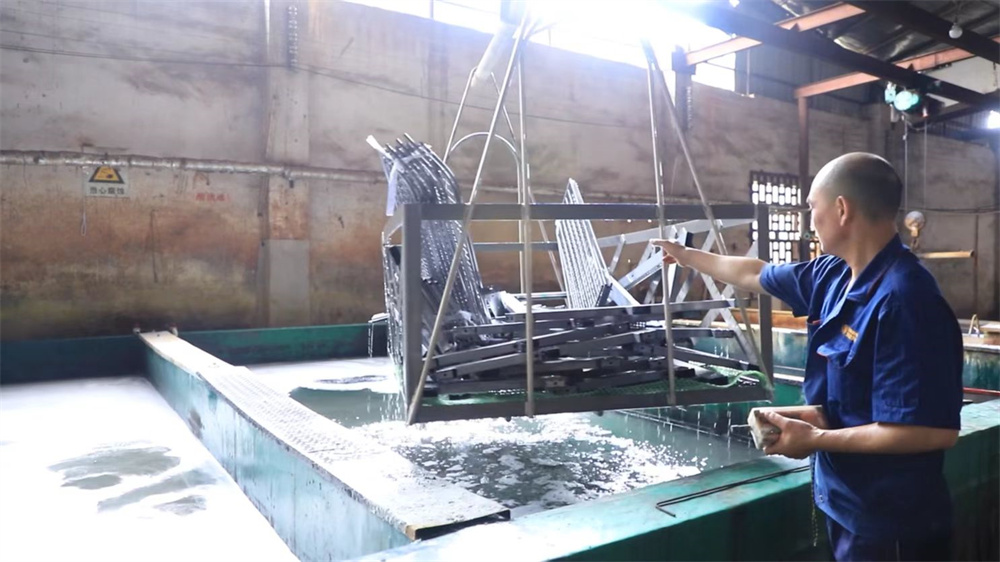
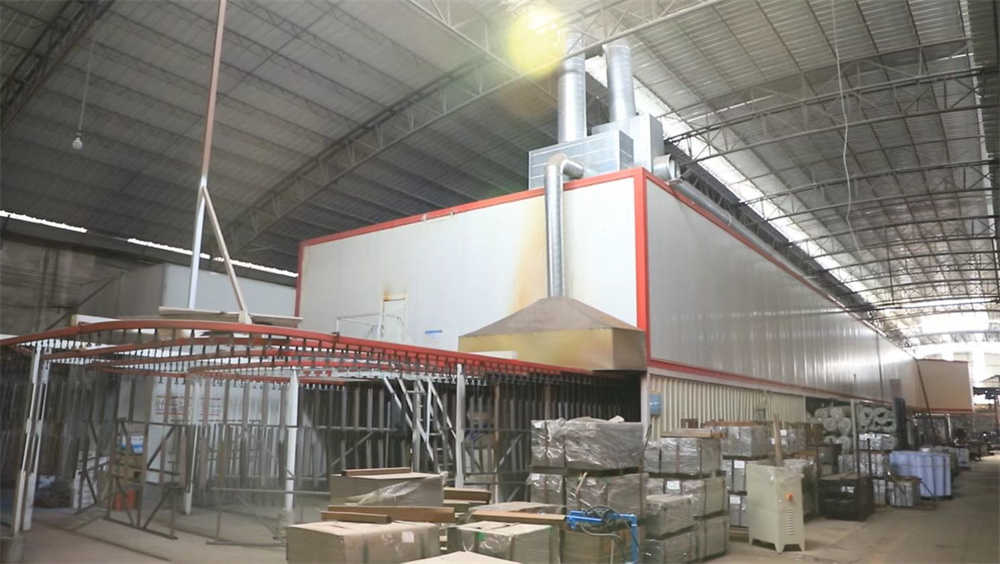
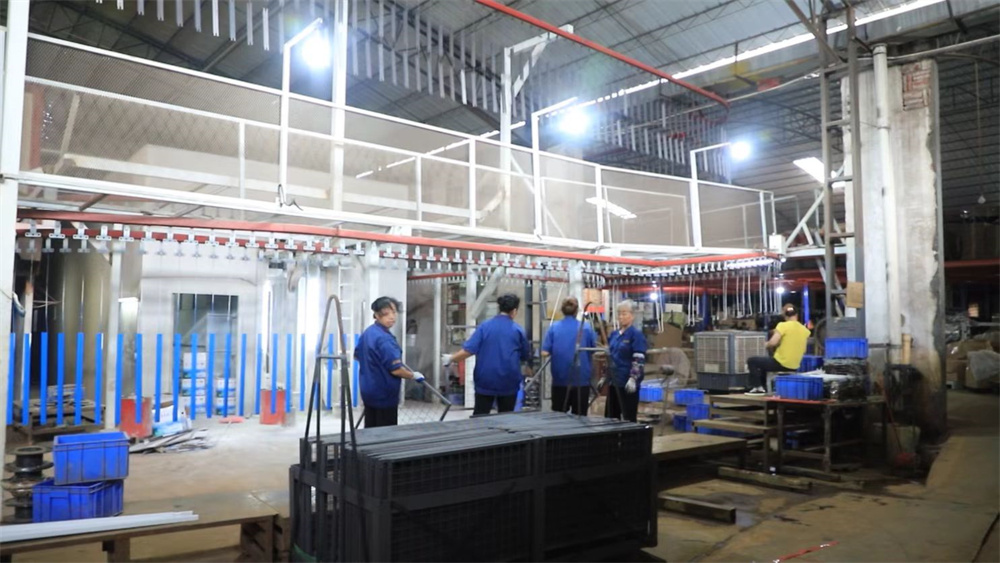
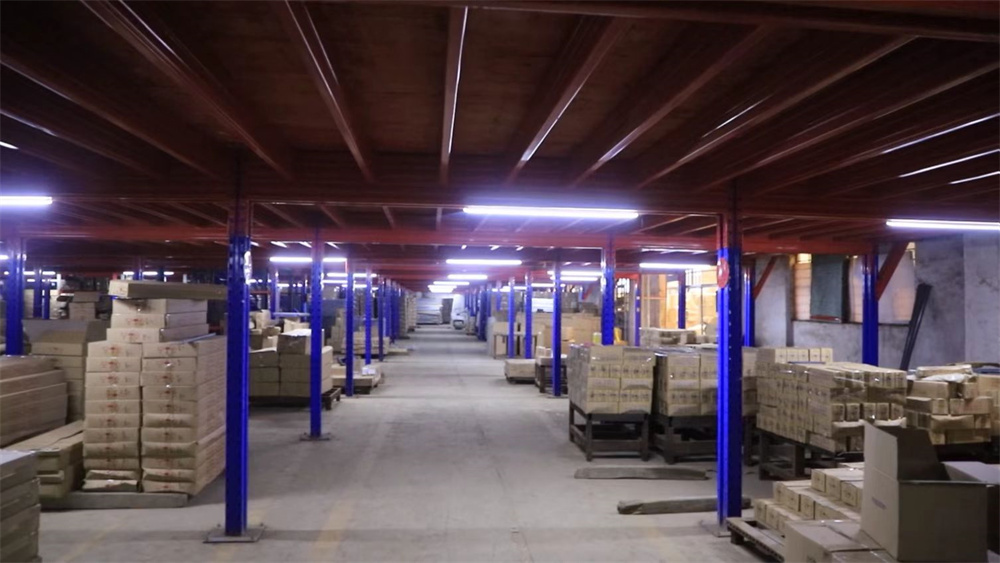
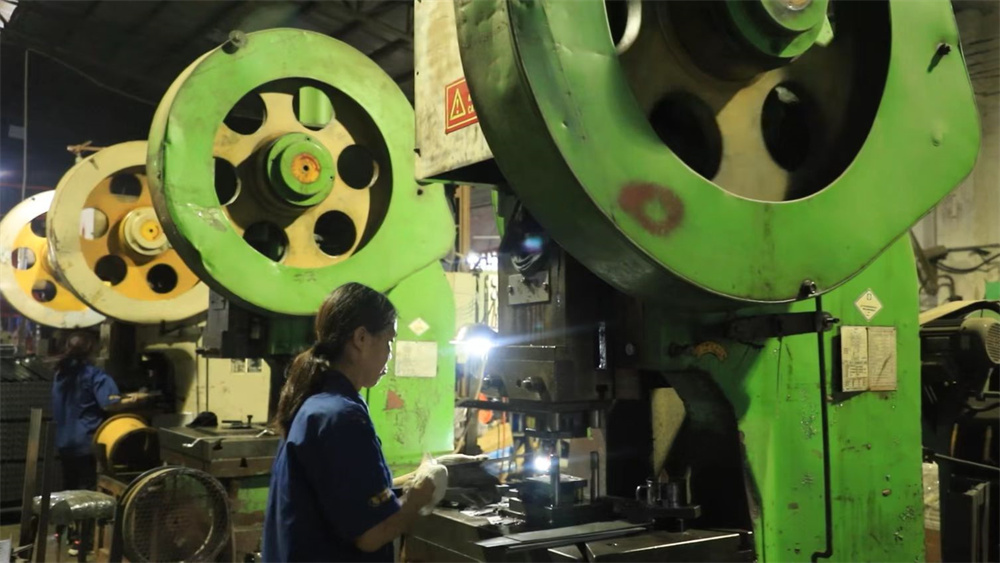
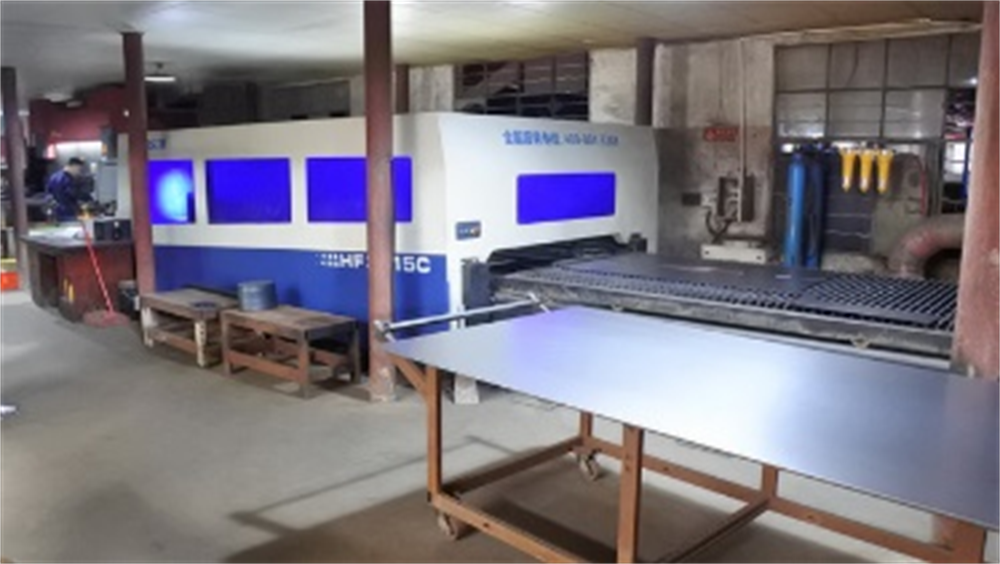
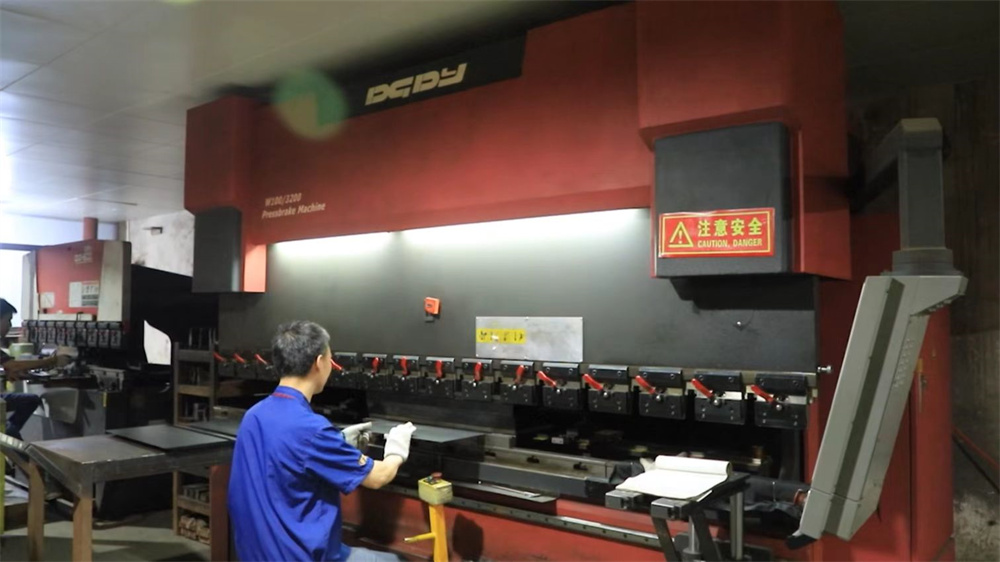
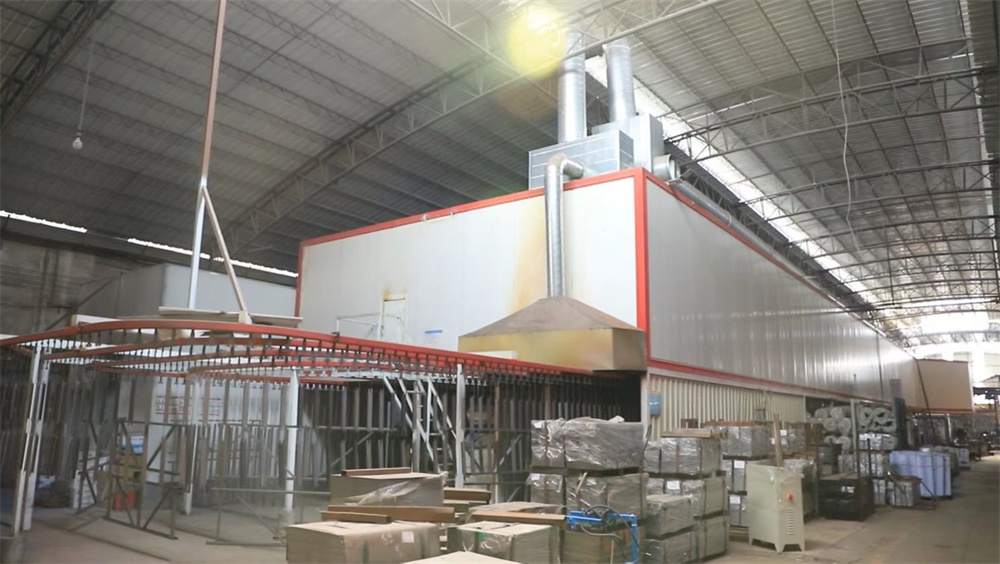
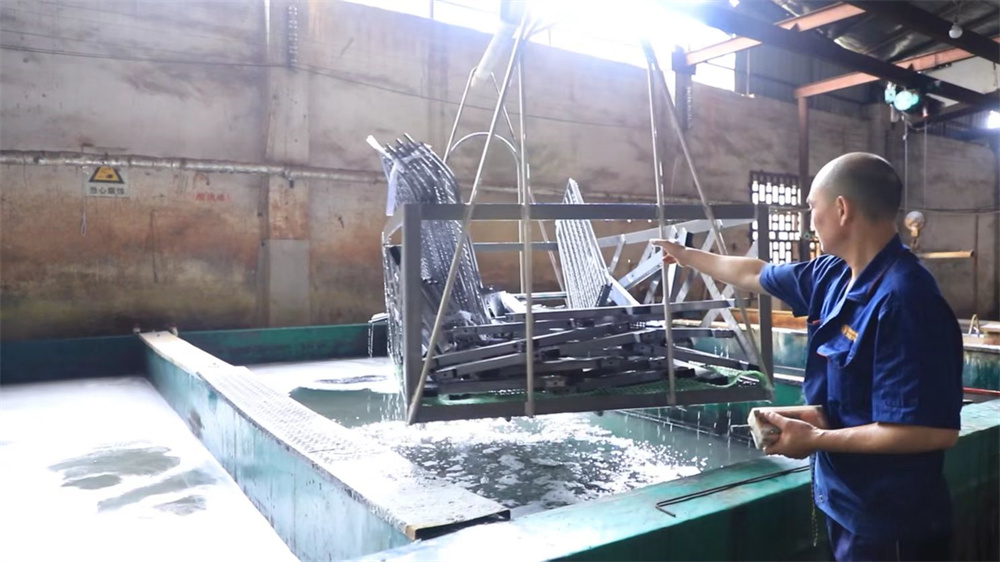
Fully automated welding and component assembly system for high-volume structural production.
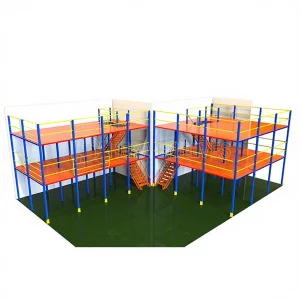
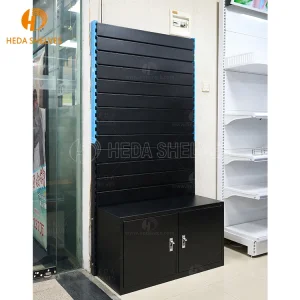
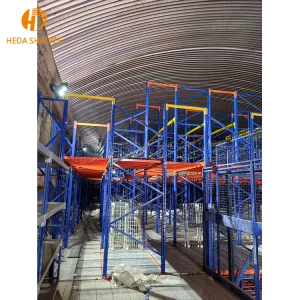
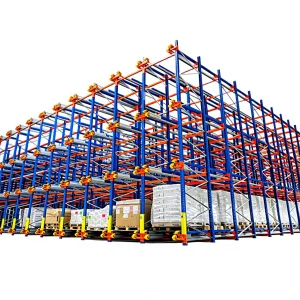
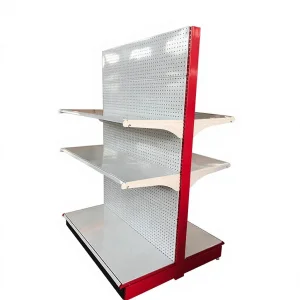
High-capacity racking systems, automated shuttles, and customizable displays designed for cold rooms, distribution centers, and retail showrooms.
How our material formulations and surface treatments prevent corrosion, fading, and mechanical failure in harsh desert and coastal environments.
High humidity and salt-laden air in coastal cities like Dubai, Abu Dhabi, and Ras Al Khaimah can cause standard chrome-plated steel to rust in under six months. To address this, Chengdu DriveRacks uses a multi-layered surface treatment process.
Our metal shopping carts undergo an automated cleaning and phosphate pre-treatment, followed by a thick layer of zinc plating. We then apply an organic sealing coat and finish with an electrostatic powder coating (epoxy polyester). This finish is tested for up to 96 hours under ASTM B117 salt spray standards, ensuring the metal remains protected even when carts are stored in outdoor parking lots.
Summer temperatures in the UAE regularly exceed 45°C, and intense UV radiation can degrade standard plastics, causing them to fade, warp, or crack under load.
To prevent this, our polypropylene (PP) baskets and hybrid cart components are mixed with UV-stabilizing additives. This modification keeps the plastic flexible and strong, maintaining its load capacity and bright brand colors over years of use in both indoor air-conditioned stores and hot outdoor areas.
Sand, dust, and floor cleaning chemicals are common challenges in retail spaces. We equip our trolleys with sealed precision ball bearings in the wheels, preventing dirt and fine sand from entering the mechanism. The wheels are made from wear-resistant thermoplastic rubber (TPR) or polyurethane (PU), ensuring quiet, smooth rolling on tile floors, travelators, and outdoor asphalt.
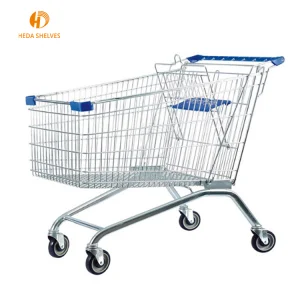
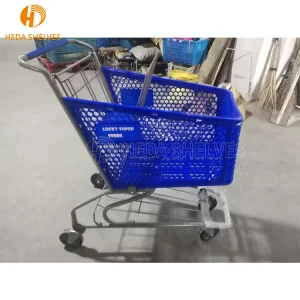
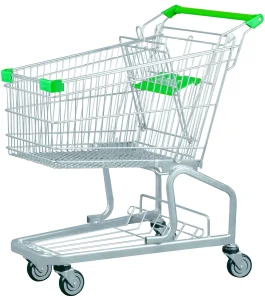
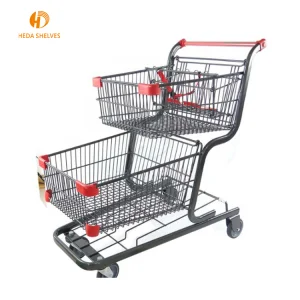
Explore our full line of specialized carts, child-safe models, and retail display racks engineered for hypermarkets and high-volume grocery retailers.
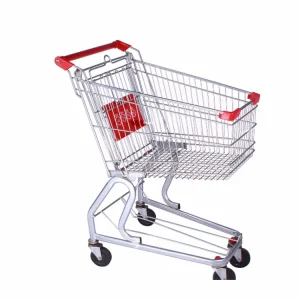
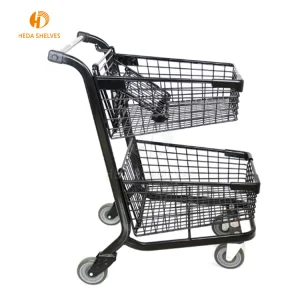
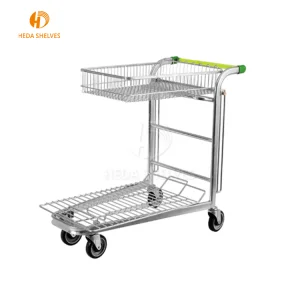
How we optimize packing density, nesting distances, and shipping logistics to ensure safe, cost-effective delivery to Jebel Ali Port and beyond.
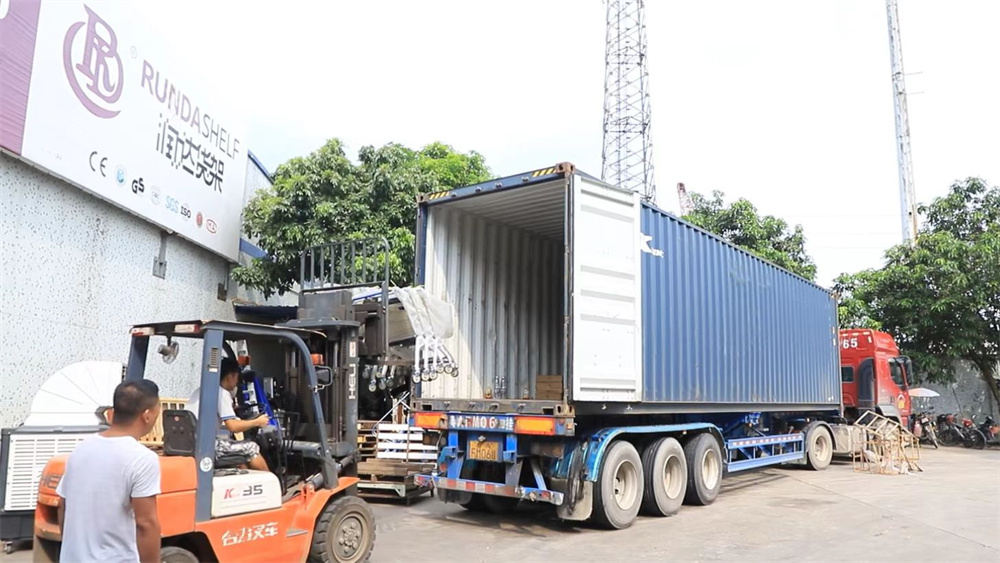
International ocean freight is a significant component of the final landed cost of shopping trolleys. To minimize shipping costs for our clients, our engineering team designs our trolleys to stack together closely. By reducing the nesting distance (ranging from 270mm to 350mm depending on the model), we can fit up to 800 to 1,000 units in a single 40HQ container.
During packing, each trolley is separated by protective bubble wrapping and secured with high-tension strapping. This prevents movement and metal-on-metal friction during transit, ensuring the carts arrive at your store in perfect condition.
Importing commercial equipment into the GCC requires strict adherence to regional customs regulations. All Chengdu DriveRacks shipments are prepared with clear customs documentation, including Certificates of Origin, detailed commercial invoices, packing lists, and bill of lading files.
We work closely with major logistics providers to manage customs clearance at ports like Jebel Ali (Dubai) and Khalifa Port (Abu Dhabi), helping to ensure smooth delivery and minimize transit delays.
Answers to common technical, customization, and logistics questions from procurement and operations managers in the UAE.
 DriveRacks