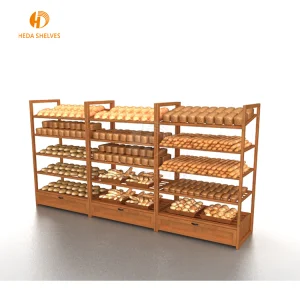
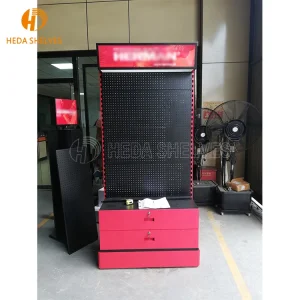
Engineered specifically to solve high land cost constraints and optimize cycle times across Milan's key freight corridors.
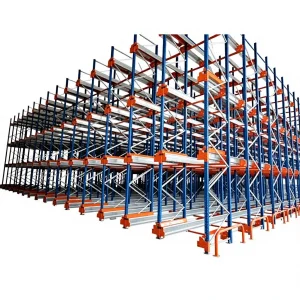
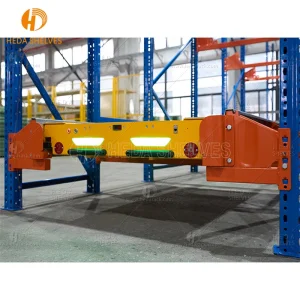
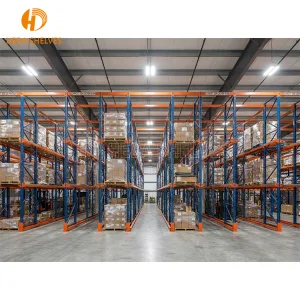
Why Milanese enterprises are rapidly phasing out traditional selective racking for radio shuttle technology.
The Metropolitan Area of Milan, combined with the wider Lombardy region, represents the economic powerhouse of Italy, contributing to over 20% of the national GDP. Positioned as the primary Southern European gateway for major trans-European transport networks (TEN-T corridors), the region acts as a high-velocity sorting node for goods moving between the Mediterranean ports and Northern Europe. Key sub-markets such as Piacenza, Novara, and the outskirts of Malpensa Airport have witnessed unprecedented demand for modern grade-A logistics space. However, this economic dominance comes with a severe bottleneck: land scarcity and skyrocketing real estate values, with prime warehouse rents in Milan reaching historical peaks.
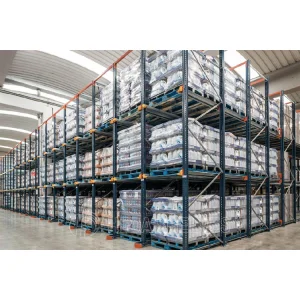
To preserve margin efficiency, third-party logistics (3PL) providers, pharmaceutical distributors, and food retail giants (like Esselunga, Conad, and Coop) are forced to maximize volumetric density. Traditional selective racking schemes—which demand extensive aisle space to accommodate reach trucks—are no longer economically viable for these logistics corridors. High-density storage systems, specifically Radio Shuttle Racking Systems, offer the perfect reconciliation between capacity maximization and throughput agility. By eliminating forklift transit aisles, shuttle installations increase floor utilization by up to 80% compared to selective racking, whilst drastically reducing the operational carbon footprint.
“In the Milan logistics sub-market, where warehousing costs exceed €65 to €80 per square meter annually, transition to radio shuttle system layouts reduces operational footprint overheads by up to 40% while maintaining high FIFO/LIFO selectivity for fast-moving consumer goods.”
| Storage Matrix Indicator | Selective Pallet Racking | Drive-In Racking Systems | Radio Shuttle Racking (Pallet Runner) |
|---|---|---|---|
| Volumetric Efficiency | Approx. 35% - 40% | Approx. 60% - 65% | Up to 80% - 85% |
| Selectivity Rate | 100% immediate access | Very Low (LIFO only) | High (Configurable FIFO/LIFO per lane) |
| Forklift Operator Hazard | Moderate (Frequent navigation) | High (Forklift drives inside structure) | Minimal (Shuttle handles deep lanes) |
| SKU Differentiation Ability | High (Ideal for complex sorting) | Low (One SKU per channel) | Medium-High (One SKU per lane) |
| Throughput Velocity (Cycles/Hr) | High (But limited by travel paths) | Extremely Low | Outstanding (Dual-position runner synergy) |
Adhering to Italy's NTC 2018 code and EN standards for industrial storage assets.
Italy is historically prone to seismic activity, demanding some of the most rigorous structural codes globally. The national standard, NTC 2018 (Norme Tecniche per le Costruzioni), dictates that warehouse racking systems must be categorized as building structures. This classification requires precise load-bearing calculations, seismic response spectrum analyses, and strict compliance with European structural standards (primarily UNI EN 15512 and UNI EN 16681).
As a premier industrial manufacturer, we structuralize our uprights and horizontal bracing systems using high-strength steel grades (such as Q355B and S355JR equivalents) that offer superior yield ratios. Standard static calculations are insufficient in Lombardy; our engineering team utilizes finite element analysis (FEA) to simulate dynamic ground accelerations specific to Milan’s regional seismic micro-zonation. We construct specialized dynamic baseplates, oversized expansion anchoring bolts, and robust top ties to ensure the entire racking frame remains elastic under seismic stress. Furthermore, our shuttle rails are precision-engineered to avoid localized deflection, preventing the automated pallet runner from stalling or losing wheel adhesion during critical movements.
Full dynamic calculations executed according to Italian construction parameters, verifying safety under seismic loads.
Manufactured in alignment with UNI EN 15512 and UNI EN 15629 directives, ensuring structural safety compliance.
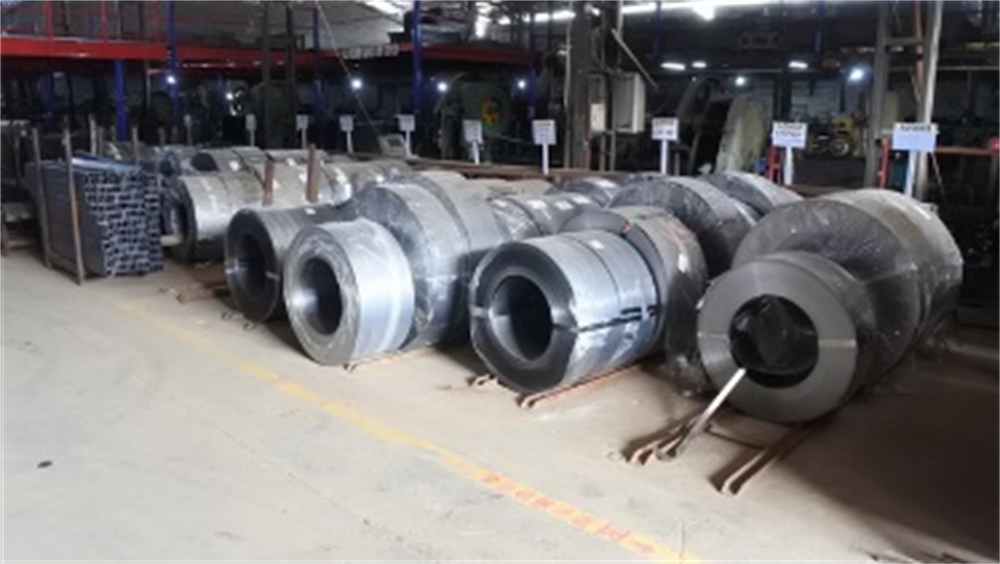
Utilizing superior hot/cold rolled steel sheet with complete mill cert traceability for guaranteed yield strength.
Global Advanced Material Handling & Heavy-Duty Storage Infrastructure Partner
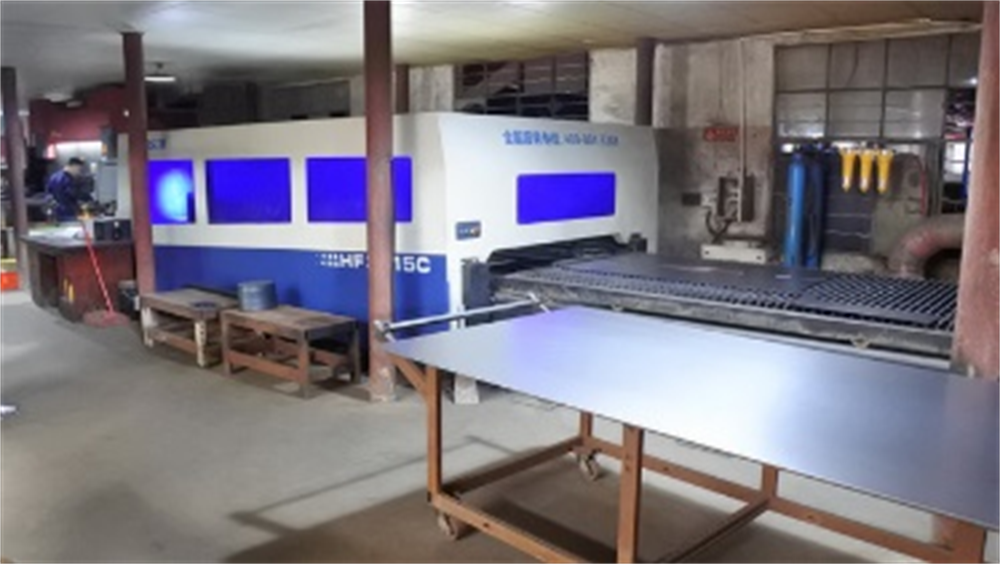
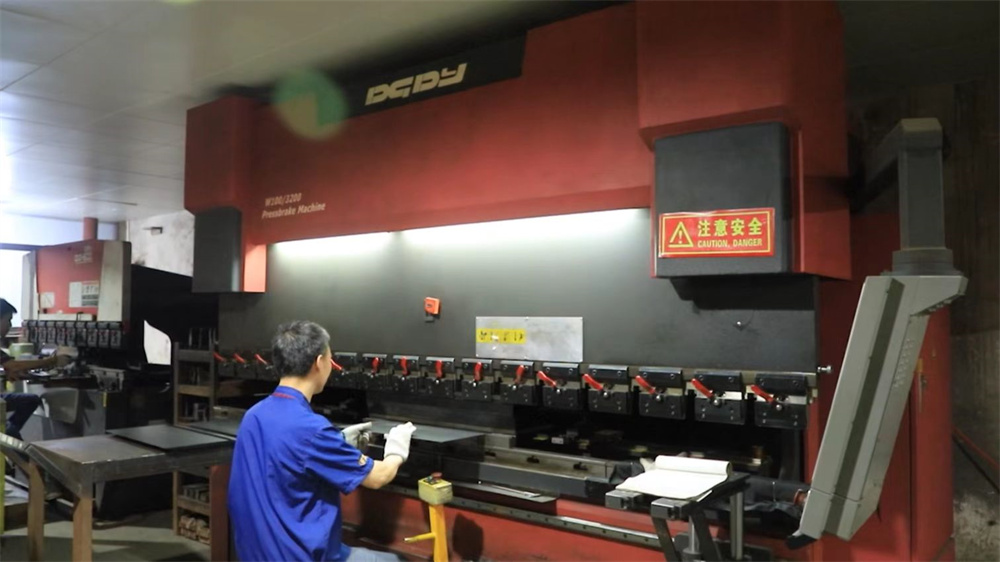
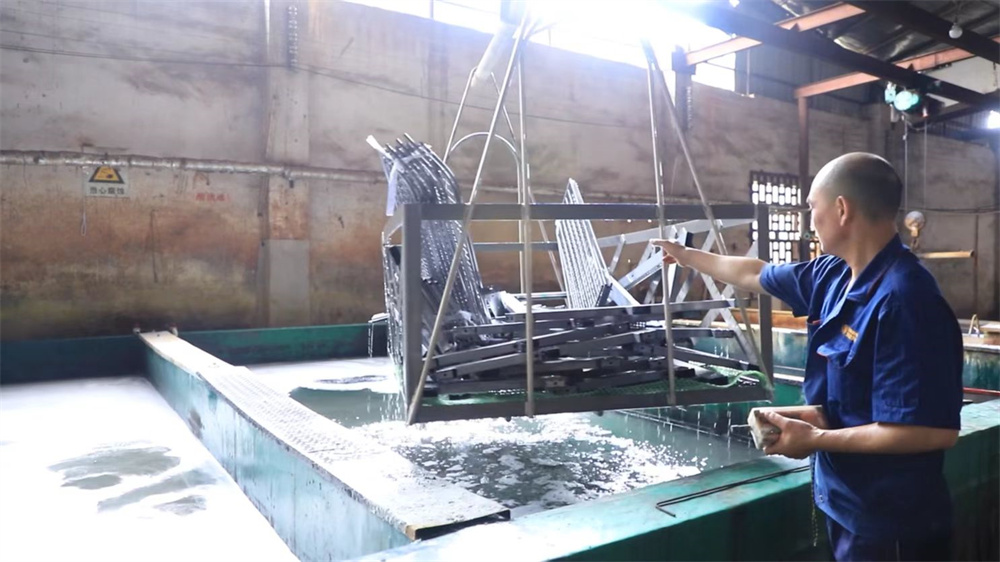
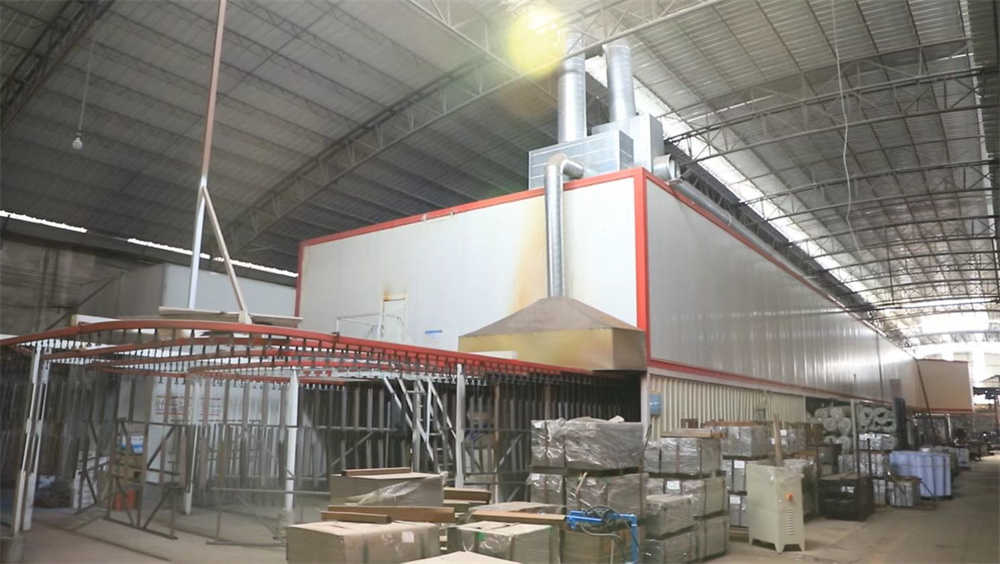
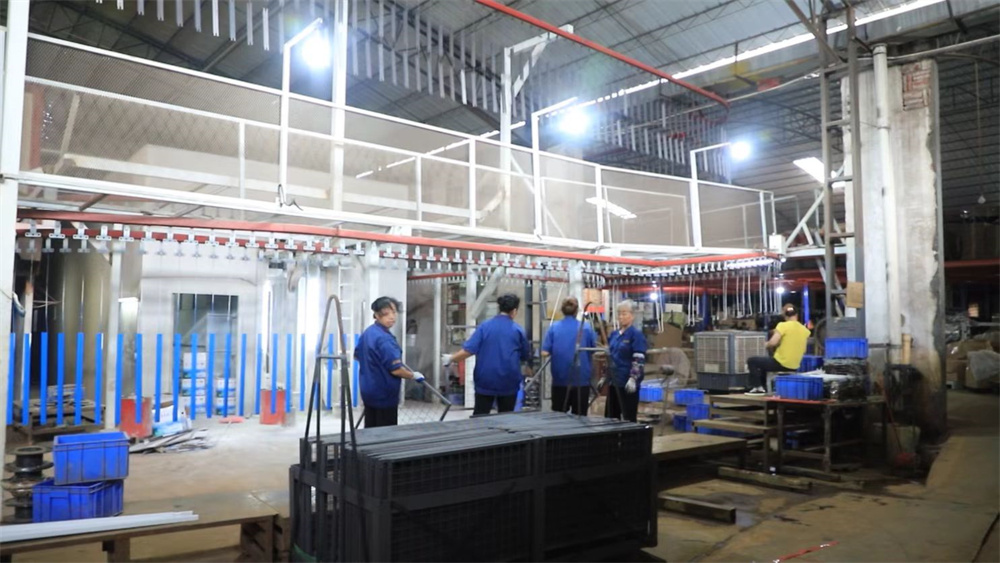
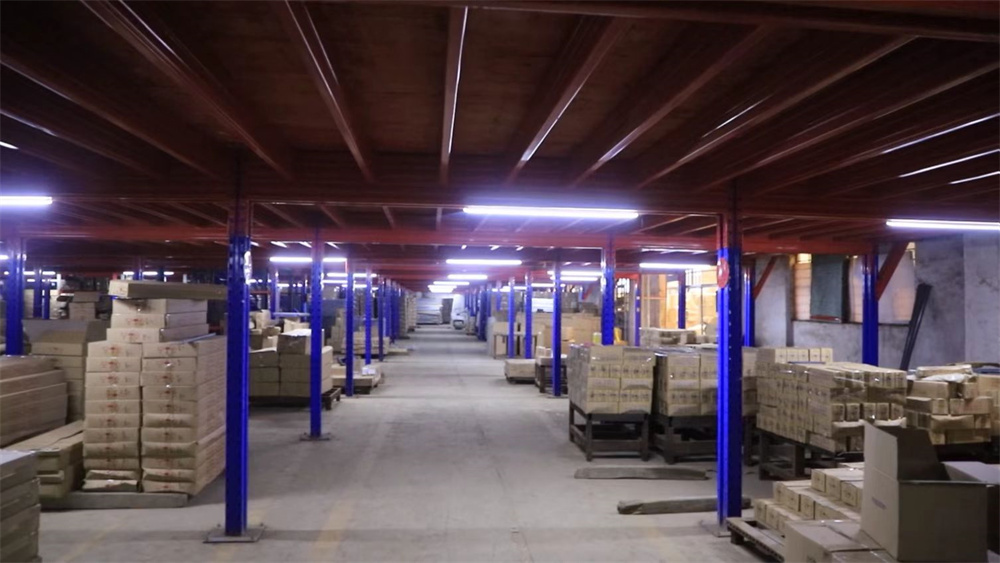
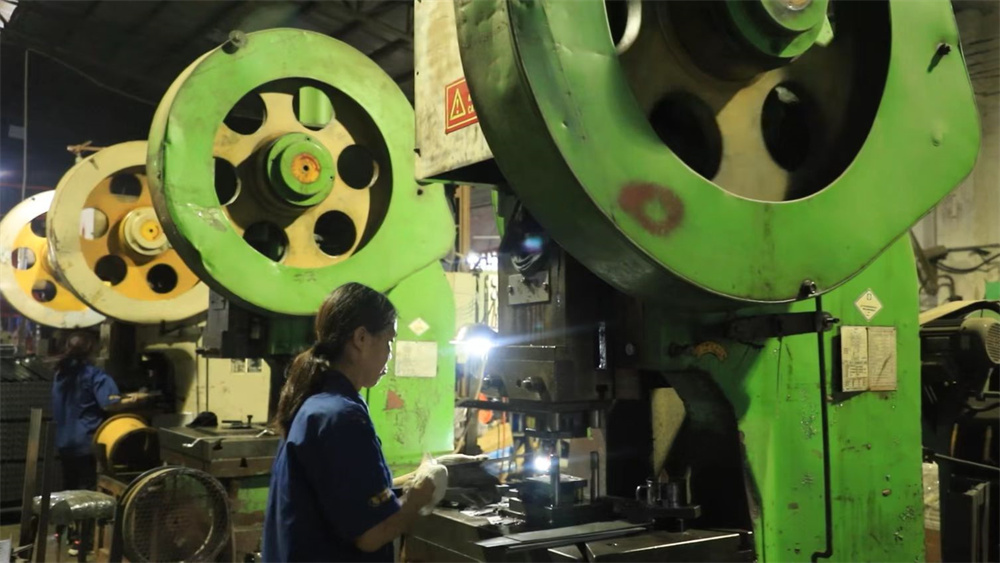
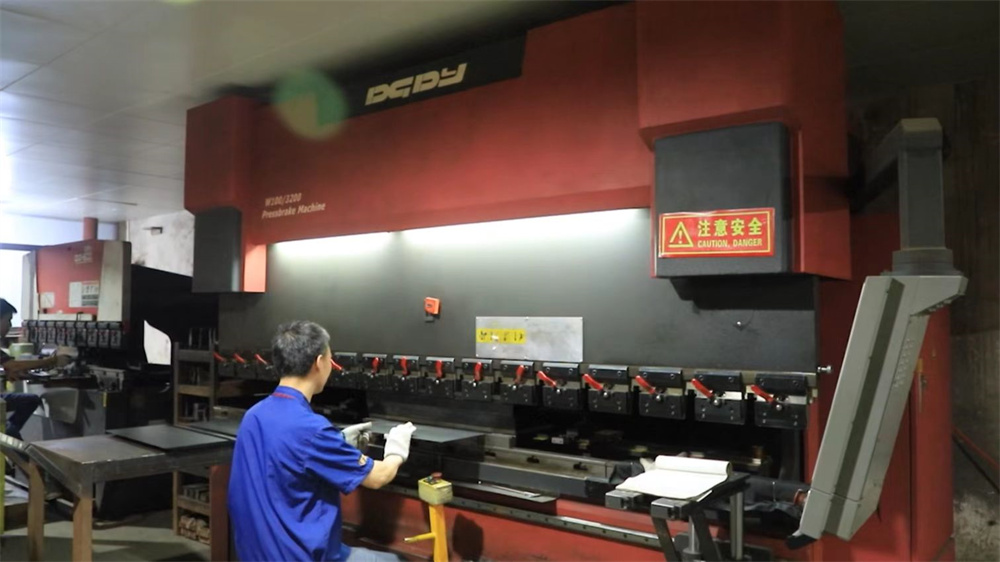
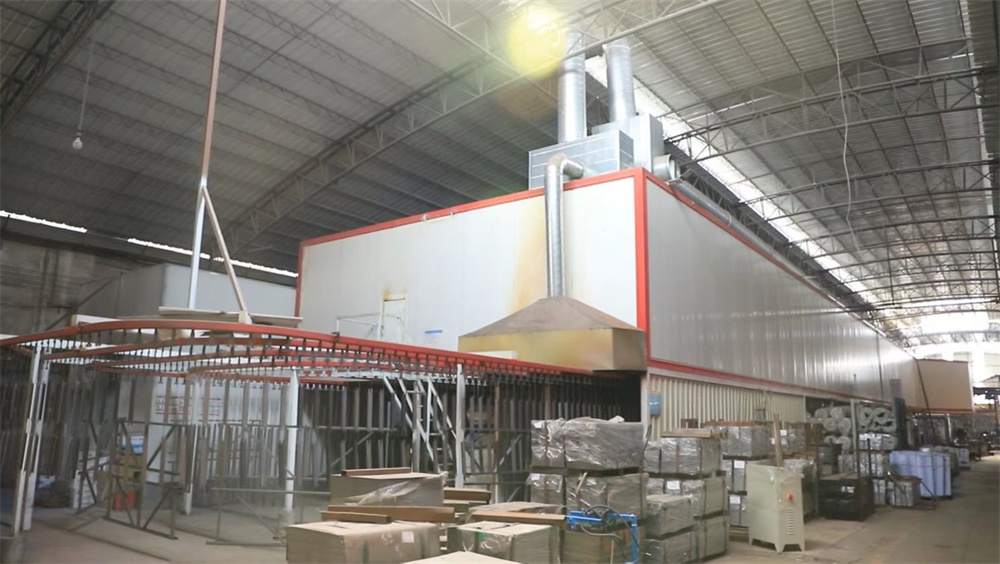
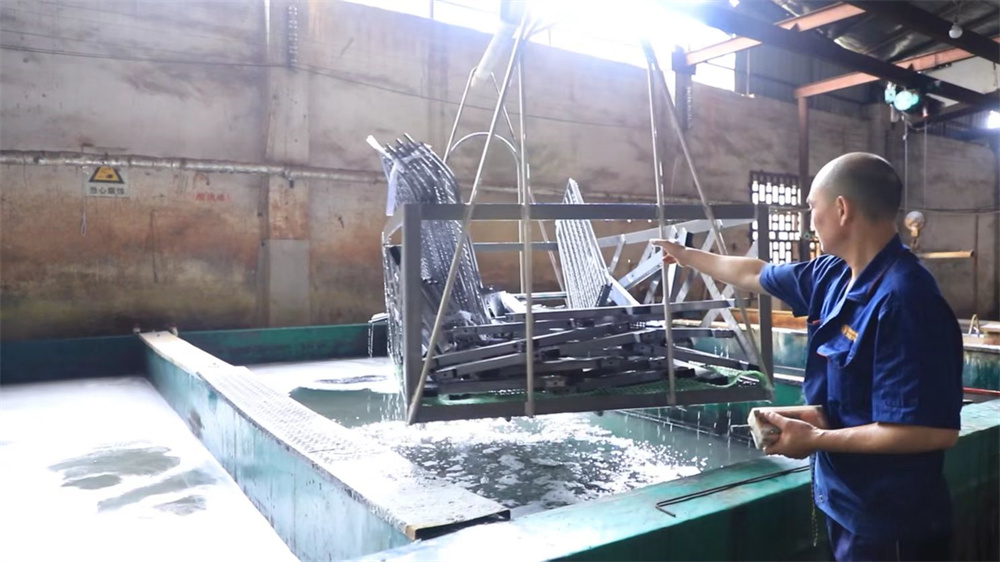
End-to-end quality control and production precision across our operations
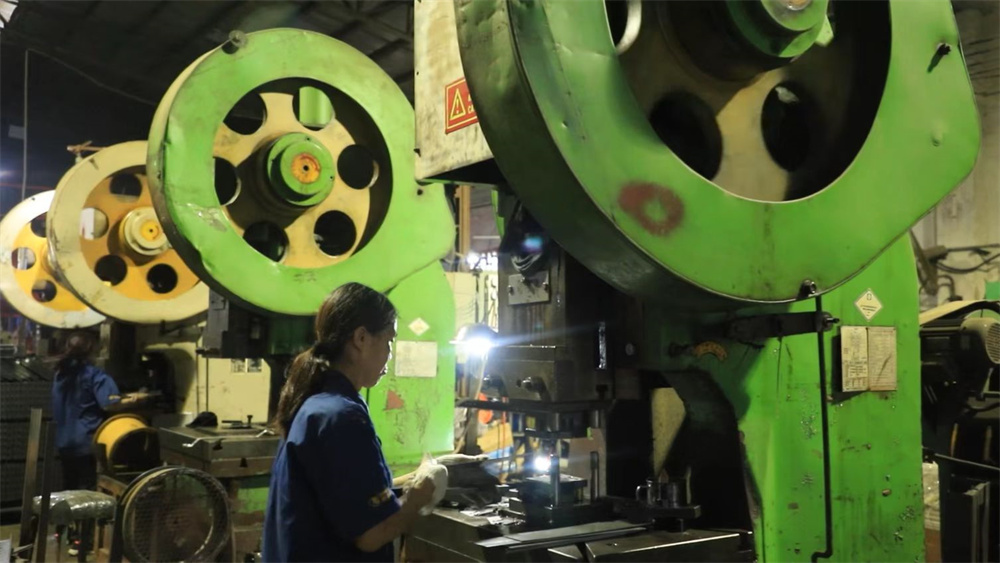
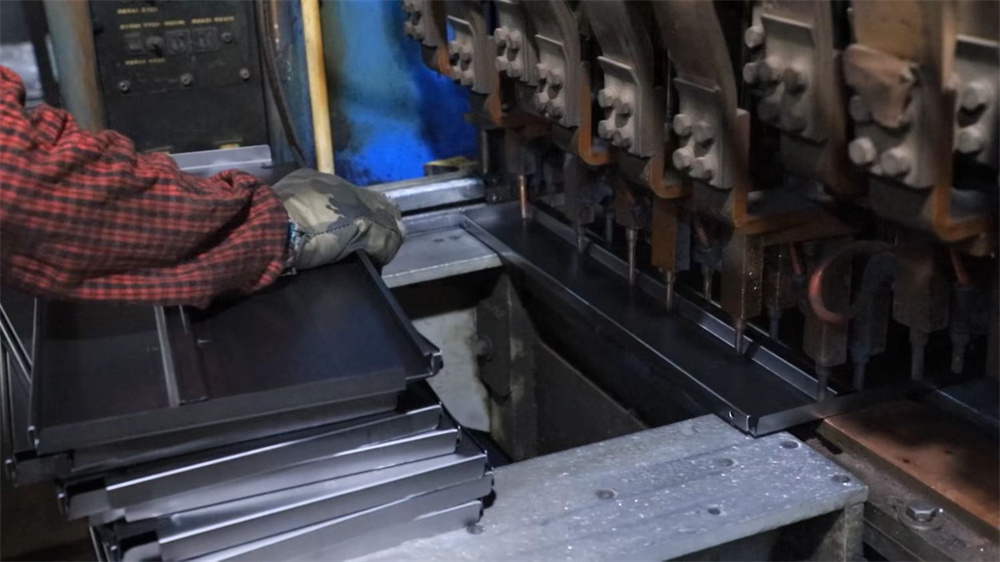
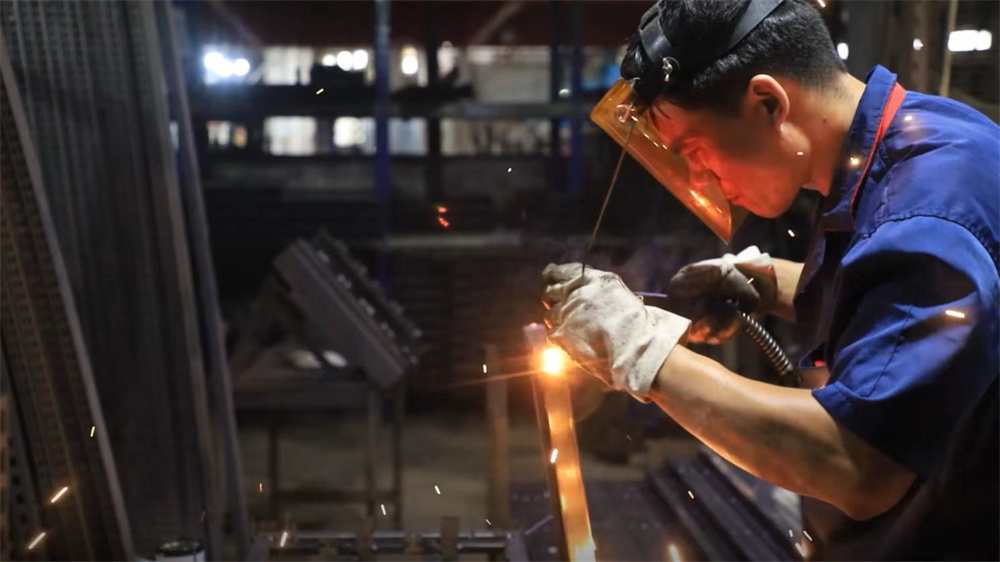
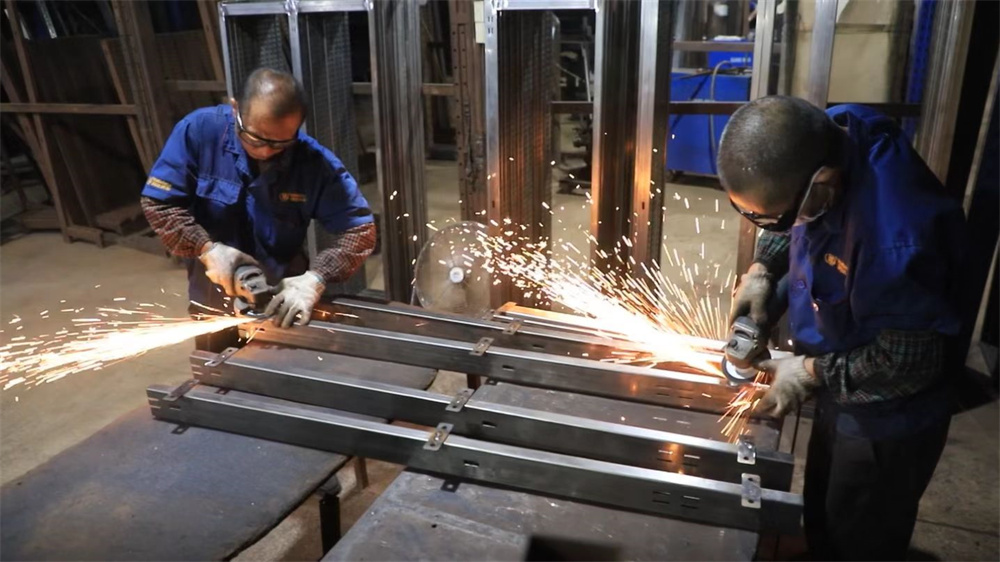
Future-proofing Lombardy's automated warehouses with smart materials handling.
As Industry 4.0 matures, the integration of material handling systems with local digital infrastructure is paramount. Classical 2D shuttles (moving along longitudinal storage lanes) are increasingly transitioning into dynamic 4D Multi-Shuttle Systems. These systems allow automated vehicles to change lanes horizontally and travel vertically using integrated lifts, offering total coverage of the storage matrix without manual intervention. Our upcoming R&D cycle focuses heavily on integrating smart telemetry sensors within our shuttle frames, transmitting real-time tracking data via WiFi or private 5G industrial networks directly to local Warehouse Management Systems (WMS).
Furthermore, energy conservation has become a critical operational metric for cold-chain facilities in Milan, where refrigeration costs are high. Our latest pallet runners utilize ultra-capacitors and fast-charging Lithium Iron Phosphate (LiFePO4) battery arrays. These arrays operate down to -30°C without capacity degradation, reclaiming kinetic energy during deceleration and downward vertical transfers to reduce total power usage. By integrating these systems, Milanese operators can achieve a lower total cost of ownership (TCO) and comply with Italy's strict energy efficiency mandates.
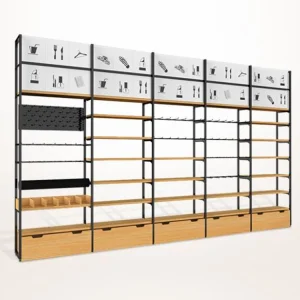
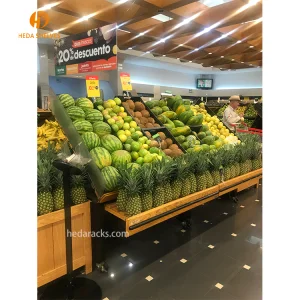
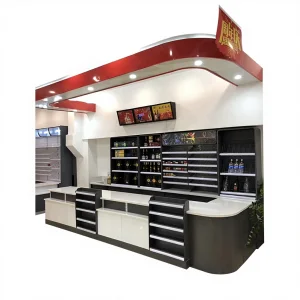
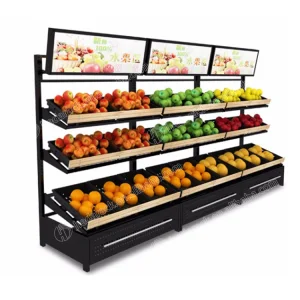
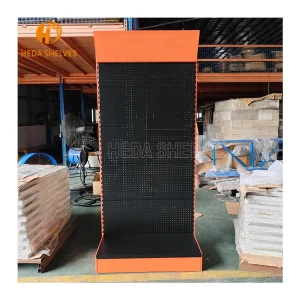
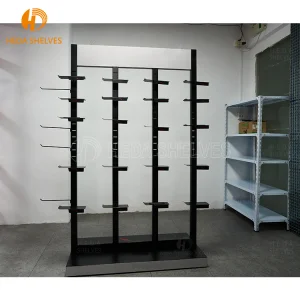
Complementary material handling systems for front-of-house retail and distribution environments in Milan.
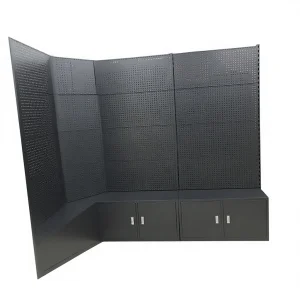
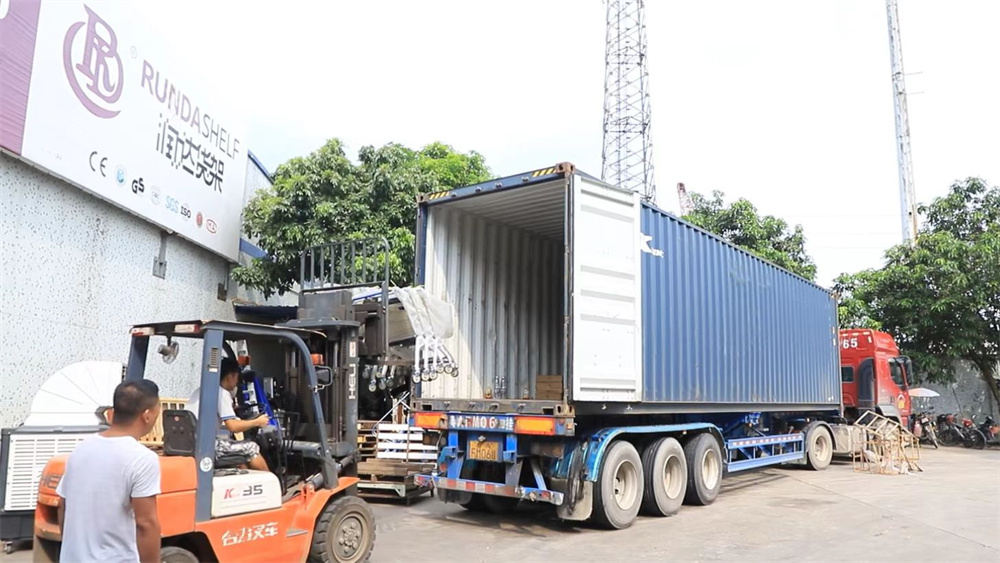
Seamless overseas shipment coordination paired with compliant domestic execution.
Procuring raw racking structures from international manufacturers requires clear operational coordination. We provide comprehensive logistics handling to Italian ports (Genoa and Venice) and direct transport to site destinations in Lombardy. To ensure compliance with local work safety laws (specifically D.Lgs. 81/08, Italy's Consolidated Law on Health and Safety at Work), we collaborate with local Italian structural engineers who oversee the final assembly, anchoring, and alignment checks.
Upon completion of the physical installation, we perform load tests and provide structural documentation (dichiarazione di corretto montaggio). This documentation is essential for municipal work approvals (agibilità) and standard commercial insurance policies. Additionally, our automated radio shuttles undergo CE-mark self-declaration processes, verifying compliance with the Machinery Directive 2006/42/EC and Electromagnetic Compatibility Directive 2014/30/EU.
Key technical and regulatory answers for engineering procurement teams in the Milan market.
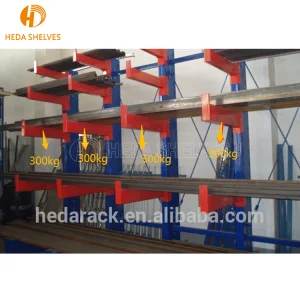
Browse our full range of industrial storage and display systems, engineered for versatility.
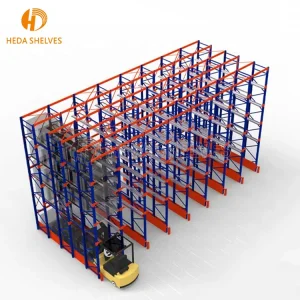
 DriveRacks