Optimized for high-volume retail displays and immediate shelf deployment across the Gulf Coast's commercial hubs.
An authoritative analysis of demographic expansion, supply chain constraints, and the rising demand for dynamic storage infrastructure.
The Greater Houston metropolitan area—encompassing booming demographic hubs like Katy, Sugar Land, and The Woodlands—stands as one of the fastest-growing economic corridors in the United States. This rapid population influx has triggered an unprecedented expansion in the retail grocery, hypermarket, and cold-chain logistics sectors. Multi-format retailers, regional supermarket chains, and high-velocity distribution centers are encountering a common bottleneck: the critical need for structural retail fixtures and warehouse racking that can withstand high-capacity loads, ensure consumer safety, and offer extreme durability against local climatic factors.
Houston’s geographical positioning along the Gulf Coast introduces unique environmental variables. The region's notoriously high humidity and ambient salt exposure pose severe challenges to standard metal retail fixtures. Unprotected shelving systems are prone to accelerated oxidation, leading to structural failures and aesthetic degradation that directly impact store hygiene ratings. Consequently, modern enterprise buyers are shifting away from low-tier, untreated display units toward precision-engineered, dual-coated, and hot-dip galvanized fixtures that comply strictly with international safety and hygienic protocols.
Simultaneously, the global shift toward automated retail logistics has forced hypermarket operators to optimize their supply-to-shelf efficiency. In modern retail layouts, checkout zones must process hundreds of customers per hour, and display racks must handle heavy produce loads without bowing. To resolve these challenges, procurement directors require direct access to manufacturing plants that integrate advanced material science with structural engineering expertise, bypassing intermediate distributors to mitigate lead times and control total cost of ownership (TCO).
"For Houston's enterprise operators, retail fixtures are no longer passive components; they are critical touchpoints of structural compliance, supply chain continuity, and operational efficiency."
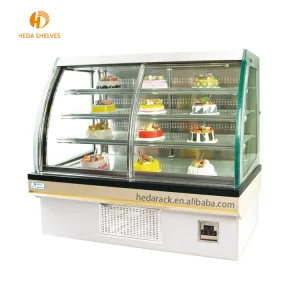
Engineered to elevate food safety, optimize thermal management, and increase visual engagement in modern retail layouts.
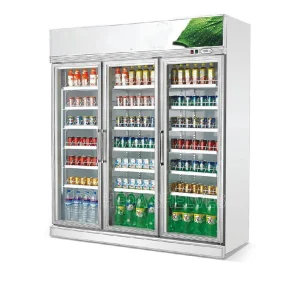
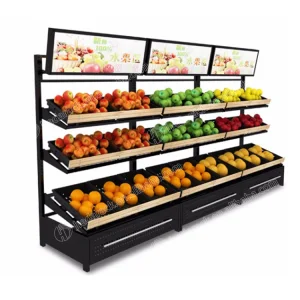
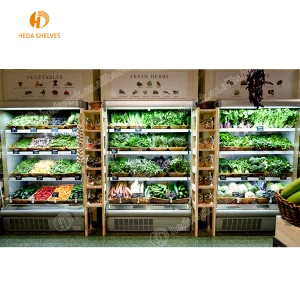
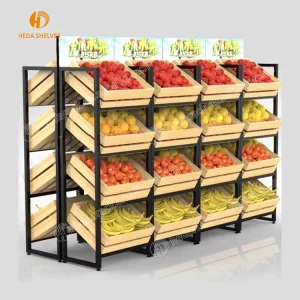
How engineering innovations in alloy selection, surface chemistry, and IoT automation are shaping modern retail spaces.
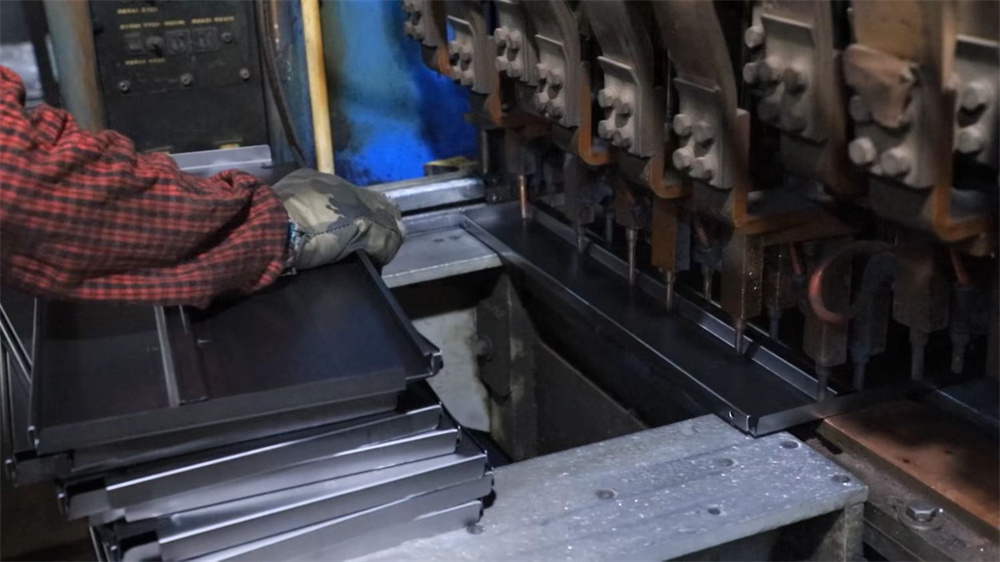
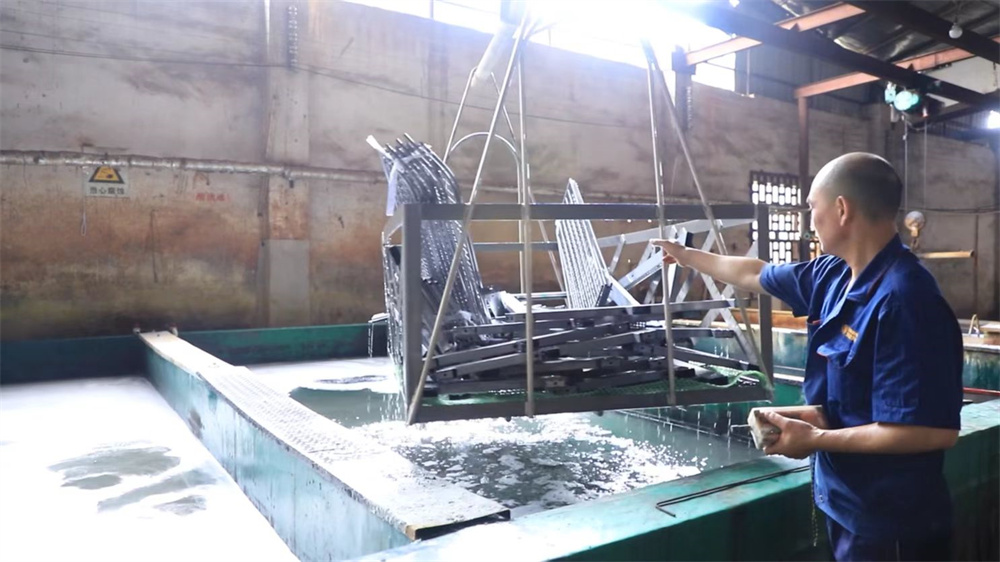
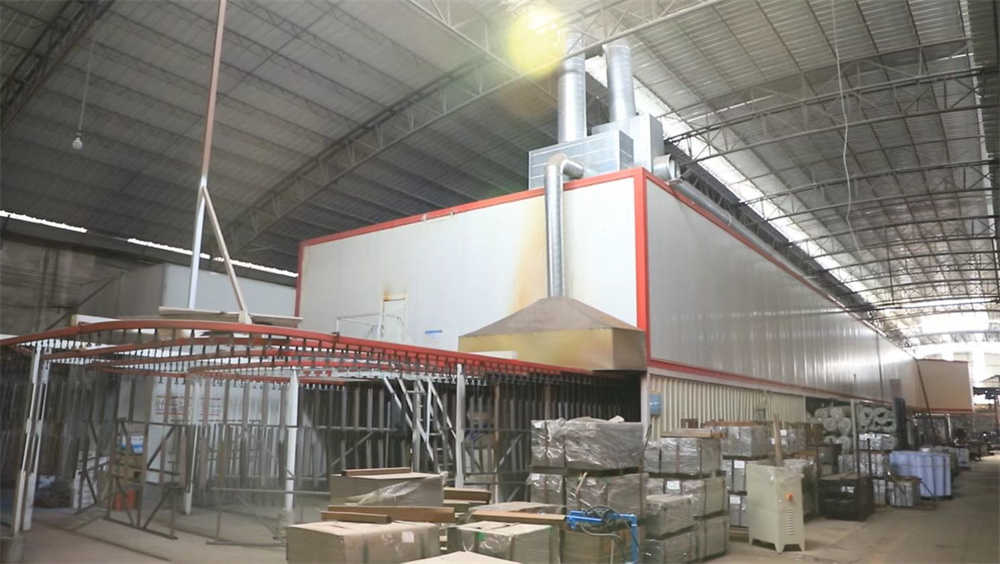
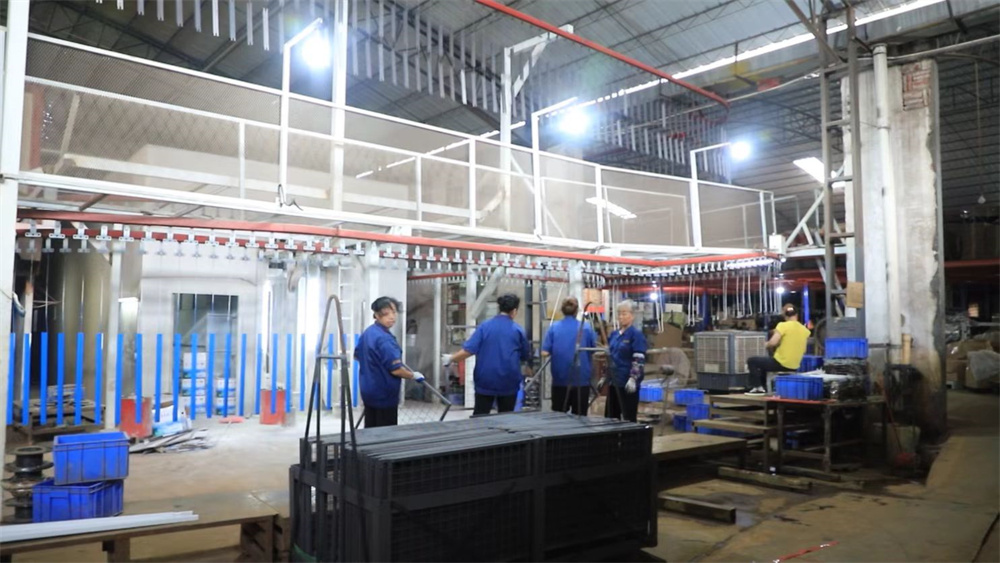
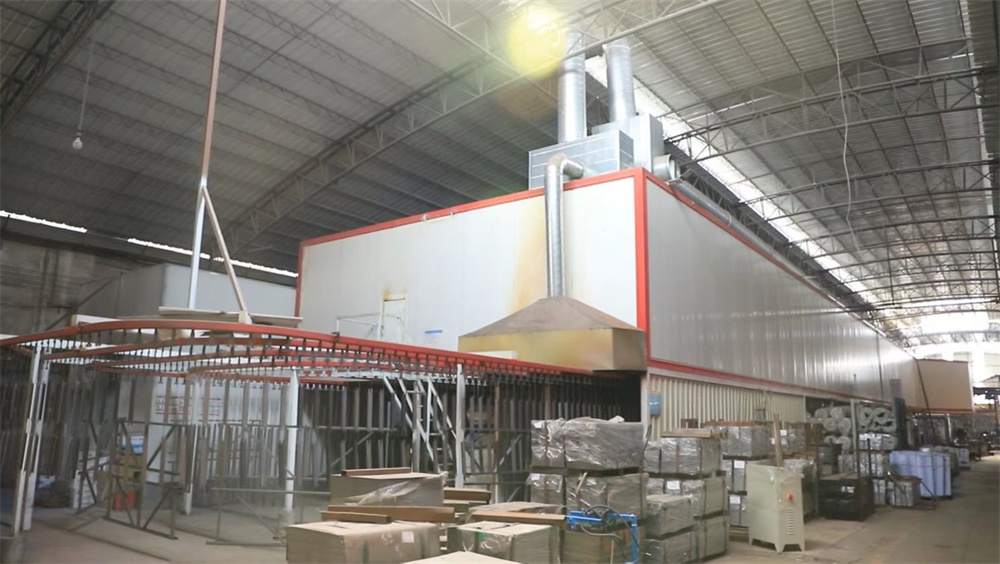
To address the oxidative risks in high-humidity markets like Houston, our materials lab focuses on high-strength low-alloy (HSLA) structural steels combined with thermosetting epoxy-polyester powder formulations. The application process involves a multi-stage pretreatment including zinc phosphating, followed by electrostatic coating (dry film thickness of 60 to 90 microns) and curing at temperatures exceeding 180°C. This micro-engineered surface barrier provides superior resistance against high salt levels, abrasion, and repeated mechanical impacts from heavy loading carts.
Our dynamic refrigeration displays utilize high-efficiency scroll compressors paired with hydrocarbon-based refrigerants (R290) to align with evolving EPA regulations. Dual and triple-pane low-emissivity (low-E) tempered glass doors, integrated with argon gas fills, mitigate thermal bridging. This thermal isolation maintains precise cabinet temperatures (+2°C to +8°C for fresh produce, -18°C to -22°C for frozen products) while reducing overall energy draw by up to 28% compared to legacy display cooling systems.
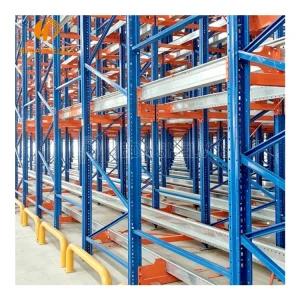
The interface between physical retail shelves and digital inventories is closing. Our latest product design incorporates integrated channels for Electronic Shelf Labels (ESL) utilizing low-power e-paper screens. At the logistics level, our automatic pallet shuttle racking systems connect directly with warehouse control software (WCS), allowing regional distribution centers in Texas to utilize automated storage and retrieval systems (ASRS). This high-density setup maximizes vertical footprint utilization and ensures rapid replenishment cycles.
"The integration of micro-climate cooling systems, smart electronic shelf labeling pathways, and high-load automated racking creates an efficient ecosystem that minimizes operational shrink."
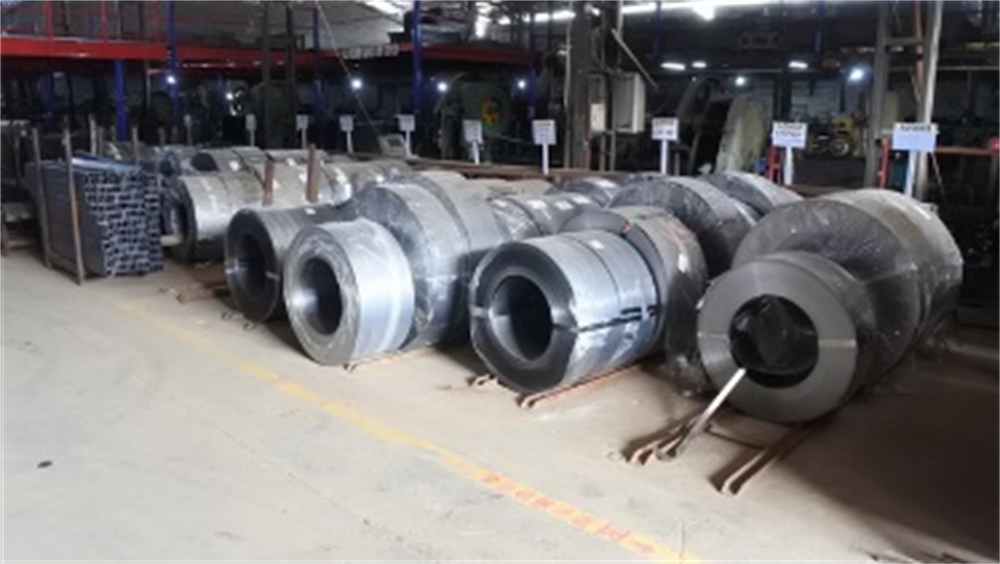
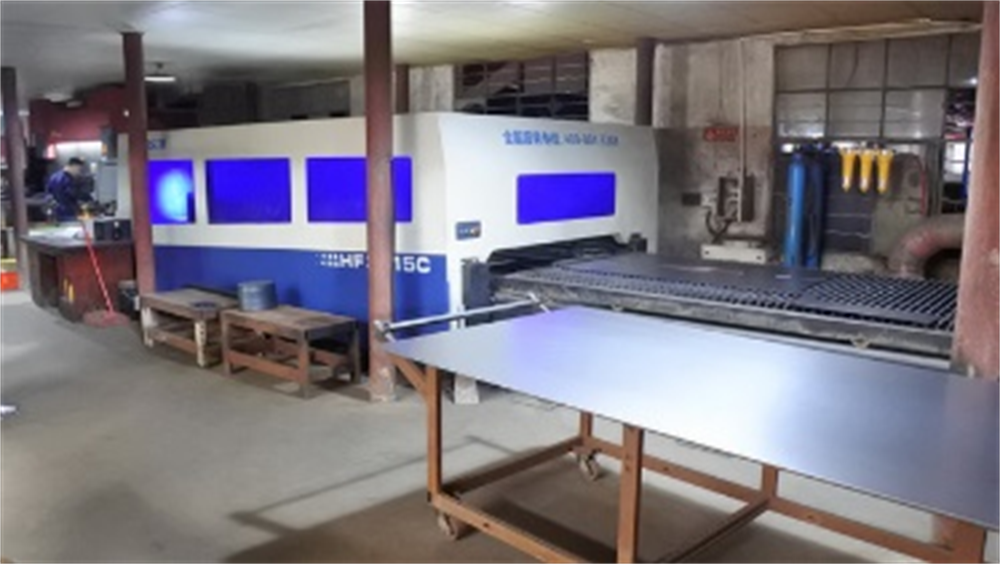
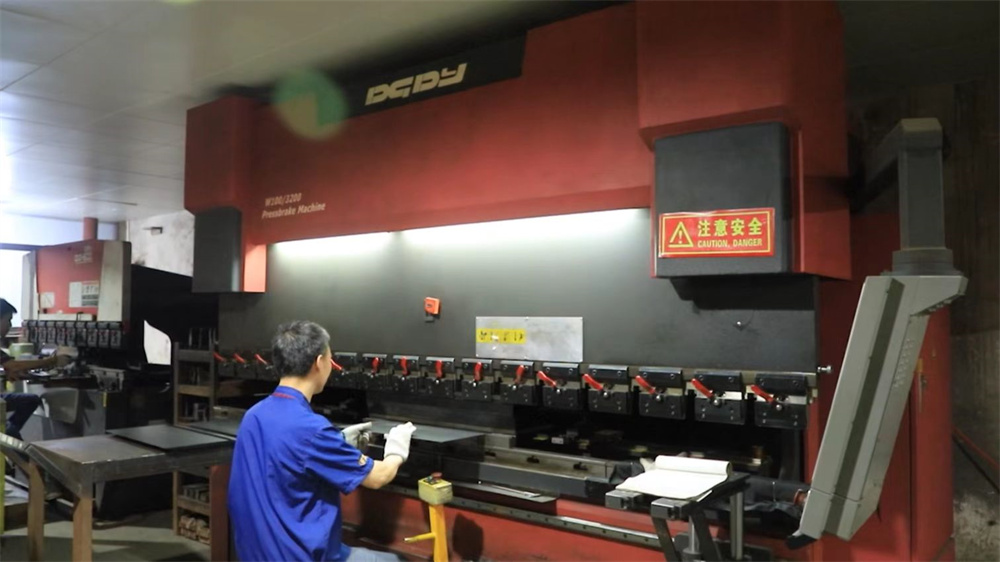
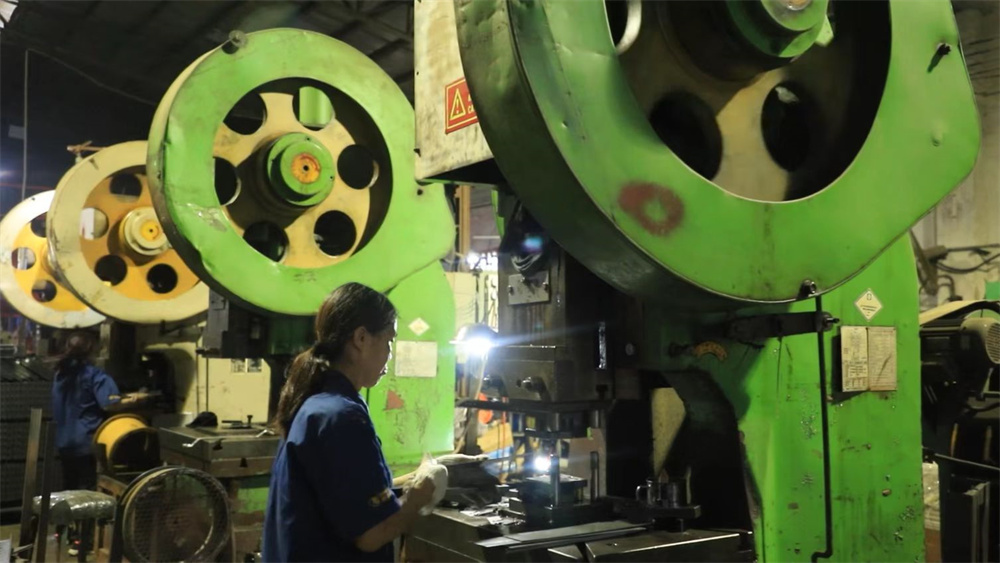
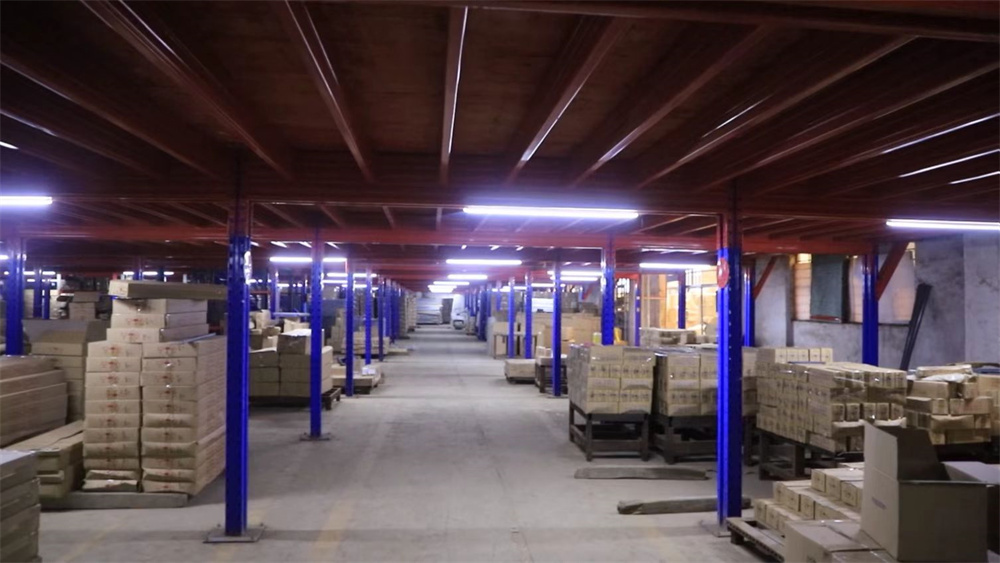
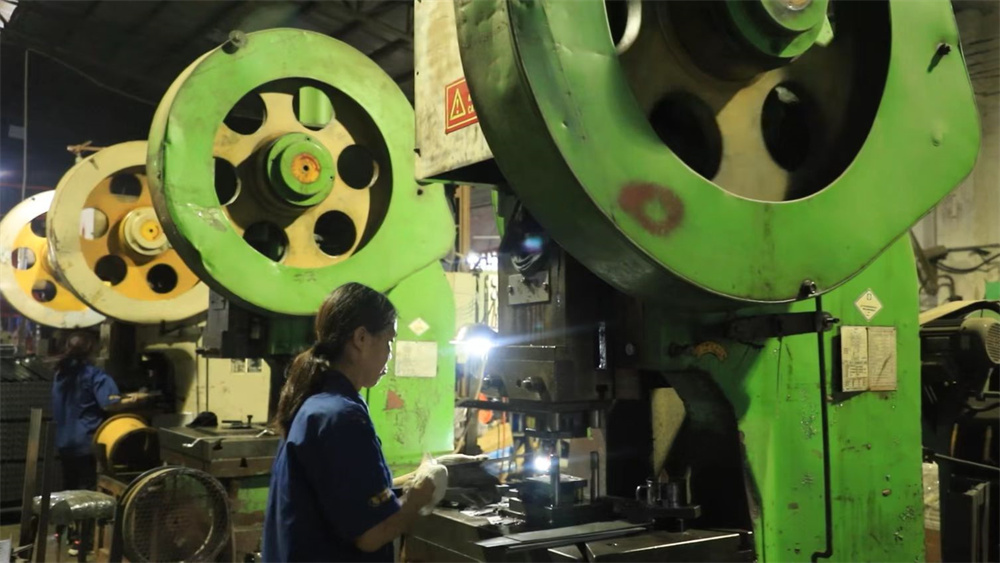
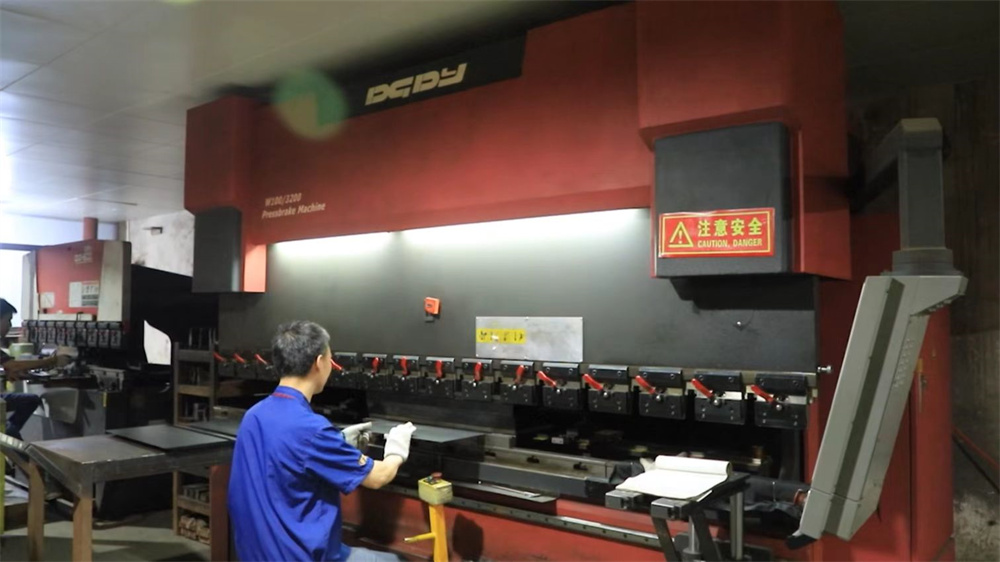
Established in 2017, Chengdu DriveRacks Industrial Technology Co., Ltd. operates a state-of-the-art 42,000 m² manufacturing plant dedicated to advanced material handling and heavy-duty storage infrastructure.
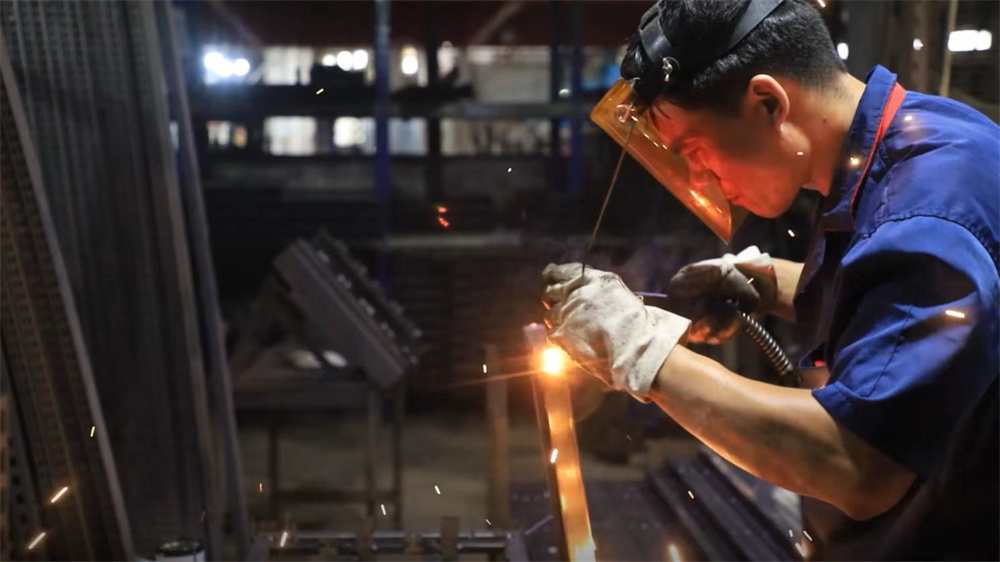
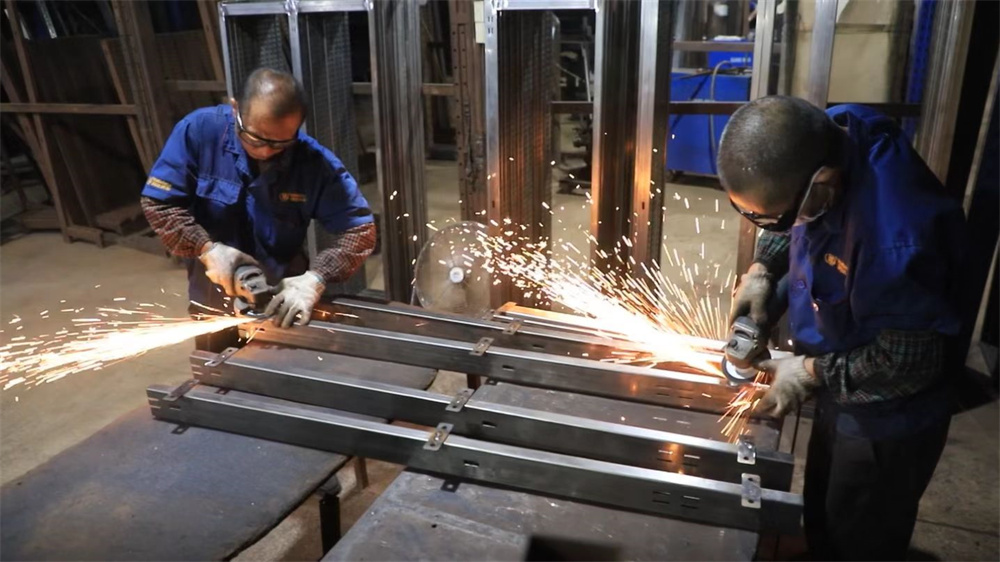
Delivering $35 million in annual export revenue, we bring 9 years of deep industry expertise and 6 years of international trade operations. Quality is integral to our process; our team of 30 certified inspectors executes rigorous raw material tensile testing and automated powder-coating thickness audits. Serving high-growth markets across the Middle East, Latin America, and Oceania, DriveRacks leverages a robust ecosystem of 1,200 supply chain partners. We primarily serve enterprise warehouse operators, e-commerce fulfillment hubs, and heavy equipment manufacturers. Powered by 110 skilled R&D engineers focusing on smart automation and high-density racking design, we released 250 dynamic product iterations last year and provide comprehensive customization spanning rack dimensions, seismic ratings, and surface treatments.
Navigating ASTM standards, ANSI/RMI specifications, and maritime import routes for smooth project execution in the USA.
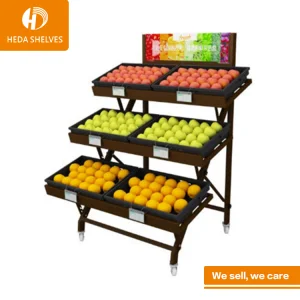
When supplying retail systems and industrial racking to the Texas market, compliance is not optional. All food retail units—specifically display shelving and fresh vegetable racks—are manufactured using non-toxic, lead-free polymers and food-grade stainless steels. For cold chain cabinets, our manufacturing processes follow UL 471 and NSF 7 standards, ensuring strict compliance with local health department inspections.
Furthermore, our storage racks and shuttle systems are designed to meet ANSI/MH21.1 structural standards and the Rack Manufacturers Institute (RMI) specification guidelines. This structural compliance guarantees that heavy-duty pallet racking installed in Houston distribution facilities can withstand specific seismic loads and dynamic stresses, protecting warehouse staff and avoiding catastrophic collapses.
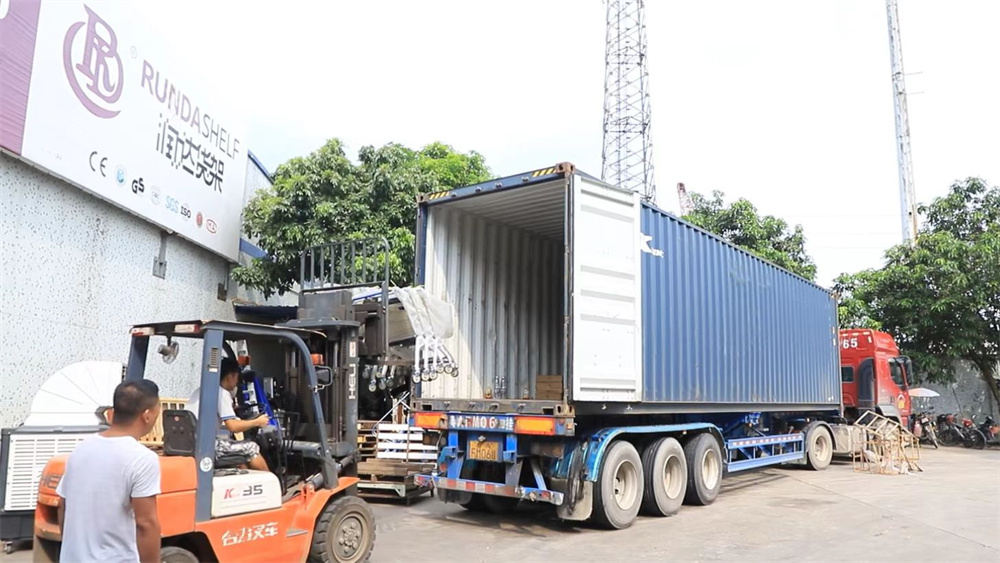
Direct container shipping from our inland manufacturing base via international freight channels ensures that high-volume orders reach the Port of Houston in optimal timeframes. Our logistics coordinators handle all Customs-Trade Partnership Against Terrorism (C-TPAT) safety protocols and coordinate duties processing, providing door-to-door delivery. By managing the supply chain from raw material procurement to custom crating, we eliminate import middlemen and offer transparent pricing directly to the end customer.
"By integrating domestic rail freight with deep-sea container lines straight to the Port of Houston, we bypass coastal logistics hubs, saving up to 15% on transshipment overheads."
Critical engineering and procurement questions answered by our technical department.
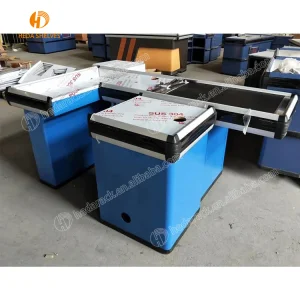
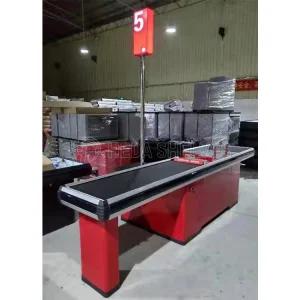
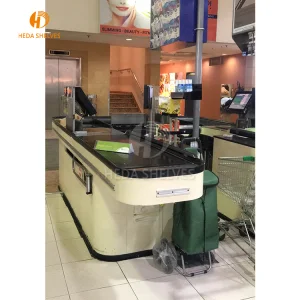
Heavy-duty structural storage configurations and automated front-of-house checkout lanes optimized for peak customer traffic.
Consult with our logistics engineers and retail display specialists to create a customized, structurally sound configuration for your facility.
Send Inquiry Now DriveRacks