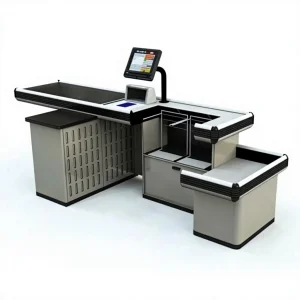
Engineered to maximize product visibility, improve checkout cycle efficiency, and maintain strict environmental compliance.
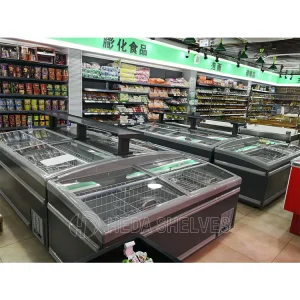
In San Francisco and the wider Bay Area, the supermarket sector is undergoing a massive transformation. Propelled by strict local environmental mandates, high labor costs, and a sophisticated consumer base that demands sustainability, grocers can no longer rely on legacy store fixtures. Stores in neighborhoods from the Mission District to the Marina, as well as dense suburban hubs in South San Francisco, require specialized supermarket accessories that maximize floor space, ensure zero-waste compliance, and integrate with autonomous checkout solutions.
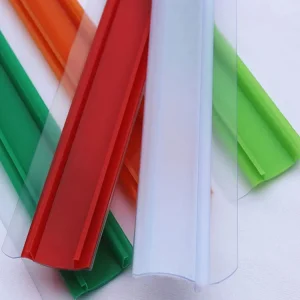
Strict Compliance and Eco-Design Requirements: The City of San Francisco has historically pioneered ordinances banning single-use plastics and promoting circular economy practices. This local context directly influences physical storefront setups. Retail display components, such as price tags and shelf edge channels, must utilize high-durability, non-toxic, and highly recyclable compounds like food-grade PVC and PETG. Our Transparent PVC Price Tag Holder Strips are designed to withstand aggressive, daily sanitization cycles without yellowing or cracking, eliminating frequent replacement cycles and landfill waste.
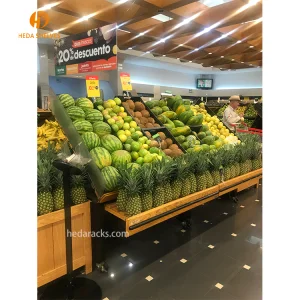
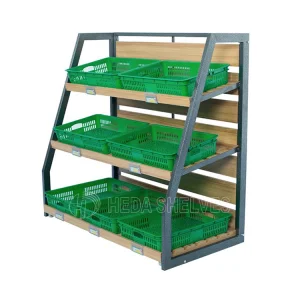
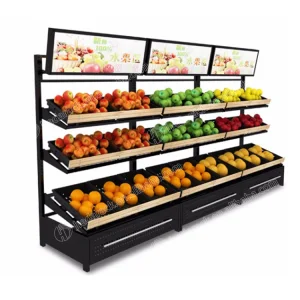
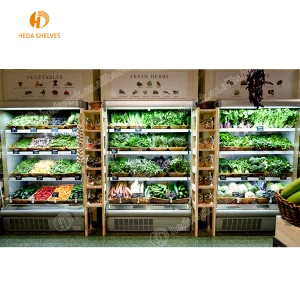
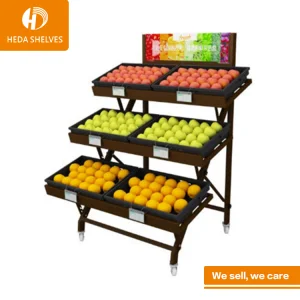
Moreover, local fresh-food grocers and organic markets face the challenge of preserving produce freshness to minimize organic waste, aligning with California SB 1383 requirements. Advanced display stands featuring automated misting systems, integrated drainage channels, and lightweight structural alloys have become standard in Bay Area food hubs. Our specialized displays assist grocers in showcasing fresh agricultural yields from Central Valley suppliers while keeping operating margins optimized through temperature-controlled environments.
Across the globe, supermarket accessory manufacturing is pivoting toward smart material handling, automated checkout design, and low-GWP (Global Warming Potential) commercial refrigeration solutions. Post-pandemic consumer behaviors demand high hygiene standards and rapid-throughput checkout systems. As a result, the integration of automation at the POS (Point of Sale), such as conveyors and electronic cash registers, has accelerated.
The global retail equipment sector is facing severe pressure due to fluctuating metal prices and energy costs. Manufacturers that survive and scale are those who have vertically integrated supply chains and possess advanced capabilities in robotic welding, CNC bending, and computerized powder-coating lines. Chengdu DriveRacks Industrial Technology Co., Ltd. bridges this gap by acting as a high-capacity global supplier, marrying cost-optimized fabrication processes with rigorous Western quality standards. Through our partnerships, we supply Northern California distributors and retail procurement teams with components that meet all relevant UL, CE, and NSF safety certifications.
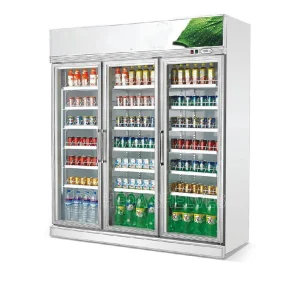
By using smart EC motors and energy-efficient compressors in our refrigeration display cases, we help retailers cut electrical overheads by up to 22%—a critical advantage in California, where electricity rates are significantly higher than the US national average.
Our products undergo stringent testing to survive high-frequency mechanical stress and geographic seismic activity.
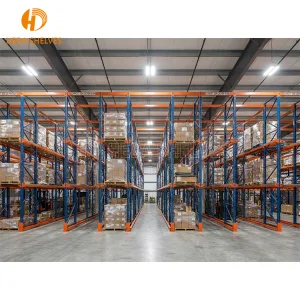
In San Francisco, store designers must prepare for seismic threats. The California Building Code (CBC) mandates strict structural calculations for any storage rack or retail shelving display exceeding 5.9 feet in height. Our engineering division calculates lateral force resistance coefficients to verify that high-density racking (like our Heavy Duty Drive-in Pallet Rack Systems) can withstand seismic events common along the Hayward and San Andreas fault lines.
We source structural carbon steel (specifically Q235B and Q355 grades) from vetted mills. Each batch undergoes tensile strength and yield strain testing in our ISO 9001-certified testing facility. This guarantees that columns and horizontal support beams maintain structural integrity under full load capacities without bowing or fracturing.
To resist corrosion in coastal climates like San Francisco, metal fixtures are processed through a 9-stage pre-treatment wash before receiving an electrostatically applied, thermosetting powder coat. This provides a hard surface finish that resists scratches from metal baskets, shopping carts, and heavy product handling.
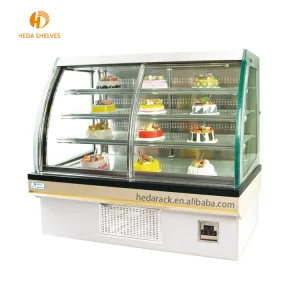
Designed for commercial environments requiring exact temperature maintenance and modern layouts.
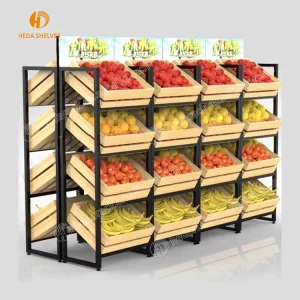
Providing advanced material handling and heavy-duty storage infrastructure globally.
Established in 2017, Chengdu DriveRacks Industrial Technology Co., Ltd. operates a state-of-the-art 42,000 m² manufacturing plant dedicated to advanced material handling and heavy-duty storage infrastructure. Delivering $35 million in annual export revenue, we bring 9 years of deep industry expertise and 6 years of international trade operations. Quality is integral to our process; our team of 30 certified inspectors executes rigorous raw material tensile testing and automated powder-coating thickness audits. Serving high-growth markets across the Middle East, Latin America, and Oceania, DriveRacks leverages a robust ecosystem of 1,200 supply chain partners. We primarily serve enterprise warehouse operators, e-commerce fulfillment hubs, and heavy equipment manufacturers. Powered by 110 skilled R&D engineers focusing on smart automation and high-density racking design, we released 250 dynamic product iterations last year and provide comprehensive customization spanning rack dimensions, seismic ratings, and surface treatments.
Our production floor is optimized for efficiency and quality. By using CNC laser cutters, high-speed stamping presses, and robotic welding stations, we maintain low margins of error and high production speeds. Below is our step-by-step production flow, ensuring each product stands up to commercial requirements.
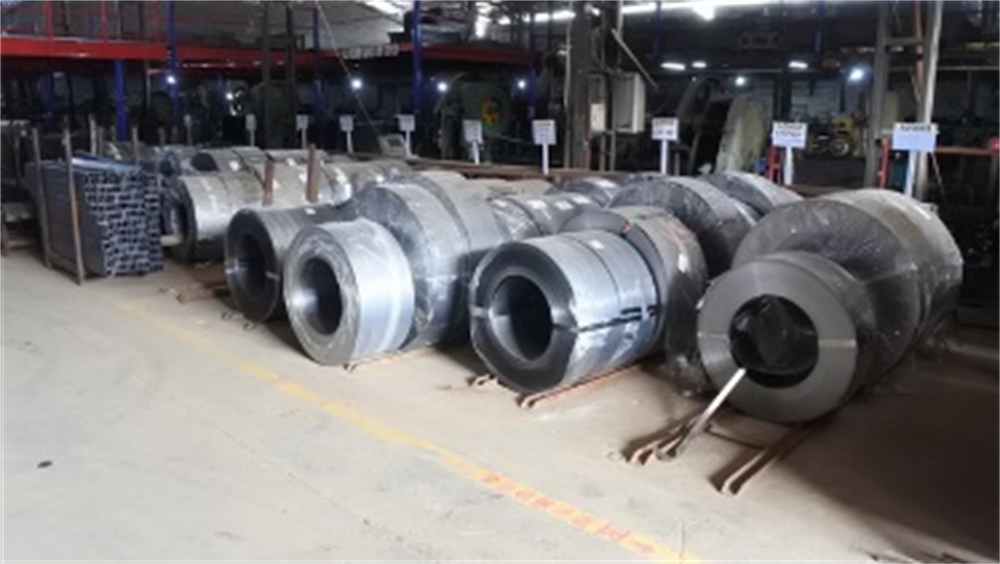
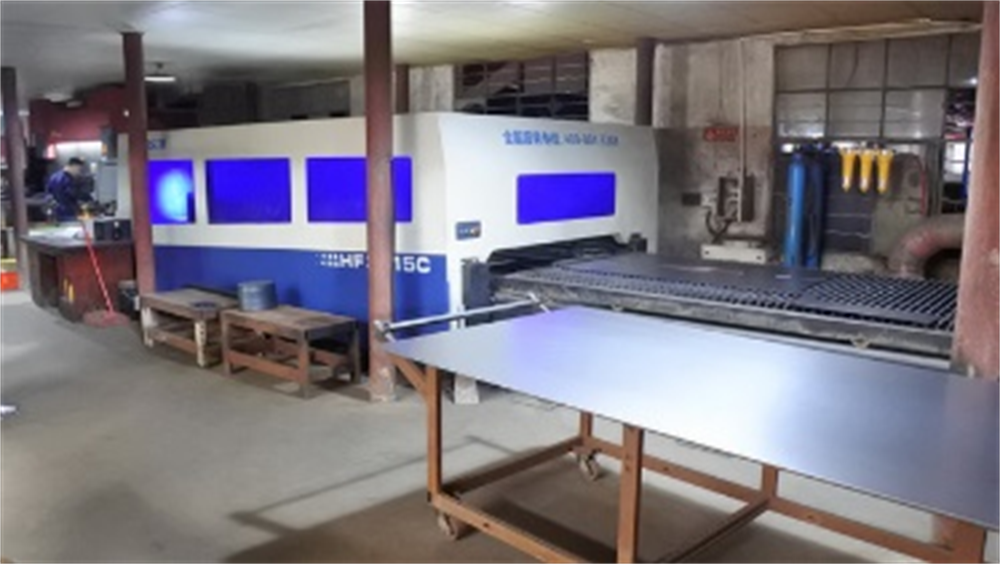
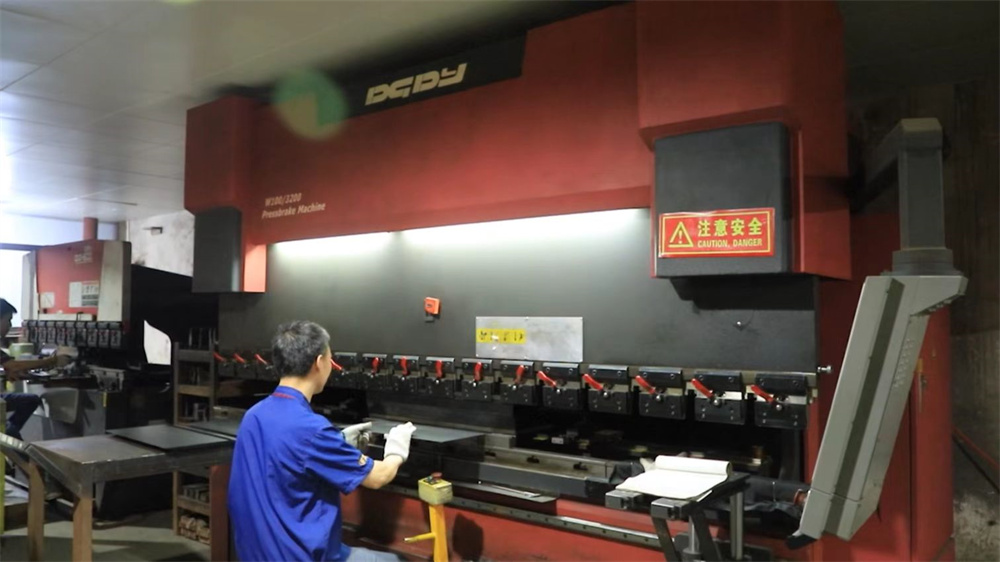
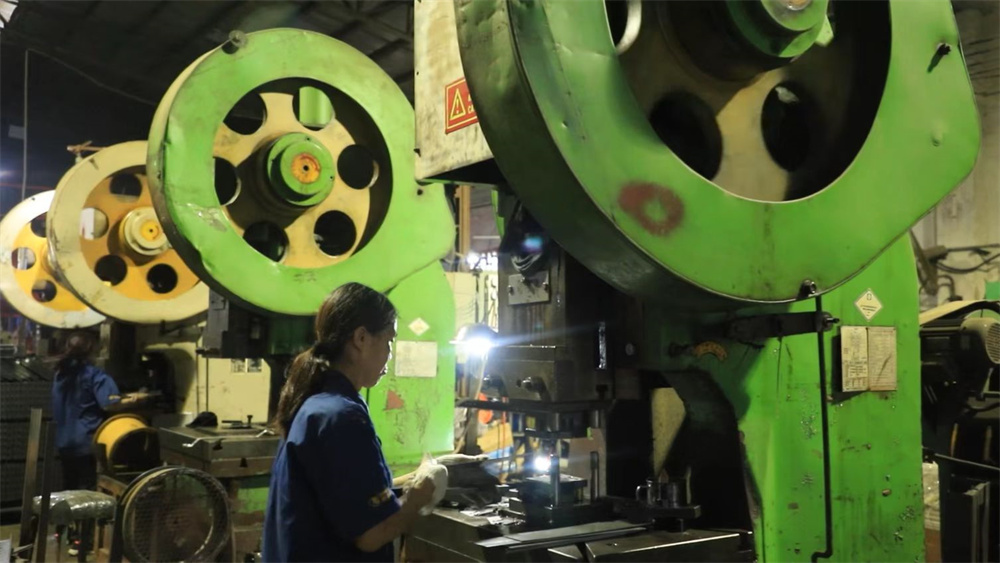
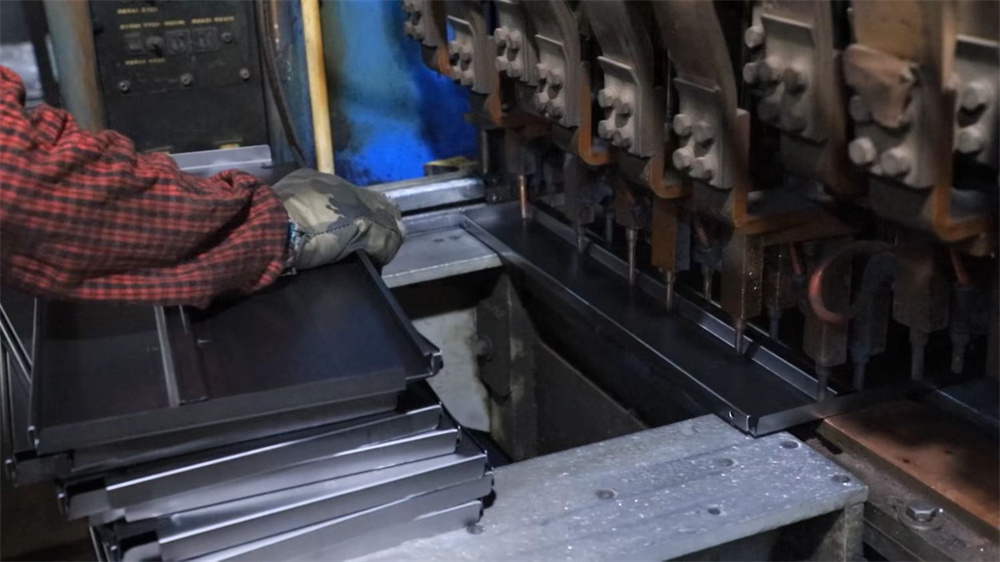
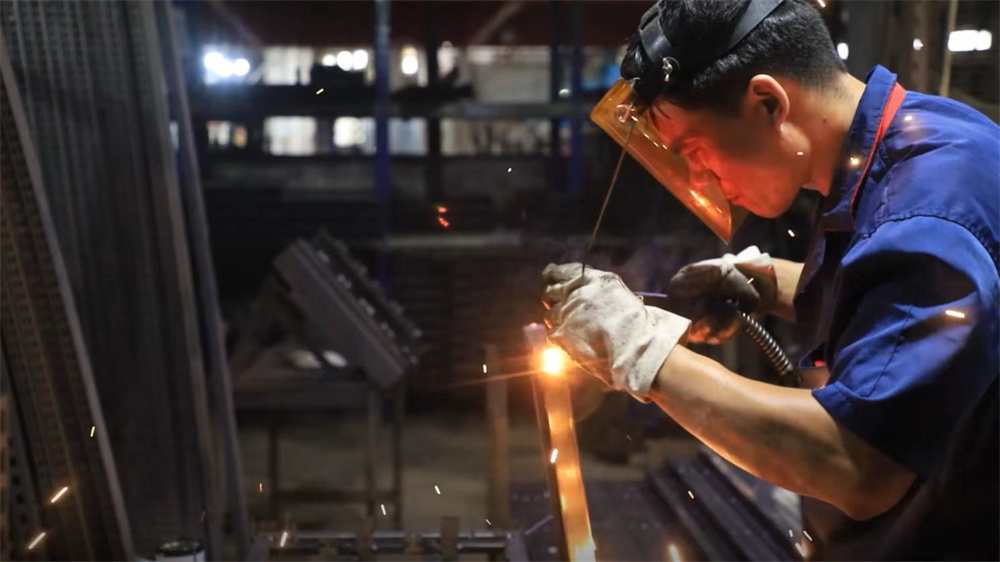
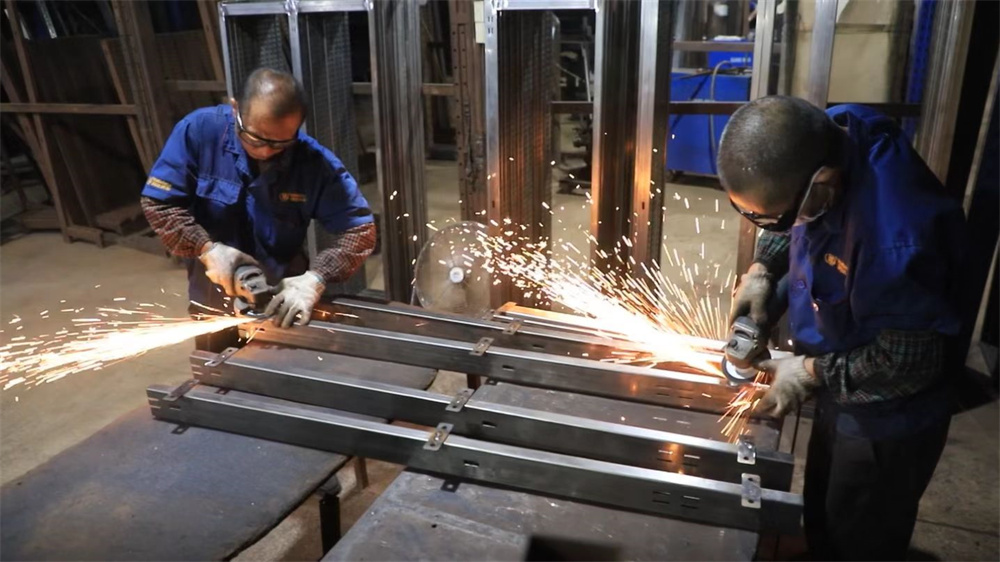
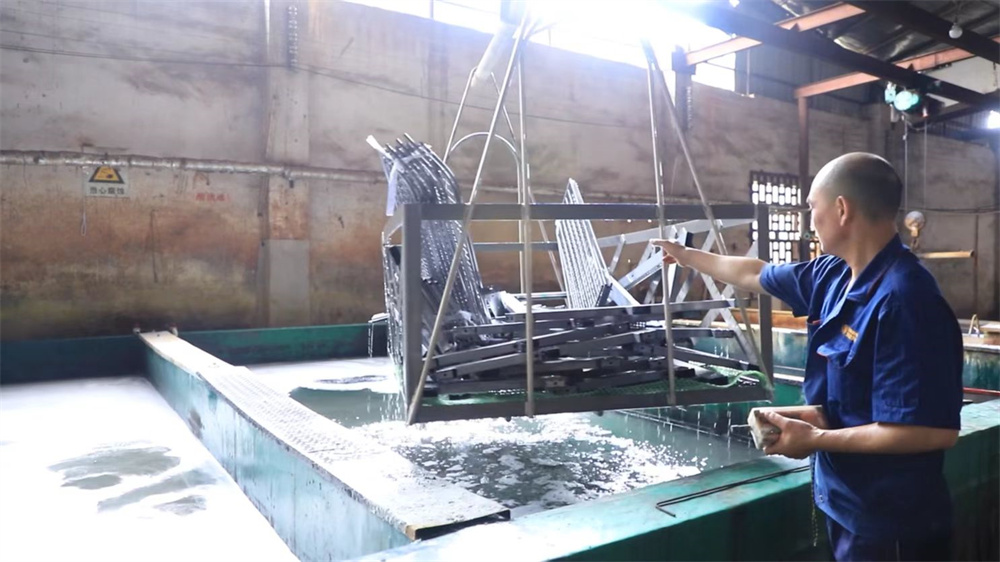
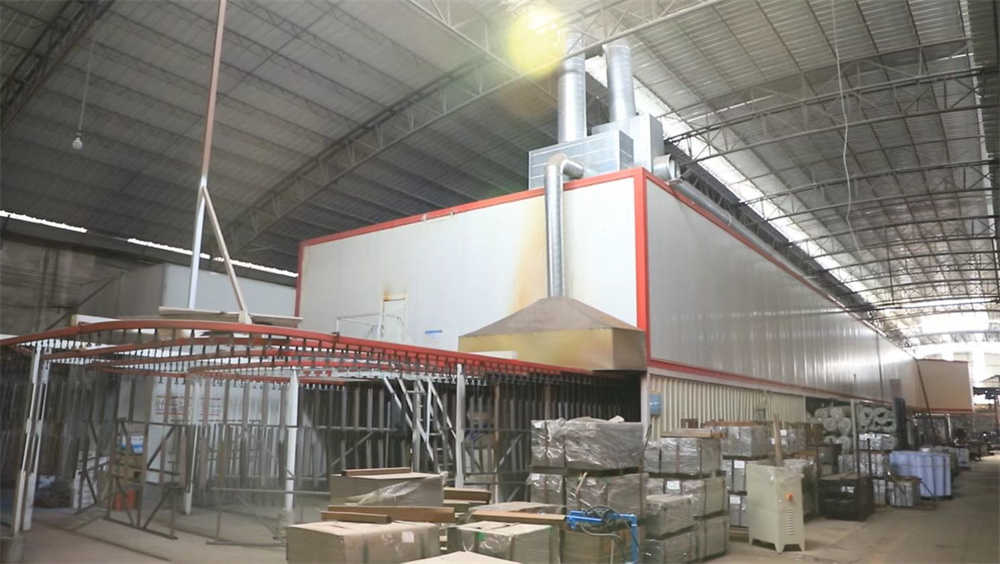
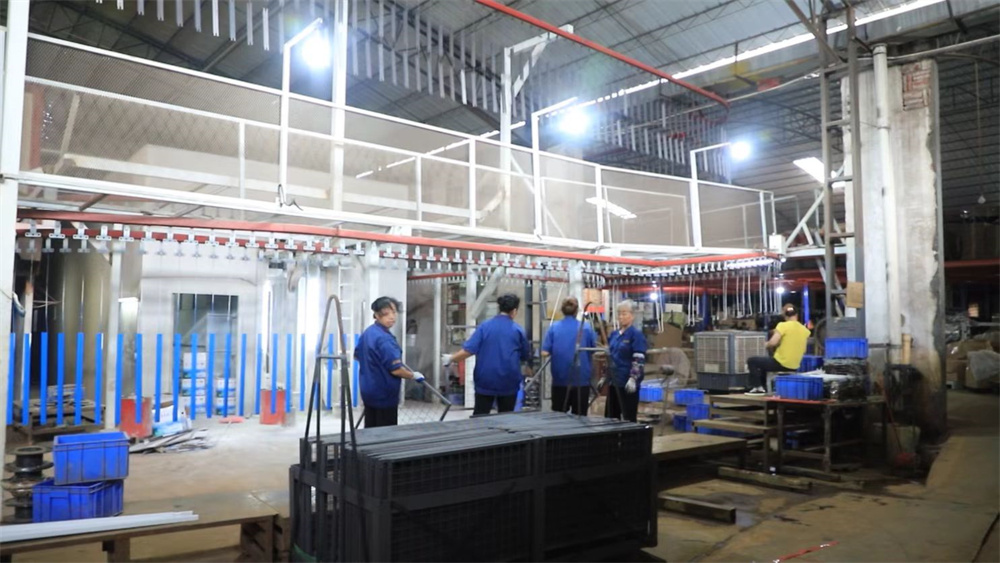
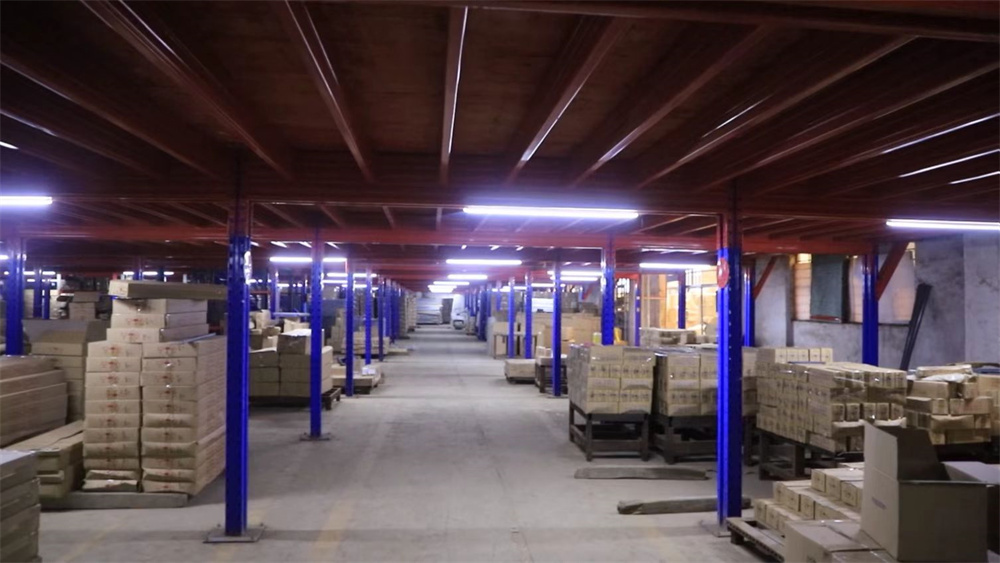
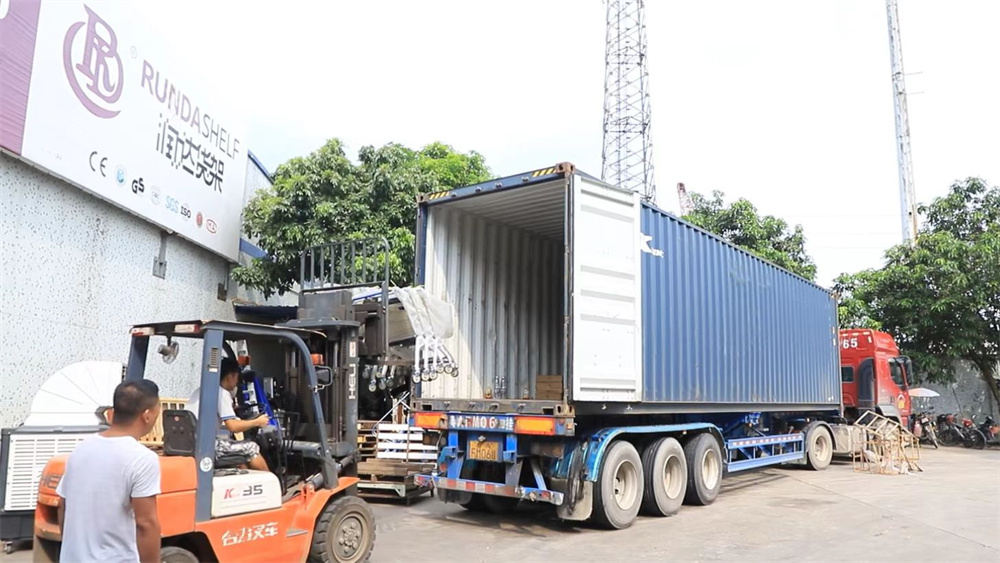
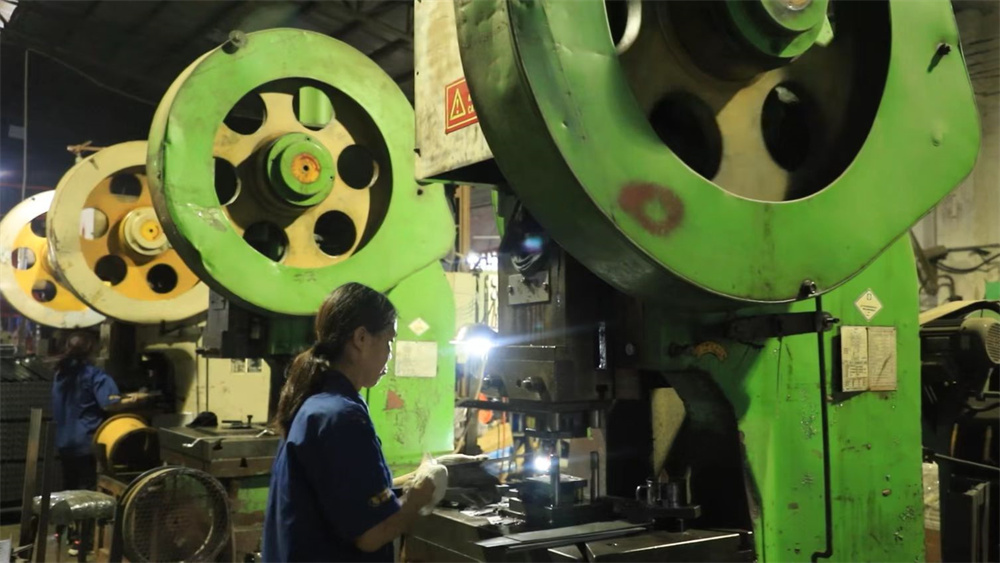
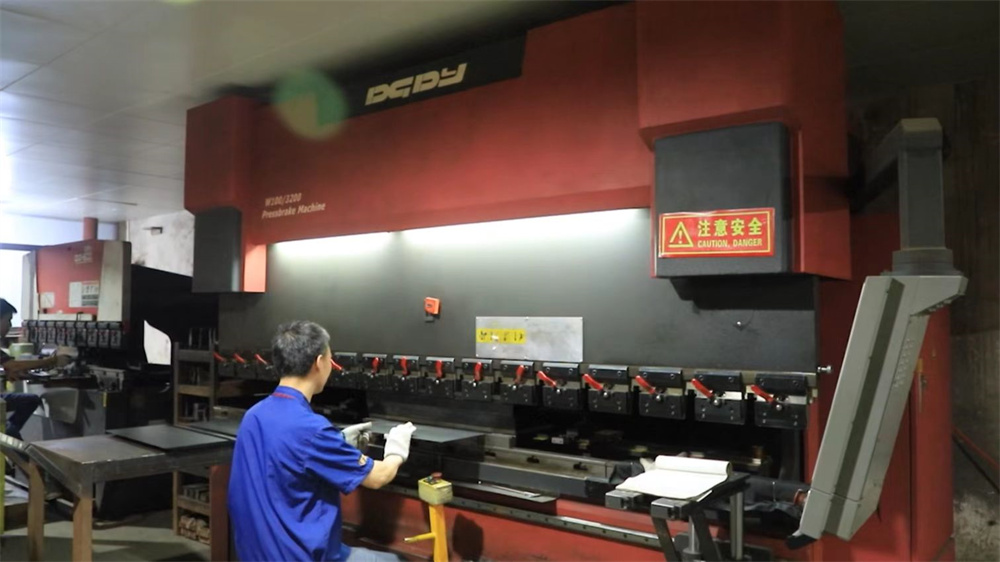
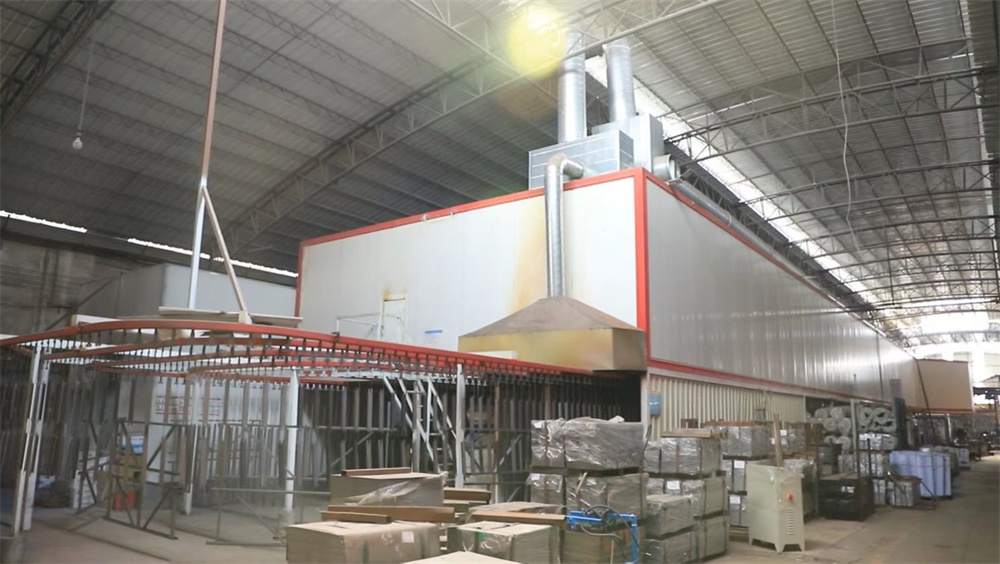
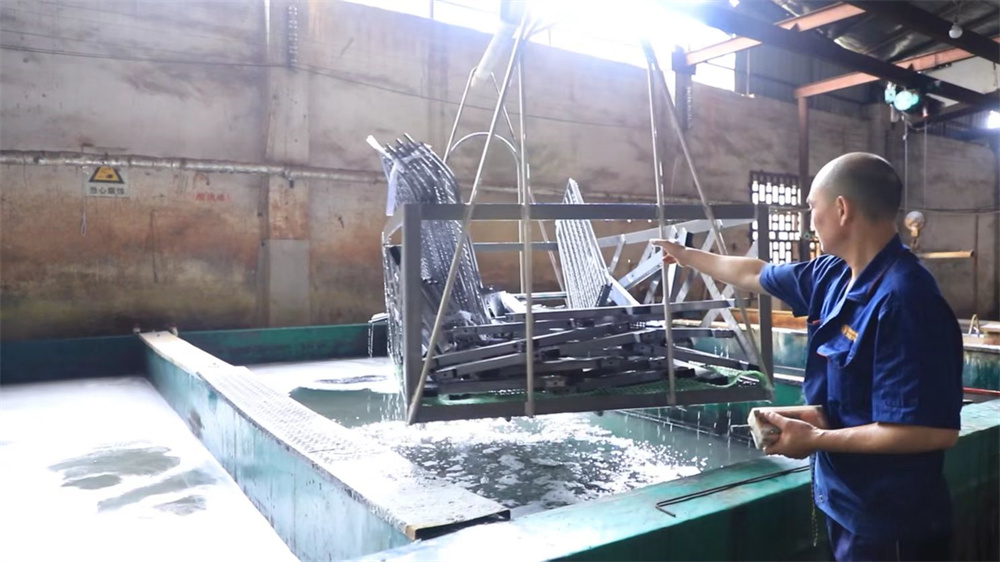
Figure 1: Fully Automated Mechanical Stamping and Assembly Bay inside our Chengdu Production Complex.
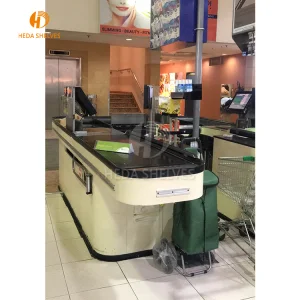
Physical stores are evolving from mere storage spaces to interactive environments. Supermarkets are increasingly adopting modular designs that can be quickly reconfigured to meet changing customer demands. The future checkout counter, for example, is transition from a simple conveyor system to a modular, ergonomic kiosk designed for both cashier-assisted and self-checkout models.
Our upcoming generation of shelf-edge tag holders is designed for electronic paper displays (ESL). This allows store operators to sync price adjustments instantly across all locations, helping to optimize labor resources.
With rapid grocery delivery services expanding in metropolitan San Francisco, physical stores are converting their backrooms into mini-fulfillment centers. Our heavy-duty drive-in storage racks help maximize vertical space to support these fast-turnaround e-commerce workflows.
Aligning with California’s environmental goals, our upcoming cooling cases focus on low-impact refrigerants. These units help supermarkets run cleaner while keeping running costs manageable.
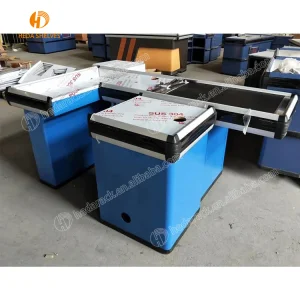
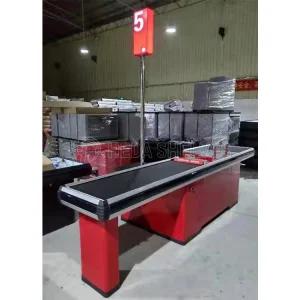
Heavy-duty checkout systems and warehouse racking solutions designed to optimize customer checkout experiences and logistics operations.
Expert technical answers regarding structural codes, manufacturing capacities, and custom configurations.
 DriveRacks