Sydney's industrial and logistics markets have undergone unprecedented structural shifts over the past decade. Driven by the rapid acceleration of e-commerce adoption, decentralized supply chain networks, and the expansion of the Western Sydney Employment Area (WSEA), industrial floor space has never been more valuable. According to recent commercial property reports, prime industrial rents in Sydney's Outer West and South West submarkets have escalated significantly, placing high-density warehousing solutions at the very center of business survival strategies.
As warehouse operators seek to maximize volumetric capacity, the optimization of structural steel racking systems and high-density material handling accessories has become the primary mechanism to mitigate high land acquisition and leasing costs. This is not simply a matter of purchasing shelves; it requires a deep, engineering-first understanding of warehouse design, structural compliance, and material specifications. In New South Wales (NSW), all steel storage installations must strictly align with safety guidelines, specifically the newly updated Australian Standard AS 4084:2023 (Steel Storage Racking), which supersedes previous iterations to enforce stricter controls on design, installation tolerances, and ongoing safety inspections.
"For modern multi-tier fulfillment systems and complex distribution layouts in Sydney, compliance is the baseline of operational safety. Designing a system without structural verification is an unacceptable risk to both human safety and financial liability."
This technical whitepaper details the structural dynamics, design considerations, and global manufacturing integration required to successfully source, install, and optimize warehouse racking accessories in the Sydney metropolitan area, bridging the gap between local compliance needs and advanced manufacturing capabilities.
The Australian Standard for steel storage racking represents some of the most stringent engineering criteria worldwide. Under AS 4084.1-2023, upright frames, pallet beams, and auxiliary components must be rigorously evaluated for deflection limits, impact resistance, and structural stability. Sydney's leading tier-1 builders and logistics operators demand verified structural documentation (form 15 equivalents) before approving warehouse handovers.
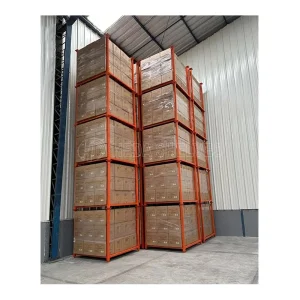
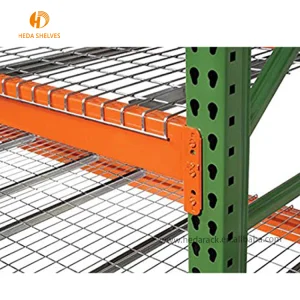
Critical failure points in structural racking are rarely caused by steel grade degradation under static load; instead, they stem from collision impact, seismic shear forces, or improper configuration. This highlights the indispensable value of warehouse accessories such as heavy-duty corner guards, rack end protection barriers, wire mesh decks to support irregular pallets, and certified safety pins. Sourcing compliant accessories ensures that the complete structural assembly can safely absorb load changes without risking progressive collapse.
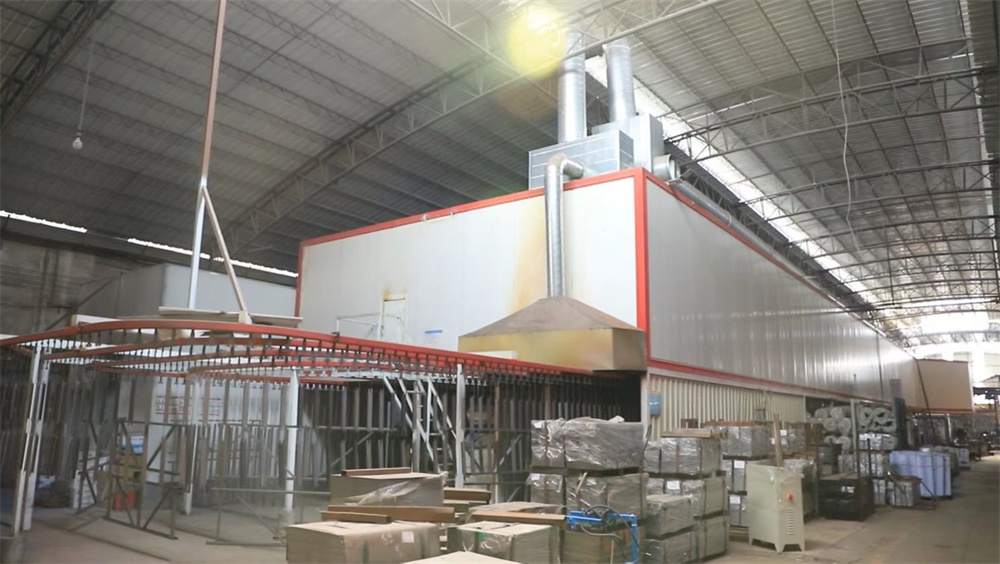
Established in 2017, Chengdu DriveRacks Industrial Technology Co., Ltd. operates a state-of-the-art 42,000 m² manufacturing plant dedicated to advanced material handling and heavy-duty storage infrastructure. Delivering $35 million in annual export revenue, we bring 9 years of deep industry expertise and 6 years of international trade operations. Quality is integral to our process; our team of 30 certified inspectors executes rigorous raw material tensile testing and automated powder-coating thickness audits.
Serving high-growth markets across Oceania, Latin America, and the Middle East, DriveRacks leverages a robust ecosystem of 1,200 supply chain partners. We primarily serve enterprise warehouse operators, e-commerce fulfillment hubs, and heavy equipment manufacturers. Powered by 110 skilled R&D engineers focusing on smart automation and high-density racking design, we released 250 dynamic product iterations last year and provide comprehensive customization spanning rack dimensions, seismic ratings, and surface treatments.
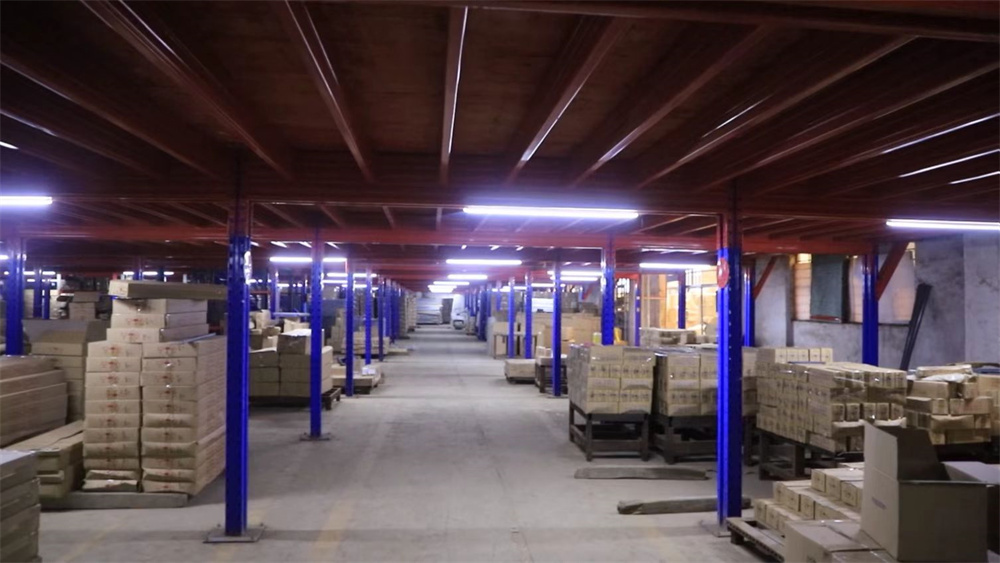
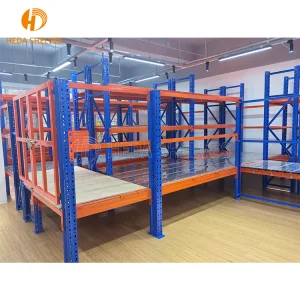
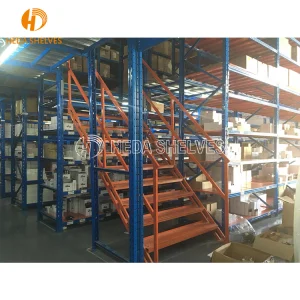
E-commerce operations require high picking efficiency and dynamic replenishment. Multi-level mezzanine systems combined with heavy-duty wire mesh decking optimize cubic space while ensuring compatibility with overhead sprinkler regulations. By implementing wire decking rather than solid shelving, light and water penetration are maintained, keeping insurance premiums low and aligning with Sydney council building approvals.
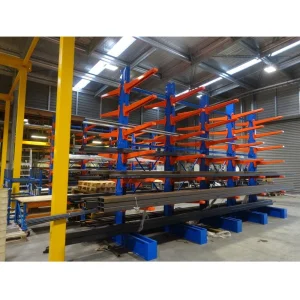
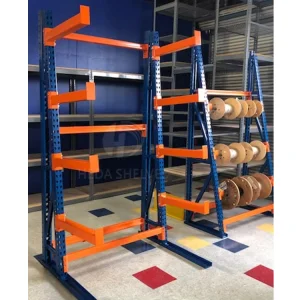
For storage of heavy timber, metal conduits, and raw furniture components, standard pallet racking is unsuitable. Heavy-duty structural steel cantilever systems provide linear accessibility without structural column interference. Our cantilever solutions, built with Q355B high-yield structural steel, are engineered to handle unevenly distributed heavy loads typical in hardware supply centers.
Bulky tire storage requires modularity. Stackable, collapsible heavy-duty metal tire racks enable flexible floor planning. When inventory levels drop, these racks fold down to conserve floor space, a critical design feature for logistics providers located near the new Western Sydney Airport precinct, where space is optimized for quick cross-docking.
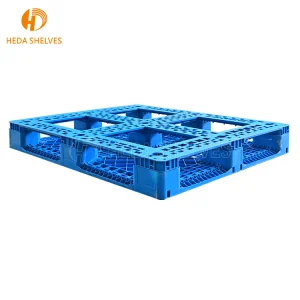
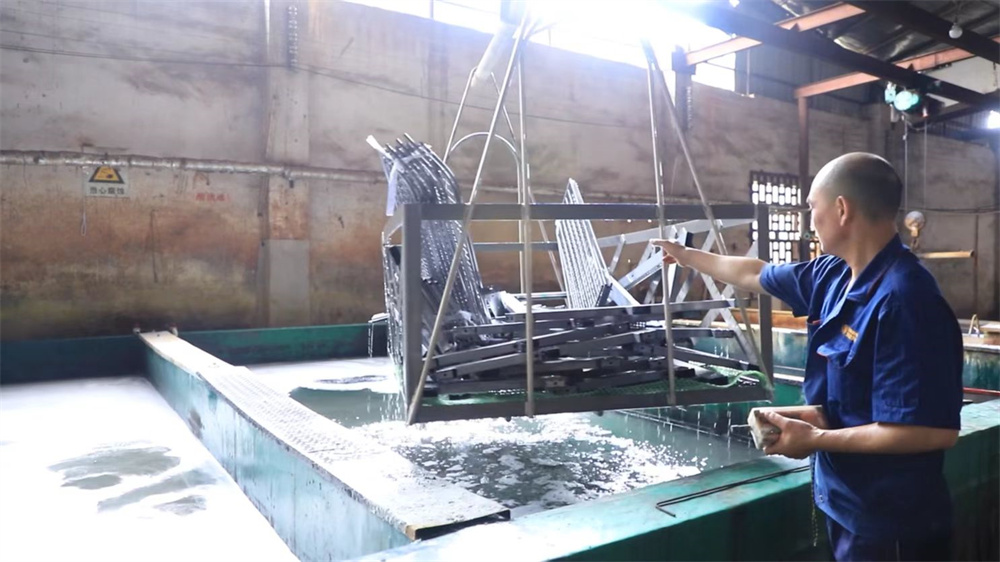
Cold storage and pharmaceutical vaults require corrosion-proof structural systems. Our heavy-duty blue plastic pallets and hot-dip galvanized racking accessories operate effectively in temperature-controlled spaces down to -30°C. Resilient coatings prevent zinc flaking, maintaining pure air quality and meeting strict health guidelines.
Purchasing warehouse racking and material handling equipment for large-scale operations in Sydney involves balancing manufacturing capacity, structural engineering validation, and procurement economics. Sourcing from domestic stockists often leads to limited configuration options and higher price points driven by local assembly margins. In contrast, direct collaboration with an advanced manufacturing base like Chengdu DriveRacks offers clear advantages in supply chain control and structural customization.
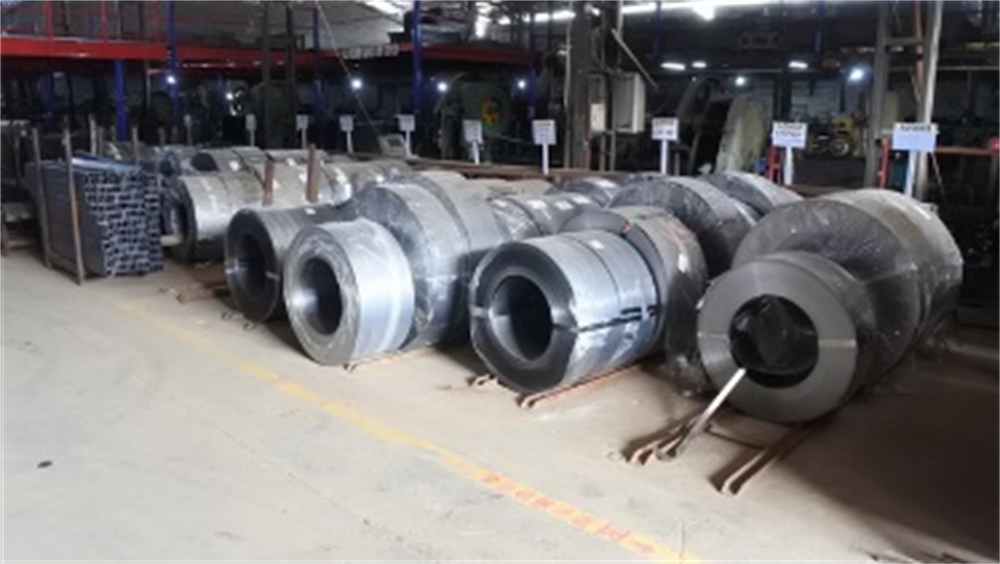
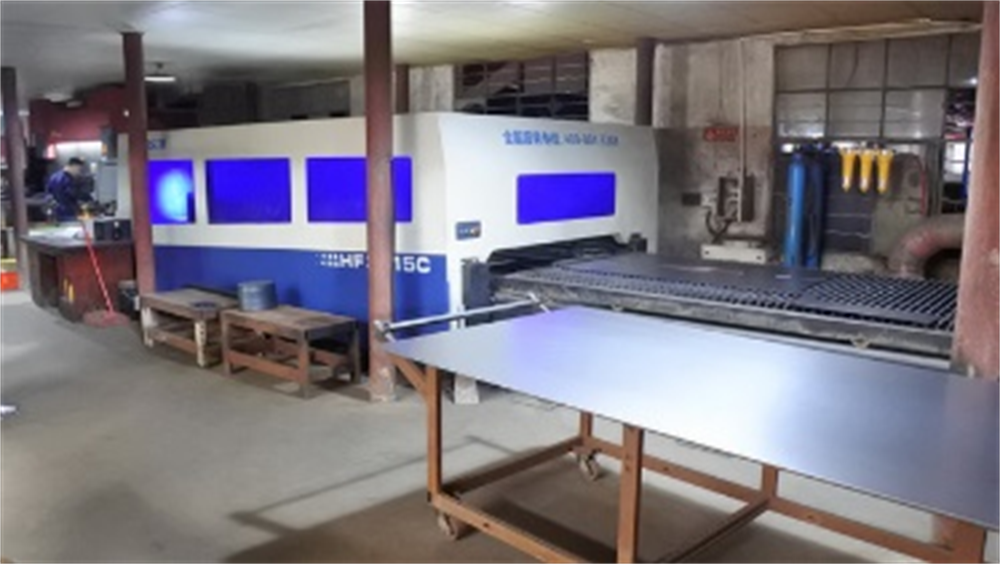
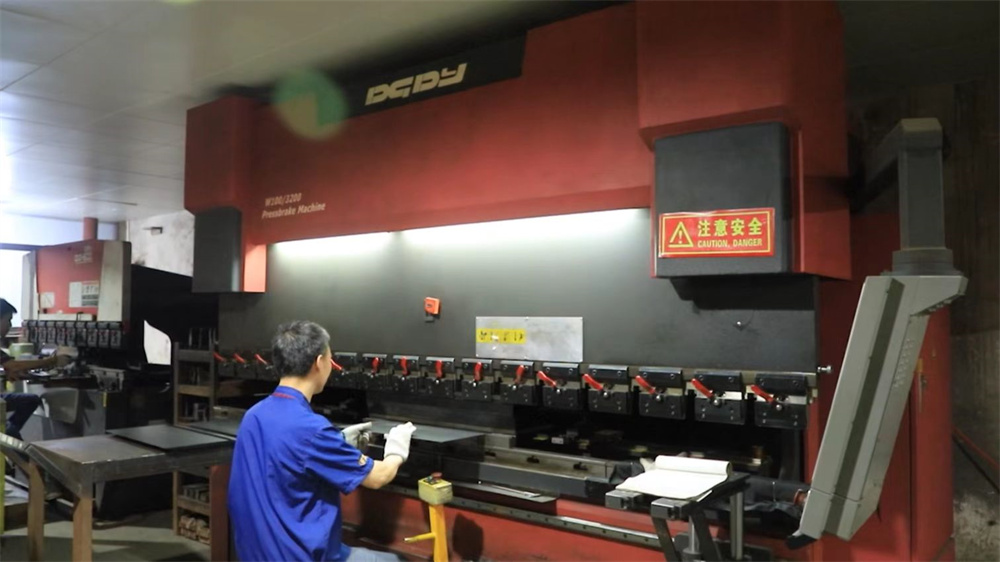
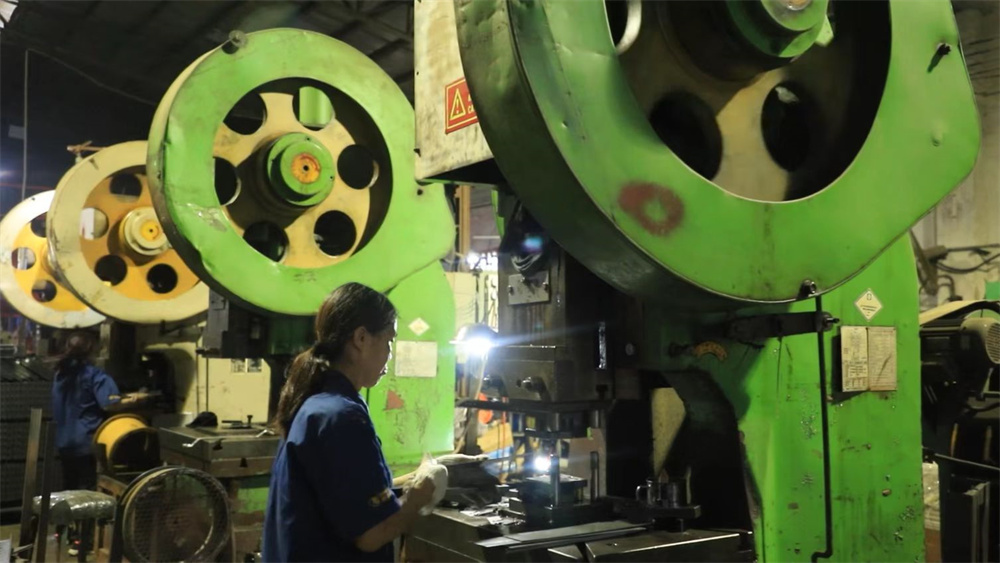
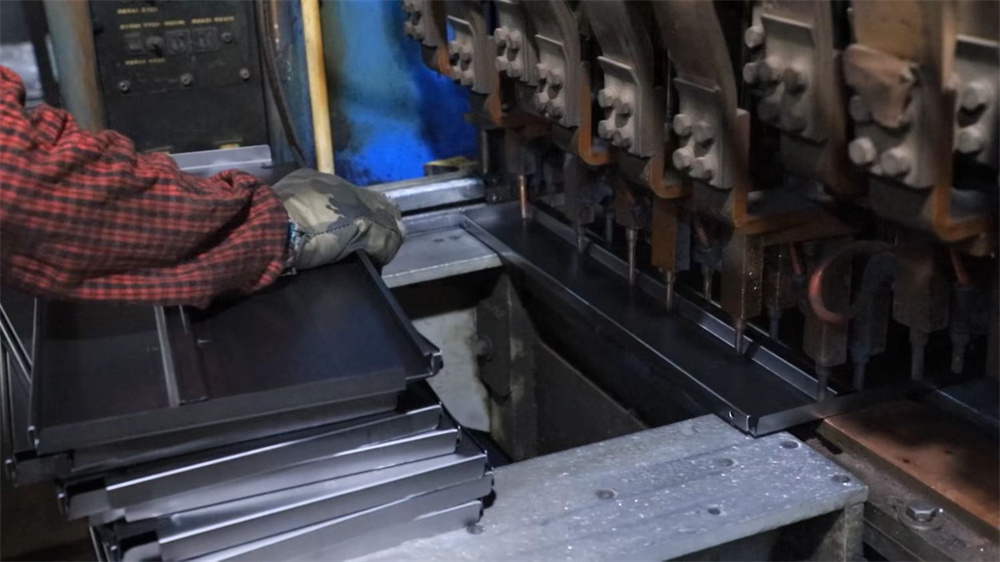
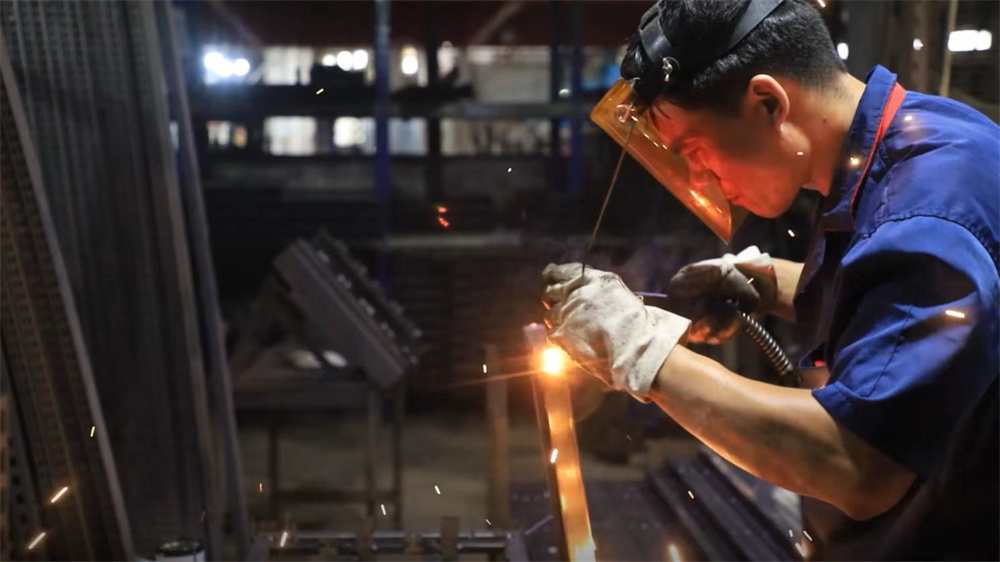
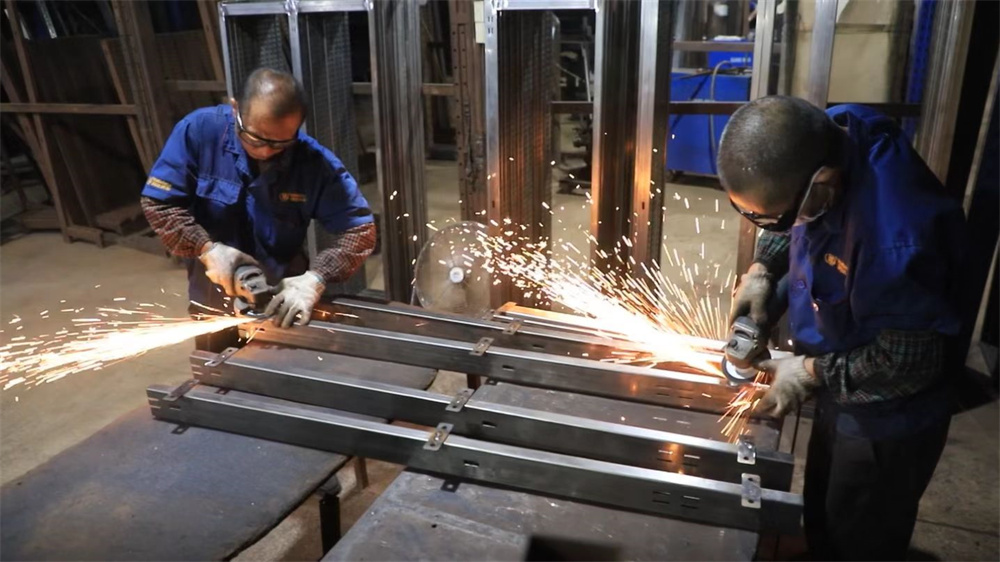
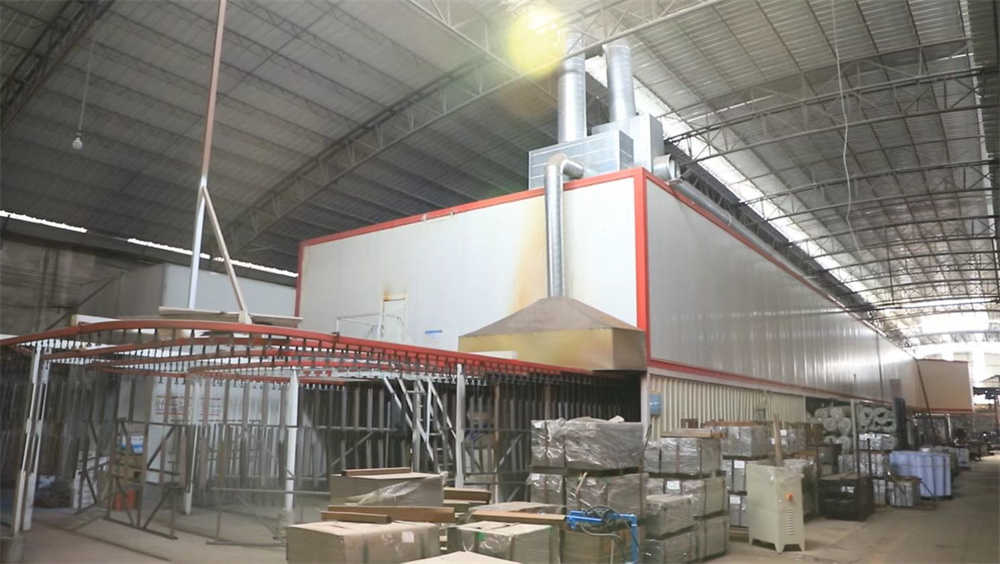
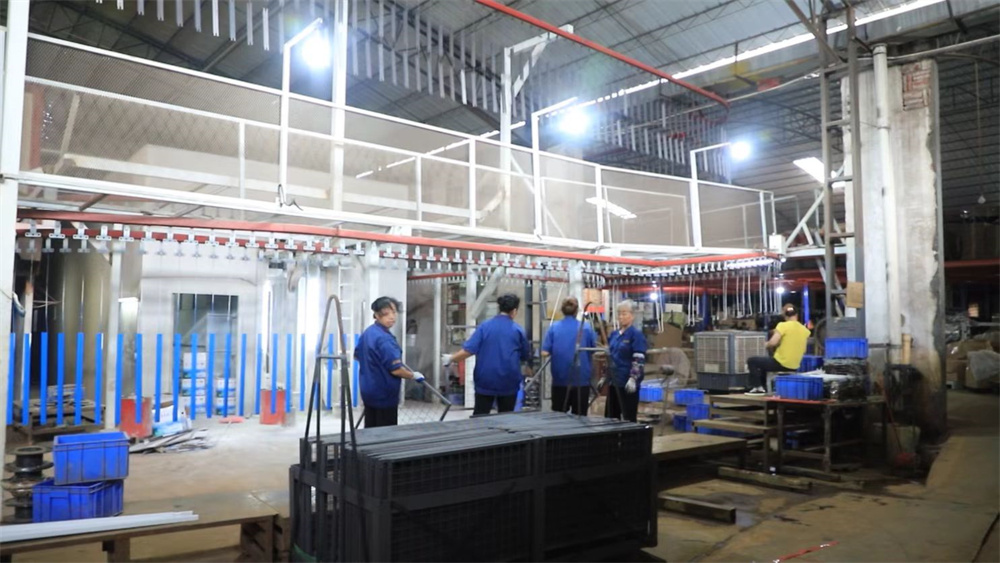
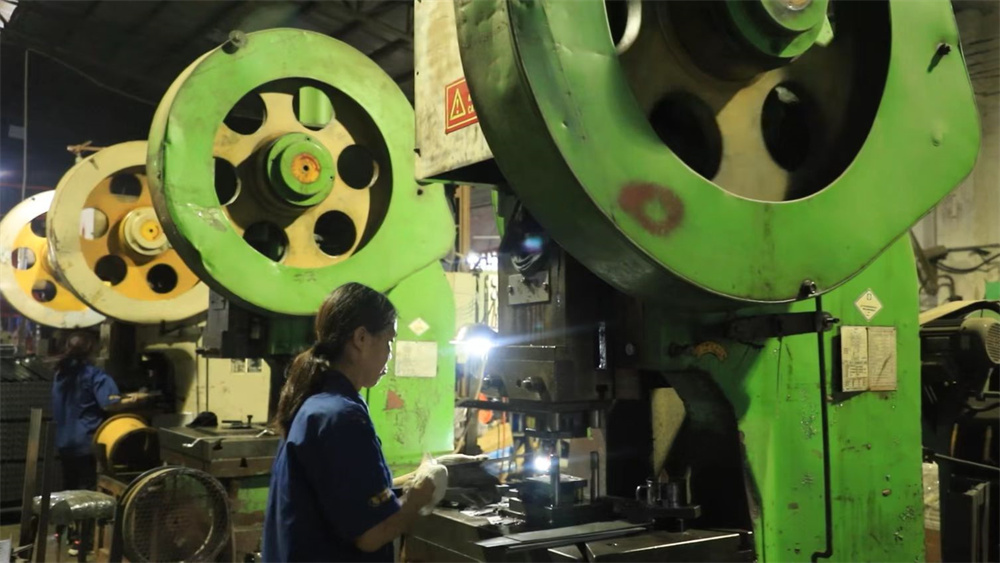
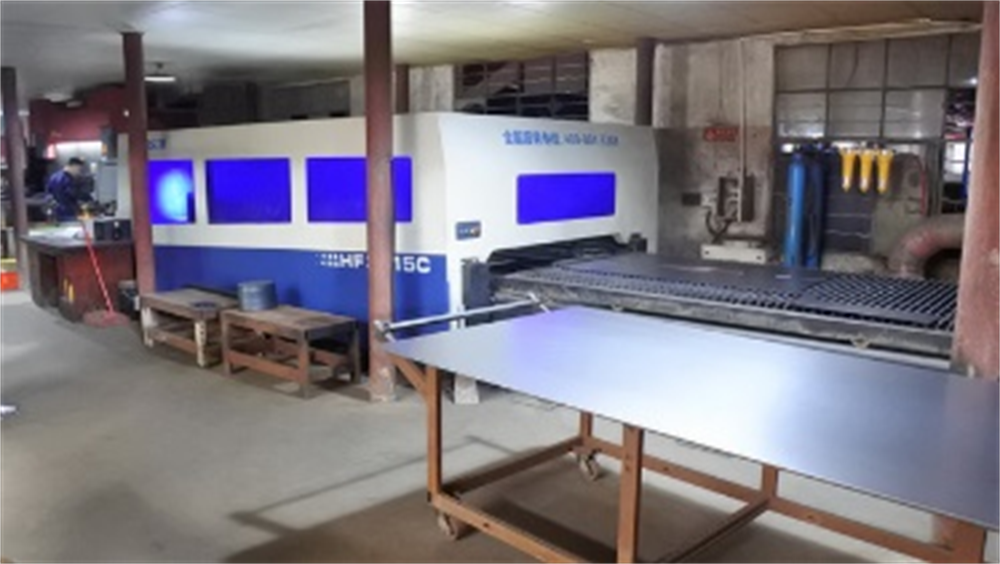
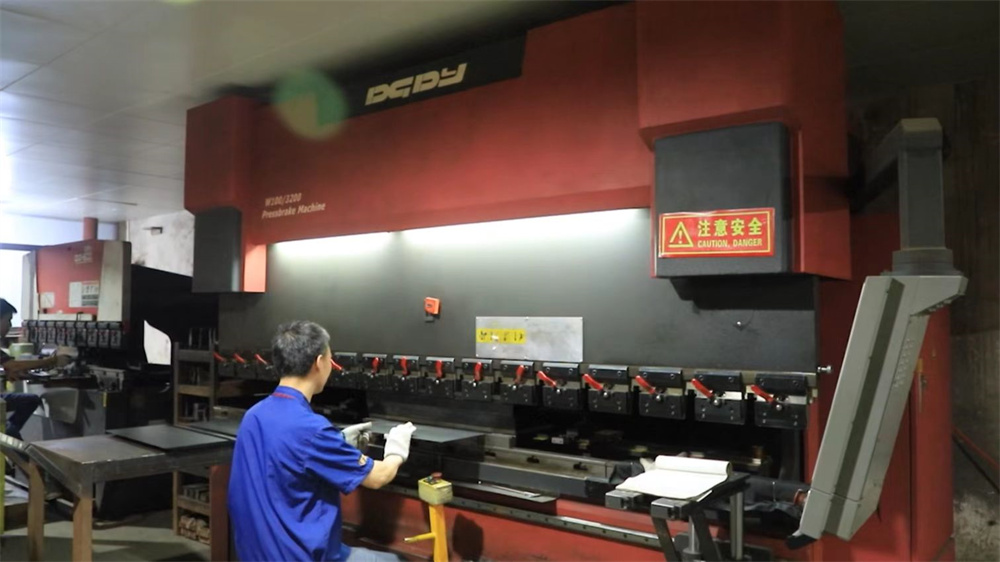
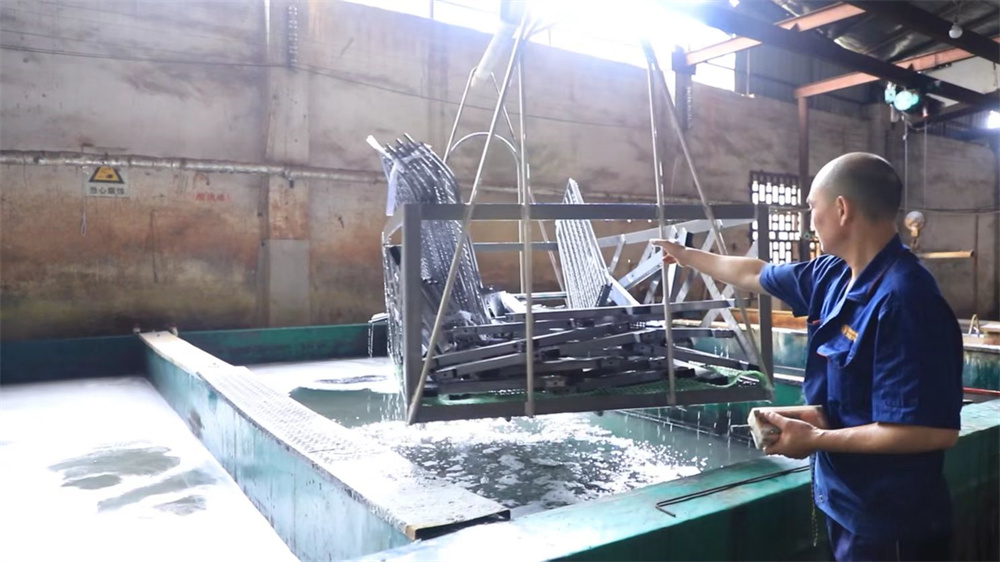
Our 42,000 m² production facility utilizes CNC automated laser cutting, multi-station cold rolling mills, and automated robotic welding cells to produce consistent structural components. Automated processes ensure dimensional deviations are kept below 0.5mm. This degree of precision is crucial for assembling multi-tier racking systems and mezzanines, where slight structural alignment errors can scale up into load imbalances.
We source raw steel from premium state-owned mills, complete with chemical analysis certificates. For structural uprights and load-bearing beams, we utilize Q235B and Q355B structural steel, which are chemically and structurally certified to match AS/NZS standards. The yield strength and elongation limits of every batch are verified before production starts, ensuring structural integrity is documented and traceable from mill to installation.
With 110 R&D engineers, we collaborate directly with Sydney engineering consultancies to customize layouts for local warehouses. Whether the project requires seismic-resistant footplates, non-standard heights, or customized safety accessories, we create tailored CAD models and conduct Finite Element Analysis (FEA) to confirm performance under expected loads before manufacturing begins.
Get in touch with our R&D team to request load capacity calculations, customized layouts, or competitive pricing on high-density racking systems designed to meet your specific project needs.
 DriveRacks