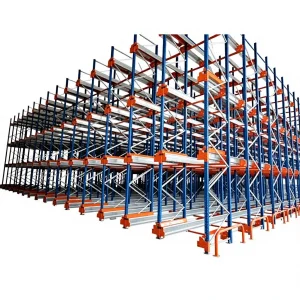
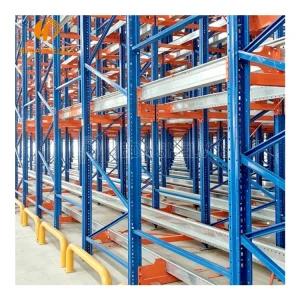
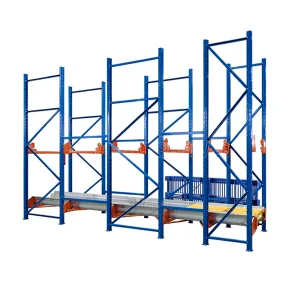
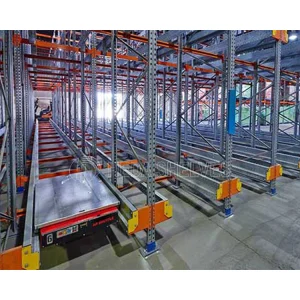
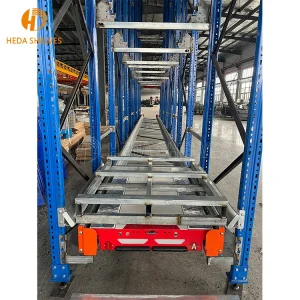
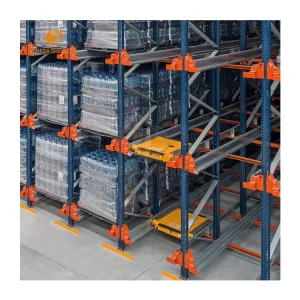
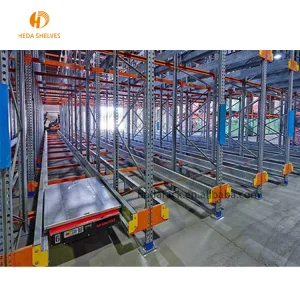
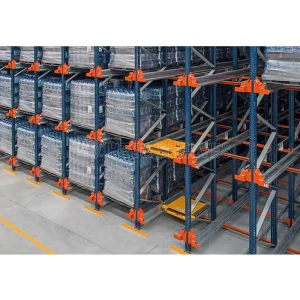
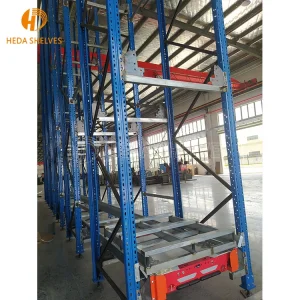
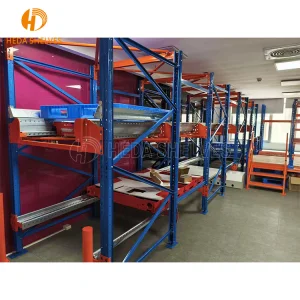
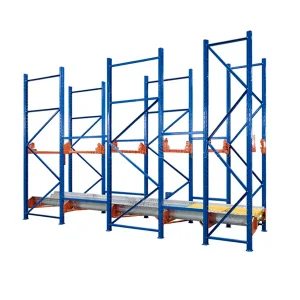
Leading-edge automated and semi-automated racking systems engineered to handle high throughput demands of Metro Manila's primary distribution zones.
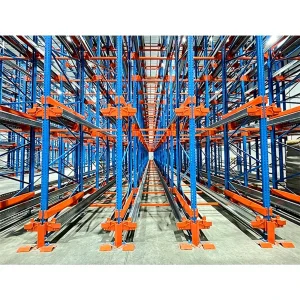
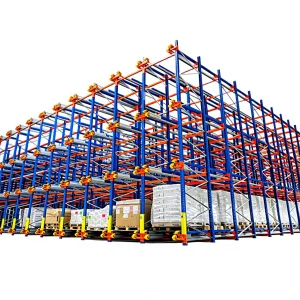
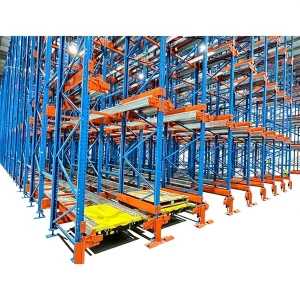
Metro Manila stands as the absolute economic nerve center of the Philippines, driving more than 30% of the nation’s Gross Domestic Product. However, this dense industrialization presents a massive challenge for logistics managers: unprecedented land constraints and soaring real estate costs in key logistics hubs like Taguig, Valenzuela, Parañaque, and Cavite. Industrial land values in the Greater Manila Area (GMA) have experienced consistent double-digit growth. Companies are forced to move away from traditional sprawling horizontal layout models toward intensive vertical density configurations.
In addition to high land costs, traffic congestion across key transport corridors such as EDSA, C5, and South Luzon Expressway (SLEX) makes shipping times unpredictable. This forces companies to maximize storage capacity within urban boundaries to keep inventory close to consumers. The shift from Selective Pallet Racking (which limits floor utilization to roughly 40%) to Semi-Automated Radio Shuttle and fully automated AS/RS systems is no longer a luxury—it is an operational necessity.
The Philippine Cold Chain Industry Roadmap targets a significant expansion of cold storage capacity to support agricultural security and imported meat distribution. Cold storage systems are notoriously expensive to operate, with energy costs consuming up to 60% of total operational expenditure. Standard racking layouts in a cold chamber waste energy by keeping empty space cool. Deploying high-density systems like Radio Shuttle Racking or 4-Way Pallet Shuttle systems minimizes cold room footprints by packing pallets tightly together, reducing air volumes to cool and lowering electricity costs.
Similarly, the e-commerce sector in the Philippines continues to grow rapidly. Platforms demand lightning-fast order fulfillment, driving the development of modern logistics centers in Bulacan, Laguna, and Batangas. These operations require dynamic, flexible racking configurations that support fast FIFO (First-In, First-Out) operations for perishable goods and high-velocity consumer goods, as well as LIFO (Last-In, First-Out) configurations for seasonal items.
Maximize your cubic capacity with systems built to survive heavy operational cycles and seismic stress.
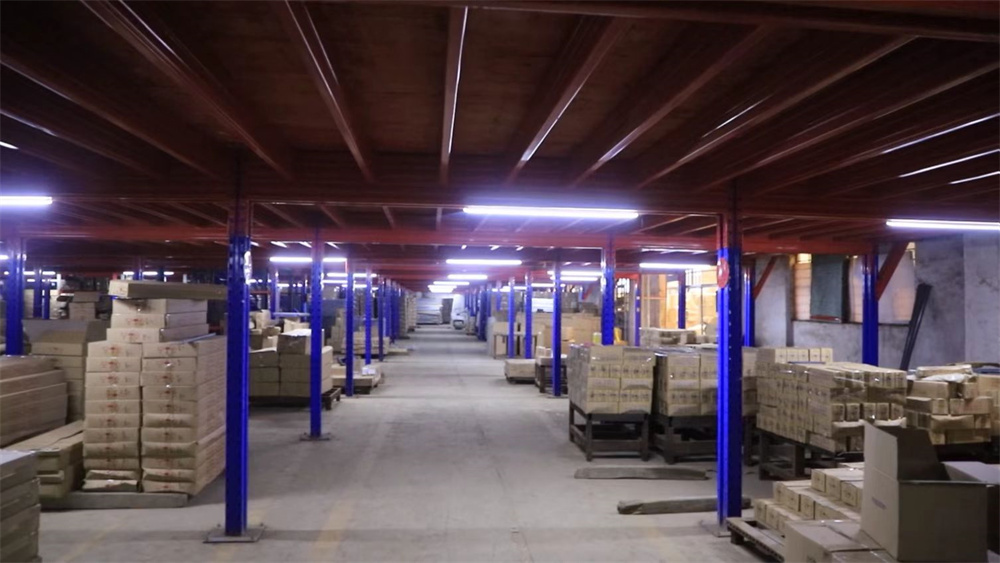
Established in 2017, Chengdu DriveRacks Industrial Technology Co., Ltd. operates a state-of-the-art 42,000 m² manufacturing plant dedicated to advanced material handling and heavy-duty storage infrastructure. Delivering $35 million in annual export revenue, we bring 9 years of deep industry expertise and 6 years of international trade operations. Quality is integral to our process; our team of 30 certified inspectors executes rigorous raw material tensile testing and automated powder-coating thickness audits. Serving high-growth markets across the Middle East, Latin America, and Oceania, DriveRacks leverages a robust ecosystem of 1,200 supply chain partners. We primarily serve enterprise warehouse operators, e-commerce fulfillment hubs, and heavy equipment manufacturers. Powered by 110 skilled R&D engineers focusing on smart automation and high-density racking design, we released 250 dynamic product iterations last year and provide comprehensive customization spanning rack dimensions, seismic ratings, and surface treatments.
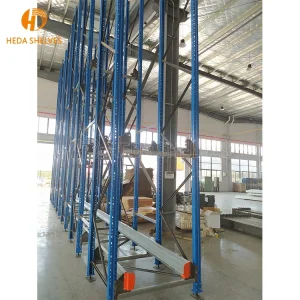
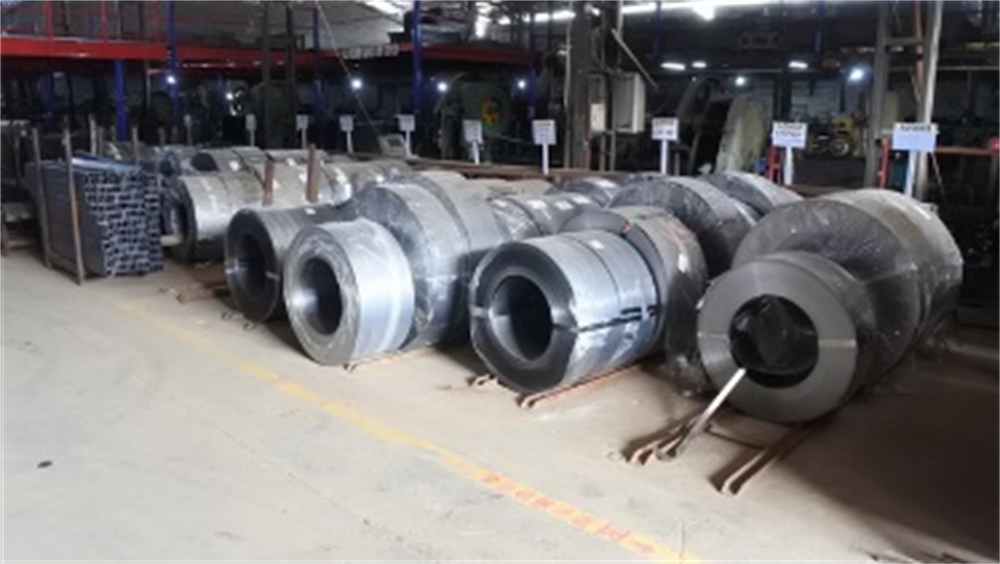
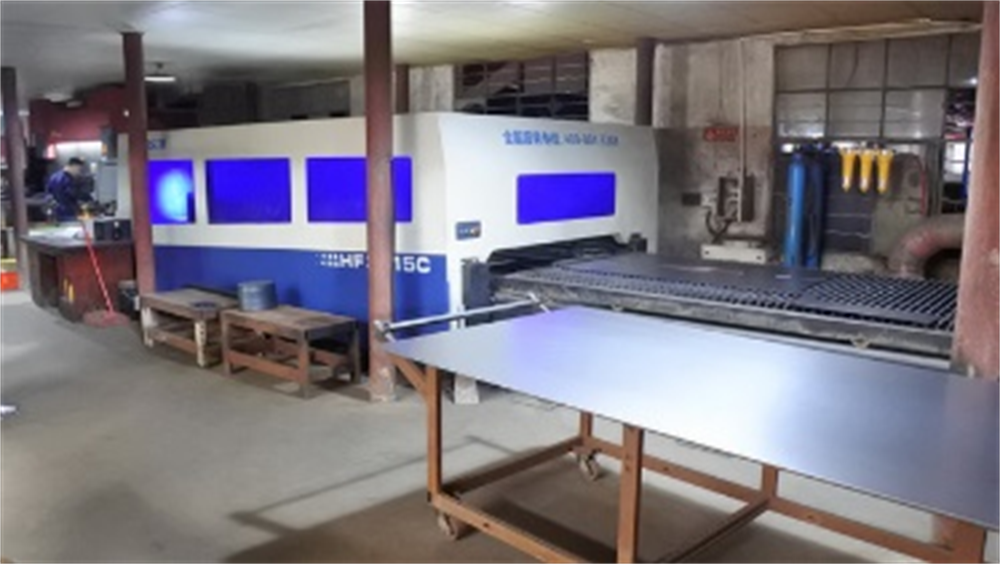
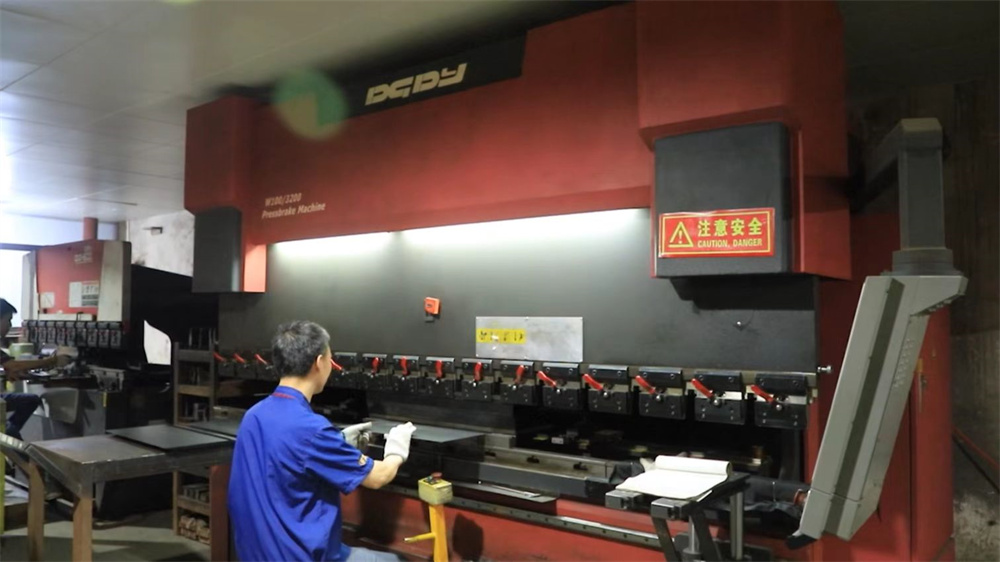
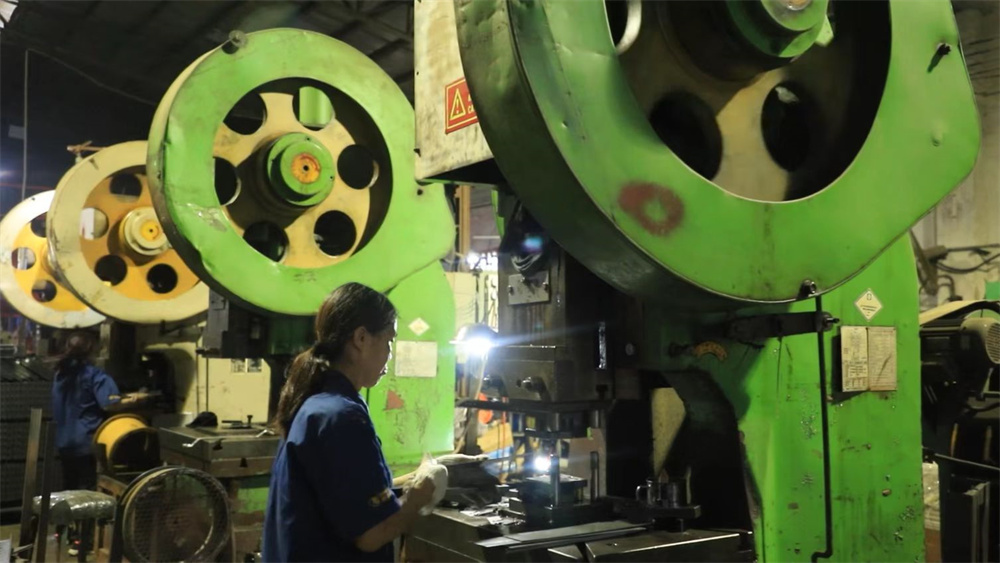
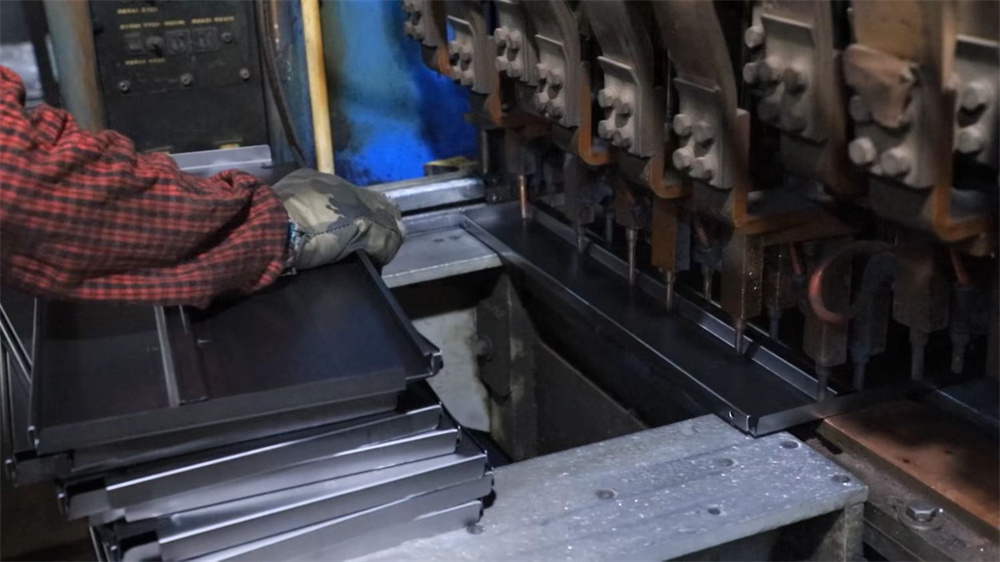
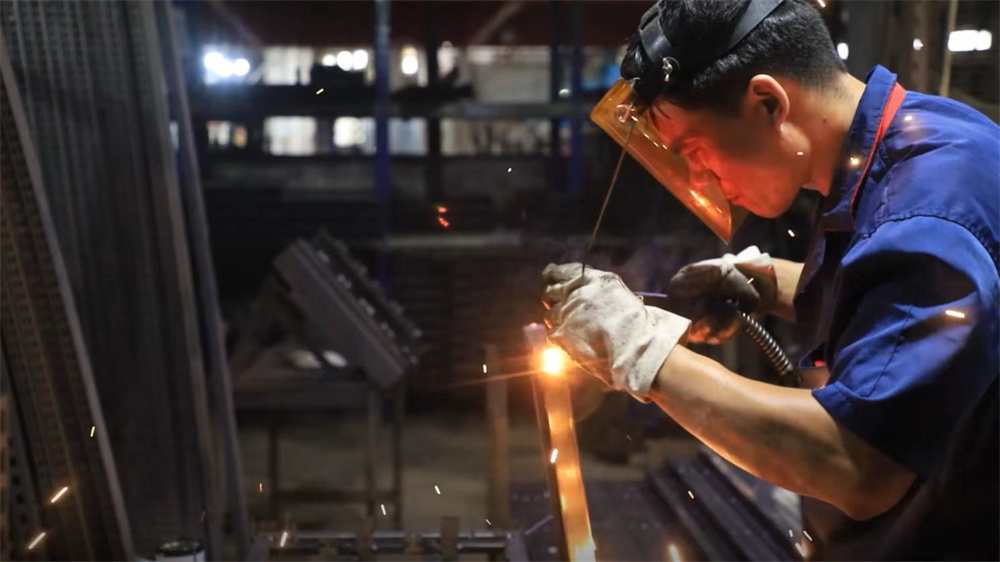
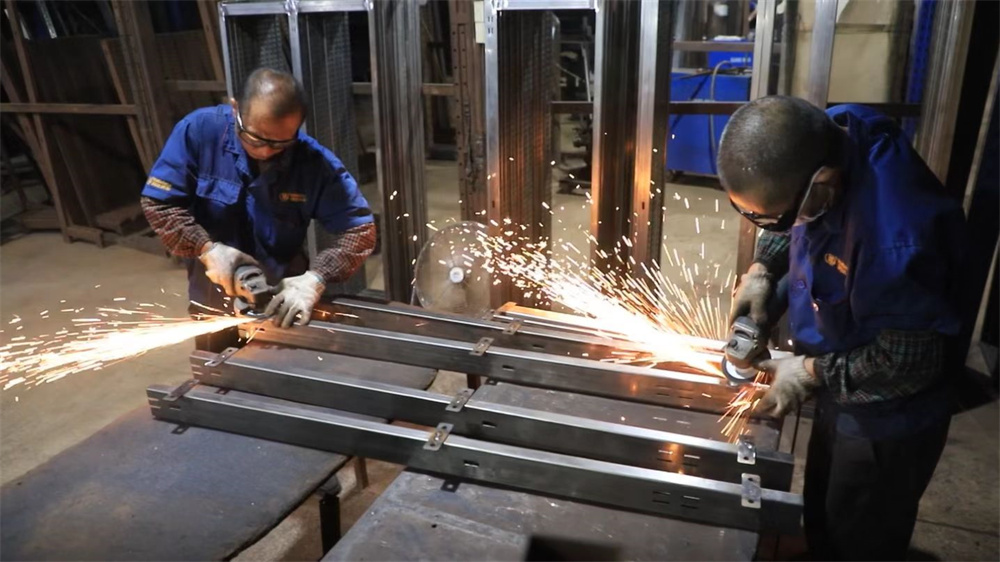
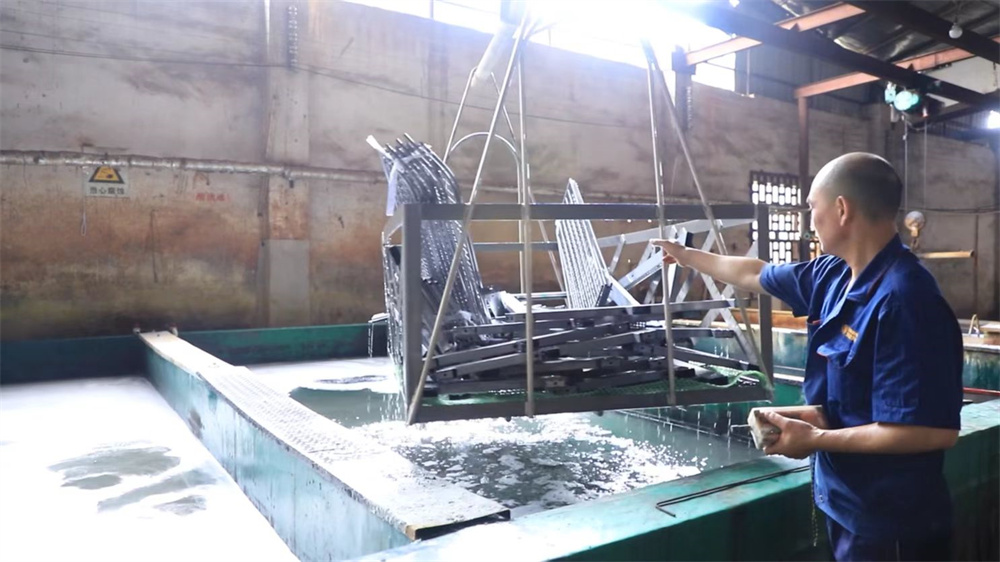
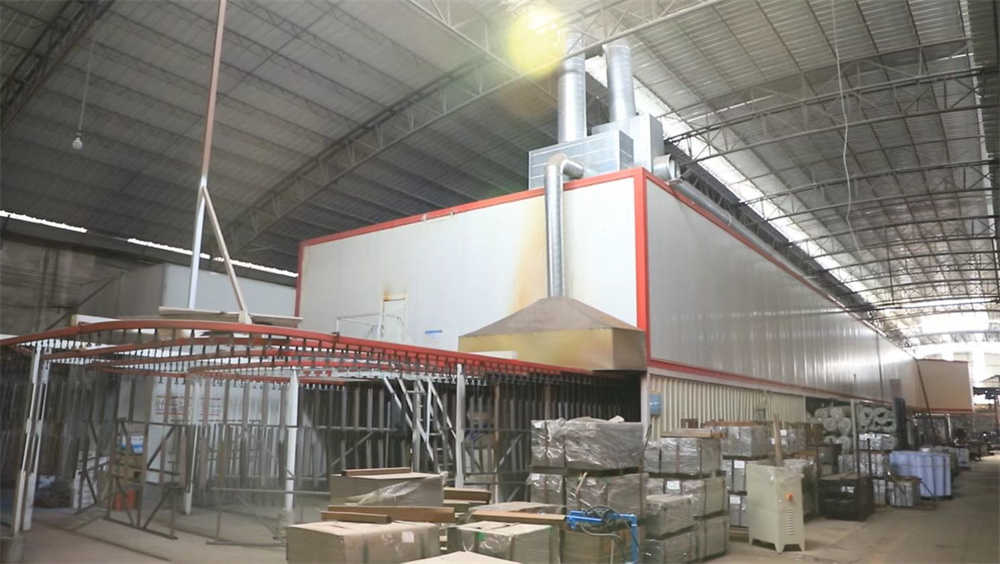
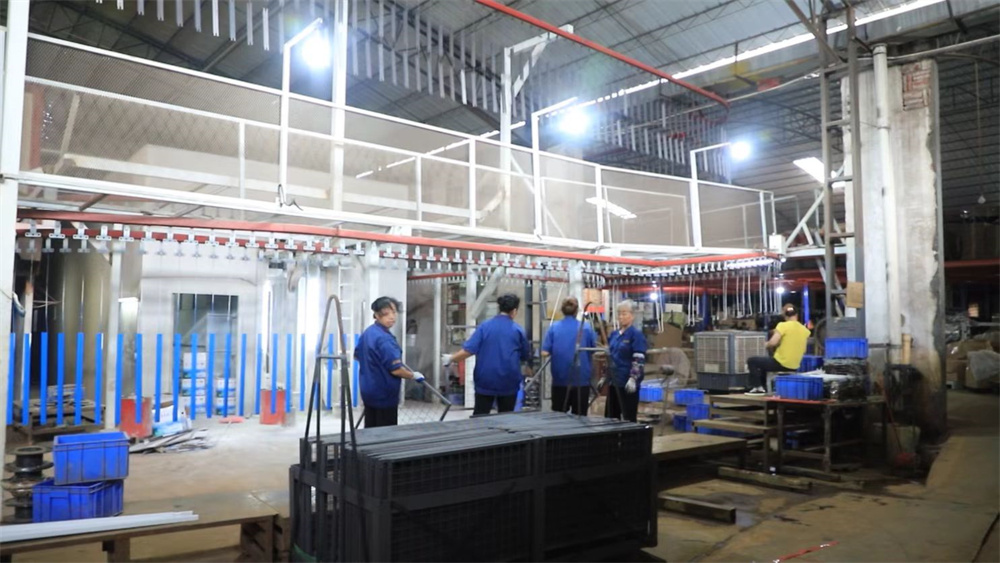
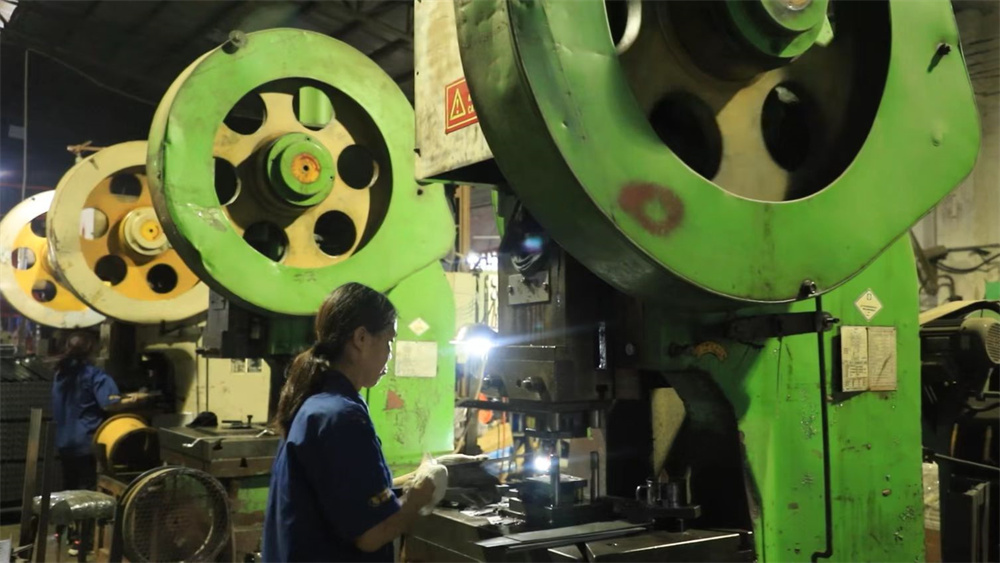
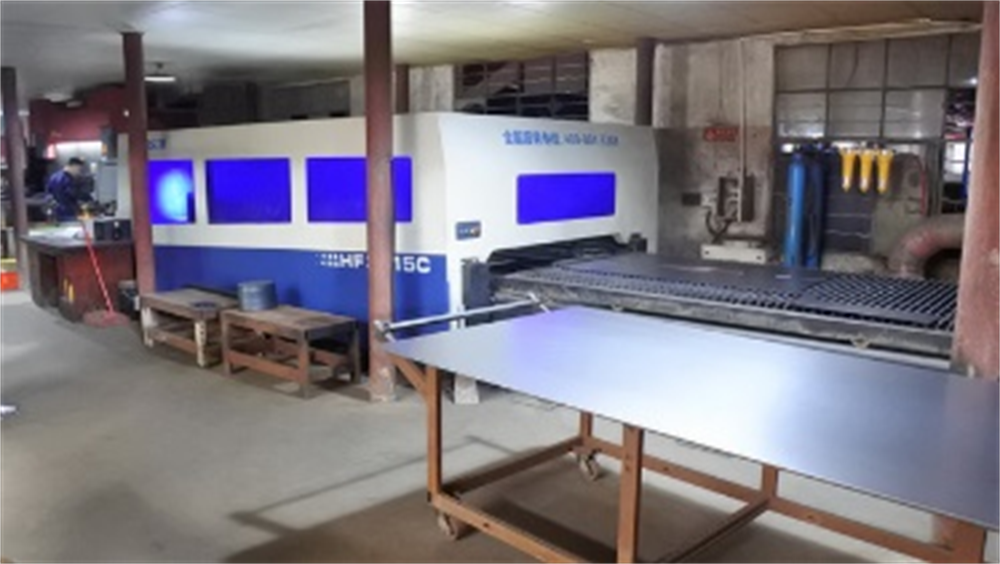
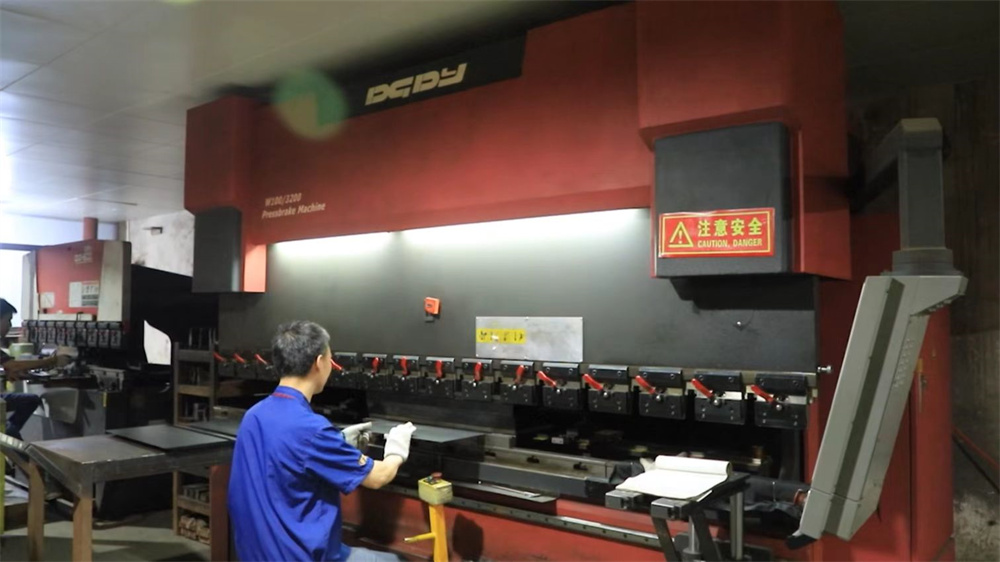
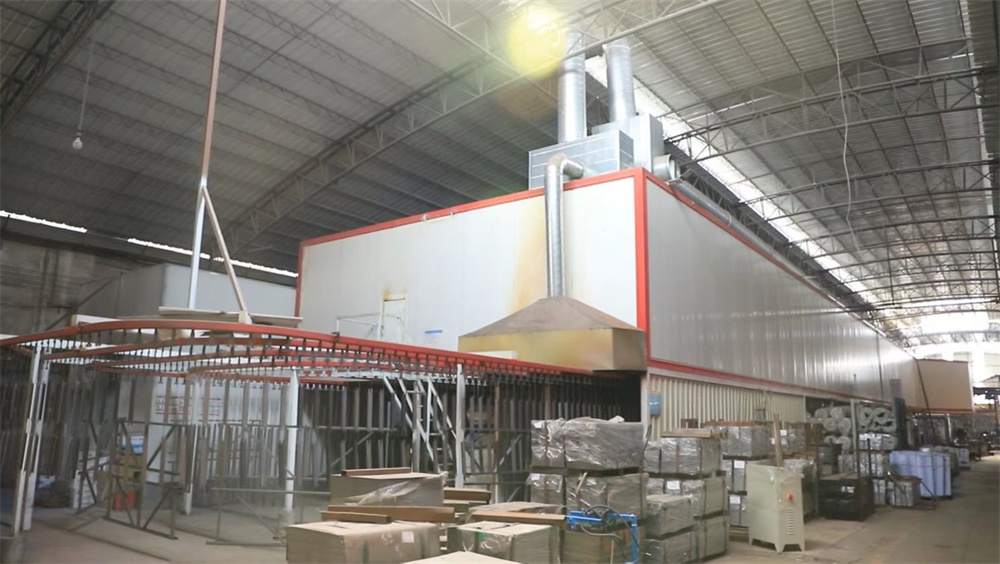
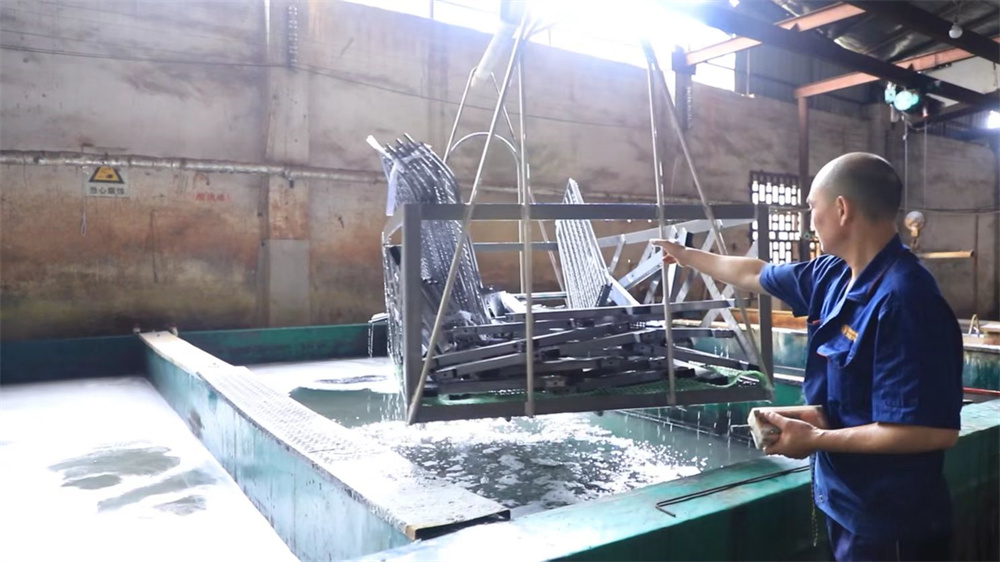
Our manufacturing cycle relies on state-of-the-art machinery and processing technologies to deliver structural precision. We utilize advanced components, ensuring structural integrity and tight tolerances for our racking systems. From laser-guided bending and punch processes to electrostatic powder coatings, our fabrication steps adhere strictly to international standards, ensuring reliable performance in demanding warehouse environments.
The Philippines is situated along the highly active Pacific Ring of Fire, exposing it to frequent earthquakes. Racking installations in Metro Manila, Batangas, Cavite, and Laguna fall under Seismic Zone 4, the highest rating under the National Structural Code of the Philippines (NSCP). Designing warehouse racks in this region requires strict adherence to seismic engineering principles to prevent catastrophic collapses.
DriveRacks uses advanced Finite Element Analysis (FEA) software to simulate dynamic ground acceleration. Our designs for the Manila market utilize reinforced steel upright configurations, larger baseplates, dual-anchor bolting systems, and heavy-duty structural cross-bracing. This ensures compliance with NSCP 2015 and international standards like the Rack Manufacturers Institute (RMI) guidelines and FEM standards.
We engineer racking structures tailored specifically to the dynamic load conditions required in the Philippines. Our structural calculations undergo rigorous testing to withstand local seismic forces and ensure regulatory compliance.
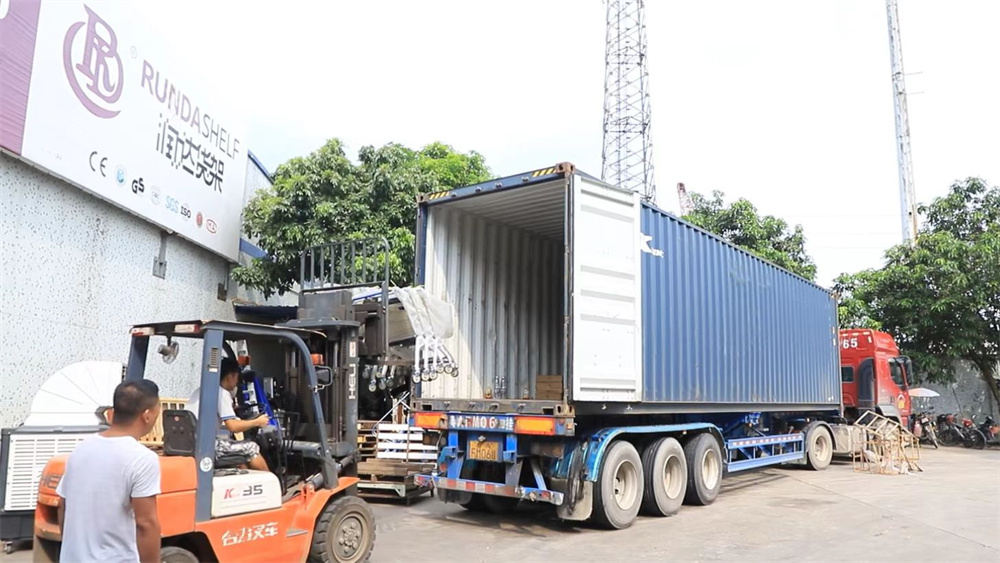
Importing large industrial racking structures into the Philippines requires navigating complex logistics and customs clearance procedures. DriveRacks supports local clients from order processing to final installation. We arrange ocean freight directly from our manufacturing facilities to the Port of Manila (North/South Harbor) or Batangas Port, coordinating customs documentation and local delivery.
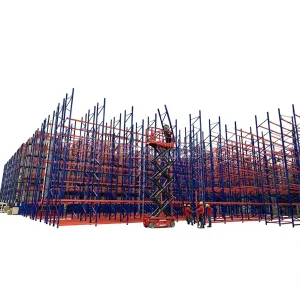
Once the components arrive at your facility, our local engineering and installation partners supervise the assembly process. This ensures every upright, beam, and anchor bolt is installed according to the original engineering specifications, providing reliable long-term performance.
Our complete collection of heavy-duty racking solutions, designed to optimize storage density and withstand tough industrial environments.
Expert insights on importing, engineering, and optimizing industrial warehouse racks for the Philippine market.
Get in touch with our engineering team today for design consultations, seismic load calculations, and competitive pricing for the Manila market.
 DriveRacks